Category: Colloquialisms

  • Ïoh motion

    The phrase "Ïoh motion" is an example of a humorous Khasi colloquialism where the Khasi word "Ïoh" has been combined with the English word "motion".

    "Ïoh" means to get and "motion" (literally momentum) symbolically refers to the motivation for something. "Ïoh motion" may be described as a sense of enthusiasm and the impetus a person feels in order to do something. For instance, feeling happy and motivated after a good conversation or after having a delicious meal 😂😂 Thus, "Ïoh motion" is usually associated with doing and completing a task at hand.

    In a Khasi sentence, it may be used thus:

    "Ani hadien ba ïa kren bad i Pa, nga ïoh motion ban pyndep syndon ïa ka shna kali."

    "Ïoh motion" is an interesting example of "Khalish", the combination of English and Khasi, in a way that the English is modified to suit the Khasi language.

    It is interesting how the merging of indigenous languages with English is happening around the world and shows the development and evolution of language. For Shillong, Meghalaya this is present mainly in urban areas where people use English daily in their communication with others.

    Khalish in particular leads to funny phrases and jokes which have a distinct ring and flavour to them. Though there will be many critiques, this phenomenon is here to stay and seems inevitable in the evolution of language.

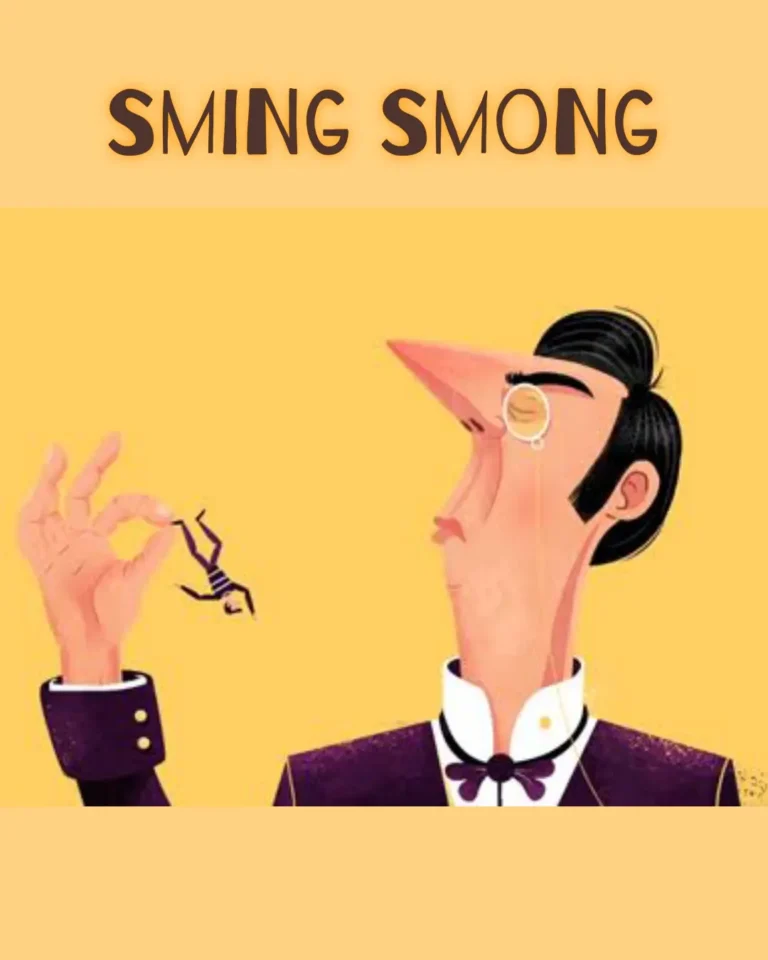
  • Sming Smong

    This is a satiric take on a Khasi colloquialism 😄

    "Sming Smong" is a dangerous disorder afflicting convent-educated/ foreign-returned/ YouTube fixated youths and grown-ups alike, who are often compelled to speak in English or Khalish when in the company of others and having a strong sense of one's own merit and a poor concept of the worth in others. The ailment mysteriously disappears when the individuals are not in a situation where they feel threatened or feel the need to show-off. Smings smongs are often at odds with the majority.

    Kane ka dei ka jingthoh biria mo 😄

    Ka "Sming Smong" ka dei ka jingshitom kaba ma kaba ju wan ha kiba leit skul konben, kiba wan phai na ri nongwei, ki samla kiba sahkut ha ka jylli ka YouTube bad kiba lah heh lah san ruh kumjuh; kibym lah khlem kren da ka phareng ne Khalish haba don bad kiwei bad kiba don bha kata ka jingsngew sarong ïa ka jinglah lajong bad ka kheiñ troiñ ïa ka bor jong kiwei. Kaba lyngngoh ka long ba kane ka jingpang ka jah rngai haba kine ki briew kim sngew donkam ban put turoi ïalade ne ban pyni ïa ka jinglong "riewshai" jong ki ha kiwei. Bunsien ki sming smong ki ju long beit kibym ïahap ne kiba marpyrshah ïa u babun balang.

    Over the years "Sming Smong" which is loaded with sarcasm, has become a colloquialism in Khasi conversation, referring to someone who has "perhaps" (air quotes please) lost his or her Khasi distinctness because of western conditioning 😁😂😅

    Ngi dei ki sming smong lut baroh, mano ba lah ban len 😅😁😂
    Kane ka jingthoh ka thew ïa ngi shuwa ïalade bad lada phi don kitei ki jinglong ba la kdew haneng, kata ka mut phi lah pang sming smong 😆🤡🤣

    Khublei Shikhohtyndaw ïa i Dr. Ellerine Diengdoh iba la phah ïa kane ka sming smong post. 😂😂🤓 Phi te phi lah nang palat!

    🟡 Khasi translation by @speakyourroots

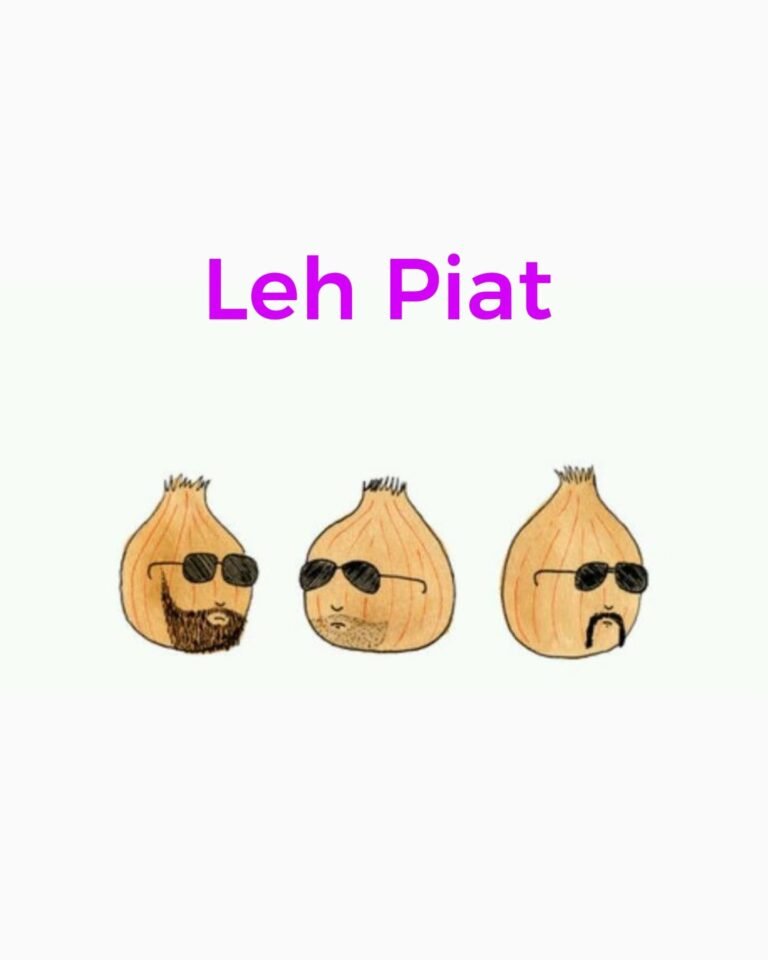
  • Leh Piat

    The Khasi colloquialism/ phrase "leh piat" or sometimes "ba piat bha" is used to describe a person who may be seen as a jack of all trades. He or she seems to be seen everywhere, meeting and conversing with people. Thus, the phrase is a way of describing the popularity of a person.

    An onion is one of the most important ingredients in Khasi recipes. Therefore the metaphor of an onion implies that a "piat" person is usually popular and is invited to (or attends) functions and events.

    The persons who are described as being "piat" or "leh piat" may also be extroverts, they are talkative, outspoken or opinionated, having a large circle of acquaintances.

    According to Ka Dienshonhi: The Khasi Encyclopaedic Dictionary the word "piat" can also be used as an adverb which means: Da kaba mut skhem ne ka jingkut jingmut shaphang kaei kaei, kum "nga shong piat ban pule, ban bam, ban trei bad kiwei-kiwei".

    This means that the word "piat" can be used to descibe the firm determination (or decision) of a person to do anything.

    The phrases "Leh Piat" or "Ba Piat Bha" are amusing, sarcastic and definitely interesting 😄😂 Whoever coined this phrase is a master of wit! 🌰🌰

    Khublei Shibun @_.natalie_kharkongor._ ba phi phah ïa kane! 🙏🙏😀

    🟡 Expanded by @speakyourroots

  • Kut ka speed

    "Kut ka speed" is a humorous phrase which is a combination of Khasi and English. "Kut" in Khasi means an end or a stop to something.

    So "kut ka speed" means the end of something that was looked forward to, like the cancellation of a picnic or the abrupt end to something which had promise like a failure in business. The use of the English word "speed" in the phrase emphasises the end or the stop to an action or event which was deemed to have momentum (in the literal and symbolic sense) but which met with an untimely end. The phrase also has the power of a warning, so as to caution someone, in case what they are doing will end up incomplete or as a failure.

    An example of the phrase in a sentence: "Ka bha ba phi mih kloi. Da mih kham sngi tang ka dheng kali ruh lah kut ka speed."

    This sentence can be translated as "You should leave early, otherwise the traffic will be kut ka speed". The phrase sounds unsuitable when the sentence is translated into English. It does not possess the same punch because it is meant to be a sentence in Khalish and not English. Further, the exact sense of the sentence is lost when we try to translate it.

    "Kut ka speed" is an interesting example of "Khalish", that is the combination of English and Khasi. The merging of indigenous languages with English is happening around the world and shows the development and evolution of language. This is present mainly in urban areas where people use English daily in their communication with others.

    Khalish in particular leads to funny phrases and jokes which have a distinct ring and flavour to them which is both indigenous as well as global. Though there will be many critiques, this phenomenon is here to stay and seems inevitable in the evolution of language.

    When you were planning to have that jadoh but when you reach the Kong says there's no more jadoh! Huuu…kut ka speed! 😂😂😂

    "Kut ka speed" is the Khalish equivalent of a buzz kill 😖 Don't deny it, especially the Shillongites 😅 Khalish has become a way of how we speak 😜

    Please comment with sentences having "kut ka speed" 😂😂

  • Siklai

    The word "Siklai" has a number of meanings which include to lie, fool, trick, deceive or exaggerate with the aim of making a joke. The word may be described as an urban slang and according to teachers of Khasi literature and language, it may have been borrowed from Hindi or vice versa.

    For example: "Mynta dry day dei? Flop leh."

    "Ïoh te me da me dial 1234567 home delivery."

    "Me ynnai siklai than."

    "Siklai" 😀😀😀A Khasi word that has gained the status of an urban slang. We have all been "siklai-ed" at some point. 🤡🤡🤡🤡 Tag all your "Siklai" Malois! 😂😂

  • U Swet Titiaw

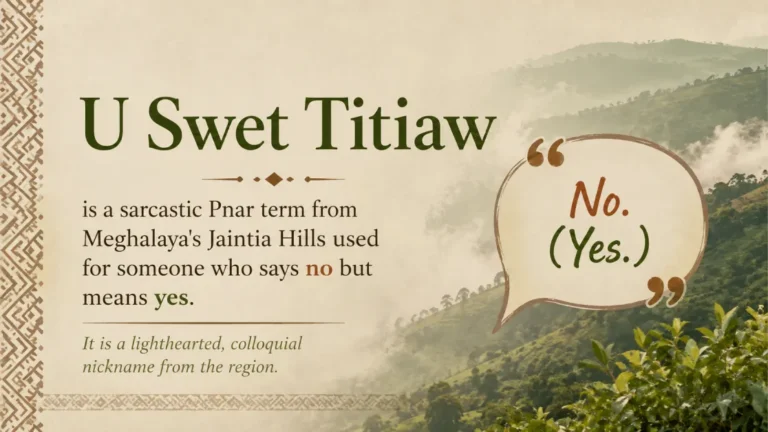
    Have you ever met a person who says no but they actually mean yes? If you offer them something they refuse and act as if they don't want it but in reality they do. In the Pnar language, they have a name for people like this. They call them "Swet Titiaw".

    The story goes that "U Swet Titiaw" is a farmer from Jowai. He has a peculiar quality and that is when people ask him something he acts as if he doesn't want to answer or when they offer him something he refuses but in his heart he wants to answer and he wants to accept the offer.

    In Pnar they say: "Leh u kam u wym bien tangwa napoh napoh kwah u naduh mynsien. Neite i daw haduh katni leh ia ki bru wa man kam o juh sin ki ki dei pyrtuid u 'Swet Titiaw'."

    "U ong tae ym bien ym bien

    tangwa ki kti ner ner nei dien.”

    "He will say no, no but his hands

    are already open from behind.”

    The Pnar nickname "U Swet Titiaw" sent by @laloorisa 😅😅😂😂 Thank you for your entry!

    "U Swet Titiaw" is quite the satiric nickname for someone who says no but actually means yes…🤡🤡

  • Maloi

    The Khasi word "Maloi" has come to gain the status of an urban slang in common parlance. "Maloi'" actually means the coconut shell and "Maloi khlieh" means the skull. Nowadays the word "Maloi" has gained a different meaning altogether implying the fun, laughter and crackpot experiences shared between friends. Besides this, the word is also used when someone says something silly or stupid like: "Nili uto uwei te lah maloi shisha phi." It is also used as a term of endearment between friends: "Ei maloi!" "Oi malois!"

    The Khasi word "Maloi" has attained a life of its own and is now used widely in conversation between friends and family 😂😂😂 Don't we love our Malois! ❤️❤️❤️🤡🤡🤡🤡

    Tag your Malois! 😄😄

  • Thias!

    There are contesting stories as to the origin of this Khasi term, pronounced "Thi-yass”, beginning with a low "Thi" ending with a high "yass”. Taxi drivers swear it began with them. An expression of something good or perfect.

    For instance, if someone asks them "How were your earnings for the day?" If they earned well they would say "Thias!" Another version is that it is a popular term to describe a drunken state, like "Nga lah thias leh!" (I am high) or “To ngin ia thias noh!" ( Come let's get high now). The expression has come a long way now and is used in common day parlance to describe everything good, be it food, earnings, the weather or somebody's look!

    This entry is sent by Dr. Ellerine Diengdoh (Assistant Professor, English, St. Mary's College, Shillong). Thank you for sending this! 😂😂