Category: Eco-friendly

  • Ka thaiñ polo

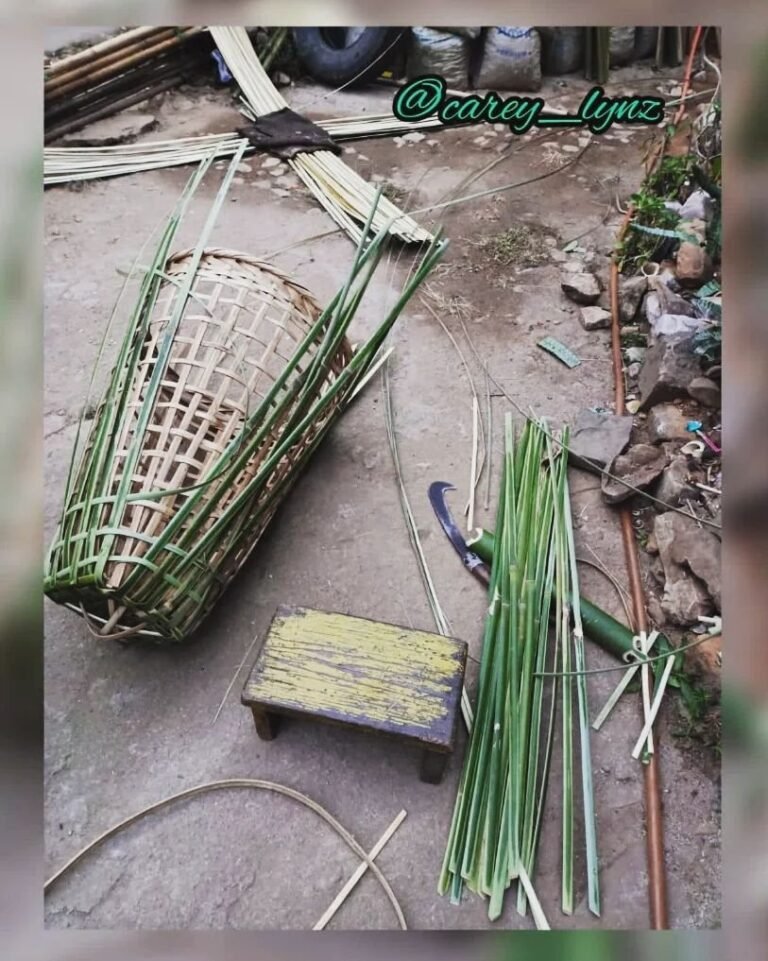
    Ka dur haba dang thaiñ polo kaba la phah da i @carey_lynz katba i dang ïaid ïa ka Mawryngkhang Trek ne ka Bamboo Trail ha Wahkhen.

    Khublei Shibun @carey_lynz ïa kane ka dur! 😄🙏❤️

    What the Khasis call a "polo" is a large deep cane basket used to carry an array of things. The polo in the picture was woven by a woman. The picture was taken at the Mawryngkhang Trek or Bamboo Trail in Wahkhen.

  • Ka Dopwai

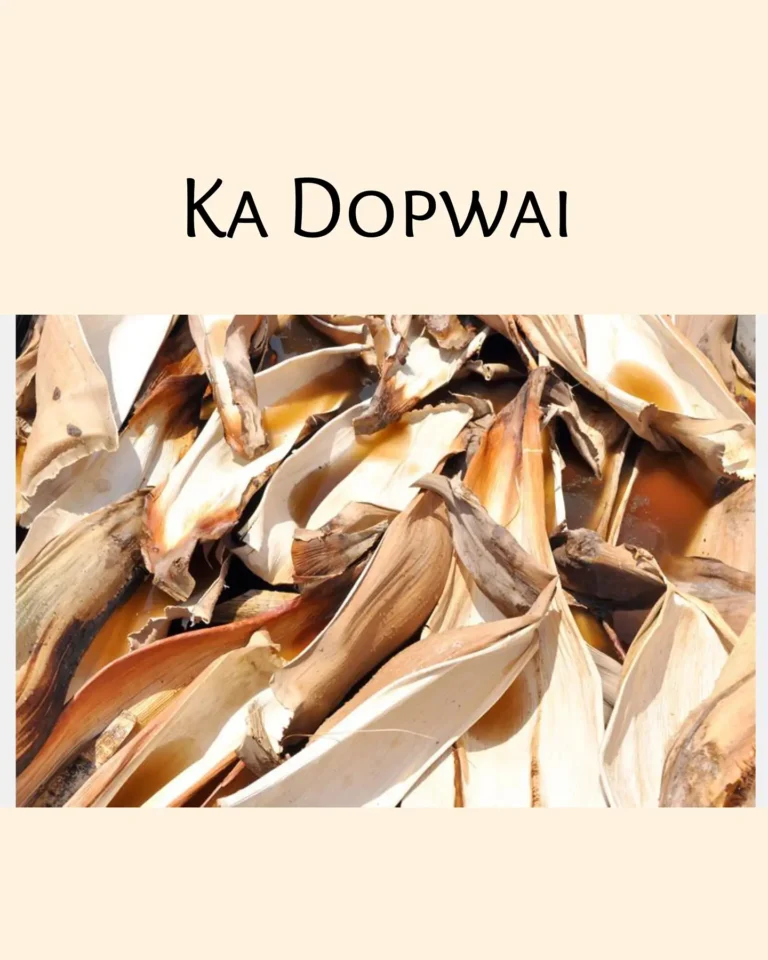
    Ka Dopwái ka dei ka sla jong u dieng kwai. Ka dopwái ka dei ka sla kaba myntoi bha lada hap leit jingleit ne leitkai namar ïa ka dopwái ju pyndonkam ban song ja lane song jingbam.

    Lada ka ja ka long kaba khluit ruh kam lei lei lada song ha ka dopwái. Ka jingsyaid jong ka ja ka nang neh ha ka dopwái. Shuh shuh, ki jingbam kim ju da kham sniew lada song hapoh ka dopwái. Ka bam na ka dopwái ruh ka da bang shisha, khamtam ki ja tyrkhong ba khlem umshit. Kum ba long ka jingshngiam ka umpohliew ba ngim da lah eh ban batai bha ha kito ki bym pat ïoh dih ïa ka, kumta ruh ka jingbang haba bam na ka dopwái ruh ka long ha kajuh ka rukom, ynda lah bam hi ngin sa sngewthuh.

    Mynta ïa ka dopwái la shna da ki karkhana ha ka dur jong ki pliang. Ki ju pyndonkam ïa kine haba leitkai ne haba khawai ruh.

    "Ka Dopwái" is the leaf of the areca tree. "Ka dopwái" is a useful and versatile leaf because it is used to pack food. Even if the food is hot the leaf is not damaged and the warmth of the food is maintained inside the leaf. Also, food packed in ka dopwái does not get spoilt even after several hours.

    When eaten, the food from "ka dopwái" has a different taste and is really delicious, especially if it is dry rice without the soup or with only a little gravy. Just like we cannot describe the delicious taste of natural spring water, so too is the taste of food when eaten from "ka dopwái". Only those who have eaten from it will understand.

    Nowadays "ka dopwái" is marketed commercially as plates which can be taken to use on journeys, picnics and even during feasts.

    "Ka Dopwái" is a hygienic and sturdy packing for food! Mother Nature is the best 🌱🌱 Let's make an effort in being more eco-conscious and do everything in our power to protect our beautiful environment.

    Khublei Shibun Miss @indariwarjri for your picture! 🤗🤗 Ka jingibang ïa phei ba phei bam ja na dopwái. Sa ïalam kai noh next taiñ! 😄😄😄

  • Sohpairah

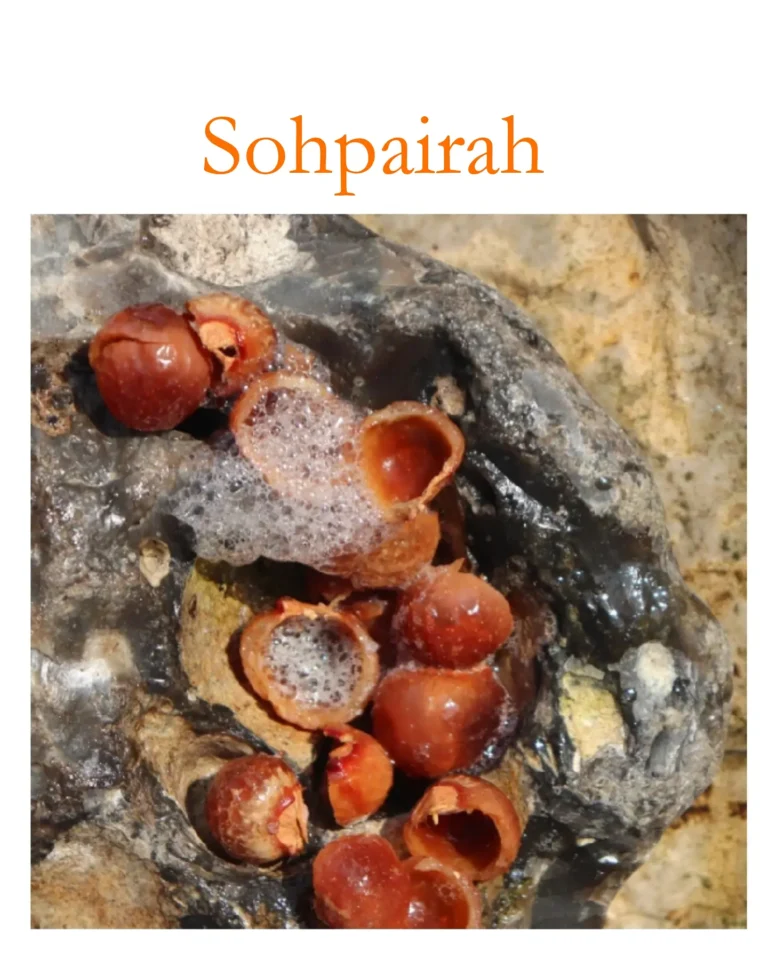
    "Sohpairah '' or soap nut is a wild tree found in some parts of Meghalaya. It is locally known as "Sohpairah" in Khasi and "Sohpinrah'' in Pnar. The fruits (nuts) have been extensively used as soap by the people of Meghalaya for more than centuries. It is believed that during the olden days, the Khasis and Pnars used Sohpairah as a washing agent to wash clothes, utensils, jewellery and also for bathing. In Jaintia hills particularly, Sohpairah was traditionally used for cleansing dead bodies.

    Sohpairah is an amazing natural detergent due to a natural cleaning essence that is contained in their shell. When soap was not widely available, the Khasis used Sohpairah to wash their clothes and the water soaked in Sohpairah was also used to wash hair. It is the most effective way of washing clothes as compared to chemical detergents. They are soaked in water and this soapy water is then used to wash clothes. This water can also be used to wash hair. So Sohpairah is a great substitute for shampoo!

    The soap nuts are the fruits of a small tree called Sapindus Mukorossi. Once picked and dried in the sun, the shells contain a natural cleaning agent called saponin that produces an effect comparable to soap. The Sapindus tree grows in hard environmental conditions and protects its native areas from erosion. It is incredibly resilient to diseases and does not need any fertilizer or chemical pesticides.

    "U Sohpairah" is a natural organic way of washing that Khasis used in the past. How many of us still use this now? 🧽🧼

    Sources:

    https://earthbits.com/blogs/earthbits/a-guide-to-soapnuts-what-are-soap-nuts-and-how-to-use-them

    https://megbrdc.nic.in