Category: Quotations

  • The Social Contract by Jean Jacques Rousseau

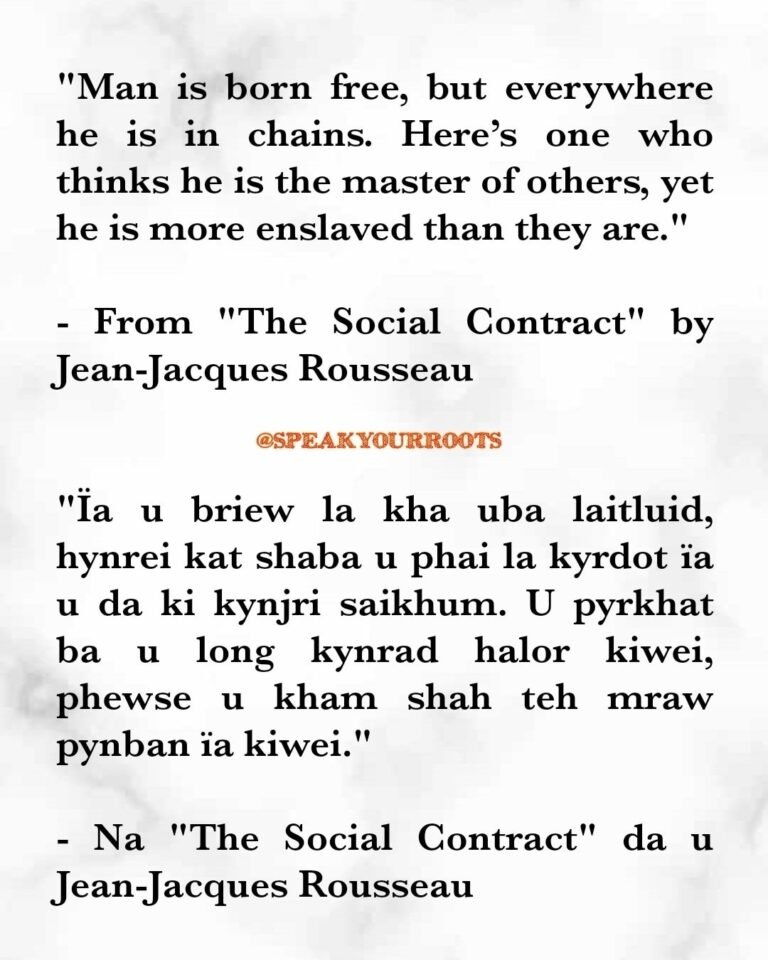
    "Man is born free, but everywhere he is in chains. Here's one who thinks he is the master of others, yet he is more enslaved than they are."

    – From The Social Contract by by Jean-Jacques Rousseau

    "Ïa u briew la kha uba laitluid, hynrei kat shaba u phai la kyrdot ïa u da ki kynjri saikhum. U pyrkhat ba u long kynrad halor kiwei, phewse u kham shah teh mraw pynban ïa kiwei."

    – Na The Social Contract da u Jean-Jacques Rousseau

    Ka kot The Social Contract (1762) ba la thoh da u Jean-Jacques Rousseau ka dei ka kot kaba bha palat lada ngi lah ban pule ïa ka. Kane ka dei kawei na ki kot ka ban ïarap ïa ngi ban sngewthuh kham jylliew ïa ka jingïadei para briew, ka synshar khadar, ka saiñ pyrthei, ka jingnang jingstad, ka ïoh ka kot bad ka imlang sahlang ha ka jingsuk bad jingbha jingmiat. 🗣️🫂👥

    Lada lah ban pynkylla sha ka ktien Khasi kan dei ka sienjam kaban long ka jingïohnong ïa ngi baroh!

    Khublei Shibun @czmylliem ba phi la pynkynmaw ïa kane ka kot 🤗🤗

    The Social Contract (1762) by Jean-Jacques Rousseau is a political piece of writing that serves as a pylon for the democracies of today, as it theorizes the elements of a free state where people agree to coexist with each other under the rules of a common body that represents the general will.

    Jean-Jacques Rousseau was a Genevan philosopher, writer and composer. His political philosophy influenced the progress of the Age of Enlightenment throughout Europe, as well as aspects of the French Revolution and the development of modern political, economic and educational thought.

    🟡 Khasi translation by @speakyourroots

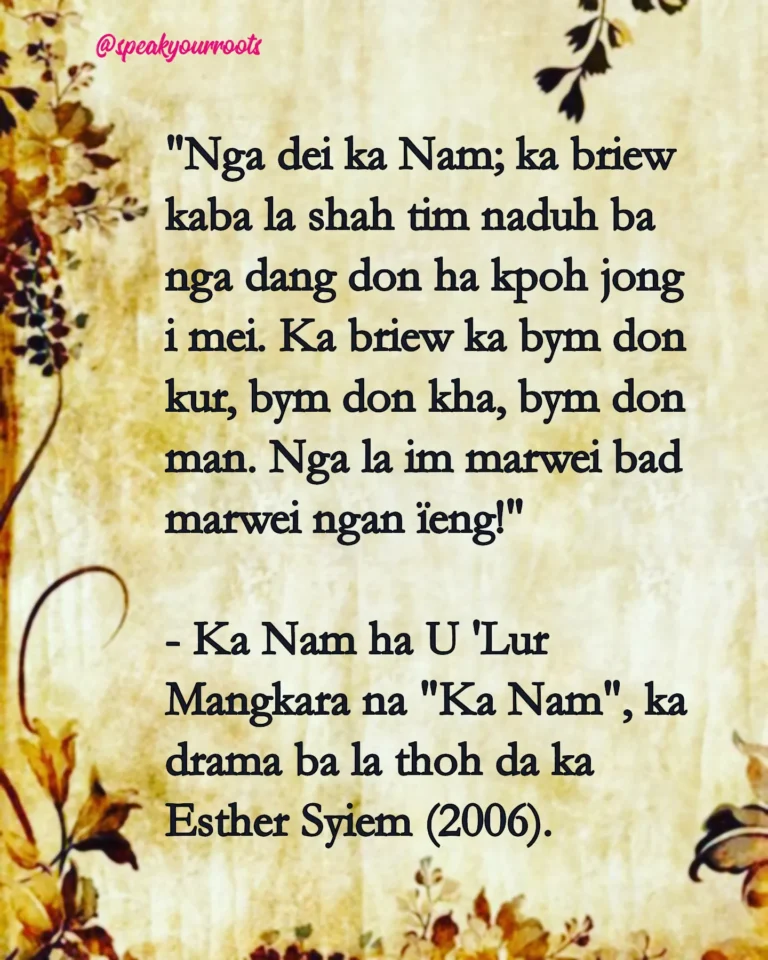
  • “Nga dei ka Nam…”

    "Nga dei ka Nam; ka briew kaba la shah tim naduh ba nga dang don ha kpoh jong i mei. Ka briew ka bym don kur, bym don kha, bym don man. Nga la im marwei bad marwei ngan ïeng!"

    -Ka Nam ha U 'Lur Mangkara na Ka Nam, ka drama ba la thoh da ka Esther Syiem (2006)

    "I am Nam; a woman who was cursed from her mother's womb. A woman with no relatives, no clan. I live and exist alone and alone I will stand."

    -Nam to 'Lur Mangkara from Ka Nam, a play written by Esther Syiem (2006)

    The story of "Ka Nam" is a story we have listened to since we were children. Have you told this story to the present generation? "Nam" denoting the perpetual strength of dignity, integrity and a good name.

    The adaptation of the folktale by Dr. Esther Syiem in the Khasi langauge is interesting and thought-provoking, weaving a feminist approach, together with themes of freedom, abandonment and the self. 🗣️📜

    Dr. Esther Syiem is a Professor in the Department of English, North-Eastern Hill University, Shillong.

    🟡 English translation by @speakyourroots

  • Namar ba ka dohnud u briew…

    "Namar ba ka dohnud u briew ka dei ka jaka kaba rit eh ha kaba ka jingsngew jong u ka shong; pynban, dei na kata ka jaka ba ka bor kaba synshar ïa ka jingim jong u kaba man ka sngi ka wan mih, bad ba kane ka bor ka pynproh ïa ka jabieng jong u haduh katta katta ba u lah ban ïohi ïa kiei kiei kiba phylla kiba don ha lyndet ka jingïohi ki khmat jong u…"

    – La shim na U Don Putit Bad U Khlieh Ka Khnap Masi (1978) ba la thoh da u Dewi Singh Khongdup

    "Because the heart of man is such a small space where his emotions dwell; yet it is from this space that the power and energy that rules over his life everyday emerges, and it is this power and energy which sharpens his brain, to the extent that he is able to see incredible and wonderful things which lie beyond the vision of his eyes…"

    -Translated from U Don Putit Bad U Khlieh Ka Khnap Masi (1978) written by Dewi Singh Khongdup

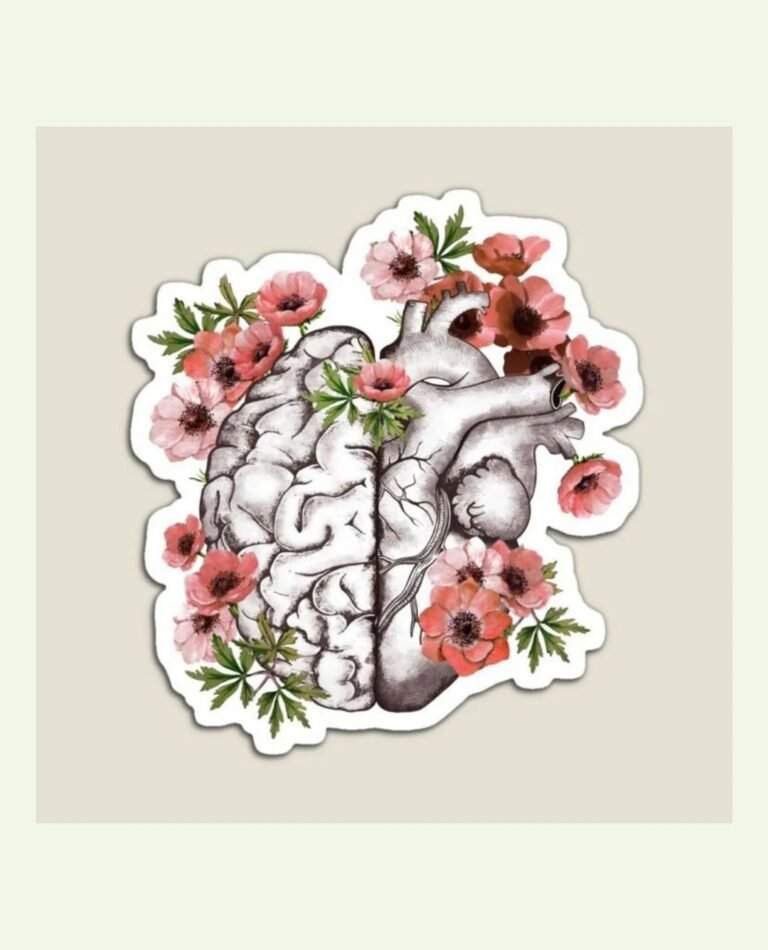
    The heart and the mind, "ka dohnud bad ka jabieng" as the passage says energise our existence. ❤️🧠

    The series of books on the character of U Don Putit by Dewi Singh Khongdup are entertaining and humourous and also contain valuable lessons for human life.

  • Language is the road map of a culture
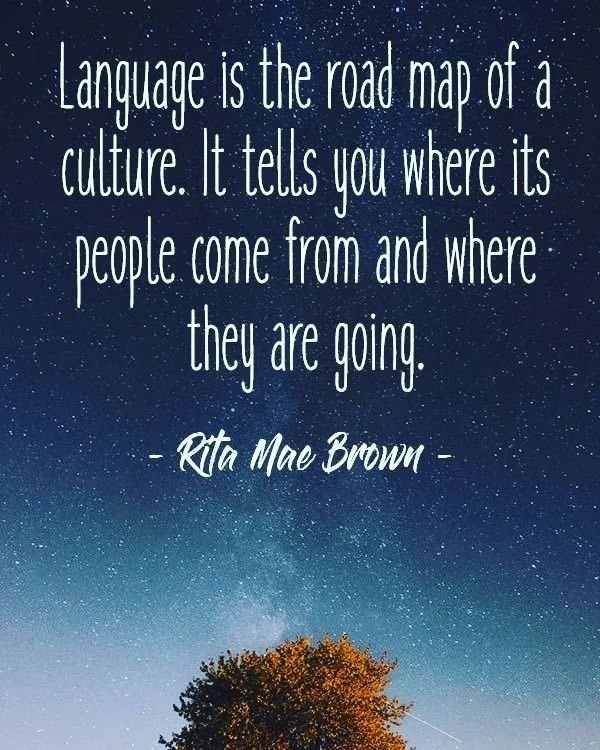
    "Language is the road map of a culture. It tells you where its people come from and where they are going."

    – Rita Mae Brown

    Rita Mae Brown, born in 1944 is an American feminist writer, best known for her coming-of-age autobiographical novel, "Rubyfruit Jungle". Brown was active in a number of civil rights campaigns.