Blog

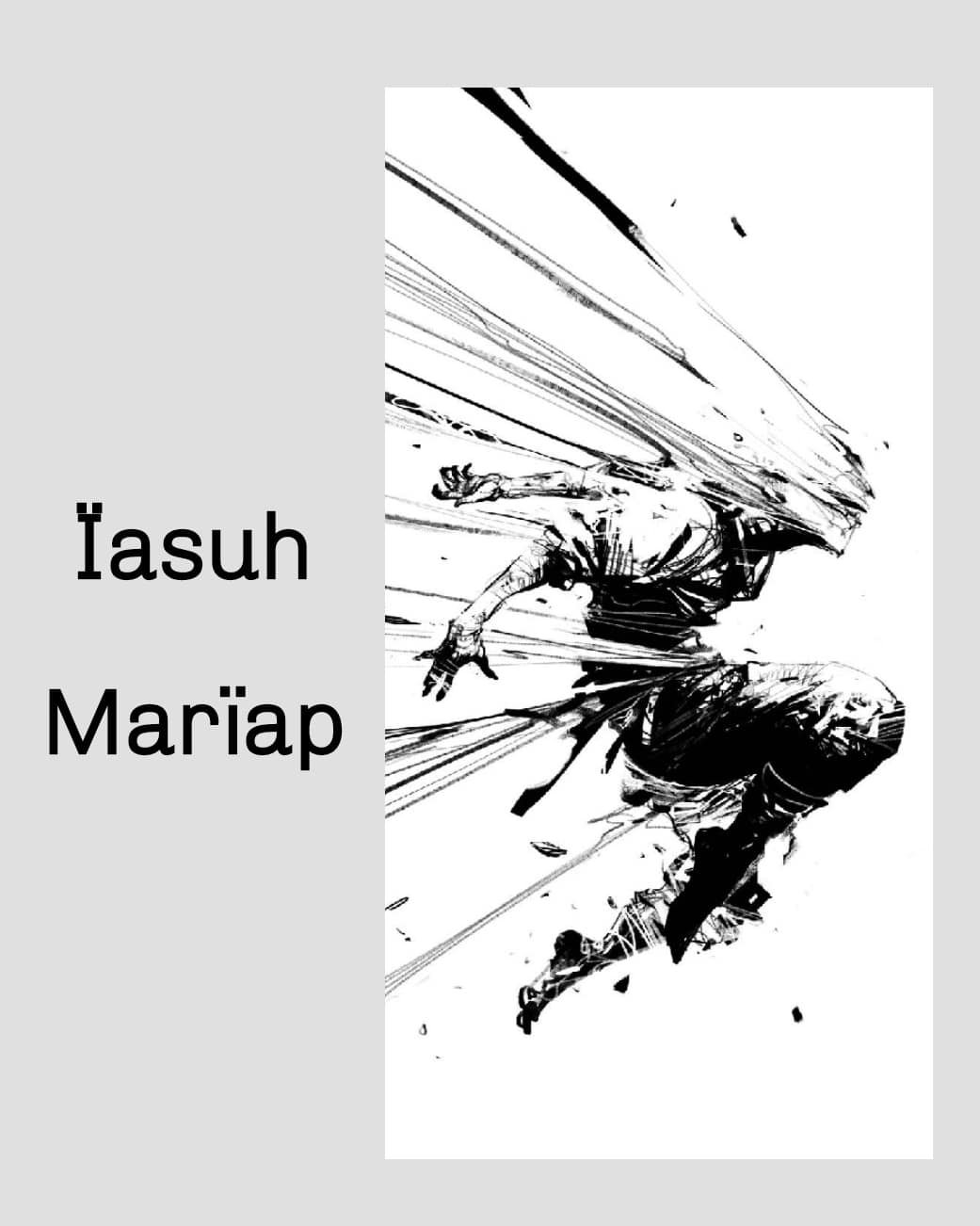
  • Ïasuh Marïap

    Ka jingong "Ïasuh marïap" ka mut kaba rai kut ïa la ka jingim da kaba pynmih lut ïa la ka bor ha kano kano ka thong ne jingpyrshang khatduh artat.

    Shuh shuh, lah ban batai ba ka dei ka jingïaleh kheiñduh ïalade bad kata ka jingïaleh ka dei kaba khatduh ïawai artat.

    The phrase "Ïasuh marïap" refers to an irreversible decision that is taken with regards to oneself, where there is an absolute and complete expending of power or energy in any competition, challenge or endeavour.

    This competition, challenge or endeavour may be the last or final one in the life of this particular individual. The phrase "do or die" may partially describe this situation.

    The Khasi phrase "Ïasuh Marïap" reflects the grit and determination that we need in our lives. ⚡⚡⚡

    🟡 English translation by @speakyourroots

  • Legal Terms in Khasi

    Lawyer – Muktiar

    Lawsuit – Ka Mokotduma

    Deed – Ka Dulir Khyndew

    Gift deed – Ka Jingaisngewbha/ Ka Dulir Jingaisngewbha

    Lease deed – Ka Dulir Ai Wai

    Fine – Ka Jarimana/ Ka Daiñkuna

    Judge – Nongbishar

    Magistrate – Majistor

    Court house- Ka Ïingkashari/ Ka Ïingbishar

    Witness – Nongsakhi

    Boundary description – Pud Sawdong

    Court appearance – Hajir

    Signature – Jingsoi

    Judgement/ Order – Ka Jingbishar/ Ka Rai

    Bailor – Bahjamin

    Divorce – Pyllait San Shyieng

    Maintenance – Bai Bam

    Defamation – Ka Jingpynbudnam

    Plaintiff / Petitioner – Nongmudui

    Defendant/ Respondent- Nongshahmudui

    Offence/ Illegal act – Ka Kam Be-aiñ

    Tax/ Royalty – Musur

    Cross-examine – Swar

    Petition – Dorkhad

    Mortgage – Ka Bynda

    Many of us might not know the correct legal terms in Khasi. 📃🖋️ So here they are!

    Khublei Shibun @nisha_daphi for sharing your legal know-how! 😀🙏

  • Ka Spah Pyrthei da i Labianglang Diengdoh

    "Ka Spah Pyrthei kam long ei ei
    Haba Spah Mynsiem naphi kam shlei."

    "Worldly wealth amounts to nothing at all

    when the wealth of the heart does not flow."

    – Labianglang Diengdoh

    Khublei Shibun @the_lost_soul_dreamer for more words of wisdom 😄🌈

    English translation by @speakyourroots

  • Different kinds of quantity or measurement in Khasi

    "Shi-bdi" ka dei arphew tylli (20) ka diengïap ne diengthang/ twenty pieces of firewood.

    "Shi-bhar" ka dei laiphew ar tylli (32) u soh ha bhar rit lane hynriew phew saw tylli (64) u soh ha bhar heh. Kane ka dei ka rukom ñiew soh/ this is a method of counting fruits which contains thirty-two or sixty-four fruits according to a small or big "bhar".

    "Shi-biah" lane "shi khongpong" ka dei shi song u sla tympew kaba kynthup haduh hynriewphew tylli (60) ki sla khamtam ki sla kiba heh ban die ha ïew/ sixty leaves of the betel leaf especially the bigger leaves to be sold in the market.

    "Shi-khongshi" ka dei shi song kaba kynthup arphew tylli (20) u sla tympew/ a pack of twenty leaves of betel leaf.

    "Shi-kaa" ka dei shi nat u kwai/ a bunch of betel nut.

    "Shi-kti" ka dei shiphew tylli (10) u kwai/ ten pieces of betel nut.

    "Shi-kani" ka dei shi byrni kaba kynthup sawspah tylli (400) u kwai/ one sack which contains four hundred betel nuts.

    "Shi-káw" ka dei ka tylli kaba kynthup 1280. La ju pyndonkam ïa kane ka ktien bad ki jingteh, ki sbái, ki sohmynken bad kiwei kiwei/ a number which contains 1280. This number is used in terms of referring to things that are tied in a bundle.

    "Shi-klah" ka dei shi rynïeng ka kti/ a full arm's length.

    "Shi-kot" ka dei arpruh ne u dieng thew uba kot arpruh/ 36 inches or a measuring stick of 36 inches. (Shi pruh is 18 inches)

    "Shi-dista" ka dei arphew sla (20) ka kot sada/ twenty sheets of paper.

    "Shi-dorjon" ka dei khatar tylli (12)/ containing a dozen.

    "Shi-hali" ka dei saw tylli (4)/ containing four.

    "Shi-jhap" ka kynthup ïa kaba khathynriew ngut (16) ba dei tang ïa ki khun ba la kha lane shi ryngkap ki khnam/ sixteen children or sixteen arrows in a quiver.

    Khasis have many units of quantity and measurement that have been used for the purpose of trade, commerce and business 🧮⚖️

    🟡 English translation by @speakyourroots

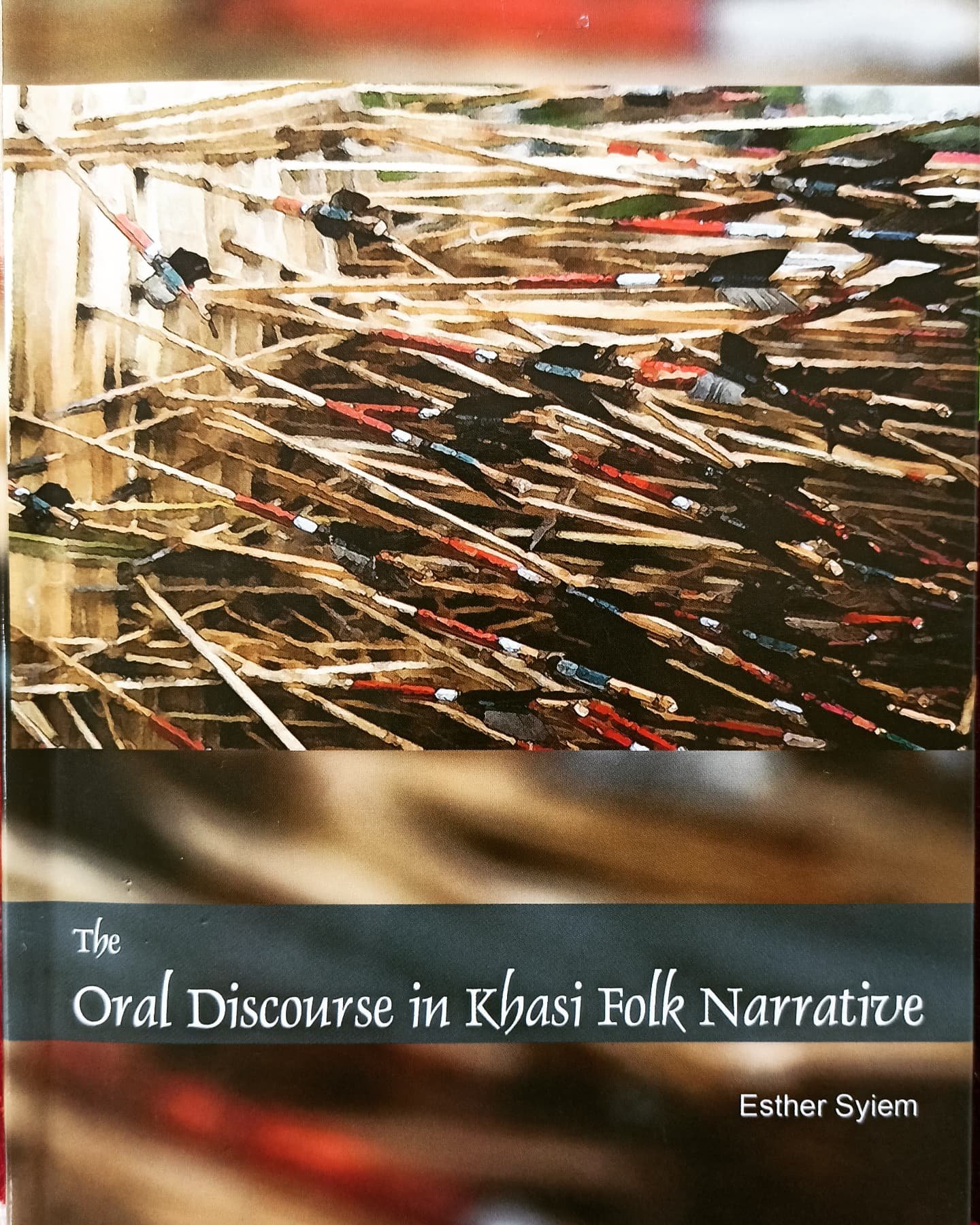
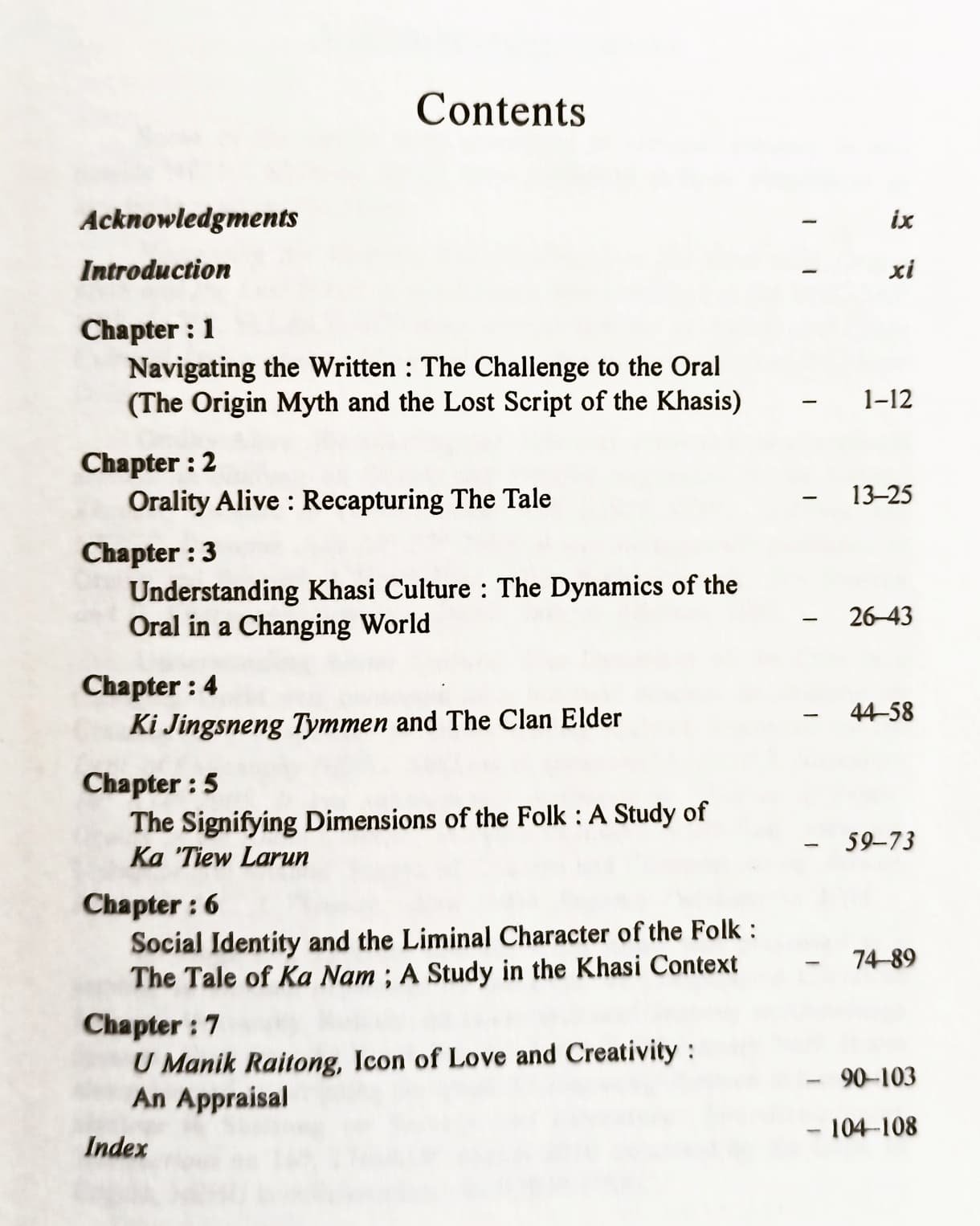
  • The Oral Discourse in Khasi Folk Narrative by Esther Syiem

    The Oral Discourse in Khasi Folk Narrative by Dr. Esther Syiem @meiithei (2011) offers analysis and insight into Khasi orality. The book discusses the Khasi world view, showing how the oral tradition thrived in the past and how it is still a powerful presence among the Khasi community in the twenty-first century.

    This book will especially be beneficial for researchers and anyone wanting to know and understand the Khasi oral tradition in an in-depth way.

  • Thoh shun ki blei

    "Thoh shun ki blei" ka dei ka shun ba la thoh da ki blei. Kane ka jingong kaba sngewtynnad ka thew ïa kito ki briew kiba don ïa ka bok ka nusib ban long 'riewkhraw, 'riewspah ne riewpawnam.

    Ïa ka jingthoh shun ngi lah ban shim kum ka jingpruid lynti lypa ïa ka jingim jong u ne ka briew bad ka jingshem bha shem miat jong ki kaba la mang da ki blei.

    The phrase "Thoh shun ki blei" literally means lime paste that has been marked or traced by the gods. This phrase symbolically refers to an individual who possesses the good fortune, of becoming great, wealthy, famous or well-known.

    The marked lime paste is a metaphor for being marked for good fortune in life, which can be interpreted as a predestination of the gods.

    In Khasi culture, lime paste figures prominently as an aid for protection from forces of evil.

    "Thoh shun ki blei" is to be blessed with that extra something that no man can take away!

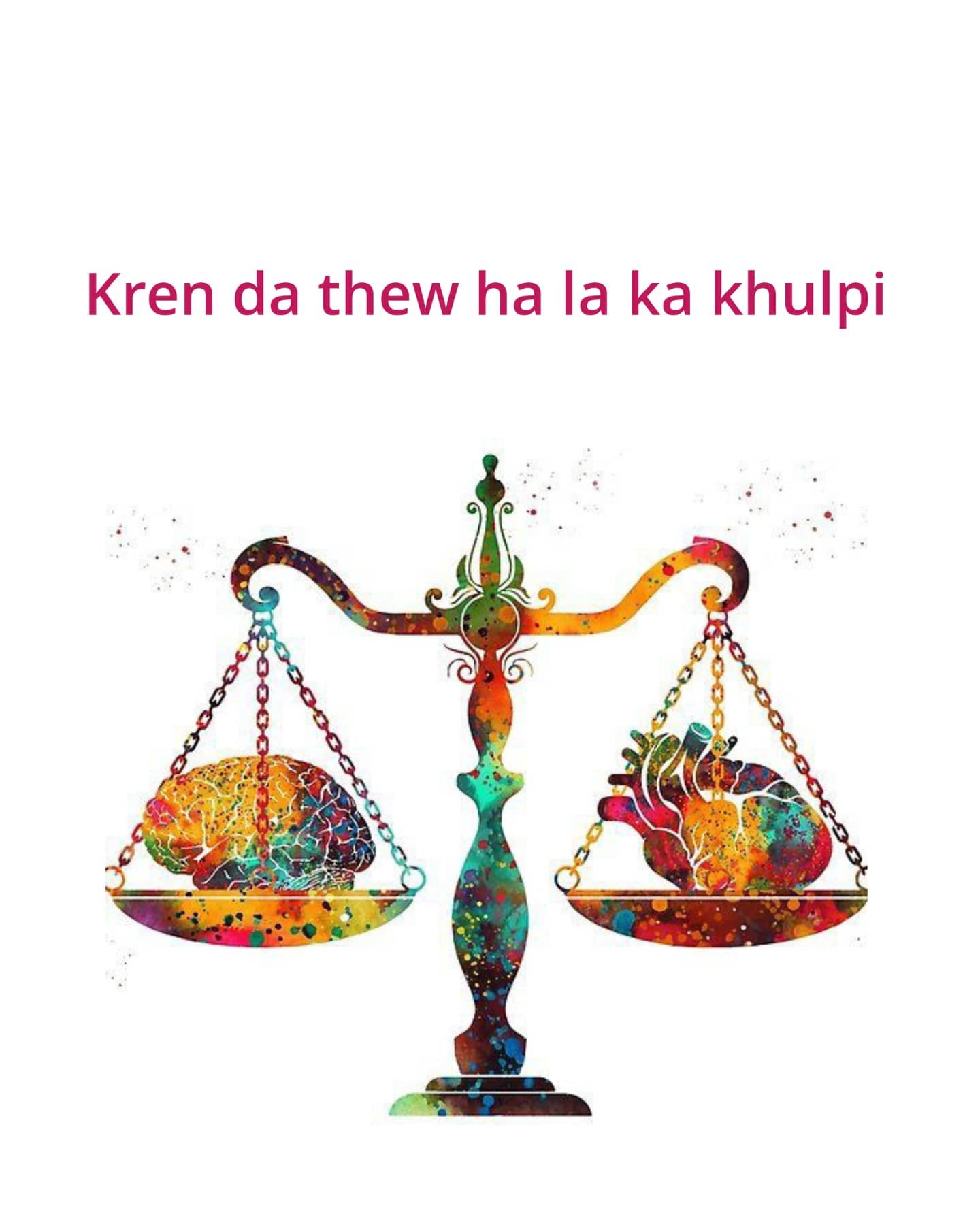
  • Kren da thew ha la ka khulpi

    "Kren da thew ha la ka khulpi" ka mut ban kren da kaba sumar ha khmat ki briew, ne haba duwai ha u Blei, ban antad bad ban thew ïa la ka ktien ha ka tarajur ka mynsiem bad ka dohnud, shuwa ban pynmih ïa ka shabar.

    La nang pynshongkhia shuh shuh ïa kane ka jingong da ka ktien "khulpi" kaba mut ka jingshisha ba la buhrieh bad kaei kaei ka bym lah ban ïohi.

    Namar kata, lada ngi ong "Kren da thew ha la ka khulpi" ka thew ïa ka ktien kaba mih da ka jingsngewthuh bad jingshemphang, kaba la pynphrang ne pynwandur da ka jingshisha kaba don ha ka mynsiem bad ka dohnud.

    The phrase "Kren da thew ha la ka khulpi" means to speak with care and caution in front of people, or when in prayer to God, to assess and measure words in the scales of the soul and heart, before speaking the words.

    Beauty and depth is added to the phrase because of the word "khulpi" which means the truth that is hidden and something that cannot be seen.

    Thus, when we say' "Kren da thew ha la ka khulpi" it refers to the wisdom and insight that is expressed in words, which have been moulded and tempered by the truth that exists in the heart and soul.

    "Kren da thew ha la ka khulpi" is a beautiful phrase which expresses the power of the spoken word. 🧠♥️🗣️

    English translation by @speakyourroots

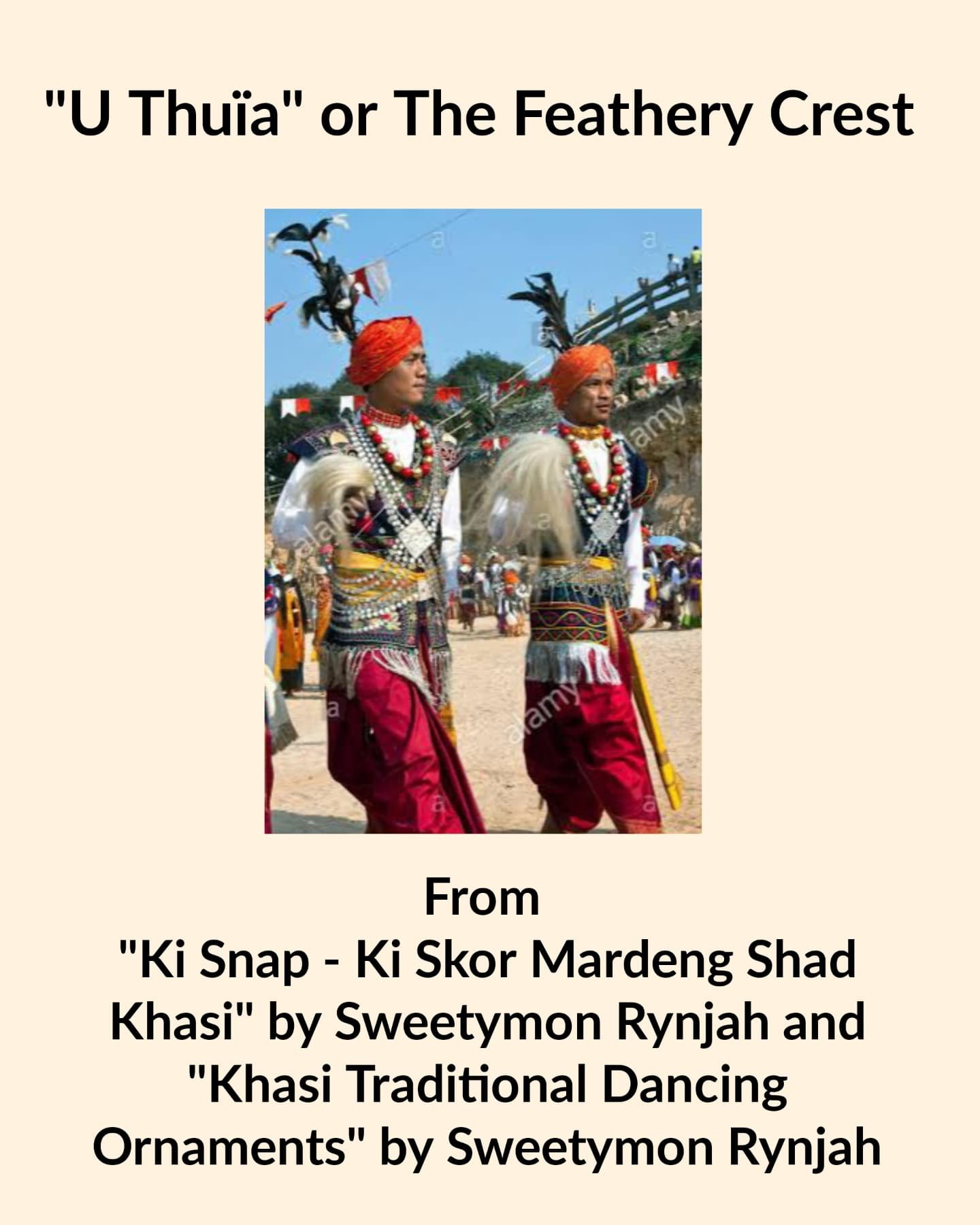
  • U Thuïa or The Feathery Crest

    "U Thuia" or The Feathery Crest

    From Ki Snap – Ki Skor Mardeng Shad Khasi by Sweetymon Rynjah and

    Khasi Traditional Dancing Ornaments by Sweetymon Rynjah

    U Thuïa

    Ka jaiñspong ha ka riam Khasi ka ïoh ïa ka bynta ba kongsan eh ha ka riam u rangbah Khasi. Ka pynphuh ïa ka maiñ rangbah bad ka ïoh la ka longsan ha ka jingpynkup burom ha kino kino ki kam bad jingleh burom kat kum ka rukom Khasi…Tangba ha ka shad ka kmen khamtam ka shad ainguh, la sieh bad pyndait pat sa ïa u Thuïa. Kumta u Thuïa u shim ïa ka bynta kaba kongsan bad ba khlieh tam ha ka riam shad shynrang jong ngi ki Khasi.

    Ïa u Thuïa la sieh tyngkhap ha ka jaiñspong na shadien khlieh jong u nongshad bad la teh pynskhem da ki arliang ksai jong u bad pynskhem ha ka jainspong. Une u Thuïa, ym tang ba u pynphuh pynphieng ïa ka maiñ ki long shynrang, hynrei la bsap ruh ïa ki jingmut barieh, kiba ki longshuwa manshuwa ki la pynkup ha u, kum ki dak ki shin ban pynpyrkhat bad ngam jylliew ban khyllie pat ïa kita ki syrtap ba la pynkap bad pynshat ha u dur jong u. Hynrei kam long kumta ha ka pyrkhat bad pynshong kaba ka sain pyrkhat pynneh dustur bad pynsah riti jong ki longshuwa jong ngi.

    La shna pynbit pynbiang ïa u thuïa na ki sner jong ki sim ki doh. Ki sner kiba kham heh ki long kiba ïong, ïa kine la teh pyndait ha i dieng ba la khrud pyllon bad teh pynskhem bha, ban da pynwandur kyrphum ba kham ïar na sha trai bad nang kham rit khyrphum katba nang kiew sha khar jong u. Ha kine ki sner kiba ïong pat, la teh pyndait ïa ki sner lung balieh, kiba la teh synrop kumba saw ne san tylli bad pynkhreh kyrpang shuwa ban teh ha ki sner ba ïong, ba la pynskhem ha i dieng pyllon ba la pai pynjlih pynrit ban rung ha ka tyngkhap syrtap jaiñspong u nongshad.

    Ki kpa tymmen jong ngi ki ju kham pyndonkam da ki sner u sim Rynñiaw. Une u sim u phong u kup da ki sner kiba ïong ha met katba na shadem haduh tyngkhap kjat, ki sner ki long lam bthuh-lieh. Ha u tyndai dong jong u, u don artylli ki sner kiba kham jrong na baroh kiba shat ïa ka rong thwei ïong, rong lir syriem ïa ki sner jong u klew. Ha ki puriskam purinam Khasi ïa u sim Rynñiaw la pynkap kum u khun binong bishon, uba don ka akor bad kup da ker la ka burom, uba wan na ka longïing longsem kaba bha ba miat. Ha une u sim la pynïasoh ïa ka jingshlur bad shynrang mynsiem bad la pynkup ruh ha u, ïa ki nuksa jong ka jinglong shynrang jingmut ha la ka jingthmu…La pynïasoh ruh bad une u sim kum u shynrang ka wait ka stieh kaba mut ba thew ïa u briew uba kloi ban len ïalade na ka bynta kiwei pat lane na ka bynta la ka hok.

    The Feathery Crest/ U Thuïa

    Thuïa is the feathery crest or plume attached to the "spong khor" of a Khasi male dancer. "Spong khor" is a head-dress or turban, called "jaiñspong" in Khasi. This "jaiñspong" does not only give a manly appearance to a Khasi male but also enhances his stature and look. This Khasi head-dress has become a way of honouring and glorifying any important personage, by presenting and entwining the same on his head on any occasion of festivity. It has also become an integral part in the consecrating ceremony of the chosen Khasi Syiem. The "Spong khor" is entwined on the head of the chosen Syiem as a mark and symbol of instrumental authority after completion of all the religious ceremonies.

    We also witness in the Khasi Thanksgiving Dance of "Ka Shad Suk Mynsiem", all male dancers dressed with turbans of dhara, muga or ka "Spong khor". This "Spong khor" is a hard strong mixture of silk, known in assamese as "Gumchen", specially made with geometrical designs or animals motifs in red with a background of yellow. On the back of this turban, a feathery crest or plume called "U Thuïa" is attached. It is fastened to the turban, its two threads, which passed through the layers of the turban before fastening and knotting.

    "U Thuïa" is prepared from the feathers of birds. The bigger feathers are of black colour, which are fastened and tightened to a small stick, prepared for this purpose. The lower portion of the stick has been thinned out to enable to pass through the layers of the turban. On the tips of these black feathers, a small bunch of white soft feathers in a cluster of four to five, prepared separately are fastened and tied to the black feathers. "U Thuïa" gives a conical shape broader at the base and narrower while ascending to the top.

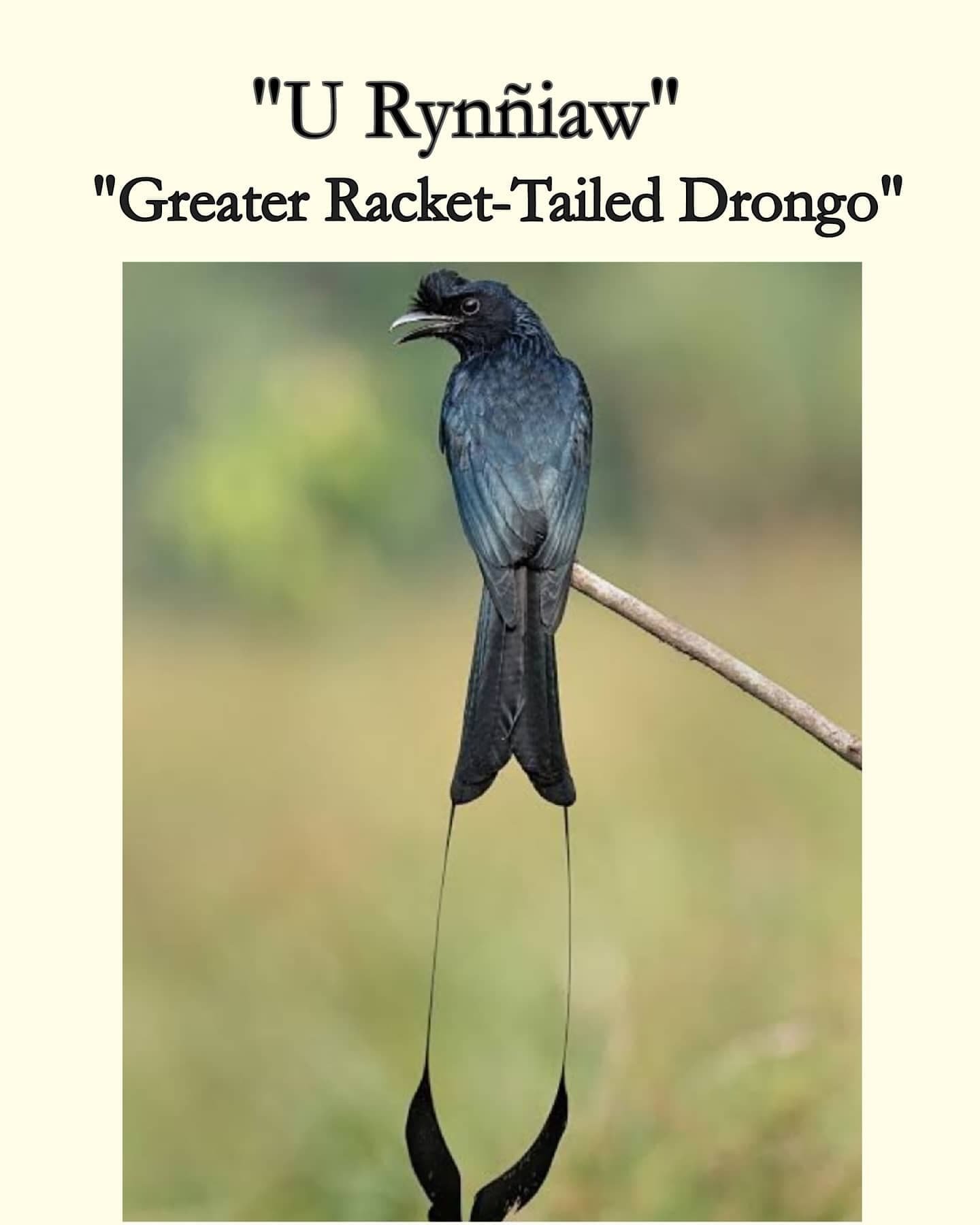
    It has been orally told by Khasi elders that our forefathers used the feathers from the bird, called "Rynñiaw" while preparing "U Thuïa". It is a bird with black feathers on its body, while on its chest, the feathers are soft and cloudy white. This bird has two feathers on its tail with shades of blue, tinted with indigo like that of a peacock. In the Khasi fable of "U Rynñiaw", the bird is personified as a nobleman, well brought up in good etiquette and behaviour, with good qualities and moral values. Courage and chivalry are also embodied in this bird, being an example of a man with strong will and determination, who girdled his will power, in whatever, he aimed at, without scarificing his manly honour and prestige. "U Rynñiaw" was also assimilated as a champion for a noble cause of peace and harmony, at the cost of his own mental agony and lamentation. Hence, he can mortify himself for others for a righteous cause.

    The traditional Khasi attire of men in "Ka Shad Suk Mynsiem" contains a deep significance. Thanks to Kong Sweetymon Rynjah we understand the beauty and symbolism behind "U Thuïa" or the Feathery Crest of "Ka Spong Khor".

    "U Rynñiaw" is the bird from the fable "U Rynñiaw bad ka Sohlyngngem".

    🟡 Abridged and translated by @speakyourroots
  • Ka Lorni or the Grey-backed Shrike

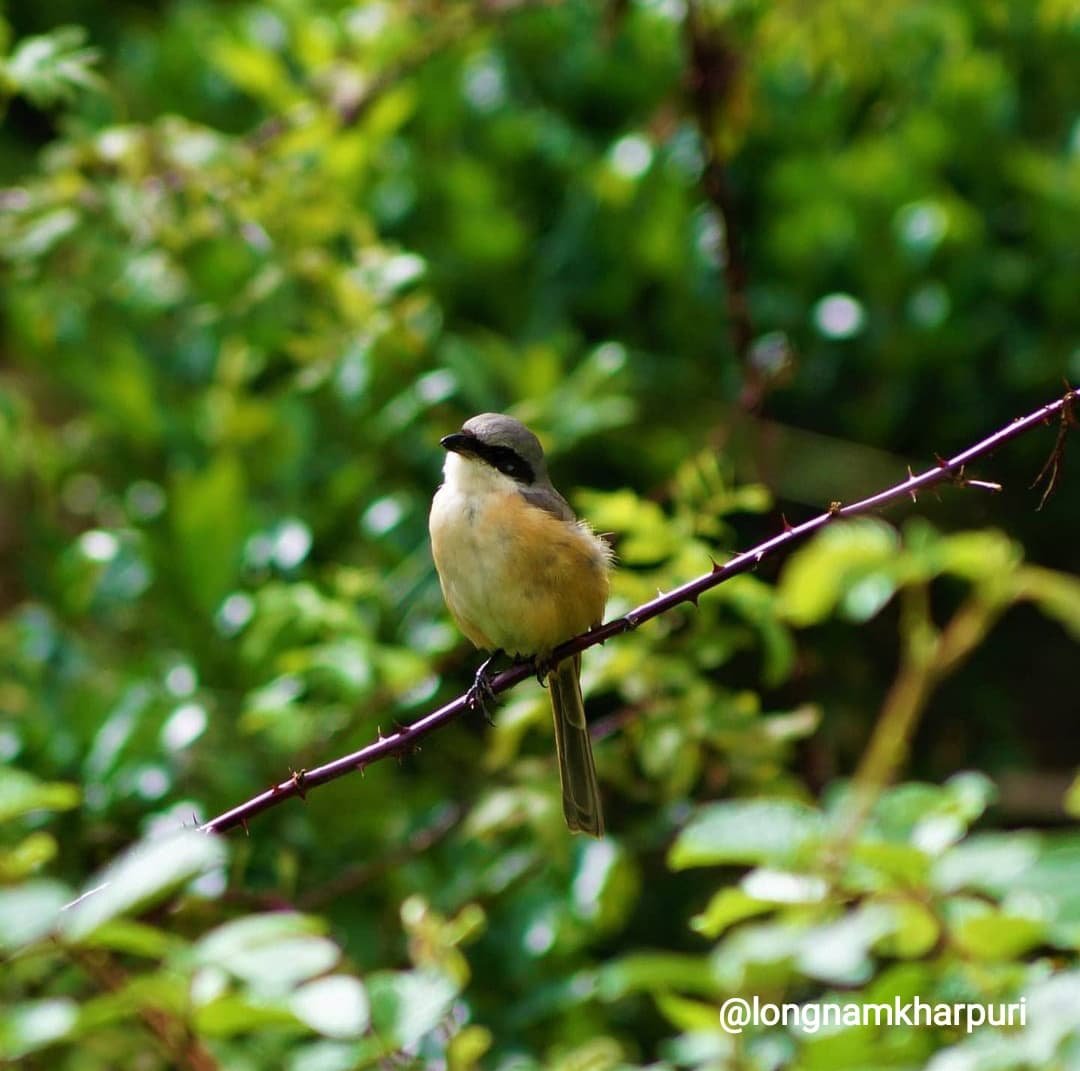
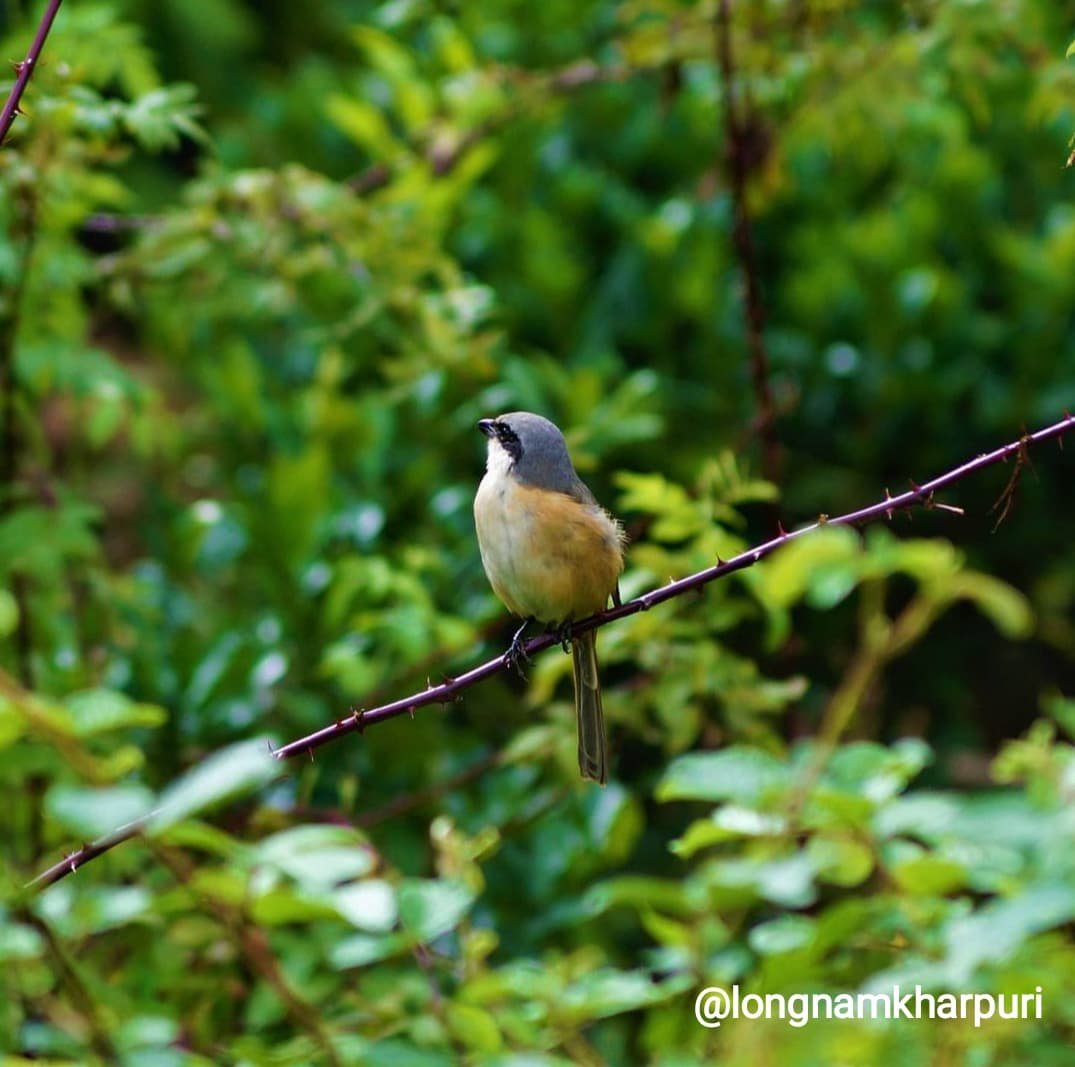
    "Ka Lorni" or the Grey-backed Shrike sighted by @longnamkharpuri in Mawlai Mawroh, Shillong. Thank you for this! 🙏

    She says: "Shrikes really enjoy sitting on wires and poles and just staring. This one was easy to capture because it just sat there for almost 15 minutes." She also added that they have shrieky calls. Like we say in Khasi "Ki dei kiba pah kaw kaw".

    Maybe that's how the name "Lorni" came into being because the Shrike sits and observes and then shrieks loudly? Or was it that the bird's nature suited the word? 😂😂

  • Red tea, rice and ktung thang

    Lehse, kham niar napdeng jong ngi,

    Ban iohmad ia i jakhluid, sha saw,

    soh mynken khnai war bad 'tung thang

    dang step phyrngap ha

    skum trep ha nongkyndong kynjai.

    Khublei Kha.

    Khublei paralok.

    Khublei Mei Ramew.

    -Paia B. Dohling

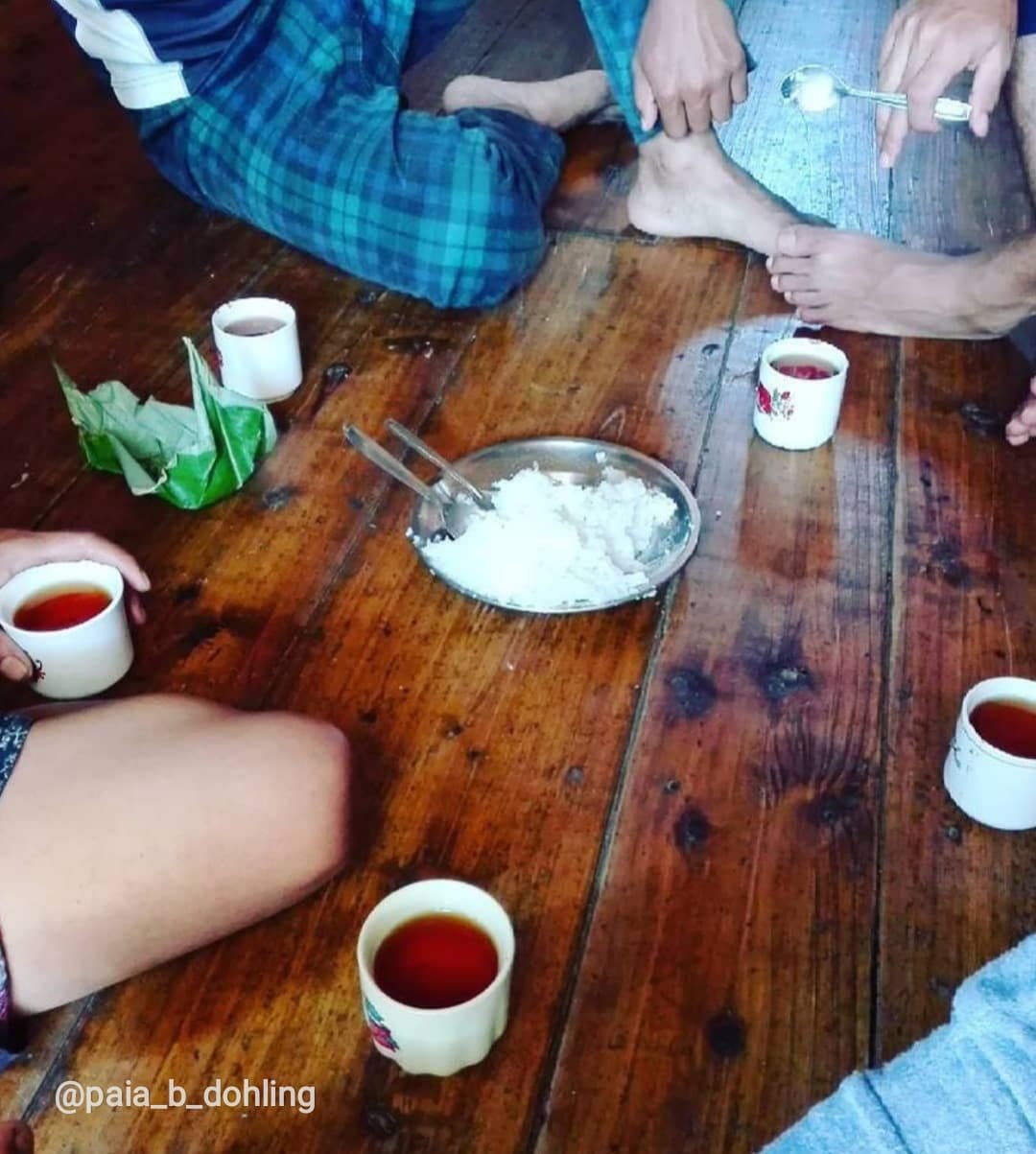
    The taste and flavour of red tea with rice and ktung thang (roasted dry fish) 😀😀 ❤️🤎🌱🌱 The typical Khasi breakfast mostly comprises of tea with plain rice 🌾🌾

    Khublei Shibun @paia_b_dohling for tagging us in this picture! Love the wooden floor holding the breakfast we all know!