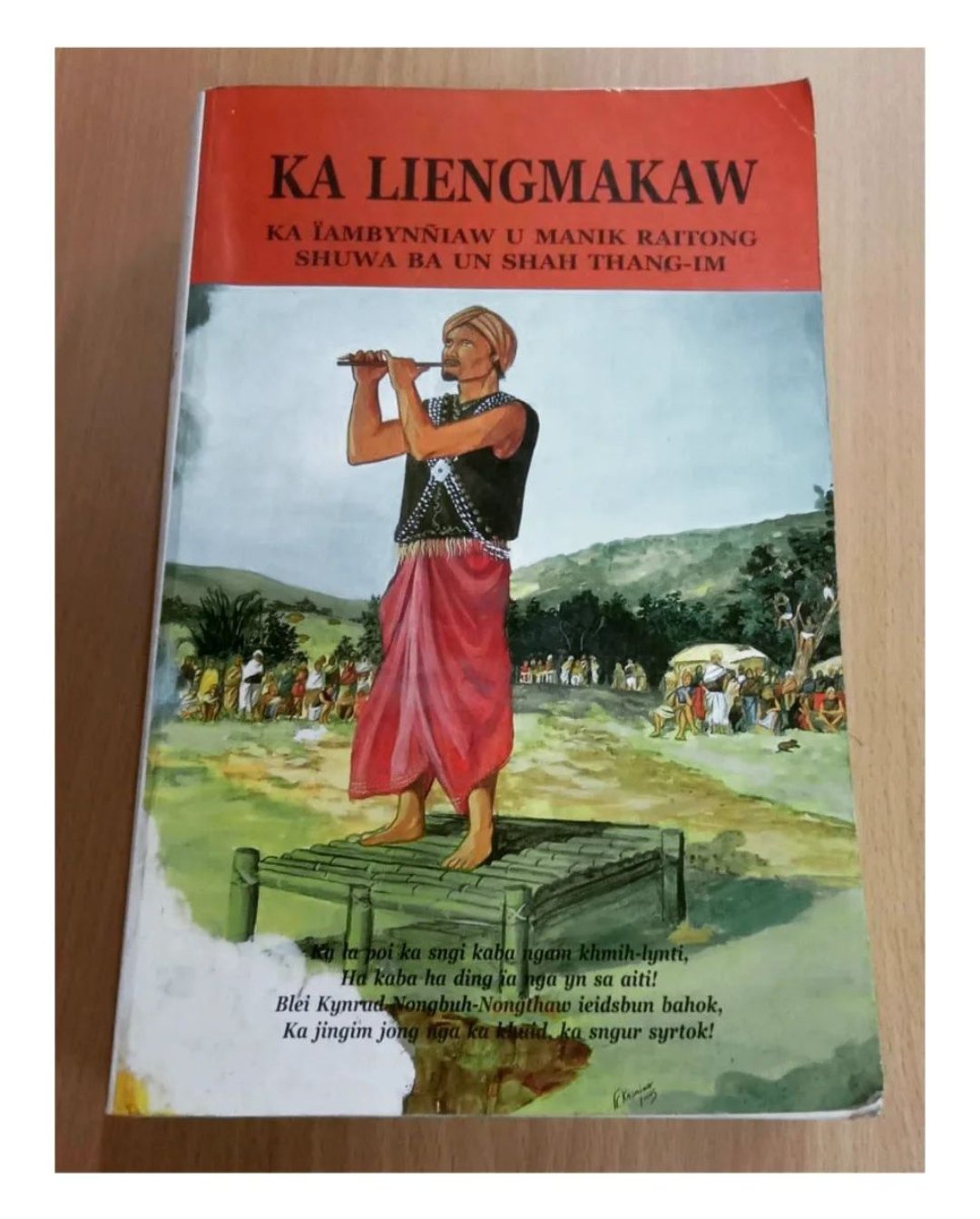
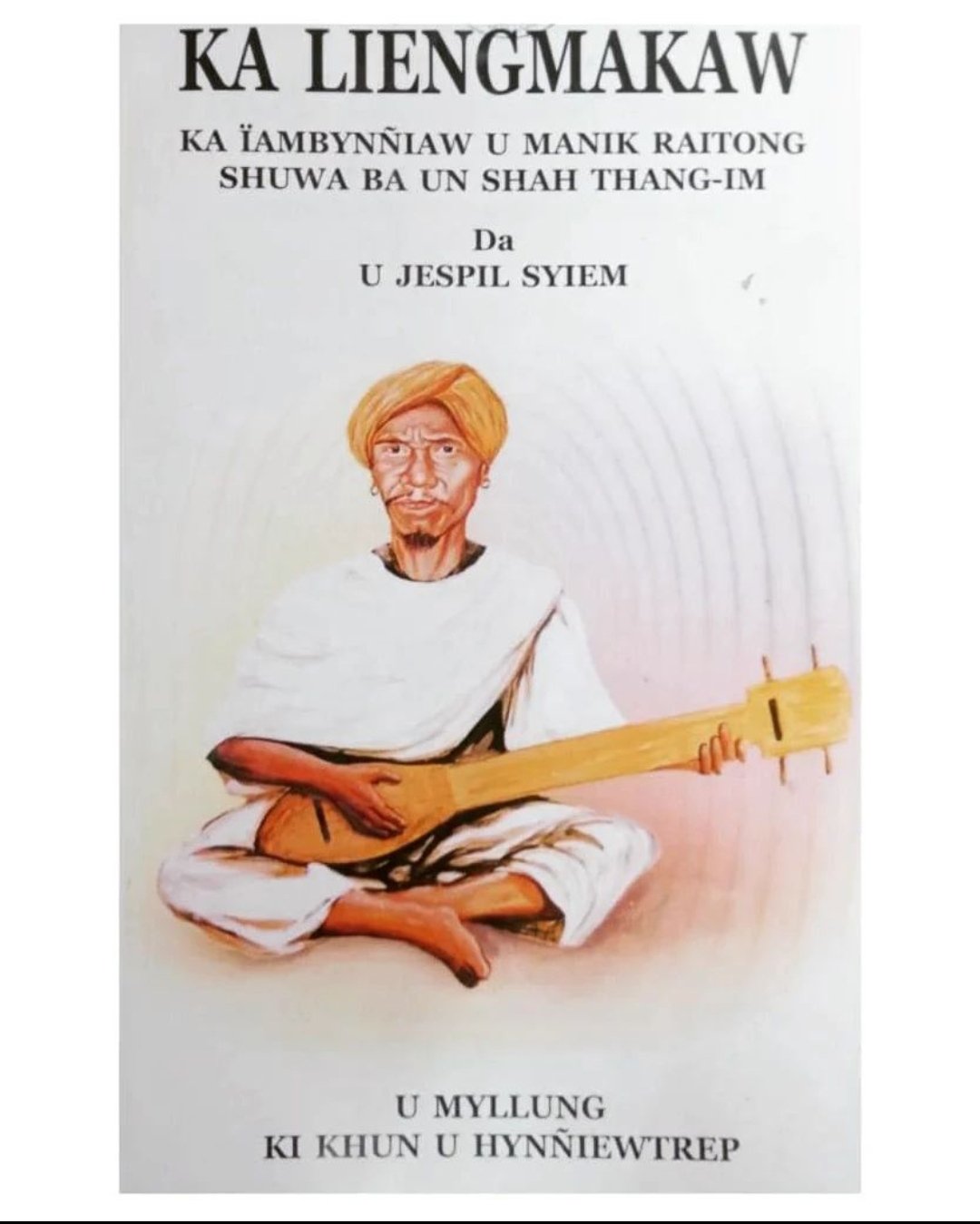
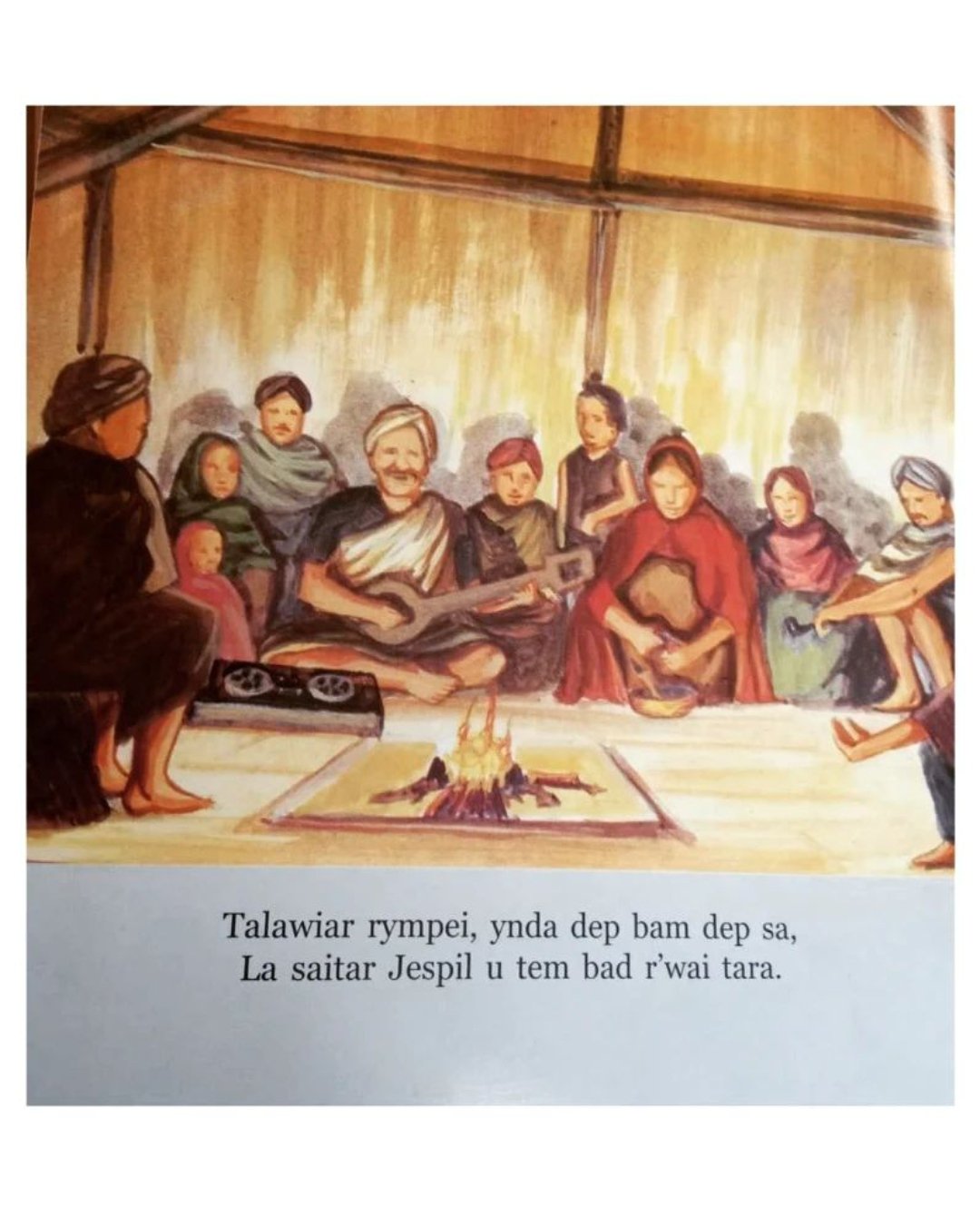
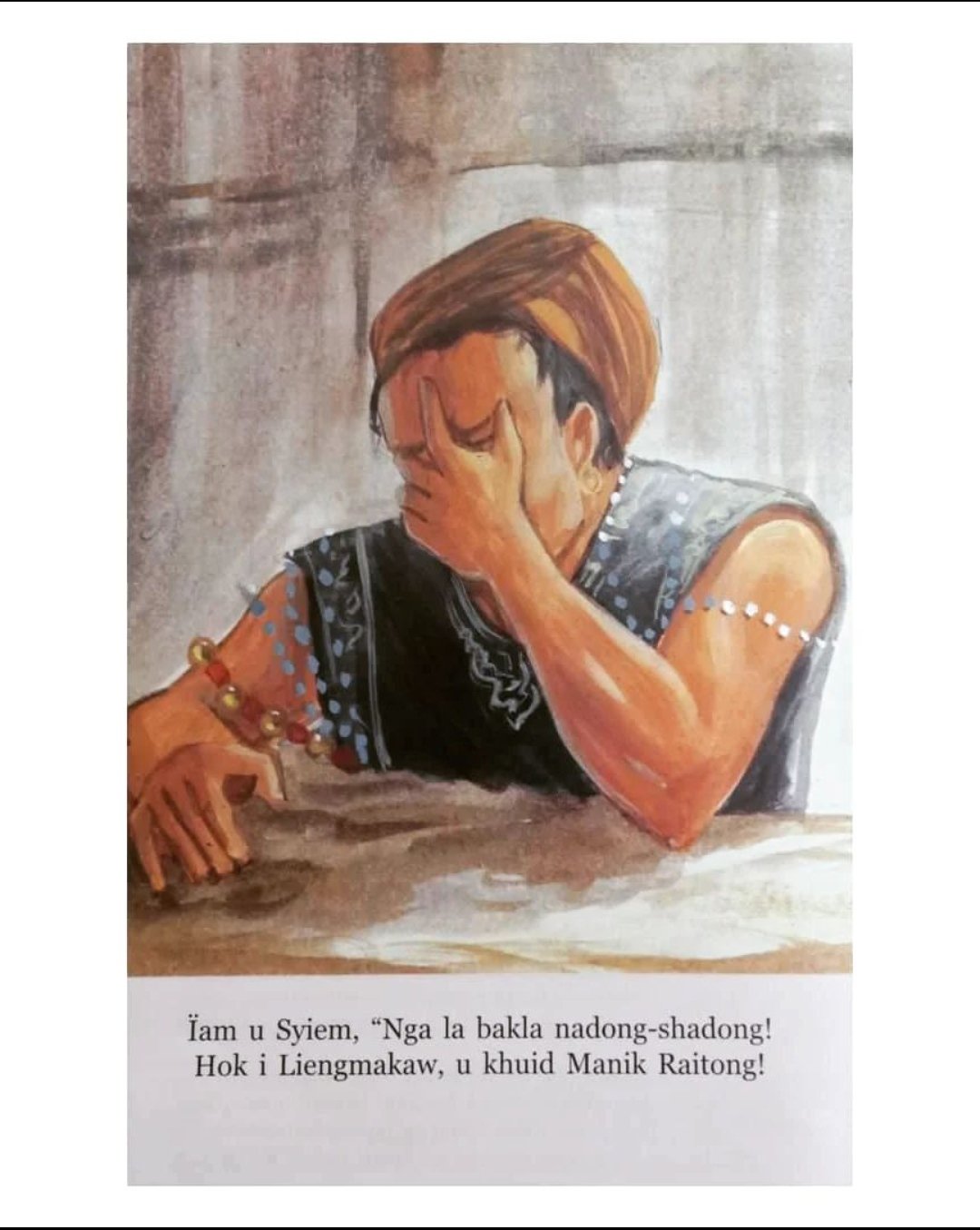
There was once an orphaned youth U Manik by name who had no living relative in the world. He was nicknamed U Manik Raitong, meaning the lonely one, absolutely bereft of all family support. So overcome was he with the loss that had struck him early in his young life, that he roamed the village like one mad. At night, however, he would put away his sackcloth and ashes, eat, bathe and dress himself up in ceremonial garb. Then he would take up his flute, and play the most compelling dirges on it. Unknown to him, U Syiem's wife who had often heard him, became completely magnetised by the tunes that he played on his flute. In the event of U Syiem having to leave her to attend to matters of state in nearby regions, she was left all alone and was therefore lonely. Besides she had only just been married to U Syiem. One night she felt compelled to come to Manik's hut, but was denied entry. She broke open the door in order to be able to hear him better. However much he tried to send her away she refused.
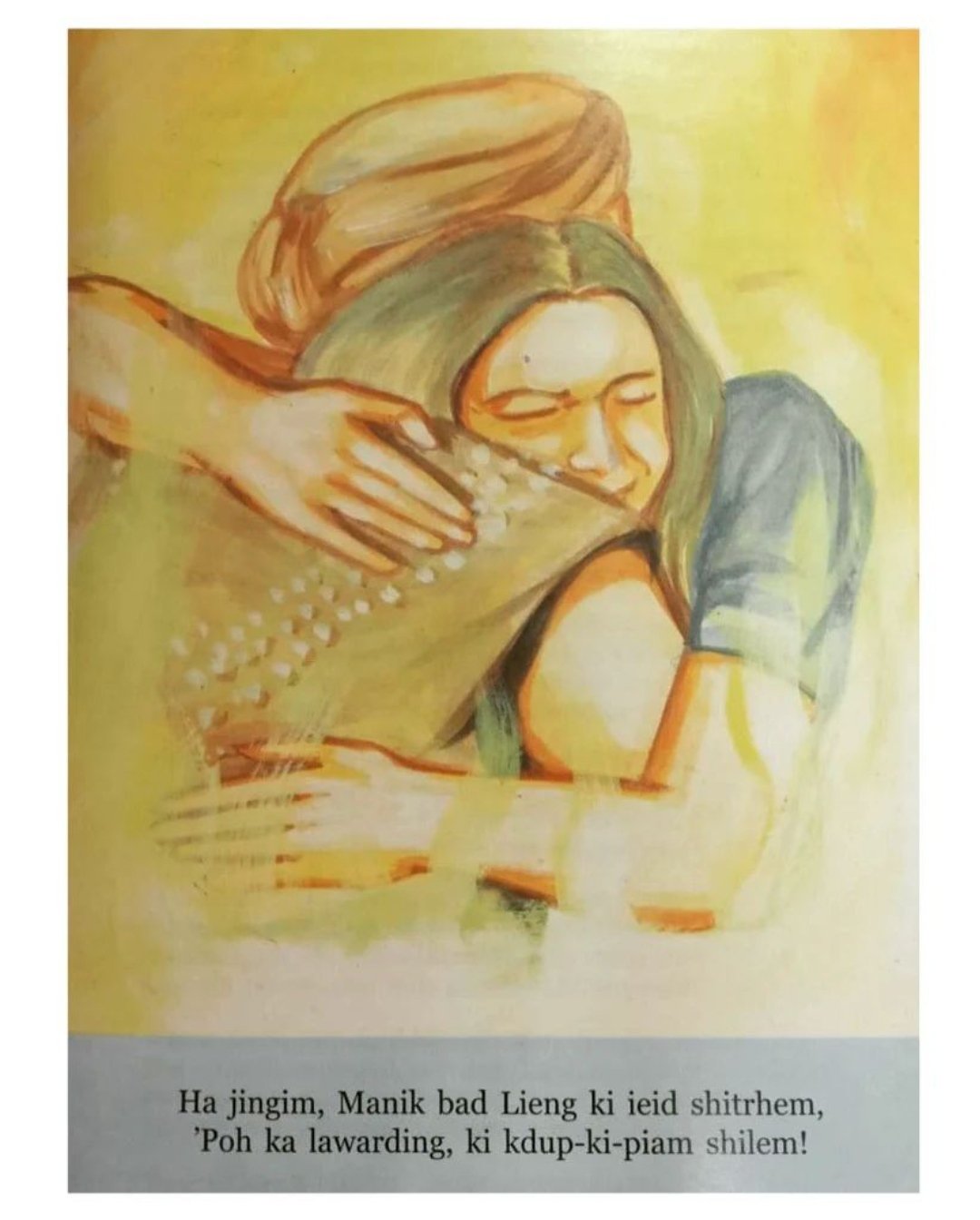
It was thus that she came to him every night and as a result she became pregnant. However, never once did she disclose her identity to him. When U Syiem returned after long months of being away he found that Ka Lieng Makaw, his wife, had given birth to a son who was now a few months old. He was naturally angry when he found that his wife refused to disclose the identity of the father. He summoned his people and commanded all the men folk to assemble before him. Each was ordered to bring a bunch of bananas with him. On the assigned day he ordered each one of them to offer a banana to the baby boy in order to prove the boy's paternity. However, the baby boy refused each man's offer.
Then, when U Syiem inquired if any man had been left out, general mention was made of U Manik Raitong. It was a known fact that U Manik Raitong lived a life that was no better than a dog's. U Syiem took no chances, however, and had him come to court with a bunch of bananas. When the baby boy was offered the fruit he reached for it as if familiar with U Manik Raitong. The father having been identified, it was now the turn of the people to be shocked. U Syiem's anger knew no bounds and he ordered that U Manik Raitong be beaten to death as a criminal. U Manik Raitong, however, pleaded before the king to be allowed to choose death by burning.
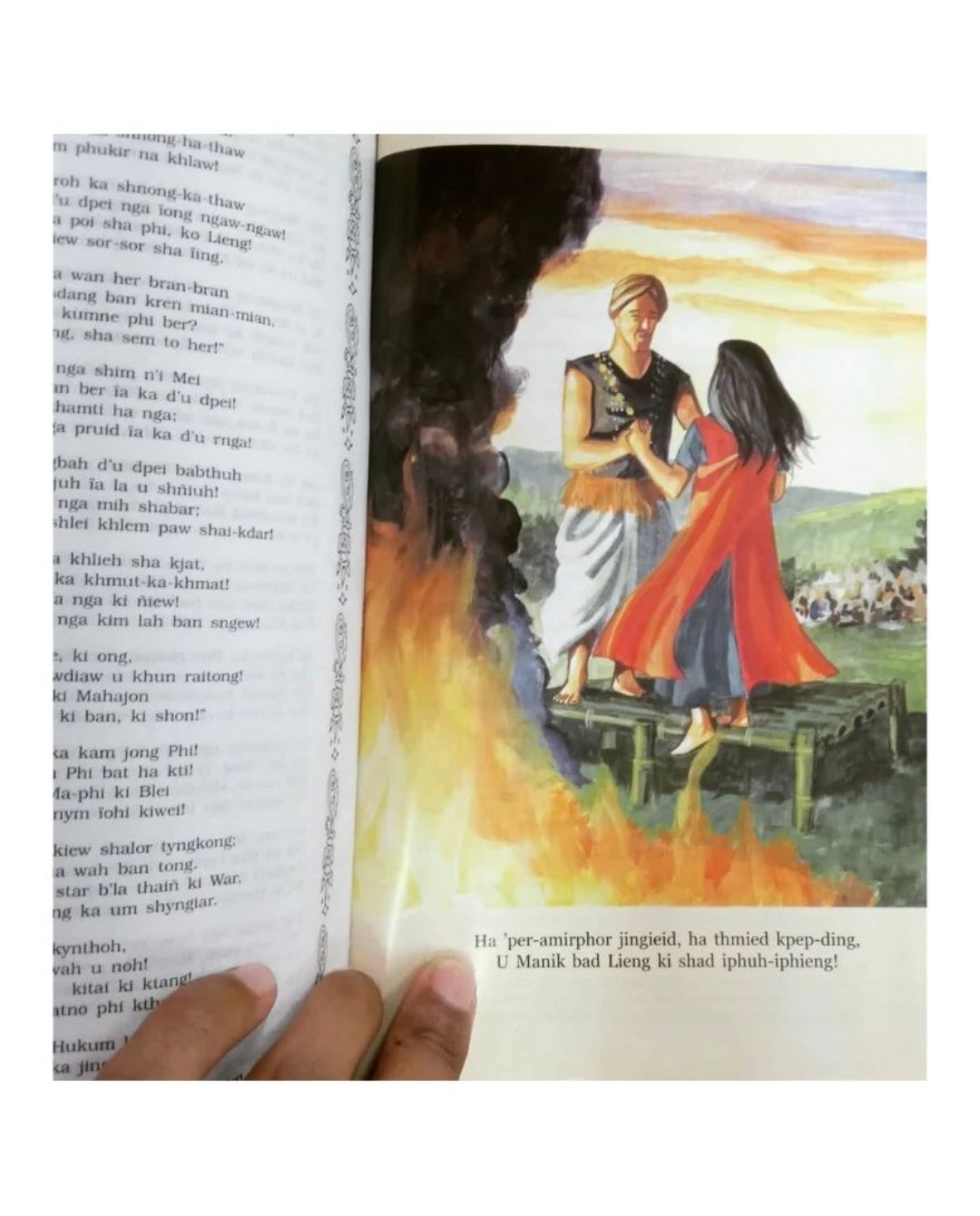
On the assigned day U Manik Raitong dressed in all his finery, made his way backwards to the funeral pyre, all the while playing on his flute. The people had already set the pyre alight. When he reached it he walked round three times but before jumping into the burning pyre, he stuck his flute upside down into the ground. The queen too who was indeed agitated beyond control and who had also dressed up as U Manik Raitong had done, watched every development from her room. But when she saw U Manik Raitong jump into the funeral pyre she rushed after him in order to join him in death. The funeral pyre was transformed into a gushing spring of water which exists even to this day, and if one were to visit Raitong one would discover that in the place where the flute had been planted upside down there grows a cluster of bamboos, whose leaves point downwards.
Khublei Shibun Daohi Manar @xdtnoahjupejackllthmanar ba phi phah ïa kine ki dur jong kane ka kot 😄🙏
U Daohi u ong: Ka kot Ka Lieng Makaw: Ka Ïam bynñiaw u Manik Raitong Shuwa Ba Un Shah Thang-Im ka dei ka jinglum lang jong ki jingrwai phawar kiba la rwai da i Bah Jespil Syiem. Kaba donkam ban tip ka long ba i Bah Syiem i khlem thoh ïa kine ki phawar, hynrei la lum lang hangne bad pynmih da ka Seng Kyrsei, jong ka Hima Raid UMden-Nongtluh, Ri Bhoi. Ïa kane ka kot la lah ban pynmih da ka jingimsngi bad jingduriap jong ka Vendrame Missiological Institute, Sacred Heart Theological College ka ba don ha Mawlai, Meghalaya.
Kane ka kot ka batai bniah bha shaphang ka jingïam bynñiaw jong u Manik Raitong shuwa ba un shah thang-im bad ïa kane ngi lah ban sngewthuh lyngba ka jingpynwandur jong ki phawar. La thoh ïa kane ka kot ha ka rukom jong ki phawar. Ïa kine ki phawar la pynwandur da i Bah Syiem bad haba ngi pule ïa ki, nga sngew ki don ka bor ban pynmutdur ne pynpyrkhat ïa ka jinglong-jingman jong kata ka jingïam bynñiaw u bapli u Manik Raitong. Kaba myllung shuh shuh ka dei ka jingdon jong ki dur, kiba la pynwan katkum ki lynnong phawar.
Daohi says: The book Ka Lieng Makaw — Ka Ïambynñiaw u Manik Raitong Shuwa Ba Un Shah Thang-im is a compilation of "phawar" sung by Jespil Syiem published by Seng Kyrsei, jong ka Hima Raid Umden-Nongtluh, Ri Bhoi. It is important to note that the phawar in the book have not been written by Mr. Syiem, as he has only sung and performed them. The book has also been released through the efforts of Vendrame Missiological Institute, Sacred Heart Theological College ka ba don ha Mawlai, Meghalaya.
The book contains elaborate details of the sorrow and pain of "U Manik Raitong" before his burning and this is brought to us through the compositions of the "phawar". The story of "U Manik Raitong" and "Ka Lieng Makaw" is delivered through the singing of the "phawar". They have been composed in such a way as to express the despairing cries of "U Manik Raitong". What makes it even more evocative are the pictures that have been drawn according to the chapters of the "phawar".
The English translation of the story is taken from "U Manik Raitong, Icon of Love and Creativity: An Appraisal" in the book The Oral Discourse in Khasi Folk Narrative by Dr. Esther Syiem.