Tag: indigenouspractices

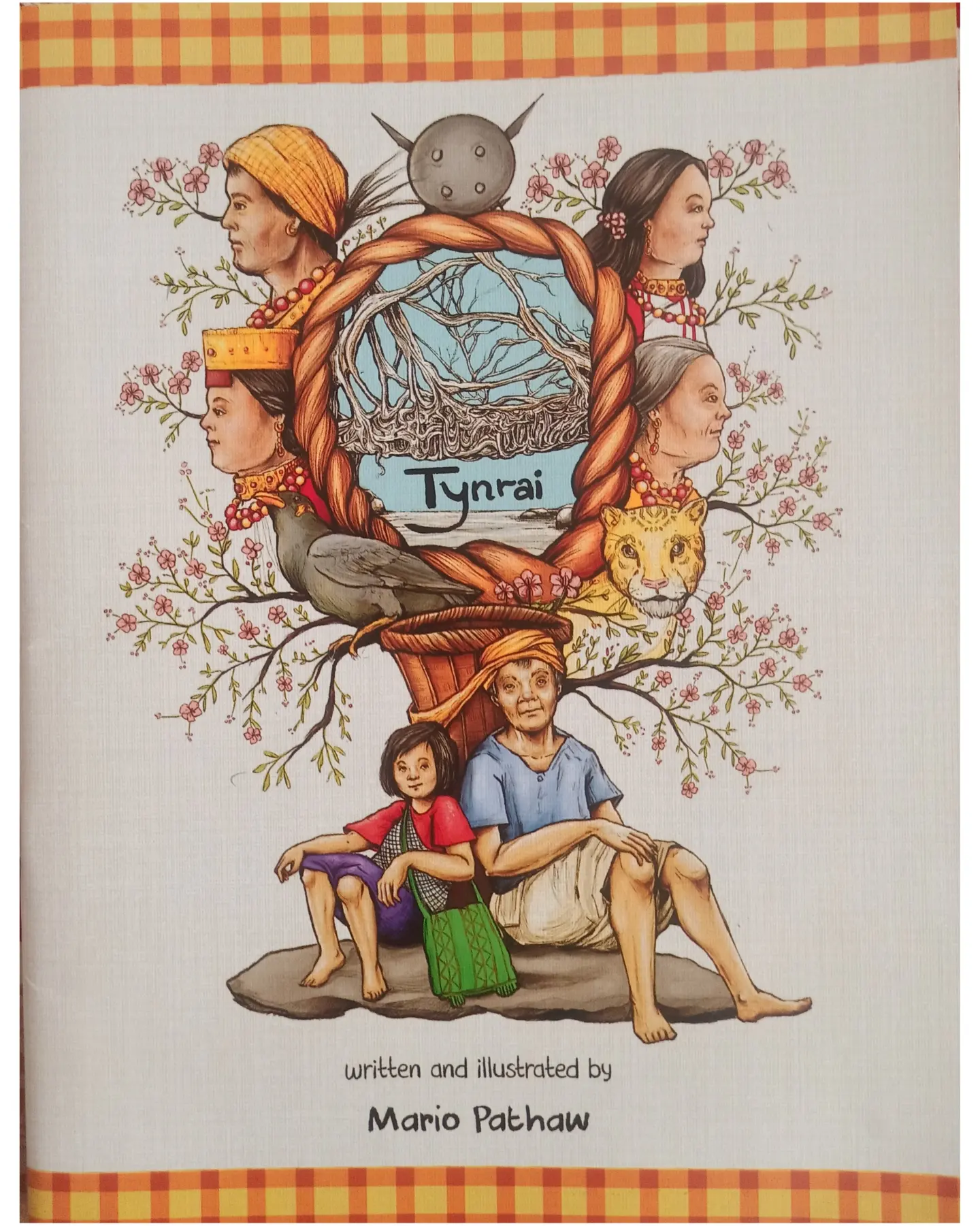
  • Tynrai by Mario Pathaw

    Tynrai

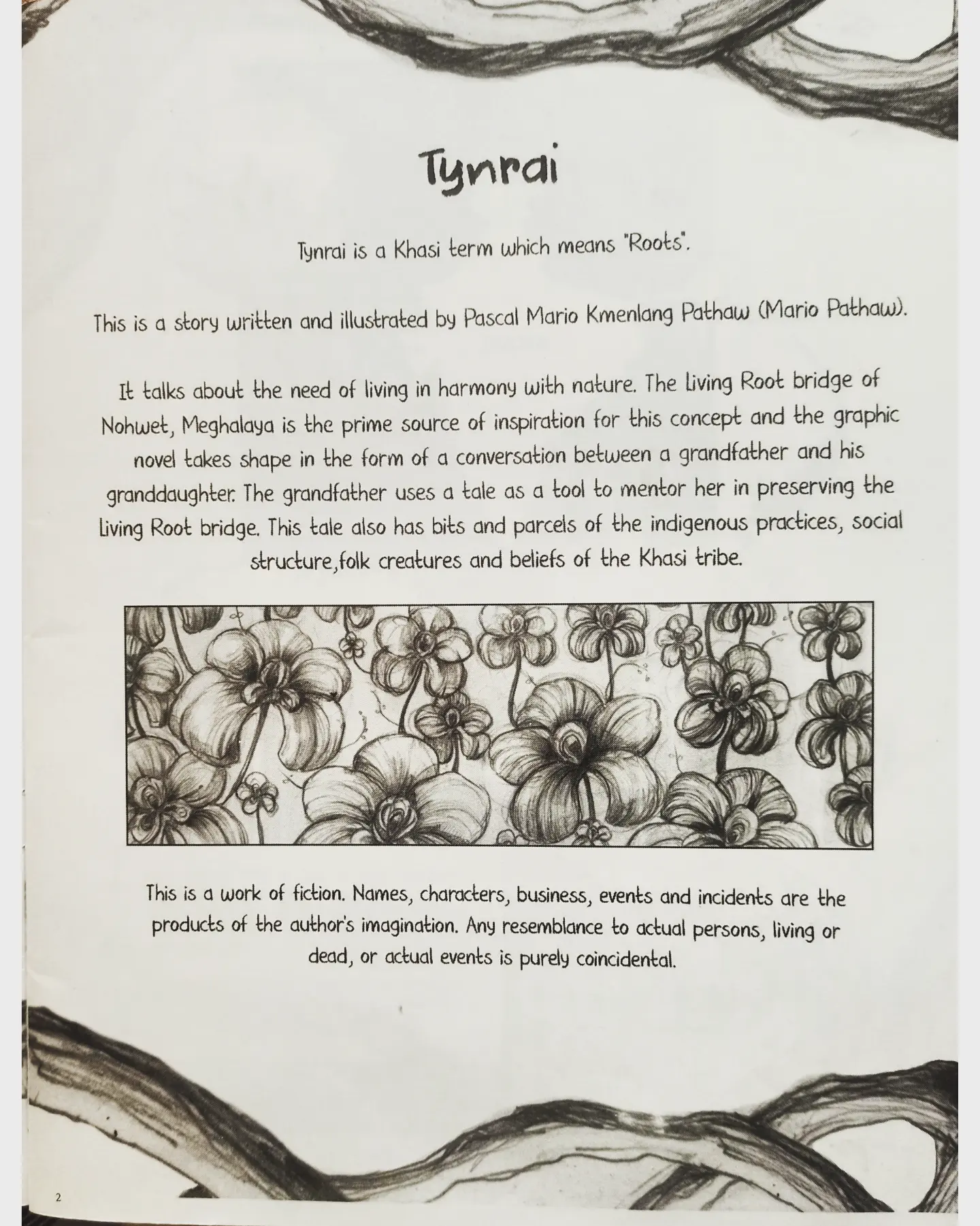
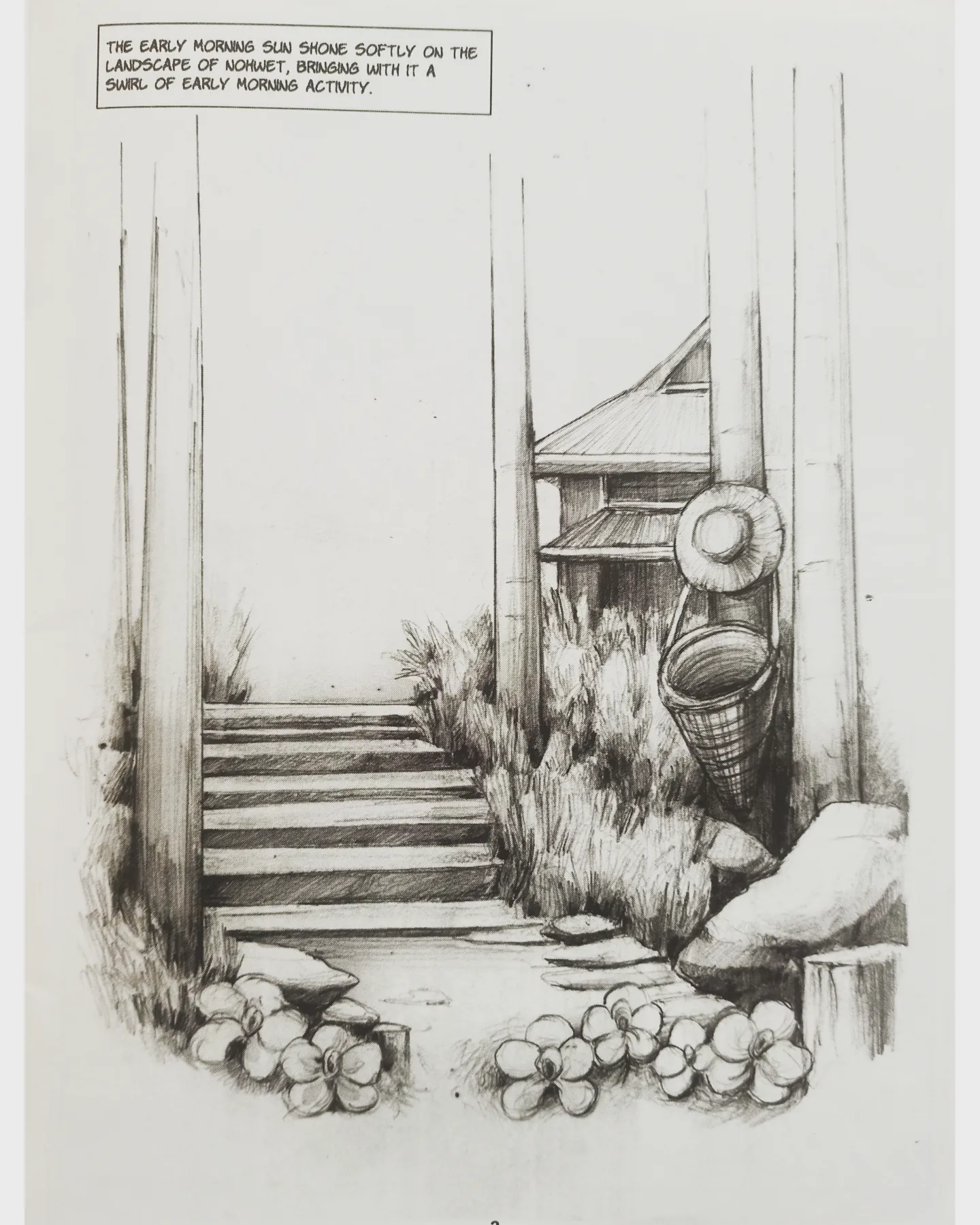
    "Tynrai" is a Khasi term which means "Roots".

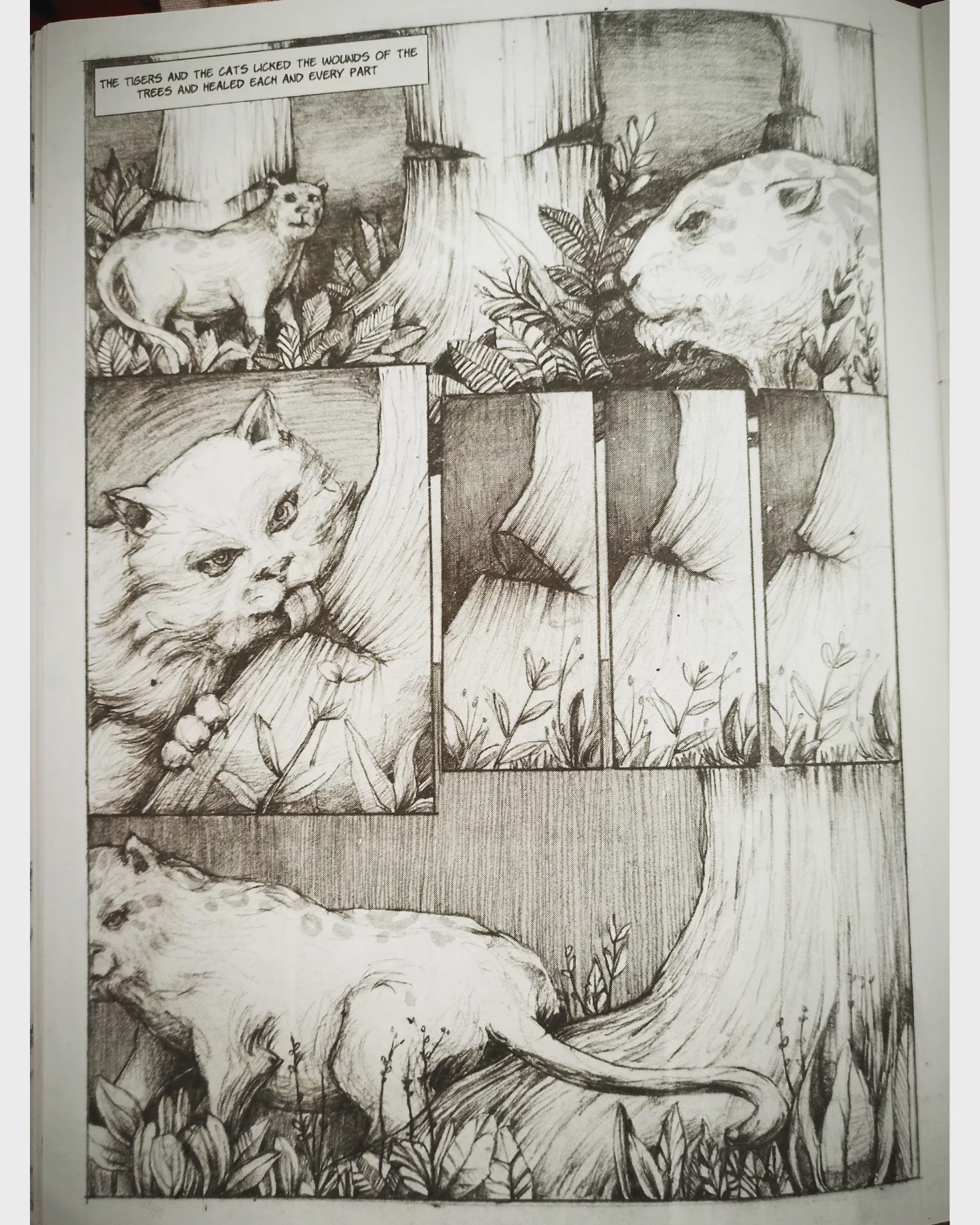
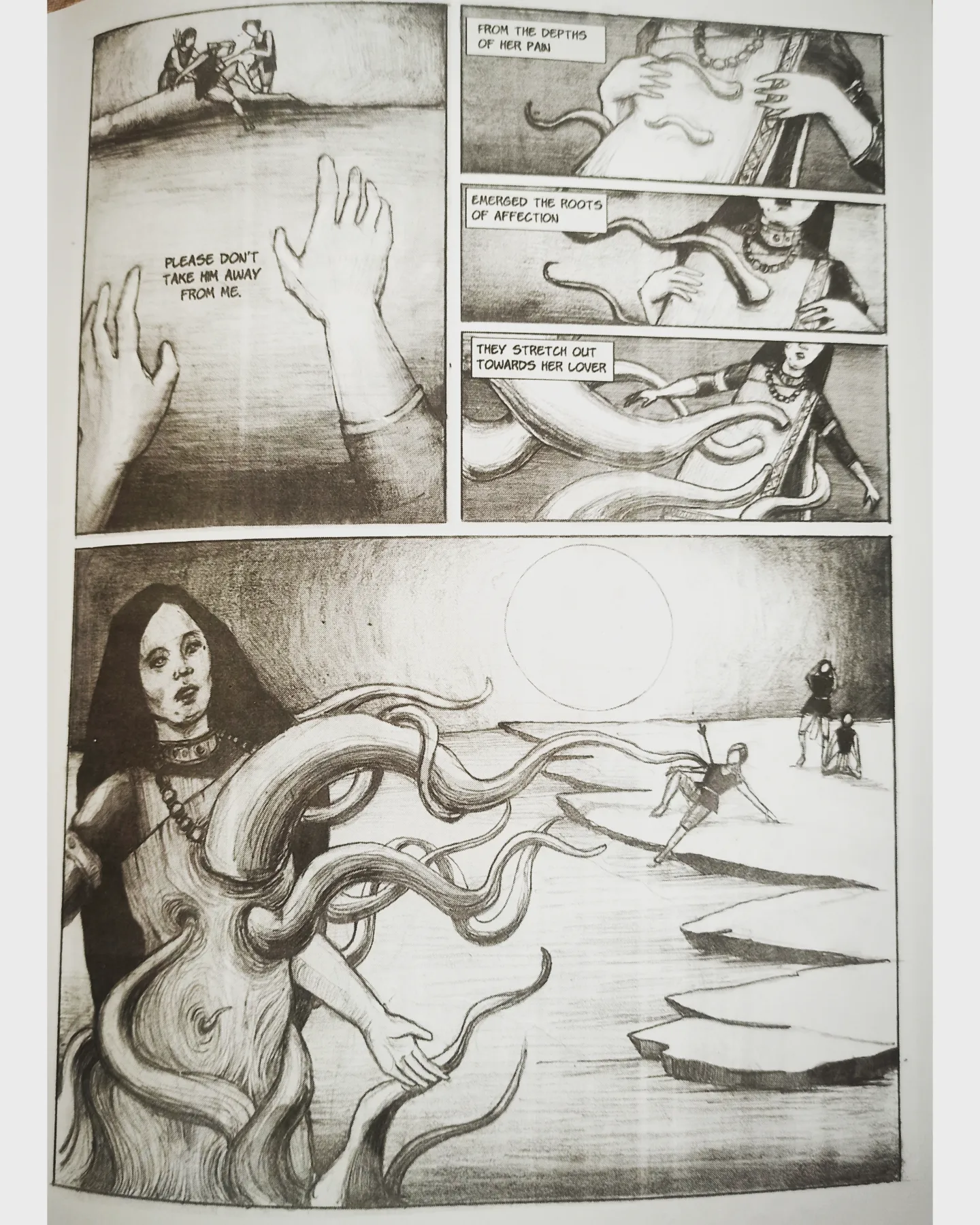
    This is a story written and illustrated by Pascal Mario Kmenlang Pathaw (Mario Pathaw).

    Mario says:

    It talks about the need of living in harmony with nature. The living root bridge of Nohwet, Meghalaya is the prime source of inspiration for this concept and the graphic novel takes shape in the form of a conversation between a grandfather and his granddaughter. The grandfather uses a tale as a tool to mentor her in preserving the living Root bridge. This tale also has bits and parcels of the indigenous practices, social structure, folk creatures and beliefs of the Khasi tribe.

    This is a work of fiction. Names, characters, business, events and incidents are the products of the author's imagination. Any resemblance to actual persons, living or dead, or actual events is purely coincidental.

    Tynrai (Roots) written and illustrated by @mario_pathaw (2022) is an English graphic novel which tells a story by fusing indigenous Khasi practices, focussing on the living root bridge with other aspects of Khasi folklore. Mario Pathaw's characteristic art lends depth and beauty to the narrative, drawing from the Khasi cultural imagination, echoing preservation and sustainability 🌲🏞️

    Ka jingaikhublei ïa phi @mario_pathaw ïa kane ka jingpynwandur kaba shynna bad shoh jingmut 😃👏 Nang kiew shaphrang ha ka kam ka jam bad ka sap ka phong jong phi!
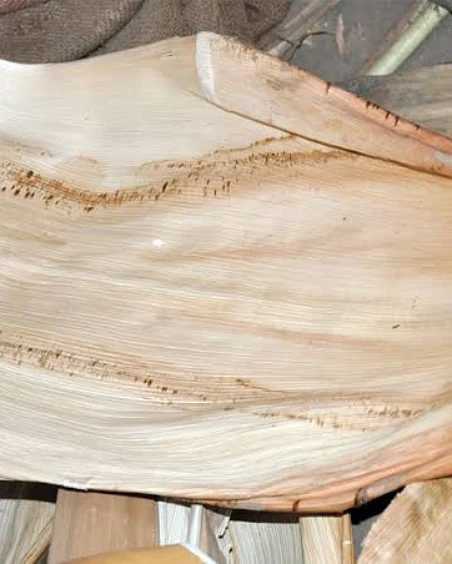
  • Ka Dopwai

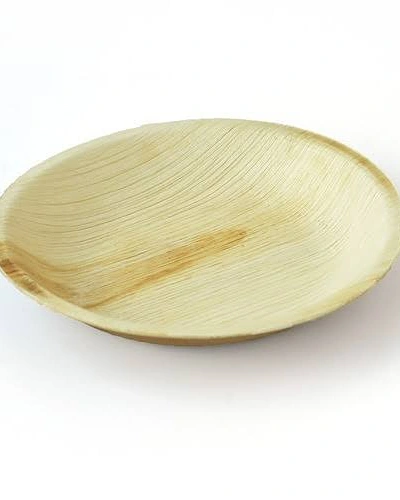
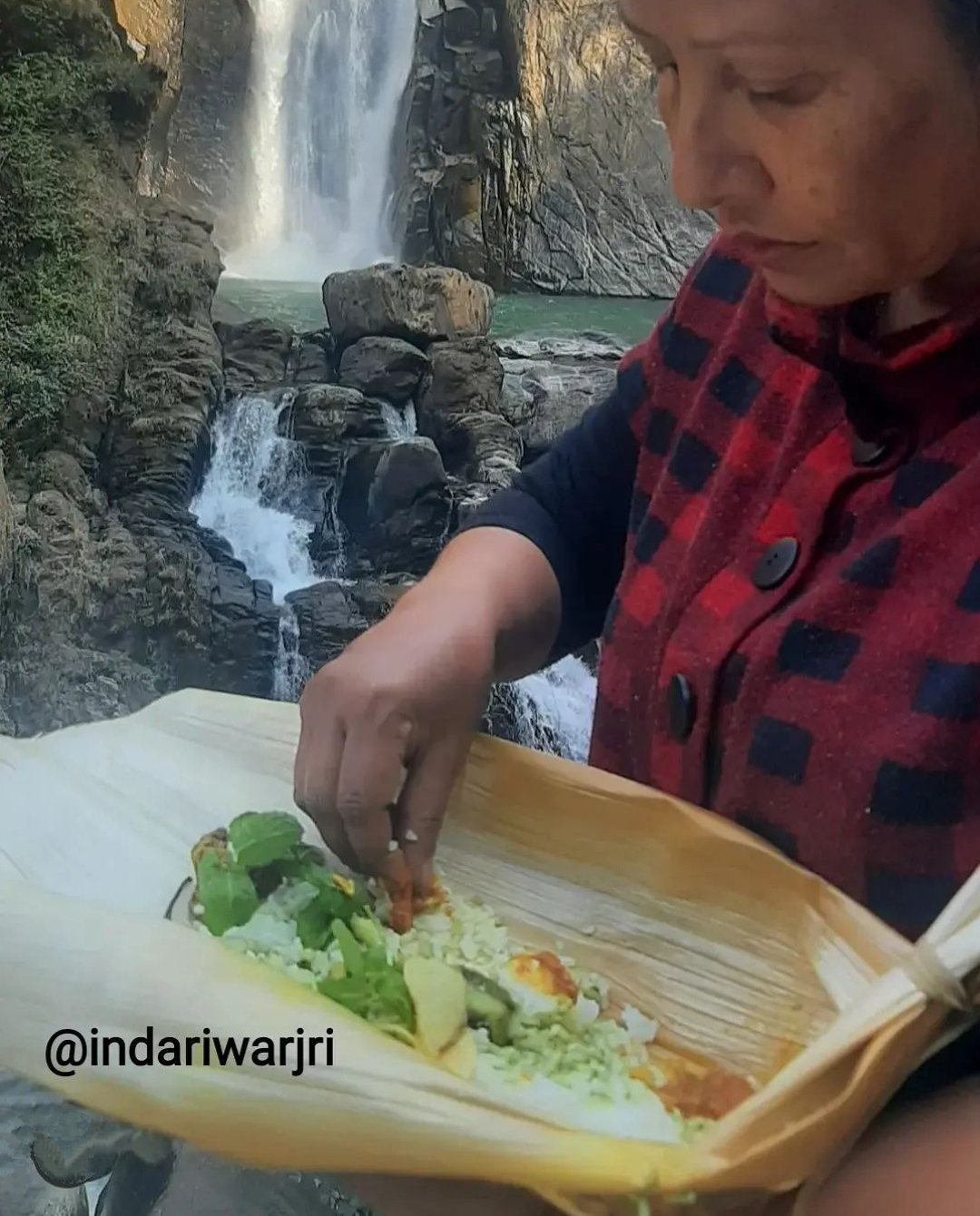
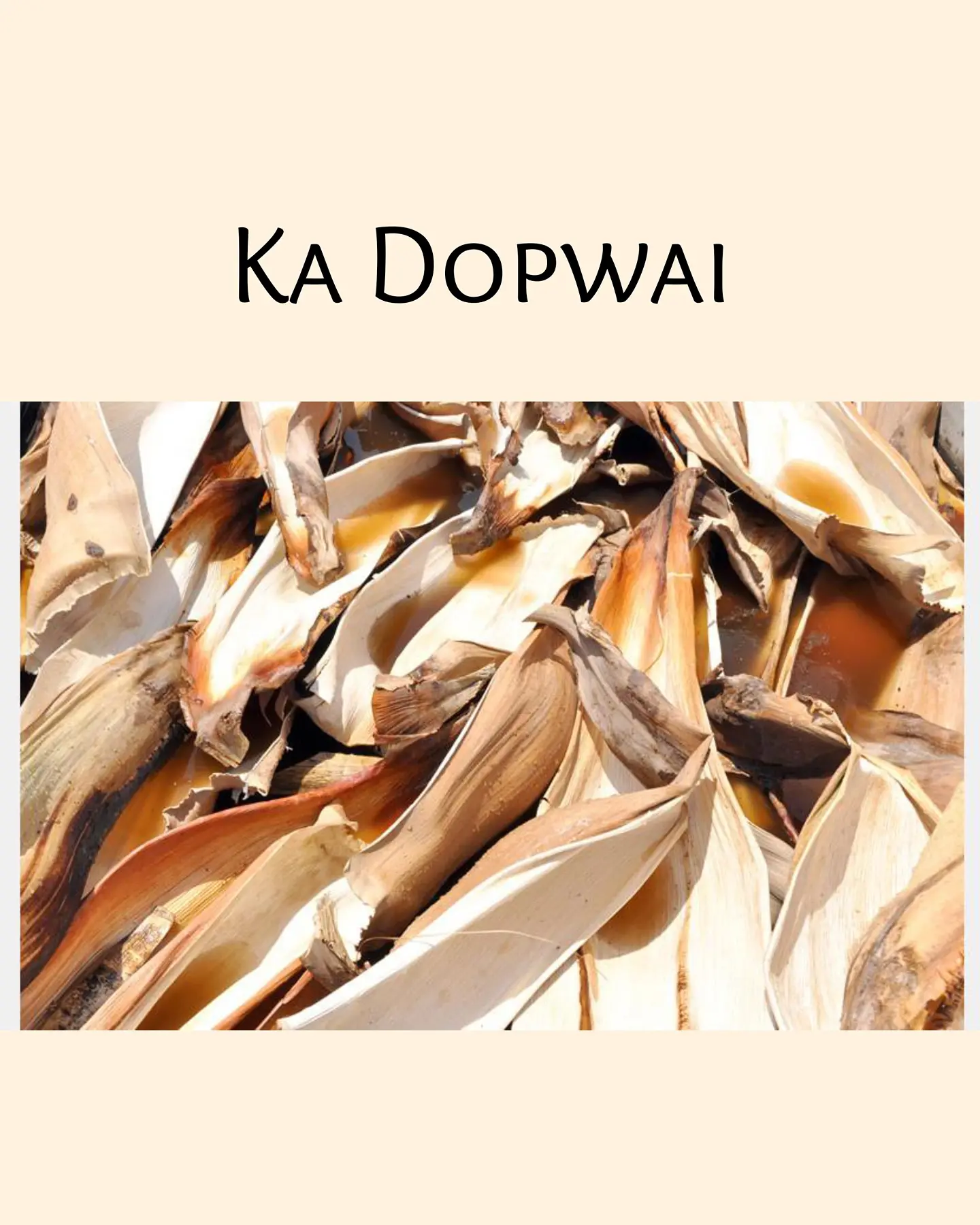
    Ka Dopwái ka dei ka sla jong u dieng kwai. Ka dopwái ka dei ka sla kaba myntoi bha lada hap leit jingleit ne leitkai namar ïa ka dopwái ju pyndonkam ban song ja lane song jingbam.

    Lada ka ja ka long kaba khluit ruh kam lei lei lada song ha ka dopwái. Ka jingsyaid jong ka ja ka nang neh ha ka dopwái. Shuh shuh, ki jingbam kim ju da kham sniew lada song hapoh ka dopwái. Ka bam na ka dopwái ruh ka da bang shisha, khamtam ki ja tyrkhong ba khlem umshit. Kum ba long ka jingshngiam ka umpohliew ba ngim da lah eh ban batai bha ha kito ki bym pat ïoh dih ïa ka, kumta ruh ka jingbang haba bam na ka dopwái ruh ka long ha kajuh ka rukom, ynda lah bam hi ngin sa sngewthuh.

    Mynta ïa ka dopwái la shna da ki karkhana ha ka dur jong ki pliang. Ki ju pyndonkam ïa kine haba leitkai ne haba khawai ruh.

    "Ka Dopwái" is the leaf of the areca tree. "Ka dopwái" is a useful and versatile leaf because it is used to pack food. Even if the food is hot the leaf is not damaged and the warmth of the food is maintained inside the leaf. Also, food packed in ka dopwái does not get spoilt even after several hours.

    When eaten, the food from "ka dopwái" has a different taste and is really delicious, especially if it is dry rice without the soup or with only a little gravy. Just like we cannot describe the delicious taste of natural spring water, so too is the taste of food when eaten from "ka dopwái". Only those who have eaten from it will understand.

    Nowadays "ka dopwái" is marketed commercially as plates which can be taken to use on journeys, picnics and even during feasts.

    "Ka Dopwái" is a hygienic and sturdy packing for food! Mother Nature is the best 🌱🌱 Let's make an effort in being more eco-conscious and do everything in our power to protect our beautiful environment.

    Khublei Shibun Miss @indariwarjri for your picture! 🤗🤗 Ka jingibang ïa phei ba phei bam ja na dopwái. Sa ïalam kai noh next taiñ! 😄😄😄

  • Ïa Ngam Um

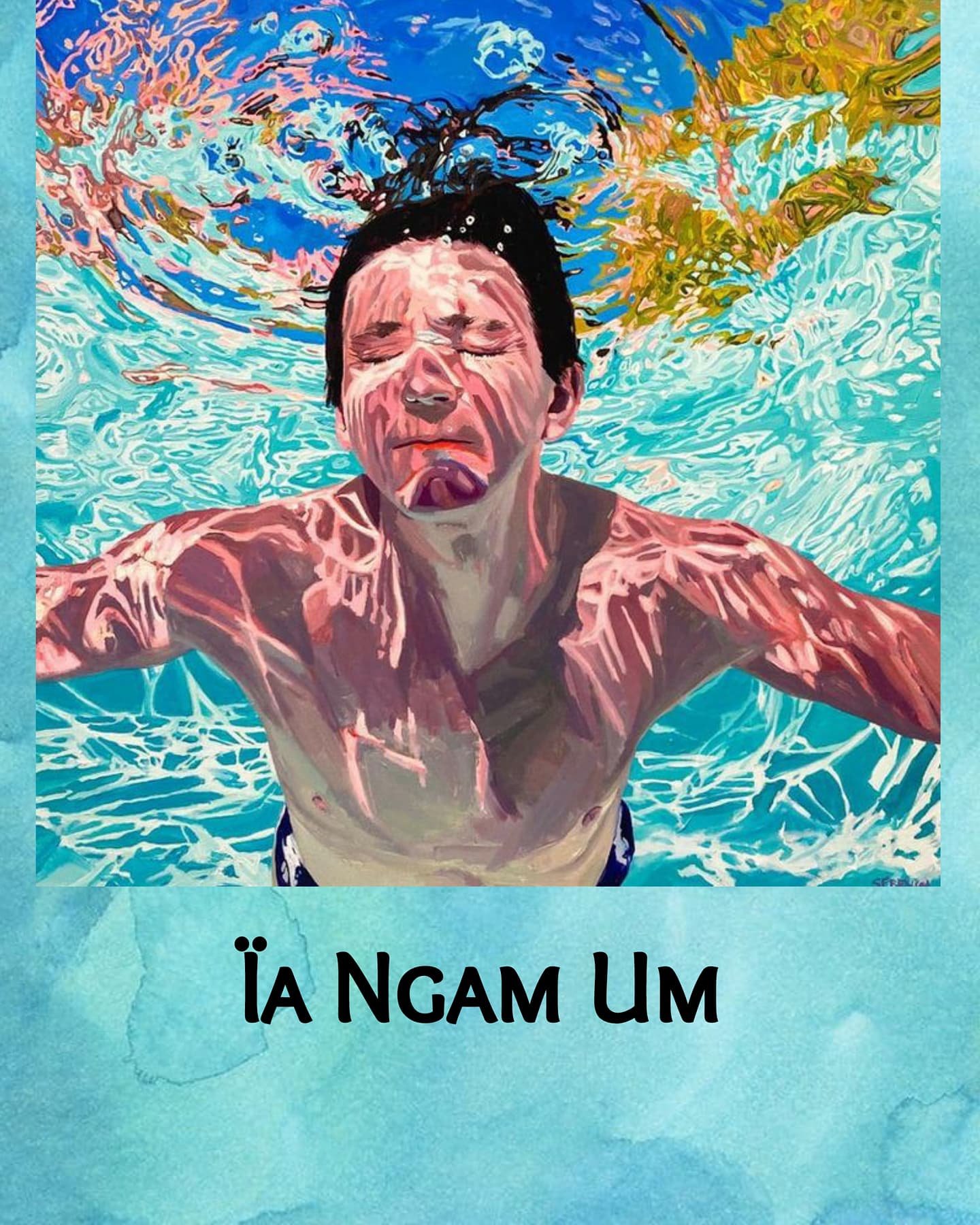
    Ha ki por hyndai, haba don ka jingïakajia majia hapdeng ki arliang mamla kaba ma kaba lah ban kad ne khih ka hima ban rai ryngkew, ki ïapynhiar noh da ka ngam-um ha khmat u Syiem bad ki myntri korbar-ri baroh. Ki mamla ki sei la ki ksih bad ka liang jong uta uba kan slem, ka jop. Ym ju don shuh ka ïaphoi ïapeit pyllew khmat namar ki kheiñ ba ka long ka rai blei. Ïa kito ki briew kiba ïangam um ki khot ki ksih bad ka ju don ruh ka ïapung ïathong da ka tyngka ne ka ksiar para nongïaleh ne hapdeng ki arliang mamla bad kat uba jop u ïoh ïa ka.

    In the olden days, when there was a quarrel between two parties which could lead to a dangerous situation, even to division or unrest in a kingdom, in order to reach an agreement or compromise, a competition called "Ïa Ngam Um" would be held. "Ïa Ngam Um'' was a competition where divers would hold their breath under water and the one who could hold his breath the longest would be the winner. After the winner was declared, there was no offense taken, no anger or grudge held as the result of the competition was taken as a divine resolution. The competitors were called "ksih" which is the Khasi word for otter and the ksih or two parties would bet on money or gold, which the winner would claim as his prize.

    "Ïa Ngam Um" was a competition whose results ended all dispute. 🏊🏊 What a great way to end discord!

    🟡 Sources: Rev. Dr. Ïarington Kharkongor and Primrose Gatphoh

    🟡 English translation by @speakyourroots

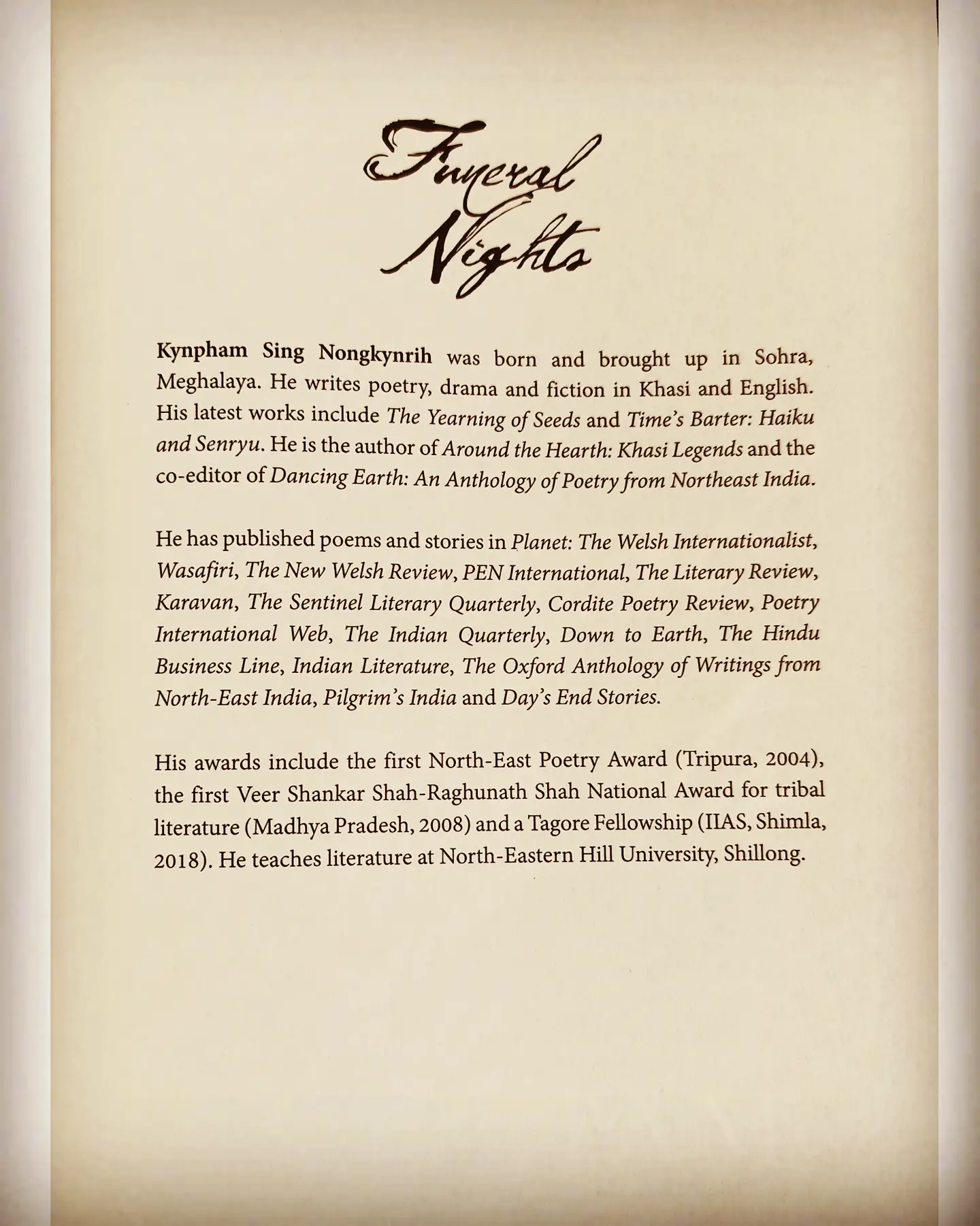
  • “Funeral Nights” by Kynpham Sing Nongkynrih

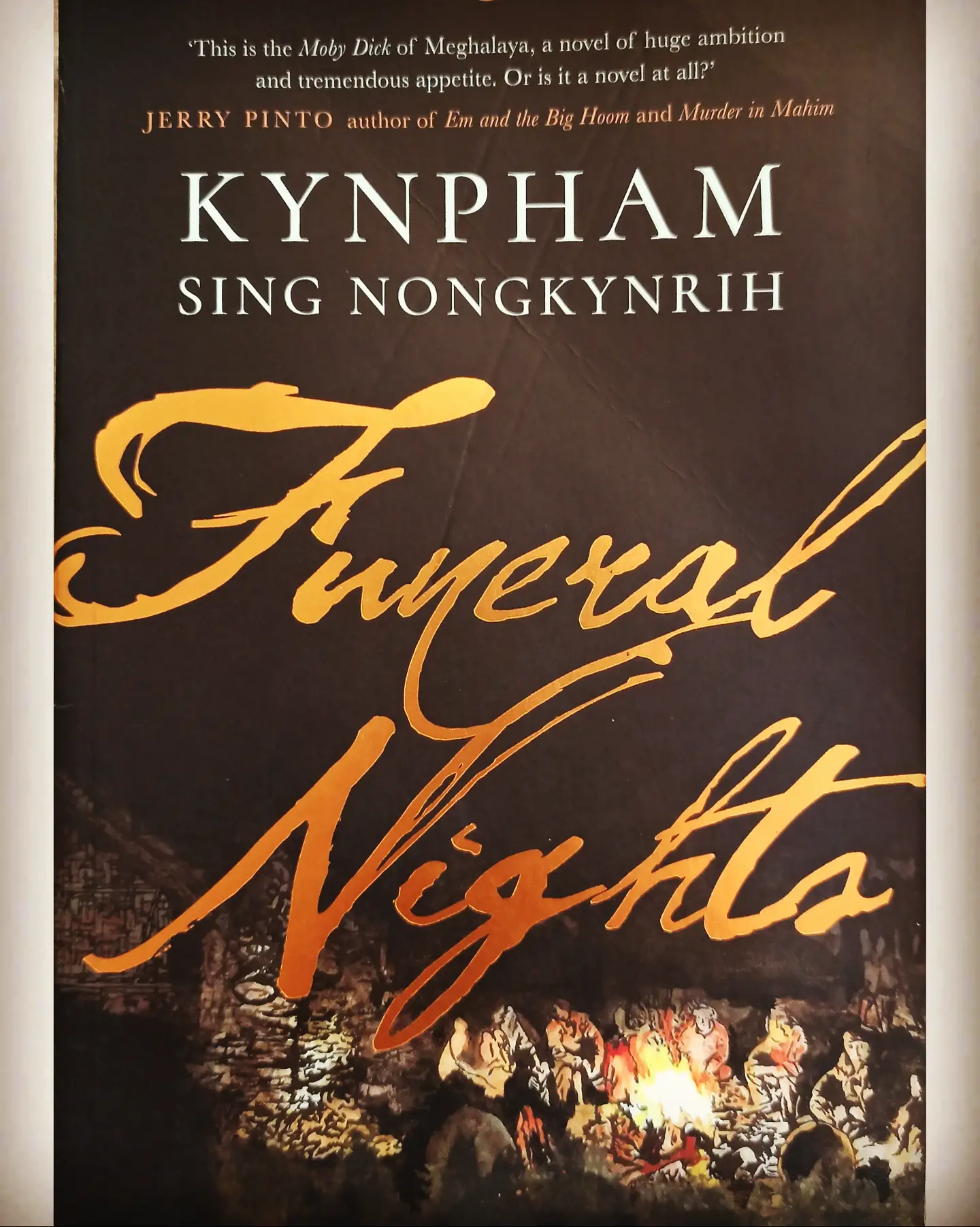
    Funeral Nights by Kynpham Sing Nongkynrih has been receiving wonderful reviews by writers as well as readers 😀😀

    The book is based on "Ka Phor Sorat" which is a funeral ceremony which was performed in the village of Nongshyrkon. We are so excited to read this book! It is available on amazon.in

    Dr. Kynpham Sing Nongkynrih is currently a Professor in the Department of English, North-Eastern Hill University, Shillong.

  • U Sangot

    "U Sangot" u dei u nong pyrta shnong na kliar na them haba don kano kano ka jingjia ha shong ban pyntip paitbah. Kum haba don ka jingïapbriew ha shong, ki jingïalang dorbar bad kumta ter ter. U sangot u pyrta beit da ka tyngam lajong khlem kano kano ka jingïarap ki kor ki bor.

    Ha shong jong ngi mynshwa nga kynmaw u sdang kumne ko shong, (u sngap shwa tok) ko thaw, to ïa sngap…”

    "U Sangot" is a Khasi version of a town crier. "U Sangot" is a person employed to make public announcements in the streets or the marketplace of a town. We hear "U Sangot" when there are deaths or "dorbar" meetings and so on. He states his announcements in a loud booming voice without the help of microphones and speakers.

    "U Sangot will always start with "Ko shnong, (pause) ko thaw, to sngap…”

    "U Sangot" is a Khasi town crier who has a characteristic way of declaring his announcements. We might not hear "U Sangot" so much in Shillong but the practice is definitely still prevalent in smaller towns and villages. 🔊🔊🔊🔊 Thank you @same_omega for sending this entry!

    If you know more about "U Sangot" please share in the comments section!