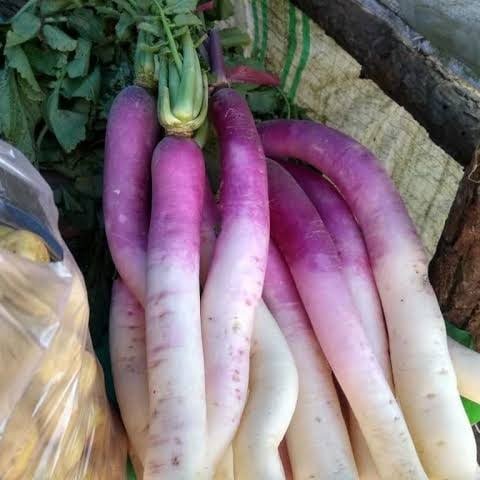
Tag: indigenousvegetables

  • Radish salad

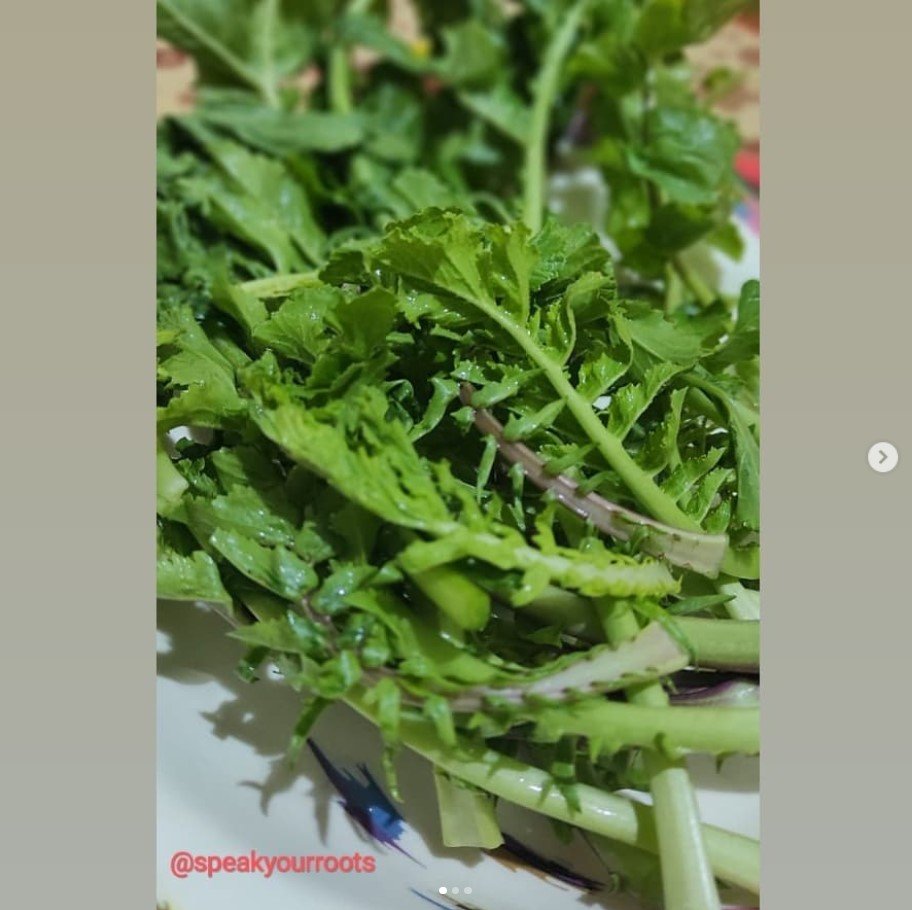
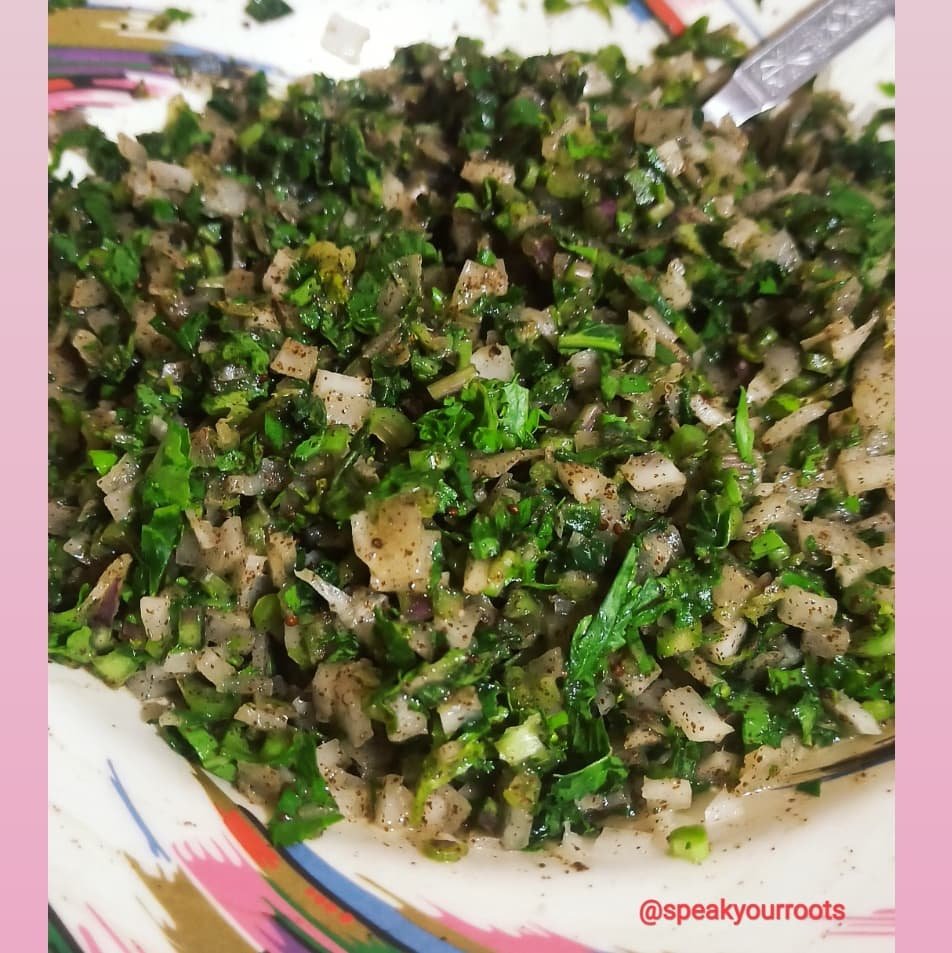
    Radish and radish leaves are a scrumptious salad in any Khasi or Pnar household which are usually eaten in winter. The salad in the picture is of radish, radish leaves and perilla seeds. You can also add onion and some lemon to the mix! 🥗🥙

    U muli bad u sla muli ki dei ki jhur im kiba ju bam ha ki ïing Khasi-Pnar bad ju bam ïa ki ha ka por tlang. Ka jingkhleh ha ka dur ka dei kaba la khleh ïa u muli, u sla muli bad u neilieh. Phi lah ban ai u piat bad u sohjew ruh kat kum ka jingbang jong phi! 🥙🥗
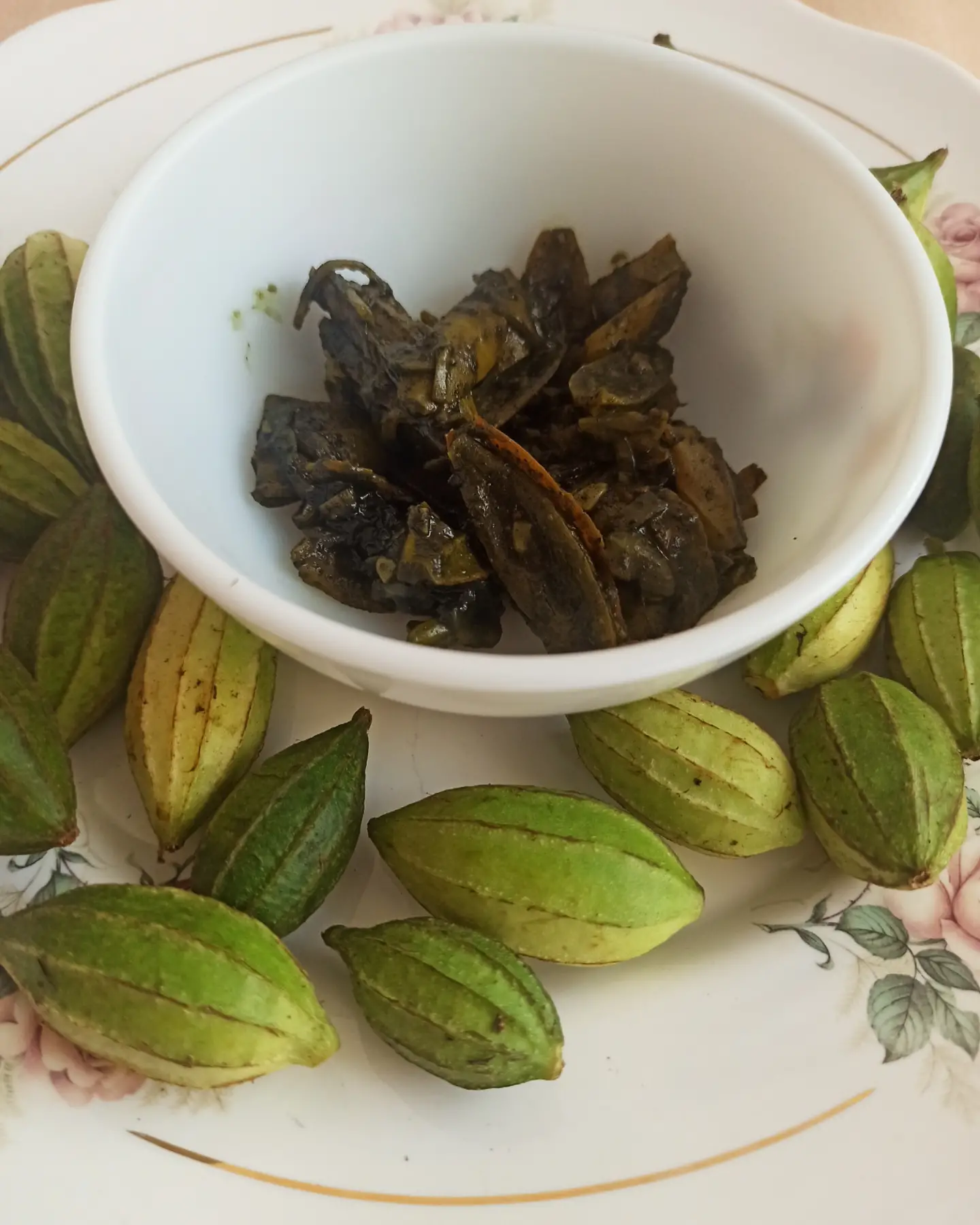
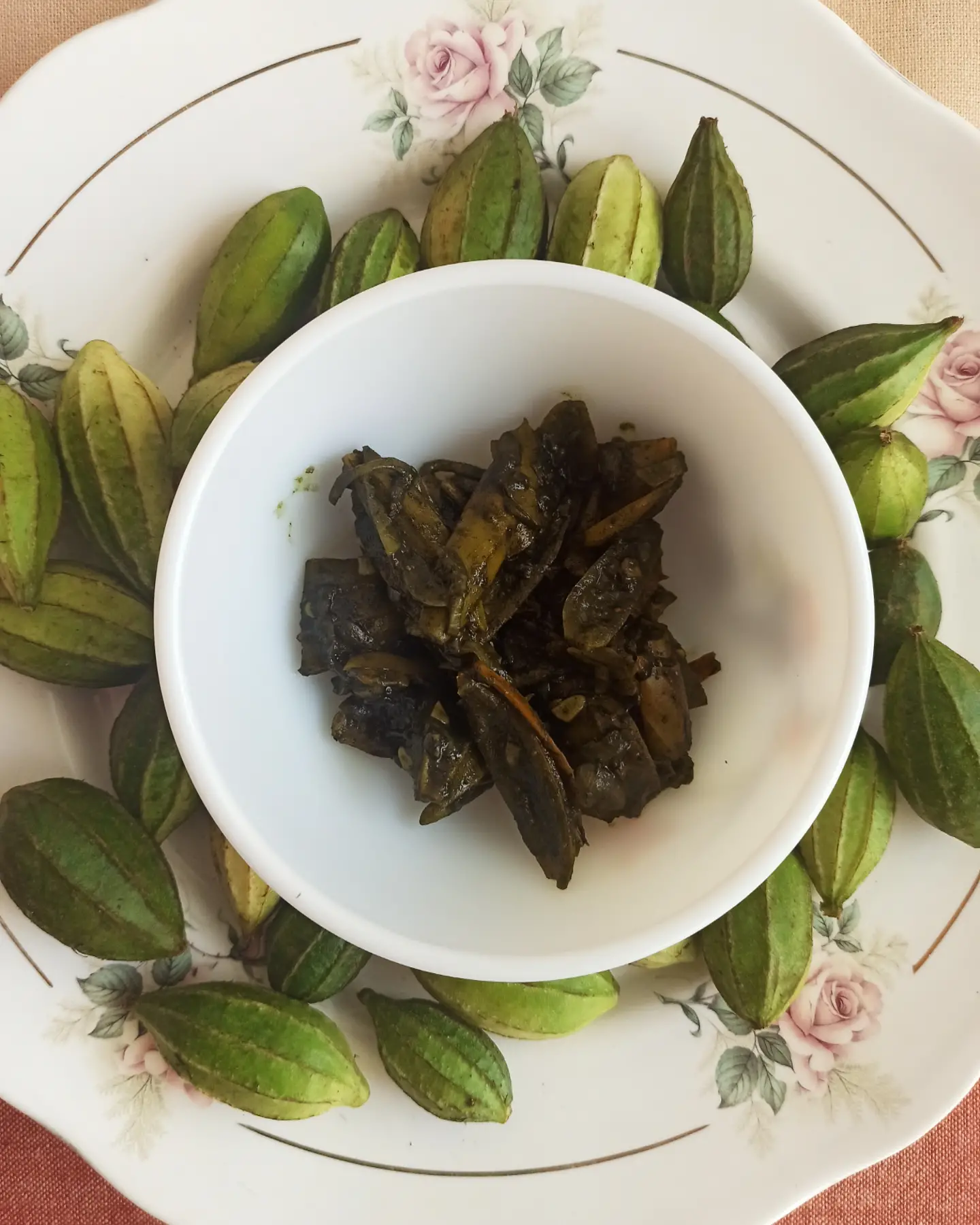
  • U Sawathang

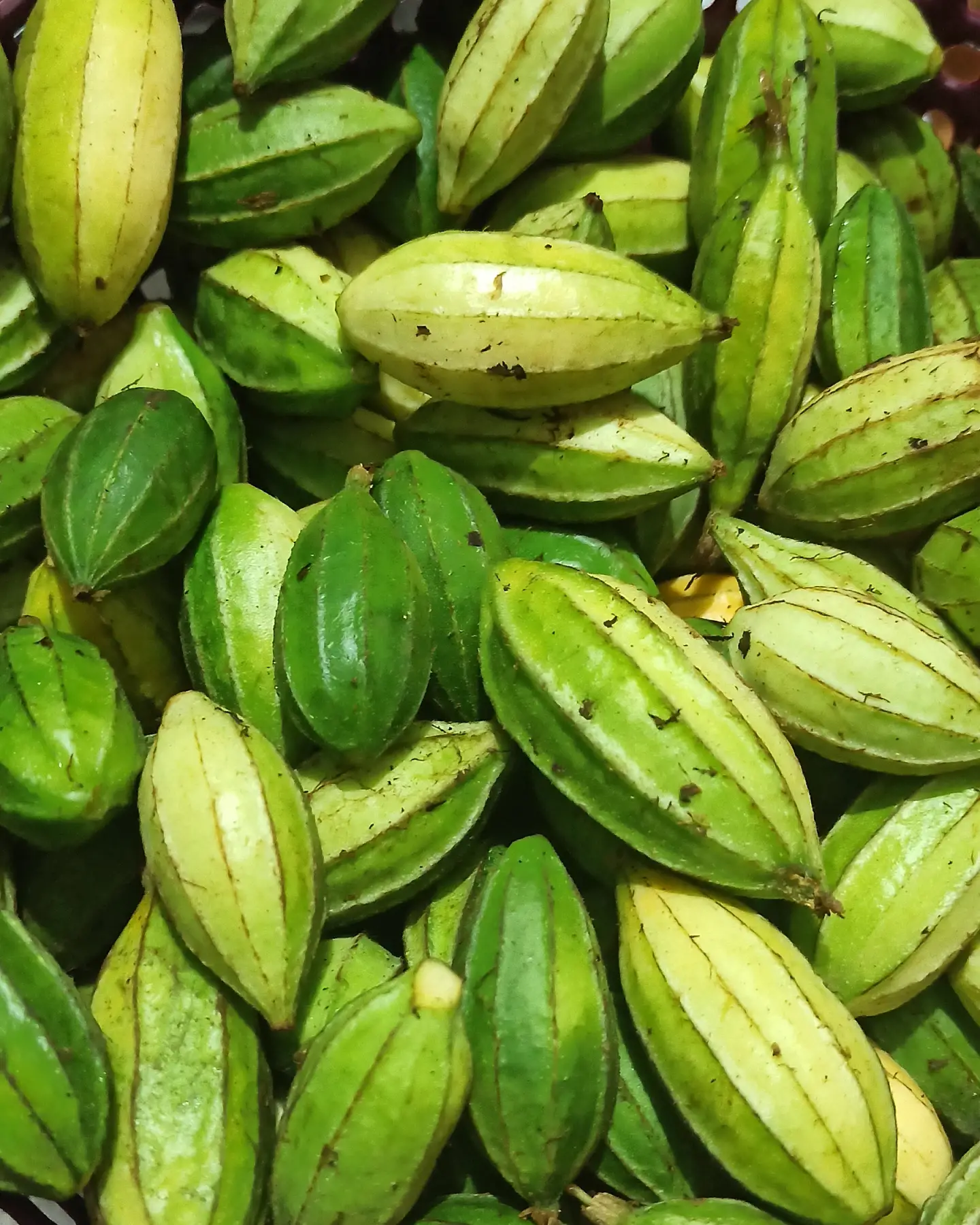
    "U Sawathang" is a Pnar vegetable that has now become common and is widely eaten among the Khasis too. It is so bitter that you have to throw away the first batch of water that is used to boil it. It's like a mini Karela/ Bitter Gourd with a 100 times more punch!

    Wow ka jingkthang, phin shu kyrngah ngang ngang! 😂😅

    It is cooked with black sesame seed on its own. Sometimes pork is added to it or it is also cooked with tungrymbai (fermented soya bean).

    If there are any ethno-botanists who can tell us the scientific name or the English name of "U Sawathang" it will be great! 😃

  • U Jangew

    "U Jangew" sent by @bada_boombam

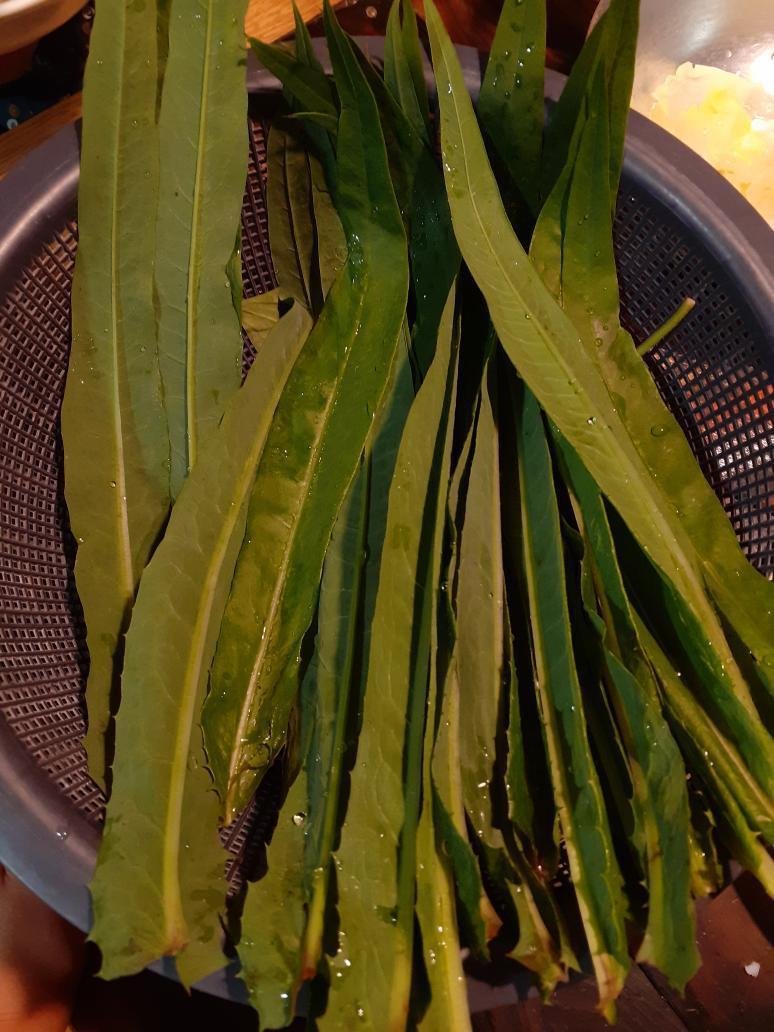
    She says: "U Jangew is a local wild herb that has been made famous by the mourning song of the mother of U Sier Lapalang (the folktale of the stag who is killed). It is slightly bitter but peppery in taste.

    I am pretty sure it has a lot of health benefits, some that I know are detoxification and Blood pressure and Diabetes controller. Sadly, we mostly see it as 'ñiut' (weeds/ wild plants) forgetting that this unseeming plant can benefit us so much.

    Ours just grows randomly in our yard and we pick them when we want to eat them. Both lockdowns have taught our family to treasure such plants as they become our only source of fresh herbs/ vegetables for our salad."

    Thank you @bada_boombam for this entry! 🌱🌱