Tag: khasiadverbs

  • Phylla-soi

    Ka ktien "Phylla-soi" ka dei ka adverb kaba thew ia kaei kaei ka bym ju kham jia kynrei, kum ka jingjia kaba kyrpang kaba pynwan ia ka jinglyngngoh.

    Kum haba ong: "Phi wan phylla-soi aiu ka tang kane mynta shisien!"

    Ka ktien "phylla" ka mut kaei kaei kaba khyllah, ka bym lah ngeit, kaba pher ne kaba lyngngoh. Ka ktien "soi" ka mut kaei kaei kaba neh slem, kaba shan slem ne kaba shah bha. Namarkata, ngi lah ban ong ba ka "phylla-soi" ka dei ka jingsngewlyngngoh kaba neh slem.

    The Khasi adverb "phylla-soi" refers to something which does not happen often, like a rare and uncommon event, causing surprise.

    For instance, one may use "phylla-soi" to express their surprise when a relative or a friend who never comes to visit, visits out of the blue.

    The Khasi word "phylla" means something that is wonderful, strange, different or surprising. The Khasi word "soi" means something that lasts for a long time. So one may say that "phylla-soi" is wonder or surprise that is long-lasting.

    Sngewtynnat bha kata ka ktien "phylla-soi" 😃😃

    🟡 Source: Ka Dienshonhi: The Khasi Encyclopaedic Dictionary

    🟡 English translation and collation by @speakyourroots
  • Ut-shi-ut

    "Ut-shi-ut" ka mut haba suki jai ne haba ïai buh teng. Ha ka senten ngin ong, "U trei ut-shi-ut ïa ka kam khlem dep shuh".

    "Ut-shi-ut" is an adverb which means someone who is slow and sluggish in doing things or someone who procrastinates.

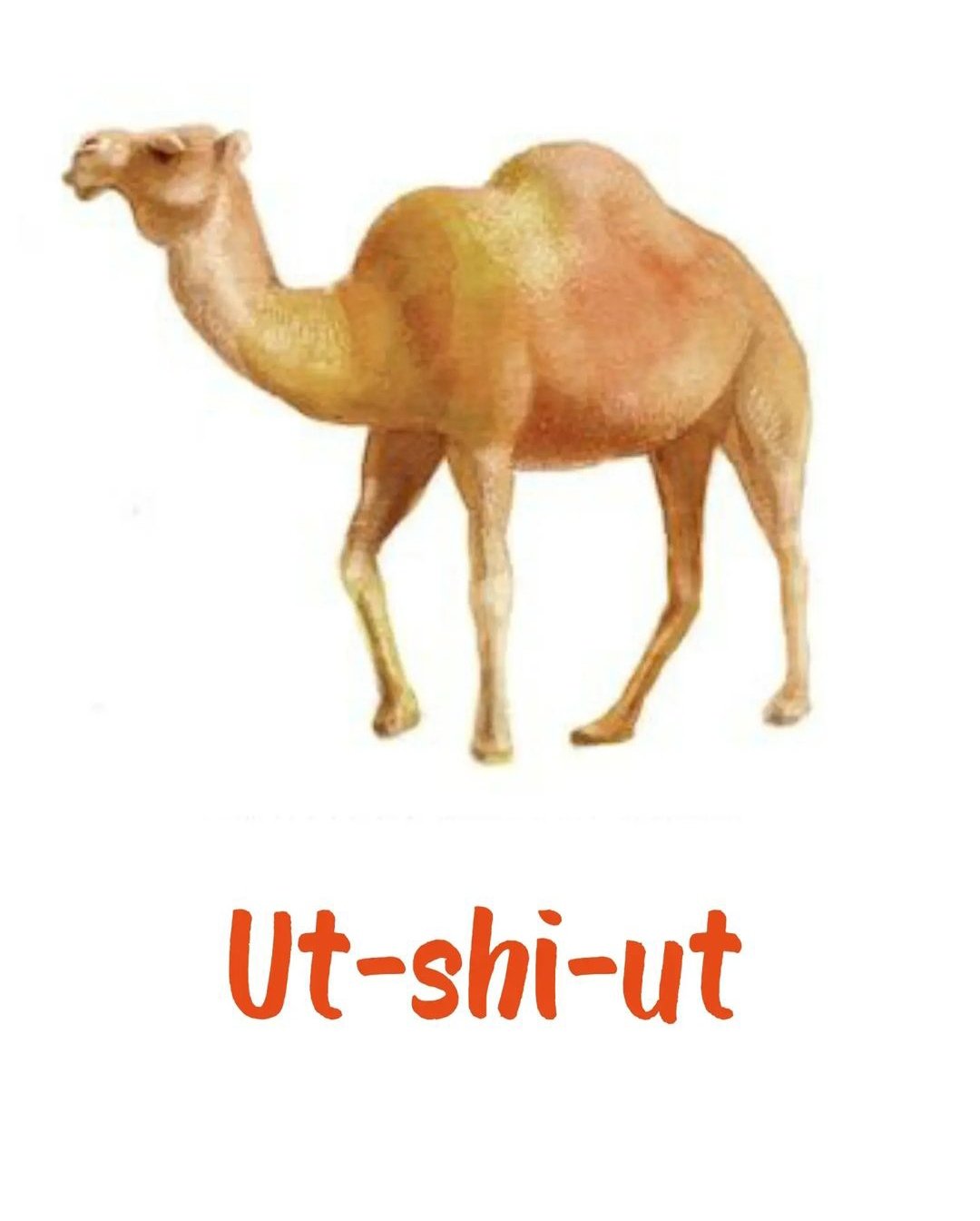
    "Ut" also means "camel" in Khasi, so "ut-shi-ut" may be a reference to the rhythm and measured pace at which a camel walks.

    Khasi adverbs are witty and visually descriptive, along with an emphasis on the aural quality of words. 🗣️👌

    🟡 English translation by @speakyourroots

  • Ngai-ly-ngai

    "Ngai-ly-ngai" ka dei ka adverb kaba mut kum haba hap arsut najrong, kum haba ong "ka wah ka tuid ngai-ly-ngai na u lum".

    Bunsien haba ngi pyndonkam ïa ki ktien "ngai-ly-ngai" ka dei ban thew ïa kane ka jingsngew ne ka jingïohi kumba noh arsut najrong.

    Shuh shuh, ngi pyndonkam ïa ki ktien "ngai-ly-ngai" ban pynpaw ïa ka jingbun jong kiei kiei, kum haba ong "ki syntiew ki phuh ngai-ly-ngai ha ranab lum".

    The adverb "ngai-ly-ngai" is used to mean to fall from a height. To use it in an English sentence: "a river flows ngai-ly-ngai from a hill"

    Often when we use "ngai-ly-ngai" to describe the feeling, sensation or the sight of falling or descending downwards from a height.

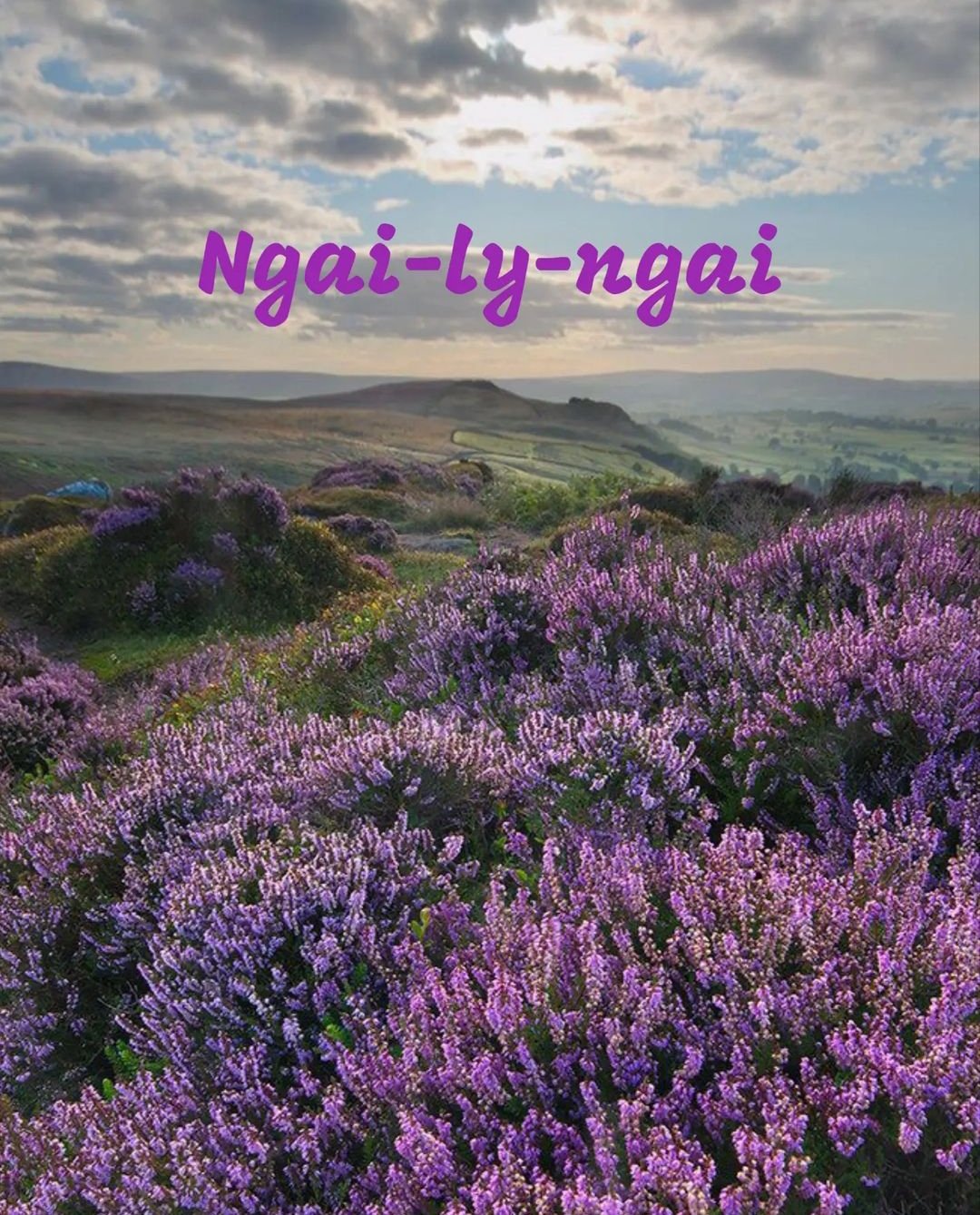
    Further, "ngai-ly-ngai" is also used to denote the multitudinous number of something, as in a mass of flowers blooming on the side of a hill.

    Ki don ki ktien kiba ngi ju pyndonkam man la ka por bad ngi sngew kumba ngi tip ïa ka jingmut jong ki. Tangba da lah dei ban batai ïa ka jingmut jong ki ngi lap ba ka pher na kaba ngi ju pyrkhat. "Ngai-ly-ngai" ka dei kawei na kine ki ktien 😄

    Khublei Shibun @bah_komiks ba phi la pynkynmaw ïa kine ki ktien 🙏🙏

    There are words which we use all the time and we think we know their meaning but when it comes to giving a proper definition of them, we find that their meaning is very different from what we had thought. "Ngai-ly-ngai" is one such example 😄

    🟡 English translation by @speakyourroots

  • Khasi Adverbs

    Btáj-btáj ka mut kaba kynja ba dambit ne bit nah/ soft and sticky.

    Wur-wur ka mut kaba kylluid ne kaba ïar/ something loose or wide.

    Wap-wap, wep-wep ka mut ba jem tlot, kumba jem u briew ba pang swai/ someone who is frail and delicate because of ill health.

    Ryngmang-ryngmang ka mut kaei kaei kaba long kyndit khlem da pyrkhat ne khmih lynti lypa/ something unexpected and unforeseen.

    Jngaiñ-jngaiñ ka mut kaba ïong shikatdei kum ka um ba jylliew/ something dark like very deep water.

    Ngaiñ-ngaiñ ka mut kaba dum tliw bad ka thew ïa ka jingdum jong ka bneng/ very dark and usually refers to the darkness of the sky.

    Pharúh-phareh ka mut ha ka rukom ka bym suitniew/ careless, reckless, clumsy.

    Khasi adverbs bring character and substance to the Khasi language! 💬🗯️💭 They describe actions, colour, emotion and so many things with a dramatic effect that is not easily translated.