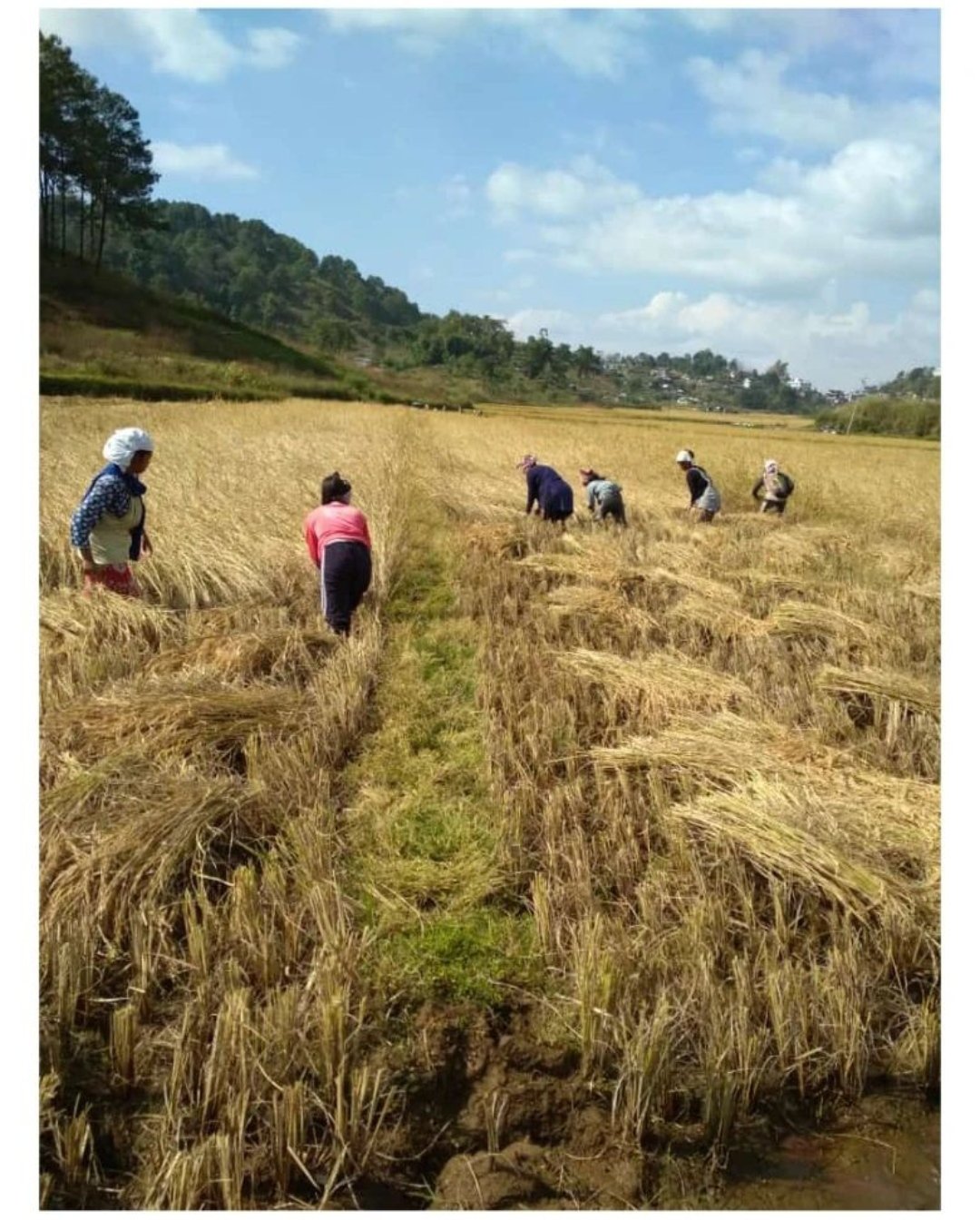

Ishhhh ka por shoh kba! 😍😍🌾🌾 Katno ngut na ngi ngi dang ïoh ban mad ïa kane?
Ka sngi ba syaid 🌤️ Ka lyer ba beh jem jai 🌬️ U soh ka jingtreishitom lah jan ïoh mad 💛💚
Khublei Shibun @aibianghundkhar ba phi la phah ïa kine ki dur! ❤️🤗
Ishhhh ka por shoh kba! 😍😍🌾🌾 Katno ngut na ngi ngi dang ïoh ban mad ïa kane?
Ka sngi ba syaid 🌤️ Ka lyer ba beh jem jai 🌬️ U soh ka jingtreishitom lah jan ïoh mad 💛💚
Khublei Shibun @aibianghundkhar ba phi la phah ïa kine ki dur! ❤️🤗
In this chapter entitled "Source of History" the author says that an effort has been made to write about the history of the Khasi people from the materials that they could gather, to "present a detailed account of both the political and cultural life from its earliest beginnings to the present day."
Under the category of foreign accounts, the author says: Classical sources like the account of the Greek, Roman and Chinese starting from the 5th Century BC referring to Assam in general, indirectly allude to important socio-ecomomic and cultural conditions of the Khasi during the early period. Qazim's mention of fruits like citron, lime, lemon pineapple, orange, etc. produced from Assam in the medieval age refers to the cultivation of these fruits by the Khasi people who have grown them through generations till the present day.
Mention of iron smelting, work in gold, silver and copper in Assam, in the early and mediaeval period refers to similar Khasi enterprises (of which we have evidence). On the proper basis of identification, we can make use of the foreign accounts and classical sources.
References:
1 Qazim was one of the earliest Muslim travellers to Assam.
2 P. C. Choudhury, The History of the People of Assam to the 12th Century. A.D. and Ka Ryngi, Vol II, No. 1 and Vol II, No. 2.
This is a great book you have to read! Thank you Miss @indariwarjri for the reminder! 🤗🤗
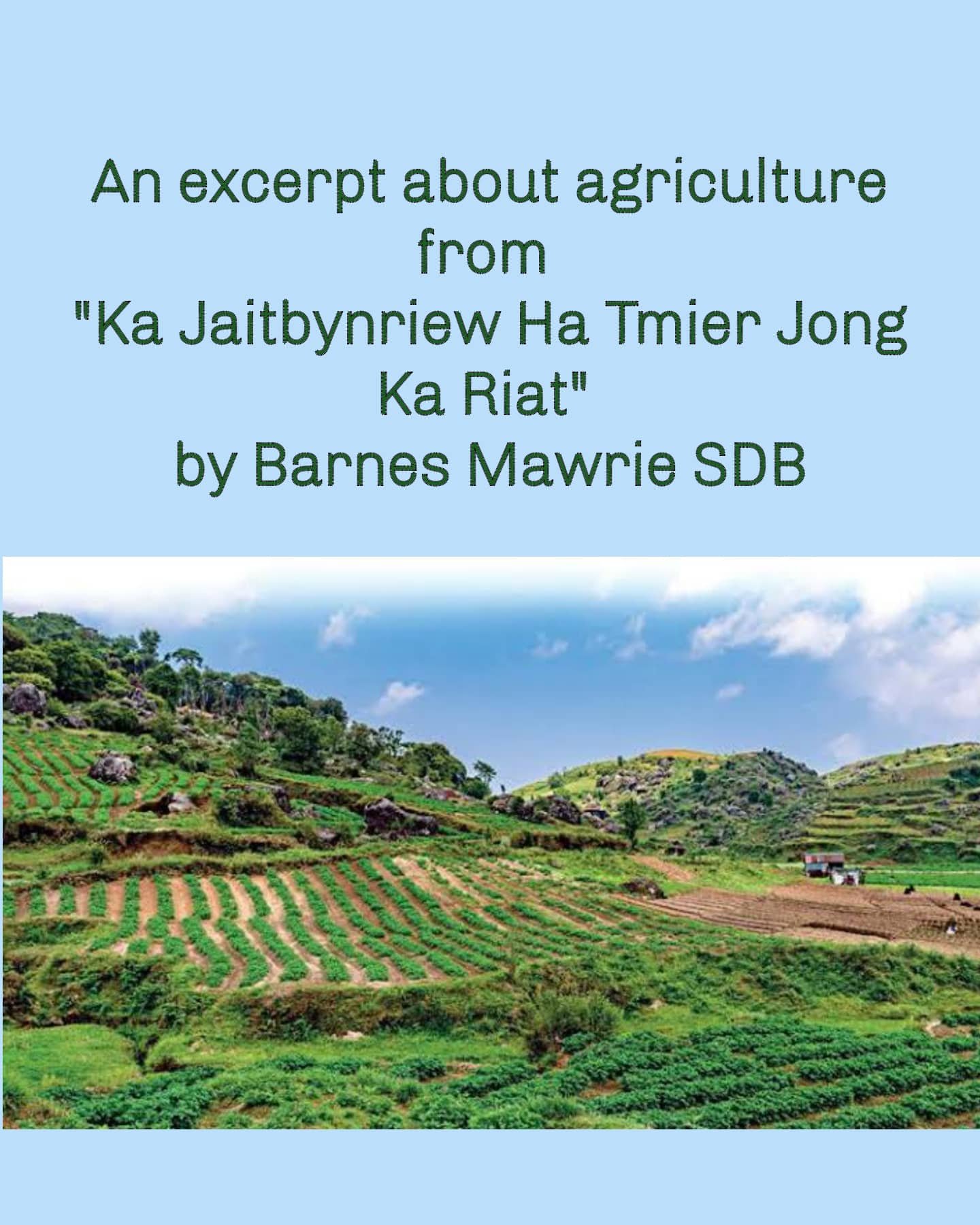
Kawei na ki jingbakla jong ka jaitbynriew jong ngi kaba la wanrah ïa ka jingma ïa ka lawei jong ngi, ka dei ka jingiehnoh ïa ka rep-ka riang khamtam ha nongkyndong…Ka khanatang jong ki hynñiewtrep hynniewskum ruh ka ong ba u Blei u la phah ïa ki sha pyrthei khnang ba kin rep-ki riang hapneh ka mei mariang. Kumta ngi dei ban sngewthuh ba ka rep-ka riang ka dei ka kam ba u Nongthaw hi u la buh-la mang na ka bynta ki briew. Baroh ki jaitbynriew ki burom bad tyngkai ïa kane ka kam, hynrei ma ngi ki Khasi pat ngim kheiñkor shuh ïa ka. Ha kane ka rukom ngi ïaidlait ïa ka hukum ne saiñdur jong u Blei bad deihok keiñ ba ngin ym ïoh jingkyrkhu na u. Ki longshuwa jong ngi ki la im da ka rep-ka riang bad ki la pahuh ka bam-ka sa, hynrei ha kane ka juk mynta pat, ngi hap wanrah jingbam na kiwei pat ki jylla.
Ha ri Europe, ki briew kiba riewspah tam dei ki nongrep ym ki nongtrei sorkar, hynrei hapdeng jong ngi pat ka long markhongpong. Balei ka jia kumne? Ka daw ka long ba ki khyndiat ki nongrep ki basah mynta ki dei ki briew ki bymnang-bymstad bad ki rep beit da ka rukom ka barim khlem lah shuh ban pynheh-pynroi ïa ka rep-ka riang jong ki. Hynrei lada ki samla kiba la nangla stad pat kin rep, kan pher shibun namar maki kin wad da ki rukom rep ka juk mynta bad khlempep kin lah ban pynkiew ïa ka rep-ka riang. Ha u snem ba ka Israel ka la ïoh ïa ka jinglaitluid bad la ka jong ka ri, u Ben Gurion u nongïalam banyngkong jong ki u la ong ïa ki paid Israel "ngi long ka jaitbynriew bathymmai bad baduk mynta bad ngi donkam ïa ka jingïaraplem jong kiwei pat ki ri, hynrei ngin khrong na ki na ka bynta kiwei pat ki jingdonkam hynrei ym ïa ka bam." Dei nangne ba u ïa sdang ïa ka Green Revolution ha Israel ha kaba ka ri Israel ka la lah ban pynkylla lyngkha rep ïa ka ri shyiap bad ka la lah ruh ban pynmih ïa ka bam-ka sa ban pyndap-pynbiang ïa ka jingdonkam ka ri.
One of the mistakes that we have made that can be a danger to our future is the abandoning of the practice of agriculture especially in the villages. Our folklore says that God had sent mankind to earth with the main purpose of living in the lap of nature by practicing agriculture. So we should understand that tilling the earth and planting crops is a God-given duty. All races and communities respect and value agriculture highly but sadly we seem to not have a high esteem for it. In this way, we move away from the command and mould of God and rightly, we lose his blessings. Our ancestors survived through agriculture and prospered by it, but in this generation, we have to bring in food and commodities from other places.
In Europe, the wealthiest people are farmers and not those working in the government, but with us it is the other way round. Why has this happened? The reason is the farmers do not have the knowledge and are using old ways of agriculture, which will not increase their yield. But if the youth who possess the knowledge and means for agriculture can practice it with modern tools and aids, there will be change and it will improve the quality and yield of agriculture. In the year when Israel gained it's independence (14th May 1948), Ben Gurion, the country's first Prime Minister said: "we are a new race and poor right now and we need the help of other countries, yet we will ask for help in other things but not for food." It was from here that Gurion was able to start the Green Revolution in Israel, where Israel was turned into fertile ground from a desert and it was also able to produce enough food for the needs of the whole country.
Farming and tilling the earth is something that we feel is not for us. But if we care about what we eat, if we question the cost of food and commodities, maybe we should start to feel the earth under our hands and sow and nourish what we take into our bodies. It's true gardening and farming requires a lot of work and effort but the rewards we reap are priceless for our mind, body and soul. Even if it's a small kitchen garden, you are taking care of yourself and the earth 💚💚💚
🟡 English translation by @speakyourroots
🟡Picture:https://www.google.com/amp/s/www.indiatoday.in/amp/magazine/state-of-states-conclave/story/20181203-striking-deep-roots-1393767-2018-11-24