Excerpt from Na Sla Ka Sohmyndur by Sweetymon Rynjah
Ka jingbatai ïa ka kyntien ‘Akor’ ka long kaba eh, ym don kyntien kiba lah ban batai pynshai ha ka ktien Khasi kum ka dur ne ka rong. Lah ban shu ai jingbatai ba ka dei ka kynja jingstad barieh ba don ha ka long briew man briew, kum ka sap tynrai. Dei hi U Blei Nongthaw uba la buh ïa kane ka jingstad ha u briew da kaba ïohi ïa ka buit ka bor kumno u pynïadei bad ki para briew. Ka Akor namar kata ka long ka bynta jong ka sap tip briew, kaba pynïaid ïa ka jingïadei briew kumno ngi kren, ngi leh, ngi kam, para briew. Ha ngi ki Khasi, naduh hyndai hynthai, ngi Ia tip ba ka aiñtynrai jong ka longbriew ka dei ka Akor babha.
La ju ïohsngew ruh ïa ki kyntien riewtymmen ba "ka akor ka long ka baiseng ïa u briew". Shisien pyrkhat kumno keiñ kata ka lah ban long. U briew uba lum spah hato un donkam baiseng aïu pat ha ka jingpynïaid jingim jong u? Hynrei kine ki kyntien ki kit ïa ka jingmut kaba jylliew. U briew uba bha ha ka ktien ka thylliej, u bymkren ibeiñ, ñiew beiñ ne kren pynmong ïa kiwei pat, kum uta u briew u don ka baiseng ha ka jinglong bad jingleh jong u. Kumta u ïoh ban thied ïa ka jingïadei ïajan, ïaieit-ïathoiñ bad jingïashaniah mar kylliang, jong kiba bun ba Iang. Kumta ka akor kaba bha ka long kawei pat ka baiseng kaba u briew u pyndonkam ha la ka jinglong jingman nalor ka spah ka hajar kum ka baiseng da ka pisa.
.
.
.
To explain and define the Khasi word "Akor" is difficult, as there is no word that can explain it like a definite image or colour. One may describe it as the wisdom that is hidden, that exists in human nature, like an innate talent. It is God the Creator who has placed this wisdom in an individual, when he sees how wisdom and intelligence is used in relation to others. "Akor" therefore, is part of human nature, which directs human relationships in what we say, in what we do with other fellow men. For us the Khasi community, since time immemorial, it is known and understood that the root law or foundational law of being human is good "Akor".
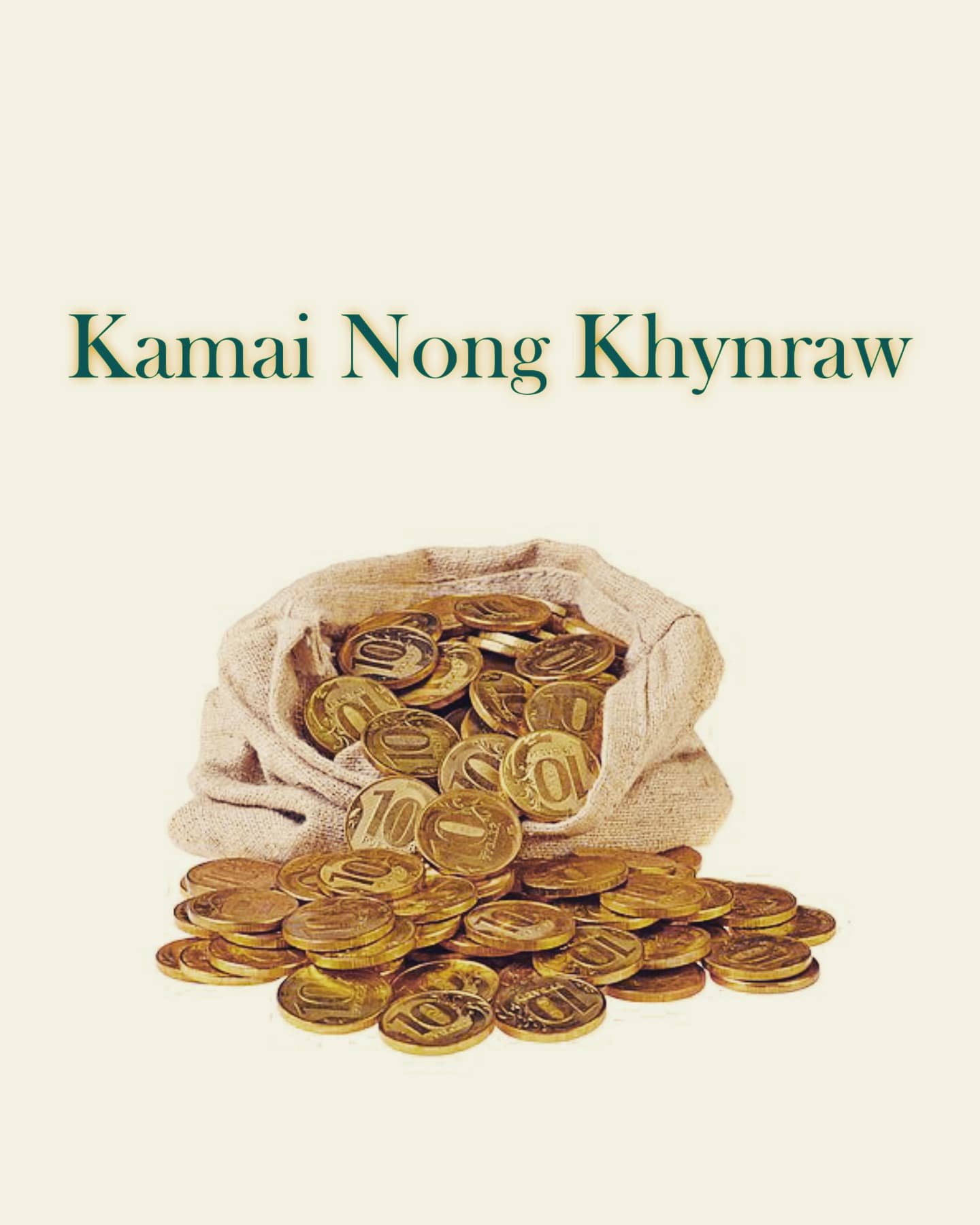
We know the saying of the elders which states "Akor is capital for an individual". The first thought that comes to mind is how can this be. An individual who gathers wealth needs what more capital to steer his life? However, these words carry within them a deep meaning. An individual who speaks only good things, who does not speak despisingly or in a hurtful manner, this kind of individual possesses capital in his personality and deeds. In this way, this individual wins the closeness, love and trust of many. Thus, good akor is another kind of capital that an individual uses by virtue of his nature and personality, besides the money that is used as investment.
"Ka Akor Ka Long Ka Baiseng Ïa U Briew" ka dei ka jingong kaba ngi lah ju ïohsngew. Pule haneng ba phin ïoh ka ki jingbatai kiba sngewtynnat bad shongkhia na i Kong Sweetymon Rynjah. 🙌 🙌
The Khasi love for "Akor" is something that is ingrained in us from our parents and grandparents. We may say it is an integral part of the Khasi oral tradition and worldview. Thus, the significance of Akor should not be undermined. Read more to understand from the learned Kong Sweetymon Rynjah 🙏🙌
🟡 English translation by @speakyourroots
#kaakor #kaakorkabatam #kaakorkaburom #ktientymmen #sayingsofelders #khasicustom #khasiculture #khasiphrases #khasilanguage #khasilanguageconservation #speakyourroots #speakyourrootschallenge #talklocal