Tag: khasifolktales

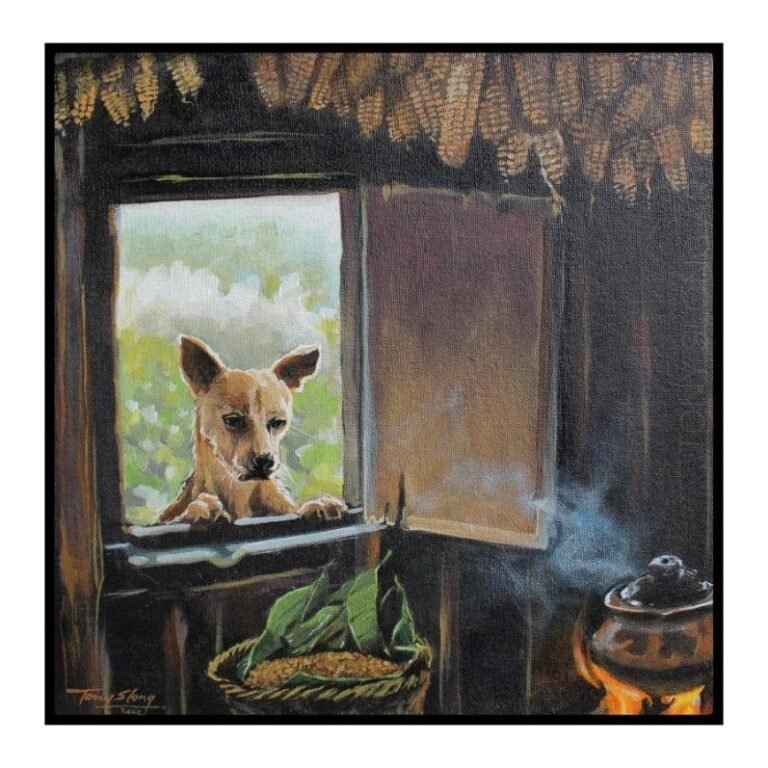
  • U ksew ha ïew luri lura by Tony Slong

    World Folklore Day 2023 🏞️🌿

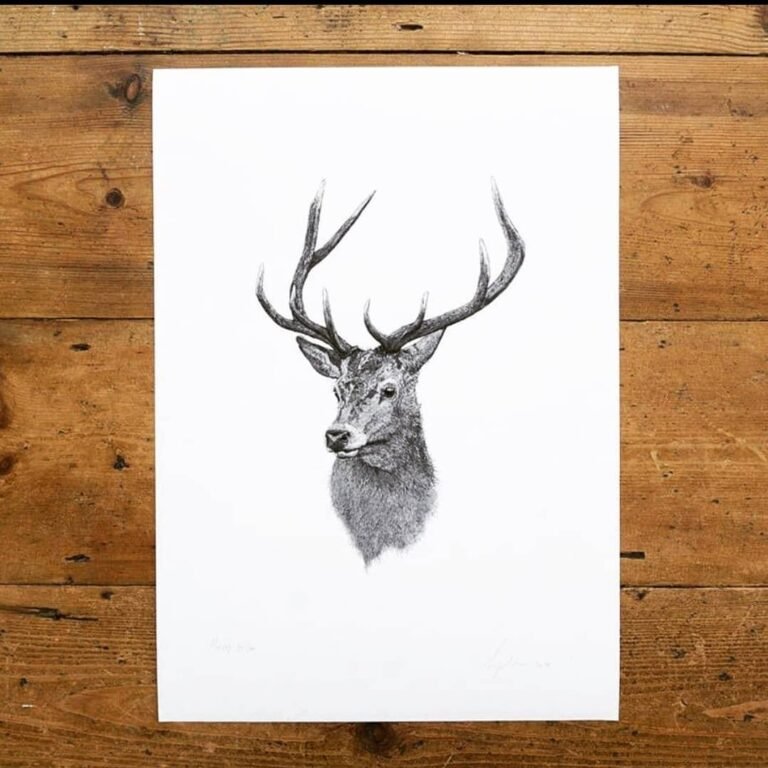
    Kane ka matti jingdro da i @tonyslong ka pyni ïa u ksew ha ka khyllipmat ba u lap ïa ka tungrymbai shuwa ba un rah ban die ïa ka kumba la ïathuh ha ka khanaparom "Ka Ïew Luri Lura jong u Laiphew Mrad". 🐶😄

    Khublei Shibun @tonyslong ba phi la phah ïa kane ka dur kaba pynmutdur ha ngi ïa kane ka khanaparom! 🙏🙏

    .

    .

    .

    This painting by @tonyslong depicts the dog from the well-known Khasi folktale "Ka Ïew Luri Lura jong u Laiphew Mrad".

    In the story the dog attempts to sell tungrymbai or fermented soyabean in the animal market but it ends up being trampled upon by the other animals because they could not bear the smell of tungrymbai 😅😅🐶🐶 It is said that it is because of this incident that the dog came to live with man.

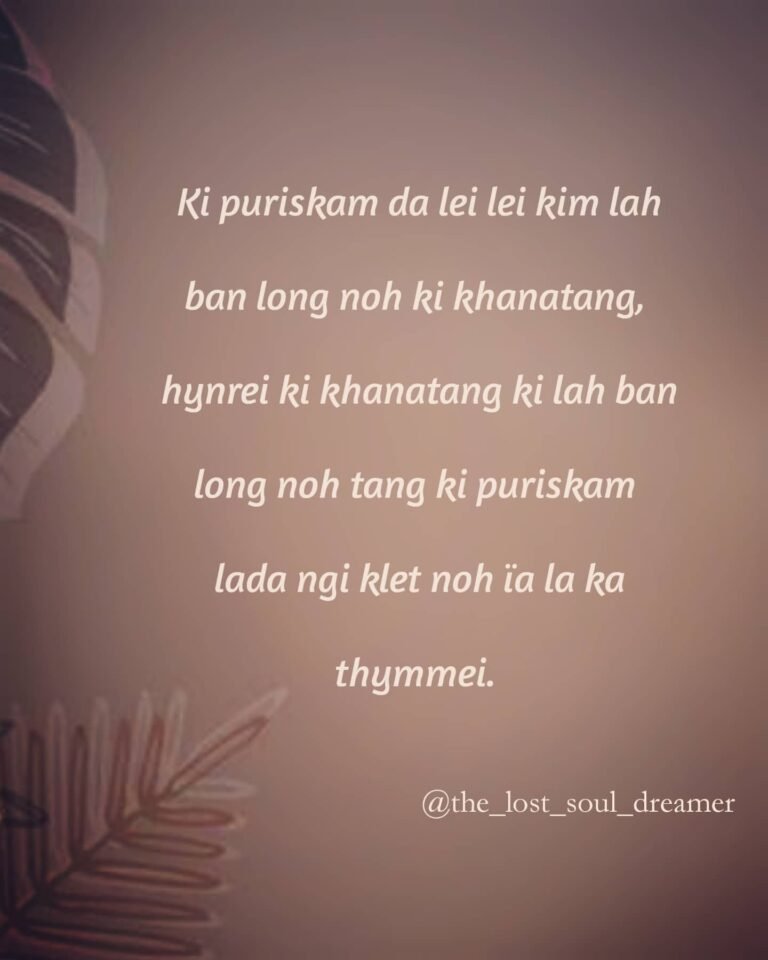
  • Ki Puriskam ne ki Khanatang?

    Ki Puriskam da lei lei kim lah ban long noh ki

    Khanatang, hynrei ki Khanatang Ki lah ban long noh

    tang ki Puriskam lada ngi klet noh ia la ka thymmei.

    A fable will never be able to take on

    the character of a myth,

    but a myth may be reduced to only a fable

    if we forget the source of our being.

    Ki Puriskam ne ki Khanatang? A fable or a folktale? Maybe both have something to teach us 💚💚💚💚 Thank you @__khatduh__03 ! Thank you @the_lost_soul_dreamer for these words of wisdom! ✨✨✨

    A myth, a folktale, a legend or a fable all have important lessons to teach us.

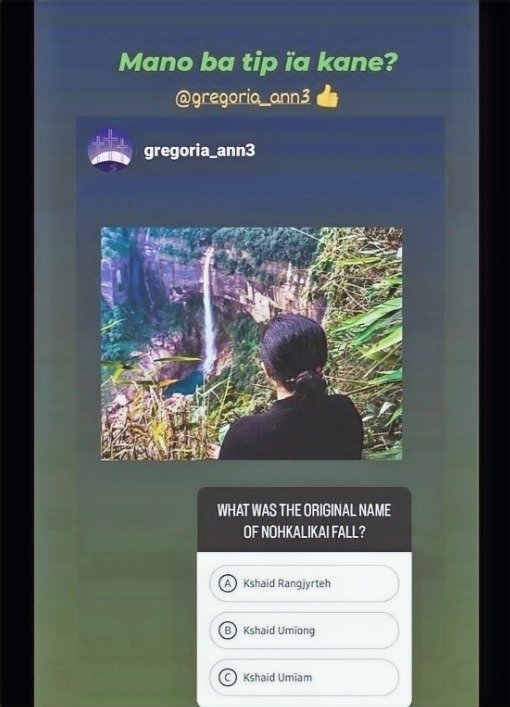
  • The original name of Nohkalikai Fall

    Ka Kshaid Nohkalikai

    Naduh hyndai kulong-kumah, hajan kawei ka shnong kaba kyrteng ka Rangjyrteh, ka tuid kawei ka wah kaba kyrteng ka Umïong. Ka tlong jong ka, ka long na shaphang Laitryngew, hynrei katba ka nangtuid arsut, katta ruh ka nang-heh nang-heh, ba bun ki shnat wahduid kiba wan ïasoh-lang bad ka, haduh ba ka kylla kum kawei ka wahbah ka baheh. Ka don kawei ka kshaid kaba ki ju khot kyrteng ka kshaid wah Umïong. Kane ka kshaid ka long ka bajrong rymphai bad ka baitynnad shibun eh, khamtam leilei ha ka por lyïur haba jur u slap. Ka jingnoh rymphum jong ka na khlieh-riat shapoh thwei, ka pynthame bad pynïap-ngiah ïa ki nongpeit haduh ba kim ngiah ban peitseh bad peit-jylliew ïa ka um kaba tuid phir-phir kumba tuid ka dut. Napoh ka thwei bajylliew jong ka, ki kiew ki sur ba sawa kynud ha ka jingbeh ka lyer, ryngkat bad ka jynhaw tdem-um kaba kiew, man la ka teng, kum u lyoh ha sahit-bneng.

    Dang hyndai-hynthai kata ka Rangjyrteh, ka la long ka shnong ka bapawnam hakhmat ki para-shnong baroh kiba ïadon markhap bad ka. Wat la ka la duh-noh, hynrei haduh mynta- mynne, ka kyrteng jong ka, ka dang sah tyngkreiñ . Ha kata ka por, ka la long ka shnong kaba bun briew. Bad ki briew ruh ki basmat-basting ha ka trei-ka-ktah, ha ka leit-ka-wan…

    .

    .

    .

    .

    Ka dohnud kmie jong ka, ka pdang hieb, bad ka lynñiar-kaw. Ka ïam, ka lympat ïalade bad ka pajut la u shñiuh. Ka rah la kawei ka wait bad ka phet kulmar kum ka balamwir. “Balei, balei” la kylli ki briew kiba wan ïabeh haba ki ïohsngew ïa ka jinglynniar, “ balei pha leh kumne?” “ Ngan nai im shuh,” ka la ong. “ Waw! u la shet u dusmon shisngi, ba un phon un shet ïa nga ba ngan bam-doh la i khun. Ngan leh aïu pat ban im khlemrain ha ka pyrthei, la suk ka tap.” La ki khroh, ki pyntngen ïa ka ruh, kam patiaw ; ka phet la ka phet bak-bak. La ki mut ban kem ruh, ym don ba shlan, namar, ka talaiñ da ka wait. Kumta ki shu ïabud lyngngoh kham na pajih, da ka jingsngewsynei kum ban jawummat. Ki kmie ki ïaphet kulmar shane shatai, ki ïapyrta la ki khun ki khun haduh ba ka shnong ka la win hi ñiak. Ka Likai pat, ka la mareh sak-sak sha khlieh-kshaid-Umiong bad ka la nohïap sham-lysham shapoh thwei.

    Naduh kata ka por, haduh kine ki sngi ki sa khot ïa kata ka kshaid “Ka Kshaid Nohkalikai.”

    Khublei Shibun @gregoria_ann3 ïa kane ka jingkylli! 😃😃 Ka jubab ka dei ka Kshaid Umïong! Bun na ngi ngim tip ïa ka jubab tipma ka don ha ka kot Ki Khanatang U Barim ba la thoh da i H. Elias S. D.B. 🏞️🏞️

    Khublei Shibun ïa phi @bee_the_wanderer @pynshngain25_ bad @donbok.rynjah.50 ba phi la phah ïa ka jubab kaba dei! 👍🙏

    This was a question posted by @gregoria_ann3 about the old name of Nohkalikai waterfall. The answer is Umïong waterfall which can be found in the book Ki Khanatang U Barim written by H. Elias S.D.B. 🏞️🏞️

    Photo credit: @gregoria_ann3

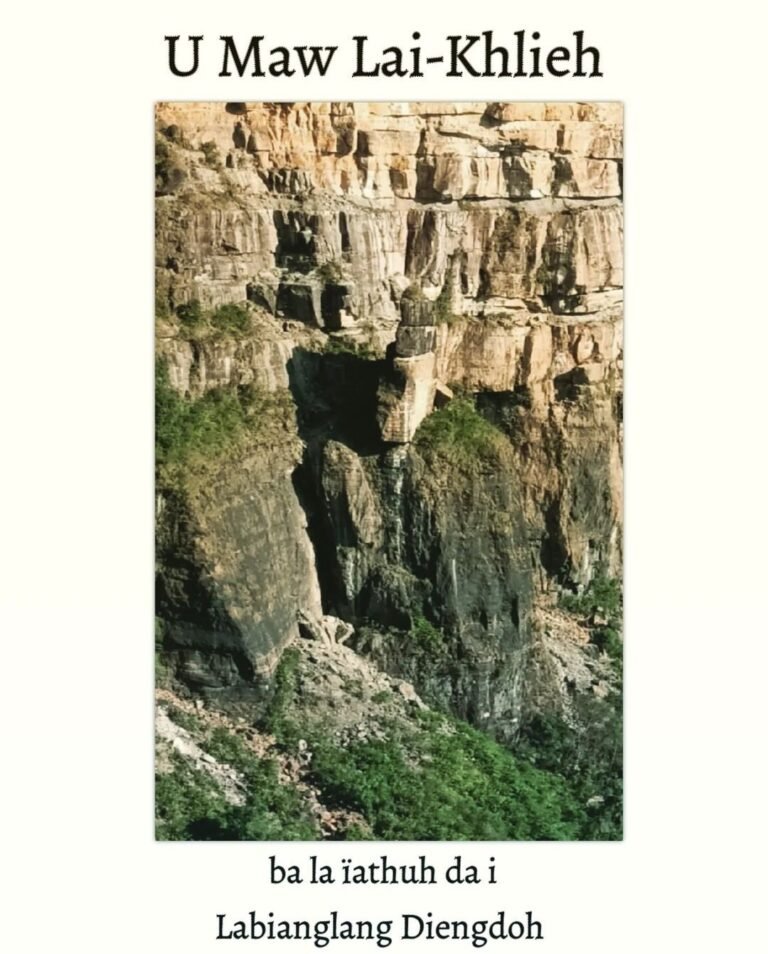
  • U Maw Lai-Khlieh told by Labianglang Diengdoh

    U Maw Lai-Khlieh

    ba la ïathuh da i

    Labianglang Diengdoh

    Mynba dang lung ka sngi u bai, ha ka por ba ki briew ki dang hok, dang shida, la don kawei ka shnong kaba paw nam ha ka akor ba bha bad ha ka jingjur u slap. Ym tang ha ka akor, ka burom hynrei na ka ruh la mih bun ki simpah, ki simsong, ki kaitor, ki myllung, ki mawbynna. Ka don ruh ha ka shibun ki puriskam, ki purinam, ki khanatang ki ba dang iai kynud haduh mynta mynne ha ki lum-ki wah, ki khlaw-ki btap kum ka Noh-Ka Likai, U Khoh Ramhah bad kumta ter-ter. Kata ka shnong kaba don am kadei ka Shnong Sobra. Napdeng kine ki khana kiba lah paw, lah bna hapdeng jong ngi u khun Khasi-khara bad kiwei de ki jaitbynriew, dang don kiwei pat ki khana ki ba don ha lyndet jong ki ia ka jingjia ba sngew triem bad ba sngew ngiew ban sngap. Ka wei napdeng kita ki khana kaba ngi la iohsngew pateng kadei shaphang U Maw-Lai Khlieh.

    U 'Maw-Lai Khlieh', u dei u wei na ki maw u ba don ha shiteng jong ka 'Riat-Mawiew' kaba don ha shnong Sohra. Ia une u maw ngi lah ban iohi narud surok, na u lum jngoh kulai lane u lum jingkhmih kulai. Lah ban iohi ruh na ka 'law-kyntang jong ka Hima Syiem Sohra (Madan Shad Seng-Khasi). Katkum ka jingiathuh jong ki longkpa-longkni, ki tymmen hyndai, ba ha uta u Maw-Lai Khlieh la don u Paia Ksiar bad u don la ka pharshi sha lyndet jong u.

    Ha ka por ba ki phareng ki dang synshar ia ka ri jong ngi baroh kawei, la ong ba ha kawei ka sngi, ar ngut ki shipai phareng ki la leit ban iaid kai pyngngad sha kata ka Riat Mawiew ban leit jngoh kai ia uta u maw. Hadien ba ki la poi ha kata ka jaka bad haba ki dang jngoh ban peit kai ia uta u Maw-Lai Khlieh, uwei u shipai u la iohi ba don ka jingthaba bapher na uta u maw. Kata ka jingthaba ka la kthik ia ka mynsiem jong u ban kwah ban hiar bad ban peit ba kadei kaei kata ka jingthaba. Kumta, khlem da artatien bad khlem da sngap ia ka jingkhang jong uta uwei pat u shipai, u la hiar bad u khlem da wan phai shuh. Uta u paralok jong u, haba u lah iohi ba um shim la wan phai shuh u lah her bran-bran ban leit iathuh sha ka sorkar phareng ia kaei kaba la jia.

    Ka Sorkar phareng marsien tip ia kata ka jingjia, ka la phah wad bniah ia kaei kata ka jingthaba kaba mih na uta u maw. Ka la phah ia ki briew jong ka ba kin wad bad kylli na ki trai shnong shaphang uta u maw. Ynda ki la ioh jingtip ba ha uta u maw la don uta u Paia Ksiar, mar-mar khlem pynslem ia ka por ka la phah sa ia lai ngut ki shipai ban hiar bad ka da kyntu ruh ba kin da tih dyngkhong ia uta u Paia Ksiar. Kumta, kita ki phareng ki la hiar bad marsynpoi ha uta u maw, la wan mih uwei u bsein uba don lai tylli ki khlieh bad u ta u bsein u la bam ia arngut kita ki shipai phareng. U ta u shipai u ba la lait phet im, u la kiew pynsted shalor bad u la phet ban leit iathuh ia kaei kaba la jia bad iohi.

    Ka Sorkar Phareng, hadien jong kata ka jingjia, ka la wad da ka buit-ka bor ba kumno kan ioh ban pyniap ia uta u bsein. Kumta ka la phah pynap da ka sapoh, ka kyiad, u buiam, da kaba pyrkhat ba uta u bsein un bam, un buaid bad ba kin iohi ban pyniap ia u da ka basuk. Ha ka step kaba bud ynda ki shipai ki la hiar ban leit ban pyniap ia uta u bsein, ki la lyngngoh ngain hadien ba ki iohi ba ka bam ka dih ka lah lut hynrei kim shim la lap satia ia u bsein. Kita ki shipai phareng ki la pyrkhat ba uta u bsein u la iap bad kumta ki la sdang ban tih ia uta u Paia Ksiar. Katba ki dang tih kynsan-kynsan uta u bsein u la mih biang bad u la bam duh noh syndon ia ki.

    Ka Sorkar Phareng haba ka lah ioh jingtip ia kata ka jingjia, sa shisien ka la kyntu biang ia ki briew jong ka ba kin wad jingtip na ki trai shnong da kumno pat ban ioh lad ban pyniap ia uta u bsein u ba don lai tylli ki khlieh. Ka Sorkar Phareng hadien ka jingwad bniah ka ba jur ka la ioh jingtip ba uta u dei u 'lei lum uba ju wan ha ka dur jong u bsein ban iada ia ka jingsniew ne ka jingshah pynjulor jong uta u Paia Ksiar namar wei ba la tih ia uta u Paia Ksiar, uta u Maw-Lai Khlieh ruh yn twa yn kyllon bad ka pyrthei ruh kan sa wai. Kumta ka sorkar Phareng kam banse bad shu ieh shrah noh ia ka jingkwah rhah jong ka ia uta u Paia Ksiar.

    Kumta, kane khana ka shu sahkut noh tang hangne bad haduh mynta mynne dang don ki ba dang ngeit ba uta u Paia Ksiar u dang neh haduh mynta lem bad uta u bsein u ba ker ba da ia u, ha uta u Maw-Lai Khlieh.

    When the sun and the moon were still young and when mankind was honest and simple in his ways, there was a town which was well-known for its refined manners and also for the heavy rain which fell there. There also arose from this town musicians, artists, poets and individuals of integrity. The town possessed an array of legends, folktales and myths which continue to echo in its rivers and streams, in its forests and groves like Ka Nohkalikai and U Khoh Ramhah and others. This well-known town is the town of Sohra. From these stories of the Khasi community which tell of gruesome events which have been heard, there are other stories terrifying to listen to. One of these stories is the story about U Maw-Lai Khlieh or the three headed stone.

    U Maw-Lai Khlieh is a boulder which stands midway on Ka Riat Mawiew which is a gorge in Sohra. One can see the boulder from a hill called U Lum Jngoh Kulai or Lum Jingkhmih Kulai. This boulder can also be seen from the sacred grove of Ka Hima Syiem Sohra (Madan Shad Seng Khasi). According to what has been told by forefathers and elders there was U Paia Ksiar or a golden pillar in U Maw Lai-Khlieh and there is a fable behind it too. When the Khasi Hills were ruled by the British, it is said that one day when two English soldiers went for a relaxing walk to Ka Riat Mawiew in order to see U Maw Lai-Khlieh, one of the soldiers noticed something like a glitter coming from the boulder. Without waiting for anything and not listening to the protestations of the other soldier, this soldier left and did not come back.

    When the soldier realized that his friend was not going to return, he raced to inform the British administration of what had happened.

    Once the British administration came to know of the incident, it ordered an investigation into what was glittering from the boulder. It sent people to find out about the boulder from the natives. When they came to know that there was a golden pillar in the boulder, the British sent three more soldiers with the order to extract the golden pillar. When the soldiers reached the boulder a snake with three heads slithered out of the stone. The snake then ate two of the soldiers while the remaining soldier scurried up the stone, horrified by what had happened and relating all that he had seen to his officers.

    After this incident, the British administration planned to take strong measures to kill the three headed snake. It sent some soldiers to place sapoh or rice grains mixed with yeast along with some kyiad or alcohol, with the hope that the snake would eat these and become sedated, so as to allow them to kill it. The next morning when the soldiers go down to the boulder to kill the snake, they were shocked to see that the rice and alcohol had disappeared but they could not find the snake. The soldiers assumed that the snake had died and began to dig up the golden pillar. At that moment, the snake emerged suddenly and ate all of them.

    When the British administration came to know of what happened it tried again to find out from the people about ways in which they could kill the three headed snake. After a thorough search for information, it was told to the British that the three headed snake was the guardian spirit of the hill, who appeared in the form of a snake to protect the golden pillar from being destroyed because if it was dug up, the three headed boulder would fall and that would be the end of the world. Thus, left without any options the British government abandoned its greedy plan to possess the golden pillar.

    The story ends in this wat and there are still many who believe that there is a golden pillar protected by a snake in the three headed boulder.

    "U Maw Lai-Khlieh" ka dei ka jingïathuhkhana kaba la phah da i @the_lostsoul_dreamer ✒️🗣️ Khublei Shibun ïa kane ka jingïathuhkhana kaba sngewtynnat! 😄🙏

    "U Maw Lai-Khlieh" is another story which has been handed down from generations and here it has been retold by @the_lostsoul_dreamer

    📸 @the_lostsoul_dreamer

    🟡 English translation by @speakyourroots

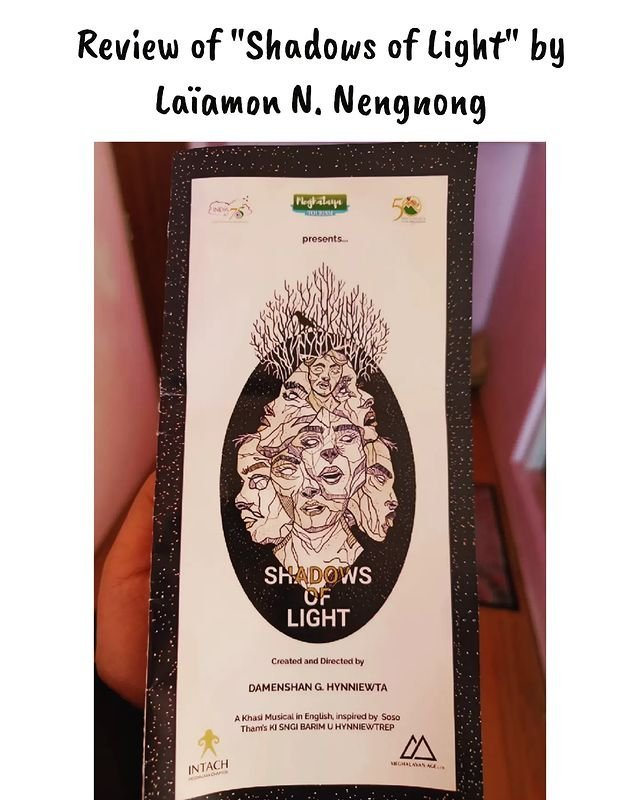
  • Review of “Shadows of light” by Laïamon N. Nengnong

    "Shadows of Light" directed and written by Damenshan Hynniewta is deftly and most intelligently created. The script, acting, music and arrangement of light and sound is unmatched. An interweaving of folklore into themes which emanate social and psychological realism, with every character standing out.

    Each theme is portrayed in nuanced and complex ways, staying true to the human condition that each legend and folktale is a mirror reflection of. The themes of love, motherhood, necromancy, in the stories of Ka Sohlyngngem, Ka Sngi bad U Bnai, U Sier Lapalang and others, showcase ingenuity of plot molding, so that the meaning is not one, but many.

    The theme of love is brought forth in the idea of forbidden love, the tenacity for beating all odds in spite of what is forbidden-the odds of family, rules of exogamous marriage in the Khasi society, and even to challenge death itself.

    Through the theme of parental love, the writer makes one re-examine the well accepted idea of unconditional love associated with it. At the same time, Hynniewta drives home the theme of purpose and fulfilment, the gendered biases and prejudice that society has on a "loose woman" from that of a man "who sows his seed everywhere" and is never made accountable for his misdeeds.

    All in all, "Shadows of Light" is a journey; one which makes the spectator reflect, contemplate, question, and even transform. It is the kind of musical that can capture the audience's attention and senses, in their entirety and I am excited for more works by Damenshan Hynniewta.

    Ka Peit Bniah ne ka Review jong ka sawangka "Shadows of Light" kaba la long ha ki tarik 13, 15 bad 17 u Kyllalyngkot 2022, ha ka Shillong International Centre for Performing Arts and Culture, SICPAC, Mawdiangdiang.

    Khublei Shibun @laia.naomi ba phi la phah ïa kane ka Peit Bniah kaba la pyrkhat sani bha! 😃🙏

    📸 @laia.naomi

  • Excerpt from the Introduction of “Ki Khanatang bad U Sier Lapalang” by Primrose Gatphoh (1937)

    U Primrose Gatphoh u ong:

    "Ki Puriskam, ki Purinam, ki Parom bad ki Khanatang ki don sawdong kane ka ri jong ngi, ha ki trep bad ki skum, sawdong ka lyngwiar dpei ba syaid bad ba rhem jong u khun Khasi Pnar baroh. Hynrei ka long kaba eh shibun ban lum ban lang, bad ban tai ban peh bha ïa ki shuwa ban pynsah ïa ki ha ka thoh ka tar kum ki mar kynti ka ri.

    Kam long ka kam kaba suk ban lum na kaba shu ïohsngew ka shkor, bad kaba shu kem na ka hamsaïan shaphang kiei kiei kiba ngi ju ïohsngew bad ïa kren barabor hapdeng jong ngi, kum ïa ki khlawait, ki thma, ki kut, ki kharai bad ka jingngeit ki briew ïa ki ryngkew ki basa kiba don sawdong ki lum bad ki wah jong ngi…

    Ngim lah ban ieit ïa la ka ri khlem da tip ïa ki Khanatang ki longshuwa jong ngi. Ban bud dien bad ban wad ïa ka kpait ka rukom pyrkhat hyndai, ka long ka jingsdang kaba shi kyrdan sha ka jingieit ri kaba shisha. La ki nongthoh bad ki nongïathuh ki ïapher, hynrei ki thymmei bad ki jingthmu na kiba ki la mih ki long kijuh."

    "Fairytales, fables, folktales and myths are all around our hills, in huts and homes, around the warm and fiery hearth of Khasi and Pnar families. But it is arduous to collect, to select, to sift and sieve through these stories before they are preserved in the written form as valuable heritage. It is not an easy job to gather from what is heard by the ears, and to grasp from unclear accounts that are heard from here and there, about what we usually hear and talk about among ourselves, about brave warriors, warfare and the belief in forest guardians who are present in our hills and rivers…

    We cannot love our community without knowing the myths and folktales of our ancestors. To follow and to search for the tracks of the old ways of thinking, is to begin at the first step towards a true and real love for community. Even though writers and story tellers are different, but the source and the aspirations from which they arise are the same."

    Bunsien ngim ju kham pule ïa ki "Shi Kyntien" jong ki nongthoh kaba ki ai ha kaba sdang jong ki kot jong ki. Kane ka dei na ka kot jong u Primrose Gatphoh. ✒️📖 Ki dei ki ktien kiba ai jingtip, jinghikai bad ki pynsngew ruh ïa ka jingsngew kitkhlieh na ka bynta ka ri la jong. 🏞️🌧️

    Often we do not read the introductions or the forewords given by writers at the beginning of their books. This introduction is from the book of Primrose Gatphoh. ✒️📖 These are words which give knowledge and teaching. They also reflect a sense of responsibility for the community 🌧️🏞️

    🟡 English translation by @speakyourroots

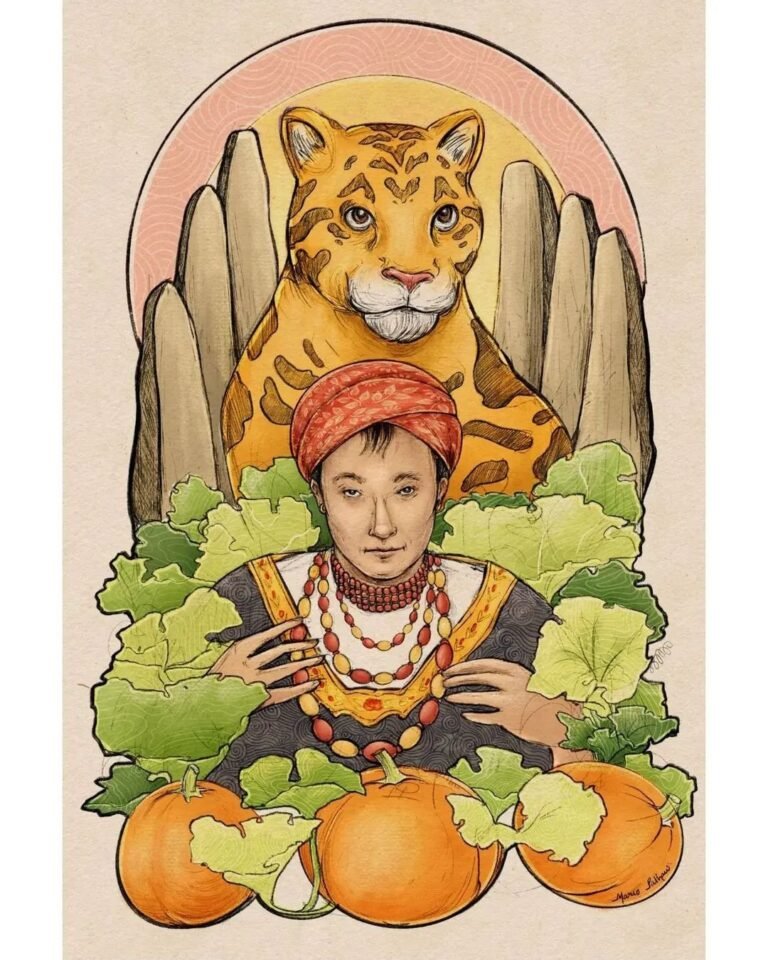
  • Shape shifters by Mario Pathaw

    Mario says: "Shape shifters are popular figures in myths and folktales around the world. In Japan and China, foxes assume human form to bedevil the unwary. In Brazil, the river dolphin Boto can turn into a boy and many Native American cultures have stories of "skin-walkers”. In Ireland, there is a myth which talks about the man wolves of Ossory."

    "This concept is also very popular in the Khasi tribe and there are tales and myths about the shape shifters of my clan, The Pathaw clan. According to the tales passed down from my great grandmother, the men of the Pathaw clan leave their bodies in a seemingly lifeless state while their spirits travel and roam around as the "Khla" (Tigers/ Leopards). The Khasi tribe describes a brave warrior as "U Khla Wait" (attributing to the fighting spirit of the Khla) and my mother describes our Pathaw men as warriors and protectors of the family."

    🐯…….🐯…….🐯

  • Ka Ngot bad ka Ïew

    Mynkulong-kumah, mynba dang lung ka pyrthei-ka mariang, la don arngut shipara, kiba kyrteng ka Ngot bad ka Ïew, ki khun jong u ’Lei Shillong. Baroh arngut ki long kiba bhabriew, la nam ka pyrthei-ka mariang baroh. Ki ïaid-ki-ïeng, ki leit-kai-leit-iaid ryngkat ryngkat shipara bad ki ïakup ïasem ruh kumjuh kumjuh. Ka nam ka burom bad ka dur ka akor jong ki, ka la par kylleng ka ri Khasi ri Jaiñtia.

    Ka Ïew ka la long kaba kham san kham rangbah, kaba la ïohi shuwa ïa ka Sngi ïa u Bnai. Hynrei ka kham sngewmeng, ka khoi-khoi mynsiem sngewrem lada kam lah ban leh ïa kano-kano kaba ka la thmu ban leh. Ka la long kaba kham kab-kab bad kham shlei-ktien khlem pyrkhat. Kaba leh kjeh, hynrei ka phoi kynsha bad ka syam. Ka Ngot pat, ka long markhongpong ïa ka Ïew. Ka mynsiem jong ka, ka jem hun-hun bad ka bapasiang kum ka tlieng. Ka khmut-ka-khmat jong ka, ka i jemnud jai-jai, bad ka phuh samrkhie rymmuiñ kum u 'tiew-dyngngai ba dang shylluit hapoh kob. Ka smat, ka sting bad ka ïarap ïa la ka hynmen ban trei ïa kane-katai.

    Ha kawei ka sngi Synrai kaba rang bha kdiar kdiar, bad ba phngaiñ bha ka bneng, ba lah ban ïohi sawdong ïa ka trai-bri pyrthei: ka Ïew ka la ïawer ia ka Ngot ban leitkai shalor Lum Shillong. Ki la ïaïaid kai kylleng shane shatai, haduh ba kin da poi top halor lum. Haba ki dang khmih nangta sawdong ka ri Khasi, ki ïohi ïa ki lum-ki them, ki wahduid wahheh, ki lyngkha-ki risa, bajyrngam byrtem, ki baitynnat la biang; bad haba ki phai shaphang arsut jong ka ri, ki la ïohi ïa ka ri thor jong ka ri Dkhar, kathie ngai-lyngai. Kane ka jingïohi baitynnat ka la shoh-jingmut ïa ki arngut shipara haduh ba ki la kwah ban leit jngohkai ïa kito ki jaka-ki puta. Ki um ki baphyrnai khlek-khlek bad ki baphalang ha ka jingthaba jong ka sngi, kiba don ha ki baden bad ki bir, ki pynkyndeh-mynsiem ia ka Ïew bakhyllew; bad ka la ong ïa la ka para, ka Ngot, ban ïaleitkai shata.

    Ha ka banyngkong, ka Ngot kam shym treh, namar ka la sheptieng ba jngai than. Hynrei ka Ïew, ka beiñ-ka-sin ïa ka ba ka long ka bakhawpud bad ka barit-bor-rit-mynsiem. “To” la kren-kob ka Ïew “lah mapha ne manga ban ïa mareh pynpoi kloi shaduh shathie.” “Em phi kong,” la ong ka Ngot, “lada phi kwah te ngin ïaleit lang keiñ, namar ngim tip ïa ka lynti ka syngkien kaba kumno bad ba ka bajngai artat” — Ka Ïew ka la kem-ktien bad ka la ong: “To ngin shu ïa kylla-um bad ngin leit tuid katba poi kloi.” Ka Ngot pat haba ka la ïohi ba ka Ïew ka la sngew-sarong than, ka la klet-noh ïa la ka jingrit-mynsiem baroh bad ka ong: “Lada phi da kob eh katta katta te to.” Te baroh arngut ki la kylla artylli ki wah.

    Ka Ngot ka la wad lynti na basuk bad ka tuid hin-lyhin, na ki jaka ki bajem, haduh ba kan da poi sha Shilot. Hynrei la ka lynti jong ka ka kham suk, ka la long pynban kaba khongdong mongdong, ka bakyllaiñ bad ka bajngai. Ynda ka la poi ha Shilot, la ka peit ïa ka hynmen shano shano ruh kam ïohi, kumta ka la sngewlyngngoh bad ka la sheptieng ïoh la jia eiei ha lynti. Ka la khun ïalade sha Shatok bad ka la leit shaduh Dwara, nangta ka phaidien biang ban leit wad ïa ka Ïew. Kane ka jingkhun jong ka Ngot ka la long ka baitynnat haduh katta-katta ba ki kjat sngi ki sngewtynnat ban leitkai sha ka bad ki shad ki sngewbha ha ka. Ka Ngot pat da ka jingphalang ka sngi, ka thaba khlek-khlek kum ka rupa bad namar ka jingpynkhun jong ka, haduh mynta-mynne ki briew ki sin ïa ka, ka “Rupa tylli.” Bad ha kata ka jaka, ki khot ïa ka haduh kine ki sngi, ka “Wah Rupa tylli.”

    Ka Ïew pat, ha la ka sngewmeng sngewsarong, ha la ka sngewkhlaiñ bor khlaiñ tyrpeng, ka wad na bajan bajan. Ka thom bor ïa ki lum ki them, ka kylla khriang bad lat-lat; ka syllud ïa ki diengbah diengsan, ki mawbah mawheh, bad ka tih naphang kat ïa kiba wit ha lynti. Hakhmat jong ka, ym don bakhraw ym don barit, ka syllad naphang; wat ki mawramsong, hakhmat jong ka ki kylla-mat-lieh, bad ki tyllun kum ki mawpyllon. Hynrei haba ka la poi ha Shella, ka dum ka buit ka stad jong ka baroh; ka la lyngngoh ngaiñ bad ka la sngewingkhong khait, haba ka ïohi ba ka Ngot, ka lah da poi nyngkong. “Ïa kat kane ka raiñ ka rem, ka jahburom duhburom, hakhmat ka pyrthei, ban da jop eh da ka para, la ong ka Ïew, ngan nai im shuh hi, la suk ka ïap.” Kumta ka ïam ka ud ka lympat-ka-lynsher ïalade, haduh ba kan da pait san bynta bad ka kylla san tylli ki shnat-wah; ka Dwara, ka Umtang, ka Kumarjani, ka Pasbiria bad ka Umtarasa.

    Naduh kata, don kiba khot ïa ka, ka Umïew bad don ruh kiba khot ka Umïam. Bad na kata ka jingjop, ka Ngot ka la kylla long kaba kham halor. Baroh ki ñiew ïa ka kaba kham pawnam, kham don-burom-surom, kham itynnat bad kham iphuh-iphieng. Te u dkhar-u-lyngkien ruh, u kheiñ ïa ka kum ka blei bad u noh ka kñia-ka khriam, u nguh-u-dem bad u duwai-u-phirat ïa ka. Haduh kine ki sngi, u khun ka ri Laiphew syiem bad u khun ka ri Khatar Doloi, u kheiñ ba ym bit ban jam pynjah-burom sha shiliang jong ka, khlem nguh khlem khublei, kumba ju long ka akor Khasi naduh hyndai ka sngi, ba ym bit ban ryngkang ne ban jam ïano ïano ruh, ne ban ïaid na khmat jongno jongno, namar ba ka long ka nongjop basngewrit.

    Umiew and Umngot are two major rivers in the Khasi Hills, both springing from the Shyllong Peak and flowing towards the plains of Bangladesh. But legend has it that the two rivers were the twin daughters of U 'Lei Shyllong, the god of Shyllong. As goddesses, the two were much acclaimed throughout the length and breadth of Ri Hynñiew Trep for their matchless grace and beauty and their love for one another. For in the world of spirits they were never seen apart but went everywhere in each other’s company.

    But unknown to many outside their closest circle of friends, the love that existed between the two sisters was not without ups and downs, arising mostly out of the peculiar traits of the elder sister, Ka Ïew. Having as the elder daughter seen the sun and the moon first, Ïew was more presumptuous in knowledge, more conceited by nature and totally uncompromising in attitude. She was also bad-tempered and noisy. Ka Ngot was more subdued, milder and pleasant, though not without a passion of her own which surfaced every now and then when her sister’s impudence crossed the bounds of what was proper and decorous.

    One bright sunny day in autumn, while the two young princesses were out strolling on the slopes of Shyllong Peak, enjoying the cool breeze and the magnificent scene of evergreen hills tinged with gold by the autumn sun, the sisters’ eyes strayed far away into the distant fields of Bangladesh. As the princesses gazed on, the water that collected in the numerous lakes shimmered in the sun so that the whole land seemed to twinkle with diamond s. A bold and adventurous plan presented itself to Ïew and she said: "Say, sister, why don’t we embark on an expedition to those shimmering lakes and unending valleys! Just imagine what new charms we may encounter! Staying on in these hills is boring!"

    But Ngot shook her head. Though smitten as much as her sister by the exquisite beauty of the sight, she was far too sensible to give up the security and happiness of her home and follow a mere whim into a remote land. Ïew, on the other hand, scoffed at her sister: "Come on, you foolish girl let’s run a race and see who reaches those valleys first." Ngot replied, "Dear Kong, if we must go, let us go together, without competing. The valleys are far and the way may be dangerous. It will be better if we stick together." But Ïew flew into a rage and said "If you are so damned afraid of the dangers on the way, let us turn into water and travel in the guise of rivers. But if you still say no to this, you are a coward and have no right to live like a goddess." Now Ngot was truly provoked by her sister’s scorn and insolence. She decided to take up the challenge and so both of them turned into rivers.

    In keeping with her mild and temperate character, Ngot sought the soft and gentle ways in her journey, unmindful of the numerous twists and turns she had to take in doing this. Thus she glided gently till she reached a place in Bangladesh called Shilot. In Shilot, however, she saw no sign of Ïew anywhere. She was surprised. Having made detours round many an obstacle, Ngot had lengthened her route a great deal and delayed her progress by many weeks. She had naturally expected her sister, therefore, to be already waiting there for her, with her boisterous laughter and scorn. Not finding her there made Ngot extremely anxious. She changed course, veered towards Shatok and went on to Dwara in search of her sister. Not finding her there either, and now convinced that Ïew was nowhere ahead of her, Ngot swivelled round and returned to look for her along the way she had come.

    These serpentine curves form the most attractive part of the river in its entire course, and when seen from a distance with the sun’s rays playing on the water, the river looks like silver. And that is why, to this day people call it “Wah Rupa Tylli", or the "River of Solid Silver". All this time Ïew was preoccupied, fighting her own impediments on the course she had chosen. Proud and domineering as a tyrant, she aimed for her target like an arrow. In trying to reach Shilot by the shortest and quickest route possible, she ploughed her way through hills and valley; and swept everything in her path, uprooting large trees breaking stones, pushing boulders aside, cutting a path through jungles, jumping into deep ravines and digging tunnels into the ground. But in spite of her great strength, all this was slow labour, and without her knowing it, took a great deal of her time, for there was an obstacle almost every inch of her route.

    And so it was not surprising that when she eventually rolled into Shella, near Shilot, she found Ngot far ahead of her. Ïew was simply dumbfounded. To think that her weakling sister had put her in second place! It was intolerable! A trick of fate! Her pride deeply hurt, she raved, "To suffer such damnable shame before the whole world! To be defeated by a mere child! How can I live on? Tell me, why should I live? I’ll remain a river forever!" Saying these words and cursing her fate, she cried and groaned, threw herself on the ground, and struck herself with such force that she splintered into five branches, called the Dwara, the Umtang, the Kumarjani, the Pasbiria and the Umtarasa. On hearing about her sister, Ngot was grief-stricken. She blamed herself for everything that had happened and decided not to return home alone, but also remain a river by the side of her sister.

    By and by the story of the two goddesses filtered into the human world and people began to flock to these rivers as pilgrims. Ngot was especially esteemed as a superior stream, attracting non-Khasis from the plains to its banks to perform religious rites. The ancient Khasis themselves considered it an immoral act to ford this river or go across it on a bridge

    without first offering prayers to it, for the river was, after all, a modest victor and a goddess.

    "Ka Ngot bad ka Ïew" is an endearing story of the relationship between two sisters. 🏞️🏞️
    The Khasi version has been abridged from H. Elias S.D.B and the English version has been abridged from Kynpham Sing Nongkynrih by @speakyourroots

  • “Ka Sati Sharyngkuid” or “The Sharyngkuid Ring”

    La don ha kawei ka shnong uwei u samla uba jaipdeh shibun. U kpa jong u, u long u mahajon bah ha kata ka shnong; hynrei ynda u la ïohi ïa ki rukom lut phut u khun jong u, u la ai ïa u shihajar tyngka bad u ong ïa u ba un leit khaii sha ki ri kiba jngai. Une u samla u la poi ha kawei ka shnong bad u leit sah ha kawei ka ïing basa. Hangne u la ïohi ïa ki para shong basa ba ki la pynshitom ïa kawei ka khnai kaba ki set hapoh ka ruh nar. Uta u samla u la sngew synei shibun ïa ka khnai bad u la ong ïa ki ba un ai shispah tyngka lada ki pyllait noh ïa kata ka khnai. Kita ki briew ki nang ïa tharai ba u shu kren kai hynrei ynda ki la ïohi shisha ba u mut ban siewspah ïa ka khnai ki ïa rkhie beiñ ïa ka jingbieit jong u bad ki ïa pyllait noh ynda u la siew ïa ki kumba u la kular. Kata ka khnai ka tang shu lait napoh ruh ka la ainguh ïa uta u nongpyllait im jong ka bad ka kular ban long ka mraw jong u katba u dang im ka ong artad ba lano ma ka sngi ka lah ban wan shat kylliang ka bok ba kan ïoh lad sa ma ka ban ïarap ïa u ynda u poi ha kano kano ka khim.

    Kum lashai uta u briew u la mih na kata ka shnong bad u la leit poi harud kawei ka wah. Hangta u lap ïa ki nongtong jar ba ki ker kut ia uwei u ksih da la ka jar. Ynda u la ngat u ksih hapoh jar u la kyrpad kat lah kat ïaï ïa ki ba kin pyllait noh ïa u: hynrei kim sngap ïa u haduh ba un da siew pat shispah tyngka sa na ka bynta u ksih. Ynda u ksih u la lait na ka tyrsim jong ka jingïap u ruh u la kular ban bud ban shakri ïa uta u briew katba u dang im. Uta u samla u la leit poi sa ha kawei pat ka shnong bad hangne u lap la ki briew khrui ki ïeng ban pynsalia ïa kawei ka khlieng kaba ki la ngat da kawei ka shangkhawiah. Ïa kane ka khlieng ruh u la pyllait da kaba siew tyngka bad ka ruh ka la bud ïa u.

    Ha kawei pat ka shnong u la lap sa ïa ki briew kine ki ïabah la ki diengtangon bad ki ïabeh ïa uwei u bseiñ uba heh. Ïa une u bseiñ ruh u la pyllait im kumjuh da kaba siew tyngka. Une u bseiñ uba la don ha tmier ka jingïap u la pynpaw ka jingsngewnguh kaba khraw ïa u nongpyllait im jong u. Ynda u la kular ban long mraw jong une u briew u la ïawer ïa u ban leit kai sha ïing ki kmie ki kpa jong u, u ong artat ba kin ym pep ban pynpaw kum ka dak ka jingainguh ïa ka mynsiem basbun jong u da kaba ai eiei kaba kordor ïa u. Uta u samla u la sngew ma her ban leit rung shapoh ka krem jong ki bseiñ. Hynrei uta u bseiñ u la ong ba ym donkam ban tieng ei ei. U ong ba u long u khun marwei jong u kpa bad ka kmie jong u bad ba ki la thep lut ïa ka mynsiem ha u. Ynda u la kren shngaiñ eh une u khun bseiñ uta u briew u la kohnguh ban leit. Hynrei shuwa ba kin leit u khun bseiñ u la bthah ïa u briew ba lada ka kmie jong u kan tyrwa ei ei ïa u, u dei ban pan tang ka sati kaba ka deng ha la u tdong.

    Kumta baroh lang ki la ïa leit bad tad shu poi uta u briew bad kita ki mrad jong u, u la ïohsngew sa tang ka pyrsad bad byrngem na kita ki bseiñ kaba la sngew triem her. Uta u briew u la kïuh that bad la ka thap phet. Hynrei ynda kita ki bseiñ ki la ïamih napoh thliew bad la sngewthuh na la u khun ba u la lait im da ka jingleh isynei jong uta u briew na ka shla ka bym tip shuh ki shu jem jai jai bad ki khroh ia uta u briew bad ki lok jong u ba kin ïaleit peit kai ïa ka ïing ka sem jong ki. Ki ïa bud ïa kita ki bseiñ bad ki la ïapar napoh thliew. Hynrei katba ki nang ïangam shapoh ramew kata ka thliew ka nangheh nangheh bad khadduh, ki la poi ha kaba i kum ka ïing kaba phyrnai khrek bad kaba dap da ki mar ksiar ki mar kordor suda. Ki kynja jingbam ruh kine ki bym tip skit shuh haduh la i kumba la lum lut ïa ka khleiñ jong ka mariang hapoh kata ka ïing poh ramew. Kita ki bseiñ ki la pynbam khawai ïa uta u briew bad ïa kita ki mrad jong u da kita ki jingbam. Ynda la dep kita ki men bseiñ ki la pynpaw ïa ka jingsngewnguh ïa uta u briew namar ki jingpyllait im jong u; bad ki ong ban ai ïa u kano kano kaba u mon ban pan na ki.

    Kumba la bthah ïa u da uta u khun bseiñ, uta u briew u la pan da kata ka sati kaba na u tdong jong ka bseiñ kmie. Kita ki bseiñ ki la shaïong hi ngaiñ u tad shu pan da ka sati. Ka la ong ka kmie bseiñ ia u, "Ko hep khun bynriew, phi la pan ka jingpan kaba eh shibun: namar kane ka sati ka dei ka synjat shong kurim jong ngi. Hynrei haba phi la pyllait kat ïa ka jingim u khun thep mynsiem jong ngi, phi la dei hok keiñ ban bat ïa ka naduh mynta. Ngin pyndeng kein ïa ka ha ka tiduh jong phi bad kynmaw ba la phi kwah eiei ha ka pyrthei ne lada haba phi don ha kano kano ka khim, phi dei tang ban shim nam ha kane ka sati bad phin ïoh shisyndon ïa la jingkwah bad phin lait ruh na kano kano ka jingkhim. Ngin pynong tang kane kawei ïaphi: wat khlad ha ban da lei lei na kane ka sati; namar, ha kata ka sngi ba phin khlad na ka, jynjar bakhraw kan ngat ha phi."

    Uta u nongkhaii, ryngkat bad ki lok jong u, u la mih na ïing jong ki bseiñ bad u la leit poi ha kliar jong uwei u lum uba don hapdeng ka ri kaba dap da ki them bad ki wah kiba itynnad. Hangne ki syntiew ki phuh man la u bnai baroh shisnem bad ki sim man ka jaid ki wan poi na kylleng ka pyrthei ban pyndap ia ka bneng da ki sur u jingrwai bathiang jong ki. Ynda u la shong ha kliar jong une u lum, une u samla u la sei la ka sati bad u la ong "Ha ka kyrteng ka nam jong ka sati sharyngkuid kaba nga ioh na u dong jong ka seiñ pun, ai ba kan long halor une u lum kyndiang ka ïing dulan paki kaba itynnad tam ha ka pyrthei". Ha ka shikhyllipmat ka mih hangta da ka ïing kaba thaba khrek bad ithiang sat ban peit. U la ong pat ban ïoh da ki mraw shynrang bad kynthei kiba la pynriam bha bad ban pyndap ïa ka ïing da ki jingbam kiba bang tam ha pyrthei. Tang mar kumta, ka ïing ka la dap da ki shakri shakor kiba i phuli i phieng bha bad ki kudam baroh ki dap da u khaw u kba bad ki jingbam kiba kordor tam ha ka pyrthei.

    Khadduh eh, u la shim nam biang da kata ka sati ban wan poi da ka thei sotti kaba bhabriew tam ha ka pyrthei ban long ka tnga jong u. Mar kumta shu wan mih da ka thei samla kaba la dap thew bha ban peit naduh khlieh haduh kjat, ka jingriam ruh kaba la i ïadei dur bha bad ka rynïeng ka briew, ha ka phuh mat ha ka rkhie rymmuiñ i kum ban shu pyndap ïa kata ka jaka baroh da ka jingsngewbha bad kmen suda. Kata ka samla ka la long ka tnga jong uta u briew, bad ki la ïa shong suk shong saiñ haduh shibnai khlem da jia ei ei ka ban pynkhuslai ïa ki.

    Hynrei ynda la dap shibnai une u riewbha bok u la sngew salia ban shu shong bad u la ong ia la ka lok ba un leit beh mrad noh bad un leit jah na ling haduh shitaïew. Ka tnga jong u ka la khang la u katba lah, hynrei um sngap. Ynda u la lah khreh lah khrum baroh u la mih na ïing, u da ïalam ïa kita ki mrad kiba u la lah siewspah bad baroh ki shakri shakor jong u. Hynrei shuwa ba un mih na ïing, u la ong ïa ka ba kan ym khuslai eiei, namar un ai pynbat ha ka ïa ka sati jadu kaba u la ïoh na ka tdong jong u bseiñ, bad lada kan shu shim nam ha kata ka sati, kan ïada ïa ka na ki jingma baroh bad kan ïoh ruh kat kaba ka kwah ha ka pyrthei.

    Harud bad sawdong ïa une u lum ha uba la mih kata ka ïing jadu, don kawei ka wah bah. Ha shiliang kane ka wah, hapoh khlaw shajngai bah, la don u majikor uba shong marwei ha ka ïing trep. Une u majikor u la sngewthuh da kaba peit thuh ïa ka jingmih kynsan jong kane ka ïing bad ïa ka rukom jong kiba shong ha ka, ba ka don ka borjadu aïu re aïu kaba lah ban thaw kat kane ka kam phylla. U la tip, ruh, da la ki jingkhan myntro ba ka don ka sati kaba phylla ha ka pyrthei hynrei kaba eh than ïa uno uno u briew ban ïoh namar ba la ai bat ïa ka ha ki thlen ki rakot. Namarkata u ju leit syntiat man ka sngi ïa u trai jong kane ka ïing bad ha kawei ka por u la ïohi ïa ka sati kaba phylla kaba u deng ha la ka tiduh. Ynda une u briew u la leit beh mrad, une u majikor u la pynkylla dur ïalade kum u pukirblei bad u la leit khrong khaw na ka tnga jong u, bad u la kylli shaphang u tnga jong ka bad balei u shu iehnoh ïa ka marwei kum ha kata ka jaka kaba kynjah. Kane ka briew kaba lui lui ka la ïathuh ïa u shaphang ka jingleit beh mrad u tnga jong ka bad shaphang kata ka sati kaba phylla kaba u la pyndeng ha ka kti jong ka.

    Uta u majikor u la leh kum uba kwah eh ban da khmih thuh bha ïa ka sati kaba pher kum kata haduh ba ka la kum sei bloit ia kata ka sati. Hangta hi uta u majikor ruh u knieh bad phet bak. U la mareh haduh ba u la poi sha shiliang kata ka wah. Hangta u la shim nam ia kata ka sati bad u la ong ban pynkynriah noh shapoh khlaw ha ka jaka ba shong ma u ia kata ka ïing. Mar kumta, kata ïing ka shu her kynsan na uta u lum bad ka la poi ha ka jaka shong uta u majikor, bak sha shiliang wah. Ynda kata ïing ka la poi sha shiliang wah kane ka briew kaba bieit ka la pan biang ia kata ka sati. Uta u majikor u ong pynban ba u la ïoh bat ma u ïa kaj ingim jong ka bad ka jong u tnga jong ka bad ba sah sa tang kawei ka lad ïa ka ban pynslem la ki sngi ha ka pyrthei bad kata ka long tang da kaba keiñnoh ban pyrkhat shaphang u tnga jong ka bad da kaba kohnguh ban ïa poi kurim bad u. Kata ka briew ka la lynñiar kat lah kat ïai, ka phut ia la u shñiuh, bad ka tim ïa une u dusmon u beiman; hynrei u pat u shu rkhie ia ka bad u ong. "Ngan ap ha ban da thanda ka mynsiem jong phi: phin phet shaei pat na ka kti jong nga"

    Uta u nongleit beh mrad u la wan phai na khlaw ynda bun sngi bad khlem ïoh siat kawei ka mrad ruh. U la wan phai bad ka thait ka jrem ka bym lah ong shuh. Ynda u la poi ha ka jaka ba ju don ka ïing jong u ka kliar lum ka la jyrngam kum mynshuwa, hynrei ka ïing bad ka tnga jong u kim don shuh. Ka khnai, ka khlieng, u ksih bad u bseiñ ki la ïa pynlong dorbar bad ynda ki la ïa pyrkhat slem ki la ong ba kin siew kylliang ïa ka jinglehsbun jong u da kaba ki wad bad pynpoi biang ïa ka ïing jong u bad ka tnga jong u. Nyngkong eh ka her bak ka khlieng ban leit ingoh shano ka la kah ka ïing bad kata ka briew. Jngai eh ka her namar kam shym wan poi haduh ban da sep hi ngaiñ ka sngi. Ynda ka wan phai ka ïathuh ïa la u kynrad bad ïa la ki lok ba ka leit poi haduh kata ka ïing bad ba kata ka ïing ka la poi sha kawei pat ka hima kaba jngai bah nangta. Ka ïathuh ruh ïa kaba ka la ïohi bad ïohsngew bad baroh shaphang uta u majikor bad ki jingbyrngem byrsit jong u ia kata ka thei, Hynrei ka khlieng ka la ong. "Un nym lah haduh ban da iap ban pynkohguh ïa ka ban ïapoi kha bad u.

    Baroh shimiet ki la ïa pyrkhat kumno ban ïoh pat ïa kata ka sati na uta u majikor namar ka khlieng ka la ïohi ba u deng ïa ka ha la ka kti. Kum lashai mynstep, ka khnai, ka khlieng, u ksih bad u bseiñ ki la ïamih ban leit wad ïa kata ka sati. Ynda ki la laid bunsngi ki la ïapoi ha kata ka khlaw ha kaba don kata ka ïing bad ki la syntiat ïa ka ïaid ka ïeng jong uta u briew baroh shi janmiet ha kata ka sngi kaba ki ïapoi. Ynda miet ka khnai ka la pong thliew bad ka la nang ap peit syntiat na ita i thliew ïa ki kam jong u shuwa ba un thiah. Shuwa ba un thiah ka khnai ka la ïohi ba u loit ïa ka sati na la ka kti bad u kbum khop hapoh shyntur. Ka khnai ka la ap haduh ba un da ïohthiah. Ynda ka la ïohi ba u la ïohthiah bha ka la par sor bad ynda ka la shong halor ka syngkhlieh ka la pynphai mian mian ïa la u tong bad ynda ka la pynrung hapoh thliew khmut ka la tynruh kynsan shaduh shapoh eh. Mar kumta uta u briew a synriah bhuk bad hamar ba u synriah ka mih boit ka sati napoh shyntur jong u bad ka sied shajan thliew ba ka la lah pong ka khnai. Hangta ka mareh bran haduh ka sati, ka tang shu la shim ïa ka, ka mih pynstet na ka thliew sha khyndew.

    U ksih, ka khlieng bad u bseiñ ki nang ïa ap shabar kata ka thliew katba ka khnai ka dang trei kam hapoh. Ka jingsngewbha jong ki ka long kaba khraw shibun eh ynda ki ïohi ba ka wan phai bad ka sati ha ka shyntur jong ka bad ba ka buit jong ka la lah haduh katta ia ka buit thok jong u majikor. Kum lashai ki la ïa kut lang ba ka khlieng kan rieh, ïa ka sati ha ka shyntur jong ka bad ba kan her stet katba lah sha u kynrad. Ka khlieng ka la dait ia ka sati ha ka shyntur jong ka. Hynrei hamar ba ka poi hapdeng kawei ka wah ka la kum ang ïa ka shyntur bad kata ka sati ka la hap plom hapdeng ka thwei kaba heh bad jylliew shibun. Ka tad shu hap ha um u dohkha uba heh u la kynrup bad u nguid ïa ka sati. Ka khlieng ka la leit phai sha la ki lok bad ka la ïathuh ia ki ïa kane ka jingjia ba sniew bok. Hangta ki la ïa pyrkhat kumno ban ïaleh ban ïoh pat ïa ka sati. Ki la ïakut ba u ksih un pynmih ïa ki dohkha baroh sha sla um haduh ban da lap ïa kata kaba nguid ïa kata ka sati; u bseiñ un tyrsuh bad khura ïa ki dohkha napoh ka krem da ka tong khnang ba kin mih sha madan ba un ïoh kem u ksih; tat shu pynmih u ksih ïa ka dohkha ha sla um ka khlieng kan rong ïa ki sha ryngkew, bad ka khnai tad shu poi sha ryngkew; kan puid ïa ka kpoh bad ka snier jong ki ban dup lap ïa ka sati.

    Kum lashai mynstep ki la ïa sdang ia la ka kam. U ksih u la sei bun spah tylli ki dohkha, hynrei um shym lap satia ïa kata ka sati hapoh kpoh jong kano kano ka dohkha. Lajan lut baroh ki khabah ha kata ka thwei; sah sa tang uwei uba heh tam, ïa une u dohkha u ksih u la ïaleh baroh shisngi bad haba khatduh u ïoh pyniap ïa u bad u la ring ïa u sha ryngkew. Ynda ka khnai ka la puid ïa ka snier jong u, ki la lap hangta ïa ka sati bad ka jingkmen jong ki hangta ka bym lah ong shuh. Ka khnai kam ai shuh ba kan rah ka khlieng, kum mynshuwa ïa ka sati: hynrei ka la ong ba kan kbum ïoh ka hap da kaba ka khlieng kan rong ïa ka khnai ha ki tyrsim jong ka sha u kynrad jong ki. Ki la poi suk pat sha u da kaba her. Hangta ka khnai ka la khlei ïa ka sati ha khmat jong u bad mano ba lah ban ong haduh katno ka jingkmen jong uta briew ynda u la ïoh pat ïa la ka sati da ka jingleh shitom jong ki lok kiba u la siewspah bad leh sbun. Khlem da pynslem shuh uta u briew u la shim nam da kata ka sati bad ha ka shikhyllipmat hi pynpoi biang ïa ka ling bad ka tnga jong u ryngkat bad ki shakri jong u baroh.

    Nangta u la shim nam biang da kata ka sati bad u la ong ba ïa uta u majikor ban bret sha kata ka wah ba un ïap jyllop hangta bad ban bam ki dohkha ïa u. U ksuid jong kata ka wah u la leit shim ïa uta u majikor na u ñiuh trong bad u la rong ïa u haduh sahit bneng bad nangta u la pynhap ïa u hamar pdeng kata ka thwei ha kaba ka sati ka la hap. Ynda la pynkynriah noh kumne ïa uta u majikor uta u briew bad ka tnga jong u ki la ïashong suk shong saiñ ha kata ka ïing jadu halor uta u lum. Ki la kha bun ngut ki khun shynrang bad kynthei. Kata ka khnai, ka khlieng, u ksih bad u bseiñ ki la shong ïa sah ryngkat bad ki bun snem. Bad ynda ka samoi jingim pyrthei ka la wai la pynkynriah ïa ki baroh sha kata ka ri jadu kaba don sha lyndet ka wah jingiap bad hangta ki jynjar bad khuslai jong kane ka pyrthei bad ka doh kam lah ktah shuh ïa ki.

    .

    .

    .

    There was once a young man who was very lazy. So his father, who was a wealthy trader, decided to give him 1000 rupees so that he would also learn to trade and do business. The young man left home and stayed at an inn. There he saw people pestering a rat in a cage. The man felt sorry for the rat and said that he would pay a hundred rupees if they set it free. The people thought he was joking but when they saw the money he was willing to pay laughed at his stupidity and let the rat go. The rat who was spared from death vowed that it would be the man's slave as long as it was alive and that one day it would be able to return the good he did.

    The next day the man came upon a river and there he found fishermen who had caught an otter. The man begged them to let go of the otter but they didn't listen to him until he gave them one hundred rupees. Again the otter was so grateful that he vowed to serve the man as long as he was alive. When the young man reached another village, people were pestering a vulture who had fallen into a trap. With the vulture too, the young man paid money for its freedom and the vulture vowed to follow him.

    In another place the man found that people were carrying clubs and wooden sticks, chasing a big snake. With this snake too, the man paid money so people would leave it alone. The snake was so happy to be alive that he too promised the man to be his slave. He also offered to take the man to his parents' home, saying that they would definitely give him something valuable in return for their son's life. The young man was horrified at the thought of going to the snakes' cave but the young snake said that he should not be scared because the snake was his parents' only child and that they loved him deeply. The man's fear subsided a little after hearing what the snake said. Before going however, the snake told the man that if his mother offered him anything, that he should ask for the ring she wore on her tail.

    When the man and his beasts reached the snake's cave, he could hear angry hissing from the snake's parents. He became so terrified that he began to tremble and was going to run away. But when the snake's parents came to know what the man had done for their son all their hissing stopped and they immediately coaxed him and his friends to come to their home. So as they followed the snakes into the earth they had to crawl into a hole. But as they proceeded the hole became bigger and bigger until they reached a home that was glittering with precious stones and gold. The abundance of food too seemed that all the riches of nature were in that place. The snakes gave the man and his beasts the food to eat. When they had finished, the snakes expressed their gratitude for saving their son and said that he could ask for anything he wanted from them.

    As instructed by the young snake, the man asked for the ring that the mother snake wore on her tail. On hearing this, they were shocked and didn't know why he asked for the ring. The mother snake then said that what the man asked for was a hard request to grant because the ring was their wedding ring. But because he had saved their son's life, he had the right to possess it , thereafter. She added that they would make him wear it in his little finger and if he wanted anything or was in a crisis, he only had to take the name of the ring and he would get what he wanted or the crisis would be lifted. Finally, they said that he should never part with the ring because on the day that he does, untold suffering and hardship would befall on him.

    When the man and his beasts left, they came upon a beautiful hill surrounded by bountiful valleys and flowing rivers. There were flowers which bloomed every month throughout the year and birds of all kinds from all over the world came to fill the place with their songs. As he sat on the hill the man took the name of the sharyngkuid ring and asked for a the most beautiful mansion in the world on the hill. In an instant there appeared before him a mansion that glistened in beauty. He then asked for male and female slaves and also for the most delicious food in all the world. In a second all this appeared in the mansion in abundance.

    Finally, the man asked for a beautiful woman who would be his wife. In that moment, there appeared a gorgeous woman with clothes that suited her stature and bearing, her face smiling and happy, almost as if her beauty and joy would fill up the whole place. So this woman became the man's wife and they lived happily for a month with no worries troubling them. The man became tired of sitting at home and decided to go hunting and told his wife that he would be gone for a week. His wife told him not to go but he did not listen. When he was ready he took with him the beasts he saved and his slaves. But before leaving, the man told his wife not to worry because he would give her the magical ring that he got from the snake and that if she took its name, the ring would protect her and she would also get whatever she wanted.

    Flowing around the hill where the mansion stood was a big river. Across the river, deep in the forest lived a magician. The magician had understood that there was something out of the ordinary that had happened with the appearance of the mansion and the people living in it. He also knew that there existed an enchanted ring in the world which was extremely difficult for any human to possess because it was given to snakes and demons to possess. So everyday the magician would spy on the mansion and its owners and he noticed that the man wore the enchanted ring on his little finger. When the man had gone hunting, the magician transformed himself into a fakir and begged for rice from the man's wife. Slyly he asked her about her husband and why he left her alone in such a place. The woman in her innocence told him that her husband had gone hunting and she also told him about the enchanted ring that he gave her to wear.

    The magician behaved as if he wanted to see the mysterious ring and in the instant the man's wife took it out, he snatched it from her and ran off. The magician ran till he crossed the river. There he took the name of the Sharyngkuid ring saying that the mansion should appear where he was along with everything in it. In an instant the mansion came to where he was and the man's wife came out asking for the ring. The magician said instead that he now had the power to control her life and now the only way to survive was that she become his wife. The woman screamed and pulled her hair in despair but the magician only laughed and said that he would wait till she calmed down because she will realise there is no way out for her.

    The man returned without any kill, feeling extremely fatigued. When he reached the place the mansion had vanished. The rat, the vulture, the otter and the snake met together to think about how to help their master and to repay him for the good he did for them. And so they decided to find his lost wife and mansion. The vulture took on the responsibility to fly and search for the mansion. It flew far and finally reached the place where the mansion now stood. When it returned the sun had already set and it told them that the mansion was now in a different hima which was far away from where they were. The vulture also told them what it had seen and heard, the threats of the magician to their master's wife.

    The four beasts thought all night of how to get back the ring from the magician because the vulture saw that he wore it on his finger. The next day they left to find the mansion. After many days they reached the mansion and began to spy on the magician's activities the whole evening. The rat burrowed a hole and saw that the magician put the ring into his mouth before he slept. Waiting till he fell asleep, the rat climbed up on his pillow and inserted its tail into his nose and with one swift move the rat made the magician sneeze which sent the ring flying to the ground near the hole the rat had burrowed. The rat then ran to the ring, took it and left through the hole.

    The otter, the vulture and the snake were waiting outside for the rat. They were delighted to see the ring in the rat's mouth and that the wile of the rat was greater than the wiles of the magician. It was decided that the vulture would carry the ring in its mouth and fly to their master with it. But as luck would have it, the ring fell into a deep and wide pool. In that instant a huge fish swallowed the ring. The vulture returned to its friends and told them what had happened. It was decided that the otter would rake up the fishes from the water, the snake would also take out fish from the underwater caves so that the otter could catch them. Once they were out of the water the vulture would catch the fish and the rat would cut open the bellies of the fish till they found the ring.

    The next day they started with their work with the otter throwing up hundreds of fish but the ring could not be found. The fish in the pool had almost finished but there was one big fish left and when they could capture it, lo and behold, they found the ring. Their joy could not be contained. The rat did not allow the vulture to keep the ring in its mouth anymore but decided to keep the ring in its own mouth while the vulture held it by its talons. Once they reached their master he was so happy that the ring was procured by the hard work of his friends whom he had saved once. Without wasting time, he took the name of the ring and in a moment the mansion, his wife and their servants were back with him.

    Once again the man took the name of the ring saying that the magician be taken to the river, that he drown in it and be eaten by the fish. The demon of the river took the magician by the hair on his head, swung him to the sky and threw him into the pool where the ring fell. The man and his wife lived in peace thereafter and had many sons and daughters. The rat, the vulture, the otter and the snake lived with them for many years. When they finally died, they were taken to the magical realm which was beyond the river of death, where the suffering and trouble of the world and the flesh could touch them no more.

    "Ka Sati Sharyngkuid" or "The Sharyngkuid ring" appears in U Mawpun Jingtip compiled by Denzille Bareh and published in 1956.

    English translation by @speakyourroots

    No part of the English translation may be reproduced in any form without the consent of the author. All material for this content has been researched and translated by @speakyourroots

  • Sawdong ka Lyngwiar Dpei

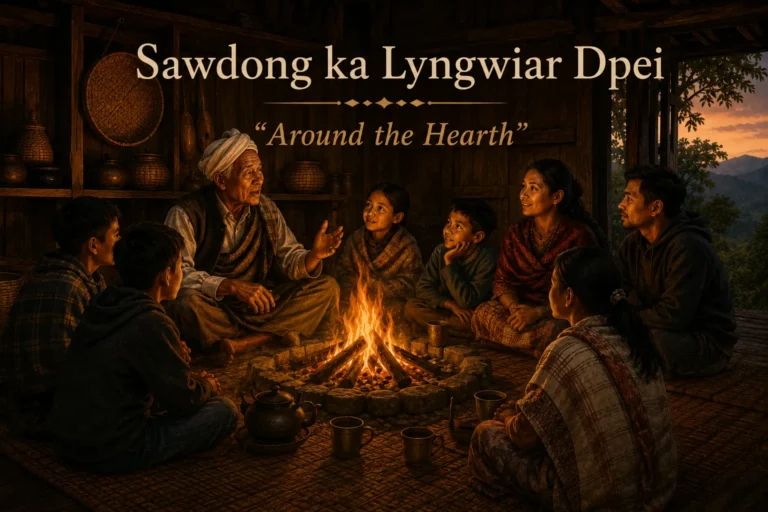
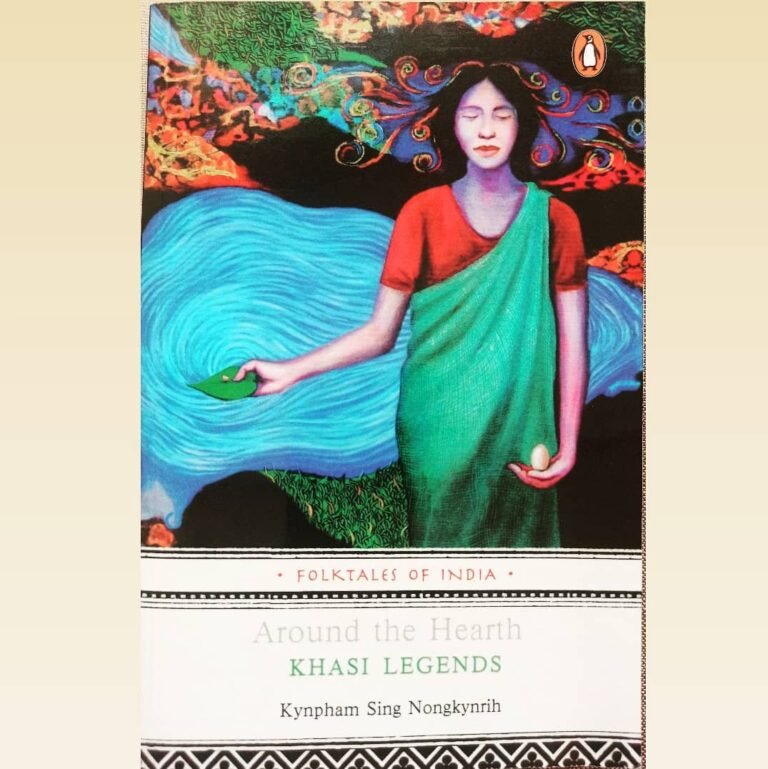
    "Sawdong ka Lyngwiar Dpei" or "Around the Hearth"

    "Sawdong Ka Lyngwiar Dpei" ka dei ka jingong ne ki kyntien kiba ngi ju pyndonkam ban batai ïa ka por kyrpang ha man ki thliew ïing jong ka jaitbynriew Khasi ha kaba baroh shi ïing shi sem ki ju ïa shong harud ding, ban ïa sngap ban ïa khana. Dei ha kane ka por ba ki khanatang bad ki puriskam u mynbarim ki khie im lyngba ki riew rangbah ne ki riew tymmen kiba dei ki nongkren nongkhana. Ha kane ka por ruh, ki tymmen ki ju shim ïa ka kabu ksiar ban sneng ban kraw, khamtam eh ïa ki khun ki ksiew ki ban dang san ki ban dang samla, namar ba baroh shi ïing shi sem ki ïa don lang ha kane ka por.

    Katba ngi dang jam sha ka ïa jong ka pyrthei stad pyrthei thymmai, kata ka ding lane ka lyngwiar dpei jong ka ïing kum ban shu ong noh ka lah sang ban jah noh namar bun na ngi, ngi la ïa tei da ki ïing ki ban ïahap bad ki por mynta, kumba ngi ïohi ha ki phlim, ha ki TV, ki magazine bad kumta ter ter. Kuma, ngi la hap ban shu mutdur noh ïa kata ka ding lyngba ki dur ne haba ïohsngew ha ki khana. Te kumno ngin pynim ban pynneh biang ïa kata ka ding kaba la sdang ban duh noh-Ka ding kaba wanrah ïa ka jingsngew shngaiñ, sngew shongshit haba ngi sngap ïa ki khanatang, ki puriskam bad ki jingsneng-jingkraw kiba shongñia, kiba shong nongrim bad lehse bun na ngi, ngi lah duh noh ïa ka da kaba im tynneng kum ki nongwei.

    Hooid lehse ngi dang lah ban pynim ïa kane ka ding jong ka lyngwiar dpei kaba dei ka rukom tynrai jong ngi da kaba ïalum shi ïing shi sem, shi paralok ban ïa kren ïa phylliew jingmut shaphang ka jymbriew, ka histori bad ka ktien ka thylliej. Ngi hap ban shim ïa kane ka sienjam wat lada dei tang harud ka miej bamja, haba ïa shong dih sha, haba ïa shong pyllun ïa ka shawla ne ha kano kano ka por wat lada kam don shuh kata ka ding ne ka lyngwiar dpei, hynrei kan ïai rhem hapoh jong ngi lada ngi pynneh ïa ka rukom ïathuhkhana bad ïa sneng ïa kraw ha ki por kyrpang kiba sngewbit ha man la ki longïing.

    Ma ngi hi shimet ngi dei kita ki lyngwiar dpei ki ban pynpaw ïa ka jingstad bad jingshemphang jong ki longshuwa-manshuwa jong ngi.

    "Sawdong ka Lyngwiar Dpei" or "Around the Hearth" are words that are used to describe the time in a Khasi family when family members would sit around the hearth, the flames giving them warmth and light. It is at this time that stories are told, our oral tradition becomes alive, from the words and expressions of an elder of the family.

    As we move into the first quarter of the 21st century, the physical hearth has gone absent from our modern homes and we are left to imagine the embrace of the warm flames of a hearth from pictures or from books. How do we recreate that atmosphere, that feeling of being together almost as one breath and one mind as we listen to folktales, legends, myths and ponder on teachings which contain truths that we may have lost in our rush into globalisation?

    Perhaps we can recreate the hearth by gathering our family and friends to talk about our culture, history and language. Because we need to revive the interest and love for what is our own, for what we belong to. We may not have our physical hearth but we can create a symbolic "lyngwiar dpei" by talking, by listening, by reading, by understanding with clear hearts and minds. A clear heart and mind with a need to know who I am and what am I going to become?

    In a way, we are the hearth, we are the "lyngwiar dpei", we are a walking talking hearth who emanate the light of our ancestors' knowledge and wisdom.