Tag: khasigrammar

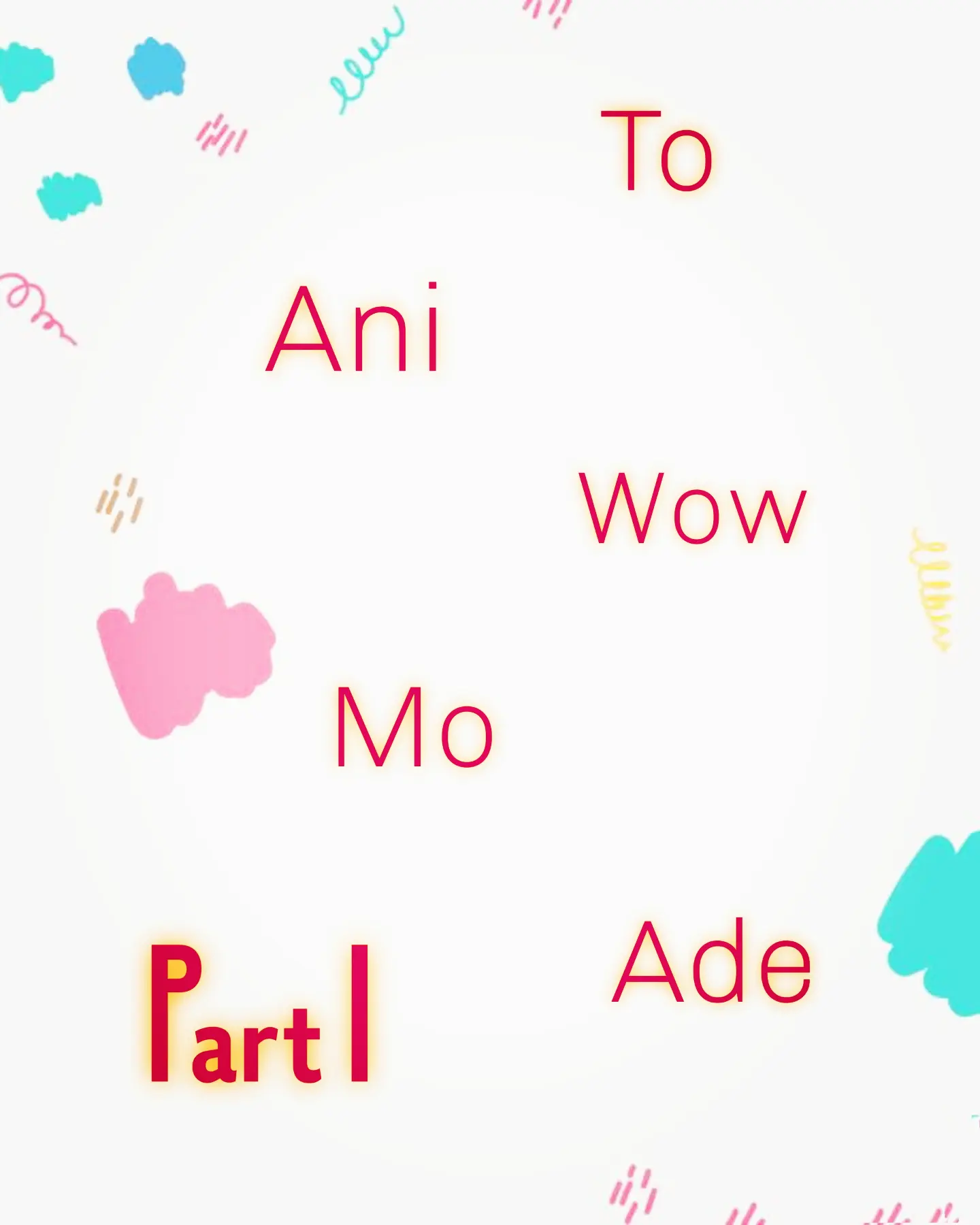
  • To, Ani, Wow, Mo, Ade

    Ani – Ka ktien kaba pynpaw ïa ka jingkyndit ne ka jingbym lah shah shuh/ Oh my!; expressing surprise or being overwhelmed by something.

    Ade – Ka ktien kaba pynpaw ïa ka jingiaroh/ Wow!; expressing admiration.

    Wow/ Waw – Ka ktien kaba pynpaw ïa ka jingkyndit ne ka jingsheptieng bad kaba ju pyndonkam bad ka ktien "ani"/ Oh no! ; expressing alarm, fear or shock.

    To – Ka ktien kaba pynpaw ïa ka jingshon jingmut ne ka jingïahap jingmut, ka jingsngewhun bad jingskhem; ñiuma; koit/ Okay; all right; expressing satisfactory affirmation.

    Mo – Ka ktien kaba pyndonkam kum ka jingpynshisha bad ka jingpynskhem, kum haba ong "kam long kumta?" / Isn't it?; eliciting confirmation.

    Ni – Ka ktien kaba pynpaw ïa ka jingdom ne ka jingbymlah ngeit/ Oh please; expressing annoyance or disbelief.

    Interjections and exclamations form an important part of the Khasi language. They give it its characteristic tone and flow. 🗣️🗣️

    Khublei Shibun Dan Challam @micromotives ba phi la phah ïa kine ki kyntien kiba ngi ju pyndonkam man la ka por tangba kiba ngim ju pyrkhat ban ai da ka jingbatai kaba shai 🙏😄

    🟡 Editing and translation into Khasi by @speakyourroots

  • Khasi Adverbs

    Btáj-btáj ka mut kaba kynja ba dambit ne bit nah/ soft and sticky.

    Wur-wur ka mut kaba kylluid ne kaba ïar/ something loose or wide.

    Wap-wap, wep-wep ka mut ba jem tlot, kumba jem u briew ba pang swai/ someone who is frail and delicate because of ill health.

    Ryngmang-ryngmang ka mut kaei kaei kaba long kyndit khlem da pyrkhat ne khmih lynti lypa/ something unexpected and unforeseen.

    Jngaiñ-jngaiñ ka mut kaba ïong shikatdei kum ka um ba jylliew/ something dark like very deep water.

    Ngaiñ-ngaiñ ka mut kaba dum tliw bad ka thew ïa ka jingdum jong ka bneng/ very dark and usually refers to the darkness of the sky.

    Pharúh-phareh ka mut ha ka rukom ka bym suitniew/ careless, reckless, clumsy.

    Khasi adverbs bring character and substance to the Khasi language! 💬🗯️💭 They describe actions, colour, emotion and so many things with a dramatic effect that is not easily translated.

  • Ki Ktien Kynnoh

    Ki Ktien Kynnoh are a pair of words which complement one another. The second word emphasises and enhances the meaning of the first word. Ki Ktien Kynnoh may be described as Akin words. There is a catchy rhythm to the pair too as they contain the same number of syllables, which makes saying them fun and more importantly gives depth and meaning to a sentence. The following ktien kynnoh are taken from The Khasi Encyclopedic Dictionary: Ka Dienshonhi by Rev. Dr. Ïarington Kharkongor. They have been translated by @speakyourroots.

    Danda – Phulit

    Danda: Ka mut ka jingkren ne jingïathuh ïa kiei kiei ki bym shisha da kaba pyndonkam ïa ki ktien ne ki khana nangno nangno bad sa pynkut ha kata ka rukom tang ban ïoh ban pynsngewbha ïa ki briew.

    Phulit: Ka thew ïa ka rukom kren biria kai te hynrei don ki biria kiba ïa jinghikai bad jingmyntoi.

    Danda is a conversation or the telling of a story that is not based on real fact, but is taken from many sources, with the purpose of making people laugh at the end.

    Phulit is a particular way of talking humourously with a lesson at the end of the story.

    Ngiah – Shoin

    Ngiah: Ka dei ka ktien kyllum kaba mut ba la dap ne pura bha lane bym sngewtynnat shuh ïa kiei kiei.

    Shoin: Ka kham thew ïa ka jingbam kaba la bam bad la dap pura haduh ryndang ne rmiang shyntur bym long shuh ban pynrung jingbam. Ïa ka jingbam haba dang ngiah dang long ban bam hynrei haba la dap shoin ym long shuh ban bam. Haba ngi ong pat 'ngiah shoin' ka mut kaba la palat ban ïa kaba ju long.

    Ngiah is a feeling of fullness and satiation or having had enough of something, which might also cause unpleasantness.

    Shoin is more of a reference to food that cannot be eaten anymore. In the case of 'ngiah' food can still be eaten but when we use the word 'shoin', it means there is no chance of being able to eat.

    Maitang – Maitait

    Maitang: Ka mut ba kyndiah ne ieh noh shisyndon khamtam ïa ka jingmlien kaba sniew.

    Matait: Ka mut ka jingkular ne jingsmai ban iehnoh ne kyntait shi syndon ïa kaei kaei ka bym ïadei bad ka jingim longbriew manbriew.

    Maitang is to abstain from or completely leave something, especially a bad habit.

    Maitait is a promise or oath to avoid or reject that which hampers or damages the balance of our physical, emotional and mental well-being.

    "Ki Ktien Kynnoh" lend so much quality and character to the Khasi language! They are really quite a unique feature of the language. 😃😃 We have tried to find the English word for them but it appears there is none. "Akin words" seems to describe them best.
  • Gender in the Khasi language

    The English language does not have a grammatical gender as many other languages do. This means that it does not have a masculine gender or a feminine gender for nouns. The Khasi language however, gives gender to nature and objects. The two genders are distinguished only by means of the articles "U" for masculine and "Ka" for feminine in the case of singular nouns. For example, Cooked rice is "Ka ja" (feminine), A tree is "U dieng" (masculine), A road is "Ka surok" (feminine), A bed is "Ka jingthiah" (feminine), Chilli is "U sohmynken" (masculine), Cough is "U jyrhoh" (masculine) and Fever is "Ka shitmet/ jingshit" (feminine).

    Many other languages also give gender to animate and inanimate objects. Some of these include German, Hebrew, French and Kashmiri.

    Here are some words to compare:

    Spoon: In Khasi "ka shamoit" is feminine, while in German "der Löffel" is masculine.

    Salt: In Khasi "ka mluh" is feminine, while in French "le sel" is masculine.

    Crow: In Khasi "ka tyngngab" is feminine, while in Kashmiri "کاو" [ka.w] is masculine.

    Book: In Khasi "ka kot" is feminine, while in Hebrew "סֵפֶר" I/'sefer/I is masculine.

    In the Khasi language, nature and objects are given a gender. This is present in the French language too and is mentioned by Rev. H. Roberts in his book A Grammar of the Khasi Language (1891). Thank you @naphisabet1303 for initiating this in our conversations! ♂️♀️♂️♀️

    If anyone has studied Linguistics, we welcome your thoughts and observations in the comments section! 😀