Tag: khasiindigenousfaith

  • U Khaw na Ïing

    Contributing explanations from followers:

    1. "Ha ka jingmut i meiieid jong nga te i ong ba ki shait leh kumne khnang ban eh daw eh rngiew bad ban shai ka jingmut haba iaid ba ieng khamtam lei haba don ha lynti syngkien."

    2. "U Khaw Eh Rngiew! Ka kmie barabor haba mih ki khun ban leit jingleit jngai na la ïing ka ju pynkham bad ai hala ki khun ia une u khaw bad ha une u khaw ka shong ka jingngeit lymne ka bor ba maïan haka kmie ba une u khaw un long u nong sumar bad nong pyneh rngiew iaki khun sha kat kaba ki don haba ki jngai na la ïing jngai na la ka kmie!"

    3. "Ngi ki ba dang bat ia ka niam Khasi ngi shait thep khaw beit ha ki pla la ngi leit jan ne jngai. Ba I Mei I Pa ki shait ai ia ngi ba ngin lait na kiei kiei baroh ban bit ban biang ha ka leit ka wan ban da ban kiar u Sohkhaw Blei ia ngi. Ngam nang bha ban batai tang I ne hi."

    4. "Ha nga ka jingmut ka long ba kine ki symboh khaw ki long symboh sohkhaw Blei. Ban eh ka rngiew ka rwiang, u khaw eh khaw shan un ri un da un ker na ka lait ka thiem na u nongshun nong dusmon un pynbha ka bok ka nusib ban lait na ka tyrsaw tyrsain…"

    5. "Sha ngi ki Pnar, ka rukom leh kumtei ka mut ban eh ka bok ka nusib khnang ban poi suk wan suk sha iing. Ban da na ki nongkhap shniuh thlen. (low eh i maiń i kun)."

    6. "Ban eh ka bok ka rngiew, ym dei ban lah bha ia ka eksam, hynrei ban nym pang nym shitom, ban nym don ki jingpynwit ne jingpynthut ba kan iaid beit iaid ryntih."

    7. "Ka Kyrkhu Kyrdoh na ing na sem ba ngin poi suk poi saiñ sha ka jaka ba ngi thmu ban leit."

    8. "Ka iing kan don beit bad phi kat shaba phi leit. Kaei hi ba dei na la ka ing ka long ka ba khraw."

    9. "Batai iong pnar mo: U khoo pynkham juh ong ki heiwa wa pynkham manda lai cha jngai lane hei lai ialeh eksamin ter ter. low ni u khoo da e da ka nongrim heiwa u chim le chyien u khoo te kiap iow wiar i tiensar i sorsa i mynsien hawa lai wa wan hawa thoh wa tar. Man u kam ka dak iow pynskem yei mynsien yei pyrkhat pyrdeiñ. (There are also many reasons.. this is one of it)."

    10. "Khaw eh rngiew"

    11. "Ban pyneh rngiew"

    12. "Ban eh ka rngiew ka rwiang ha lynti syngkien."

    13. "I Mei i ju ai ia u khaw eh khaw shan ban eh ka bok ka rngiew, ban kyrshan ia ka met, ka mynsiem ban lait na ka thngan ka jingit, ban lait na ka tyrsaw haba mih na la Iing ban leh kano kano ka kam."

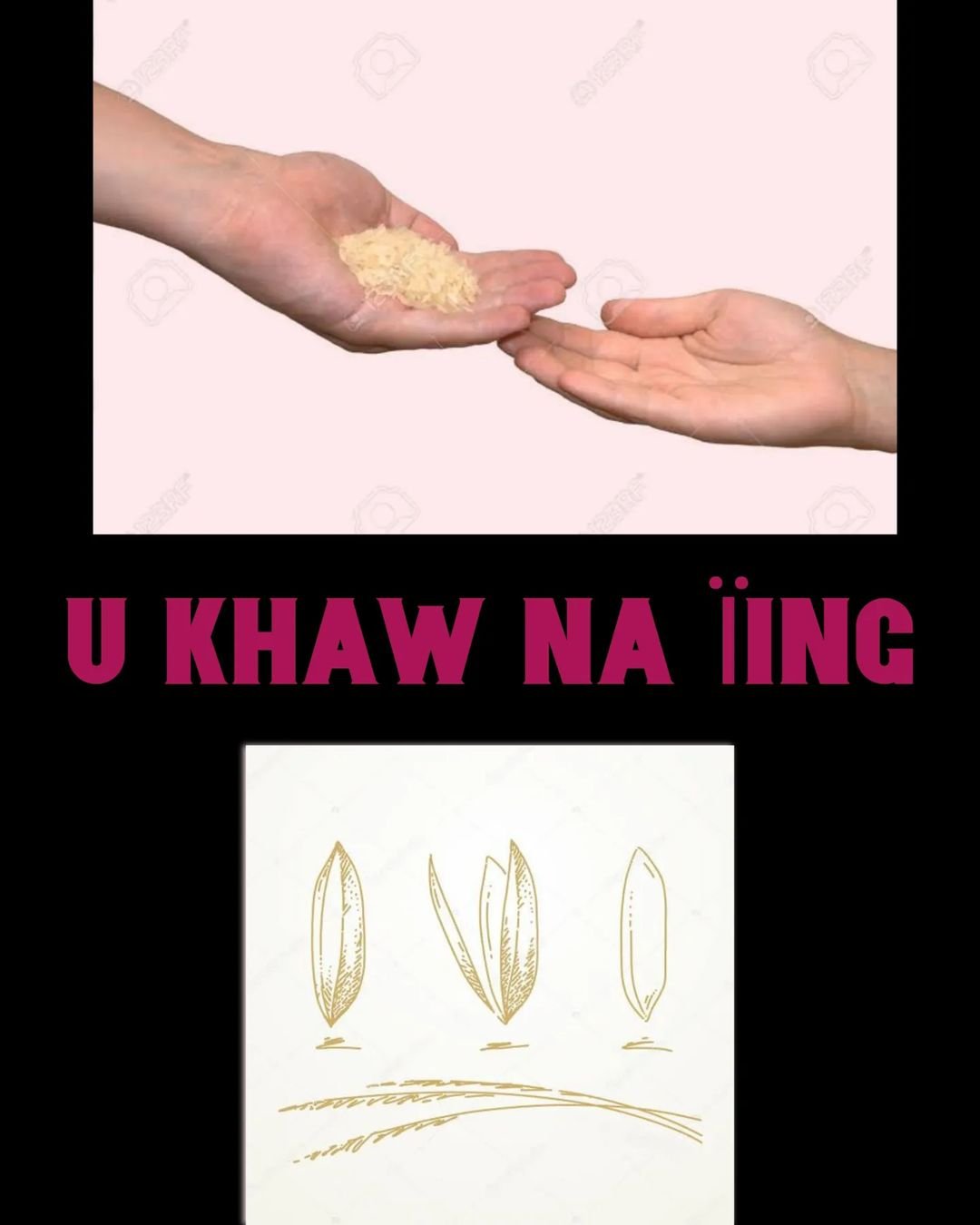
    "Khaw Eh Rngiew" and "Khaw Eh Khaw Shan" are a handful of rice grains given by a mother (or any member of the family) to a son or daughter (or anyone else in the family) who is about to embark on a journey, so that everything goes well without any problems. These rice grains serve as symbolic sustenance against hunger and thirst, protection from harm or ill-will and when chewed (some say only three grains) fear and apprehension (even shock from an accident) fade away.

    "Khaw Eh Rngiew" and "Khaw Eh Khaw Shan" imply the rice grains bless the one who possesses them with the strengthening of their essence/ personhood/ nature, preventing any misfortune that may befall them. It is also believed that the rice grains enhance the good fortune of a person and preserve their physical and mental health.

    Khaw Eh Rngiew" and "Khaw Eh Khaw Shan" are a handful of rice grains from home for your physical, mental and material well-being! 😃❤️🌾

    The Khasi belief in a handful of rice grains is rooted in culture and faith. Khublei Shibun @shillongftw for initiating this! 😄🙏

    Khublei Shibun ïa phi ruh baroh kiba la phah ïa ki jubab jong phi khnang ba ngin sngewthuh kham bha ïa kane ka dustur! 🙏🙏

    🟡 English explication by @speakyourroots
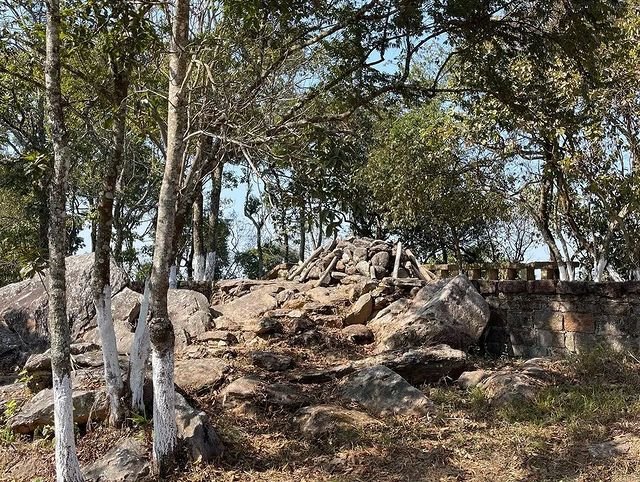
  • Ka Kiew Pyneh Rngiew Pynksan Rngiew

    Khublei Shibun @hammarsing for allowing to post these photographs 🙏😄

    @hammarsing says:

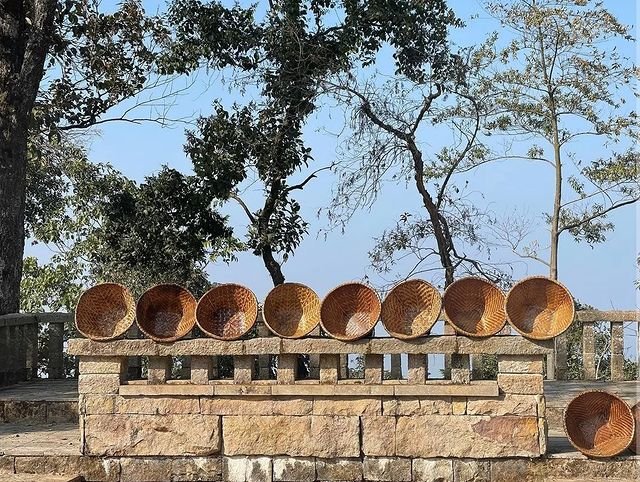
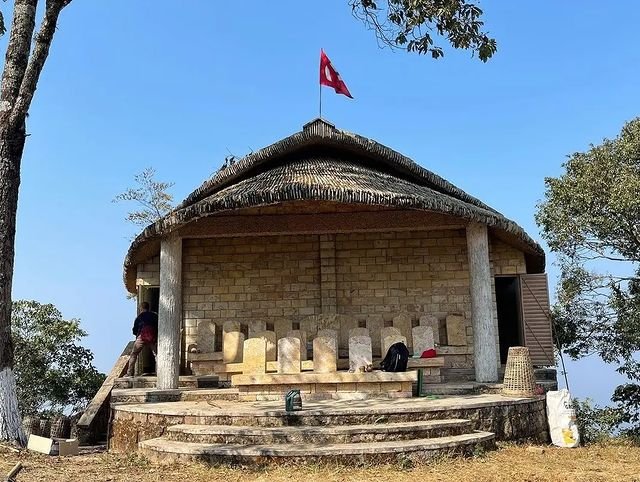
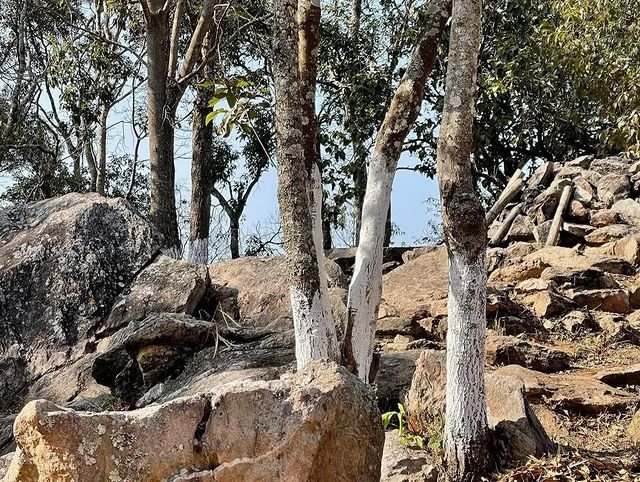
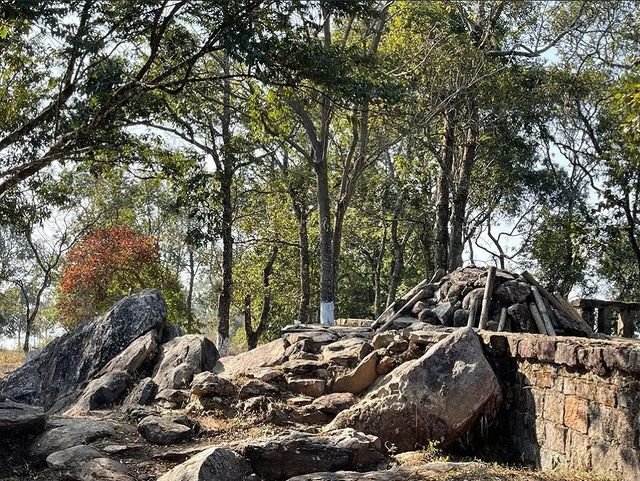
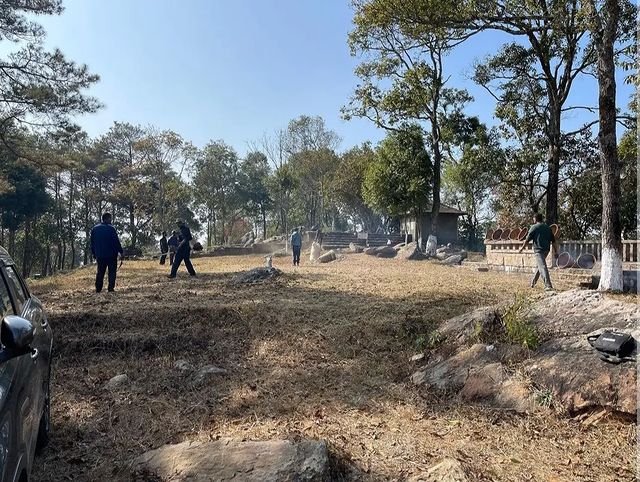
    Cleaning and other arrangements underway in preparation for the annual pilgrimage to the sanctum sanctorum of U Lum Sohpetbneng – Navel of the Heavens, Centre of the Universe.

    The pilgrimage known as "Ka Kiew Pyneh Rngiew Pynksan Rngiew" is to strengthen one’s inner being and essence – "Ka Rngiew".

    Sanctified rice and water will be distributed after the prayers and rituals are completed by the religious elders – U Tymmen U San – of Seng Khasi. The faithful will then each offer prayers at the sacred summit. The date for this years pilgrimage is February 5th 2023.

    This site is one of the most pristine places on Earth and a reminder of how sacred sites should be maintained and preserved. The tranquility of nature surpasses the grandeur of any man made structure."

    📸 @hammarsing

  • U ‘Suidnia

    U 'Suidnia u dei u Kñi rangbah jong kano kano ka kur uba leit nyngkong eh sha ka Mawbah (maw buh shyieng jong kano kano ka kur) bad uba sumar sukher ïa kiba haïing hasem, ki para ki pyrsa kiba la ïap.

    U Sib Charan Roy, u pyndonkam da ka ktien "U 'Saidnia" bad u ong ba u 'Saidnia u dei u Kñi nyngkong, uba dei u khun ka Ïawbei. U ïoh ïa ka nam "'Saidnia" ba u dei uba nang ban ïasaid, uba donbor bad don hok ban ïasaid hakhmat U Blei bad ka Hukum na ka bynta la ka kur ka jait. Kane ka jingbatai jong u Sib Charan Roy, ka pyni ba man la ka kur ka don la u jong u jong U 'Saidnia. Kaba donkam ban tip ka long ba u Sib Charan Roy u khlem pynshai lada u " 'Saidnia" u dei uba dang im ne uba la bam kwai ha dwar u Blei.

    Hynrei u Homiwell Lyngdoh pat u da ong shai ba ïa u Kñi nyngkong jong kano kano ka kur ka jait, ynda u la ïap na kane ka pyrthei, ki khot ïa u, "U 'Suidnia". Ka niam ka rukom ki Khasi ka kham ïadei bad ka jingbatai jong u Homiwell Lyngdoh. Ym ju ïohsngew ba ïa u kñi ba dang im, ba dang korbar ïa ka kam kur ban khot "U 'Suidnia". Pynban ki ju khot u Kñi-rangbah. Nalor kata katba tip, ym ju don "Suidnia" palat na uwei, katba ki kñi pat ki bun.

    "U 'Suidnia is the spirit of the first grand maternal uncle of a clan whose remains are the first to be kept in "Mawbah", which is a megalithic chamber tomb or dolmen of a clan. "U 'Suidnia watches over his relatives, nephews and nieces who have passed away.

    Sib Charan Roy uses the word "U 'Saidnia" saying that "U 'Saidnia" is the spirit of the first grand maternal uncle of a clan, who is the son of "Ka Ïawbei". "U 'Saidnia possesses the ability to intercede, has authority and also possesses the right to intercede with God and the divine commandment on behalf of his clan. This explanation by Roy shows that each clan has its own "U 'Saidnia". What should be noted is that Roy does not clarify whether "U 'Saidnia" has passed away or not, or as Khasis say "to eat betel nut at the door of God".

    However, Homiwell Lyngdoh says clearly that when the first grand maternal uncle of a clan has passed away, he comes to be known as "U' Suidnia". The indigenous faith of the Khasis is more in tune with the explication of Homiwell Lyngdoh. It is not usually heard that a living

    maternal uncle who is in charge of the clan's affairs be called "U 'Suidnia". Instead they are called "Kñi rangbah" or the head maternal uncle. Besides this, as is known, there can be only one man who receives the title of "U 'Suidnia" while maternal uncles are many.

    "Ka Ïawbei", "U Thawlang" bad "U 'Suidnia" ki dei lai ngut ki longshuwa manshuwa jong ki kur kiba bun na ngi ngim tip ki dei mano. Kine ki ai ha ngi ïa ka jingtip shaphang ka kur ka jait bad ka jinghiarpateng kaba ngi kum ki Khasi ngi kheiñ kordor bha. 👪🧑‍🤝‍🧑👬

    "Ka Ïawbei", "U Thawlang" and "U 'Suidnia" are three ancestors of clans, of whom many of us are unable to trace in our family trees. These individuals give us significant knowledge of our clans and lineage, which Khasis hold as critically valuable. 👪🧑‍🤝‍🧑👬

    🟡 Sources: Rev. Ïarington Kharkongor and Philomena Kharakor RNDM
    🟡 Collated and translated by @speakyourroots

  • Pyngrei

    "Pyngrei" ka dei ka jinglehniam leh rukom kum ha kaba pynïapoikha ïa ka mynsiem jong kiba ïap samla (kynthei bad shynrang) ha ka por miet (khamtam shiteng synñia) shuwa ban leit thep ïa ki shyieng sha u mawbah.

    Ki khot ar ngut ki kynja tymmen, ki ai da ka nong ïa u shynrang bad ïa ka kynthei. Uta u shynrang un long u tnga ïa ka suidïap kynthei bad ka kynthei kan long ka tnga ïa u suidïap shynrang. Nangta ki pynïaknieh bam ïa ka ja snaïap bad ki pynryngkang thlong ïa u shynrang bad pynryngkang synrei ïa ka kynthei.

    Ïa kane ka jinglehniam kim ju leh shuh mynta ha kine ki por.

    "Pyngrei" is a ritual of the indigenous Khasi faith in which the spirits of a single man and a single woman are married. The ritual is usually performed at night, especially during midnight, before the bones are placed into "u mawbah", which are the monoliths used as bone chambers or bone depository of a clan. An elderly man and an elderly woman are hired to be in the ritual. The man will be the husband for the female spirit and the woman will be wife for the male spirit. They are made to contend for rice meant for the spirits, with the man jumping over the traditional mortar and the woman jumping over the traditional pestle.

    This ritual is not performed anymore in the present day.

    Rituals at the time of death or at a funeral form an interesting and unique aspect of many communities in the world.

    "Pyngrei" is one such Khasi practice that bridges life and death. In a way, what could not be completed in life, is completed in death.

    Khublei Shibun @duwaki9 for helping to know more about this practice 😄🙏

    🟡 English translation by @speakyourroots