Tag: khasimetaphors

  • Mynsiem Jhur

    Phi lah ju ïohsngew ïa ka jingong "Mynsiem Jhur"? 😄❤️🫒 Ka dei ka mynsiem kaba kloi ban ai sha kiwei, lada ka long da ka tiar ne ban ai jingïarap ne ban sngewlem 😇

    Khublei Shibun Ma'am @meiithei na ka bynta ka jingïarap jong phi ban batai ïa kane 🙏🙏

    Khublei Shibun ruh ïa i @iohbor_kharmyndai @_hep10_ward____ @vi.vianney_nongrum_b bad ïa i @the_lostsoul_dreamer kiba la phah ïa ki jubab jong phi 😄🙏

    .

    .

    .

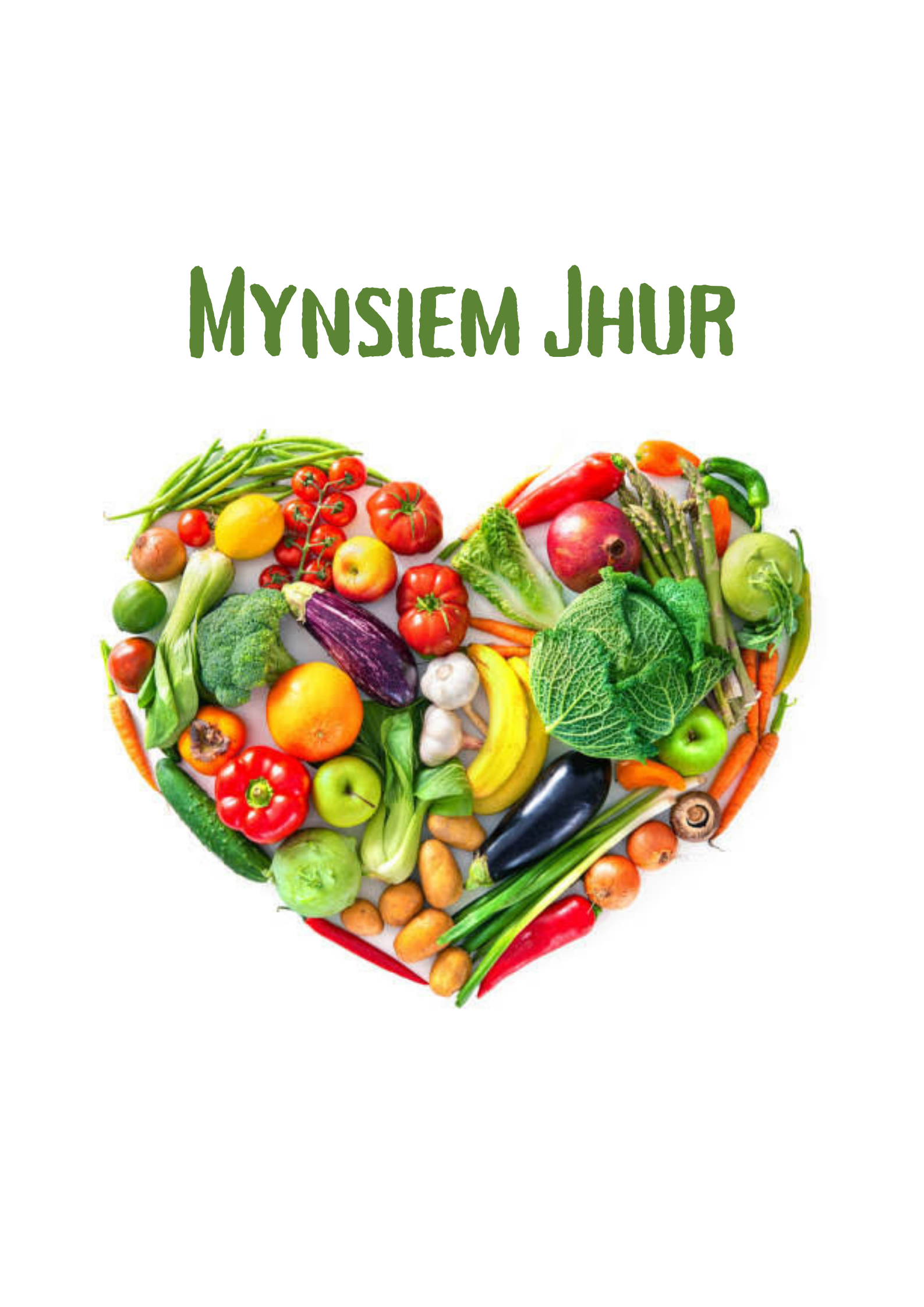
    A vegetable heart is a fitting metaphor for a giving heart, full of compassion and empathy for others. 🙏😇

    #mynsiemjhur #mynsiemsbun #vegetableheart #generousheart

    #khasiphrases #khasimetaphor #khasiwordsusage #khasilanguage #khasilanguageconservation

    #speakyourroots #speakyourrootschallenge

    #talklocal

  • Jied-Shiah

    Ka jingong "Jied-Shiah" ka thew ïa ka rukom leh kaba long janai bad bniah ïa kano kano ka kam. Shuh shuh, ka kdew ïa ka jingjied ïa kaei kaei da ka jingleh kyrpang bad jingpyrkhat sani bha.

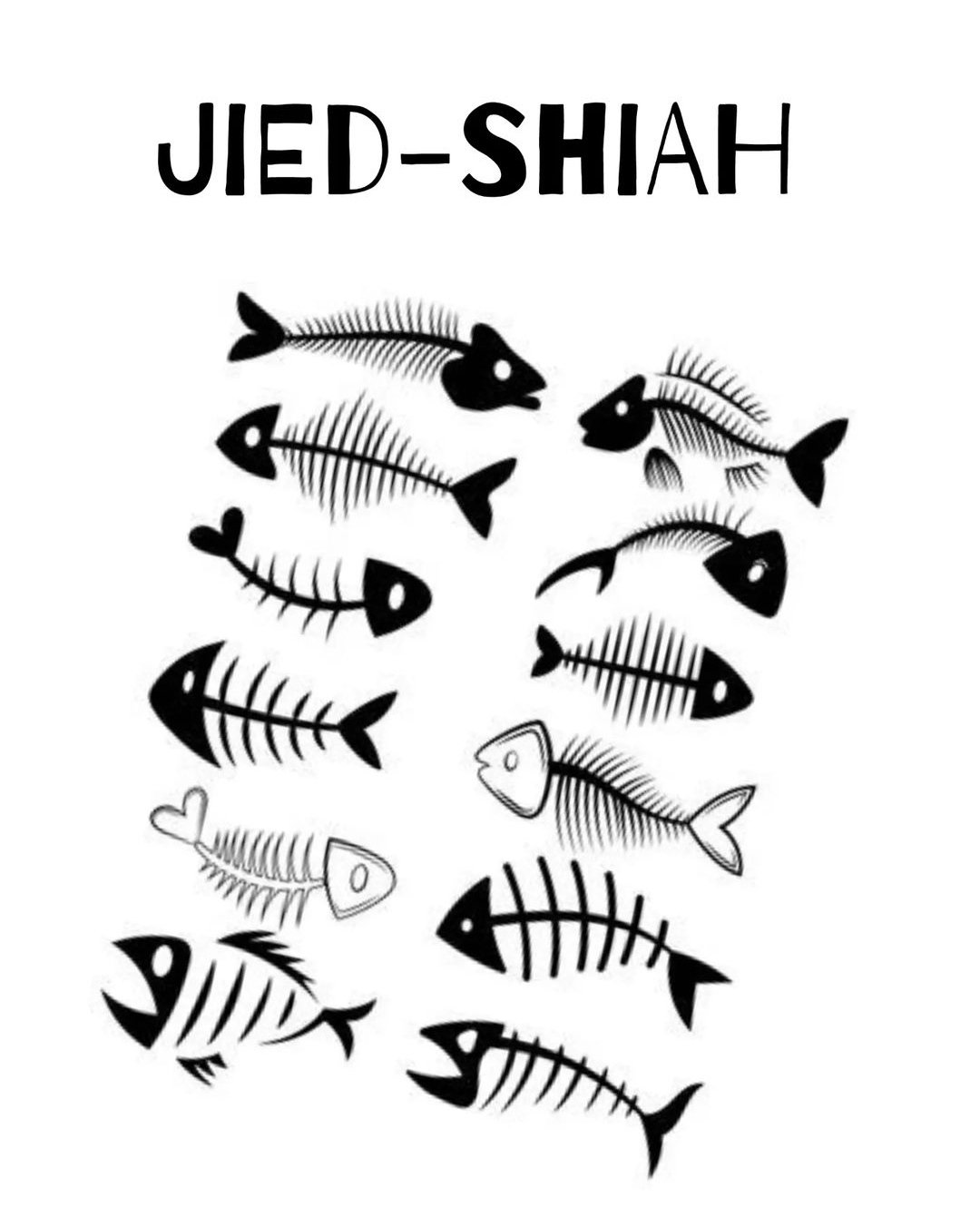
    The Khasi phrase "Jied-Shiah" literally means to pick out bones and the action implied is the picking out of fish bones. Thus, the meaning behind the phrase is a meticulous and fastidious way in which something is done, symbolically reflecting the action of picking out fish bones. Further, the phrase throws light on making a selection of any kind with the utmost caution and carefulness, after having given proper thought to something.

    Sometimes we complain about a person who exhibits this quality of "Jied-Shiah" that they're too particular, picky or choosy. But perhaps we have to appreciate the effort taken by a person to live according to which he or she deems fit. 😌🙏 Or maybe "Jied-Shiah" is just a healthy amount of OCD 😉😉😅

    🟡 Khasi and English explication by @speakyourroots

  • Ki mawsiang bymman

    Kane ka dei ka jingjia kaba shisha kaba jia la kham mynshuwa ïa i Mei jong ngi haba i dang leit skul. Ka dang dei ruh ka por haba ki nonghikai ki hikai beit da ka ktien Khasi ha skul. Ka pher ka rukom kren bad ka rukom shah mai de ha kito ki sngi.

    La don ki khynnah kiba shong shadien ha ka klas bad ki bunktien bunnia bha haduh ba ita i nonghikai i lah sngew wit. Ha ka jingdom i la ong kumne: "Kitei kiba shong shadien! Ki mawsiang bymman, phi leh aïu!?"

    Tharai ngi sngew khor haba ïohsngew nyngkong tangba ka dei kaba sngew biria ruh ka rukom mai. Ka ktien "mawsiang" ruh ka ïa hap bha namar ka thew ïa ka jinglong tlew tlew bym suidñiew jong kita ki khynnah.

    Ka rukom mai ka dei kawei hi ka sap ha kaba da ngi nang ban pynshong bha ki kyntien, kata ka jingsneng jingkraw jong ngi kan ktah bad neh ha ka jingmut jingpyrkhat jong ki khynnah, bad wanrah ïa ka jingbha.

    This is a real event which happened to my mother when she was in school. It was a time when teachers still taught in the Khasi language. They way Khasi was spoken and expressed was different back then, which is apparent in the way they scolded their students.

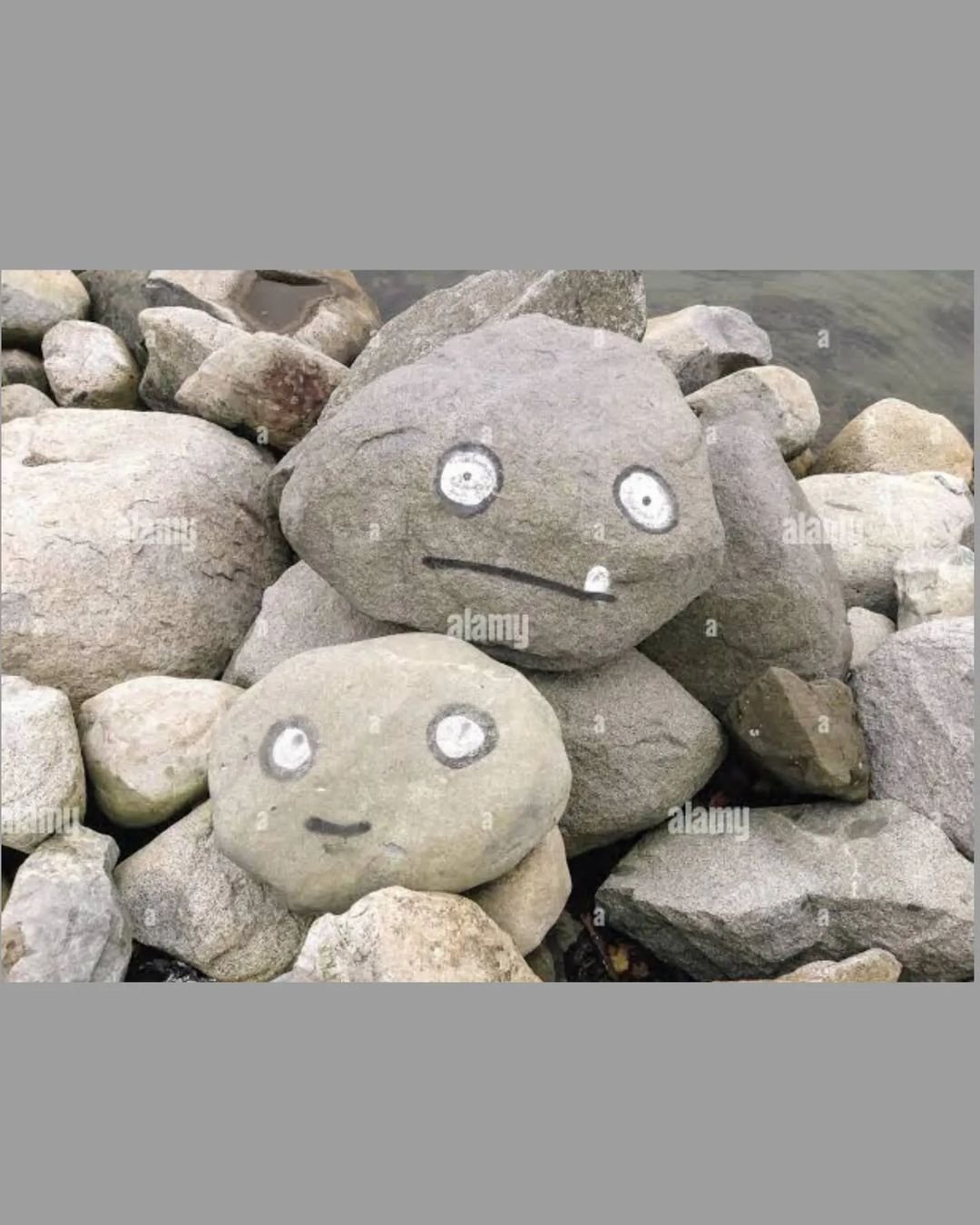
    There were a group of talkative students who sat at the back of the class. One day when the teacher became angry with them, she said: "Those sitting at the back! Those sullen wicked boulders, what are you doing?!"

    It might sound harsh when we hear it for the first time but it is also a funny and sarcastic way of scolding someone. The word "mawsiang" or boulder suits the situation well and is a humorous metaphor because of the indifference and uncaring attitude of the students.

    These are stories we hear from our parents or grandparents that we will never get to experience in our schools 😅😂😂

    🟡 English translation by @speakyourroots