Tag: khasiorality

  • Translation

    Khyndiat ki jingpuson shaphang ka jingpynkylla ktien:

    Ka dei kaei kaei kaba sngewtynnat bad kaba phylla ba ka riti ka dustur kaba la ai na kawei ka pateng sha kawei pat da ka ktien kan nym iehnoh ïa ngi da lei lei ruh. Kane kam long tang shaphang ki khanaparom ne ki khanatang jong ngi, hynrei ka jia ha ka jungim kaba man la ka sngi ruh. Kum haba ngi ong ba lah "thoh shun ki blei"' ne haba ngi ong "Kamai ïa ka hok". Ngi ngeit bad ngi bud ïa kata kaba la ïathuh pateng ha ngi. Kano kano kaba la kren ka don ka bor bad ka jingshisha. Kane ka dei ka bor jong ki riti dustur kiba la ai pateng ha ngi.

    Namar ba ki tynrai ba jylliew bad ka jingkordor kaba dang ïai bteng jong ki riti dustur ba la ai da ka ktien ha ka jymbriew Khasi, ka ktien kaba kren ka don ka jingialeh bad ka ktien kaba thoh. Tanga lyngba ka jingpynkylla ktien ka wan ka jingïamir ha ka jaka jong ka jingïaleh hapdeng ka ktien ba kren bad ka ktien ba thoh. Khamtam haba pynkylla na ka Khasi sha ka English ka don ka jingpyrshang ban kem ïa ki bun syrtap jong ka ktien kaba kren kiba tuid hin hin. Ngi kyrmen ba ngim pat duh noh ïa ki 'sai kordor jong ka ktien kaba kren. Ka jingpynkylla ktien ka lah ban pyrshang ban ïoh ksoh ïa kine tangba kan nym lah hi baroh. Ka mynsiem jong ka ktien kaba sawa kan man pher hi na ka sia jong ka ktien kaba thoh.

    Some thoughts about translation:

    It is something beautiful and remarkable that the oral tradition will never leave us. This is not only concerning our folktales but our day to day life. For instance, when we say "thoh shun ki blei", being marked for good fortune by the gods or "kamai ia ka hok", earn righteousness and integrity. We believe it and we adhere to what has been passed down to us. Anything that is said, anything that is spoken holds validity and power. This is the power of the oral tradition.

    Because of the deep roots and continuing relevance of orality in Khasi culture, the spoken word will have its conflict with the written word. Yet through translation, there is perhaps a reconciliation rather than a tussle between the spoken word and the written word. Especially when translating from Khasi to English, the attempt is to capture the multi-layered quality of the spoken word which is itself so fluid. We hope we have not lost the nuances and beauty of the spoken word. Translation should try to capture that, though this is not 100% guaranteed. The spirit of the spoken word will always be different from the ink of the written word.

    Namar ba kawei na ki thong jong ka page ka dei ban pynkylla sha ka ktien English ïa kiba lah sah dak ha ka page, khnang ba kito ki bym sngewthuh ïa ka ktien Khasi bad Pnar kin ïoh ka lad ban sngewthuh bad ïoh ka jingbatai kaba dei shaphang ka histori, ka ktien bad ka jymbriew Khasi-Pnar. Kane ka jingpynkylla ktien kan ïarap ïa kiwei ba kin ïohi ïa ngi ha ka rukom kaba dei bad kaba shai. 🆎🅰️🅱️

    The way in which a community and culture is represented to the world is of critical importance. In this regard, translation serves a relevant role. Has anyone thought of taking up translation as a profession? ✍️🆎🅰️🅱️

    #kajingpynkyllaktien #translation #representation #documentation #oraltradition #khasioraltradition #khasiorality #spokenword #writtenword #kaktien #kaktienbakren #kaktienbathoh #speakyourroots #speakyourrootschallenge
    #talklocal
  • Kynmaw

    How do I explain the word? "Ka ktien".

    Say it. Out loud. Ka ktien. The first, a short, sharp thrust of air from the back of your throat. The second, a lift of the tongue and a delicate tangle of tip and teeth.

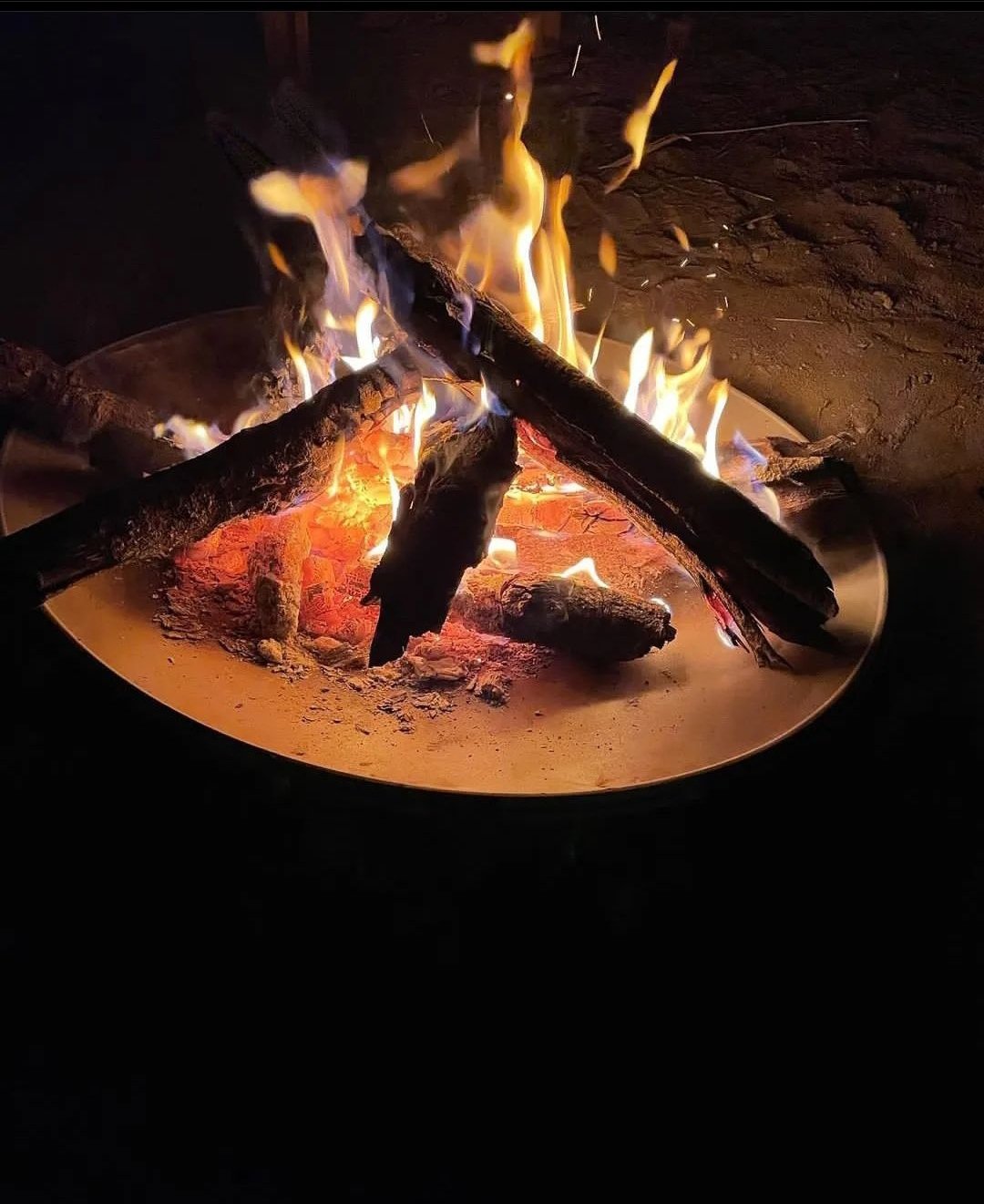
    For I mean not what's bound by paper. Once printed, the word is feeble and carries little power. It wrestles with ink and typography and margins, struggling to be what it was originally. Spoken. Unwritten, unrecorded. Old, they say, as the first fire. Free to roam the mountains, circle the heath, and fall as rain.

    We, who had no letters with which to etch our history, have married our words to music, to mantras, that we repeat until lines grow old and wither and fade away. Until they are forgotten and there is silence.

    How do I explain something untraceable? The perfect weapon for a crime. Light as pine dust. Echoing with alibis. Conjuring out of thin air, the ugly, the beautiful, the terrifying.

    Eventually, like all things, it is unfathomable. So, how do I explain?

    Perhaps it's best, as they did in the old days, to tell a story.

    ……………………….

    I was asked recently, what's your favourite word in Khasi? Usually, I find "favourite" questions very difficult–favourite book, song, movie. So many, I reply helplessly, it's impossible to pick just one. But not this time. It came to me easily, immediately, and while there are many delicious words in Khasi (rympei, the hearth; 'lap praw praw, rain on a tin roof), this one is closest to my heart.

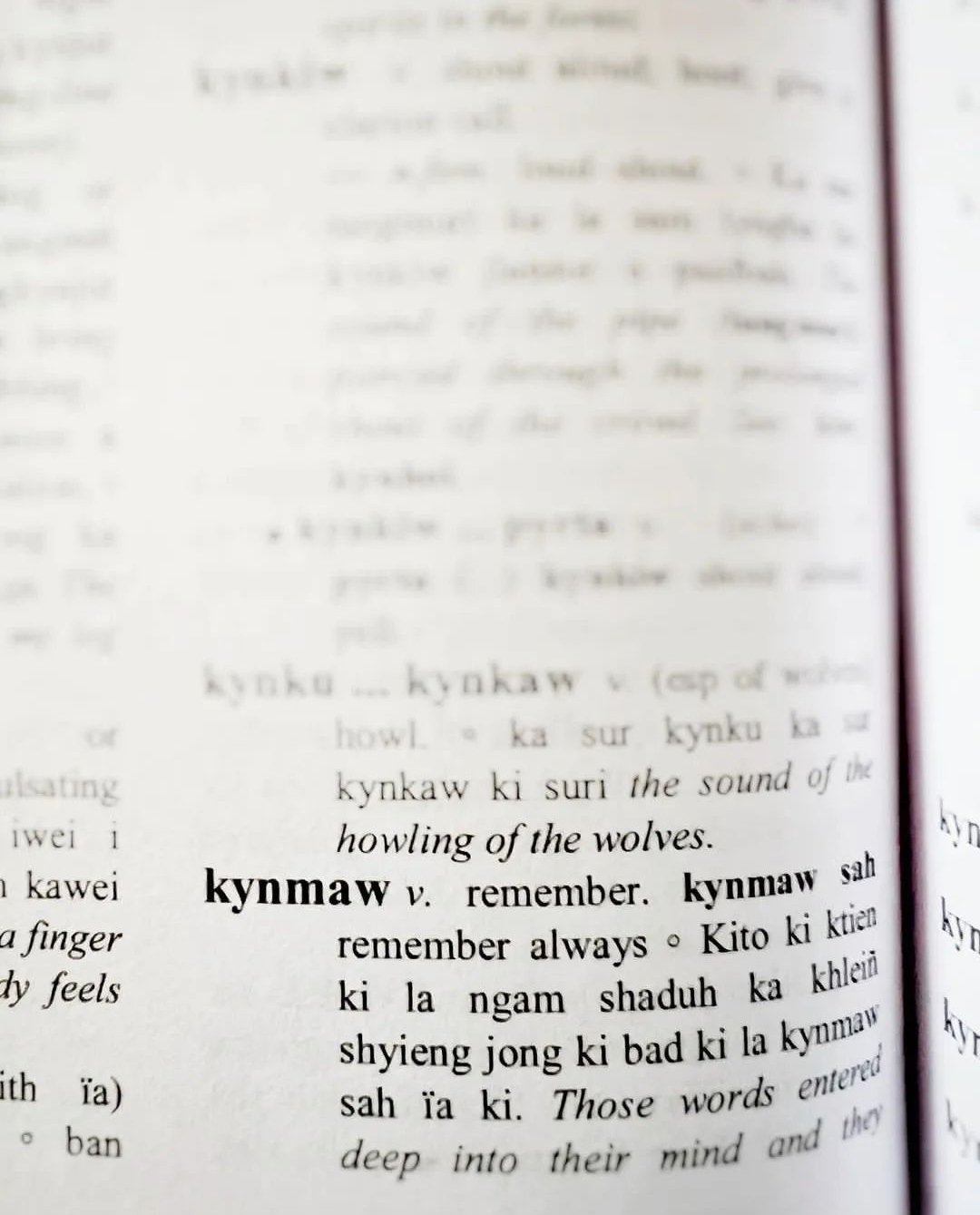
    Kynmaw.

    To remember.

    And not merely because of its rich and resonant meaning, but also because of its etymology. For the longest time, the people of these hills nourished an oral culture–one replete with song and story–and while there were attempts to "give" the languages here a script (using the Bengali alphabet), it was the British missionaries who succeeded. In particular a missionary named Thomas Jones, who travelled to Sohra in 1841, at a time when conversion to Christianity was at its slow beginning. What would help was to disseminate the word of God through the Bible–except how to publish an edition in a scriptless language?

    Today, in Meghalaya, is Thomas Jones Day. And so we remember him. For his diligence and good deeds, of which there were many–how complicated are our colonial histories!–but I choose to remember also how the languages here, at heart, are languages of the wind, the

    mountains, and waterfalls and forests. How they once sprung from land and tongue and remained untethered to page and pen and ink.

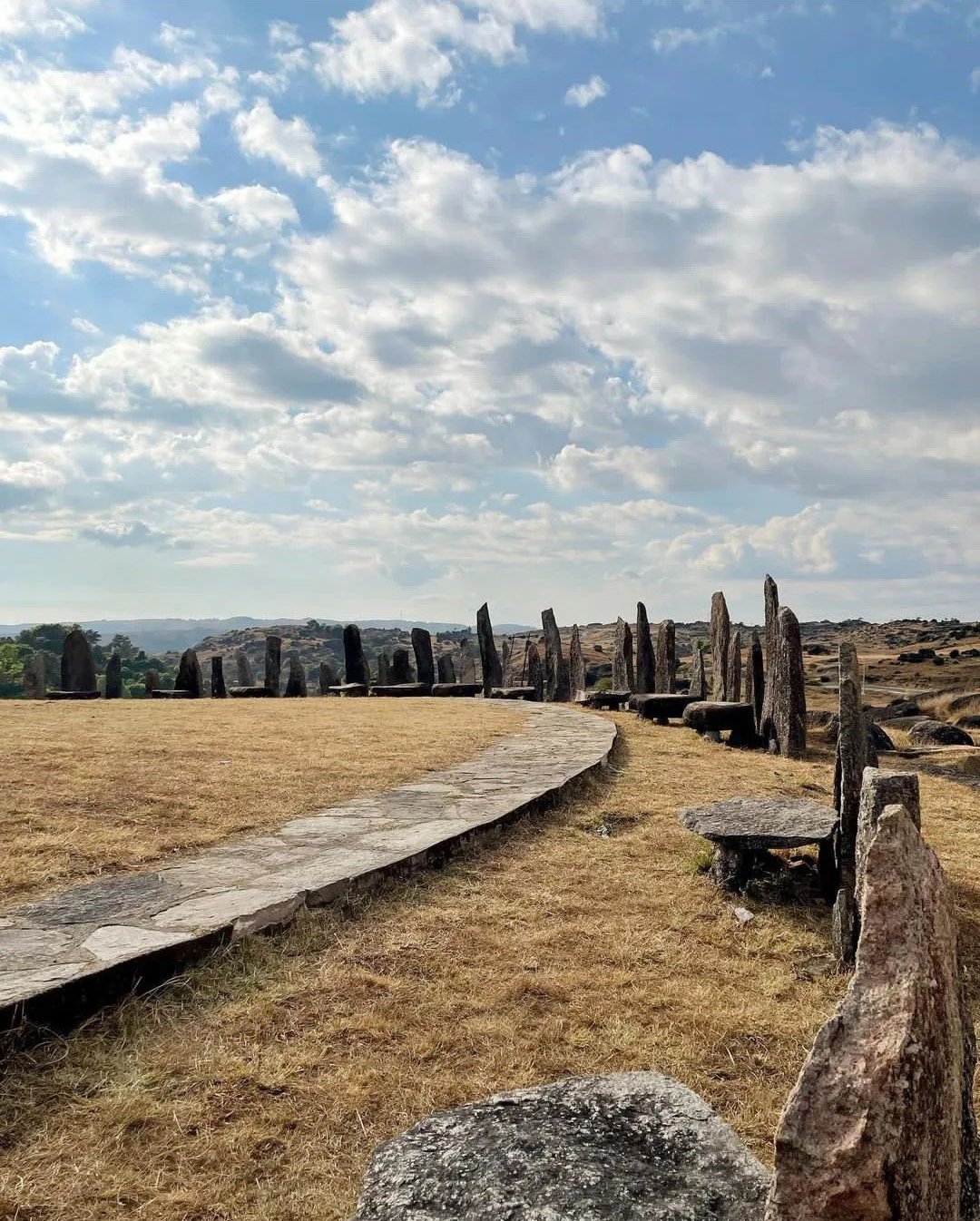
    How did we remember? Through song and story, of course, and stone. We computed our histories through stone–choosing to raise monoliths to mark lives and events and relationships. And so even our word for remember-kynmaw–means to "carry like stone". Here, remembering is not taken lightly. It is borne on our backs like stone–unwavering even in the face of (colonial) beliefs that the oral is light and frivolous and inauthentic. The spoken is as much true as the written. When we have no preservatory documents, remembering, to kynmaw, becomes all the more pressing, more important. The spoken does not forget."

    Khublei Shibun @janicepariat for your beautiful and profound thoughts! 🤗❤️🙏

    The era of the spoken word and of Khasi orality is vast, moving in the many sunrises and sunsets of history. This history which is our heritage pleads to be preserved as we move forward.

    As it is the course of things, we were given the Khasi alphabet by Welsh missionary, Rev. Thomas Jones. The Khasi alphabet has brought us to another chapter in Khasi orality, as our stories, teachings and values are transcribed onto paper. Yet as Janice Pariat has asserted, ban kynmaw ka long kaba kongsan, ban kynmaw ka long kaba kumba ngi dei ban long, namar ïa ka ktien la thaw, la shon nyngkong ha ki jylliew ka pyrkhat ka pyrdaiñ; la thaw la shon ïa ka ktien ha ki tyllun u thylliej bad ka shyntur. Kumba ki ong ki longshuwa, ka ktien kaba tam. Ka ktien ka long kaba maïan, ka ktien ka long kaba nylla!

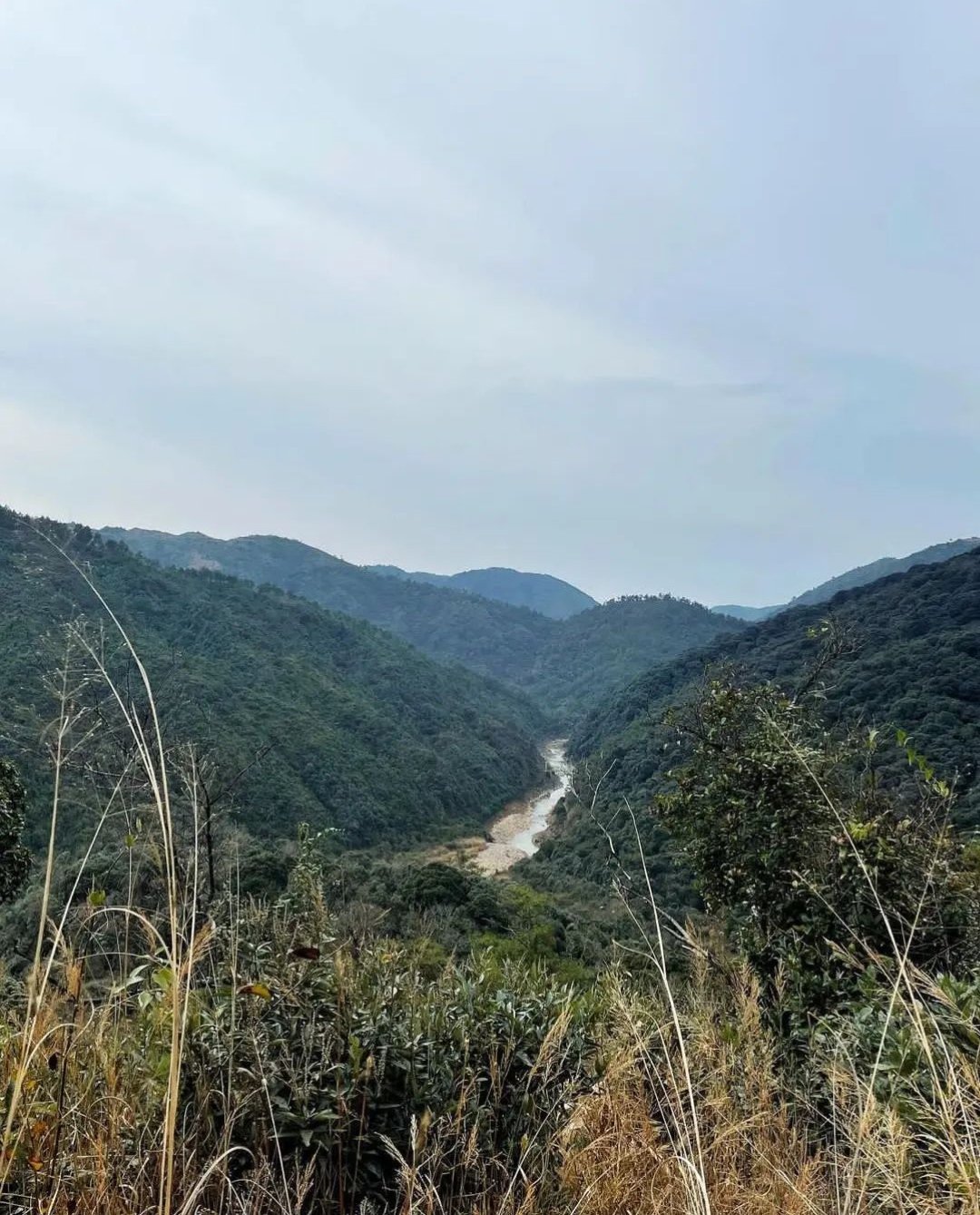
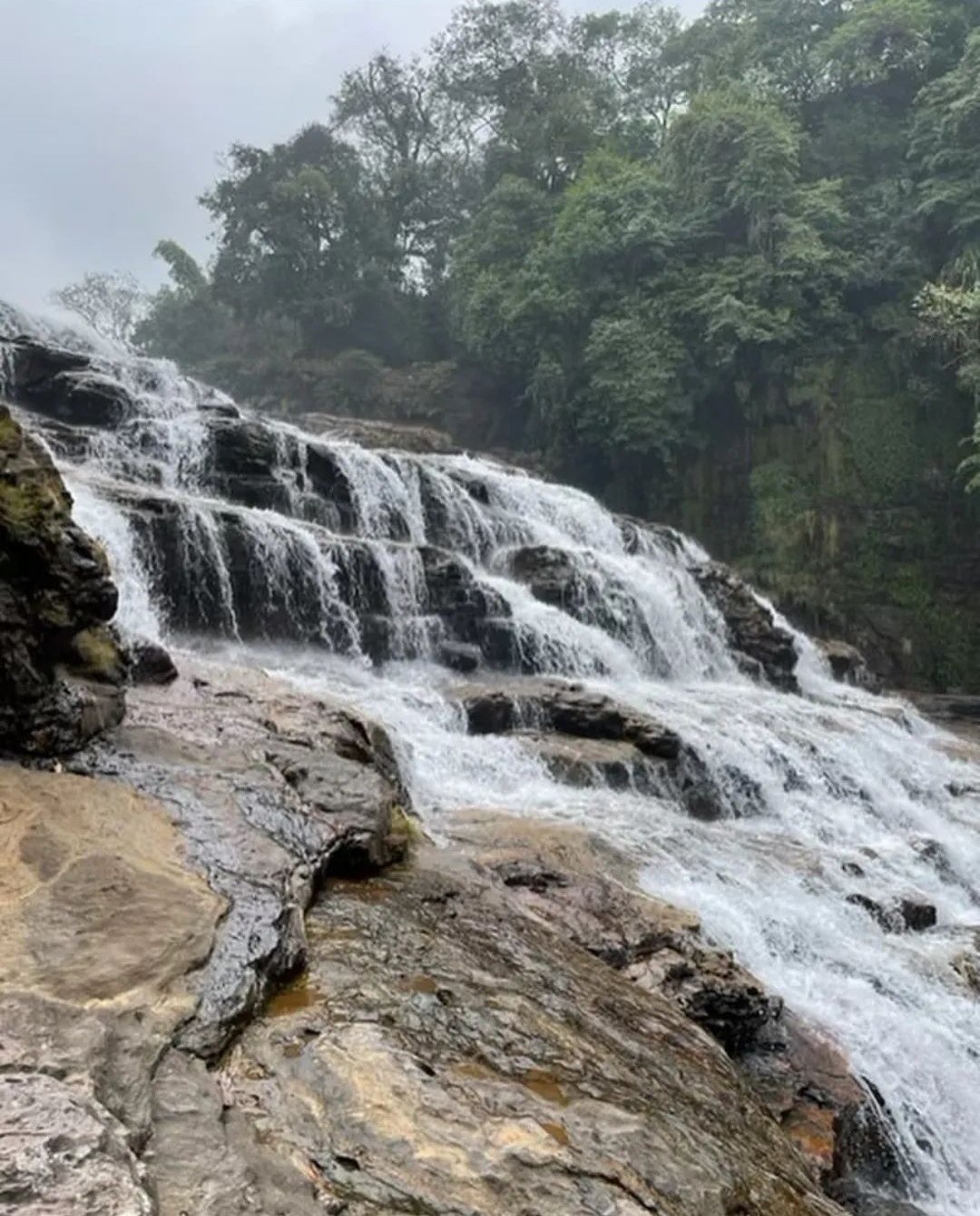
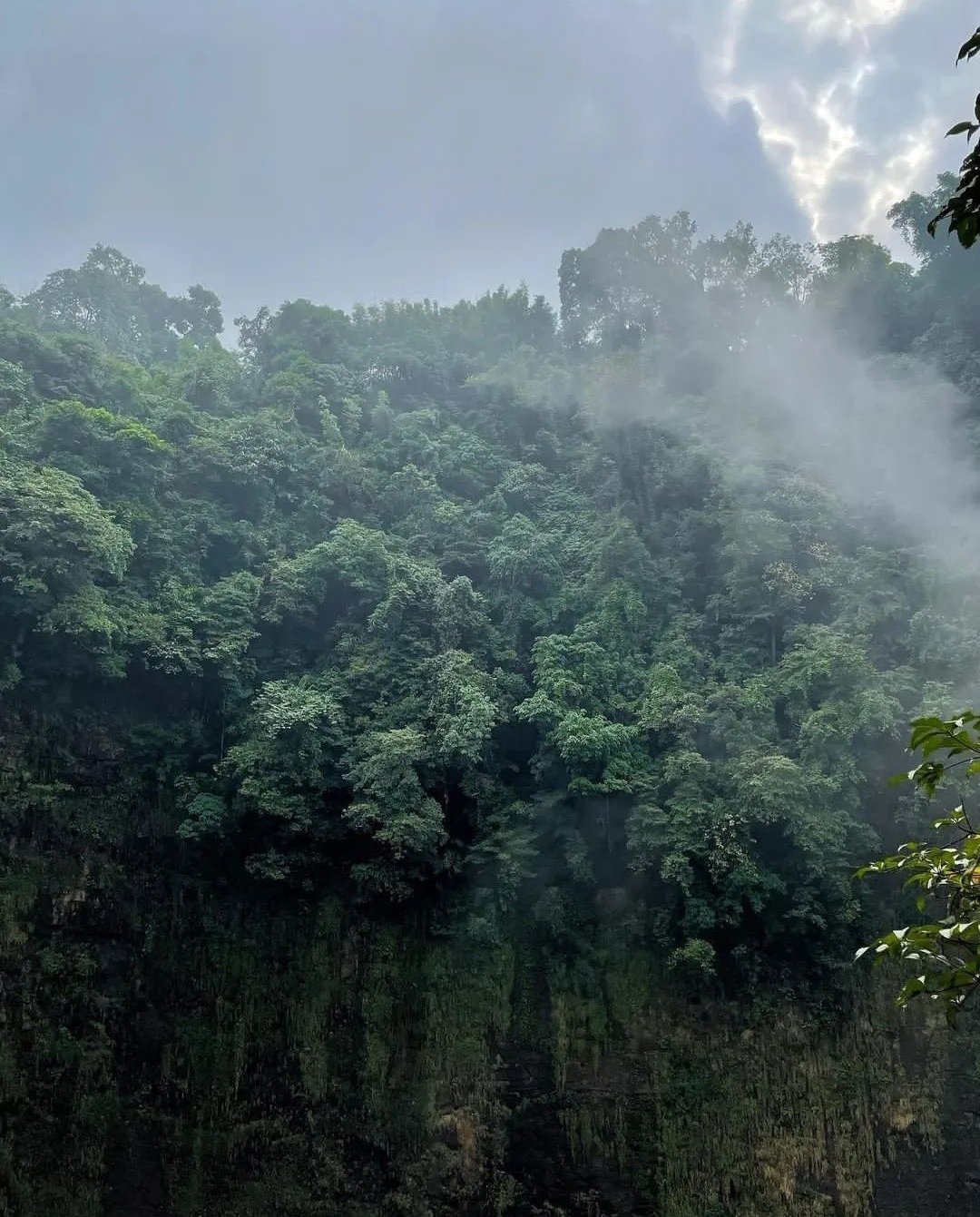
    📸 All photos are from @janicepariat 🙏

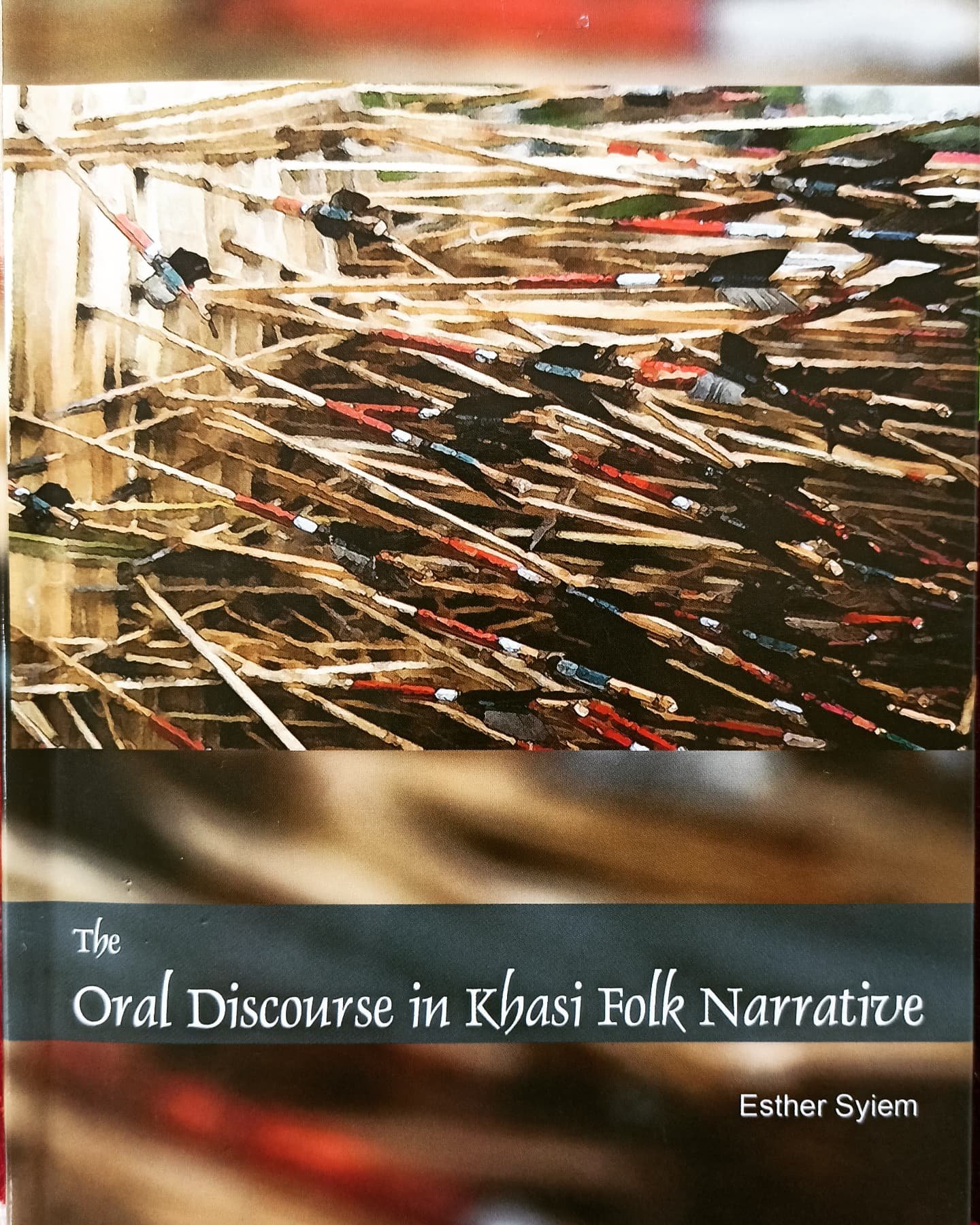
  • The Oral Discourse in Khasi Folk Narrative by Esther Syiem

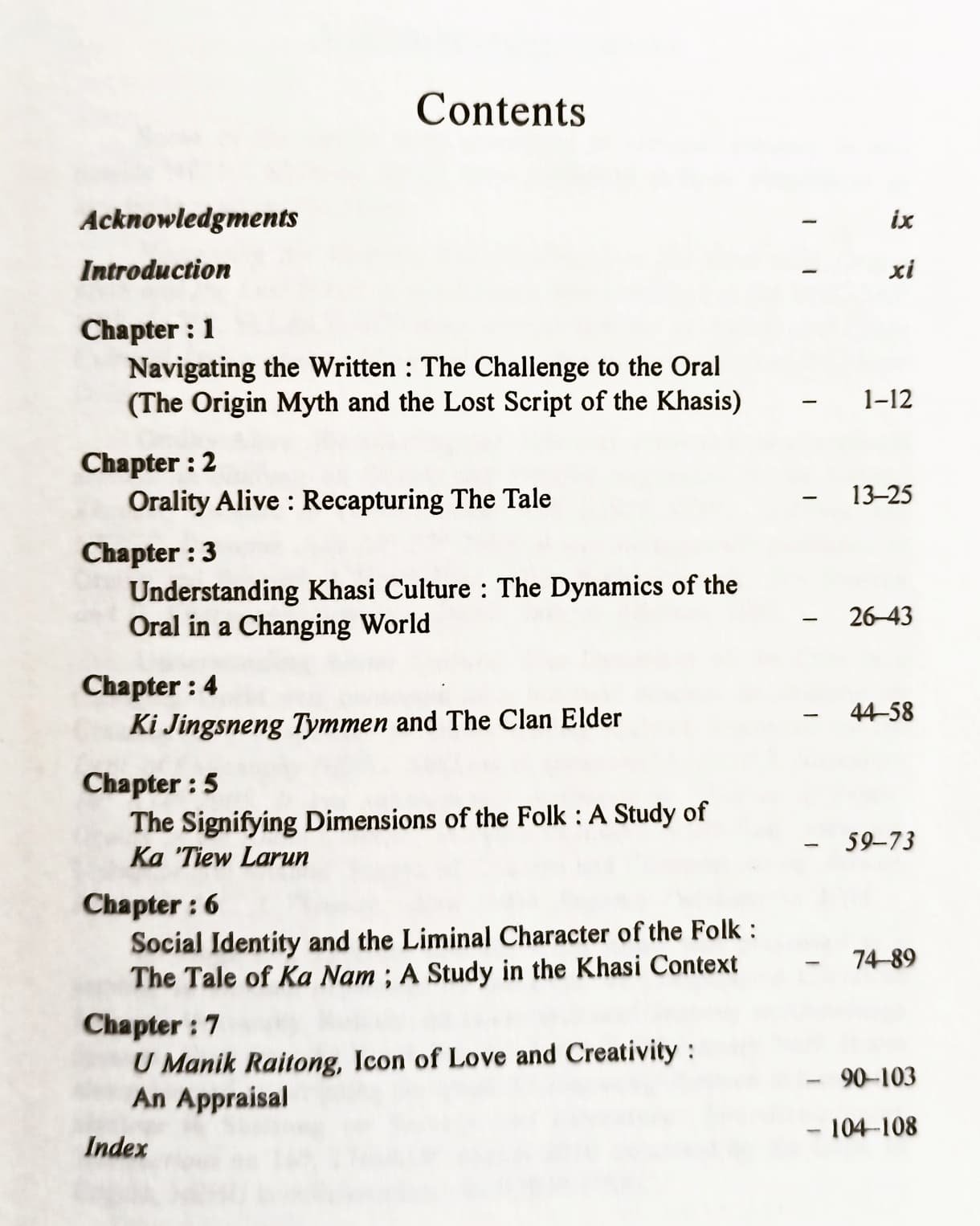
    The Oral Discourse in Khasi Folk Narrative by Dr. Esther Syiem @meiithei (2011) offers analysis and insight into Khasi orality. The book discusses the Khasi world view, showing how the oral tradition thrived in the past and how it is still a powerful presence among the Khasi community in the twenty-first century.

    This book will especially be beneficial for researchers and anyone wanting to know and understand the Khasi oral tradition in an in-depth way.