Tag: khasisayings

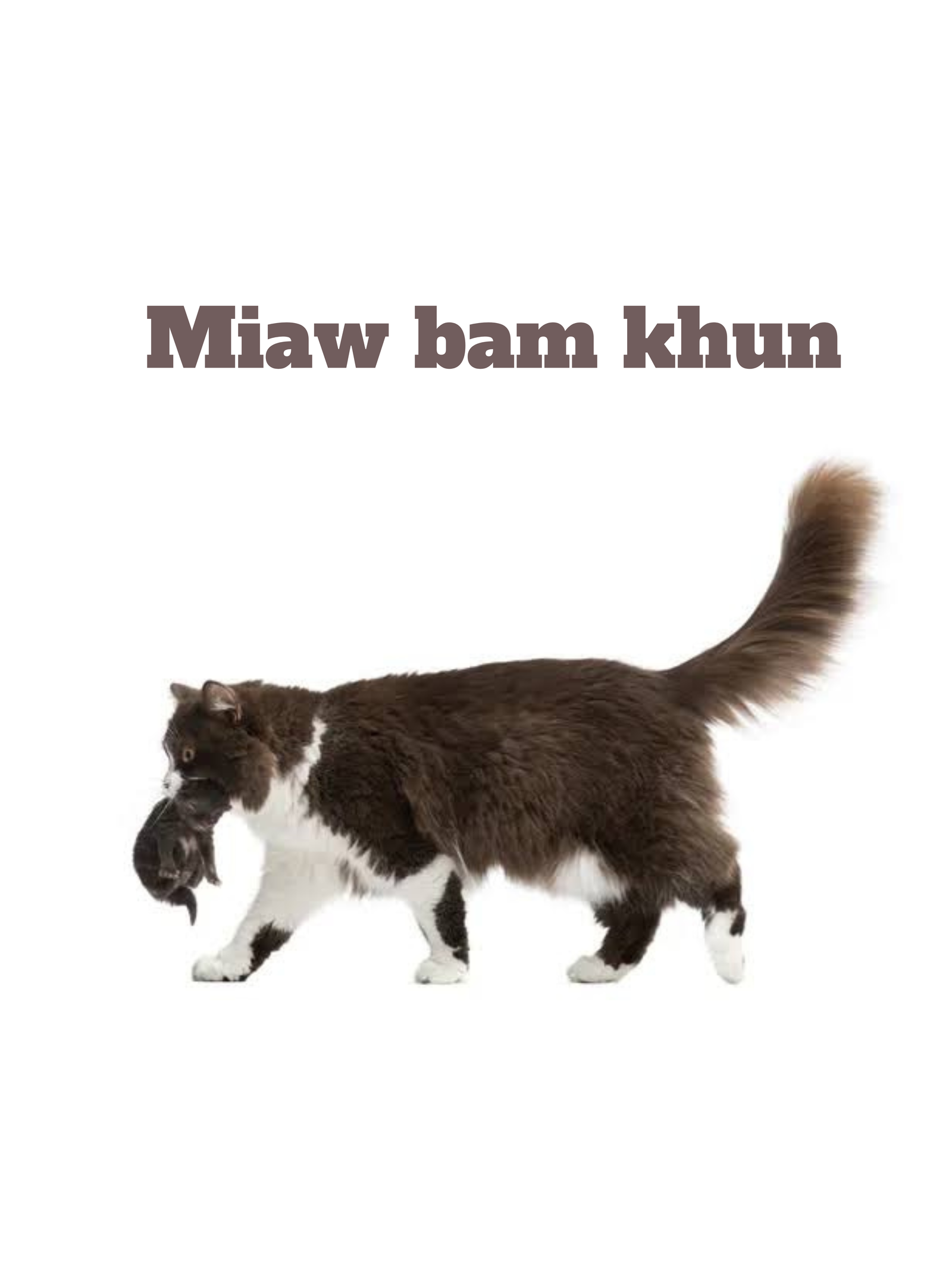
  • Miaw bam khun

    Ka jingong "Miaw bam khun" ka don bun ki jingbatai bad ki rukom sngewthuh.

    Kane ka jingong ka lah ban thew ïa ka kmie kaba pynwan ïa ka jingpynduh lad-lynti ïa ki khun. Ha bun ki khep kane kam dei ba ka kmie ka leh khnang. Tangba ka ktien ne ka jingtim jingtla jong ka kmie ka pynjem rngiew ïa ki khun.

    Kane ka jingong ka thew ruh ïa ka kmie kaba ieh noh ïa ki khun, kum ban ong ba ka kmie ka pynkut pyndam noh ïa kata ka jingieit bad jingïalam kaba kordor jong ka.

    Ka jinghikai kaba ngi ïoh na kane ka jingong ka long ba kum ki kmie ngi don ka bor kaba khlaiñ ban pynmih ïa ka jingbha na ki khun jong ngi ne ban pyntroiñ pynpulom ïa ka jingbha jong ki ruh.

    .

    .

    .

    The Khasi phrase "Miaw bam khun" (literally a cat who eats its own kittens) may have a few interpretations.

    This phrase refers to a mother who is instrumental in bringing obstacles in the life of her children. In many instances this is not purposely done by the mother. But the words and the harsh reprimand of the mother weaken the child's essence or sense of self or capability to achieve his/her full potential.

    This phrase may also refer to a mother who abandons her child, in the sense that she ruins any valuable love or guidance that may come only from her.

    The lesson that is drawn from this phrase is that as mothers we are powerful in our ability to bring out a child's potential or destroy it.

    The Khasi phrase "Miaw bam khun" is a phrase we have heard of but have not been able to explain properly.

    Khublei Shibun @meiithei @bada_boombam bad @carey_lynz na ka bynta ka jingïarap jong phi ha kaba pynkhreh ïa kane ka post 🙏🙏

    Sngewbha ai shuh ki jingbatai jong phi ïa kane ka jingong ha ki comments.

    🟡 English and Khasi collated by @speakyourroots

    #miawbamkhun #khasiphrases #khasiidioms #khasisayings #khasilanguage #khasilanguageconservation #indigenouslanguages #indigenouslanguageconservation #speakyourroots #speakyourrootschallenge #talklocal
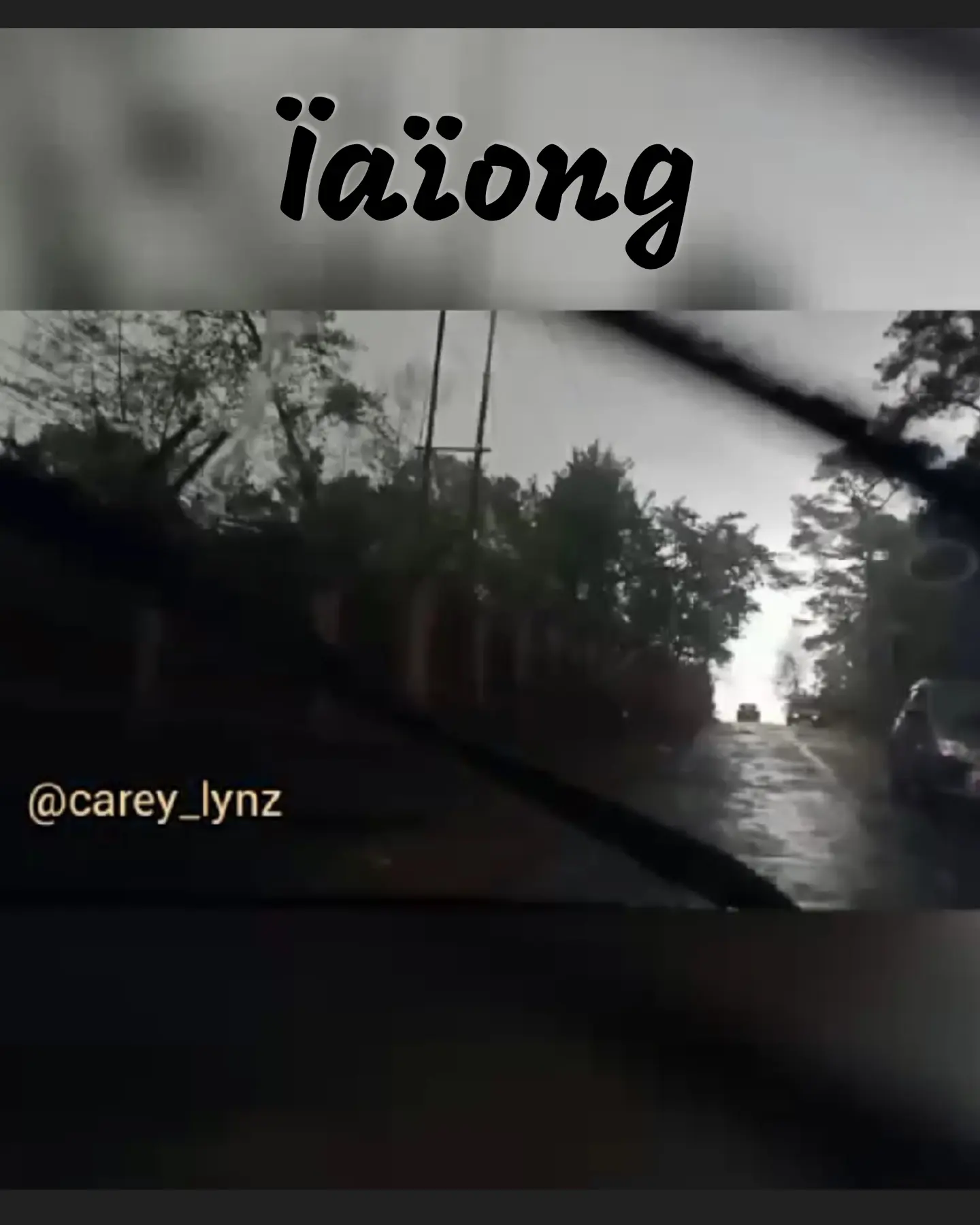
  • Ïaïong

    U bnai Ïaïong u long u bnai uba saw ha ki Khasi uba hap ha ka aïom Pyrem. Ha une u bnai ka ju don ka jinghap slap kaba wan poi, ha kaba ka wan ka jingïong ngit ngit jong ka suiñbneng bad ki lyoh ba dum, ka lyer kaba jur kaba beh bad teng teng u hap u phria ruh.

    Ka don ka jingong ne ka jingkheiñ jong ki Khasi kaba ong ba ym bit ban ïathoh shongkurim ne shna ïing ne ban sdang kano kano ka kam ha u bnai Ïaïong. Hato dei na ka daw jong ka suiñbneng ba la adong kumne ne don kiwei kiwei pat ki daw?

    Hato ngi lah ban ong ba ka ktien Ïaïong ka thew ïa ka ïa ne ka por kaba ïong, kaba dum haba wan poi u slap?

    The month of "Ïaïong" or April is the fourth month for the Khasis which falls in the season of Spring. In "Ïaïong" there is the falling of rain, accompanied by a rapid cover of darkness brought about by grey clouds with strong wind and sometimes hail too.

    There is a saying among the Khasis which prohibits them from getting married or building a house or starting any other work in the month of "Ïaïong". Is the reason because of the sudden dark rainy weather that these prohibitions were uttered or are there any other reasons?

    Can it be said that the word "Ïaïong" refers to a time of darkness (Ïong means black) represented by the sudden approach and falling of rain?

    We all wonder about Ïaïong don't we? Please tell us what you think of this in the comment section. 🌦️⛈️

    Khublei Shibun @carey_lynz for your video of the rain in the afternoon yesterday! 😄🙏 The video was taken on the 9th of April 2022, while approaching North-Eastern Hill University, Shillong. 🌩️🌧️

    Video was made on #InShot

  • Ka Spah Pyrthei da i Labianglang Diengdoh

    "Ka Spah Pyrthei kam long ei ei
    Haba Spah Mynsiem naphi kam shlei."

    "Worldly wealth amounts to nothing at all

    when the wealth of the heart does not flow."

    – Labianglang Diengdoh

    Khublei Shibun @the_lost_soul_dreamer for more words of wisdom 😄🌈

    English translation by @speakyourroots