Tag: khasiseasons

  • Jylliew or June

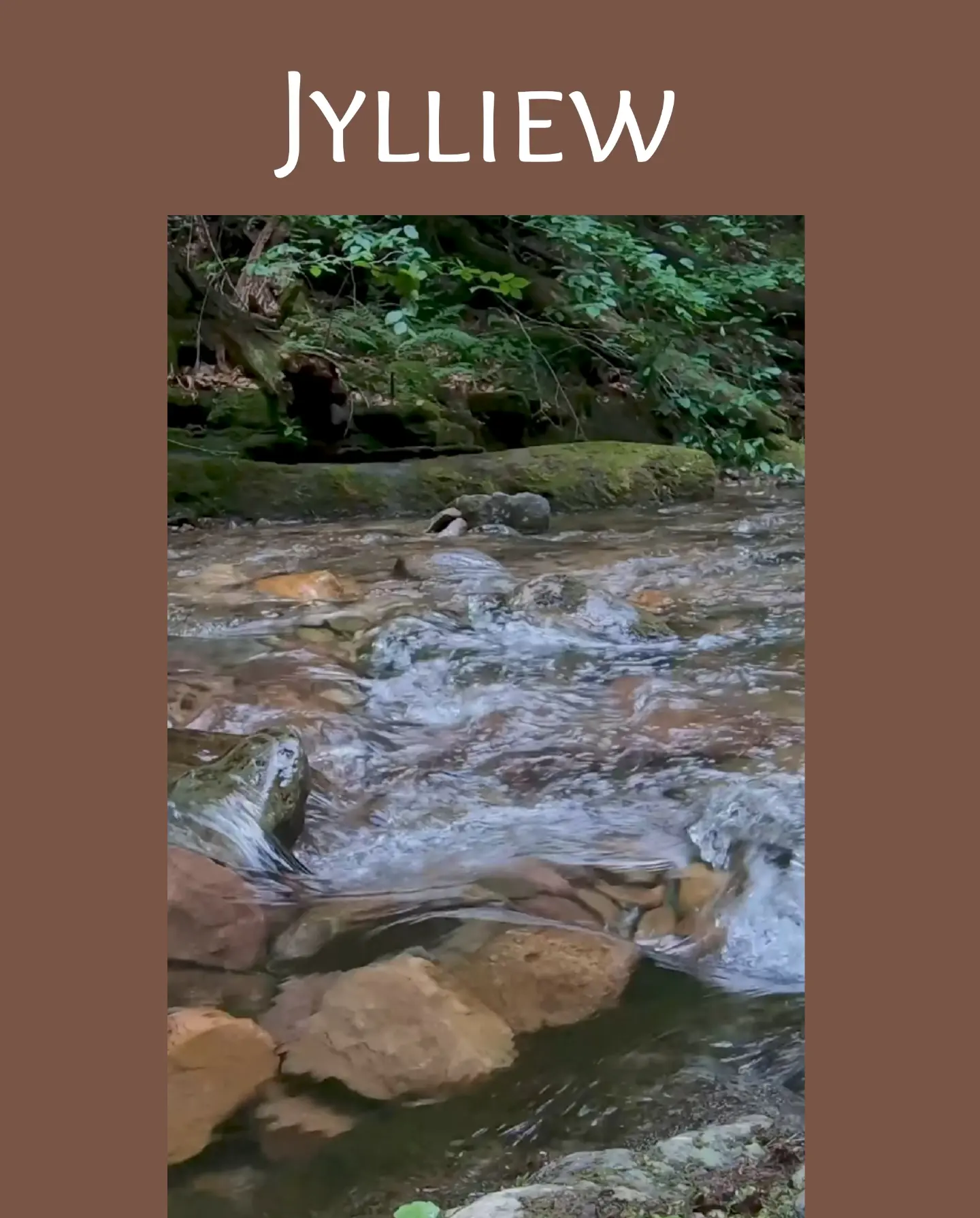
    “Jylliew" ka thew ïa ka jingdap miar ka um ha ki jylli jong ka wah. "Jyl" ka mut ka “jingjrong" bad " 'liew" ka mut ka "thliew" ne ka "them khohruh-khohram". Haba ong "jylliew" ka mut ba ka um ka la dap miar ïa ka them ne ka thliew khohruh-khohram. Nalor kata, ka ktien "jylliew" ka don ka jingïadei kaba jan eh bad ka "phylliew".

    "Jylliew" ka mut ka jingpyndap um da ka mariang ïa ka them ne thliew khohruh-khohram, katba ka ktien ‘phylliew’ ka mut ka jingpyndap um ha u khiew u bym don ne uba duna um da ka kti u briew ne da kano-kano ka tiar. Ha u Jymmang, ka um ka la sdang ban kiew ha ki jylli jong ka wah katba ha u Jylliew ka um ka la dap miar ha ka phudwah ne wah bah.

    The Khasi word "Jylliew" refers to the fullness of water in parts of a river. "Jyl" means the length of something and " 'liew" means a hole or uneven crevices. When we say "jylliew" it means that water is filled to the brim in a hole or crevice. Besides that, the word "jylliew" has a close connection to the word "phylliew" which means to pour water into a vessel.

    "Jylliew" means the filling up of water by Nature in valleys or uneven crevices, while "phylliew" means the filling up of a vessel with water by hand or using a mug or other utensils. In May, the water rises and fills in the circles of water, while in June water is full to the brim in river beds and rivers.

    This gives a new understanding of the Khasi word "Jylliew" which is the name of the month of June. 🌦️⛈️🌧️🏞️ Jylliew is the swirling depth of water that fills to the brim!

    🟡 Source: Rev. Dr. Ïarington Kharkongor
    🟡 English translation by @speakyourroots
  • Jymmang, Jympa

    U Jymmang, u bnai uba san jong ka snem, u dei u bnai pyrem. Kumba long kiwei pat ki bnai, u Jymmang u don saw taïew lane arphew phra sngi pura.

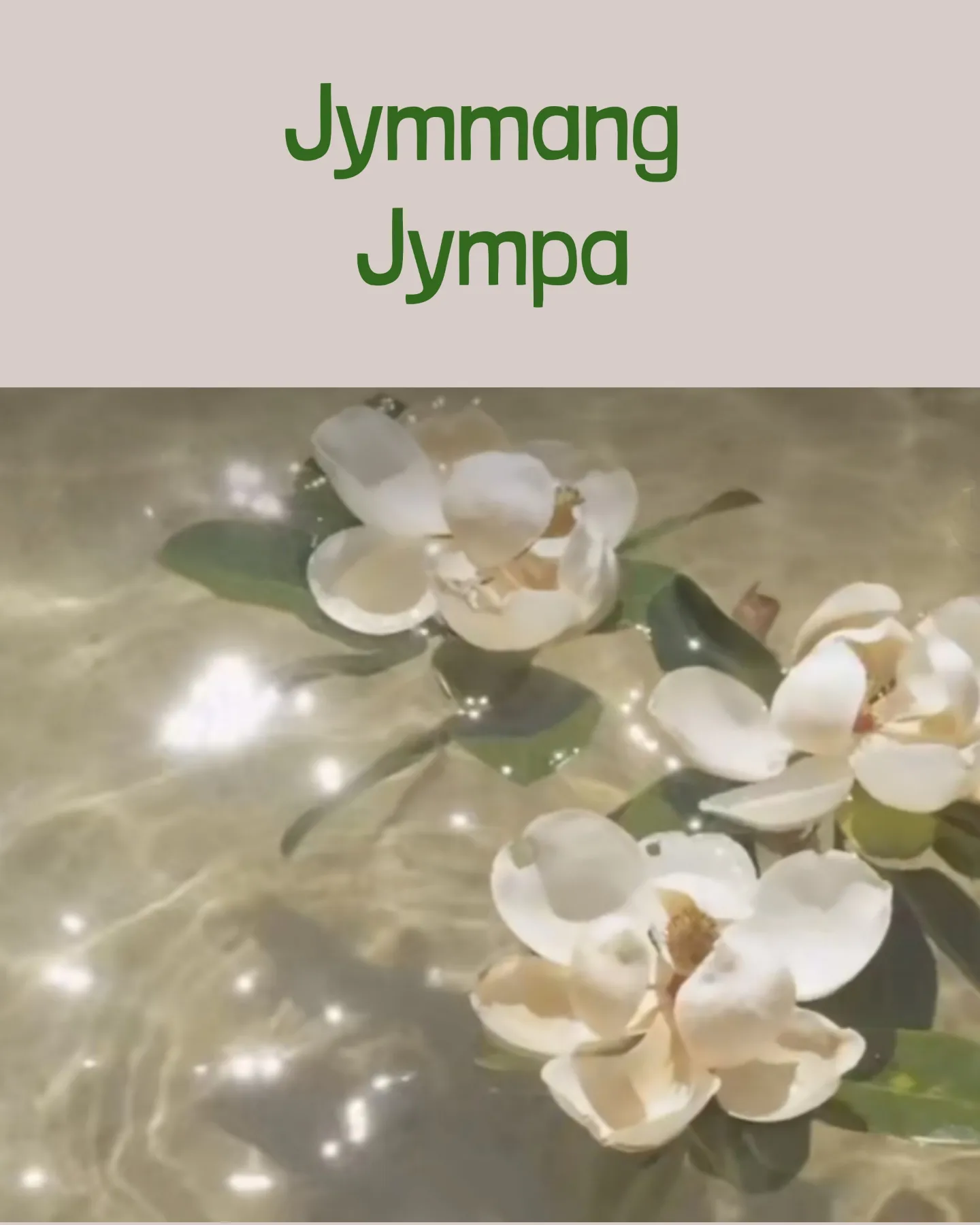
    Baroh ar ki ktien "Jympa" bad "Jymmang" ki ïa ïaid ryngkat ryngkat. Ka ktien "jym" ka long ka ktien tynrai. "Pa" bad "Mang" ki long ki ktien bynrap. "Pa" ka mut "per" ne "jngi" halor um bad "mang" ka thew ïa ka "rmiang shyntur" jong ka wah. Namar kata, ka ktien 'Jympa" ka mut kaba per ne jngi halor um katba ka ktien "Jymmang" ka thew ïa ka jingsdang ka um ne ka wah.

    Ha u Ïaiong u slap u la sdang ban hap. U shu hap teng teng tang ban ai um ïa ka khyndew bad ïa ki jynthung. Ka khyndew ha kawei pat ka liang, ban pynum ïalade, ka kjit lut ïa ka um slap baroh kaba hap ha une u bnai. Ki wah bad ki duid ruh haba ki ïoh slap teng-teng ki la sang ban tngen naba la tyrkhong eh baroh shi aiom tlang.

    Ha u Jymmang u slap u la sdang ban ther bad ki wah ruh ki la sdang ban nang kiew. Ki khynnah ap masi bad ki nongrep kumjuh ki sngewtynnat eh ban sum bad "jympa" ha une u bnai namar la "jymmang" ka um. Baroh ar ki ktien "jympa" bad "jymmang" ki thew ïa ka um tangba ki ïapher ha ka rukom jingpyndonkam.

    "Jymmang" or May, the fifth month of the year is a spring month. As the other months, May has four weeks or twenty eight days.

    Both words "Jympa" and "'Jymmang" go hand in hand. The word "jym" is a root word. "Pa" and "mang" are the supplementary words. "Pa" means to float or swim in water and "mang" refers to the mouth of a river. Thus, the word "Jympa" means to float or swim in water, while the word "Jymmang" refers to the beginning of a mass of water or a river.

    In April the rain begins to fall. It arrives intermittently so as to provide water for the earth and plants. The earth, to water and replenish itself, takes in all the rain water in this month. Rivers and streams who have received rainfall are rejuvenated since the dry months of the winter season.

    In May the rain begins to fall heavily with river levels rising. Cow herders and farmers enjoy to bathe and swim or float in water because of the increase in water level. Both words "Jympa" and "Jymmang" refer to water with the only difference being the way they are used.

    The Khasi names for the month of May have multiple meanings 🌦️⛅🌤️🌱🌿
    A knowledge of the seasons and what they entail is important for broadening our understanding of culture and practice. 😃🏞️🌄

    🟡 Source: Rev. Dr. Ïarington Kharkongor
    🟡 English translation by @speakyourroots