

Da stai katno katno ruh, m don shuh ha pyrthel kum ka lyngknot, ka borti bad ka mok. Kumno kumto klet noh sa ïa u sohprew bad u mawshut met! 😂 🧖🧽🧼🪒🪥
I can hear my grandmother calling me from the bathroom: "Bih heh wan shut met ïa nga!" 😂😂
Da stai katno katno ruh, m don shuh ha pyrthel kum ka lyngknot, ka borti bad ka mok. Kumno kumto klet noh sa ïa u sohprew bad u mawshut met! 😂 🧖🧽🧼🪒🪥
I can hear my grandmother calling me from the bathroom: "Bih heh wan shut met ïa nga!" 😂😂
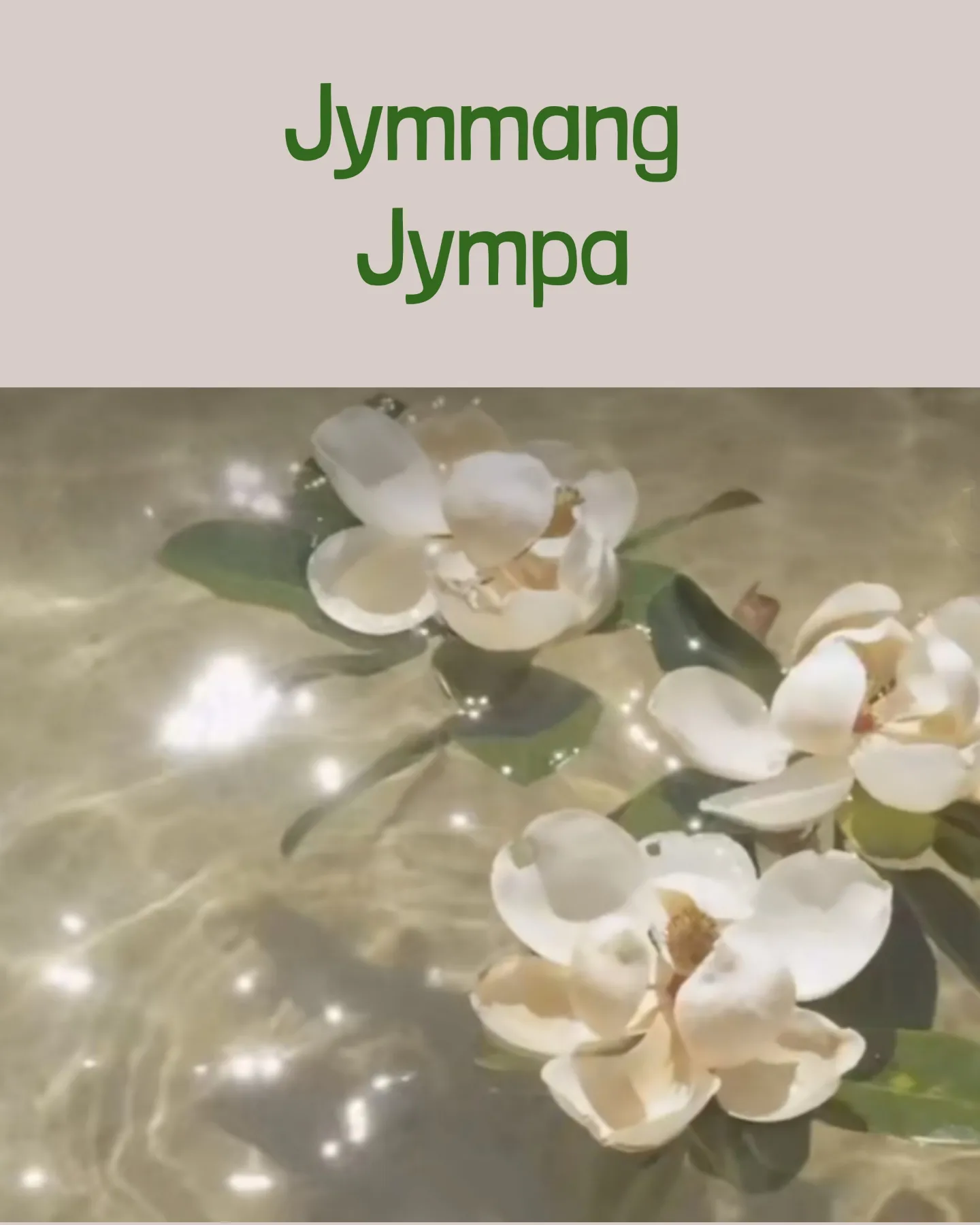
U Jymmang, u bnai uba san jong ka snem, u dei u bnai pyrem. Kumba long kiwei pat ki bnai, u Jymmang u don saw taïew lane arphew phra sngi pura.
Baroh ar ki ktien "Jympa" bad "Jymmang" ki ïa ïaid ryngkat ryngkat. Ka ktien "jym" ka long ka ktien tynrai. "Pa" bad "Mang" ki long ki ktien bynrap. "Pa" ka mut "per" ne "jngi" halor um bad "mang" ka thew ïa ka "rmiang shyntur" jong ka wah. Namar kata, ka ktien 'Jympa" ka mut kaba per ne jngi halor um katba ka ktien "Jymmang" ka thew ïa ka jingsdang ka um ne ka wah.
Ha u Ïaiong u slap u la sdang ban hap. U shu hap teng teng tang ban ai um ïa ka khyndew bad ïa ki jynthung. Ka khyndew ha kawei pat ka liang, ban pynum ïalade, ka kjit lut ïa ka um slap baroh kaba hap ha une u bnai. Ki wah bad ki duid ruh haba ki ïoh slap teng-teng ki la sang ban tngen naba la tyrkhong eh baroh shi aiom tlang.
Ha u Jymmang u slap u la sdang ban ther bad ki wah ruh ki la sdang ban nang kiew. Ki khynnah ap masi bad ki nongrep kumjuh ki sngewtynnat eh ban sum bad "jympa" ha une u bnai namar la "jymmang" ka um. Baroh ar ki ktien "jympa" bad "jymmang" ki thew ïa ka um tangba ki ïapher ha ka rukom jingpyndonkam.
"Jymmang" or May, the fifth month of the year is a spring month. As the other months, May has four weeks or twenty eight days.
Both words "Jympa" and "'Jymmang" go hand in hand. The word "jym" is a root word. "Pa" and "mang" are the supplementary words. "Pa" means to float or swim in water and "mang" refers to the mouth of a river. Thus, the word "Jympa" means to float or swim in water, while the word "Jymmang" refers to the beginning of a mass of water or a river.
In April the rain begins to fall. It arrives intermittently so as to provide water for the earth and plants. The earth, to water and replenish itself, takes in all the rain water in this month. Rivers and streams who have received rainfall are rejuvenated since the dry months of the winter season.
In May the rain begins to fall heavily with river levels rising. Cow herders and farmers enjoy to bathe and swim or float in water because of the increase in water level. Both words "Jympa" and "Jymmang" refer to water with the only difference being the way they are used.
The Khasi names for the month of May have multiple meanings 🌦️⛅🌤️🌱🌿
A knowledge of the seasons and what they entail is important for broadening our understanding of culture and practice. 😃🏞️🌄🟡 Source: Rev. Dr. Ïarington Kharkongor
🟡 English translation by @speakyourroots
"Sawdong ka Lyngwiar Dpei" or "Around the Hearth"
"Sawdong Ka Lyngwiar Dpei" ka dei ka jingong ne ki kyntien kiba ngi ju pyndonkam ban batai ïa ka por kyrpang ha man ki thliew ïing jong ka jaitbynriew Khasi ha kaba baroh shi ïing shi sem ki ju ïa shong harud ding, ban ïa sngap ban ïa khana. Dei ha kane ka por ba ki khanatang bad ki puriskam u mynbarim ki khie im lyngba ki riew rangbah ne ki riew tymmen kiba dei ki nongkren nongkhana. Ha kane ka por ruh, ki tymmen ki ju shim ïa ka kabu ksiar ban sneng ban kraw, khamtam eh ïa ki khun ki ksiew ki ban dang san ki ban dang samla, namar ba baroh shi ïing shi sem ki ïa don lang ha kane ka por.
Katba ngi dang jam sha ka ïa jong ka pyrthei stad pyrthei thymmai, kata ka ding lane ka lyngwiar dpei jong ka ïing kum ban shu ong noh ka lah sang ban jah noh namar bun na ngi, ngi la ïa tei da ki ïing ki ban ïahap bad ki por mynta, kumba ngi ïohi ha ki phlim, ha ki TV, ki magazine bad kumta ter ter. Kuma, ngi la hap ban shu mutdur noh ïa kata ka ding lyngba ki dur ne haba ïohsngew ha ki khana. Te kumno ngin pynim ban pynneh biang ïa kata ka ding kaba la sdang ban duh noh-Ka ding kaba wanrah ïa ka jingsngew shngaiñ, sngew shongshit haba ngi sngap ïa ki khanatang, ki puriskam bad ki jingsneng-jingkraw kiba shongñia, kiba shong nongrim bad lehse bun na ngi, ngi lah duh noh ïa ka da kaba im tynneng kum ki nongwei.
Hooid lehse ngi dang lah ban pynim ïa kane ka ding jong ka lyngwiar dpei kaba dei ka rukom tynrai jong ngi da kaba ïalum shi ïing shi sem, shi paralok ban ïa kren ïa phylliew jingmut shaphang ka jymbriew, ka histori bad ka ktien ka thylliej. Ngi hap ban shim ïa kane ka sienjam wat lada dei tang harud ka miej bamja, haba ïa shong dih sha, haba ïa shong pyllun ïa ka shawla ne ha kano kano ka por wat lada kam don shuh kata ka ding ne ka lyngwiar dpei, hynrei kan ïai rhem hapoh jong ngi lada ngi pynneh ïa ka rukom ïathuhkhana bad ïa sneng ïa kraw ha ki por kyrpang kiba sngewbit ha man la ki longïing.
Ma ngi hi shimet ngi dei kita ki lyngwiar dpei ki ban pynpaw ïa ka jingstad bad jingshemphang jong ki longshuwa-manshuwa jong ngi.
"Sawdong ka Lyngwiar Dpei" or "Around the Hearth" are words that are used to describe the time in a Khasi family when family members would sit around the hearth, the flames giving them warmth and light. It is at this time that stories are told, our oral tradition becomes alive, from the words and expressions of an elder of the family.
As we move into the first quarter of the 21st century, the physical hearth has gone absent from our modern homes and we are left to imagine the embrace of the warm flames of a hearth from pictures or from books. How do we recreate that atmosphere, that feeling of being together almost as one breath and one mind as we listen to folktales, legends, myths and ponder on teachings which contain truths that we may have lost in our rush into globalisation?
Perhaps we can recreate the hearth by gathering our family and friends to talk about our culture, history and language. Because we need to revive the interest and love for what is our own, for what we belong to. We may not have our physical hearth but we can create a symbolic "lyngwiar dpei" by talking, by listening, by reading, by understanding with clear hearts and minds. A clear heart and mind with a need to know who I am and what am I going to become?
In a way, we are the hearth, we are the "lyngwiar dpei", we are a walking talking hearth who emanate the light of our ancestors' knowledge and wisdom.