Tag: matriliny

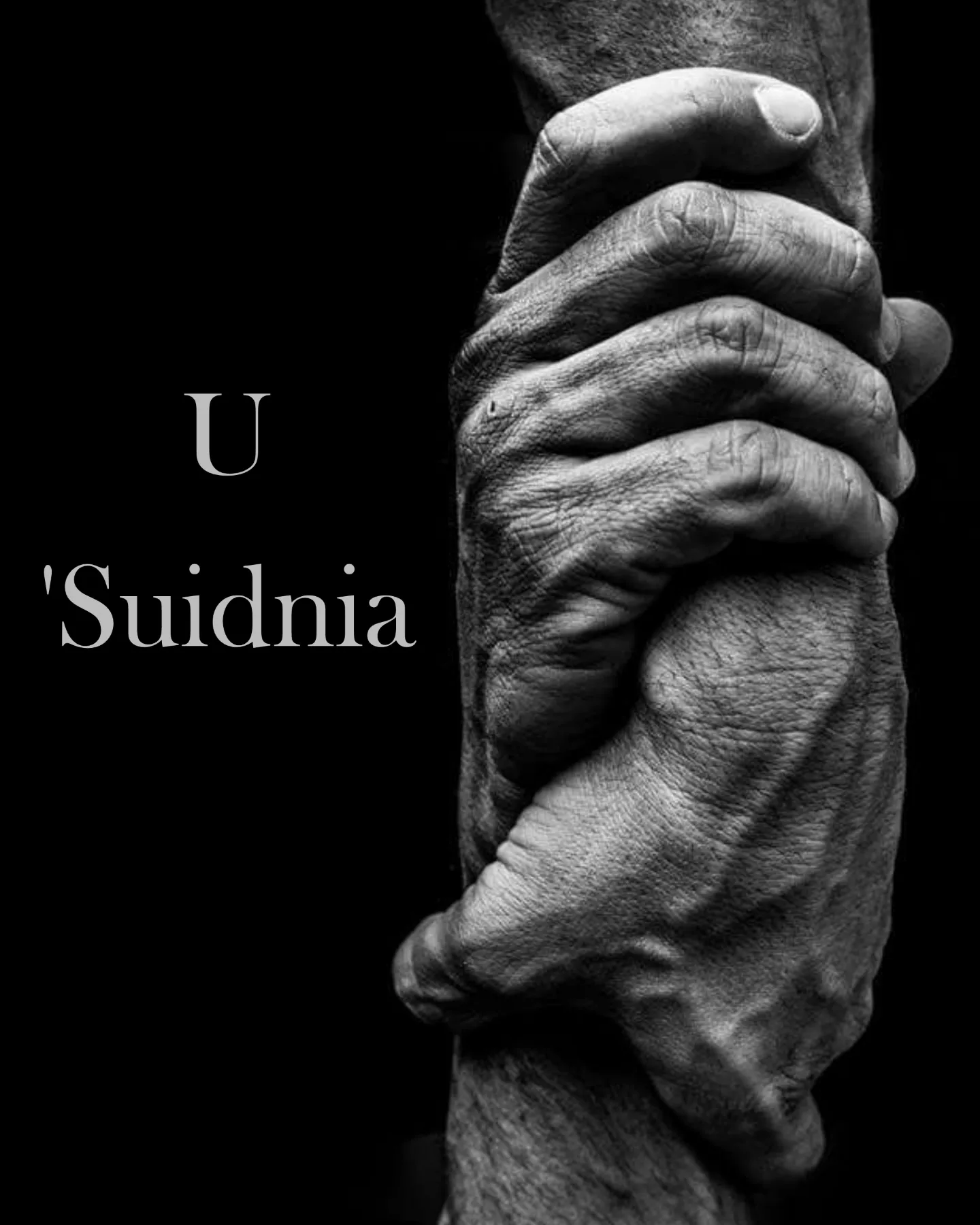
  • U ‘Suidnia

    U 'Suidnia u dei u Kñi rangbah jong kano kano ka kur uba leit nyngkong eh sha ka Mawbah (maw buh shyieng jong kano kano ka kur) bad uba sumar sukher ïa kiba haïing hasem, ki para ki pyrsa kiba la ïap.

    U Sib Charan Roy, u pyndonkam da ka ktien "U 'Saidnia" bad u ong ba u 'Saidnia u dei u Kñi nyngkong, uba dei u khun ka Ïawbei. U ïoh ïa ka nam "'Saidnia" ba u dei uba nang ban ïasaid, uba donbor bad don hok ban ïasaid hakhmat U Blei bad ka Hukum na ka bynta la ka kur ka jait. Kane ka jingbatai jong u Sib Charan Roy, ka pyni ba man la ka kur ka don la u jong u jong U 'Saidnia. Kaba donkam ban tip ka long ba u Sib Charan Roy u khlem pynshai lada u " 'Saidnia" u dei uba dang im ne uba la bam kwai ha dwar u Blei.

    Hynrei u Homiwell Lyngdoh pat u da ong shai ba ïa u Kñi nyngkong jong kano kano ka kur ka jait, ynda u la ïap na kane ka pyrthei, ki khot ïa u, "U 'Suidnia". Ka niam ka rukom ki Khasi ka kham ïadei bad ka jingbatai jong u Homiwell Lyngdoh. Ym ju ïohsngew ba ïa u kñi ba dang im, ba dang korbar ïa ka kam kur ban khot "U 'Suidnia". Pynban ki ju khot u Kñi-rangbah. Nalor kata katba tip, ym ju don "Suidnia" palat na uwei, katba ki kñi pat ki bun.

    "U 'Suidnia is the spirit of the first grand maternal uncle of a clan whose remains are the first to be kept in "Mawbah", which is a megalithic chamber tomb or dolmen of a clan. "U 'Suidnia watches over his relatives, nephews and nieces who have passed away.

    Sib Charan Roy uses the word "U 'Saidnia" saying that "U 'Saidnia" is the spirit of the first grand maternal uncle of a clan, who is the son of "Ka Ïawbei". "U 'Saidnia possesses the ability to intercede, has authority and also possesses the right to intercede with God and the divine commandment on behalf of his clan. This explanation by Roy shows that each clan has its own "U 'Saidnia". What should be noted is that Roy does not clarify whether "U 'Saidnia" has passed away or not, or as Khasis say "to eat betel nut at the door of God".

    However, Homiwell Lyngdoh says clearly that when the first grand maternal uncle of a clan has passed away, he comes to be known as "U' Suidnia". The indigenous faith of the Khasis is more in tune with the explication of Homiwell Lyngdoh. It is not usually heard that a living

    maternal uncle who is in charge of the clan's affairs be called "U 'Suidnia". Instead they are called "Kñi rangbah" or the head maternal uncle. Besides this, as is known, there can be only one man who receives the title of "U 'Suidnia" while maternal uncles are many.

    "Ka Ïawbei", "U Thawlang" bad "U 'Suidnia" ki dei lai ngut ki longshuwa manshuwa jong ki kur kiba bun na ngi ngim tip ki dei mano. Kine ki ai ha ngi ïa ka jingtip shaphang ka kur ka jait bad ka jinghiarpateng kaba ngi kum ki Khasi ngi kheiñ kordor bha. 👪🧑‍🤝‍🧑👬

    "Ka Ïawbei", "U Thawlang" and "U 'Suidnia" are three ancestors of clans, of whom many of us are unable to trace in our family trees. These individuals give us significant knowledge of our clans and lineage, which Khasis hold as critically valuable. 👪🧑‍🤝‍🧑👬

    🟡 Sources: Rev. Ïarington Kharkongor and Philomena Kharakor RNDM
    🟡 Collated and translated by @speakyourroots
  • Mano Ba Synshar Ïa Ka Sem/ Who Rules the Roost? by Esther Syiem

    Mano ba Synshar ïa ka Sem? – I

    Nga sngew ki ong

    ba 'iar kynthei mynta te

    ki synshar ïa ka sem;

    tad ynda,

    ryngkhat nga ïohi

    katai dyngngur ka kraid,

    marwei la jem khnap,

    ka jyrhiah, kyrjiaw khmat;

    na ka daw jong uta

    uba syngkhor poh thynriew

    wat ha sahit ka sngi;

    ki wieh bla kynshew-pynlang

    u la knieh lut kynthet,

    ban tynsat ha tyrsim

    b'un khawai hi marwei

    ne shalai pat shawei

    da ki adong thaw-tuh

    bad ki kanun thaw siar

    ki jong u hi.

    Nga sngew ruh ki ong

    ban nujor mynta

    ïa ki thei bad ki rang

    te ade

    kham dap bor hi ki thei;

    hynrei,

    don ruh samoi

    ba ki rang pat ade

    kham don buit pat ma ki;

    bad thei ki shah sloit

    la hok ïoh kynti

    la rukom hiar pateng.

    Nga sngew pat mynta:

    ynda syrtap ka byrthit

    hapoh sem,

    khun syiar ba dang

    jiap-jiap jem-sner,

    shu kynjoh kynsan

    sha ka rwai khroh

    kha pylleng.

    U ryngkuh bun 'iar kmie pat,

    la thapñiang u kynthlep

    la ka mastieh, ka sur khroh

    u ïaluh tang 'iarlud

    ba hap iehnoh jyndat,

    ka kraid sohriew hadem

    ban rwai pylleng kok kok.

    Ka 'iar kmie bla long kiaw pat

    bym banse ban shimti,

    sang kynih pynsawa.

    La thlim kylla lieng lut ka pyrthei

    bad sem syiar ka khynñiuh,

    'iar kynthei na thynriew

    ka her sha kyrdan

    ban kynih kum ryngkuh.

    Mano ba Synshar ïa ka Sem? – II

    Nga sngew

    ki thei ba kynih

    ki synshar ïa ka sem;

    ki mastieh ha kyrdan

    ki pynphuh la ki sner.

    Nga sngew ruh ba ong

    ba lyngkrang lut ki rang

    shyrtong ruh ki jlop

    bad thnat ruh ki kheiñ

    ba tangon raibi aïu re

    ba wanrah khlam kum kane,

    ka khlam ka daw lum ne

    ka khlam ka daw ïing?

    Nga sngew ruh

    ba 'iarkhun ha jyrsieh

    ki la liat,

    jiap-jiap ki ïa pah,

    wad lamwir, jingsyaid

    thapñiang ka kmie;

    para khunrit ki ïa kdup,

    bad ïa ri hi hangto

    iwei ïa iwei.

    Sa kawei ruh la sngew:

    ynda kynih 'iar kynthei

    ka pyrthei te la wai.

    Ne kumno re kumto?

    Ym banse ka kynih

    ba ryngkuh knieh thynriew

    u leh klep ka jutang

    bad sngi ka la dum

    bad kyrduh la ban?

    – Esther Syiem

    Ïa ka "Mano ba Synshar ia ka Sem?", ka myllung ka la pynshong ha ka jingong :"Wei ba la kynih ka syiar kynthei, ka pyrthei ka lah jan wai." Ki don bun jait ki rukom ong ia kane ka jingong.

    "Who Rules the Roost?" is based on a Khasi saying which can be translated as: "When the hen starts to crow, then the end of the world is near".

    Who Rules the Roost?

    I've heard it said

    that women in our society

    rule the roost;

    until I saw her

    bent and shuffling

    sniffling steadily

    after the one

    still roosting

    in the afternoon;

    her can of worms

    snatched out of sight,

    tucked somewhere safe

    for secret access,

    for himself alone

    or passed off

    on his own terms.

    I've heard it said too

    that our women are more equal than

    our men; but there've been

    occasions more than one when our

    men are more equal,

    and our women

    lose claim

    even upon themselves.

    I've also heard it said

    that when the roost is breached

    and the coop is smirched

    then chickens shall lay eggs

    even when still clothed in soft

    yellow down.

    Cuckolding roosters will spike up

    for the strutting and the crooning

    and the sparring for the hens,

    and the sparring with the hens,

    who've left off the scratching and

    the squawking

    for the Portentous Crowing

    of a hen-kind.

    – Esther Syiem

    "Mano ba Synshar ïa ka Sem?" or "Who Rules the Roost?" by Esther Syiem is a thought provoking poem based on a saying that many might say is paradoxical and contradictory in a matrilineal community. The poem gives us something to think about on Women's Day.

    Esther Syiem says: "La thoh ïa ka poim halor ka jingshah ban beiñ jong ki kynthei. La mih ruh na ka jingïakynduh jong nga bad kawei ka longkmie kaba la shah knieh lut la ki jingdon jingem jong ka ha u tnga jong ka."

    "The poem was written on the victimisation and oppression of women. It emerged out of my meeting with a woman whose wealth and valuables had been taken away by her husband."

    Khublei Shibun @meiithei na ka bynta kane ka jingnoh synñiang jong phi sha ka page 😄🙏

    Dr. Esther Syiem is a Professor in the Department of English, North-Eastern Hill University, Shillong.