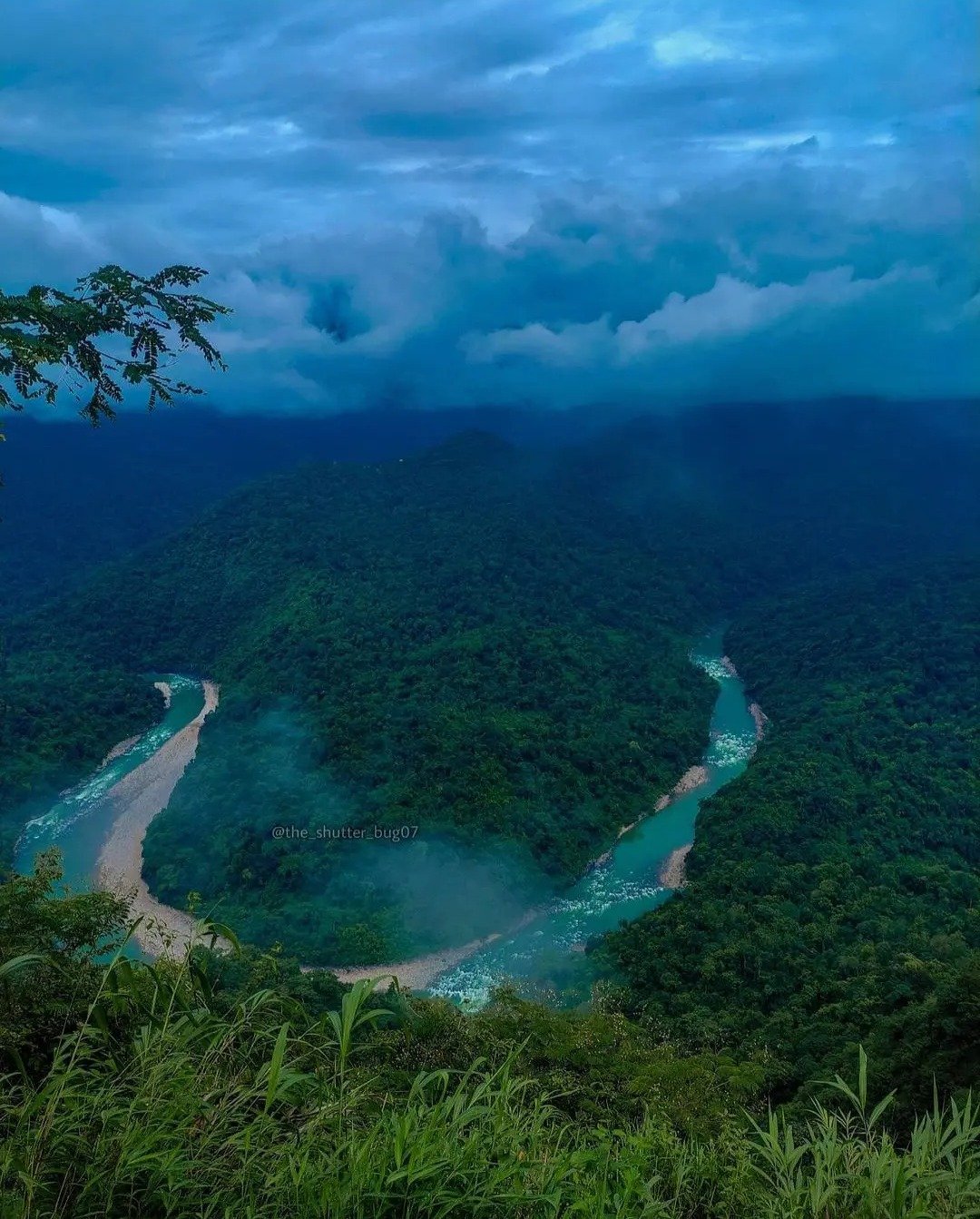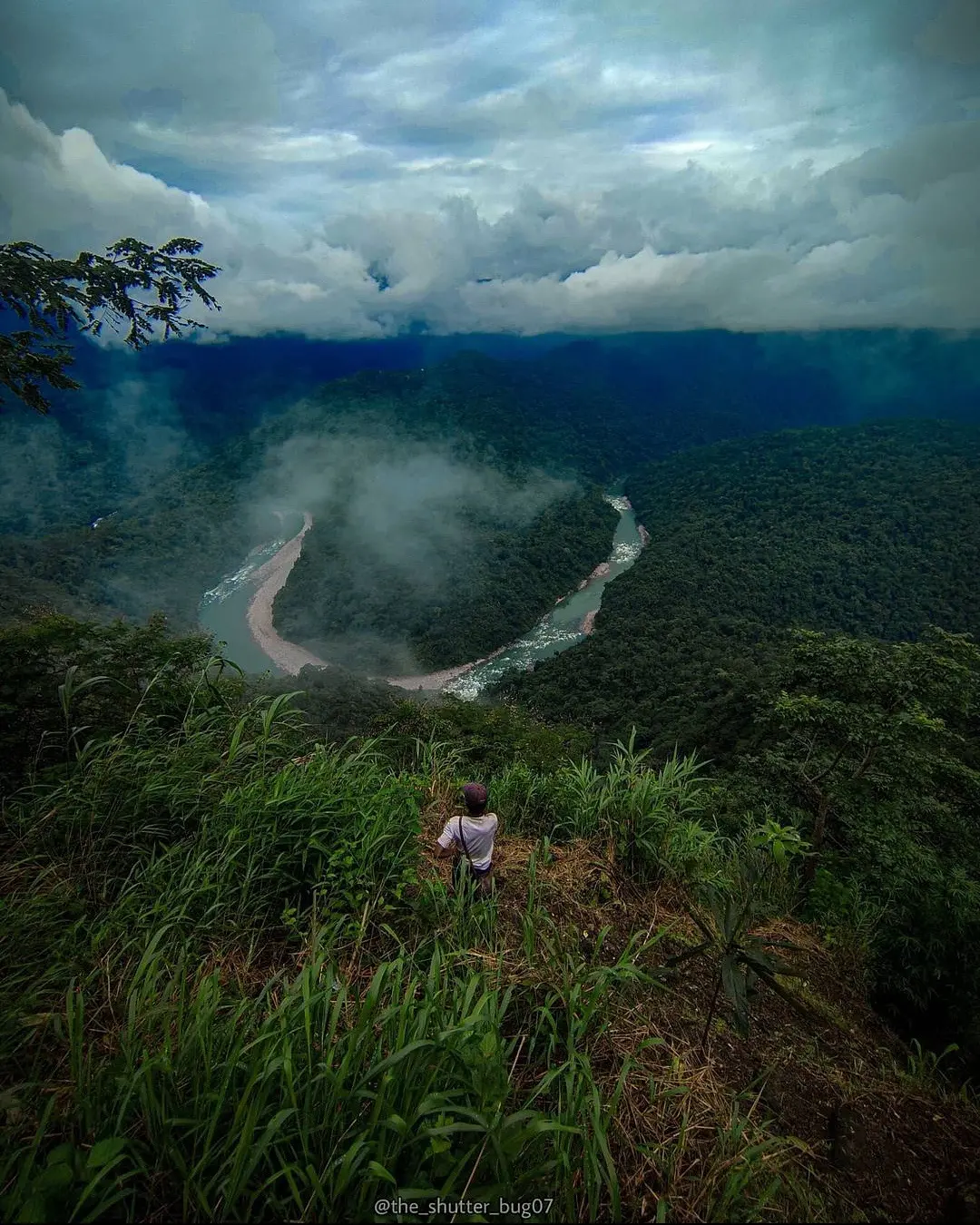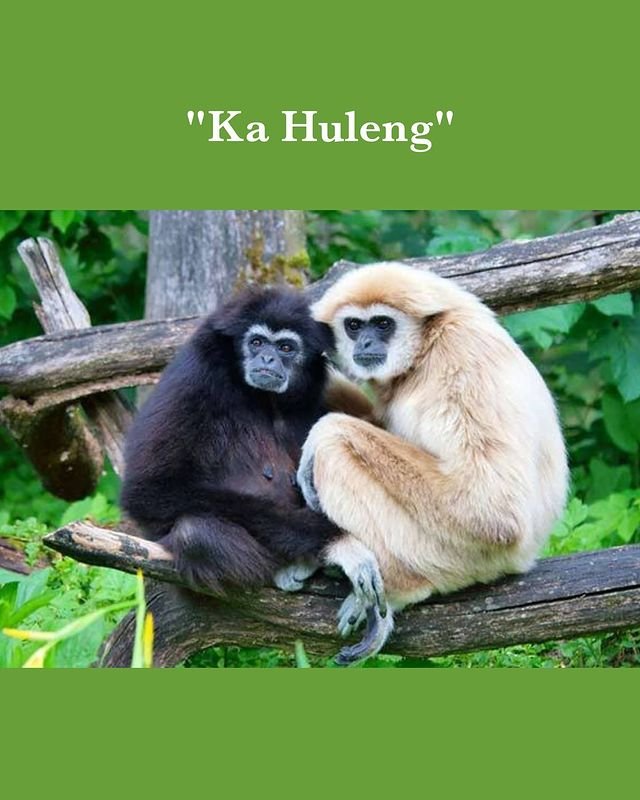
The village of Phlangwanbroi which is located in Mawsynram, Tehsil, of East Khasi Hills District, Meghalaya is home to the Western Hoolock Gibbon or what we call "Ka Huleng" in Khasi. Hoolocks are three primate species of genus Hoolock in the Gibbon family, Hylobatidae, native to eastern Bangladesh, Northeast India, Myanmar, and Southwest China. Hoolock gibbons are India's lone ape species. They are both rare and endangered, found only in the forests of Northeast India.
Phlangwanbroi, four neighbouring villages and an adjoining community forest make up the Khasi native state of Hima Malai Sohmat, one of 25 traditionally ruled Khasi enclaves in Meghalaya that are formally recognised by the Indian Constitution. The 40-sq-km community forest of Hima Malai Sohmat has been home to western hoolock gibbons since "time immemorial", villagers say. The males are black with white brows, while the females have a copper-brown fur, which is darker at the chest and neck. White rings around their eyes and mouths give their faces a mask-like appearance.
With long and slender arms, hoolock gibbons are swift creatures, swinging from tree to tree at speeds upto 55 km/hr, covering upto six meters in just one swing! Hoolocks are famous for their emotive call that echoes across the forest which is used to attract mates. In Phlangwanbroi, the morning starts with the melodious series of whoops, hoots and tones of "Ka Huleng" that rise in a crescendo. The residents refer to it as "jingrwai huleng" – the hoolock gibbon's song. There is a local saying that as long as you hear the gibbon's song, you are within the boundary of Hima Malai Sohmat.
"Ka Huleng" or the Western Hoolock Gibbon is found in the village of Phlangwanbroi, Mawsynram, Tehsil in East Khasi Hills District. This is the only ape species in India and we are extremely lucky to have it in our state. 😃😃
Sources:
https://www.google.co.in/amp/s/amp.scroll.in/article 926439in-meghalaya-tribal-communities-join-hands-to-ensure-that-the-hoolock-gibbons-song-stays-alive
https://en.m.wikipedia.org/wiki/Hoolock_gibbon
https://www.wwfindia.org/about_wwf/priority_species/lesser_known_species/hoolock_gibbons_/