Tag: monolith

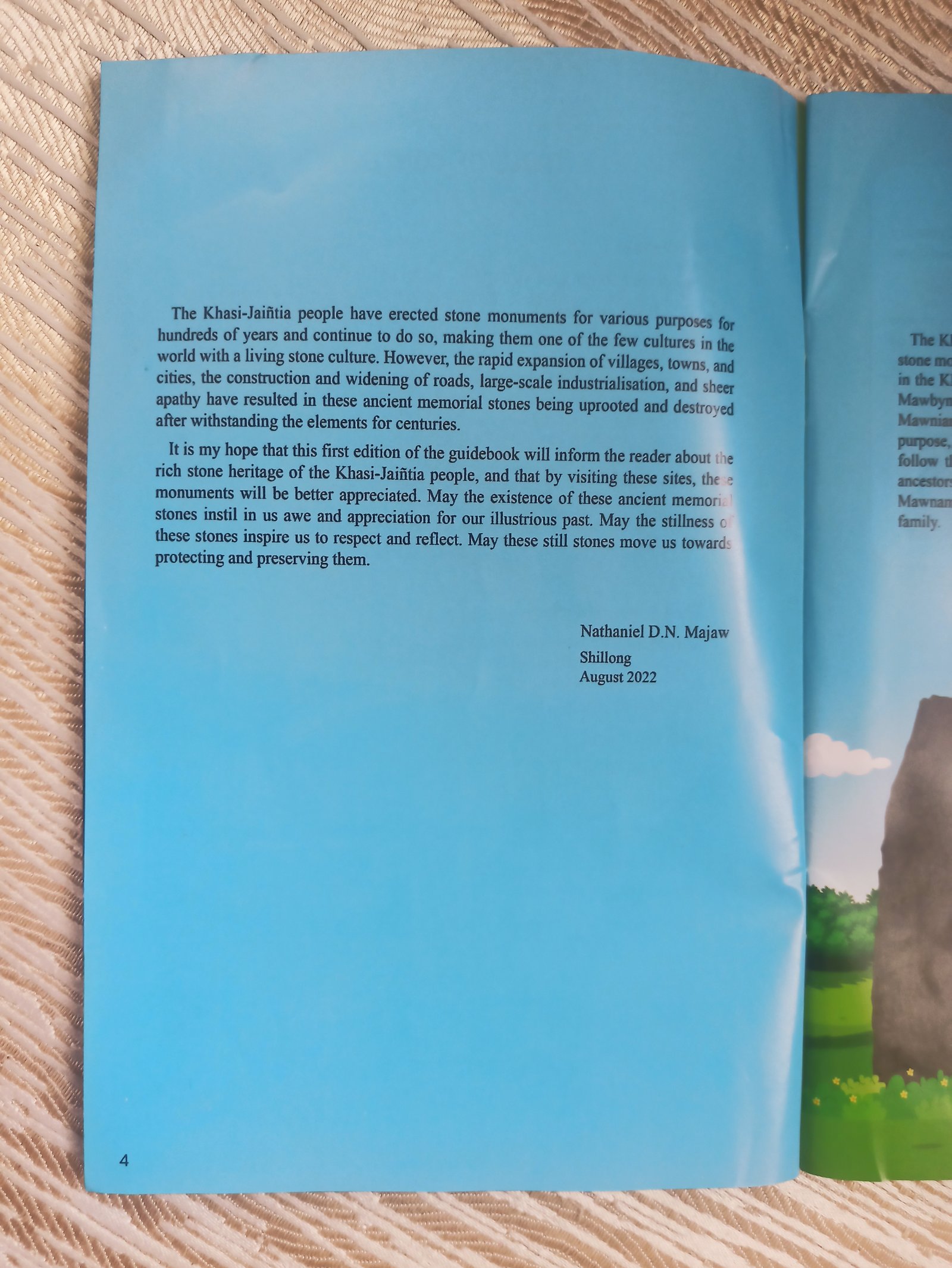
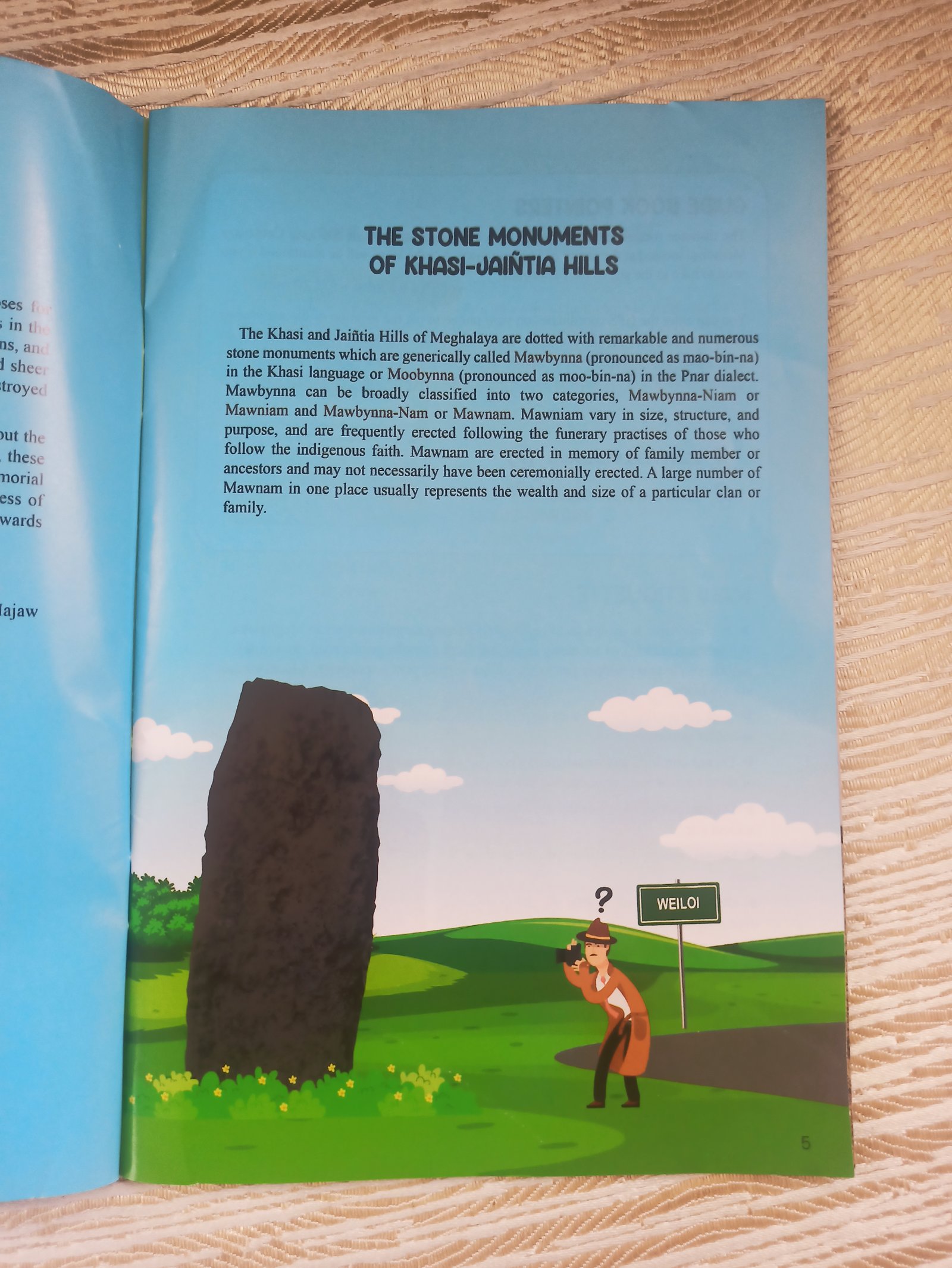
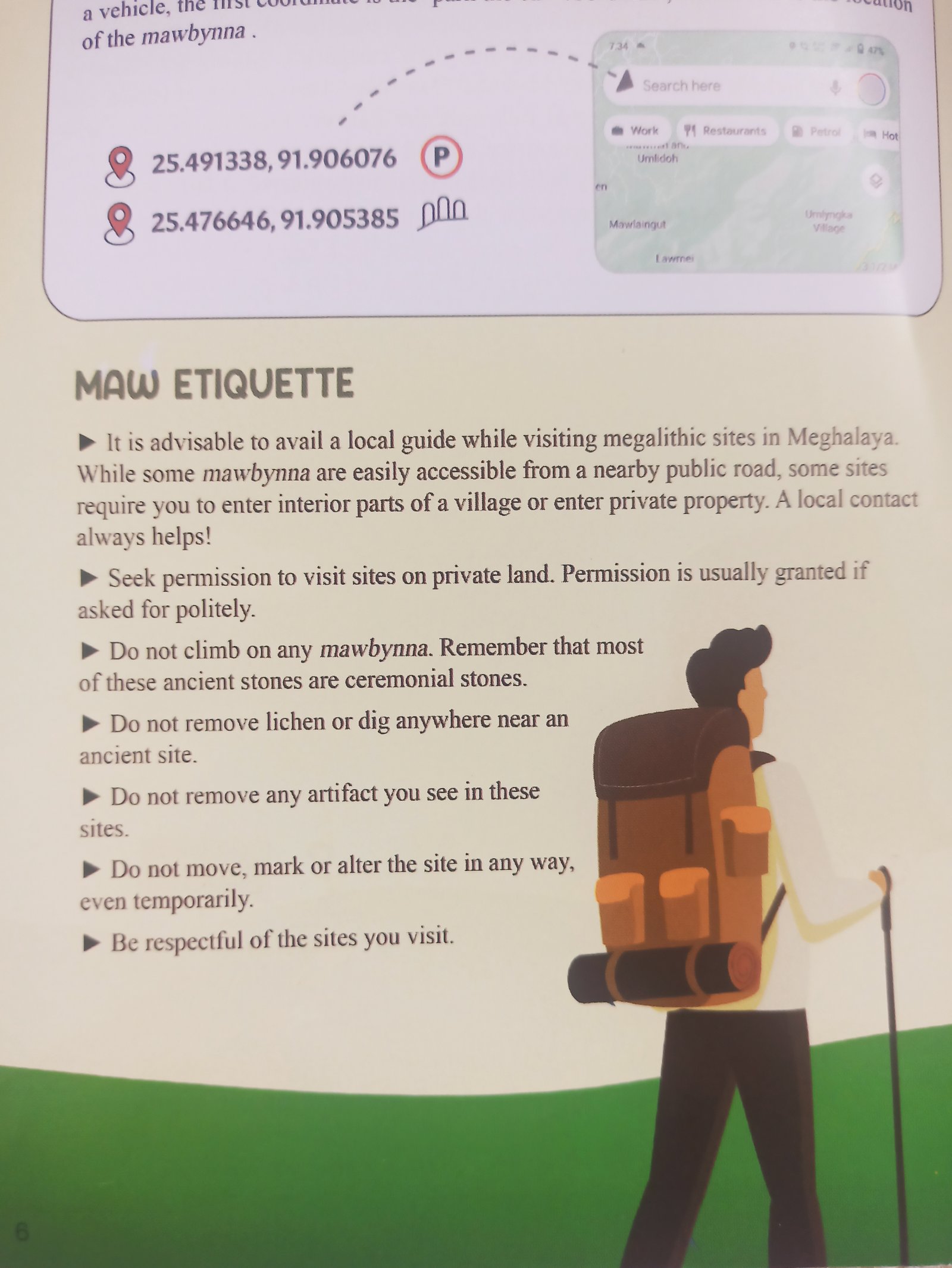
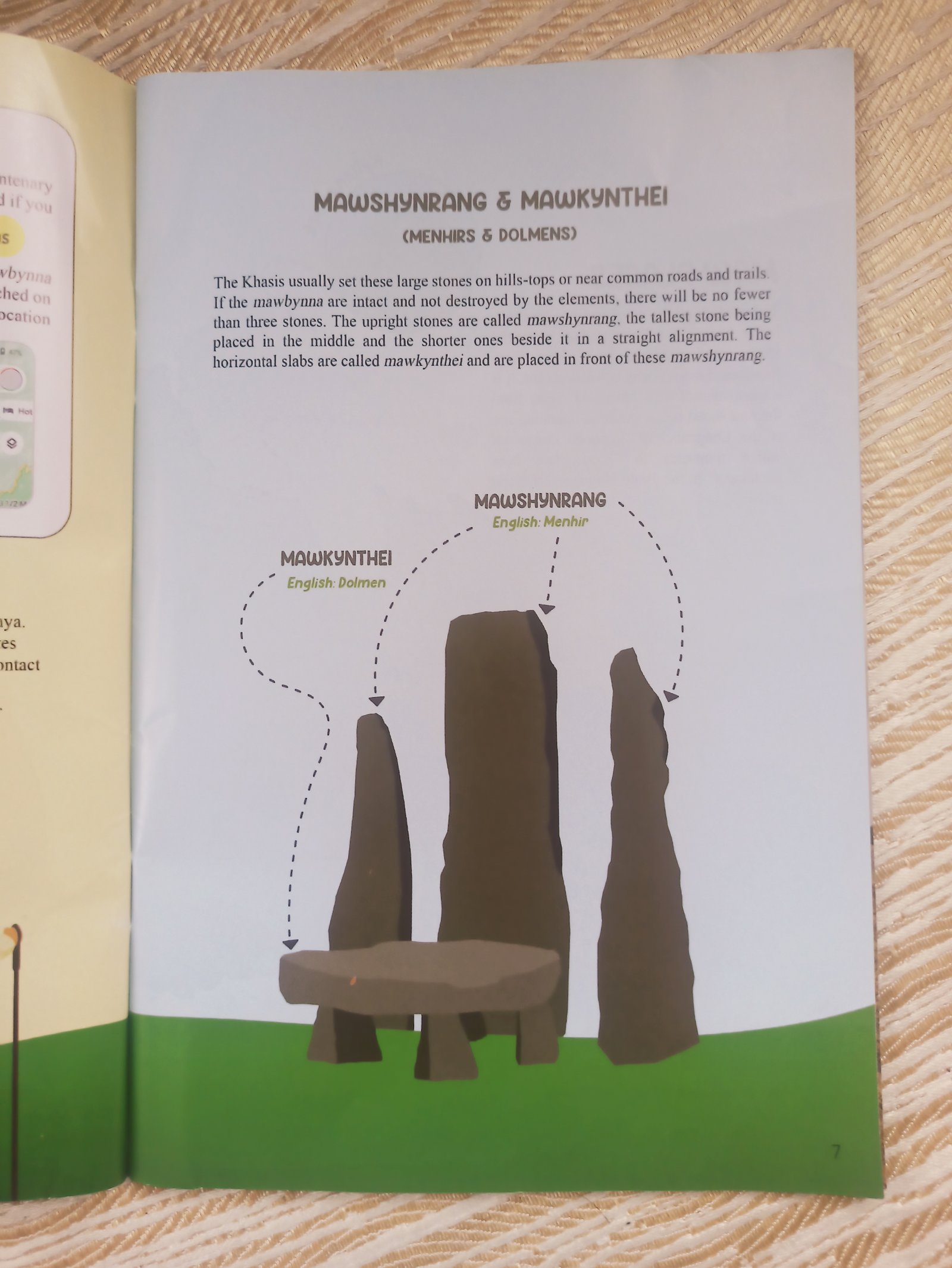
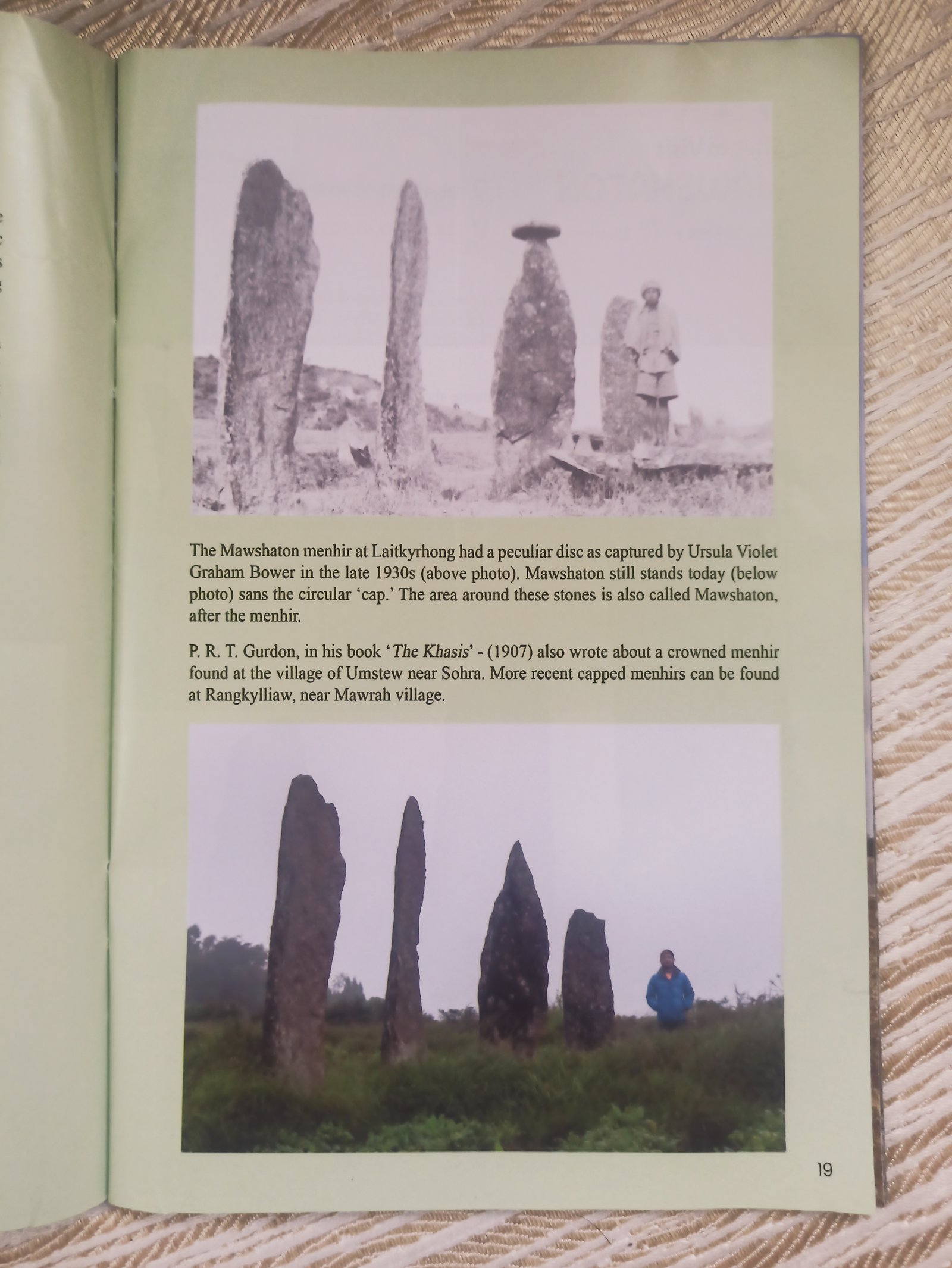
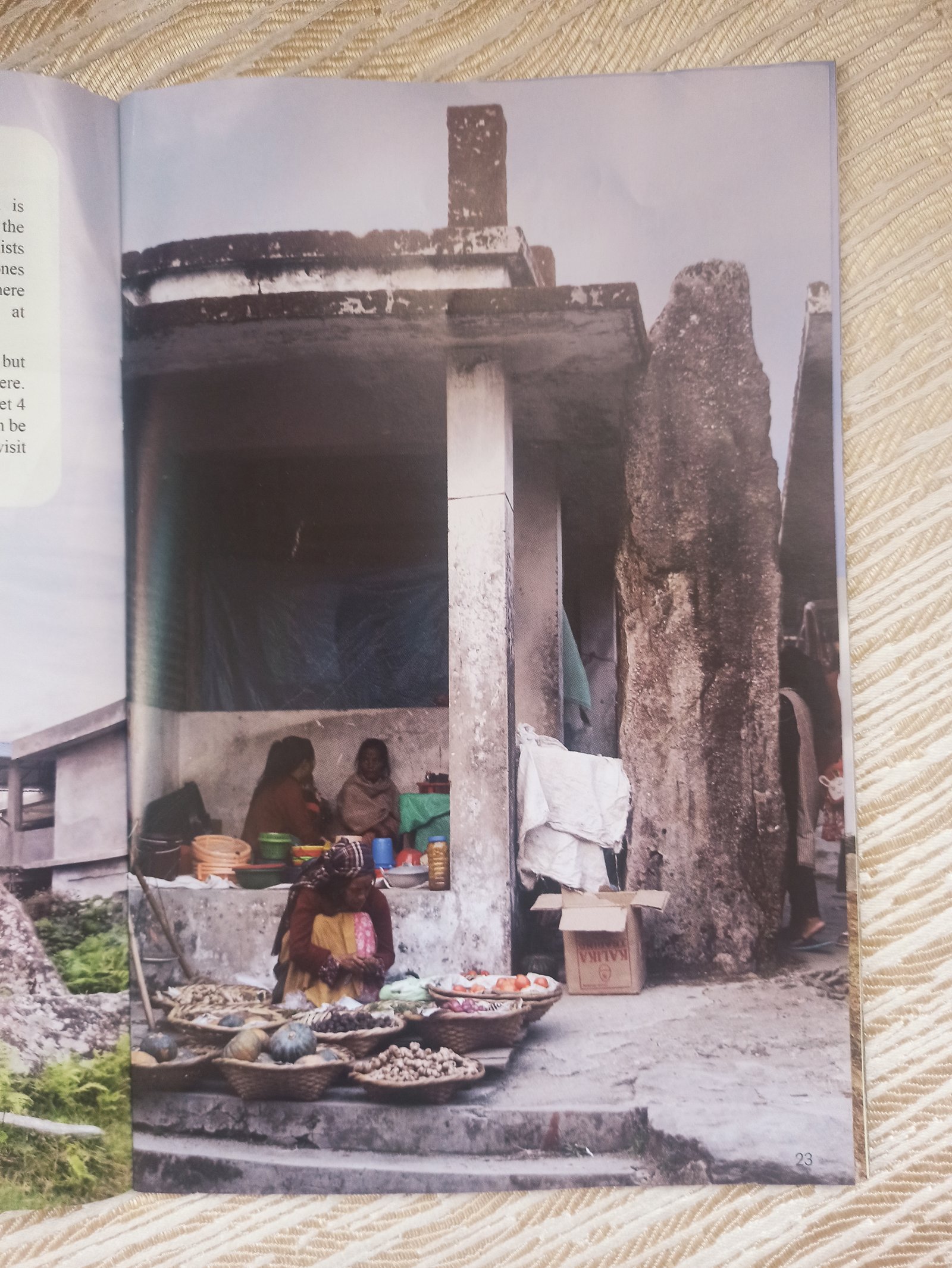
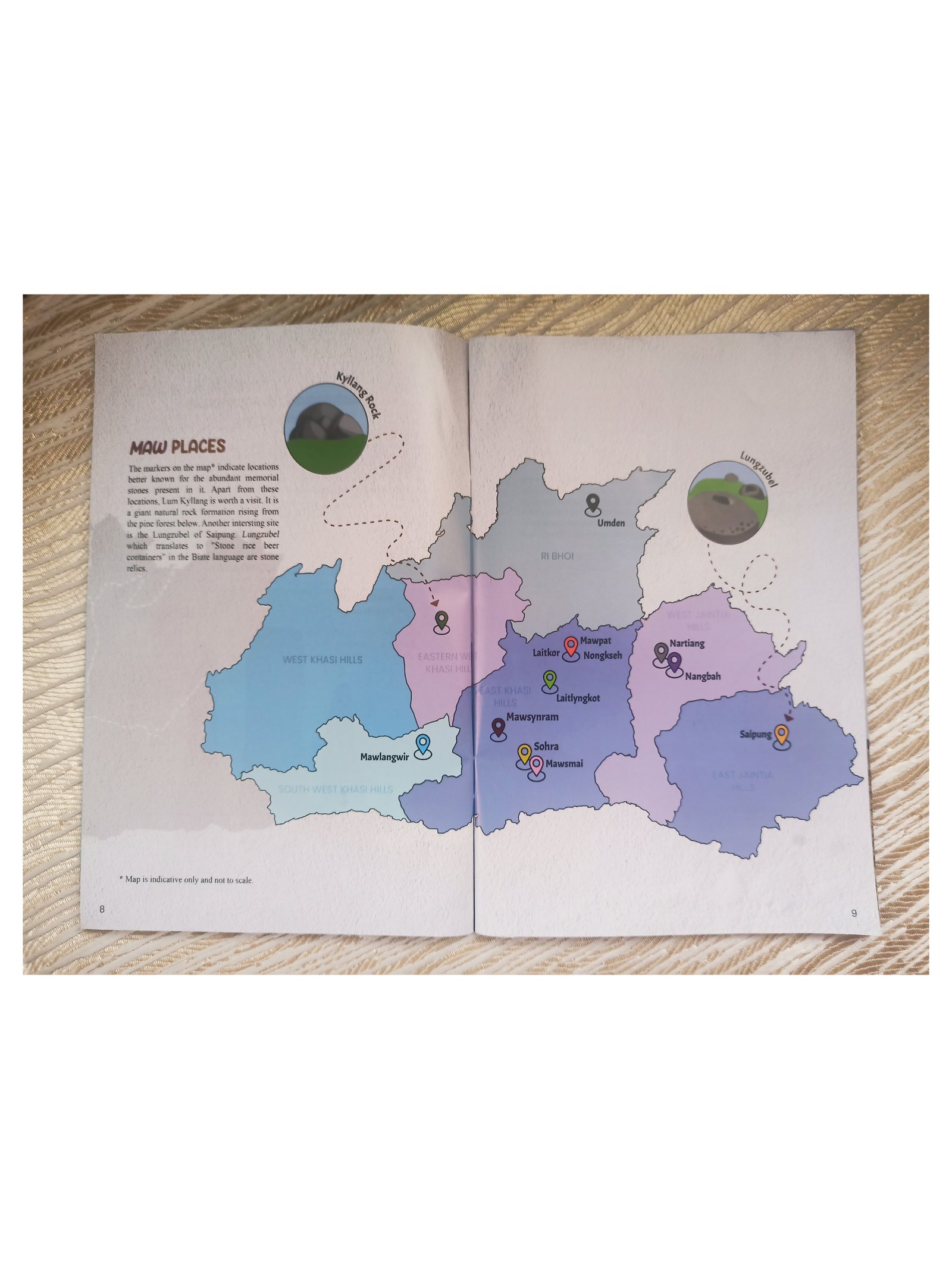
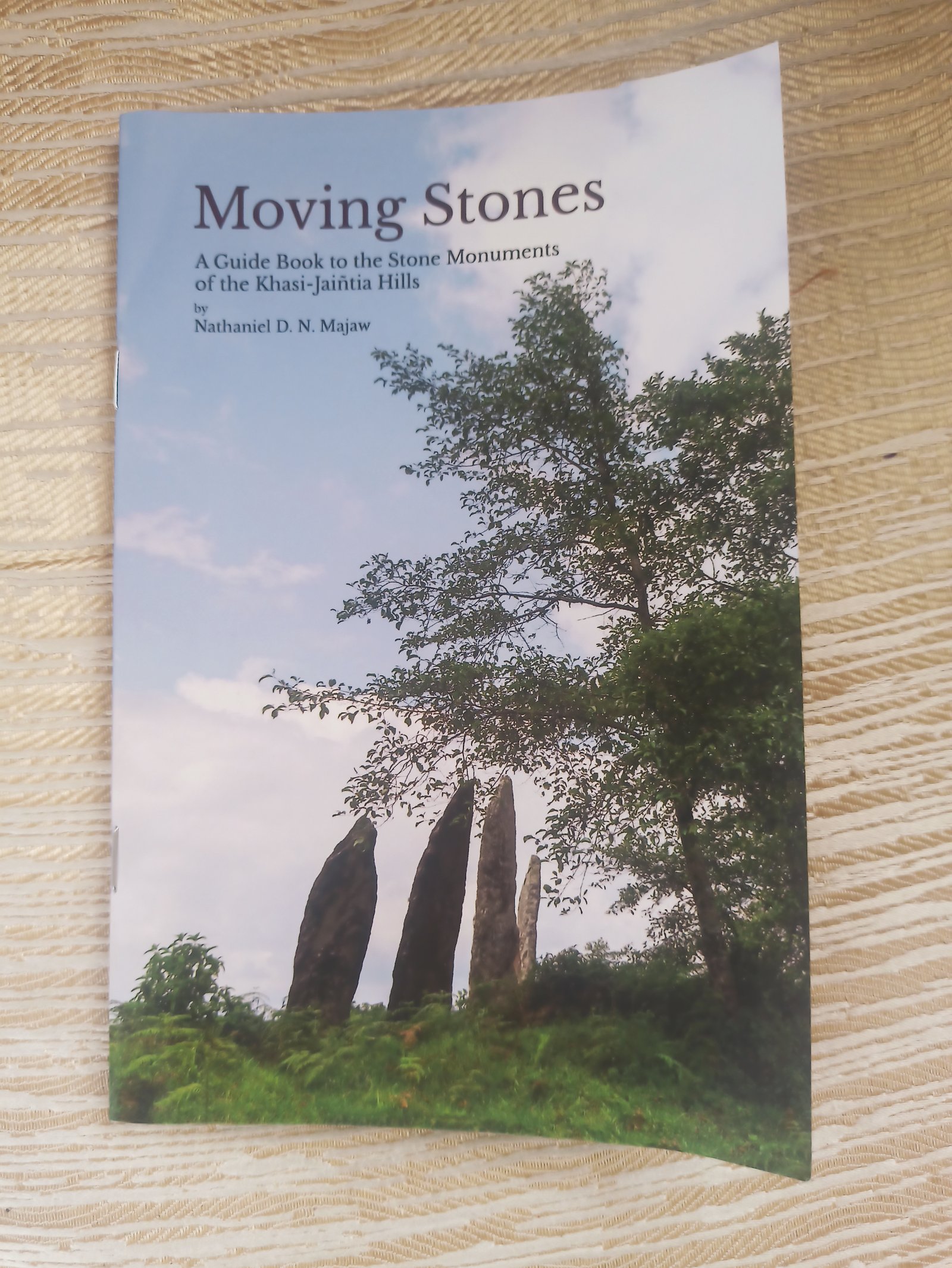
  • “Moving Stones: A Guide to the Stone Monuments of the Khasi-Jaiñtia Hills” by Nathaniel Majaw

    These are some snippets from Moving Stones: A Guide to the Stone Monuments of the Khasi and Jaiñtia Hills by @nathanielmajaw 🏞️🌲🪨Congratulations on your book!

    This is a handy book to have for anyone who wants to explore the varieties of mawbynna, that are etched into our history and culture.

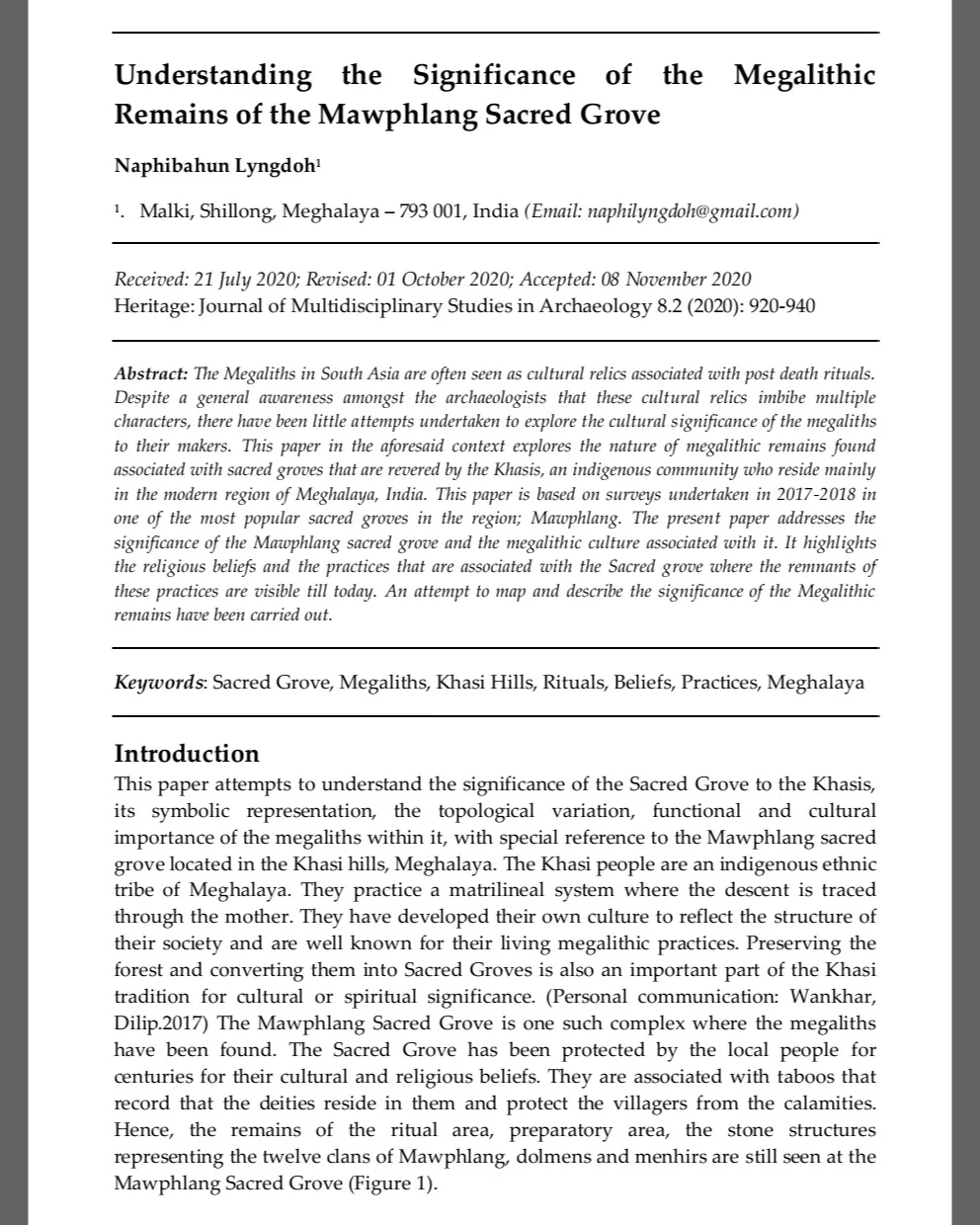
  • Understanding the Significance of the Megalithic Remains of the Mawphlang Sacred Grove by N. Lyngdoh

    The research article by @naphi_lyngdoh entitled:
    "Understanding the Significance of the Megalithic Remains of the Mawphlang Sacred Grove" has been published in Heritage: Journal of Multidisciplinary Studies in Archaeology 8.2 (2020): 920-940 📝⛏️⚒️📏

    🟡 Please click on the link below to read the research article

    http://www.heritageuniversityofkerala.com/CurrentIssue.aspx?VID=82

    🟡 No part of this article may be reproduced in any form without the consent of the author. If used for citing in research, proper acknowledgement and citation which is accepted should be adhered to. All material for this content has been researched by @naphi_lyngdoh

    The article is a wonderful and interesting read on the megalith culture of the world famous Mawphlang Sacred Grove. Congratulations on your hard work. We wish you more success in the future! 👏👏

    Ngi sngew kmen bad sngew sarong ba ki khun samla jong ngi ki la khih la ksar ban nang pynïar ïa ka jingtip shaphang ka histori bad ka jymbriew la jong 😄🙏

    Naphibahun Lyngdoh is continuing with her research and work. She has completed her Master's in Archaeology and Bachelor's in History. Naphibahun is an alumna of St. Mary's College, Shillong, Meghalaya.

  • “Ki Mawbah”

    "KI MAWBAH"

    AN EXCERPT FROM KI DIENJAT JONG KI LONGSHUWA" FROM THE CHAPTER

    KI MAWBYNNA, KI MAWNIAM BAD KI KOR

    WRITTEN BY REV. FR. J. BACCHIARELLO, S.D.B.1974.

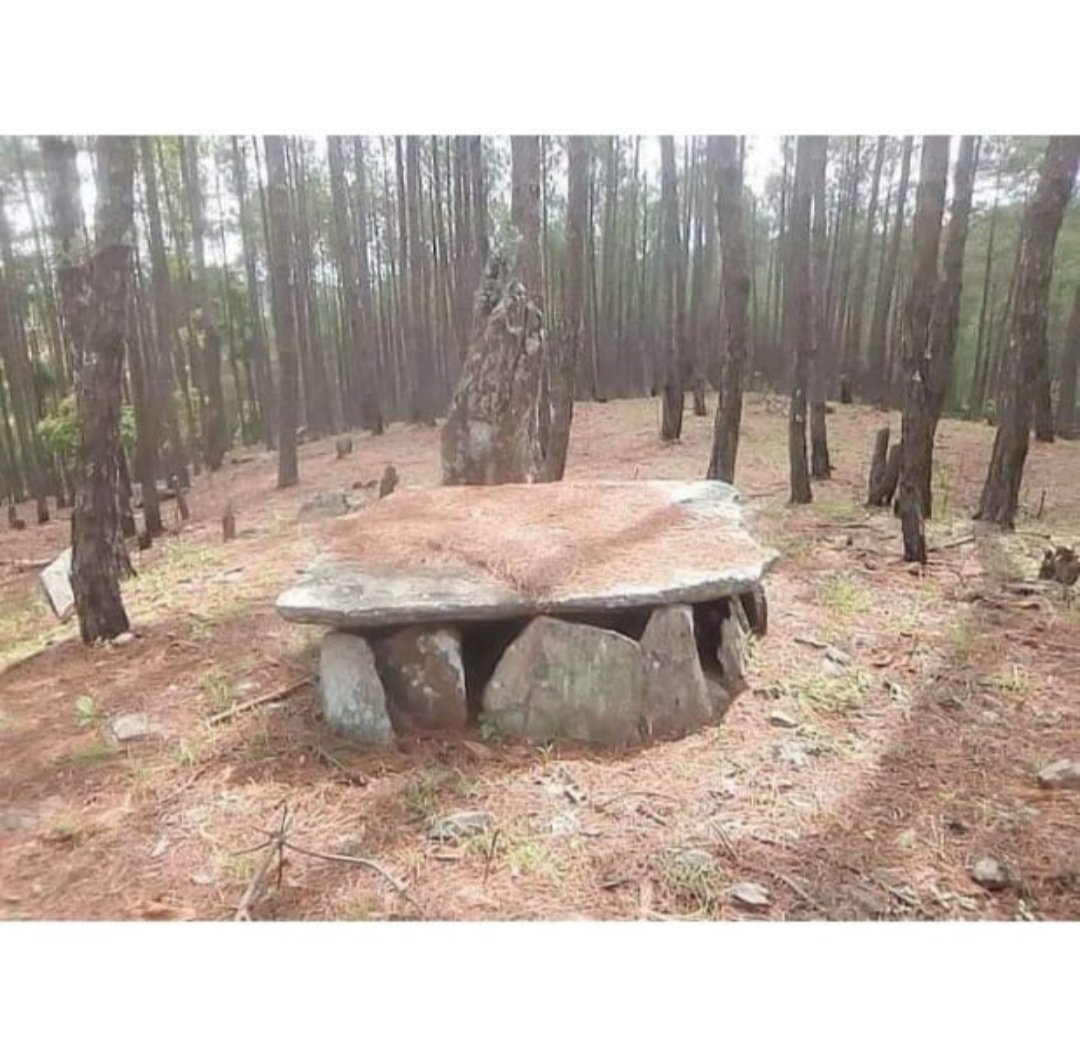
    Ki mawbah ki long ki mawthep shyieng jong ka kur, shisien lano, haba kata ka kur ka sngewdonbor. Ka jingheh jong u mawbah ka long kat kum ka jingheh jong ka kur. La ker kut baroh sawdong da ki maw, bad la tap na jrong da uwei u mawlyngknep ba la shah pynbiang sbak. Ïa ki mawbah ym ju don ba nud leh dusmon, namar ki Khasi ki burom bha ïa ki nongïap. Nalor kata ki tieng artat ïa ka snaïap ne ïa ki 'suidïap ba ki ju khot.

    "Mawbah" are stones that are erected as bone chambers of a clan, when the clan deems it suitable or possible to do so. The size of "Mawbah" is decided according to the size of the clan. Smaller stones form a surrounding circle which are then covered by a bigger flat stone called "u mawlyngknep", which is properly fitted as a cover. No one vandalises "Mawbah" because Khasis respect their dead and also because of the belief in spirits and ghosts.

    "Ki Mawbah" serve a significant purpose in Khasi belief 🙏🕯️ Khublei Shibun @sooki65 for sending this excerpt! 😄

    Photo credit: @sooki65
    Location: Nartiang

    English translation by @speakyourroots
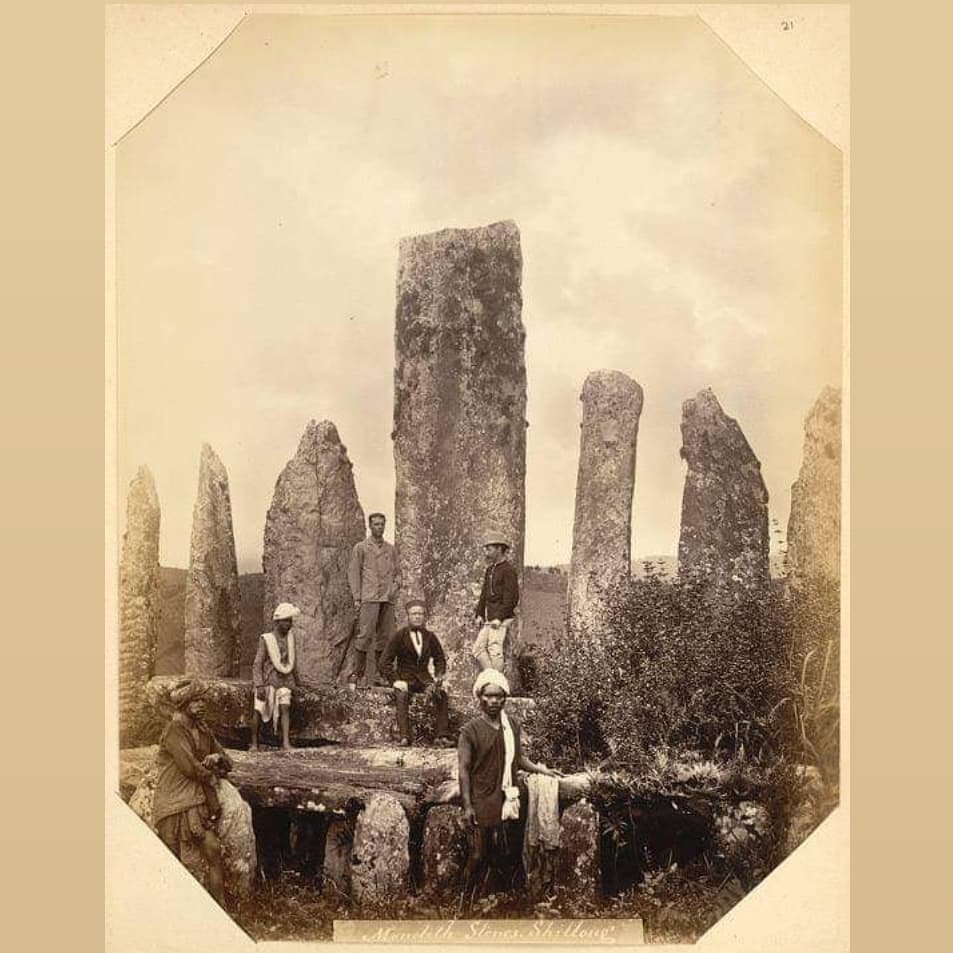
  • “Monolith Stones Shillong” as shown in Jean Baptiste Oscar Mallitte’s 1870s photograph

    Nathaniel Majaw says:

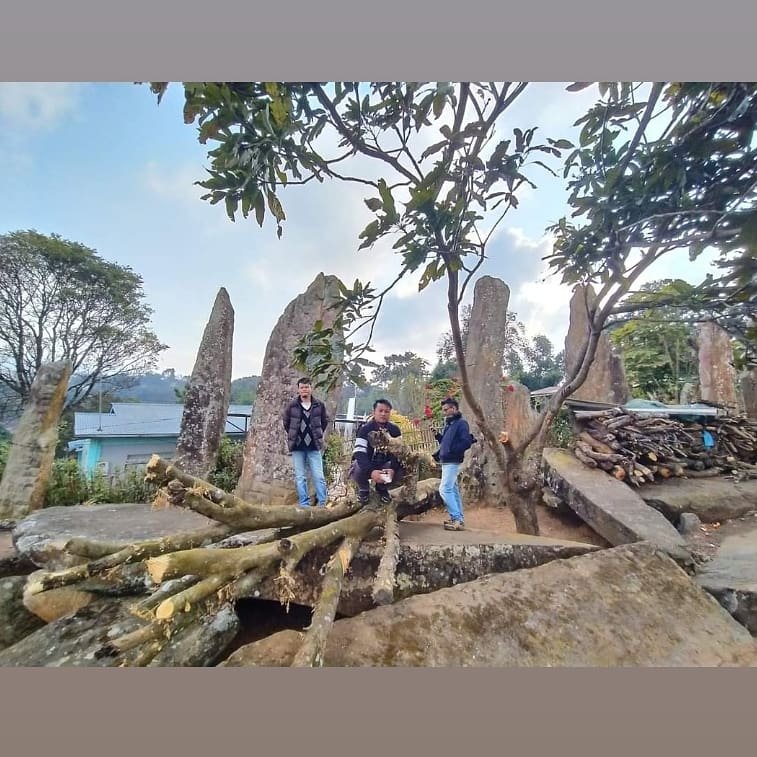
    We finally located the magnificent stones as shown in Jean Baptiste Oscar Mallitte's 1870s photo "Monolith Stones Shillong". These memorial stones are tucked away in a quaint property in the beautiful and peaceful Nongkseh Rim.

    The Khasi "Mawbynna" or monoliths/ megaliths are markers of history, culture, tradition and religion. Writers see language and literature emanate from them; indeed they are a repository of the past, present and future.

    Many monoliths and megaliths were destroyed in the great Assam earthquake of 12th June 1897. Thus, it is such a great joy to find these structures still standing after so many years.

    Congratulations to @nathanielmajaw and his team on finding these particular megaliths. 👋👋👋 These pictures were posted on Twitter on the 4th of February 2021. Thank you for giving permission to post these pictures! 🙏🙏🙏

  • “Mawbynna” by Esther Syiem

    You appear

    to have withstood

    time’s duress

    as you watch

    over a world

    of plastic clutter.

    Your sense of time

    is forbidding,

    but you keep intact

    our self respect.

    You have shut yourself

    in an aura

    that is yours alone.

    Your changelessness

    in flux

    is the only surety

    against the inquisition

    that assails you.

    You are the keeper

    of our past.

    Vertical guardians

    overseeing horizontal quiet –

    wayside offerings,

    arrested in a moment,

    away from passing history.

    Your commodity

    is your soul

    held still, in the

    imbroglio of time,

    as you provide

    shelter and rest

    for wayfarers,

    drawn by your etchings

    in their souls.

    This poem appears in Oral Scriptings: Poems by Esther Syiem (2005) published by Writers Workshop, Kolkata. Dr. Esther Syiem is a Professor in the Department of English, North-Eastern Hill University, Shillong.