Ki nongrep Khasi ki kheiñ ba don khatlai (13) bnai ha ka shi snem. Baroh ki bnai ki don arphew phra (28) sngi lait noh ha ka Snem Ryngkoh (leap year), kata man ka saw snem don arphew khyndai sngi ha u Rymphang. Ka kyrteng ki bnai ki long: U Kyllalyngkot ne Kyllalyngkhot, U Rymphang, U Lber bad U Pynram, U Ïaïong, U Jymmang, U Jylliew, U 'Naitung, U 'Nailur, U 'Nailar, U 'Nai-it, U Risaw, U 'Naiwieng bad U Nohprah. Baroh kitei ki bnai ki don la ka jong ka jong ka dor bad ka jingmut. Ki nongrep haba ki ai kyrteng ïa kitei ki bnai, ki don ka jingmut ban pynïadei ïa ka rukom rep bad ka mariang.
U Lber bad u Pynram
U Lber, u bnai uba lai jong ka snem, u dei u bnai pyrem. Ha une u bai don ar tylli ki kyrteng – u Lber bad u Pynram. Baroh ar kine ki kyrteng ki don mar khatsaw sngi; kata ka mut naduh ba mih haduh ba pyllun bnai u dei u Lber bad naduh ba pyllun bnai haduh ba sep bnai u dei u Pynram. Haba kheiñ lang ïa ki sngi jong u Lber bad Pynram ki long arphew phra. Ar taïew na ki-ka taïew kaba nyngkong bad ka taïew kaba ar, ki hap ha u Lber, bad ar taïew pat, uba lai bad uba saw, ki hap ha u Pynram. Baroh saw tylli ki taïew ki ïaryngkat sngi kawei ïa kawei pat.
U 'Nai-it
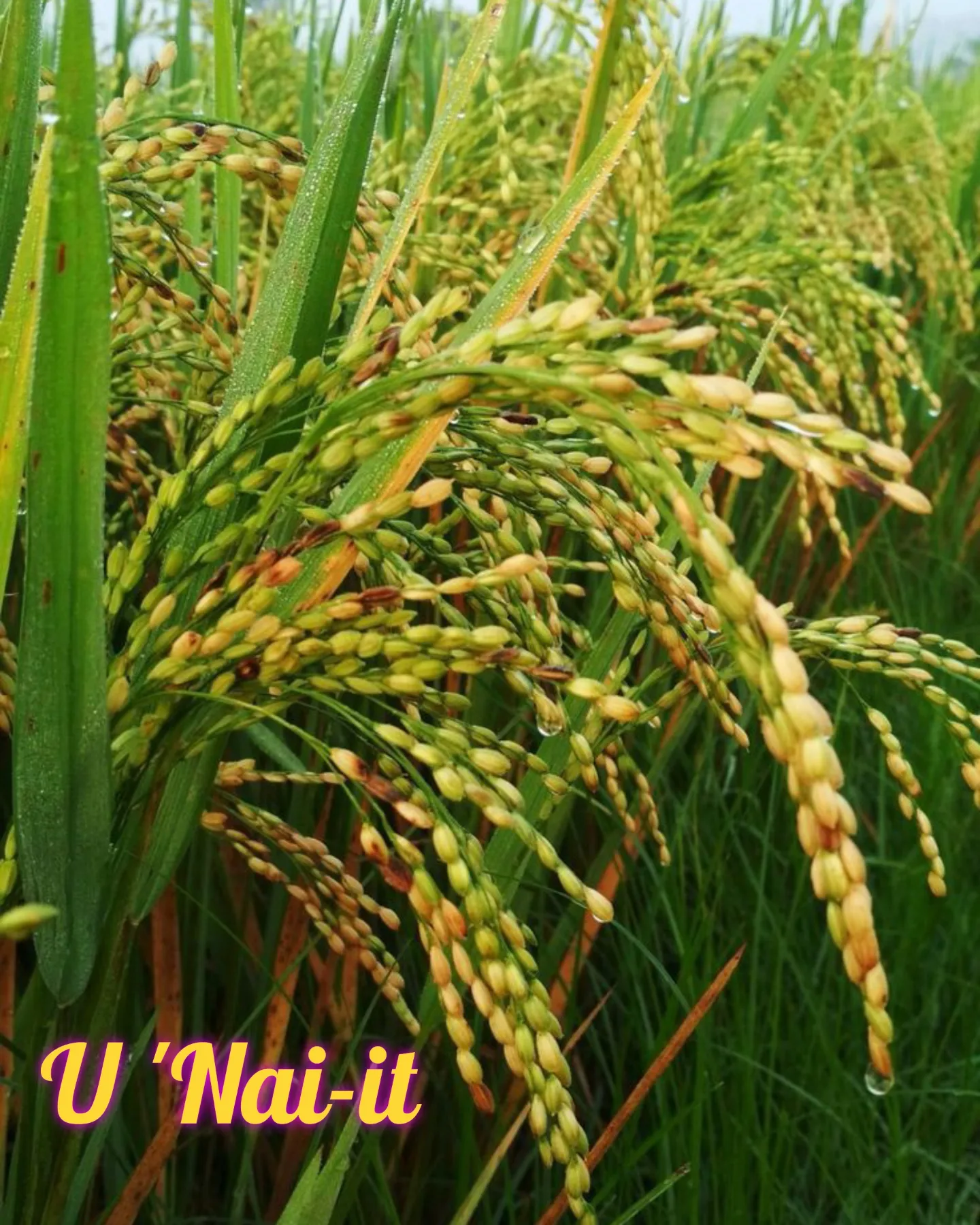
U 'Nai-it u dei u bnai uba shiphew jong ka snem, u dei u bnai uba ar jong ka Synrai. Une u bnai u don saw taïew lane arphew phra sngi. Une u bnai u wan long kyrteng na ka jingpah u kbeit bad kiwei pat ki jait sim kiba her ha suiñ bneng. Ha une u bnai haba u kbeit u swait ha suiñ bneng ban kem sim ne kem khnai u ju pah "it it-it it". U long u bnai ba ki sim laiphew jait ki sngewtynnat ban her suwari ha suiñ bneng ban kem khnai ne khñiang. Baroh ki jait khñiang, ki dkhiew bad kiwei pat ki kynja ba im ki sngewtynnat ban paw pyrthei ha une u bnai. Ki ïa mih na la ki jong ki jong ki trep ban ïalehkai bad rynsied sngewbha ha sla khyndew namar ka bneng ka la rang itynnat bad u kba u la sang saw doh.
Khasi farmers calculate that there are thirteen (13) months in a year. All the months have 28 days except for a leap year. The names of the months are: U Kyllalyngkot or Kyllalyngkhot, U Rymphang, U Lber bad U Pynram, U Ïaïong , U Jymmang, U Jylliew, U 'Naitung, U 'Nailur, U 'Nailar, U 'Nai-it, U Risaw, U 'Naiwieng and U Nohprah. All these months have their own value and meaning. When farmers give names to these months, there is a connection between agricultural activities and the environment.
U Lber and U Pynram
U Lber (which may be March) is the third month of the year which is a Spring (Pyrem) month. In this month there are two names – U Lber and U Pynram. Both have fourteen days each; meaning from the new moon to the full moon is U Lber and from the full moon to the waning crescent is U Pynram. When calculated the total number of days is twenty-eight. The first two weeks belong to U Lber and the third and last weeks belong to U Pynram. All four weeks follow the same day pattern.
U 'Nai-it
U 'Nai-it is the tenth month of the year and it is the second month of Autumn. This month has four weeks or twenty-eight days. This month gets its name from the chirping of a bird called u kbeit (which the Khasi dictionary calls "a kind of hawk") and other kinds of birds. During this month u kbeit while hunting smaller birds and rats makes an "it it-it it" sound. Different types of birds go around flying everywhere during this month to hunt rats and insects. Many kinds of insects, ants and others like to emerge during this time. Animals and insects enjoy this time of the year as the weather is sunny and paddy also begins to redden.
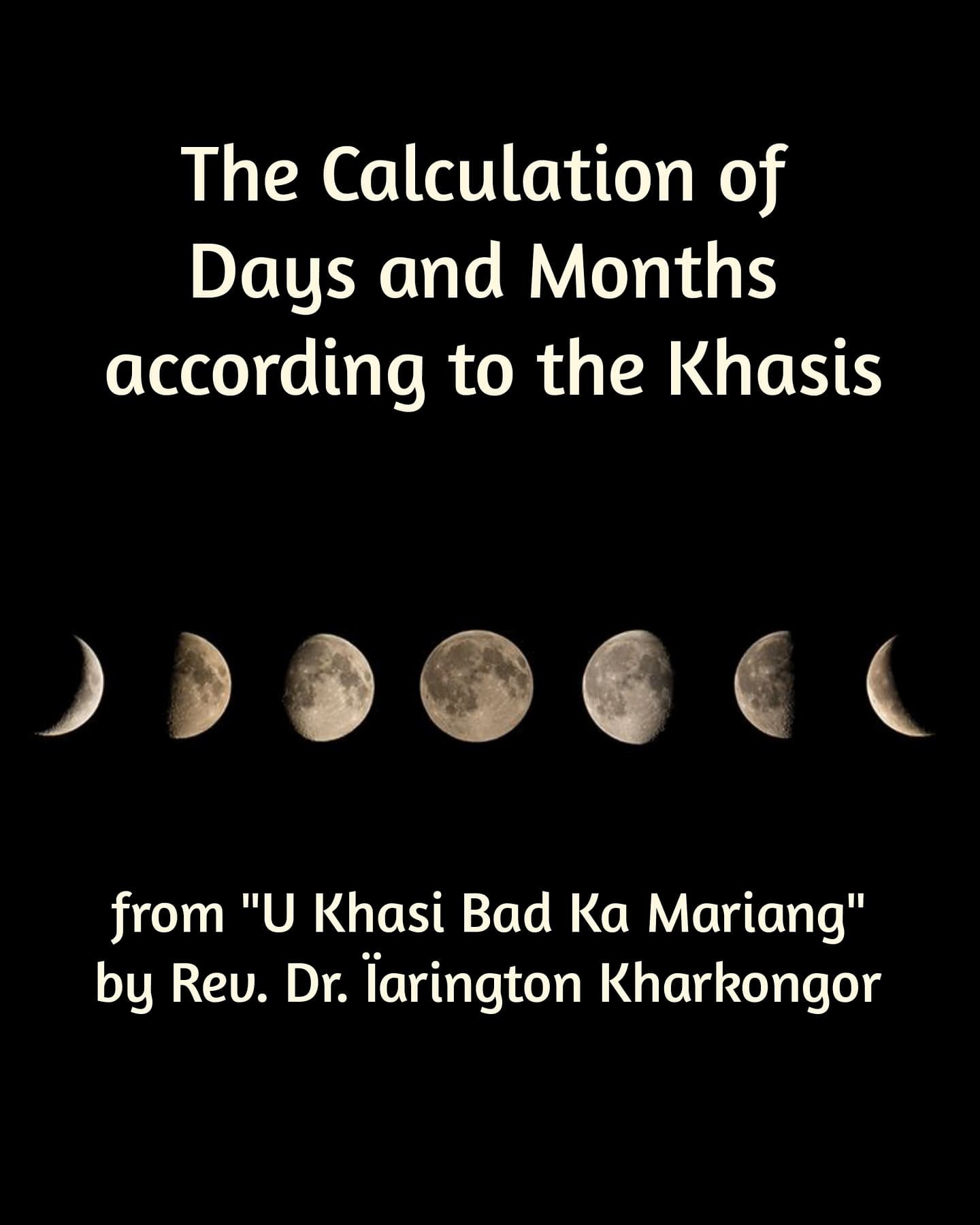
The Khasi way of calculating the number of months is very interesting! 😀😀 It goes hand in hand with the phases of the moon 🌕🌓🌔🌖🌘
🟡 English translation by @speakyourroots