Tag: northeastindia

  • Nongwar village

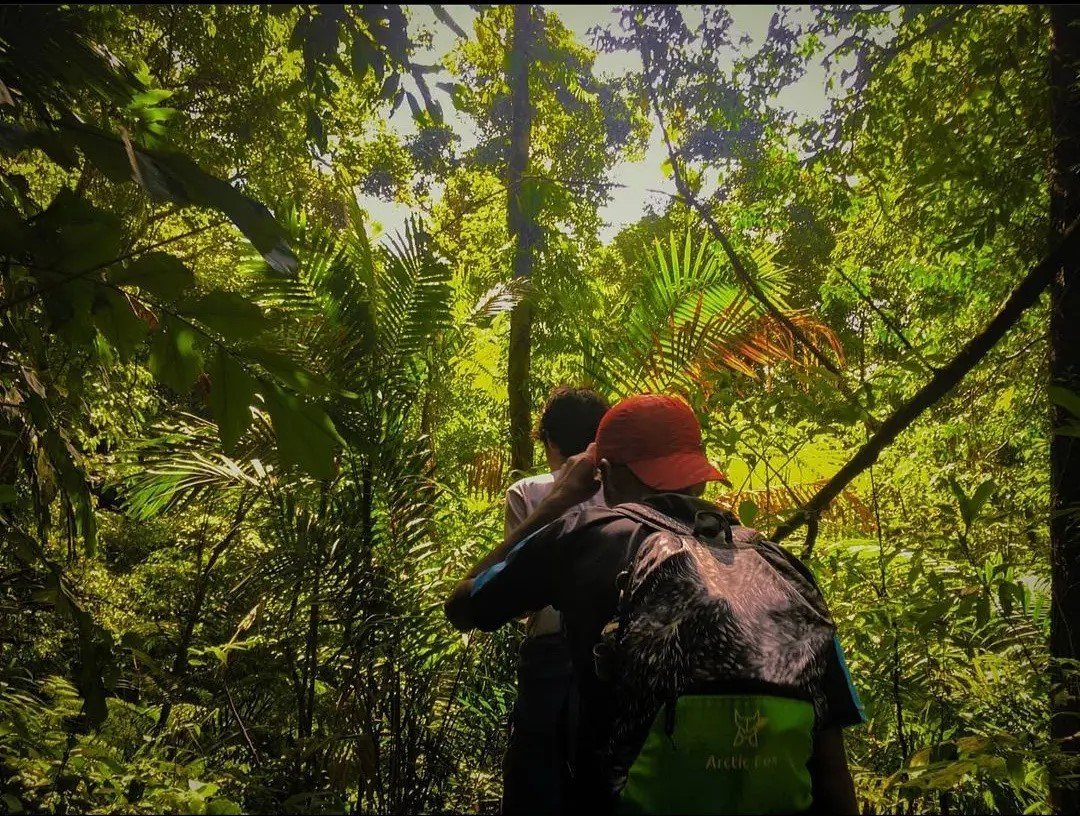
    These pictures of Nongwar village have been sent by @dapp_theguyfromthehills 😀😀😀🌄🌄 Thank you for sending your beautiful pictures!

    Before we travel the world, let's travel our own homeland!

    @dapp_theguyfromthehills says "Nongwar is situated 18 kilometres from the Sub-district headquarter of Shella Bholaganj. The village has a population of 750 people and about 301 houses. Nongwar is surrounded by hills on three sides. The hills of Mawsynram and Nongtrai and the plains of Bangladesh can clearly be seen from the village."

  • “Ka Um Bad Ki Deiriti Ha Ka Meirisawkun” (Water and Culture In the Environment) (Volume II, 2008)

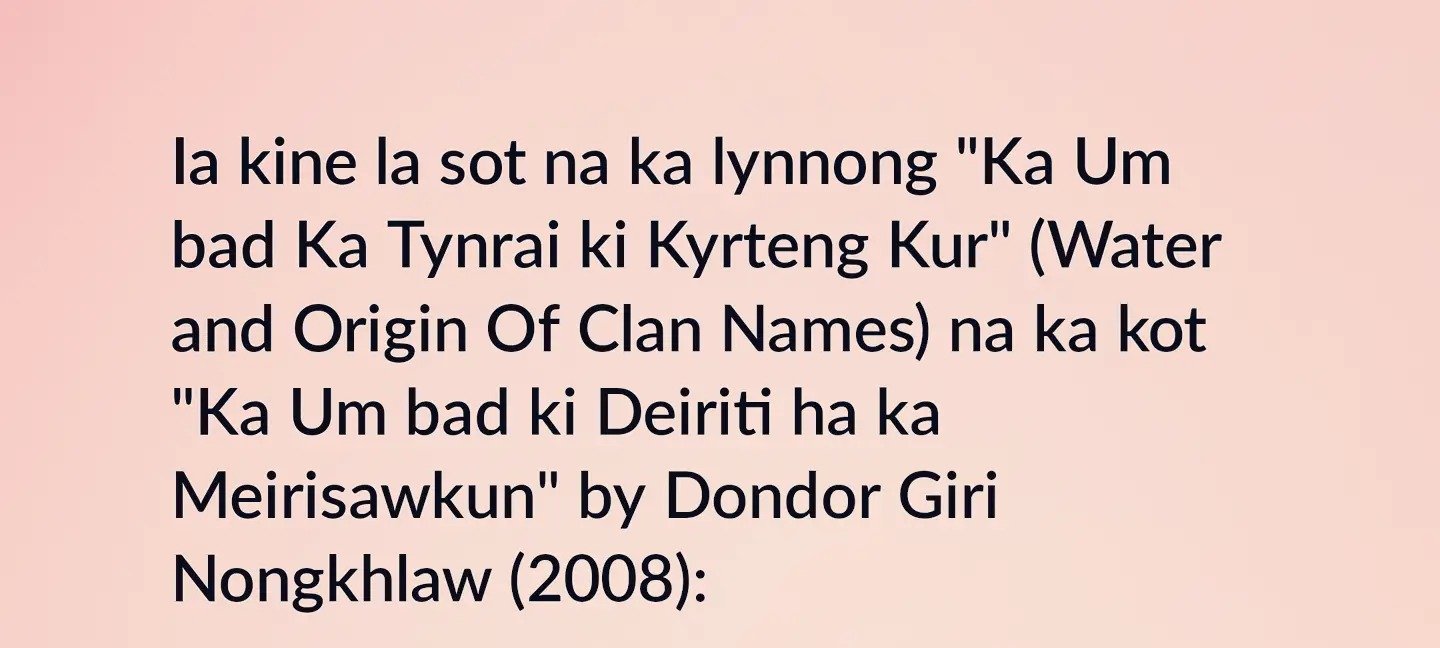
    Ïa kine la sot na ka lynnong "Ka Um bad Ka Tynrai ki Kyrteng Kur" (Water and Origin Of Clan Names) na ka kot Ka Um bad ki Deiriti ha ka Meirisawkun by Dondor Giri Nongkhlaw (2008):

    Katkum u Spiton Kharakor (1981) ha ka kot jong u "Ki Khun ki Ksiew a Hynñiewtrep" la shem ba don ki kur ba la ïoh kyrteng na ka um, ka wah, ka myn bad ka am.

    Ki kur ba la sdang da ka 'um' na khmat ki don khadlai kur bad kine ki long ka kur Umbah, Umblah, Umdong, Umdoh, Umdor, Umdung, Umyiap, Umladkur, Umlong, Umsong, Umsohbar, Umthlu bad Umwai.

    Ki kur ba la sdang da ka ktien 'wah' ki don khaddar kur bad kine ki long ka kur Wahksi, Wahksing, Wahlang, Wahlang mawleiñ, Wahlang pahsyntiew, Wahlang ryntathiang, Wahrait, Wahrih, Wahrit, Wahshah, Wahshrieh bad Wahspeh.

    Ki kur ba la sang da ka 'am' na khmat ki don shiphew kur bad kine ki long ka kur Amkhlaw, Amkhlow, Amksang, Amkoi, Amded, Amdep, Amora, Amse bad Amwai.

    Nangta sa ki kur ba sang da ka 'myn' ki don jin haduh arphew hynñiew kur bad kine ki long ka kur Mynbah, Mynbon, Mynkseh, Mynieng, Mynjar, Mynnar, Myniar, Mynrap, Mynriang, Mynrieng, Mynriem, Mynring, Mynsang, Mynskut, Mynsni, Mynso, Mynso-shangpung, Mynsong, Myntdu, Mynteng, Mynthang, Mynthliang, Mynthlong, Mynthlu, Mynthong, Mynthui bad Myntlang.

    Ban sngewthuh ïa kane ka jingïasnoh ka kyrteng kur bad ki jnit ka mariang bad ruh bad ki deiriti ngin ïa shim tang kawei ar tylli ki kur kum ka nuksa.Tharai, lada ngi shim da ka kur Amkhlaw, Umyiap, Wahksing bad Mynthlong ka biang ban ïa batai bad pyni nia.

    Kat kum ka tyllong kyntien ka kur Amkhlaw ka long ka kyntien ba la oh na ka 'am' bad 'khlaw'. Kane ka pyni ba ka kur ka don jingïadei bad ka um bad ka khlaw. Baroh ar, ka um ne am bad khlaw, ki dei ki jnit ka meirisawkun, kaba mut, lehse, ba ka kur Amkhlaw ka long ka kur kaba la buhai nyngkong ha ka jaka ba jan ka um bad ka khlaw.

    Ka kur Umyiap, katkum ka tyllong kyntien, ka thew ka um bad u shyiap kiba baroh ar ki long ki jnit ka meirisawkun, ha kaba lah ban long ba kine ki kur ki la buhai nyngkong ha ki jaka ba don ka um bad u shyiap.

    Nangta, ka kur Wahksing, katkum ka tyllong kyntien, ka long ka kur ba la ïoh kyrteng na ka wah bad ka ksing. Hangne, ka wah ka long ka jnit jong ka meirisawkun, katba ksing pat ka dei ka bynta jong ka deiriti. Kumta kane ka kur ka la oh kyrteng kur na ka wah bad ka ksing. Hangne ksing ka thew ïa ka deiriti put deiriti tem.

    Nangta ka kur Mynthlong, ka pyni ba ka kur ka long kaba pyndonkam um, kaba pyndonkam thlong ruh. Hangne thlong ka thew ïa ka deiriti dung kum ka dung kba, dungnei, dungsoh bad ter ter. Namarkata ngi donkam ban nang ïaleh ban wad ban thud ïa ki kyrteng, ïa ki jingmut bad thymmei ki kyrteng kur.

    The following is taken from the chapter entitled "Ka Um bad ka Tynrai Ki Kyrteng Kur" (Water and Origin of Clan Names) from the book Ka Um bad ki Deiriti ha ka Meirisawkun by Donor Giri Nongkhlaw (2008).

    Nongkhlaw cites Spiton Kharakor (1981) from his book Ki Khun Ki Ksiew u Hynñiewtrep where he discusses how some clans received their names from the words "um", "wah", "myn" bad "am".

    The clan names that start with the word "um" are 13 in number and some of them are Umbah, Umsong, Umyiap and Umthlu.

    The clan names that start with the word "wah" are 12 in number and some of them are Wahlang, Wahrait, Wahshrieh and Wahksing.

    The clan names that start with the word "am" are 10 in number and some of them are Amkhlaw, Amkoi, Amdep and Amksang.

    Finally, the clan names that start with the word "myn" are 27 in number and some of them are Mynring, Mynsong, Mynrieng and Mynthlong.

    To understand the connection between the clan name and the elements of nature, Nongkhlaw looks at four clans to discuss this.

    The clan name Amkhlaw comes from the words "am" and "khlaw". This shows that this clan must have settled near "um" or "am" which is water and "khlaw" which is forest.

    The clan name Umyiap refers to "um" that is water and "shyiap" which is sand. This shows that the clan must have settled in a place which has water and sand.

    The clan name Wahksing comes from the words "wah" which means river and "ksing" which means drum. "Wah" is connected to the environment and "ksing" is related to the tradition of music.

    Finally, the clan name Mynthlong comes from the words "myn" which is connected to the use of water and "thlong" which is the traditional mortar for pounding and grinding used by the Khasis. The mortar is a symbol for the traditions of pounding rice, sesame seeds, fruits and others.

    Ka Um Bad Ki Deiriti Ha Ka Meirisawkun (Water and Culture On the Environment)(Volume II, 2008) by Dondor Giri Nongkhlaw is such an interesting book with great information on the intrinsic value of water and the environment to Khasis! 🌅🌅

    🟡 English translation by @speakyourroots

  • Ka Huleng

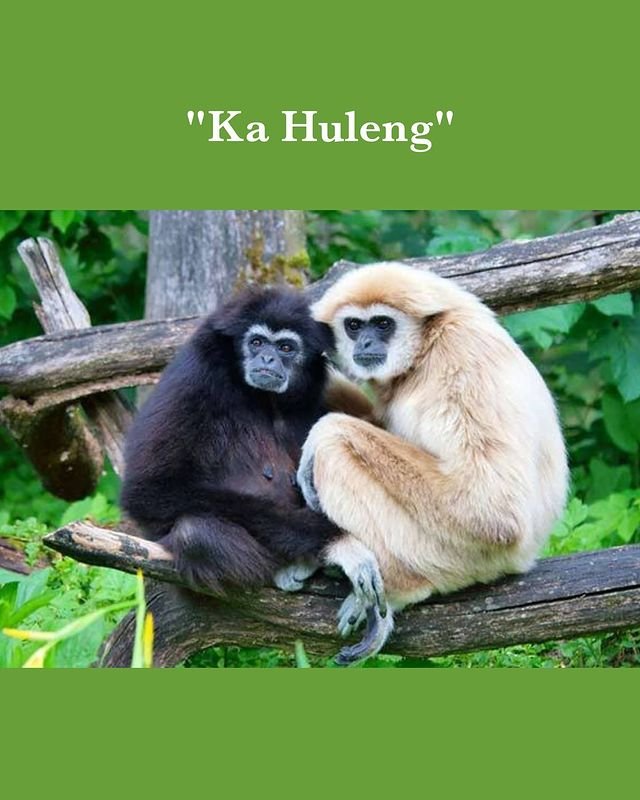
    The village of Phlangwanbroi which is located in Mawsynram, Tehsil, of East Khasi Hills District, Meghalaya is home to the Western Hoolock Gibbon or what we call "Ka Huleng" in Khasi. Hoolocks are three primate species of genus Hoolock in the Gibbon family, Hylobatidae, native to eastern Bangladesh, Northeast India, Myanmar, and Southwest China. Hoolock gibbons are India's lone ape species. They are both rare and endangered, found only in the forests of Northeast India.

    Phlangwanbroi, four neighbouring villages and an adjoining community forest make up the Khasi native state of Hima Malai Sohmat, one of 25 traditionally ruled Khasi enclaves in Meghalaya that are formally recognised by the Indian Constitution. The 40-sq-km community forest of Hima Malai Sohmat has been home to western hoolock gibbons since "time immemorial", villagers say. The males are black with white brows, while the females have a copper-brown fur, which is darker at the chest and neck. White rings around their eyes and mouths give their faces a mask-like appearance.

    With long and slender arms, hoolock gibbons are swift creatures, swinging from tree to tree at speeds upto 55 km/hr, covering upto six meters in just one swing! Hoolocks are famous for their emotive call that echoes across the forest which is used to attract mates. In Phlangwanbroi, the morning starts with the melodious series of whoops, hoots and tones of "Ka Huleng" that rise in a crescendo. The residents refer to it as "jingrwai huleng" – the hoolock gibbon's song. There is a local saying that as long as you hear the gibbon's song, you are within the boundary of Hima Malai Sohmat.

    "Ka Huleng" or the Western Hoolock Gibbon is found in the village of Phlangwanbroi, Mawsynram, Tehsil in East Khasi Hills District. This is the only ape species in India and we are extremely lucky to have it in our state. 😃😃

    Sources:

    https://www.google.co.in/amp/s/amp.scroll.in/article 926439in-meghalaya-tribal-communities-join-hands-to-ensure-that-the-hoolock-gibbons-song-stays-alive

    https://en.m.wikipedia.org/wiki/Hoolock_gibbon

    https://www.wwfindia.org/about_wwf/priority_species/lesser_known_species/hoolock_gibbons_/

  • A Glimpse of Tirot Sing: “A Memoir of the Late David Scott, Esq.” written by Major Adam White (1831)

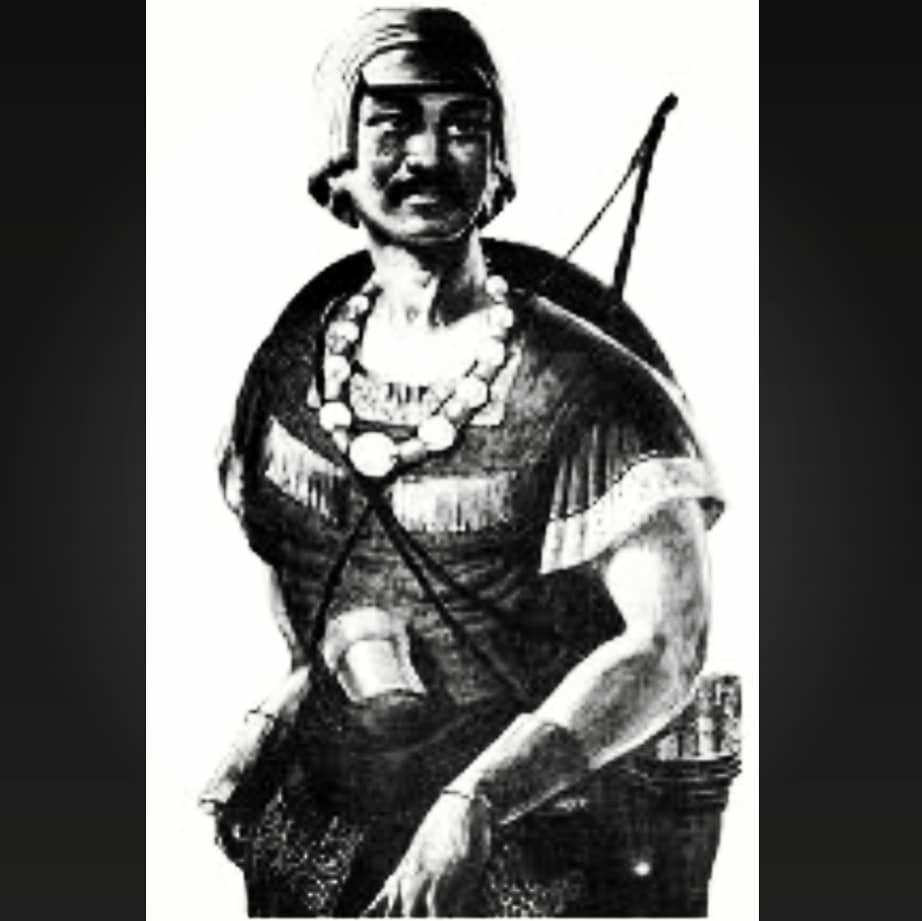
    On the occasion of the death anniversary of U Tirot Sing, the 17th of July, here is "A Glimpse of History–U Tirot Sing Syiem" sent by @carey_lynz

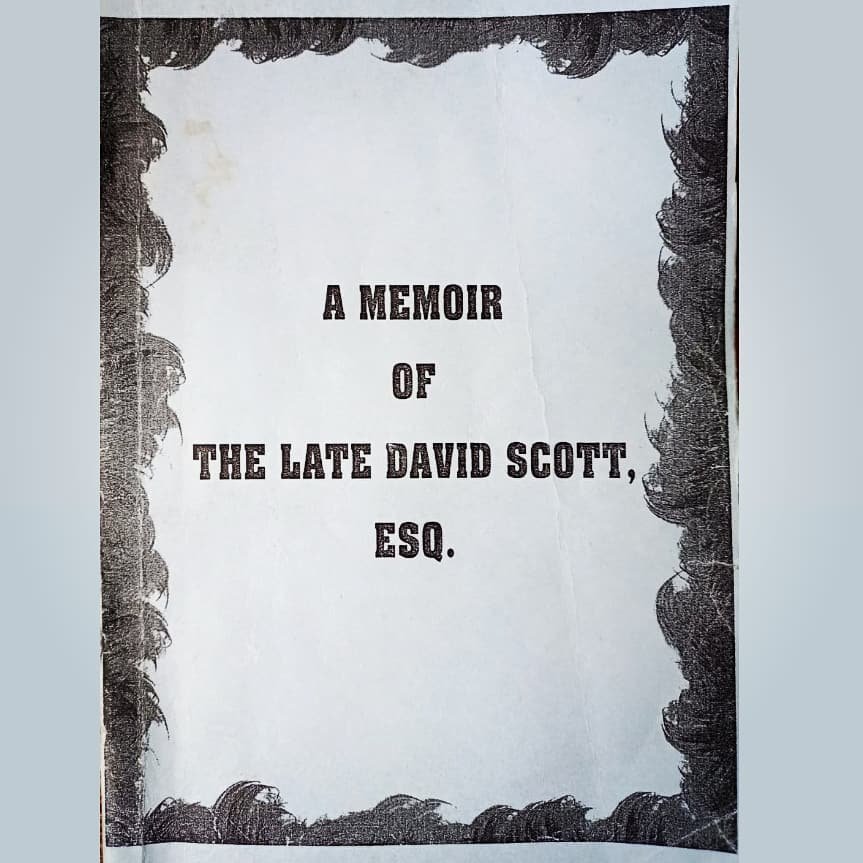
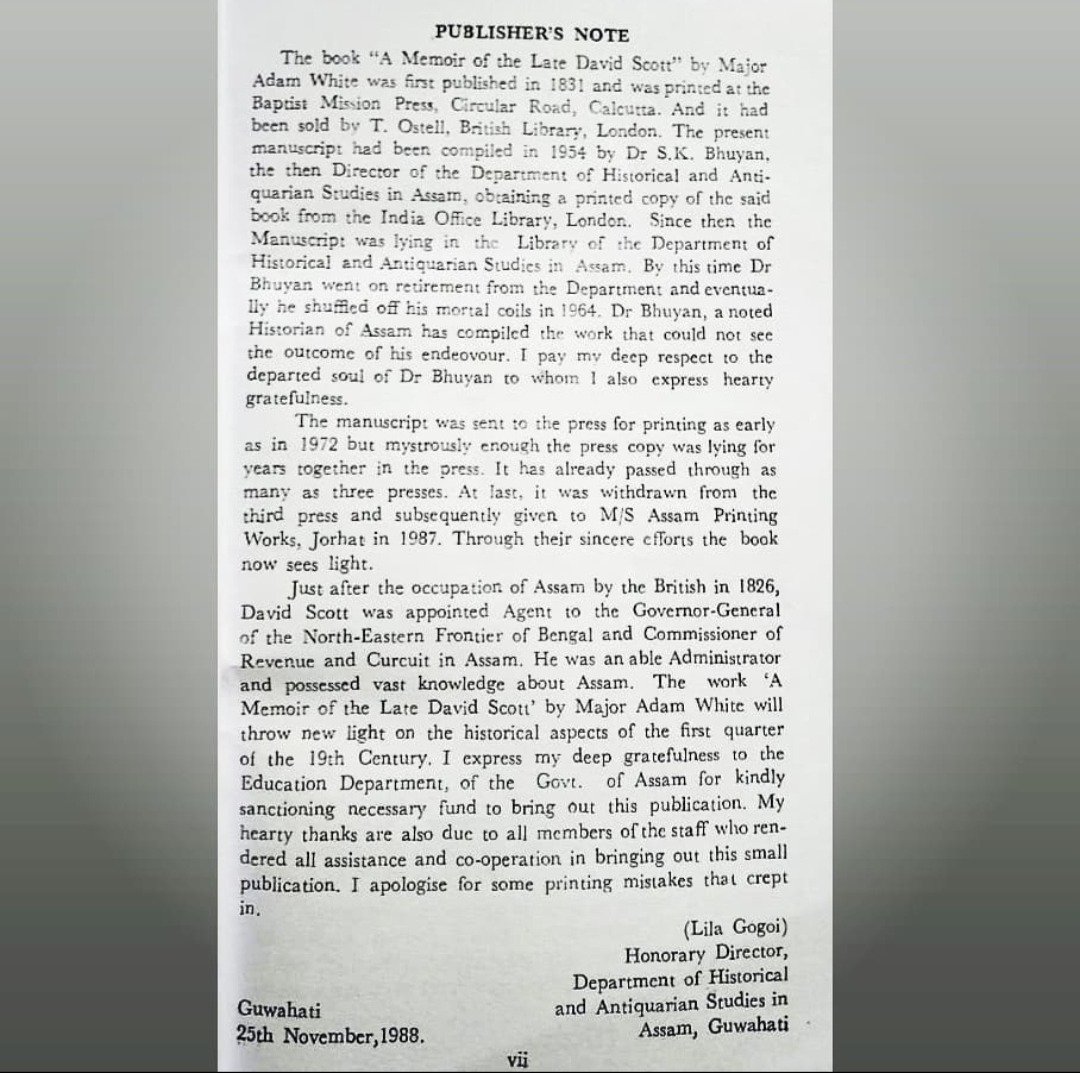
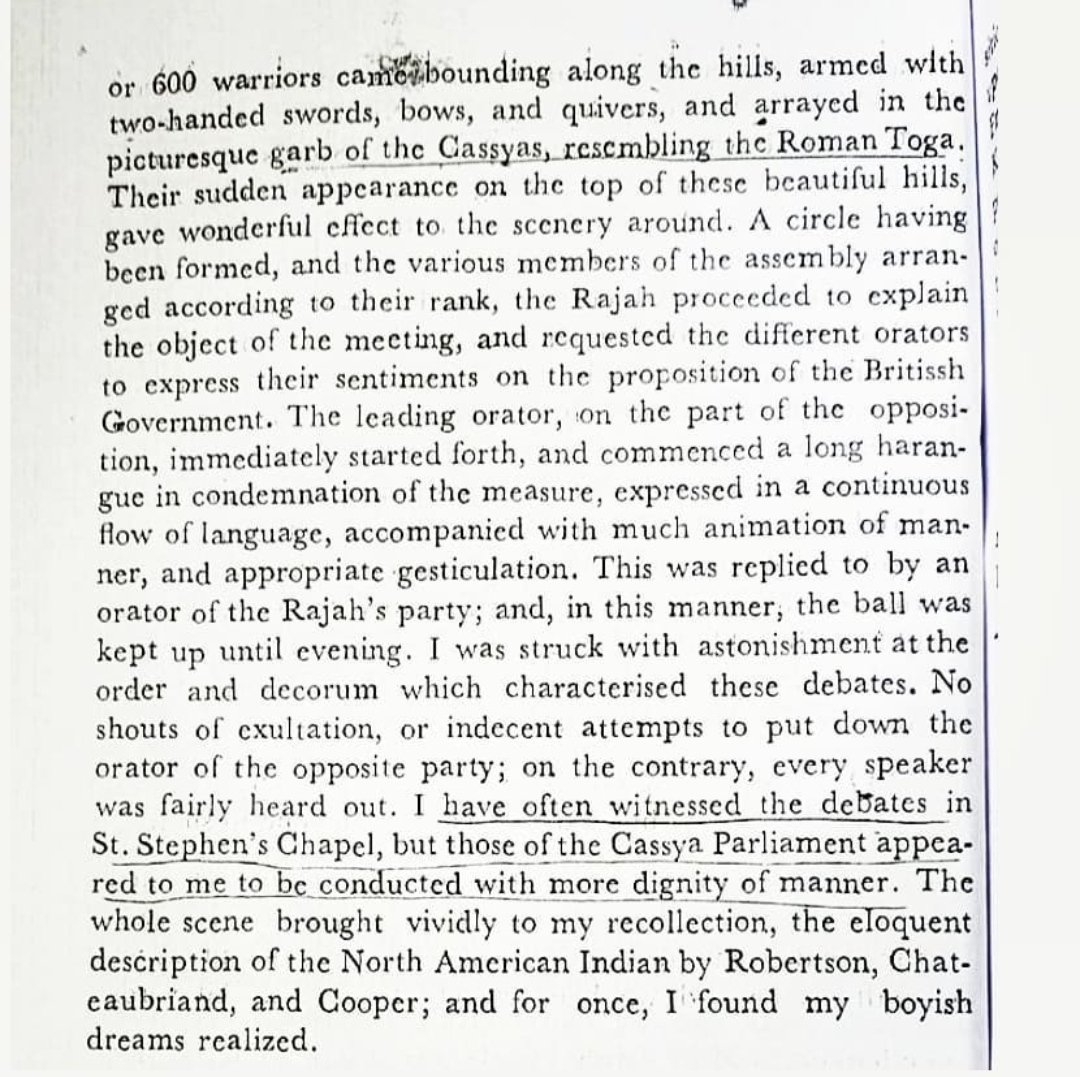
    In the book A Memoir of the Late David Scott, Esq., written by Major Adam White (1831, 1st edition), White narrates how David Scott took intense interest in the newly discovered region that is, the North East Frontier. White narrates how he had personally witnessed the "Cassya states" (Khasi States) and the beautiful hills which reminded him of the South of Scotland. At this time, the territory under Hima Nongkhlaw was not under British control. It so happened that Tirot Sing wanted to rent some areas in Assam from the Assamese Raja. David Scott said that he would be happy to oblige, if Tirot Sing would allow the British passage through his territory to go to Sylhet.

    This led Tirot Sing to call for an Assembly in order to discuss Scott's request. The British witnessed a very impressive meeting in Nongkhlaw. The Assembly sat in a circle according to their ranks. What struck the Britishers was the "order and decorum of the debators". There was respect for the opponent in the debate and the orator of each party was given a fair chance to speak. This continued for a long time. Growing impatient, David Scott sent a "dozen of bottles of rum" to the Assembly in the hope that the debate would end but the rum was returned.

    From these events, we come to know how the Khasis were a people who honoured each others' word and respected each others' opinion. Therefore, as we commemorate the life of U Tirot Sing Syiem, may we remember the value and power of our words like our forefathers before us. Lest we forget, let's remind ourselves of who we truly are.

    The above-mentioned events have been summarised from the book written by Major Adam White. The contributor, Dr. Naomi C. Nonglait is an Assistant Professor in the Department of English, St. Mary's College, Shillong.

    Picture 1: Google, Picture 2, 3 and 4 sent by @carey_lynz

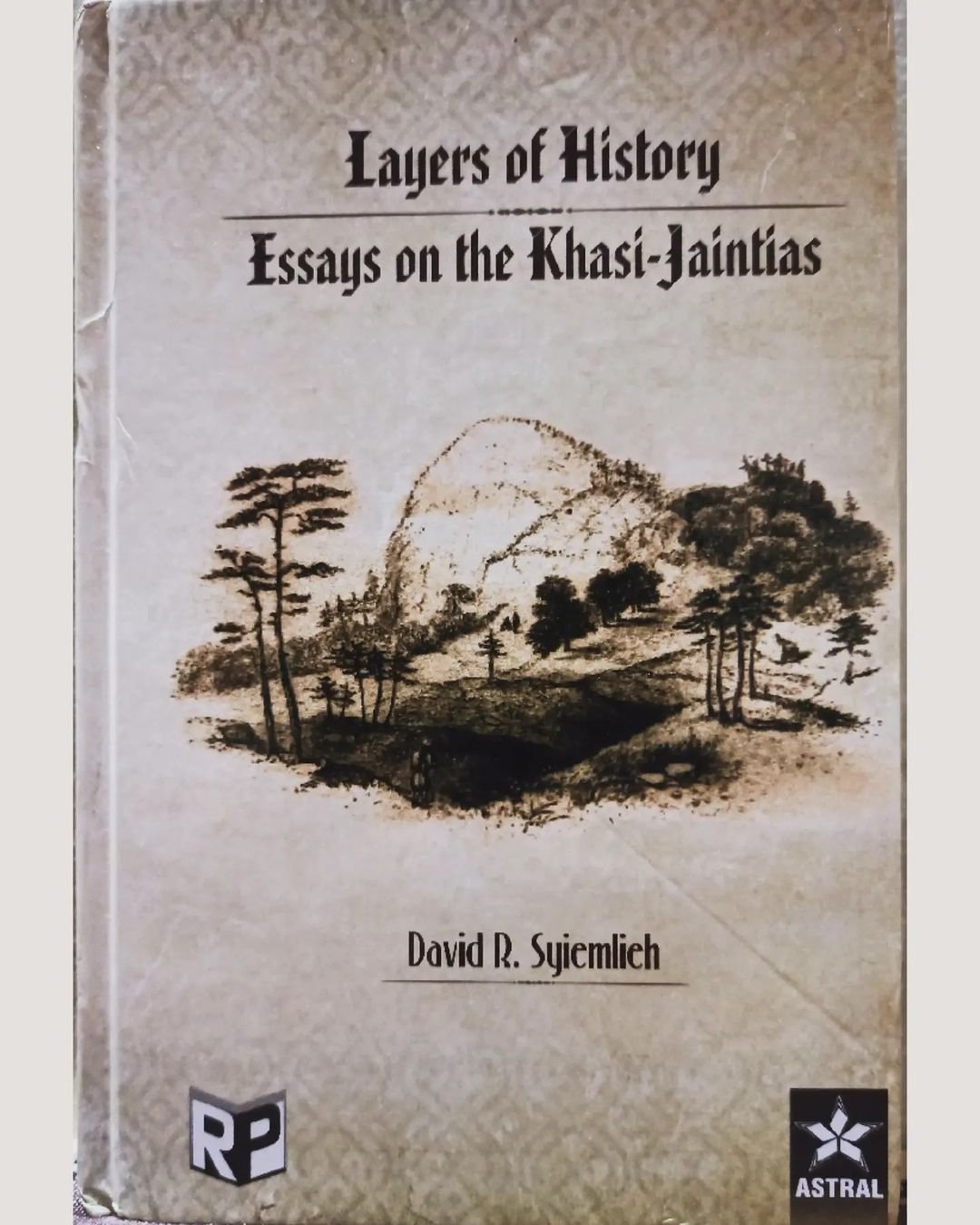
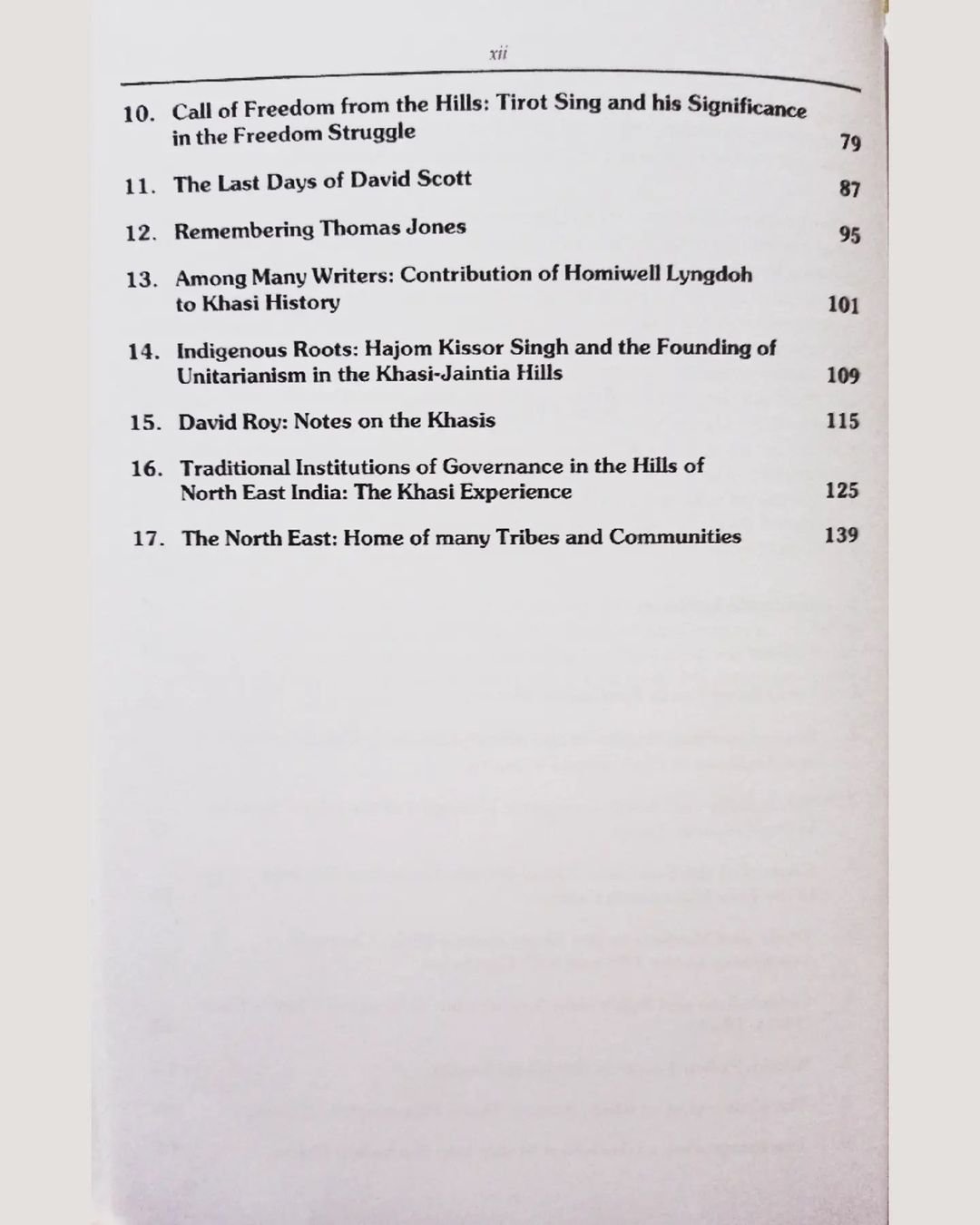
  • Layers of History: Essays on the Khasi-Jaintias by David R. Syiemlieh

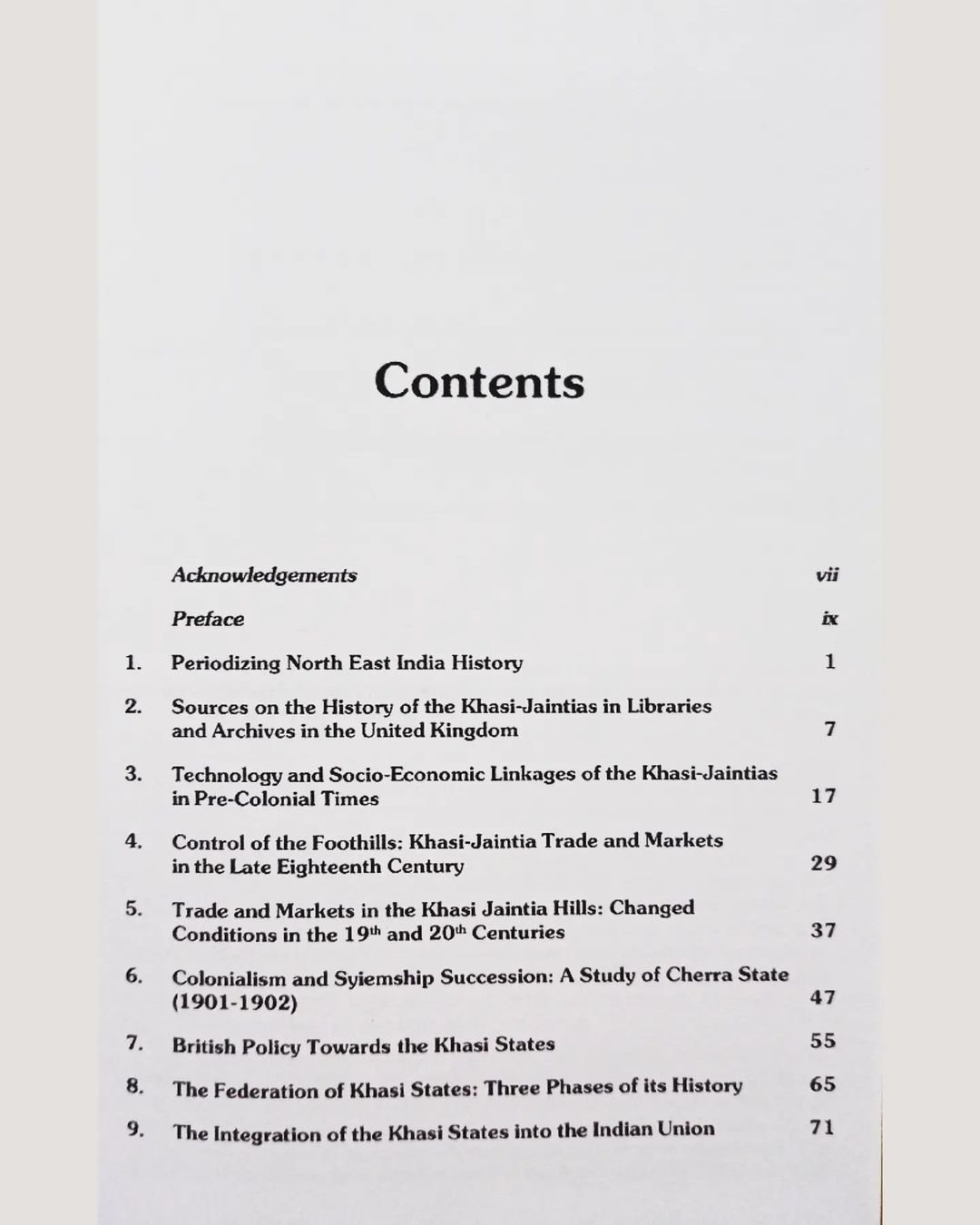
    Layers of History: Essays on the Khasis-Jaiñtias (2015) by David R. Syiemlieh.

    David R. Syiemlieh is a retired Professor of History from North-Eastern Hill University, Shillong, Meghalaya. He has also served as the Chairman of the Union Public Service Commission of India.

    The seventeen essays in this collection relate to the Khasi-Jaiñtias of Meghalaya in North-East India and cover a time span from their pre-colonial past, through the colonial era and into more contemporary times.

    The book is published by Regency Publications and is available on amazon.in