Tag: pnarlanguage

  • Khaisap

    Ka ktien Pnar "Khaisap" ka dei ka ktien ka bym don kum ma ka ha ka ktien Khasi 😄

    Kyrmen ba ka jingbatai ïa kane ka ktien ka la shai bad ka long kaba khaisap! Lada phi kwah bynrap shuh, sngewbha thoh ha ka bynta ki comments.

    🟡 Baroh ki jingbatai ha ka Pnar, Khasi bad English la thoh da ka @speakyourroots

    .

    .

    .

    The Pnar word "Khaisap" does not have a Khasi equivalent 😄

    Hopefully the explication given is clear and satisfactory. If you want to add more to understanding the word, please mention it in the comments section.

    🟡 Explication in Pnar, Khasi and English by @speakyourroots

    #khaisap #pnarlanguage #pnardialect #pnarpeople #jaiñtia #jaiñtiahills #khasilanguage #khasilanguageconservation #speakyourroots #speakyourrootschallenge #talklocal

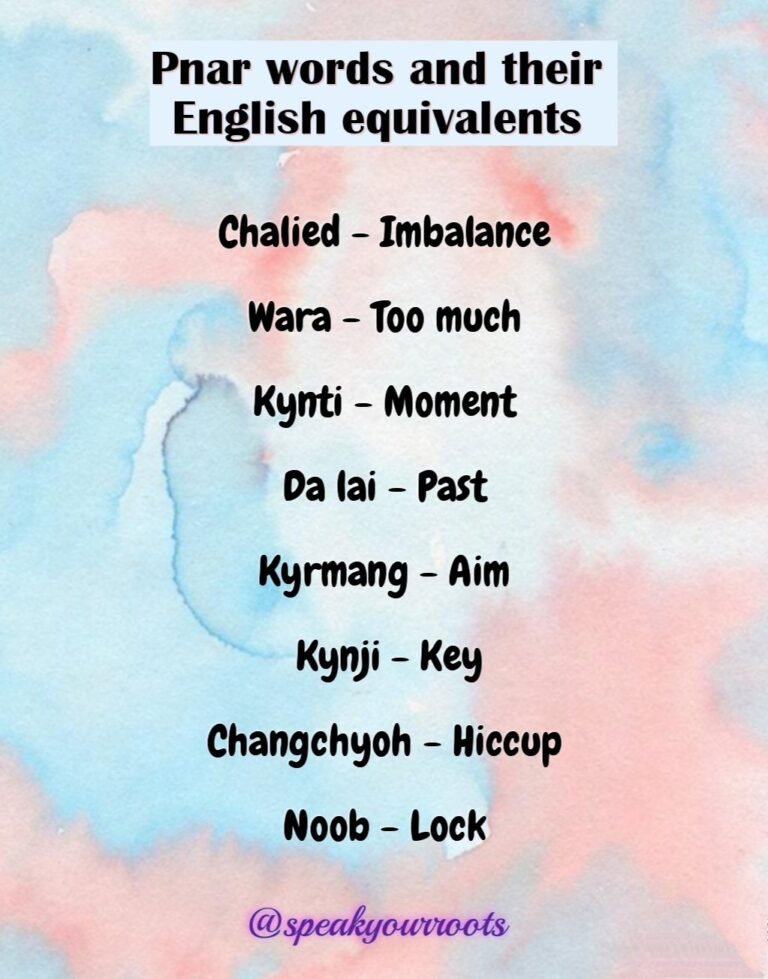
  • Pnar words and their English equivalents

    Kine ki dei ki kyntien Pnar kiba la phah da i @xdtnoahjupejackllthmanar 😄

    Khublei Chibōn wa phah phi ya kini ki kyntien Pnar, yow tip i wei yow nang i u pynemkam ha ka klam ktien Pnar. 🙏🙏

    Here are a few Pnar words and their English equivalents sent by @xdtnoahjupejackllthmanar

    🟡 Source: Pnar-English Dictionary by Sajeki Passah (2013)

    #pnarlanguage #pnarwords #pnarlanguageconservation #jaiñtiahills #jowai #indigenouslanguages #indigenouslanguageconservation #speakyourroots #speakyourrootschallenge #talklocal

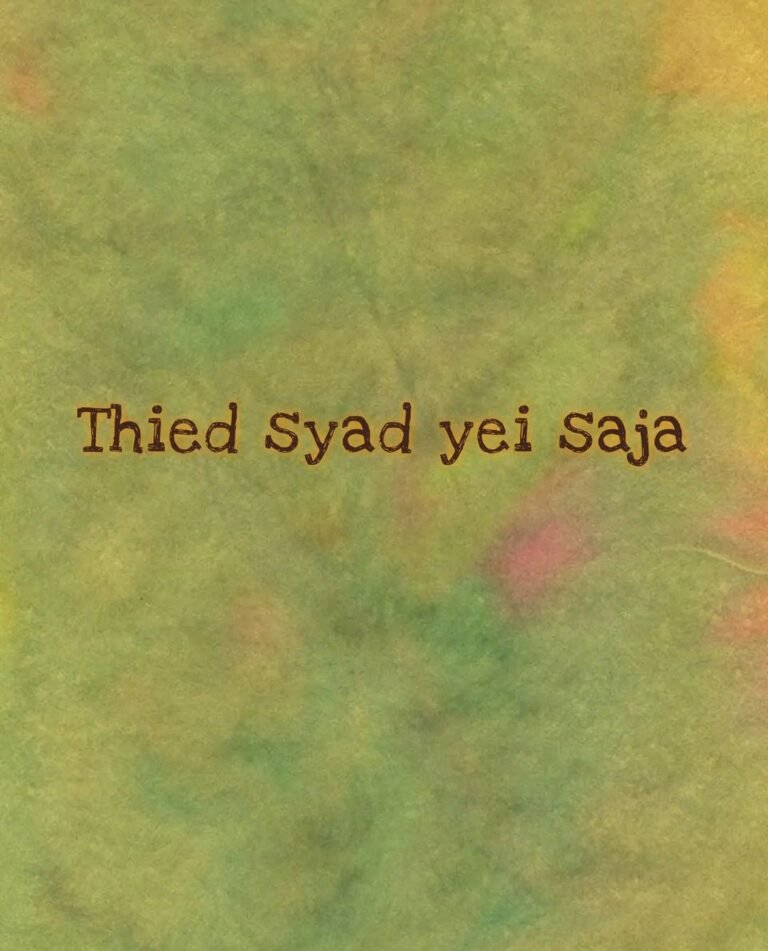
  • Thied Syad Yei Saja

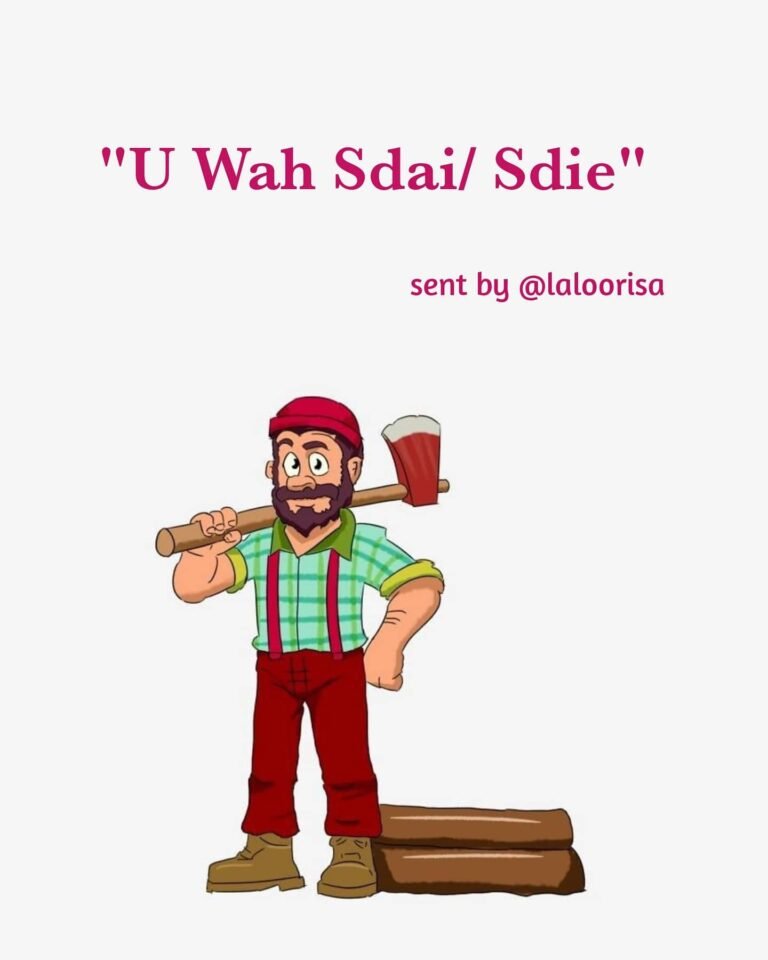
    I oŋ "Thied syad yei saja" toh i kûntien pharchi wajōh sñau bha i na ki waheh, khamtam na ka Bei u Pa, hawa sneiñ wa krō ki ya ki khon. I mut yoŋ katai ka pharchi man i kamni ne, "Hawa leh iwon-iwon i wûm yahap wei rukom im, i wûm yōsuk ka yuŋ ka sem, i wûm bha, i wa bōh yei manbru ha i eh i khor, i wa datip chua, ne i wa yæ u wanrah yei ma hadien habōd".

    Kani ka kûntien, "Thied syad yei saja" hei sñauthōh yoŋ ŋa lailaŋ ko kam ka kûntein pharchi wa oŋ "Pan yei k'yoh, yoh dei hiaw" i wa mut hawa pan kwah, tæ daw wiar wei wa kwah. I jōh hi wa ka kûntien, "Thied syad yei saja" natlor wa da tip yei syad dor yoŋ i eh ne i saja wa yaŋ, katte leh chlur biej beit, khlem da pûrkhat chua u thied.

    Ban sngewthuh shuh shuh, Nga kwah ban batai da khasi, Haba Ong "Thied syad yei saja" ka mut ba "thied rem ïa ki jingjynjar". Balei ki rem ne syad, namar lah bun palat kita ki jingkynjar.

    Ka jingong "Thied syad yei saja" ka dei ka jingong Pnar kaba la pynkylla sha ka Khasi kum "Thied rem ïa ka saja" (ne ka jingjynjar). Kane ka jingong ka dei ka pharshi kaba mut kumne: Haba leh ïa kano kano ka bym sngew ïahap bad ka rukom im, ka bym sngewtynnat ha ïing ha sem, kaba pynpoi sha ka jingeh bad jingshitom, kaba la tip shuwa ba ka lah ban wanrah ïa ka jingma hadien habud.

    Ka "Thied rem ïa ka saja" ka long kum ka pharshi "Pan ïa ka jyrhoh, ïoh da ka sahiaw". Ka dei kumjuh ka jingmut ha kaba ka jingpankwah ka pynsohsat shisha ïa ngi. Ngi thied rem ïa ka jingjynjar nalor ba la tip ba kan eh ïa ngi ban shah ïa ka, tangba ka la ap lypa. Ngi long shlur beij khlem da pyrkhat ne thew ïa ka erïong erngit kaba la ap ïa ngi.

    The Pnar phrase "Thied syad yei saja" literally means "to buy expensive trouble". This phrase describes a situation where we do something that fits wrongly with our way of life, knowing that our family values go against it, knowing that it will lead to hardship and suffering in the future, but we readily do it.

    This is related to the word "pankwah" which is a combination of two words "pan" meaning ask and "kwah" meaning want. So we deliberately ask and want something that will bring pain and trouble. "Thied syad yei saja" implies a foolish courage that backfires. What the phrase may also be suggesting is a kind of self-sabotage that some of us may have experienced.

    The Pnar phrase "Thied syad yei saja" is loaded with deep meaning. It speaks of the complexity of human nature, riddled with strength and weakness. 💙❤️

    Khublei Chibōn @xdtnoahjupejackllthmanar for helping with this 😄🙏

    🟡 Khasi translation and English explication by @speakyourroots

  • Ka Chu-noŋkûlliaŋ

    Ka Chu-noŋkûlliaŋ

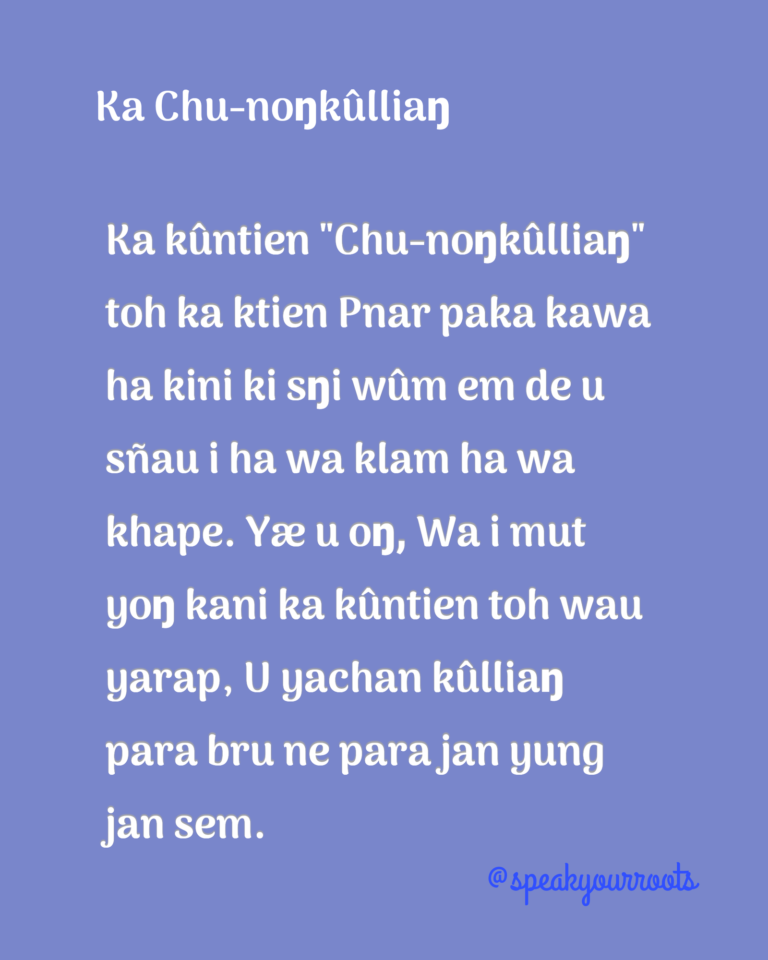
    Ka kûntien"Chu-noŋkûlliaŋ" toh ka ktien Pnar paka kawa ha kini ki sŋi wûm em de u sñau i ha wa klam ha wa khape. Yæ u oŋ, Wa i mut yoŋ kani ka kûntien toh wau yarap, U yachan kûlliaŋ para bru ne para jan yung jan sem.

    Ka Chu-noŋgkylliang

    Ka kyntien "Chu-nongkylliang* ka dei ka ktien Pnar paka kaba ha kine ki sngi ngim ju ïohsngew shuh ha ka kren ka khana. Ngi lah ban ong ba ka jingmut jong kane ka kyntien ka dei ban ïarap, ban ïa kyrshan markylliang para bynriew ne para jan ïing jan sem.

    Ka Chu-noŋkûlliaŋ

    "Ka Chu-noŋkûlliaŋ" is a Pnar word which is not used often nowadays in conversation. It may be said that the word means the help or support that is given by family and friends to one another. The word "noŋkûlliaŋ" emphasises that help should be returned by both sides.

    "Ka Chu-noŋkûlliaŋ" is a Pnar word that highlights compassion and sympathy that is given and acknowledged in its return. 🫂👥

    Khublei Chiboon @xdtnoahjupejackllthmanar wa maya phi ya ka ktien ka thylliej 😄🙏

    🟡 Khasi translation by @xdtnoahjupejackllthmanar
    🟡 English translation by @speakyourroots

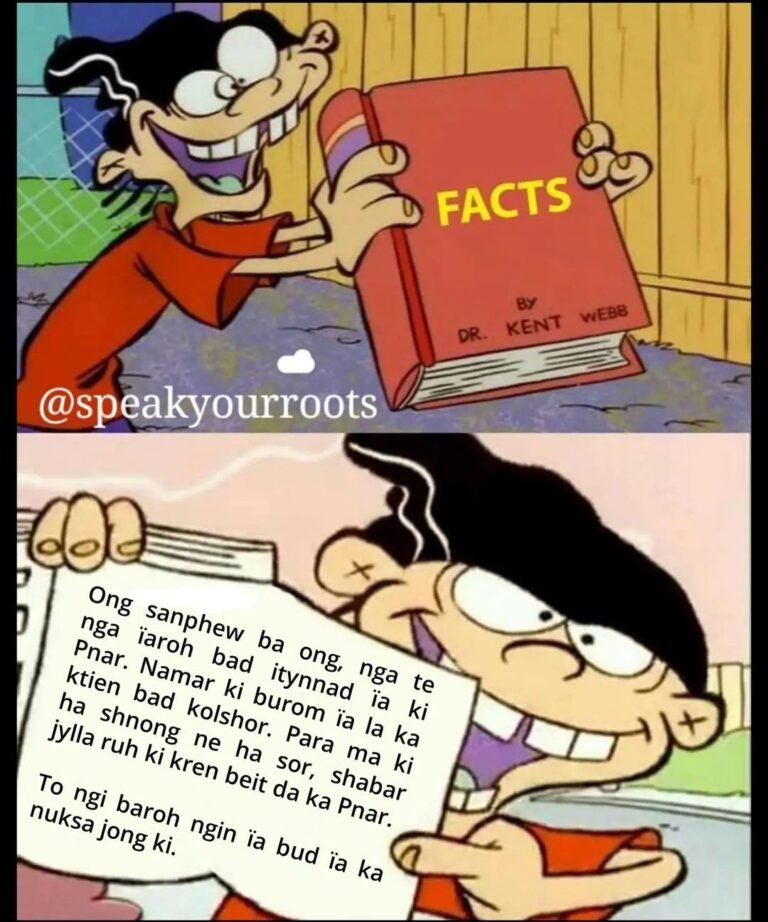
  • Ong sanphew ba ong

    Wat sngew eiei tangba kane ka dei ka jingshisha 😄🤌🤌

    Kan sdang beit da: "Ohh phi ki Pnar? Yong kur phi?" 😄😉

    If you're Pnar, you'll know 😂😂 #iypyk

  • Ja Khonbo

    Pnar explanation:

    Ha Jaiñtia hi waroh kawi ym jooh em u leh ki ya ka ni ka li e Ja Khonbo. Kani toh ka rakom ki pnar wa sah ha Jwai næ du ki Jwai wa pynjooh ya ini i rakom li e Ja Khonbo.

    I rakom li e "Ja Khonbo" toh i rakom, iwa, da i ja jooh lai e sñiawbha ki wahaïung wahasem, ki lok ki jor ïa ka manbei hadien wada kha khon ko. Ini man i kam chi wynta na i pyn-eh bok pyn-eh rngu ya ka bei wa ya'i khon wa dang kha.

    Ki waheh nachua sikai ki u pynmlien u li e jakhonbo da'iwa u li e da iwon iwon i wada chet kynsaai næ i wa bang dooh. Ki waheh nachua leh da pynjooh ki da'iwa u song lang ha'itæ i jakhonbo toh ka "pylleiñ chet", "i jadoh", i "dohseiñ" wa i "dohsyiar chet sngat", "dai chet sngat" wa kiwi kiwi.

    Khasi explanation:

    Ïa ka rukom ai "Ja Khonbo" ym ju leh ha ka ri Jaiñtia baroh kawei. Kane ka dei ka rukom jong ki Pnar kiba sah ha Jowai, ki dei ma ki kiba pynmlien bad pynjuh ïa kane ka rukom.

    Ka rukom leit ai "Ja Khonbo" ka dei ka rukom ha kaba ki bahaïing bahasem, ki lok ki jor ki ai sngewbha da ka ja ïa ka longkmie kaba kha khun. Kane ka long shi bynta na ka pyneh bok pyneh rngiew ïa ka kmie bad i khun ba dang kha. Ka ktien "Khonbo" ka mut khyllung.

    Kiba rangbah naduh mynshuwa ki la hikai ban pynmlien ïa ka leit ai "Ja Khonbo" da kano kano kaba la shet kynsai bad kaba bang duh. Kiba rangbah ki la pynmlien ruh ban song lang ha ka Ja Khonbo da ka pylleng phon, ka jadoh, ka dohsniang neiïong bad ka dohsyiar kylla, u dai sboh neiïong bad kiwei kiwei.

    English explanation:

    The custom of "Ja Khonbo" is not prevalent all over the Jaiñtia Hills. This custom is practiced only in the town of Jowai and it is the people of Jowai who have established this custom.

    In the custom of "Ja Khonbo" the relatives and friends gift rice that has been cooked well, especially for a mother who has birthed a child. This is part and parcel to strengthen the good fortune and fortify the essence of the mother and her child. The word "Ja" means rice and the word "Khonbo" means baby.

    Elders have taught that only the most special and most delicious food are to be given as "Ja Khonbo". Elders have also taught that boiled eggs, jadoh (rice cooked with meat), dohsniang neiïong (pork cooked with black sesame), chicken curry, dai sboh neiïong (dal cooked with black sesame) and others are included in "Ja Khonbo".

    "Ja Khonbo" is a custom practiced by the Pnar people of Jowai. It is a wonderful custom that expresses care for a mother and welcomes a child into the world. 🤱🧑‍🍼👼 🙏

    Khublei Chiboon Anvil ya i e jingmut yong phi hawa thaw ya kani ka post! 😄🙏

    🟡 Source: Anvil Ritre Laloo

    🟡 Khasi and English translation by @speakyourroots

  • Blooh Tayaw

    "Blooh tayaw" toh i rukom klam yong ki Puar iwa mut ya iwon iwon i kám iwa u bru sñiawsuk u u leh, kat kam i jingsñiaw yong o.

    Ye i u ong kamni: "I lai khwe tœ toh i blooh tayaw wot u sœ!"

    Tanqwa toh u kûnmo wa klam ki ki ini i ktien du hawa klam ke hi eh.

    "Blooh tayaw" ka dei ka jingong Pnar kaba lah ban pynkylla sha ka Khasi kum ka "Mluh taïew". Kane ka mut ïa kano kano ka kam kaba u briew u sngewtynnat ban leh kat kum ka jingsngew jong u.

    Ngi lah ban pyndonkam kumne: "Ka leit khwai te ka dei ka blooh tayaw jong u keiñ!"

    Tangba dei ban kynmaw ba kane ka jingong ka dei tang ka rukom kren kai bad haba kren biria.

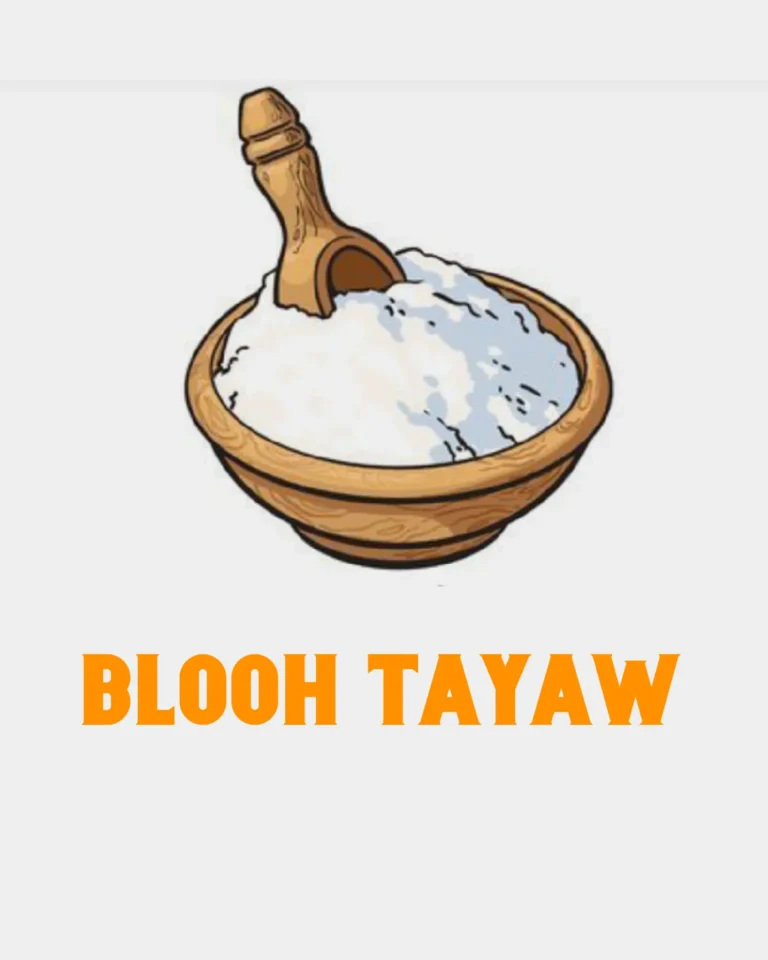
    "Blooh tayaw" is a Pnar phrase which means any task or hobby a person is fond of and likes to do. It is literally translated as "a weekly salt".

    We can say for instance that if someone is fond of angling, then that is his "blooh tayaw".

    It should be remembered that this phrase is used only in colloquial and casual conversation and not in formal speech.

    Here is a Pnar phrase which is a witty way of referring to a person's hobby or something that he likes to do 🚴⛹️💃🤹 "Blooh tayaw" thus becomes a significant part of someone's way of life and personality. 😄😄

    🟡 Pnar, Khasi and English explication given by @speakyourroots

  • Kurwan!

    Ka ktien "kur" toh hawa khut næ pah ïa yi ïa yi, khamtaam hawa khut syiar, kam wa jooh ong i "kur kur". Ka ktien "wan" mut wada lai tæ wan biang. Ka ktien "kurwan" man kam wa khut biang ïa iwon iwon i iwa da laai yo'u man biang i jooh i rakom man kamwa dang dæp. Da'i wa ong kurwan man kam wa pynstiñ ya i man i long wa khia ha i tu por wa dang dap jia won iwon hawa khyrngiat næ phylla.

    Ka ktien "kur" ka dei kaba khot ne wer, kum haba khot syiar ngi ong "kur kur". Hangne ka ktien "wan" ka thew ïa kaei kaei kaba leit tangba kaba la wan biang. Ka ktien "Kurwan" ka long kum ban khot biang ïa ka jinglong jingman kaba la dep, ban oh ïa ka jinglong jai jai. Da kaba ong kurwan ka pynsting ïa ka jingkhia jong kano kano ka jingjia kaba dang jia shen shen haba kyndit ne phylla.

    The word "kur" is used when we call out to something, like when we call out to chicken we say "kur kur". In the context of "kurwan" the word "wan" refers to something that has gone but has come back again. The Pnar word "Kurwan" is used in order to recall or retrieve a moment which has gone, so that one feels calm and tranquil again. When the word "kurwan" is used, it is meant to lighten the effect of something that has happened, which caused shock or wonder.

    Ka ktien "kurwan" ka dei ka ktien kaba don ha ka ïa ka jingmut kaba pher bad la pyndonkam ïa ka ban thew ïa ka jingsngew kaba kyrpang. Ka pher na ka jingmut jong "kyndit" (Khasi) bad "khyrngiat" (Pnar). 😯😨😲😮

    The word "kurwan" has a specific meaning and usage. Its meaning is different from the Khasi word "kyndit" and the Pnar word "khyrngiat". 😦😧😱😯

    Khublei Shibun Anvil R. Laloo for sending this!

  • Some Pnar Phrases

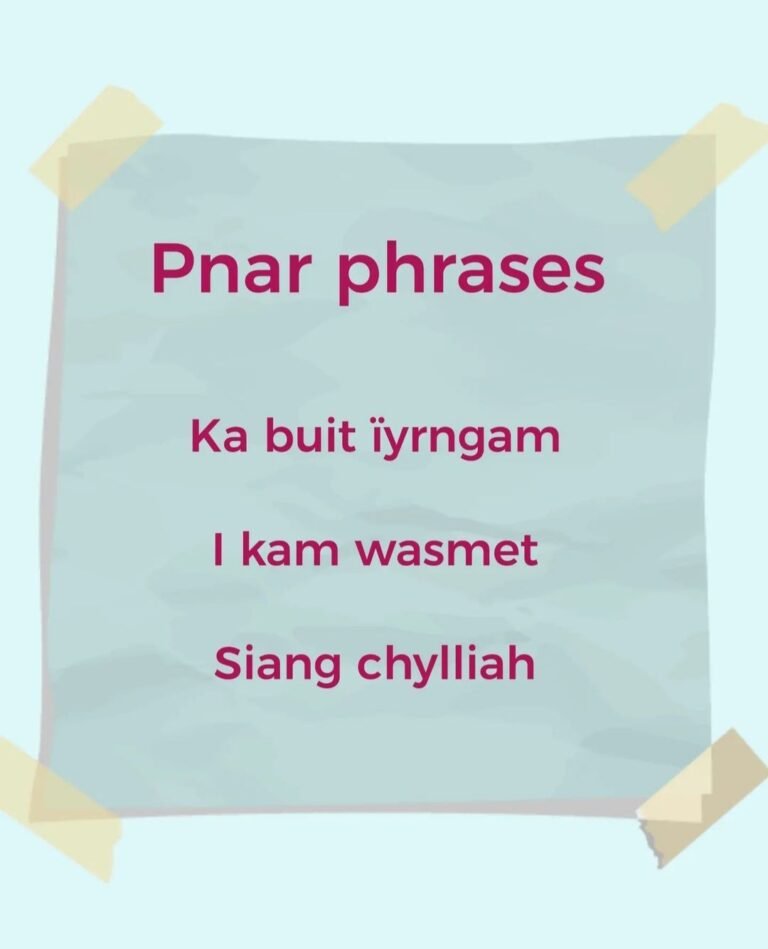
    Pnar phrases

    "Ka buit ïyrngam"

    "Ka buit ïyrngam" is a cunning idea that a person thinks of.

    "I kam wasmet"

    "I kam wasmet" is a good cause that will help and benefit people and bring a promising future.

    "Sing chylliah"

    "Siang chylliah" is to breathe one's last breath.

    The books of (L) Mrs. P. P. Pasleiñ are a precious find! 😃 Here are some Pnar phrases from her book The Depth of Thwai Syiem (2001) 🍃🌱

  • Um Pachu

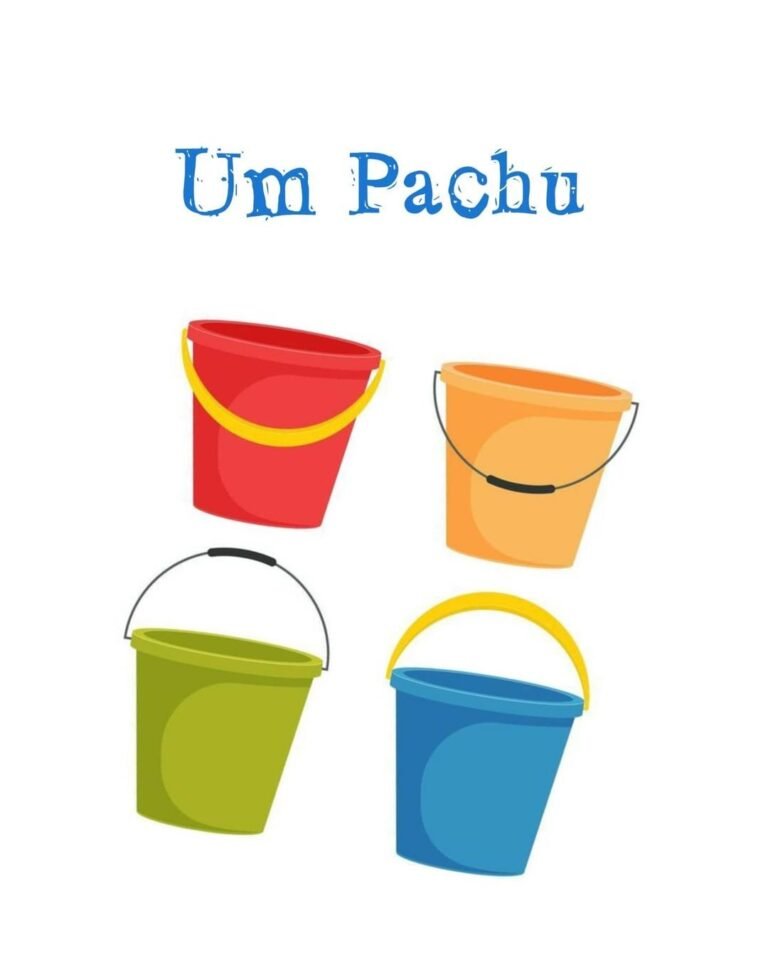
    Ka "Um Pachu" ka dei ka ktien Pnar kaba mut ka um khriat kaba la mang lypa tang kat ban pynsyaid ïa ka um khluit haba sum.

    "Um pachu" is a Phar phrase which describes the cold water which is used for mixing with hot water for a bath. This phrase is unique because it describes the use and functionality of a particular kind of water.

    Ka "um pachu" is just one example of many Pnar as well as Khasi phrases which describe the utility of water. 🌀🌀 Please give us a Pnar sentence with the words "um pachu" or "pachu" in it! 😀

    🟡 English translation by @speakyourroots