Tag: pnarphrases

  • Thied Syad Yei Saja

    I oŋ "Thied syad yei saja" toh i kûntien pharchi wajōh sñau bha i na ki waheh, khamtam na ka Bei u Pa, hawa sneiñ wa krō ki ya ki khon. I mut yoŋ katai ka pharchi man i kamni ne, "Hawa leh iwon-iwon i wûm yahap wei rukom im, i wûm yōsuk ka yuŋ ka sem, i wûm bha, i wa bōh yei manbru ha i eh i khor, i wa datip chua, ne i wa yæ u wanrah yei ma hadien habōd".

    Kani ka kûntien, "Thied syad yei saja" hei sñauthōh yoŋ ŋa lailaŋ ko kam ka kûntein pharchi wa oŋ "Pan yei k'yoh, yoh dei hiaw" i wa mut hawa pan kwah, tæ daw wiar wei wa kwah. I jōh hi wa ka kûntien, "Thied syad yei saja" natlor wa da tip yei syad dor yoŋ i eh ne i saja wa yaŋ, katte leh chlur biej beit, khlem da pûrkhat chua u thied.

    Ban sngewthuh shuh shuh, Nga kwah ban batai da khasi, Haba Ong "Thied syad yei saja" ka mut ba "thied rem ïa ki jingjynjar". Balei ki rem ne syad, namar lah bun palat kita ki jingkynjar.

    Ka jingong "Thied syad yei saja" ka dei ka jingong Pnar kaba la pynkylla sha ka Khasi kum "Thied rem ïa ka saja" (ne ka jingjynjar). Kane ka jingong ka dei ka pharshi kaba mut kumne: Haba leh ïa kano kano ka bym sngew ïahap bad ka rukom im, ka bym sngewtynnat ha ïing ha sem, kaba pynpoi sha ka jingeh bad jingshitom, kaba la tip shuwa ba ka lah ban wanrah ïa ka jingma hadien habud.

    Ka "Thied rem ïa ka saja" ka long kum ka pharshi "Pan ïa ka jyrhoh, ïoh da ka sahiaw". Ka dei kumjuh ka jingmut ha kaba ka jingpankwah ka pynsohsat shisha ïa ngi. Ngi thied rem ïa ka jingjynjar nalor ba la tip ba kan eh ïa ngi ban shah ïa ka, tangba ka la ap lypa. Ngi long shlur beij khlem da pyrkhat ne thew ïa ka erïong erngit kaba la ap ïa ngi.

    The Pnar phrase "Thied syad yei saja" literally means "to buy expensive trouble". This phrase describes a situation where we do something that fits wrongly with our way of life, knowing that our family values go against it, knowing that it will lead to hardship and suffering in the future, but we readily do it.

    This is related to the word "pankwah" which is a combination of two words "pan" meaning ask and "kwah" meaning want. So we deliberately ask and want something that will bring pain and trouble. "Thied syad yei saja" implies a foolish courage that backfires. What the phrase may also be suggesting is a kind of self-sabotage that some of us may have experienced.

    The Pnar phrase "Thied syad yei saja" is loaded with deep meaning. It speaks of the complexity of human nature, riddled with strength and weakness. 💙❤️

    Khublei Chibōn @xdtnoahjupejackllthmanar for helping with this 😄🙏

    🟡 Khasi translation and English explication by @speakyourroots
  • Blooh Tayaw

    "Blooh tayaw" toh i rukom klam yong ki Puar iwa mut ya iwon iwon i kám iwa u bru sñiawsuk u u leh, kat kam i jingsñiaw yong o.

    Ye i u ong kamni: "I lai khwe tœ toh i blooh tayaw wot u sœ!"

    Tanqwa toh u kûnmo wa klam ki ki ini i ktien du hawa klam ke hi eh.

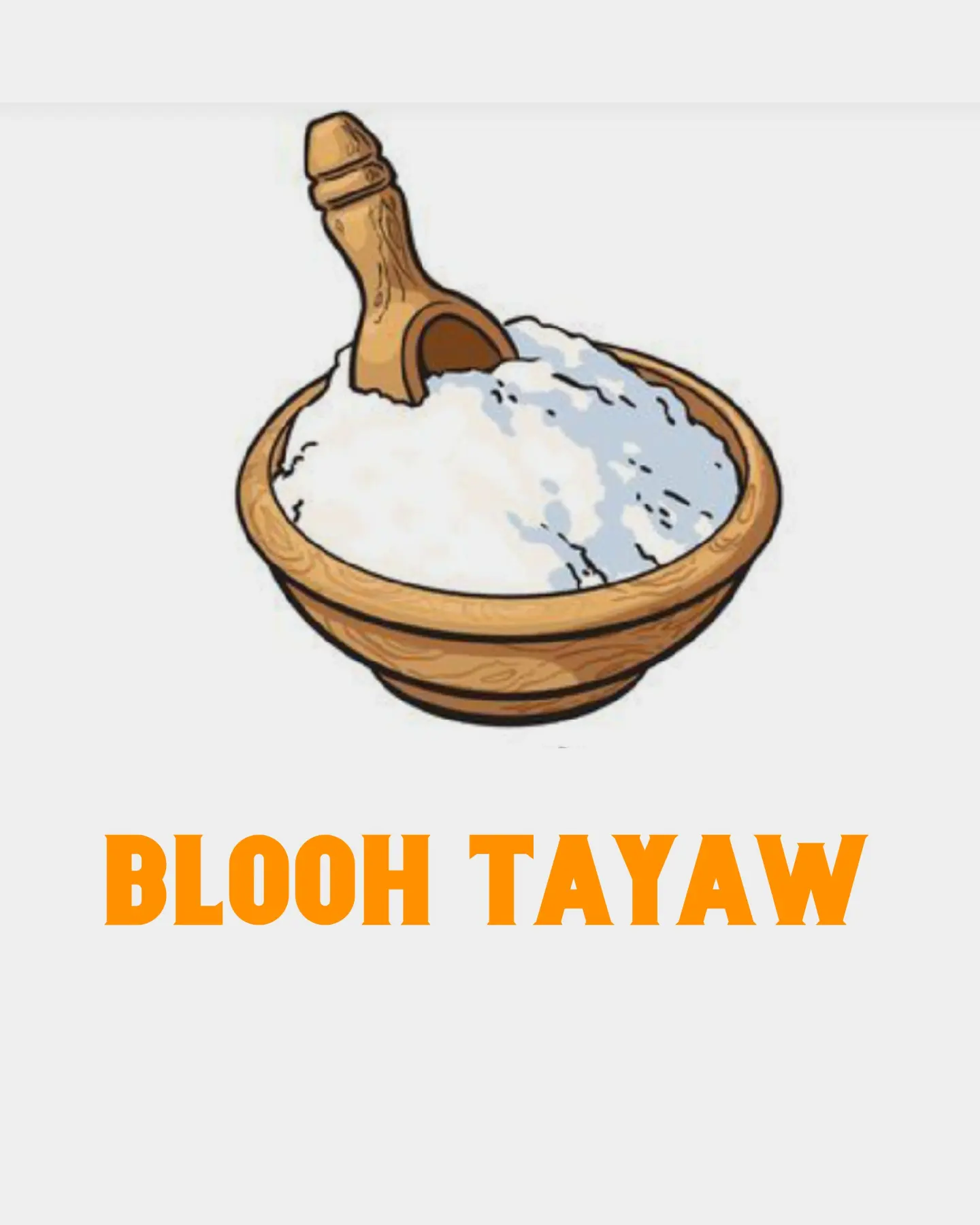
    "Blooh tayaw" ka dei ka jingong Pnar kaba lah ban pynkylla sha ka Khasi kum ka "Mluh taïew". Kane ka mut ïa kano kano ka kam kaba u briew u sngewtynnat ban leh kat kum ka jingsngew jong u.

    Ngi lah ban pyndonkam kumne: "Ka leit khwai te ka dei ka blooh tayaw jong u keiñ!"

    Tangba dei ban kynmaw ba kane ka jingong ka dei tang ka rukom kren kai bad haba kren biria.

    "Blooh tayaw" is a Pnar phrase which means any task or hobby a person is fond of and likes to do. It is literally translated as "a weekly salt".

    We can say for instance that if someone is fond of angling, then that is his "blooh tayaw".

    It should be remembered that this phrase is used only in colloquial and casual conversation and not in formal speech.

    Here is a Pnar phrase which is a witty way of referring to a person's hobby or something that he likes to do 🚴⛹️💃🤹 "Blooh tayaw" thus becomes a significant part of someone's way of life and personality. 😄😄

    🟡 Pnar, Khasi and English explication given by @speakyourroots

  • Some Pnar Phrases

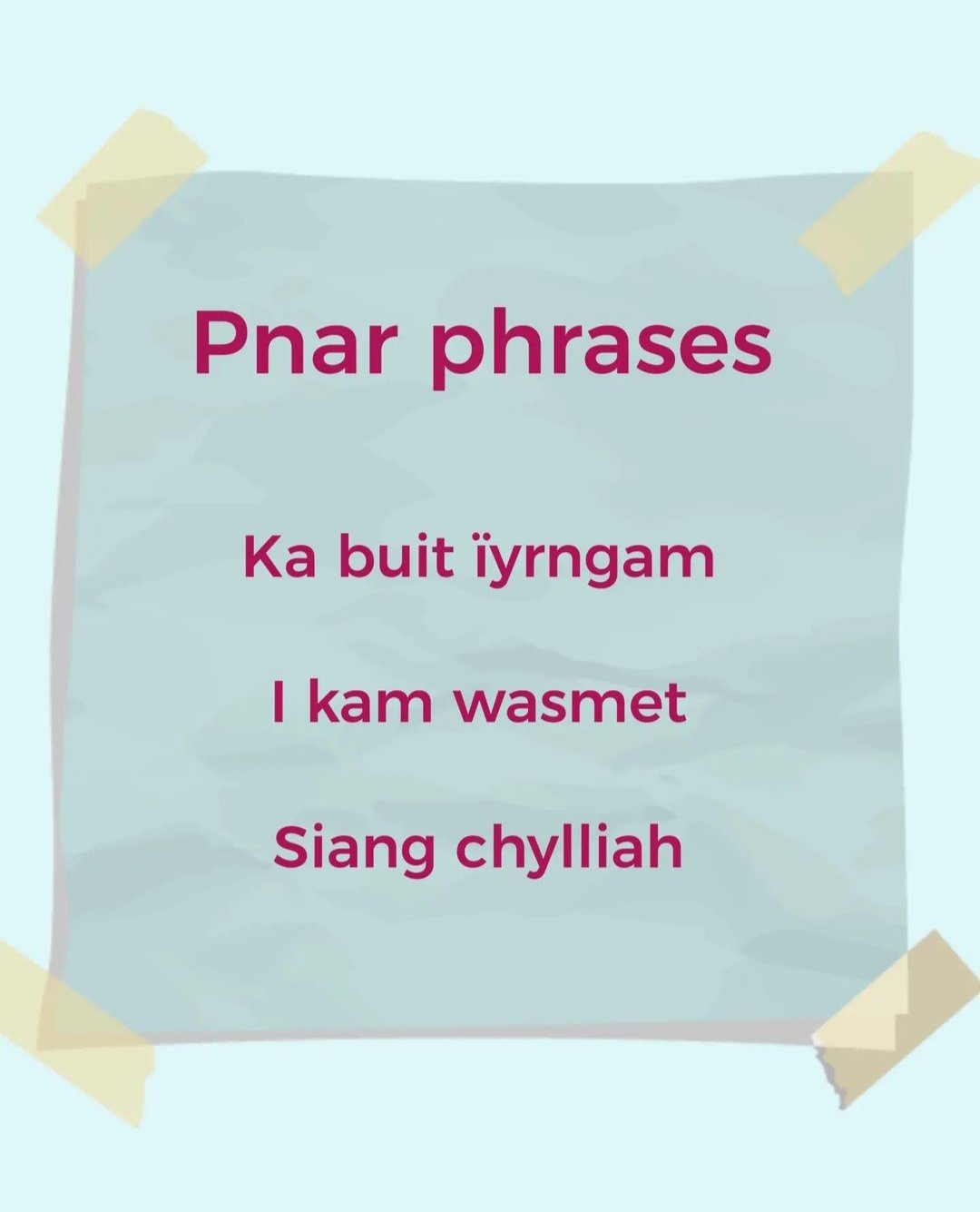
    Pnar phrases

    "Ka buit ïyrngam"

    "Ka buit ïyrngam" is a cunning idea that a person thinks of.

    "I kam wasmet"

    "I kam wasmet" is a good cause that will help and benefit people and bring a promising future.

    "Sing chylliah"

    "Siang chylliah" is to breathe one's last breath.

    The books of (L) Mrs. P. P. Pasleiñ are a precious find! 😃 Here are some Pnar phrases from her book The Depth of Thwai Syiem (2001) 🍃🌱

  • Um Pachu

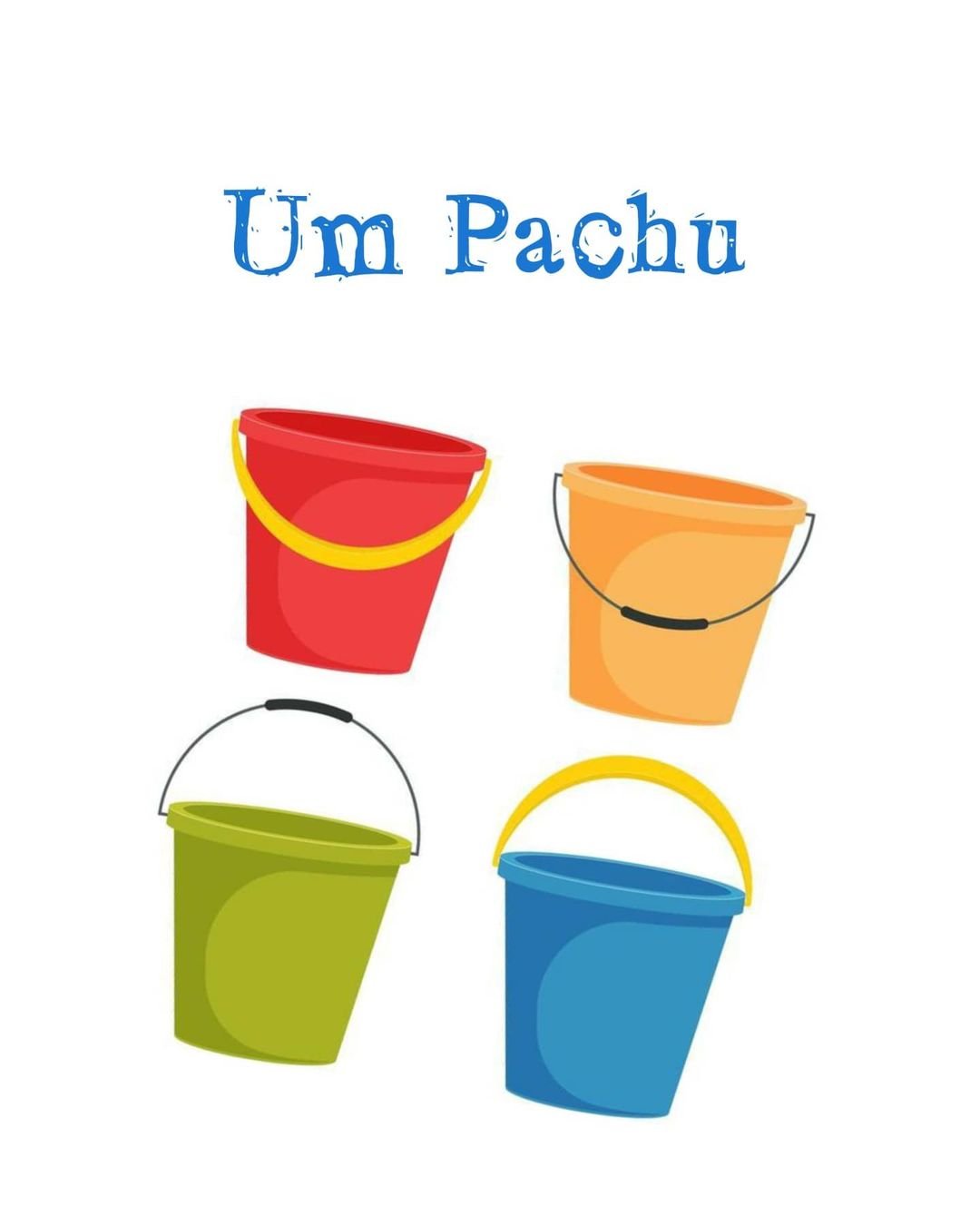
    Ka "Um Pachu" ka dei ka ktien Pnar kaba mut ka um khriat kaba la mang lypa tang kat ban pynsyaid ïa ka um khluit haba sum.

    "Um pachu" is a Phar phrase which describes the cold water which is used for mixing with hot water for a bath. This phrase is unique because it describes the use and functionality of a particular kind of water.

    Ka "um pachu" is just one example of many Pnar as well as Khasi phrases which describe the utility of water. 🌀🌀 Please give us a Pnar sentence with the words "um pachu" or "pachu" in it! 😀

    🟡 English translation by @speakyourroots

  • Ka pah chyrpang

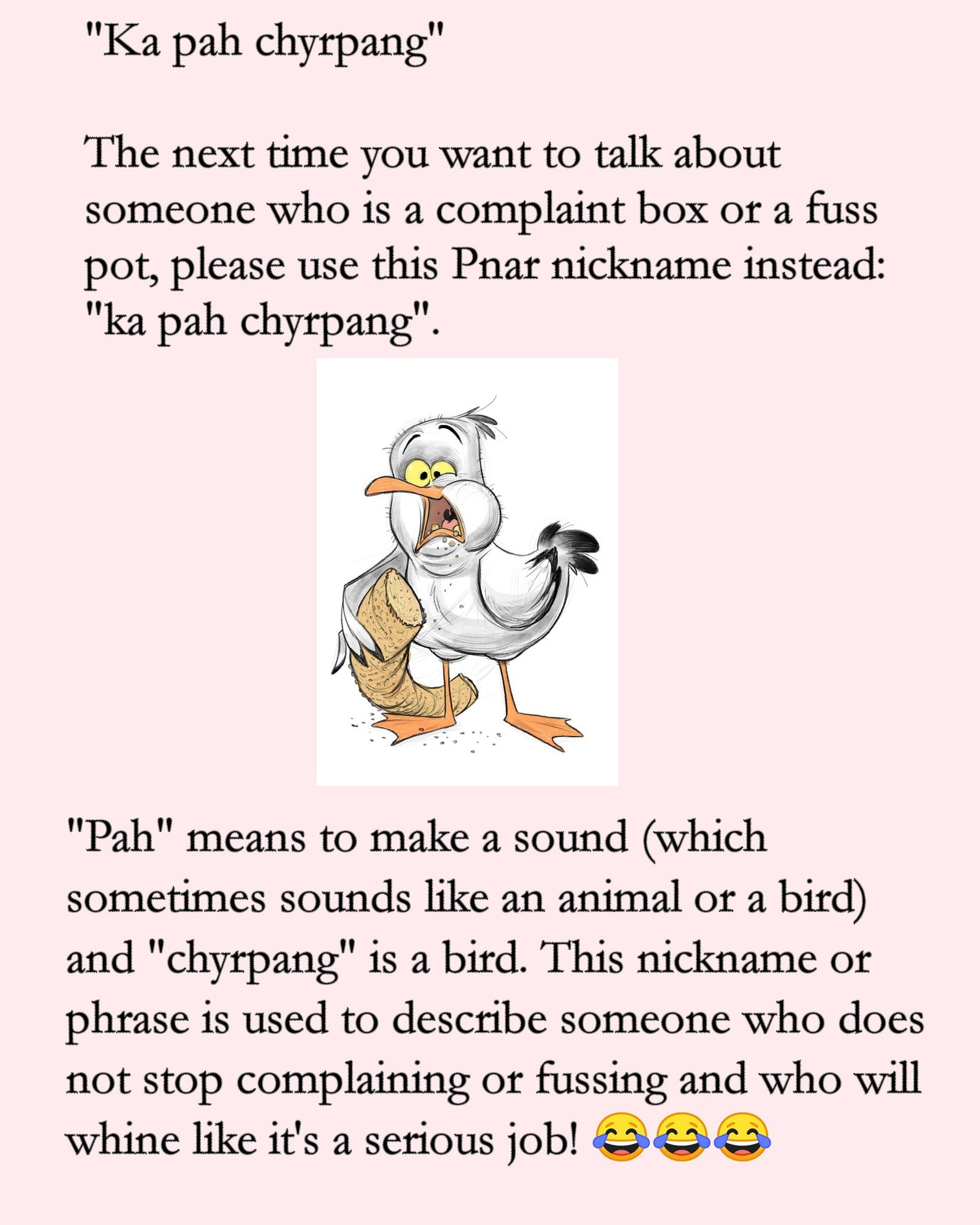
    The next time you want to talk about someone who is a complaint box or a fuss pot, please use this Pnar nickname instead: "ka pah chyrpang".

    "Pah" means to make a sound (which sometimes sounds like an animal or a bird) and "chyrpang" is a bird. This nickname or phrase is used to describe someone who does not stop complaining or fussing and who will whine like it's a serious job!

    Once again @laloorisa has sent another Pnar nickname: "Ka pah chyrpang" 😅😅😂😂

    This phrase is used to describe someone who annoys us by their constant complaining! Thank you @laloorisa for these witty and humourous nicknames 🤡🤡

  • U miaw wa synñiam dakharang

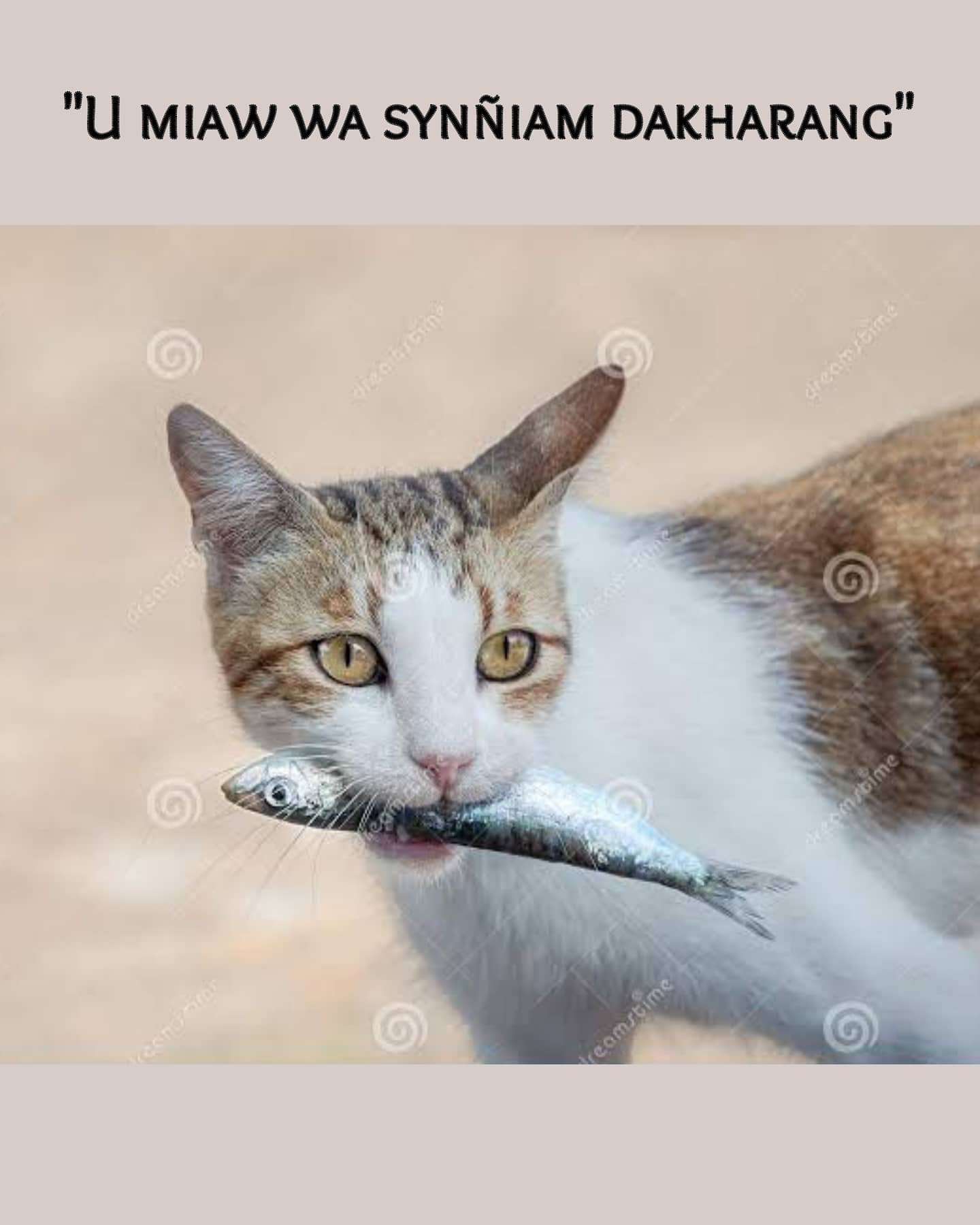
    U miaw wa synñiam dakharang" is a Pnar phrase to describe men who are very good at making romantic advances towards women.

    "Miaw" means cat, "dakharang" is fish that has been smoked and "synñiam" may be translated as an opportunist waiting for the right time. The phrase describes the cat who has been waiting for the right time to steal the fish.

    Imat ki long thik kum u miaw ba pyrshang ban tuh dakharang haba ki pyrshang ban pynbiej kynthei, na kata ka daw ki sa khot ia ki da kata ka kyrteng.

    The men resemble the cat in its eager attempt to get the fish, in the way they woo women. That's why they have been given this nickname.

    "U miaw wa synñiam dakharang" is a Pnar phrase used to describe men who are expert "wooers" of women 😅😅😂😂 This post is dedicated to all you Don Juans and Zorros! 🤭😜

    Thank you @laloorisa for sending this! 😁😁