Tag: primrosegatphoh

  • Excerpt from the Introduction of “Ki Khanatang bad U Sier Lapalang” by Primrose Gatphoh (1937)

    U Primrose Gatphoh u ong:

    "Ki Puriskam, ki Purinam, ki Parom bad ki Khanatang ki don sawdong kane ka ri jong ngi, ha ki trep bad ki skum, sawdong ka lyngwiar dpei ba syaid bad ba rhem jong u khun Khasi Pnar baroh. Hynrei ka long kaba eh shibun ban lum ban lang, bad ban tai ban peh bha ïa ki shuwa ban pynsah ïa ki ha ka thoh ka tar kum ki mar kynti ka ri.

    Kam long ka kam kaba suk ban lum na kaba shu ïohsngew ka shkor, bad kaba shu kem na ka hamsaïan shaphang kiei kiei kiba ngi ju ïohsngew bad ïa kren barabor hapdeng jong ngi, kum ïa ki khlawait, ki thma, ki kut, ki kharai bad ka jingngeit ki briew ïa ki ryngkew ki basa kiba don sawdong ki lum bad ki wah jong ngi…

    Ngim lah ban ieit ïa la ka ri khlem da tip ïa ki Khanatang ki longshuwa jong ngi. Ban bud dien bad ban wad ïa ka kpait ka rukom pyrkhat hyndai, ka long ka jingsdang kaba shi kyrdan sha ka jingieit ri kaba shisha. La ki nongthoh bad ki nongïathuh ki ïapher, hynrei ki thymmei bad ki jingthmu na kiba ki la mih ki long kijuh."

    "Fairytales, fables, folktales and myths are all around our hills, in huts and homes, around the warm and fiery hearth of Khasi and Pnar families. But it is arduous to collect, to select, to sift and sieve through these stories before they are preserved in the written form as valuable heritage. It is not an easy job to gather from what is heard by the ears, and to grasp from unclear accounts that are heard from here and there, about what we usually hear and talk about among ourselves, about brave warriors, warfare and the belief in forest guardians who are present in our hills and rivers…

    We cannot love our community without knowing the myths and folktales of our ancestors. To follow and to search for the tracks of the old ways of thinking, is to begin at the first step towards a true and real love for community. Even though writers and story tellers are different, but the source and the aspirations from which they arise are the same."

    Bunsien ngim ju kham pule ïa ki "Shi Kyntien" jong ki nongthoh kaba ki ai ha kaba sdang jong ki kot jong ki. Kane ka dei na ka kot jong u Primrose Gatphoh. ✒️📖 Ki dei ki ktien kiba ai jingtip, jinghikai bad ki pynsngew ruh ïa ka jingsngew kitkhlieh na ka bynta ka ri la jong. 🏞️🌧️

    Often we do not read the introductions or the forewords given by writers at the beginning of their books. This introduction is from the book of Primrose Gatphoh. ✒️📖 These are words which give knowledge and teaching. They also reflect a sense of responsibility for the community 🌧️🏞️

    🟡 English translation by @speakyourroots
  • Ka Sohlyngngem bad u Rynñiaw

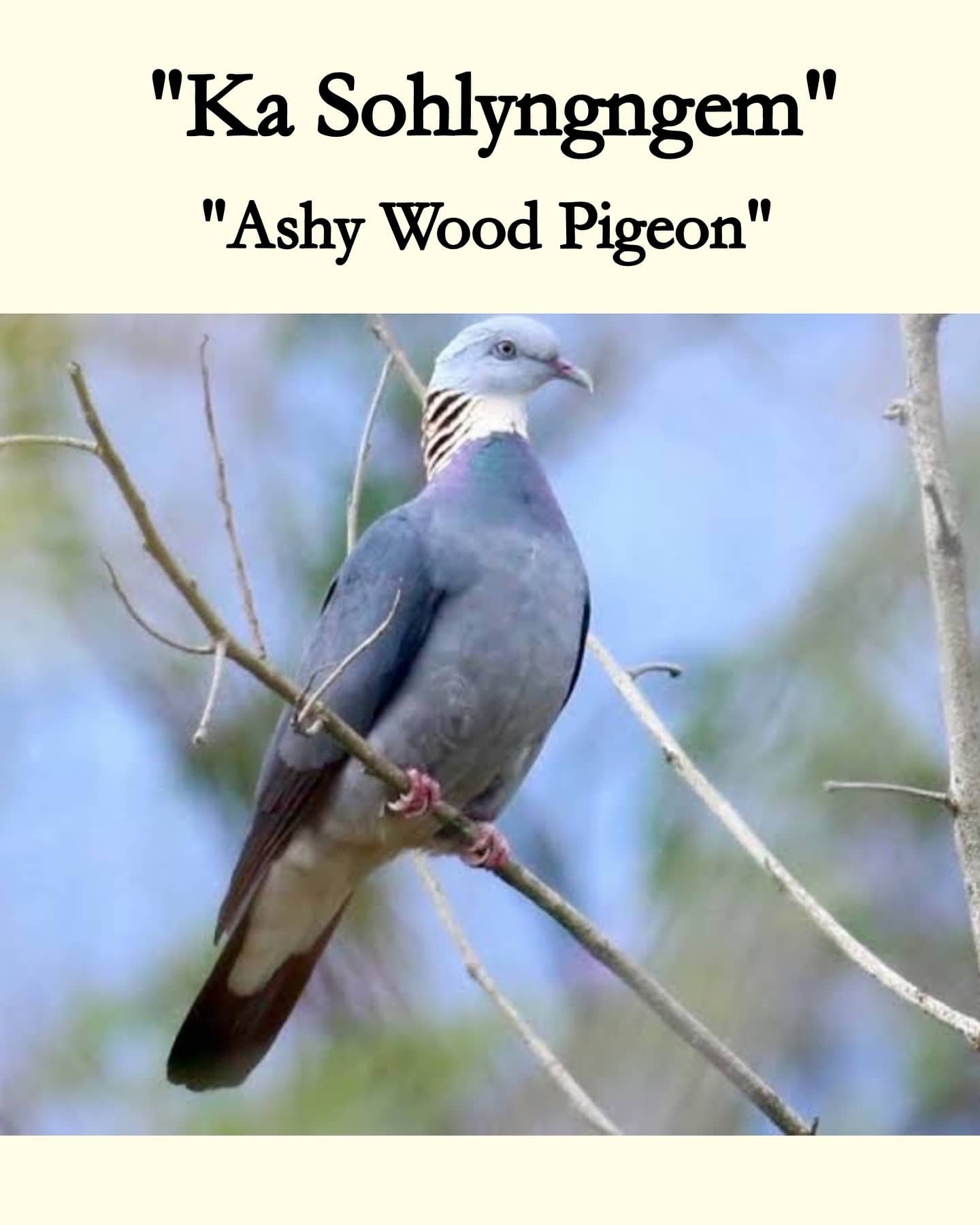
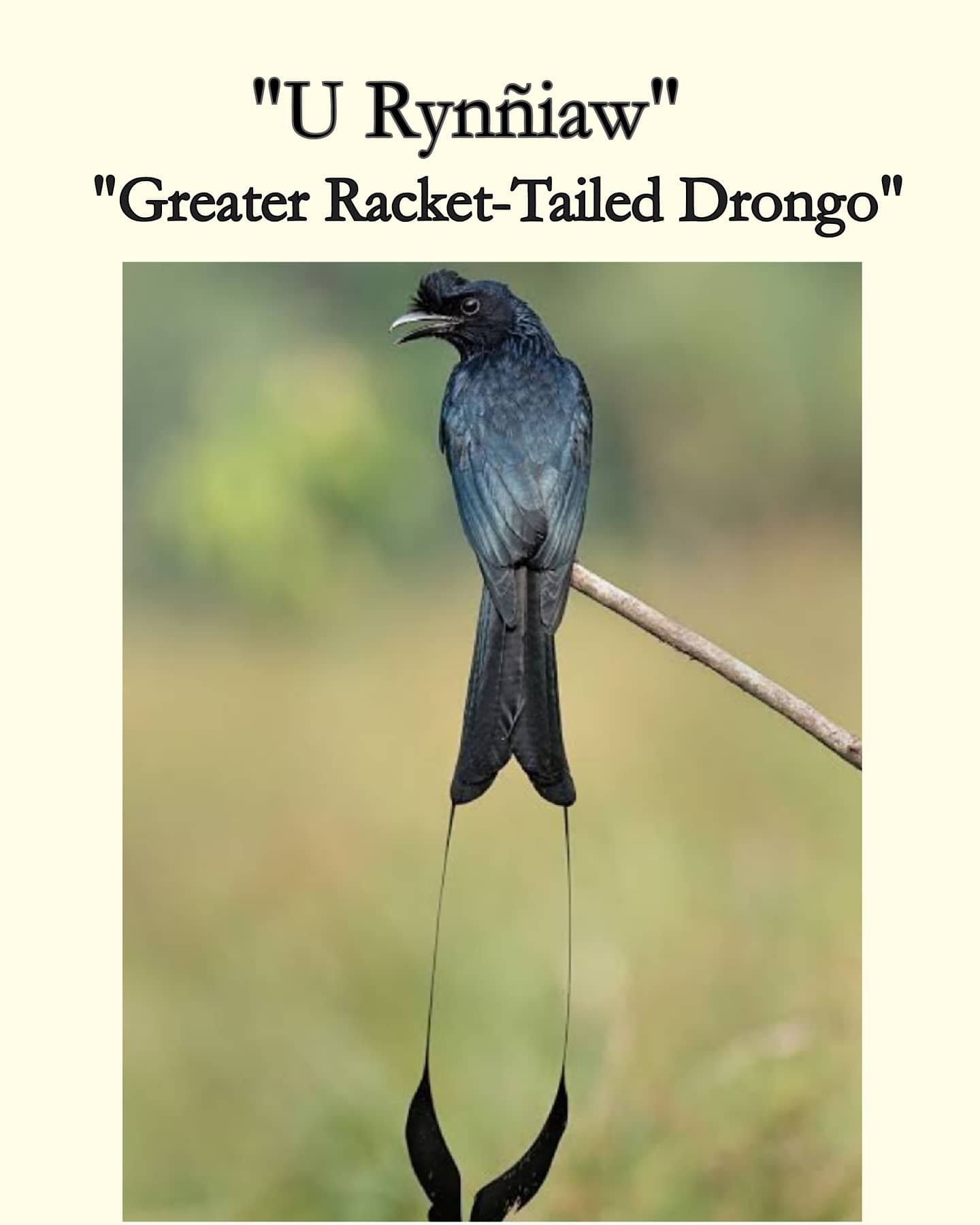
    Ka Sohlyngngem and U Rynñiaw were deeply in love with each other and would meet in the shade of tress in the forest. Ka Sohlyngngem was a beautiful bird who belonged to a poor but hard working family. U Rynñiaw, on the other hand, was the son of a well-privileged family and the "King of the Kingdom of Shade'' (Tales of Darkness and Light by Janet Hujon). The parents of Ka Sohlyngngem did not wish that she marry U Rynñiaw because of the difference in wealth between the families. As the sorrowful end of the story goes when Ka Sohlyngngem tells him, U Rynñiaw is distraught but not wanting to cause pain to her parents, decides to say goodbye and leaves Ka Sohlyngngem. Till today the cries of Ka Sohlyngngem are heard singing of her lost love.

    "Ka Sohlyngngem" da Primrose Gatphoh

    1. Ka Sohlyngngem ka thei bhabriew.

    Ki ong naduh hyndai;

    U sim Rynñiaw ka ri dymmiew,-

    Iap mat-u 'rang kynsai.

    2. Jar-Jar ka trei ka khun ki briew,

    Ba duk ba bylla sngi;

    Ka nang ban thaiñ ban suh syntiew,

    Kam nang ki 'tien lorni.

    3. U sim Rynñiaw, u khun binong,

    Ïa ka bunsien u ruwai :
    Hajan jong u ka brai ban shong;
    Ka sngap, -ka ioh thiah thai.

    4. Ar ngut ki ïaid sha lum sha wah,

    Ki shong hapoh dymmiew;
    Harud ki um sangam dait thah,
    Sha bym ïohsngew ki briew.

    5. Ka 'lei-lapmat ka wiat samrkhie,

    Ki khun mariang bha dur :
    Ha pdeng duriaw jingieit ki kie,
    Ki Paro-blei shi jur.

    6. Ki 'tien-sai-iong, ki 'tien-sai-saw,
    Ar ngut ki teh jutang:

    Ym don u syiem, ym don i mraw,

    Ban sngap ban ap jutang.

    7. Ki kmie ki kpa ka Sohlyngngem,

    Kim mon pynhiar synjat:

    Jingieit jong ka- -ka dom, ka rhem,

    Ka iam, ka khuslai sat.

    8. "Ko Khun" ki ong "Yn lei phin kwah

    Ioh un lehbeiñ lehkhoh

    Namar ma u u khun riewspah,

    Ma phi ka khun ba poh!"

    9. "Hu-hu ka ud ka pait dohnud,

    Namar u Syiem Rynñiaw :

    Ka phet kylleng ka wad ka bud,

    "Hu-hu Hu-hu' ka piaw.

    10. "Ko Ieit,' ka ong, '"dohnud ka pang :

    Eiei, ngam nang pyrkhat:

    I mei i pa, iap-iap ki khang,

    Bad phi ban shong ryngkat.

    11. "Jingieit jong phi ia nga la biang,

    Bad phi nga hun nga suk:

    Im-im ia phi ki ring 'sai syiang:

    Ki mon para ba duk."

    12. "Oh kumta pleng | Nga ruh ngam kwah

    Ynnai, – pynsngewsih lei !

    Hynrei, ko Ieit, ia nga to shah,

    Ngan doh khadduh-Khublei!"

    13. Kumta u piam, u doh, u dait;
    Junom ka iai kynmaw :
    Te, slem u-bat, um lah pyllait;
    Ki ummat ksiar ki jaw.

    14. Te soit u siang la ki sner diar;
    Shapoh lawbah u ruwai :

    "La pait, la pait ka Khuri Ksiar,

    La wai, ko Tiew-Pathai !"

    15. Ka Sohlyngngem ka shoh bieit ngaiñ,

    Shano kan ïashem pat !
    Mano ban sop, mano ban spaiñ:
    Badno kan shong ryngkat !

    16 "Hu-hu!" ka iam, "Hu-hu!" ka ud,

    "Hu-hu!" ka win ka khlaw :

    "Hu-hu!" "Hu-hu!" ka khot pangnud,

    'Hu-hu,! ko Syiem Rynñiaw !'

    17. Ka ngiah ka ruwai, ka shad, ka kmen,
    Ka keiñ ka put ka tem :
    Ha 'Iaw sangam ka shong rieh tngen :
    Ka ud, -ka pang shadem!

    18. Ka Thei-Iap-Saw ka khuslai sat,
    Ha thwei sangam ka miet ;
    La khap ka khmat, ka dem pyrkhat,-
    Ka Khuri Ksiar Jingieit !

    "Ka Sohlyngngem bad u Rynñiaw" is a story marked by love, sorrow, loss and absence. 🖤🤍🖤🤍

    🟡 As stated in Tales of Darkness and Light (2018) by Janet Hujon, Ka Sohlyngngem is the Ashy Wood Pigeon and U Rynñiaw is the Greater Racket-Tailed Drongo.

    🟡 The Khasi poem "Ka Sohlyngngem" is written by Primrose Gatphoh in his book Sawdong Ka Lyngwiar Dpei (1977).

    🟡 Pictures 2 and 3: Google