Tag: speakyourroots

  • Thoh shun ki blei

    "Thoh shun ki blei" ka dei ka shun ba la thoh da ki blei. Kane ka jingong kaba sngewtynnad ka thew ïa kito ki briew kiba don ïa ka bok ka nusib ban long 'riewkhraw, 'riewspah ne riewpawnam.

    Ïa ka jingthoh shun ngi lah ban shim kum ka jingpruid lynti lypa ïa ka jingim jong u ne ka briew bad ka jingshem bha shem miat jong ki kaba la mang da ki blei.

    The phrase "Thoh shun ki blei" literally means lime paste that has been marked or traced by the gods. This phrase symbolically refers to an individual who possesses the good fortune, of becoming great, wealthy, famous or well-known.

    The marked lime paste is a metaphor for being marked for good fortune in life, which can be interpreted as a predestination of the gods.

    In Khasi culture, lime paste figures prominently as an aid for protection from forces of evil.

    "Thoh shun ki blei" is to be blessed with that extra something that no man can take away!

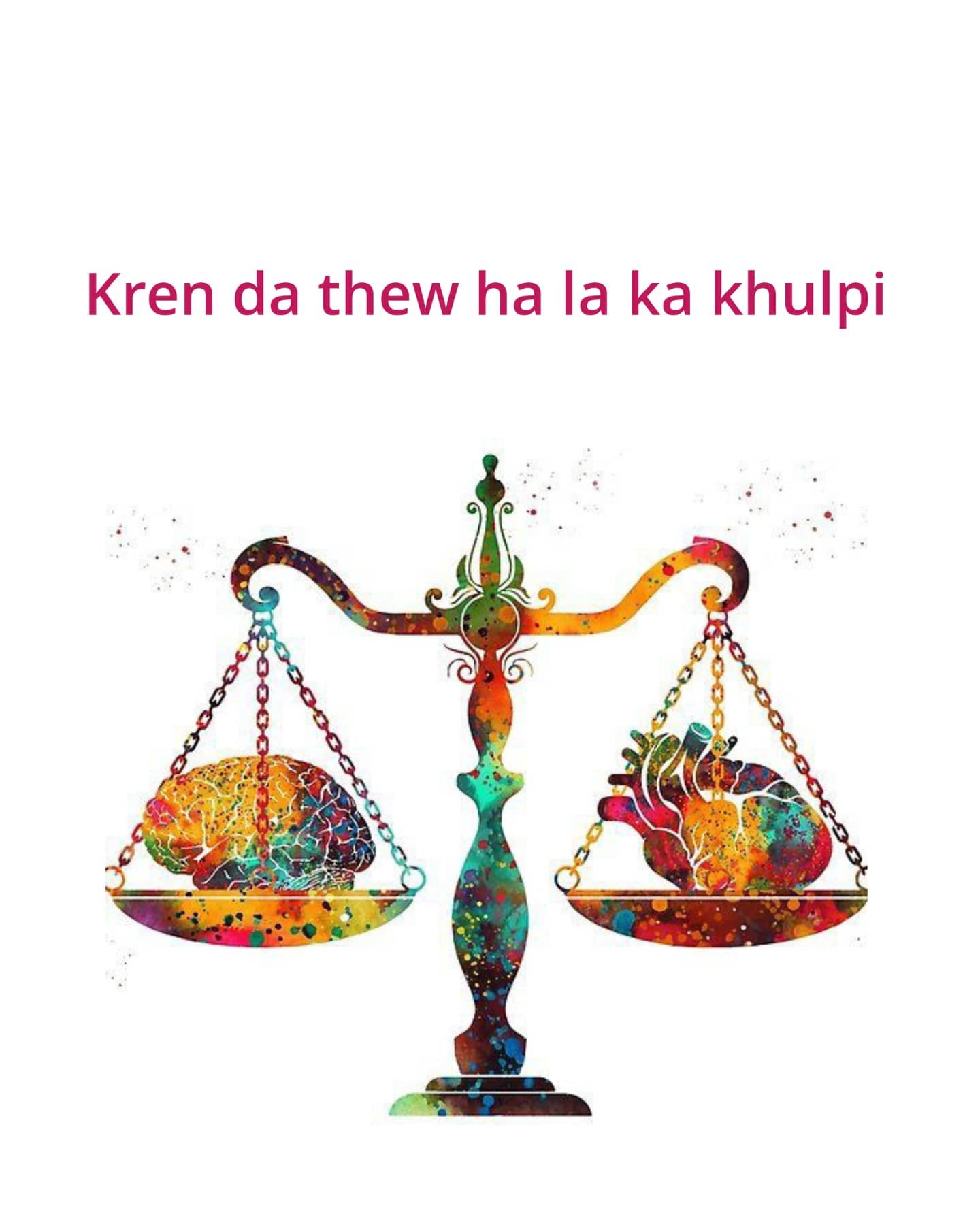
  • Kren da thew ha la ka khulpi

    "Kren da thew ha la ka khulpi" ka mut ban kren da kaba sumar ha khmat ki briew, ne haba duwai ha u Blei, ban antad bad ban thew ïa la ka ktien ha ka tarajur ka mynsiem bad ka dohnud, shuwa ban pynmih ïa ka shabar.

    La nang pynshongkhia shuh shuh ïa kane ka jingong da ka ktien "khulpi" kaba mut ka jingshisha ba la buhrieh bad kaei kaei ka bym lah ban ïohi.

    Namar kata, lada ngi ong "Kren da thew ha la ka khulpi" ka thew ïa ka ktien kaba mih da ka jingsngewthuh bad jingshemphang, kaba la pynphrang ne pynwandur da ka jingshisha kaba don ha ka mynsiem bad ka dohnud.

    The phrase "Kren da thew ha la ka khulpi" means to speak with care and caution in front of people, or when in prayer to God, to assess and measure words in the scales of the soul and heart, before speaking the words.

    Beauty and depth is added to the phrase because of the word "khulpi" which means the truth that is hidden and something that cannot be seen.

    Thus, when we say' "Kren da thew ha la ka khulpi" it refers to the wisdom and insight that is expressed in words, which have been moulded and tempered by the truth that exists in the heart and soul.

    "Kren da thew ha la ka khulpi" is a beautiful phrase which expresses the power of the spoken word. 🧠♥️🗣️

    English translation by @speakyourroots

  • U Thuïa or The Feathery Crest

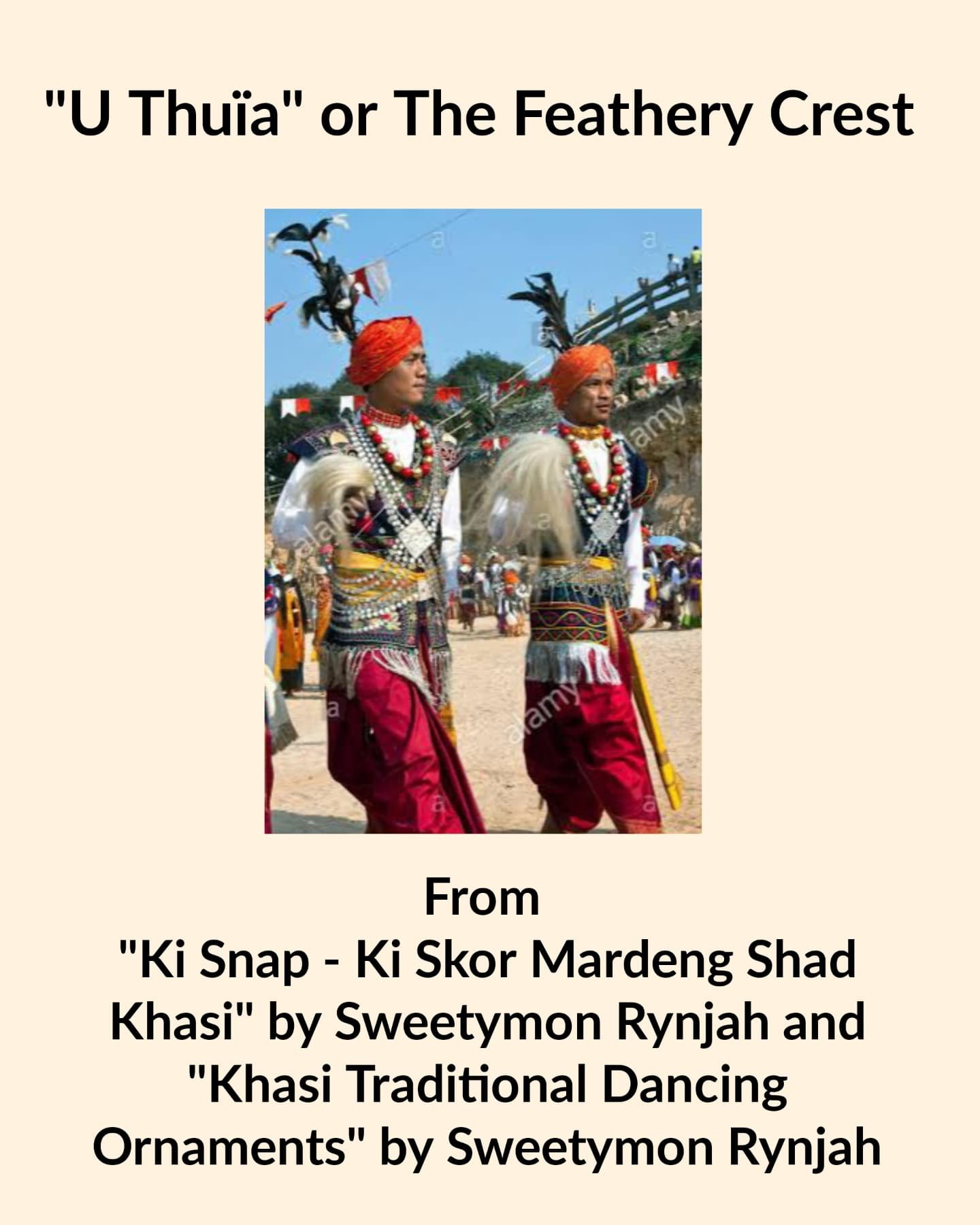
    "U Thuia" or The Feathery Crest

    From Ki Snap – Ki Skor Mardeng Shad Khasi by Sweetymon Rynjah and

    Khasi Traditional Dancing Ornaments by Sweetymon Rynjah

    U Thuïa

    Ka jaiñspong ha ka riam Khasi ka ïoh ïa ka bynta ba kongsan eh ha ka riam u rangbah Khasi. Ka pynphuh ïa ka maiñ rangbah bad ka ïoh la ka longsan ha ka jingpynkup burom ha kino kino ki kam bad jingleh burom kat kum ka rukom Khasi…Tangba ha ka shad ka kmen khamtam ka shad ainguh, la sieh bad pyndait pat sa ïa u Thuïa. Kumta u Thuïa u shim ïa ka bynta kaba kongsan bad ba khlieh tam ha ka riam shad shynrang jong ngi ki Khasi.

    Ïa u Thuïa la sieh tyngkhap ha ka jaiñspong na shadien khlieh jong u nongshad bad la teh pynskhem da ki arliang ksai jong u bad pynskhem ha ka jainspong. Une u Thuïa, ym tang ba u pynphuh pynphieng ïa ka maiñ ki long shynrang, hynrei la bsap ruh ïa ki jingmut barieh, kiba ki longshuwa manshuwa ki la pynkup ha u, kum ki dak ki shin ban pynpyrkhat bad ngam jylliew ban khyllie pat ïa kita ki syrtap ba la pynkap bad pynshat ha u dur jong u. Hynrei kam long kumta ha ka pyrkhat bad pynshong kaba ka sain pyrkhat pynneh dustur bad pynsah riti jong ki longshuwa jong ngi.

    La shna pynbit pynbiang ïa u thuïa na ki sner jong ki sim ki doh. Ki sner kiba kham heh ki long kiba ïong, ïa kine la teh pyndait ha i dieng ba la khrud pyllon bad teh pynskhem bha, ban da pynwandur kyrphum ba kham ïar na sha trai bad nang kham rit khyrphum katba nang kiew sha khar jong u. Ha kine ki sner kiba ïong pat, la teh pyndait ïa ki sner lung balieh, kiba la teh synrop kumba saw ne san tylli bad pynkhreh kyrpang shuwa ban teh ha ki sner ba ïong, ba la pynskhem ha i dieng pyllon ba la pai pynjlih pynrit ban rung ha ka tyngkhap syrtap jaiñspong u nongshad.

    Ki kpa tymmen jong ngi ki ju kham pyndonkam da ki sner u sim Rynñiaw. Une u sim u phong u kup da ki sner kiba ïong ha met katba na shadem haduh tyngkhap kjat, ki sner ki long lam bthuh-lieh. Ha u tyndai dong jong u, u don artylli ki sner kiba kham jrong na baroh kiba shat ïa ka rong thwei ïong, rong lir syriem ïa ki sner jong u klew. Ha ki puriskam purinam Khasi ïa u sim Rynñiaw la pynkap kum u khun binong bishon, uba don ka akor bad kup da ker la ka burom, uba wan na ka longïing longsem kaba bha ba miat. Ha une u sim la pynïasoh ïa ka jingshlur bad shynrang mynsiem bad la pynkup ruh ha u, ïa ki nuksa jong ka jinglong shynrang jingmut ha la ka jingthmu…La pynïasoh ruh bad une u sim kum u shynrang ka wait ka stieh kaba mut ba thew ïa u briew uba kloi ban len ïalade na ka bynta kiwei pat lane na ka bynta la ka hok.

    The Feathery Crest/ U Thuïa

    Thuïa is the feathery crest or plume attached to the "spong khor" of a Khasi male dancer. "Spong khor" is a head-dress or turban, called "jaiñspong" in Khasi. This "jaiñspong" does not only give a manly appearance to a Khasi male but also enhances his stature and look. This Khasi head-dress has become a way of honouring and glorifying any important personage, by presenting and entwining the same on his head on any occasion of festivity. It has also become an integral part in the consecrating ceremony of the chosen Khasi Syiem. The "Spong khor" is entwined on the head of the chosen Syiem as a mark and symbol of instrumental authority after completion of all the religious ceremonies.

    We also witness in the Khasi Thanksgiving Dance of "Ka Shad Suk Mynsiem", all male dancers dressed with turbans of dhara, muga or ka "Spong khor". This "Spong khor" is a hard strong mixture of silk, known in assamese as "Gumchen", specially made with geometrical designs or animals motifs in red with a background of yellow. On the back of this turban, a feathery crest or plume called "U Thuïa" is attached. It is fastened to the turban, its two threads, which passed through the layers of the turban before fastening and knotting.

    "U Thuïa" is prepared from the feathers of birds. The bigger feathers are of black colour, which are fastened and tightened to a small stick, prepared for this purpose. The lower portion of the stick has been thinned out to enable to pass through the layers of the turban. On the tips of these black feathers, a small bunch of white soft feathers in a cluster of four to five, prepared separately are fastened and tied to the black feathers. "U Thuïa" gives a conical shape broader at the base and narrower while ascending to the top.

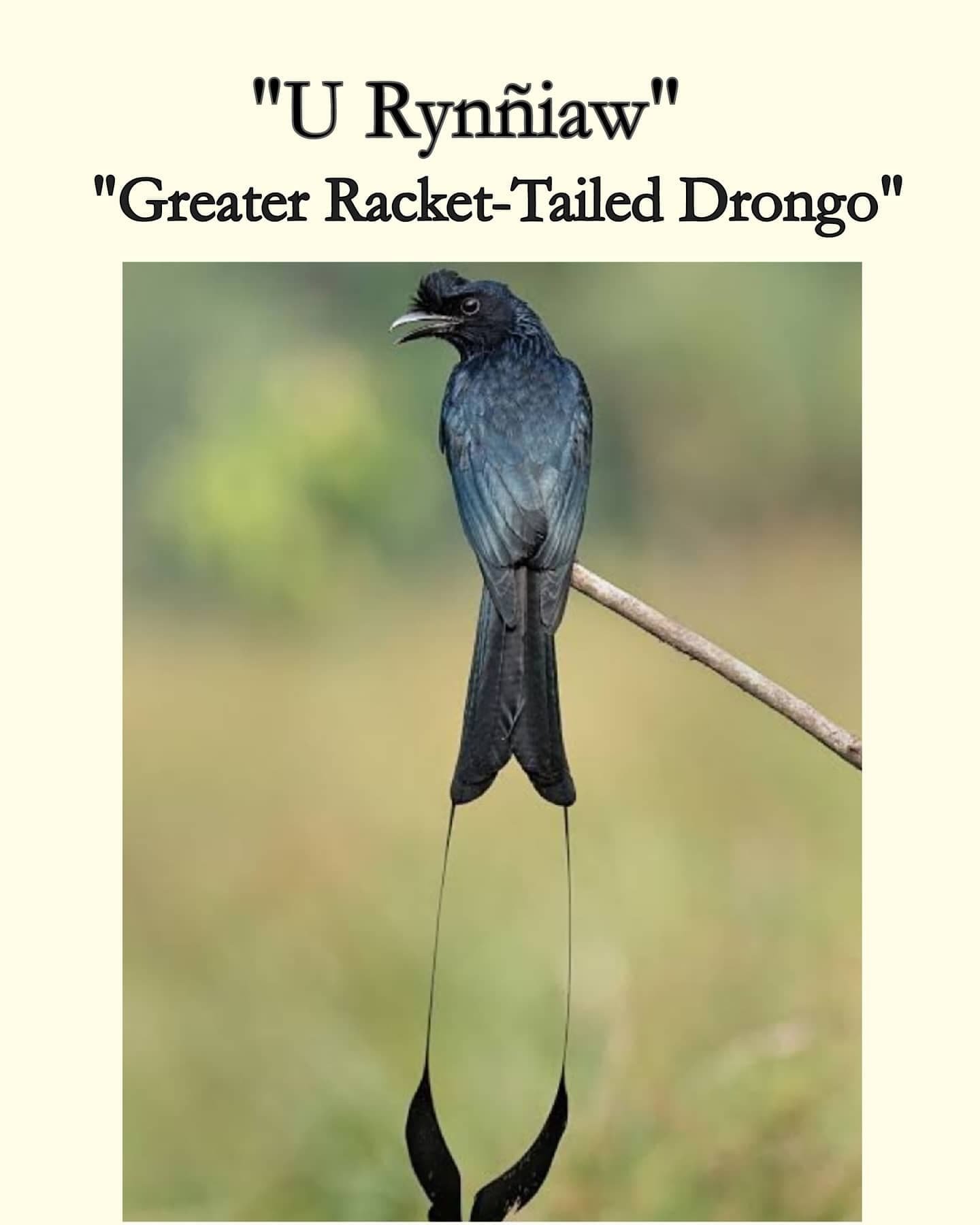
    It has been orally told by Khasi elders that our forefathers used the feathers from the bird, called "Rynñiaw" while preparing "U Thuïa". It is a bird with black feathers on its body, while on its chest, the feathers are soft and cloudy white. This bird has two feathers on its tail with shades of blue, tinted with indigo like that of a peacock. In the Khasi fable of "U Rynñiaw", the bird is personified as a nobleman, well brought up in good etiquette and behaviour, with good qualities and moral values. Courage and chivalry are also embodied in this bird, being an example of a man with strong will and determination, who girdled his will power, in whatever, he aimed at, without scarificing his manly honour and prestige. "U Rynñiaw" was also assimilated as a champion for a noble cause of peace and harmony, at the cost of his own mental agony and lamentation. Hence, he can mortify himself for others for a righteous cause.

    The traditional Khasi attire of men in "Ka Shad Suk Mynsiem" contains a deep significance. Thanks to Kong Sweetymon Rynjah we understand the beauty and symbolism behind "U Thuïa" or the Feathery Crest of "Ka Spong Khor".

    "U Rynñiaw" is the bird from the fable "U Rynñiaw bad ka Sohlyngngem".

    🟡 Abridged and translated by @speakyourroots
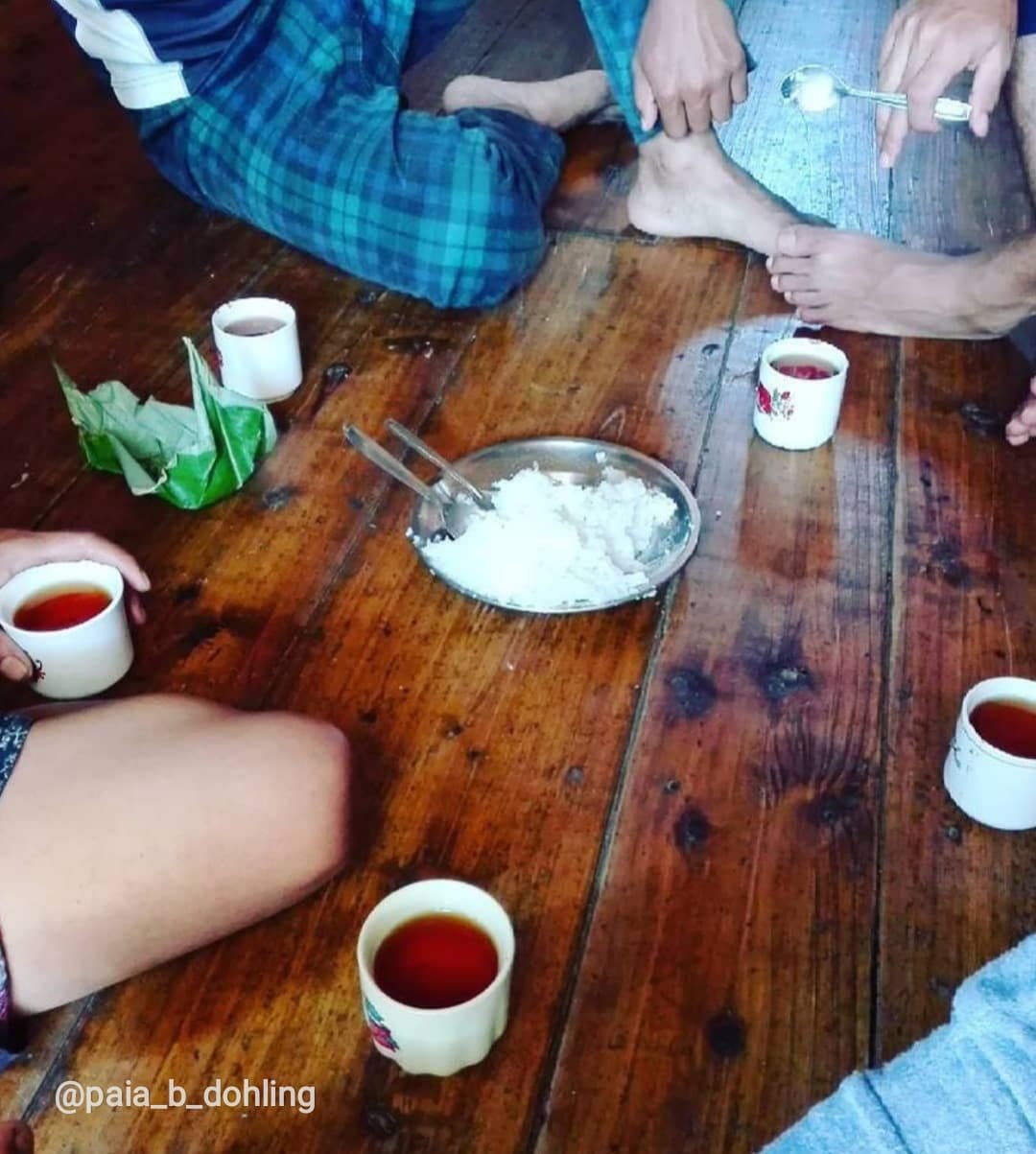
  • Red tea, rice and ktung thang

    Lehse, kham niar napdeng jong ngi,

    Ban iohmad ia i jakhluid, sha saw,

    soh mynken khnai war bad 'tung thang

    dang step phyrngap ha

    skum trep ha nongkyndong kynjai.

    Khublei Kha.

    Khublei paralok.

    Khublei Mei Ramew.

    -Paia B. Dohling

    The taste and flavour of red tea with rice and ktung thang (roasted dry fish) 😀😀 ❤️🤎🌱🌱 The typical Khasi breakfast mostly comprises of tea with plain rice 🌾🌾

    Khublei Shibun @paia_b_dohling for tagging us in this picture! Love the wooden floor holding the breakfast we all know!

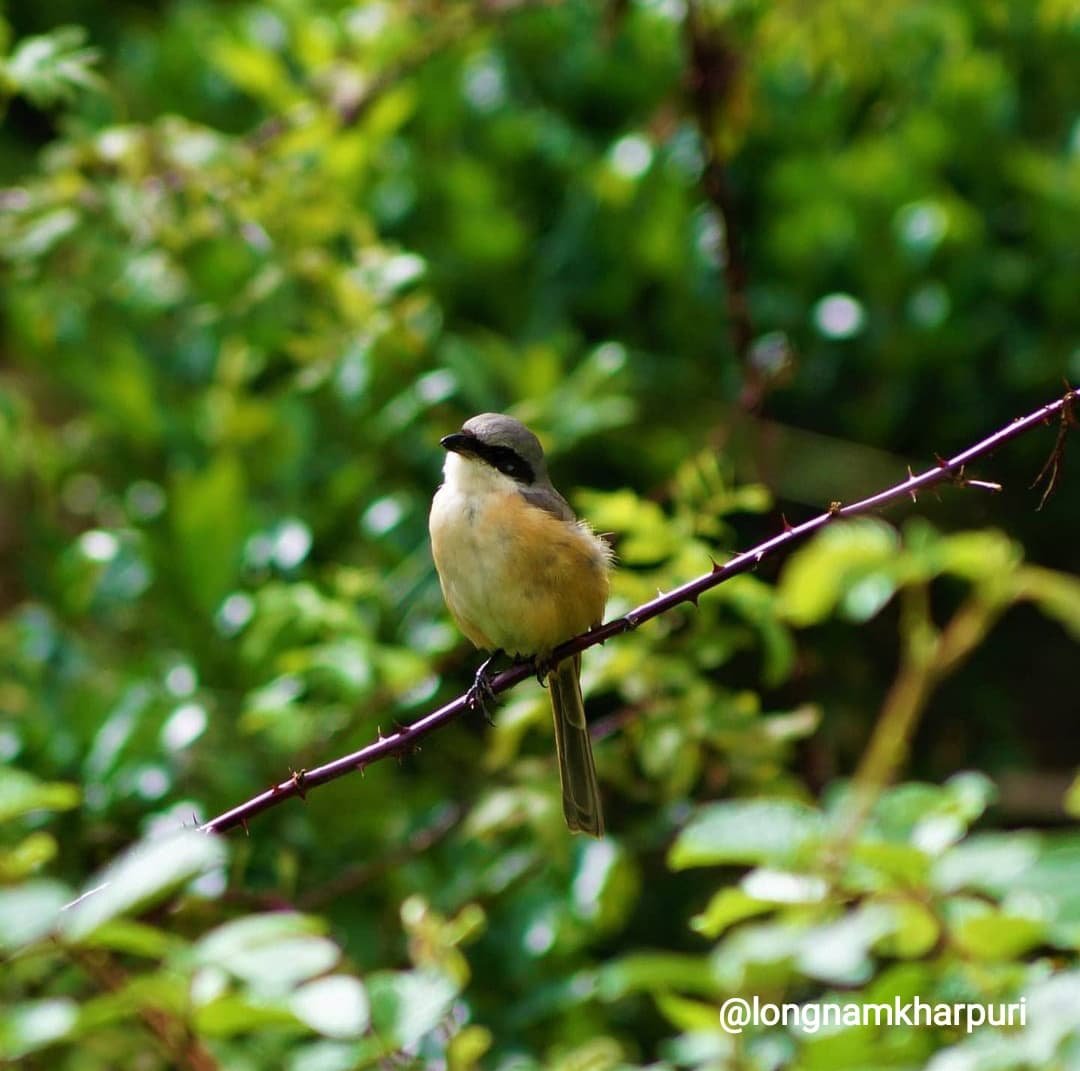
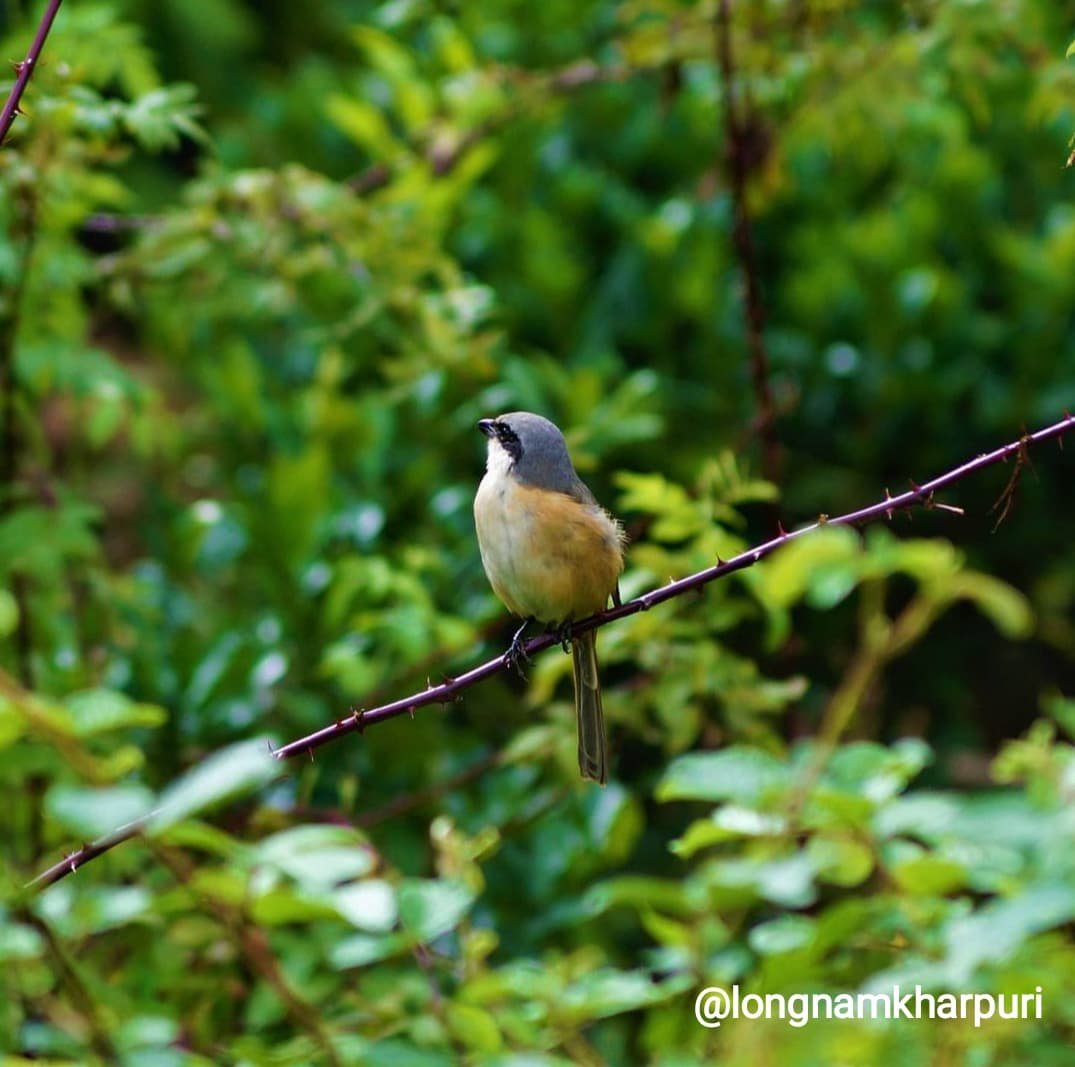
  • Ka Lorni or the Grey-backed Shrike

    "Ka Lorni" or the Grey-backed Shrike sighted by @longnamkharpuri in Mawlai Mawroh, Shillong. Thank you for this! 🙏

    She says: "Shrikes really enjoy sitting on wires and poles and just staring. This one was easy to capture because it just sat there for almost 15 minutes." She also added that they have shrieky calls. Like we say in Khasi "Ki dei kiba pah kaw kaw".

    Maybe that's how the name "Lorni" came into being because the Shrike sits and observes and then shrieks loudly? Or was it that the bird's nature suited the word? 😂😂

  • An excerpt from”The History and Culture of the Khasi People”

    In this chapter entitled "Source of History" the author says that an effort has been made to write about the history of the Khasi people from the materials that they could gather, to "present a detailed account of both the political and cultural life from its earliest beginnings to the present day."

    Under the category of foreign accounts, the author says: Classical sources like the account of the Greek, Roman and Chinese starting from the 5th Century BC referring to Assam in general, indirectly allude to important socio-ecomomic and cultural conditions of the Khasi during the early period. Qazim's mention of fruits like citron, lime, lemon pineapple, orange, etc. produced from Assam in the medieval age refers to the cultivation of these fruits by the Khasi people who have grown them through generations till the present day.

    Mention of iron smelting, work in gold, silver and copper in Assam, in the early and mediaeval period refers to similar Khasi enterprises (of which we have evidence). On the proper basis of identification, we can make use of the foreign accounts and classical sources.

    References:

    1 Qazim was one of the earliest Muslim travellers to Assam.

    2 P. C. Choudhury, The History of the People of Assam to the 12th Century. A.D. and Ka Ryngi, Vol II, No. 1 and Vol II, No. 2.

    This is a great book you have to read! Thank you Miss @indariwarjri for the reminder! 🤗🤗

  • Ka Ksáw Ka Kpong

    "Ka Ksáw Ka Kpong" ka dei ka 'lei donbok ha man la ka jingpyrshang, khamtam ha ka beh mrad. "Ka Ksáw Ka Kpong" ka dei ka 'lei beh mrad ha kaba ki nguh ïa ka da kaba sieh hapdeng shnong ïa ki reng ne ka khlieh jong ka mrad kaba ki ïoh, haba ki beh da ka shnong, ha ka nam jong ka.

    "Ka tap ksáw" ka dei ka jingkñia shuwa ban leit beh mrad.

    Ka ktien "ksáw" ka don ruh ïa ka jingmut ba heh bok ne ba donbok.

    "Ka Ksáw Ka Kpong" is the goddess of good luck who figures in any endeavour, especially during animal hunts. "Ka Ksáw Ka Kpong" is the prominent deity of animal hunts, where homage is paid to her by planting the horns or the head of the animal who is killed during the hunt in the middle of the village or town. This is done when the hunt is undertaken by the village in the name of the goddess.

    "Ka tap ksáw" is the sacrifice that is performed before an animal hunt.

    The word "ksáw" also means possessing luck or being lucky.

    May good fortune always follow you 🌾🌾

    The Khasis have many gods and goddesses that play important roles in their day to day life. We would love to know more about Ka Ksáw Ka Kpong. Please tell us! 🌺🌺

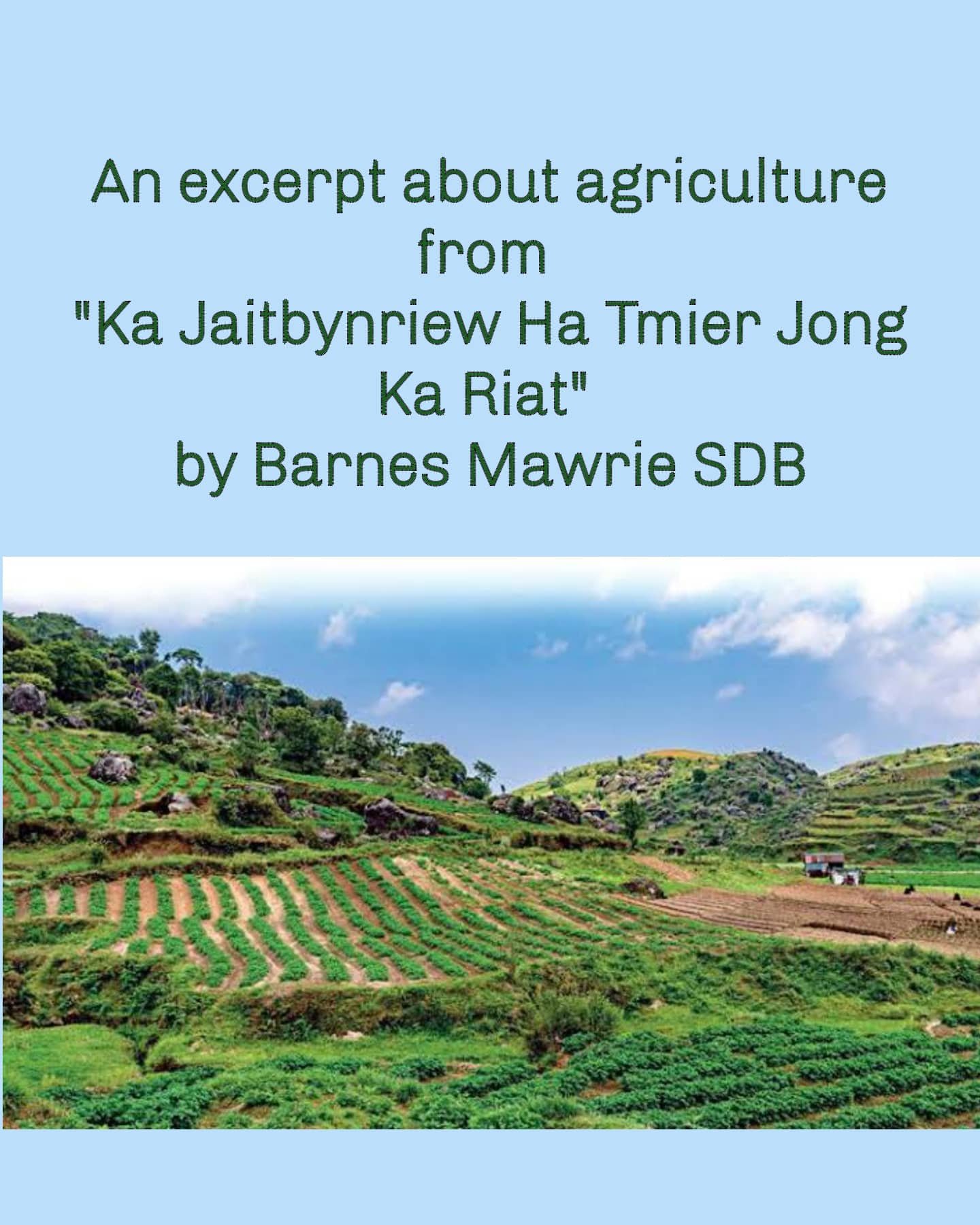
  • Excerpt from “Ka Jaitbynriew Ha Tmier Jong Ka Riat” by Barnes Mawrie SDB

    Kawei na ki jingbakla jong ka jaitbynriew jong ngi kaba la wanrah ïa ka jingma ïa ka lawei jong ngi, ka dei ka jingiehnoh ïa ka rep-ka riang khamtam ha nongkyndong…Ka khanatang jong ki hynñiewtrep hynniewskum ruh ka ong ba u Blei u la phah ïa ki sha pyrthei khnang ba kin rep-ki riang hapneh ka mei mariang. Kumta ngi dei ban sngewthuh ba ka rep-ka riang ka dei ka kam ba u Nongthaw hi u la buh-la mang na ka bynta ki briew. Baroh ki jaitbynriew ki burom bad tyngkai ïa kane ka kam, hynrei ma ngi ki Khasi pat ngim kheiñkor shuh ïa ka. Ha kane ka rukom ngi ïaidlait ïa ka hukum ne saiñdur jong u Blei bad deihok keiñ ba ngin ym ïoh jingkyrkhu na u. Ki longshuwa jong ngi ki la im da ka rep-ka riang bad ki la pahuh ka bam-ka sa, hynrei ha kane ka juk mynta pat, ngi hap wanrah jingbam na kiwei pat ki jylla.

    Ha ri Europe, ki briew kiba riewspah tam dei ki nongrep ym ki nongtrei sorkar, hynrei hapdeng jong ngi pat ka long markhongpong. Balei ka jia kumne? Ka daw ka long ba ki khyndiat ki nongrep ki basah mynta ki dei ki briew ki bymnang-bymstad bad ki rep beit da ka rukom ka barim khlem lah shuh ban pynheh-pynroi ïa ka rep-ka riang jong ki. Hynrei lada ki samla kiba la nangla stad pat kin rep, kan pher shibun namar maki kin wad da ki rukom rep ka juk mynta bad khlempep kin lah ban pynkiew ïa ka rep-ka riang. Ha u snem ba ka Israel ka la ïoh ïa ka jinglaitluid bad la ka jong ka ri, u Ben Gurion u nongïalam banyngkong jong ki u la ong ïa ki paid Israel "ngi long ka jaitbynriew bathymmai bad baduk mynta bad ngi donkam ïa ka jingïaraplem jong kiwei pat ki ri, hynrei ngin khrong na ki na ka bynta kiwei pat ki jingdonkam hynrei ym ïa ka bam." Dei nangne ba u ïa sdang ïa ka Green Revolution ha Israel ha kaba ka ri Israel ka la lah ban pynkylla lyngkha rep ïa ka ri shyiap bad ka la lah ruh ban pynmih ïa ka bam-ka sa ban pyndap-pynbiang ïa ka jingdonkam ka ri.

    One of the mistakes that we have made that can be a danger to our future is the abandoning of the practice of agriculture especially in the villages. Our folklore says that God had sent mankind to earth with the main purpose of living in the lap of nature by practicing agriculture. So we should understand that tilling the earth and planting crops is a God-given duty. All races and communities respect and value agriculture highly but sadly we seem to not have a high esteem for it. In this way, we move away from the command and mould of God and rightly, we lose his blessings. Our ancestors survived through agriculture and prospered by it, but in this generation, we have to bring in food and commodities from other places.

    In Europe, the wealthiest people are farmers and not those working in the government, but with us it is the other way round. Why has this happened? The reason is the farmers do not have the knowledge and are using old ways of agriculture, which will not increase their yield. But if the youth who possess the knowledge and means for agriculture can practice it with modern tools and aids, there will be change and it will improve the quality and yield of agriculture. In the year when Israel gained it's independence (14th May 1948), Ben Gurion, the country's first Prime Minister said: "we are a new race and poor right now and we need the help of other countries, yet we will ask for help in other things but not for food." It was from here that Gurion was able to start the Green Revolution in Israel, where Israel was turned into fertile ground from a desert and it was also able to produce enough food for the needs of the whole country.

    Farming and tilling the earth is something that we feel is not for us. But if we care about what we eat, if we question the cost of food and commodities, maybe we should start to feel the earth under our hands and sow and nourish what we take into our bodies. It's true gardening and farming requires a lot of work and effort but the rewards we reap are priceless for our mind, body and soul. Even if it's a small kitchen garden, you are taking care of yourself and the earth 💚💚💚

    🟡 English translation by @speakyourroots
    🟡Picture:https://www.google.com/amp/s/www.indiatoday.in/amp/magazine/state-of-states-conclave/story/20181203-striking-deep-roots-1393767-2018-11-24

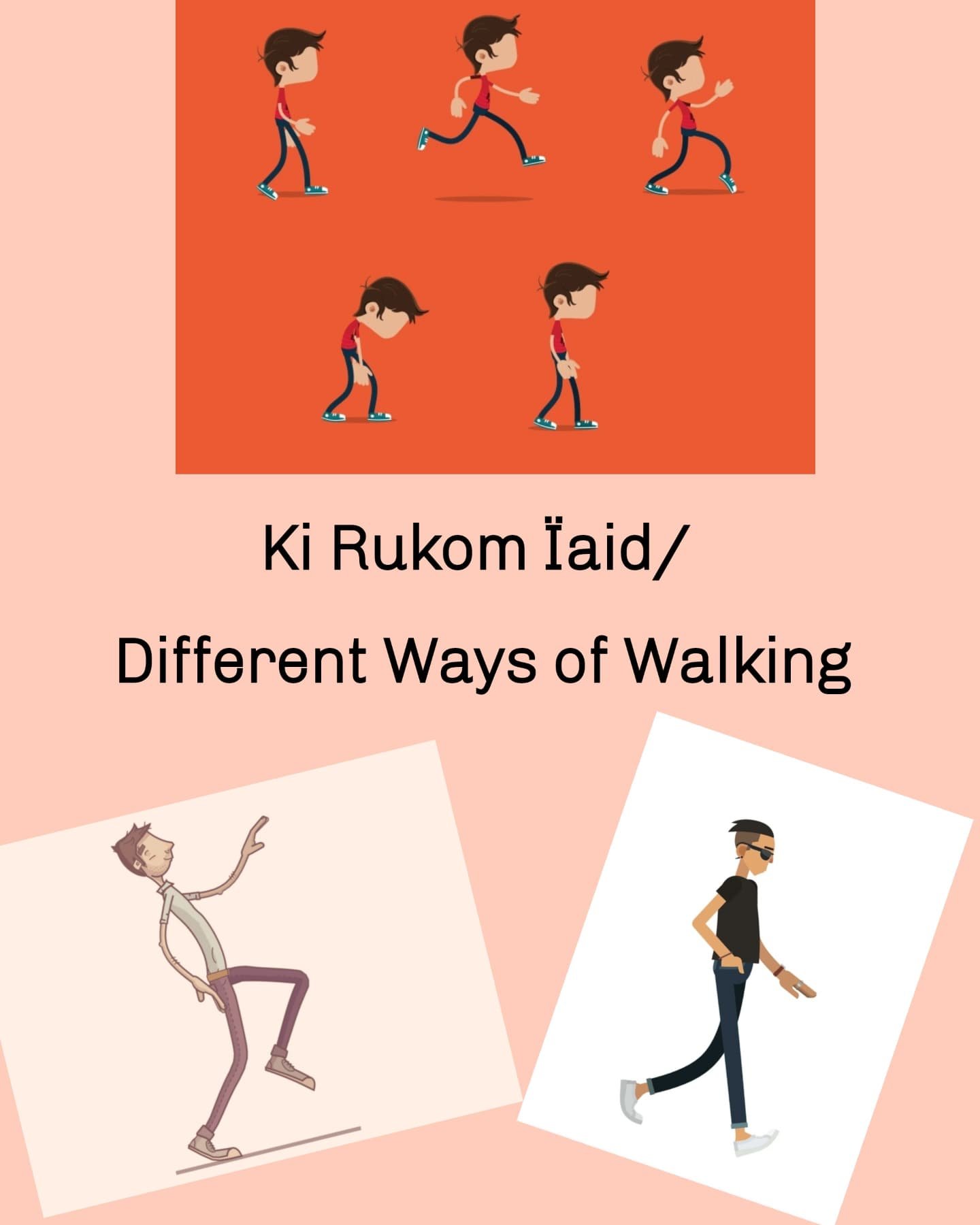
  • Ki Rukom Ïaid /Different Ways of Walking

    Ïaid-khning-khning ka dei haba ïaid kynjing lem bad ki khohwah kiba rit i kum ban kheiñ noh/ to walk tip toe with legs that are so thin they look like they will break.

    Ïaid-khrup-khrup ka dei kaba ïaid kyrdem da ki juti halor ka madan/ to walk with thumping stomps.

    Ïaid-kjik-kjik ka dei haba ïaid ba pynsting ïa ka met, i kumba ym i kwah pyndei khyndew ïa la ki kjat / to walk while trying to lighten the weight of the body, appearing not to want the feet to touch the ground.

    Ïaid kniah-kniah ka dei haba ïaid bhabriew, i kumba ym i kwah ïakren briew shuh/ the walk of someone who feels so beautiful or handsome that they don't seem to want to talk to anyone anymore.

    Ïaid-knip-knip ka dei haba ïaid dkoh i kumba shon maw rit iba nep ha ki pohjat/ to walk with a limp as if there is a small stone poking the foot.

    Ïaid rynthew ka dei haba ïaid khlem da klum ne syndong ïa la ki jaiñ kiba noh/ to walk carelessly without gathering one's clothes around one's body.

    Ïaid shutïew ka dei haba ïaid suki than eh bad ïaid khlem rah ki kjat / to walk in an extremely slow manner without lifting the feet.

    Ïaid pawang ka dei haba ïaid kyreit bad pawang la ki kti haba ïaid, i kumba ym suitñiew briew/ to walk pompously not seeming to be bothered about other people.

    Here's a collection of different kinds of walks 🚶🏃🕺💃😂😂 There are still so many more but these are all we can "walk" with right now..phew! 😅

    Phi mynjur ne em ba tang na ka rukom ïaid lah ithuh ïa ki jinglong jong ngi? Can others guess how we are just by the way we walk? 😄🤔

    🟡 Source: Rev. Dr. Ïarington Kharkongor

    🟡 English translation by @speakyourroots

  • Wang Bam Im and Wang Kushu

    Wang bam im

    Kine ki kyntien ki thew ïa ki briew kiba jemnud than eh haduh ba kiwei pat ki shim kabu ïa ki namar ba kim kheiñ briew shuh ïa ki. Kine ki jait briew ki ïa syriem ïa ka jait wang kaba lada shet ruh long bad lada bam im ruh kam buid satia. Kiwei pat ki wang hap ban da shet shuwa ban bam bad lada bakla shet ruh ki pynbuid ïa ka shyntur baroh kawei.

    This phrase symbolically refers to people who are too gentle and gullible to the point that people take advantage of them and completely disregard them. People with these qualities are likened to a type of "wang" plant called "Wang bam im" which can easily be cooked or eaten raw too, without causing any itching in the throat. In general, "wang" has to be cooked properly so that it does not cause any itching. On the other hand, there are other kinds of "wang" which even after being cooked properly still cause an itchy throat.

    Wang kushu

    Kine ki kyntien ki thew ïa ki briew ki bym ju hun, kiba thut biej wat ïa i daw barit eh ruh. Kine ki jait briew ki ïa syriem ïa ka jait wang khlaw kaba buid hi lada shet makna katno katno ruh.

    This phrase symbolically refers to people who are never content or satisfied; who become irritated or annoyed with the slightest reason. People with these qualities are likened to a wild variety of the "wang" plant called "wang kushu" which causes an itch in the throat even if it is cooked well. Thus, just like the plant, no matter how much anyone does, what they do is not going to be enough.

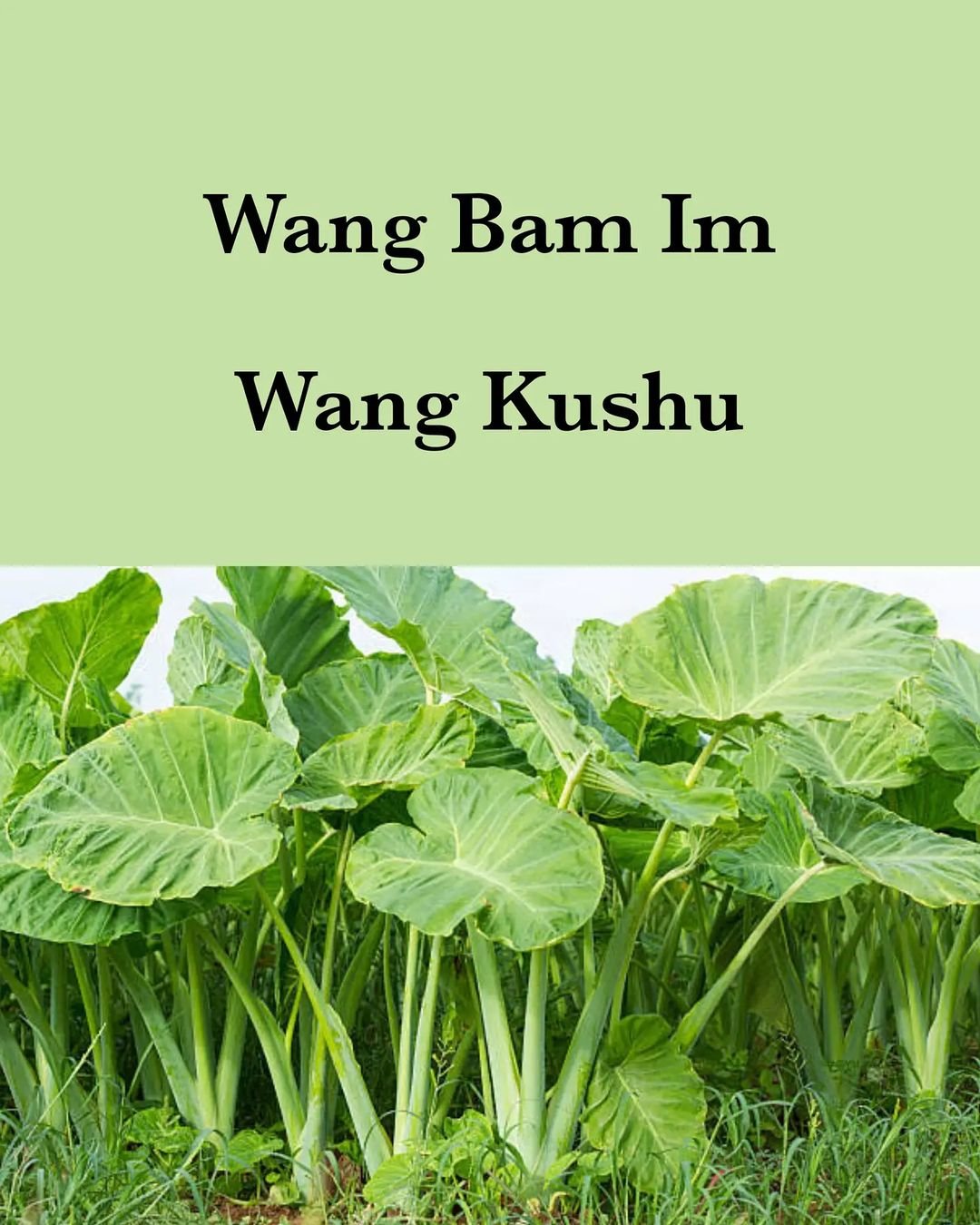
    From what we have read, "Ka Wang" may be categorised as Taro stems which are the young leaf stalks of the Taro plant. The Taro stems in the pictures are similar to what we call in Khasi as "ka wangpanai". The plant known for its starchy tuber has much to offer in its edible shoots, stems and leaves. The stems are typically from the young, new-growth leaves. Among the Southeast Asian cultures, the young, as-yet unrolled leaves and stems are cooked in vegetable dishes or soups.

    Taro stems are fibrous, so they are peeled prior to cooking. The tough outer layer is removed to reveal a more tender stalk within. Just like the leaves and corms, the stems contain an irritant called calcium oxalate, which can cause itchiness and swelling in the mouth and throat. Cooking the stems can remove the effect.

    If there any ethno-botanists please tell us more! 🌿🌿