Tag: speakyourrootschallenge

  • Interview with Careen J. Langstieh, Artist

    1. How and why is art a suitable medium to portray indigenous life?/ Kumno bad balei ka jingdro dur ka long ka lynti pdeng kaba ïahap ban pyni bad pashat ïa ki rukom im bad ïa ki riti dustur tynrai?

    Art is not only a medium to portray indigenous life but it portrays life as it is. Art in its various forms of expression has always been about capturing historical events, addressing social and political issues, also a medium of self-expression or a way of seeking answers when nothing makes sense. In our case, our ancestors have managed to do that with the art of storytelling, using metaphors, situations, words and melodies and the art of embroidery to mimic nature and stone structures all around us to make sure that their existence is not forgotten.

    Ka jingdro dur kam dei ka lynti pdeng ban pyni tang ïa ki riti dustur tynrai hynrei ka dei ka lynti pdeng ban pyni ïa ka jingim briew hi kumba ka long. Ha ki rukom ba pher ba pher, ka jingdro dur ka ksoh bad kem ha ka ïa ki mat ba donkam jong ka histori, ka imlang sahlang bad ka saiñ pyrthei. Ka jingdro dur ka dei ruh ka lynti pdeng ban pynpaw ïa ka malade ne ban wad jubab haba ka wan ka jingjynjar jingmut. Ïa ngi ki Khasi, ki longshuwa manshuwa jong ngi ki la lah ban leh ïa kane lyngba ka jingtbit jong ki ban ïathuhkhana, ki rukom pynïasyriem, ki jingjia ba har rukom, ki ktien, ki sur rwai, ka suh ka thaiñ kaba pyrthuh ïa ka mei mariang bad ki jingthaw jingshna da ki maw ban pynthikna ba ngin ym klet ïa ka jingim jingman jong ki.

    2. How do people respond to art that speaks about indigenous life and embodies indigenous themes? / Kumno ki briew ki sngew bad kren shaphang ka jingdro dur kaba kren shaphang ki rukom im tynrai bad kaba kynthup ïa ki phang pdeng kiba ïadei bad ki riti dustur tynrai?

    Within our place I can say that our understanding of language is gradually becoming more important and interesting. We have come a long way, wherein people now have been able to express their interest and are keen in participating in discourses especially with subjects that are inclined towards our heritage and culture, our past, our stories, our origin, our traditional Khasi faith without hesitation.

    Hapdeng jong ngi, nga lah ban ong ba ka jingsngewthuh shaphang ka ktien ka thylliej ka la nang man kongsan bad ring jingmut. Ngi la ïaid ïa ka lynti kaba jrong, ha kaba ki briew mynta ki la lah ban pynpaw ïa ka jingsngewtynnat bad jingkwah ban ïa shim bynta ha ki jingkren bad jingphylliew jingmut ha ki mat kiba ïadei shaphang ka jingïoh pateng jong ngi, ka deiriti, ka mynnor, ki jingïathuhkhana parom, ka thymmei, ka jingngeit Khasi tynrai khlem don ka jingartatien.

    But, we should also understand that the visuals we were exposed to in the recent past has always been with the coming of Christianity and the various iconographies of the Catholic church. So visually the masses are always inclined towards everything eurocentric; everything from pictures, books, to arrangements of homes is very much according to those aesthetics.

    With regard to visual art portraying indigenous life, it has always been about portraying indigenous people's life in relationship with nature.

    Tangba ngi dei ban sngewthuh ba kiei kiei kiba ngi ïohi mynshuwa ki la long bad ka jingwan jong ka niam Khristan bad ki jingpynwandur nuksa jong ka balang Katholik. Te namar kata ki paidbah ki noh ka jingmut sha kiei kiei kiba longpdeng shaphang ki phareng, naduh ki dur ki dar, ki kot ki sla, ki rukom pynbeit pynitynnat ia ki ïing ki sem. Kine baroh ki long kat kum ka rukom kheiñ itynnat jong ki phareng.

    Ha ka liang jong ka jingdro dur kaba pyni ïa ka jingim tynrai ki trai muluk trai jaka, ka lah ju long ka rukom ban pyni ïa ki trai muluk trai jaka ha ka jingïadei jong ki bad ka mei mariang.

    3. What is the scope of art in building a past, present and future for indigenous life?/ Sngewbha pynshai shaphang ka jingïar jong ka jingdro dur ha ka jingpynwandur bad jingtei ïa ka mynnor, ka mynta bad ka lawei jong ka rukom im bad riti dustur tynrai?

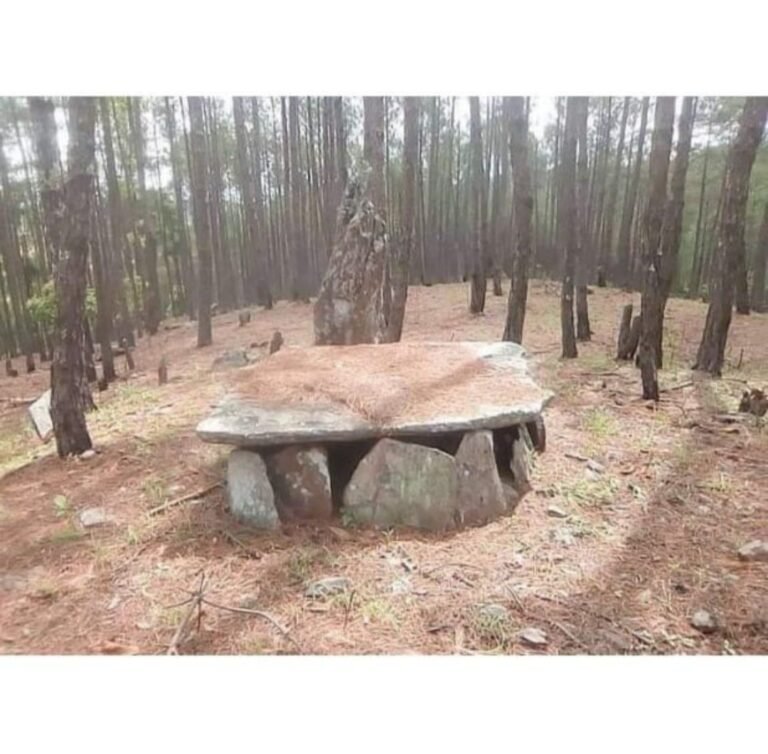
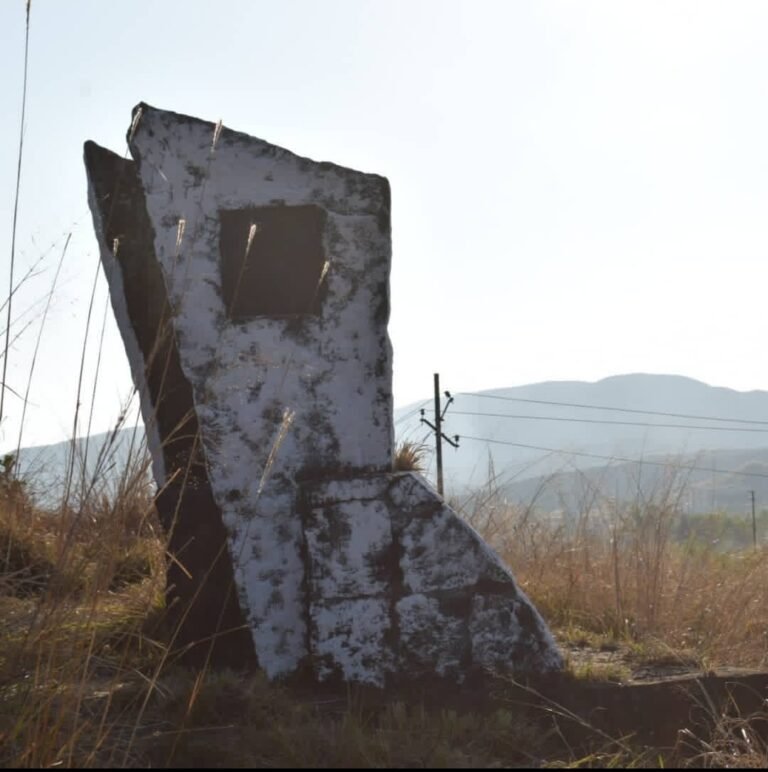
    Our ancestors have paved the way in expressing themselves through the art of erecting monoliths and other stone structures that have stood out prominently everywhere in our landscapes. Almost every artist I know including myself have and still continue to portray these iconic symbols in our works. With time I'm sure these stones will find a new form, new meaning and a language through the works of younger artists who are yet to come. Also our folktales and folklores will continue to allow us to understand them from perspectives beyond what we imagine now. Art will always continue to grow and change.

    Ki longshuwa manshuwa jong ngi ki la prat lynti ïa kaba kumno ban pynpaw bad pyni ïalade lyngba ka jingtbit jong ki ban pynïeng ïa ki mawbynna bad kiwei kiwei ki jingshna da ki maw kiba ïeng shynna ha ki lum ki them ka ri Khasi. Jan man ki barikor ba nga ithuh bad manga ruh, ngi dang ïai bteng ban pynwandur ïa kine ki dak kiba khraw ka jingkordor ha ki jingdro dur jong ngi. Lyngba ka jingïaid ka por, nga thikna ba kine ki maw kin mih ha ki jingsaiñdur ba thymmai, da ki jingmut kiba thymmai bad ka ktien ruh kan mih da kawei ka dur lyngba ki barikor ki ban nang wan. Ki khanatang, khanaparom bad ki rukom im, rukom ngeit jong ngi kin nang ai lad ïa ngi ban sngewthuh na ki rukom ïohi kiba ngim pat lah ban mutdur. Ka jingdro dur kan nang ïar bad nang kylla.

    4. In your paintings there are indigenous images which carry an indigenous ethos. What do you have to say about this?/ Ha ki jingdro dur jong phi ki don ki dur kiba pynpaw ïa ka jinglong mynsiem jong ka rukom im tynrai bad ki riti dustur tynrai. Phi don aïu ban ong halor kane?

    Because I am a Khasi, I cannot create and mould that which is not part of the flesh and blood of this place. Yes, at times I imitate work which is not by me or from my homeland. But in my own individual work, my thought process flows towards those things which are the essence of being Khasi.

    Namar ba nga dei ka Khasi, ngam lah ban pynwandur ïa kiei kiei ki bym longdoh longsnam na kane ka jaka. Hooid, nga pyrthuh bud hateng hateng ïa ki kam ki bym dei na lade ne na la ka ri lajong. Hynrei ïa ki kam ba shimet jong nga ka jingmut ka shoh hi tang ïa kiei kiei kiba ïadei bad ka jinglong Khasi.

    Ban rakhe ïa ka International Day of the World's Indigenous Peoples, ka Speak Your Roots ka la ïoh ban kren bad i Kong @careenjoplinlangstieh iba dei i barikor iba bun na ngi ngi tip shaphang jong i. Ka sap ka phong i Kong Careen ka la wanrah ka burom bad ka nam ïa i bad ïa ngi ki Khasi ha ka ri India bad shabar ruh.

    La thmu ban kren bad i ruh kum iwei na ki kynthei kiba stad bad shemphang shaphang ka jaitbynriew ban pynshai shuh shuh ïa ka phangpdeng jong mynta ka sngi kaba dei "The Role of Indigenous Women in the Preservation and Transmission of Traditional Knowledge".

    Khublei Shibun Kong @careenjoplinlangstieh ba phi la pynsngew ïa ki jingmut bad jingthmu jong phi lyngba kane ka jingïakren! 😃🙏

    To celebrate International Day of the World's Indigenous Peoples, Speak Your Roots had the opportunity to talk with Kong @careenjoplinlangstieh who is a senior practicing artist, who is well-known among us. Kong Careen's gift and talent has brought name and fame to her and to the Khasi community in India and abroad.

    It is hoped that the talk with her as one of the women who are well-versed about the Khasi community will enlighten us about this year's theme "The Role of Indigenous Women in the Preservation and Transmission of Traditional Knowledge".

  • Interview with Naphibahun Lyngdoh, Archaeologist

    Celebrating International Day of the World's Indigenous Peoples, 9th August 2022

    1. What do you think is special about the history of the Khasis?/ Ha ka jingsngew jong phi kaei kaba kyrpang ne kynsai shaphang ka histori jong ki Khasi?

    Ka histori jong ngi ki Khasi ka long shisha kaba riewspah bad kaba kyrpang ha kiba bun ki liang. Haba ngi peit kylleng sawdong ngi lah ban ïohi ki jingtei jong ki mynbarim kiba bun rukom, naduh ki mawbynna-mawbyrsiew, ki jingkieng jyrmi, ki lynti hat, lynti rim, ki ïew rim bad kumta ter ter. Ka jingstad bad jingshemphang jong ki, ka pyni ruh ha ka jingynneh pynsah ïa ka Mei Mariang da kaba buh ia ki 'law kyntang. Kine ki pyni bad batai ia ngi ia ka histori kaba kyrpang jong ki Khasi. Ngi lah ruh ban ïohi ka jingkynsai ka histori jong ngi na ki riti-ki dustur, ka sap-ka phong, ka put-ka tem, ka shad-ka mastieh, ka riam-ka beit, ki khana-ki puriskam, bad kumta ter ter.

    The history of the Khasis is one that is special and truly rich in many aspects. When we look around, we see the rich architectural legacy of our ancestors, from the Megalithic culture (mawbynna-mawbyrsiew), the living root bridges, market routes, old roads, old markets and so on. Their intelligence and wisdom is seen in their ability to sustain and preserve the environment through the setting up of " 'law kyntang" or sacred groves. The uniqueness of our history is also showcased in our tradition and custom, our talent and skill, our music, our dances, our attire, our myths and folklore, etc.

    2. In your research, what have you found about the role of indigenous women in the preservation and transmission of traditional knowledge?/ Ha ka kam wad bniah jong phi, phi lap aïu shaphang ka bynta kaba ki kynthei Khasi ki sei bor ha ka jingpynneh bad pynsaphriang ïa ka jingstad jingshemphang bad jingtip ïa la ka riti ka dustur?

    Ha ka jingleit wad bniah jong nga sha ki shnong kiba pher bapher, nga lah shem bun ki riew kynthei kiba da ka buit ka sap jong ki, ki lah pynneh pynsah ïa ka riti ka dustur u Khasi. Kum ban shu ai nuksa, ka jingshna khiew ha ri Khasi-Jaiñtia lah sdang nyngkong eh ha Larnai kaba dei kawei na ki shnong ha Jaiñtia Hills, naduh ki spah snem mynshwa. Ha ka jingleit jong nga sha kane ka shnong, nga shem ba dei tang ki kynthei naduh kiba rit haduh kiba heh, kiba shna ia ki khiew ranei.

    In my research in different villages, I had found that women, through their intelligence and resourcefulness have been able to preserve our customs and traditions. For instance, the art of pottery making in the Khasi and Jaiñtia Hills was first started centuries ago in Larnai, a village in Jaiñtia Hills. When I went to the village, I found that not only older women but even young girls were involved in the making of the black earthen wares called khiew ranei.

    Haba nga leit pat sha ka shnong Mawsahew, nga shem ïa kawei ka sap bniah kaba dei ka jingthaiñ ki pla ïarong na u sla sohtrun bad kumba ngi tip ha ki por mynshwa, ha pyrthei baroh kawei ka dei tang ka Mawsahew bad ha Philippines ba ki pynmih ïa u ksai na u sla sohtrun (pinatex). Ha kane ka bynta ruh, nga shem ba bun na ki nong shna ïa kine ki pla
    ïarong kidei ki kynthei.

    When I had gone to Mawsahew, a village in Sohra, I came across a particular skili that is unique to our region and that was the weaving of ïarong bags from the fiber extracted from pineapple leaves. As we know, since time immemorial it was only in Mawsahew village and the Philippines that the skill of spinning thread from the fiber extracted from pineapple leaves (pinatex) had been practiced. Here too, I found that many of the weavers of the ïarong bags were women.

    Sha Umden, kaba dei kawei na ki shnong ka ka thaiñ Ri Bhoi, nga shem ïa ka jingthaiñ jong ki riam tynrai ki Khasi na u khniang ryndia bad hangne ruh bun na kiba trei ïa kane ka kam ki dei ki kynthei. Na ki nuksa kiba la kdew haneng, ngi lah ban ïohi ba ki kynthei ki sei ïa la i buit i bor bad ka sap ban pynneh pynsah bad pynsaphriang ïa ka jingstad bad ki riti ka dustur u Khasi. Hynrei kumban shu ong noh, ka jingpynneh ïa ka deiriti kaba riewspah jong ngi ka nym da urlong khlem ka jingiatrei lang shynrang bad kynthei.

    In Umden, a village in Ri Bhoi, I saw that the weaving of our traditional Khasi attire from the eri silkworm is done mostly by the women. From these examples cited above, we see that women have made use of their intelligence, strength and skill to preserve and spread Khasi wisdom, custom and tradition. However, the preservation of our rich culture will not be possible without the combined efforts of both men and women.

    3. What do you have to say to students who want to pursue their studies in History and Archaeology? / Phi don ban ong aïu ïa ki samla kiba kwah ban pule ha ki shlem jong ka History bad Archaeology?

    Nga ai mynsiem ïa kito kiba don shisha ïa ka jingthrang ban pule Archaeology khamtam ïa kito kiba don ïa ka jingthmu ban wad bniah ïa ka Histori jong ki Khasi naduh ki por ba rim-ba jah.

    As we all know, there is a dearth in research on the history of our people and region so I heartily encourage those who have a passion to study Archaeology to pursue research on Khasi history, dating back to undocumented times and ages so that they can contribute to the society as a whole.

    4. Please suggest books on Khasi history that we can read./ Sngewbha ai jingmut ïa ki kot aïu ba ngin pule shaphang ka histori Khasi?

    • A K Nongkynrih- Khasi Society of Meghalaya

    • David Roy- A Khasi Remembered

    • David Syiemlieh- Layers of History: Essays on the Khasi Jaiñtias

    • Hamlet Bareh- The History and Culture of the Khasi People

    • J N Chowdhury- The Khasi Canvas

    • P R T Gurdon- The Khasis

    • Shobhan Lamare- Jaiñtia Oral Narratives

    • Soumen Sen- Social and State Formation in Khasi and Jaiñtias Hills

    Ban rakhe ïa ka International Day of the World's Indigenous Peoples, ka Speak Your Roots ka la ïoh ban kren bad i @naphi_lyngdoh iba dei i Archaeologist. Ka kam wad bniah jong i ka la pynshai ïa bun ki phang jong ka histori bad jymbriew Khasi. ✍️🪖🛠️🏞️

    La thmu ban kren bad i kum iwei na ki kynthei iba trei ïa ka kam wad bniah shaphang ka jaitbynriew ban pynshai shuh shuh ia ka phangpdeng mynta ka sngi kaba dei "The Role of Indigenous Women in the Preservation and Transmission of Traditional Knowledge".

    Khublei Shibun @naphi_lyngdoh ba phi la pynsngew ïa ki jingmut bad jingthmu jong phi lyngba kane ka jingïakren! 🙏😄

    To celebrate International Day of the World's Indigenous Peoples, Speak Your Roots had the opportunity to talk with @naphi_lyngdoh who through her archaeological research has illuminated many areas of Khasi history and culture. 🪖🛠️🏞️✍️

    It is hoped that the talk with her as one of the women who is well-versed about the Khasi past will enlighten us about this year's theme "The Role of Indigenous Women in the Preservation and Transmission of Traditional Knowledge". 🙏😄

    🟡 Naphibahun Lyngdoh, is a Shillong based Archaeologist with interest in Ethnoarchaeology and Digital Archaeology.

    Her research focuses on abandoned settlements, megalithic culture and the ethnoarchaeology of this region. She is a recipient of the Nehru Trust for the Indian Collections at the Victoria and Albert Museum Award, 2019 for her research on the Megaliths of Mookyndur. Her research has been published in national and international journals.

    Congratulations Naphibahun and keep up the good work!!

  • Ïuh Tdong Bseiñ

    Ïuh tdong bseiñ

    Ka jingong "ïuh tdong bseiñ" ka thew ïa kano kano ka jingjia kaba sngew kyndit shaba palat. Kata ka jingjur jong ka jingkyndit ka long kumba ïuh shisha ïa u tdong jong u bseiñ.

    Kum ban ai nuksa: "Haba nga la ïohsngew ïa ka jingkhlad jong i Bah nga la long kumba "ïuh tdong bseiñ!"

    "Ïuh tdong bseiñ" is a Khasi metaphorical idiom which literally means "to step on a snake's tail". The action of stepping on a snake's tail is supposed to symbolically convey the utter shock that is felt from a completely unexpected event.

    "Ïuh tdong bseiñ" is another Khasi metaphorical idiom that is difficult to translate into English

    Khasi explication and English translation by @speakyourroots

  • United Nations Declaration on the Rights of Indigenous Peoples (UNDRIP) (Khasi translation)

    Sngewbha ñion ha ka link hapoh ba phin lah ban pule ïa KA DULIR UNITED NATIONS HALOR KA HOK KI TRAI MULUK-TRAI JAKA

    https://grassrootshillong.org/publications/

    Ïa ka United Nations Declaration on the Rights of Indigenous Peoples (UNDRIP), ngi dei ban tip bad ban pule bniah bha ïa ka. ✍️🤓

    Khublei Shibun Kong @joypathaw ba phi la phah ïa kane ka jingpynkylla sha ka Khasi lyngba ka sengbhalang @grassrootshillong . Ngi ai khublei bad kitbok kitrwiang ïa ki kam jong phi bad jong ka seng. 👏👏👏

    The United Nations Declaration on the Rights of Indigenous Peoples (UNDRIP) is a legally non-binding resolution passed by the United Nations in 2007. It delineates and defines the individual and collective rights of Indigenous peoples, including their ownership rights to cultural and ceremonial expression, identity, language, employment, health, education, and other issues. Their ownership also extends to the protection of their intellectual and cultural property. The Declaration "emphasizes the rights of Indigenous peoples to maintain and strengthen their own institutions, cultures and traditions, and to pursue their development in keeping with their own needs and aspirations." It "prohibits discrimination against indigenous peoples," and it "promotes their full and effective participation in all matters that concern them and their right to remain distinct and to pursue their own visions of economic and social development".

    The goal of the declaration is to encourage countries to work alongside indigenous peoples to solve global issues, such as development, multicultural democracy, and decentralization.

    On Thursday, September 13, 2007, the United Nations voted by a vast majority of 144 in favor (4 against, 11 abstained) of the Declaration.

    Source: https://en.m.wikipedia.org/wiki/Declaration_on_the_Rights_of_Indigenous_Peoples

  • Lum Shyllong da i Dameshua Rymbai

    Kynrem phi ieng ha ka burom

    Pyrthei ka peit ka da iaroh

    U syiem rangbah phi long

    Napdeng kiwei kiba don sawdong.

    Ban klet kumno ka lah ban long

    Ia ki khyndai umdih khyndai um tong

    Ka Ri Lai phew syiem, Khatar Daloi.

    Khun Hynñiewtrep ki mih ki roi.

    Hynriew hajar saw spah sawphew san phut

    Kynbat bun jait, ki syntiew ki skud,

    Ki mrad ki mreng ki dieng ki siej

    Ha la ki rong ka jingiap biej.

    Shaphang shatei ka Wah Umshyrpi

    U Mawblei ba thiah shaphang Mihngi

    Ka Wah Umiew Ka Wah Umtlieng

    Ka Wah Umngot ba phuh ba phieng.

    Ko Lum Shyllong baieid eh jong nga

    Kren lut hangne ym dap kyntien ia nga

    To im to sah nang neh shirta jingim

    Ai ki longdien kin nym klet la nongrim.

    "Lum Shyllong" is an original Khasi poem written by @damechwarymbai410 ⛰️🌲🌿

    Khublei Shibun @damechwarymbai410 ba phi la phah ïa kane ka poitri 😄🙏 Nang kiew ha ka sap ka phong jong phi!

  • Ki Kyntien Ban Pyndonkam

    Ba sule – Useful

    Ka Paham – Valley

    Ka Samnat – Will

    Thawlir – Joke

    Hawei-ha-ar – Elsewhere

    U Nudphngar – Extremist

    Ka Satap – Crevice

    U Kohwoh – Critic

    Kine ki long katto katne ki kyntien kiba ngi lah ban pynsaphriang haba kren ne haba thoh 🗣️✍️

    Here are some words which we can use while speaking or writing 🗣️✍️

    Source: Rev. Dr. Ïarington Kharkongor

  • Ki kmie mynta, ki kmie mynshuwa

    Phi shait kynmaw kumno mynshuwa haba dang ïa lehkai shi khrui, da lah dei ka por ban dih sha ne ban bam ja i Mei in shu pyrta beit? 😄😂😆 Ka sawa ka sur i Mei ha ka suiñbneng janmiet, lyngba ki siej ba kaweh hir hir 🥺❤️ Mynta te ym ju ïohsngew shuh ki ban pyrta khun kumto.

    Do you remember before how when we were playing with other children, our mothers would call us home for tea or dinner? 😆😄😂 Mother's voice would echo across the evening sky, through bamboo stirring in the breeze 🥺❤️ Nowadays we don't hear mothers calling like that anymore.

  • Ki Kyntien Ïamir ne Ki Kyntien Saiñ/ Coinage of Khasi Words

    Ki Kyntien Ïamir ne Ki Kyntien Saiñ/ Coinage of Khasi words

    Identity: "Shap kyrpang"

    Mind: "Saiñ pyrkhat"

    Ka jingthaw ïa ki kyntien thymmai ki ban long "Ki Kyntien Ïamir" ne "Ki Kyntien Saiñ" ka long ka jingpyrshang kaban pynroi bad pynïar ïa ka ktien Khasi. 🗣️🗣️

    The creation of new words through coinage is an attempt which aims at the growth and widening of the Khasi language. ✍️✍️

    Two Khasi words have been coined as the words which denote "identity" and "mind".

    🟡 Khasi Coinage by @speakyourroots

  • U diengshaiñ-doh da i Ribait Phawa

    Ha u ban ot-dkhot ne ot-lyngkhai,

    la mon-sngewbha ne haba donkam.

    Jingshlur nabar la shah ring-stai,

    Jingmut bakhraw na lyndet ki ksam.

    Ki jingkylli watla u jubab,

    U ïai pyrshang da jing-artatien,

    Watla long kumba leh jyndad

    U tieng bym ïohsngew haba phai-ktien.

    U rymmuiñ bad kohnguh khlieh,

    Da um sngew-thuh sngew-thaw;

    U Dieng shaiñ-doh ïoh kum shah thlieh

    U ai-nguh ï'u Nongthaw.

    NB** Dieng Shaiñ-doh: U briew uba shah ban beiñ eh.

    Khublei Chiboon @b.a.i.t_phawa_ wa thoh phi ya kani ka poitri kawa man ka rukom watai wa pher chaphang u dieñcheiñ doh 🙏🙏

    U nongthoh u thew ïa ka jingsngew bym-kot bor, jingsngew bym-lah kaba ksam ïa ki jingpyrkhat jong u briew bad kaba pyntlot ïa u. U "Diengshaiñ Doh" u don ha u ka jingmut kaba ha lyndet kaba jylliew. Ïa une u tiar ba ngi pyndonkam la pynsyriem ïa u briew uba shah kren beiñ ne shah lehbeiñ jyndei, hynrei u bym don ka mynsiem leh kylliang.

    U Diengshaiñ Doh or the meat chopping block is a telling presence of how much Khasis love their meat 😄😄 For Khasis "U Diengshaiñ Doh" bears a deep meaning behind its function. The chopping block is likened to an individual who experiences cruel words said towards him or her, which in other words amount to revile and who is also a victim of ill-treatment. Thus, "U Diengshaiñ Doh" is a person who is a victim to abuse in many forms.

  • “Ki Tynrai” da @speakyourroots

    Ki Tynrai

    Ki tynrai jong ngi kin khlaiñ.

    Ki tynrai ka dohnud.

    Ki tynrai ka saiń pyrkhat.

    Ki tynrai jong ngi kin ïeng shisha.

    Ki tynrai ka jingïohi.

    Ki tynrai ka jingkren.

    Ki tynrai jong ngi kin neh pateng.

    Ki tynrai kiba ngi klah.

    Ki tynrai sha ba ngi ïaid.

    Ki tynrai kin nym ieh ïa ngi satia.

    Ngin kynmaw junom ïa

    ka nylla ksiar

    ka kyrteng jong ngi

    ka ktien jong ngi

    ka shap kyrpang jong ngi.

    Ngin bat da kaba

    sngew sarong bad ka burom

    ïa kata kaba dei jong ngi

    ïa kata kaba long na ngi.

    May our roots be strong.

    The roots of our heart.

    The roots of our mind.

    May our roots be true.

    The roots of what we see.

    The roots of what we say.

    May our roots endure.

    The roots of what we touch.

    The roots of where we walk.

    May the roots of who we are

    never leave us.

    May we always remember

    the beauty of

    our name,

    our language,

    our identity.

    May we hold with

    pride and dignity

    that which is ours,

    that which belongs to us.

    Ki tynrai ki lah ban don bun jait ki jingmut ïa ngi katba ngi im. Ki kylla bad ki san katba ngi nang kylla nang san. Ha kata ka jingïaid lynti, ai ba ngin ïoh ka jingstad jingshemphang, ka bor bad ka jingshlur ban long kiba ngi dei ban long. ✨🌲

    Roots may have different meanings for us as we go through life. They change and grow as we change and grow. In that journey, may there be wisdom, strength and courage to be who we are. ✨🌲

    🟡 English translation by @speakyourroots

    🟡 Art by Brenda Jiral