Tag: spring

  • Ka lyer Pyrem bad ki lyer u Lber

    Andrew says:

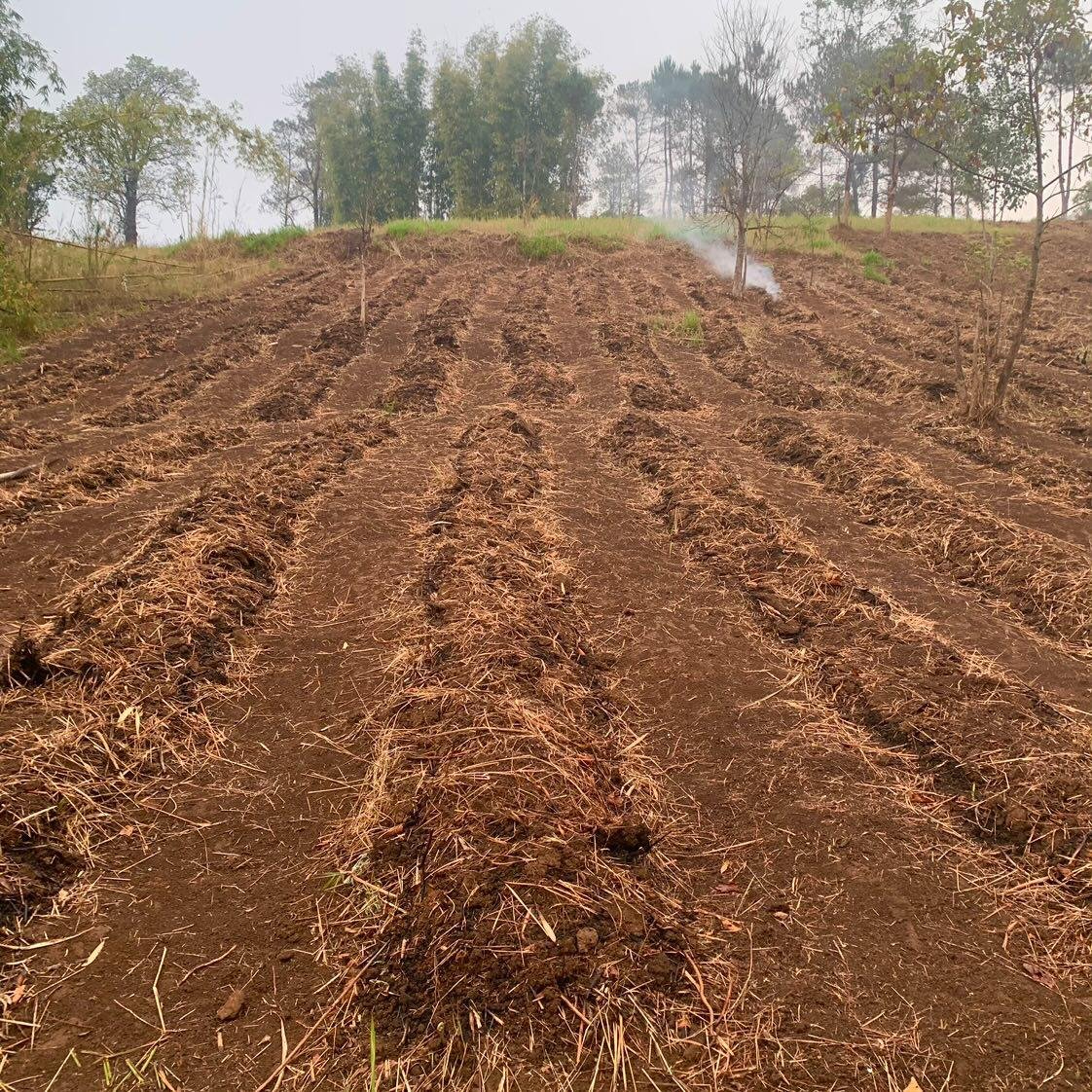
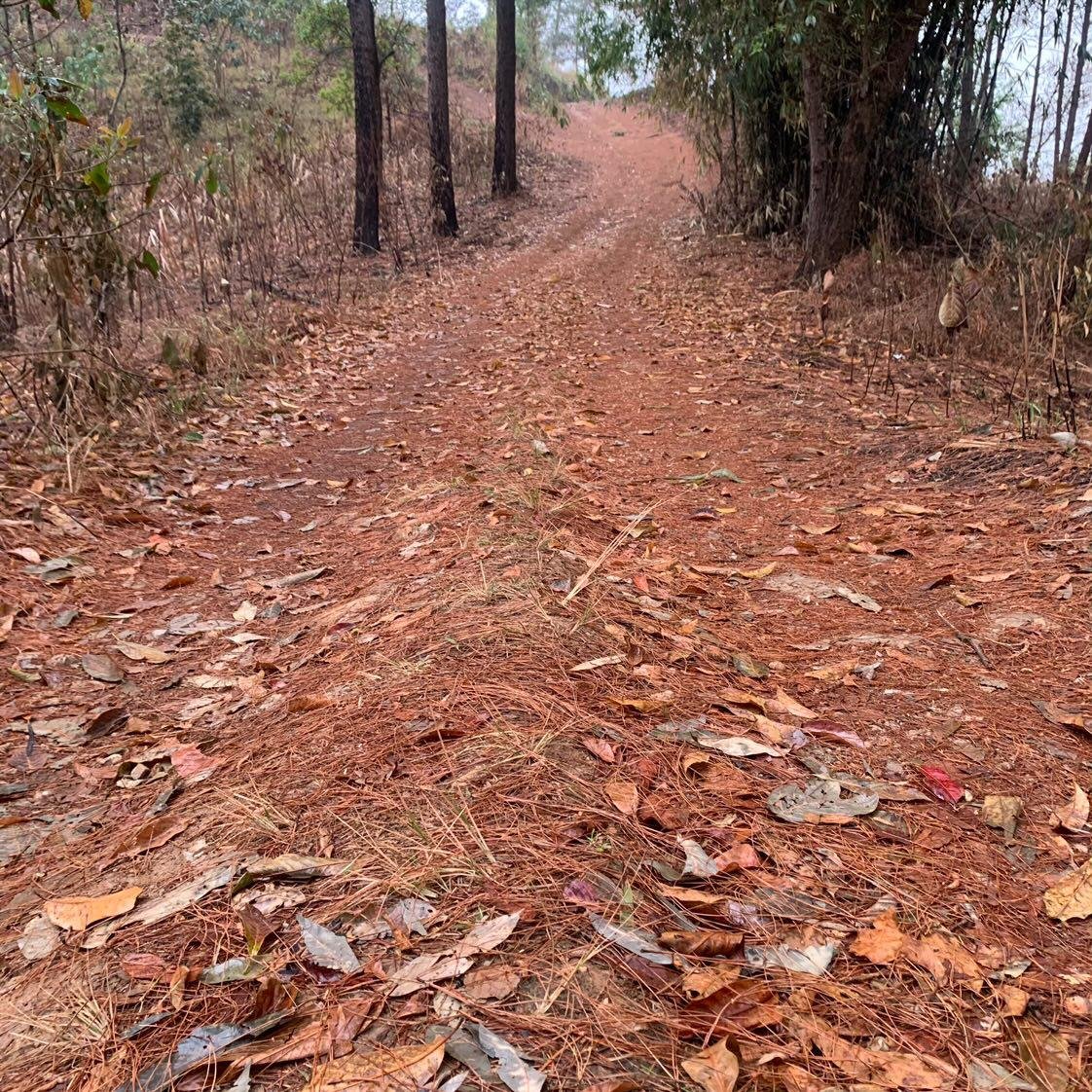
    " "Lber" ka mut ba mih. Hadien jong ka jingtyrkhong ka mariang, ha une u bnai ne aïom, u slap u la sdang ban hap malu mala bad pyntngen pat ïa ka mariang bad ki jingthung jingtep ba la sah khyrdong ha ki bun, bad ki lyngkha ruh ki sdang sa ban mih pat, ki syntiew ki skud ki la sdang ban phuh ban pynïap bieid ïa ka mariang. Ki diengsoh diengpai ruh ki la sdang shylluit khnang ban sei ïa ki soh kiba kynsai jong ka snem ha ka mariang. Kine ki dur ki dei ha Mawlai Umsaw. Ka dur kaba nyngkong ka dei ha ka por ba dang dep rang u slap. Ha ka dur ba ar dang shu dep thang bun."

    " In "Lber" or March after the dry weather of winter, rain starts to fall giving respite to the earth and plants. Life and growth begins again with crops, flowers and fruits beautifying the face of spring. These pictures have been taken in Mawlai Umsaw, Shillong. The first picture was taken just after a shower of rain and the second picture is the burned turf that has been arranged for manure."

    Khublei Shibun @andrewjana_ ïa kine ki dur bad ïa ka jingbatai ruh kumjuh! 😄

    Ka lyer Pyrem bad ki lyer u Lber ki wanrah ïa ka jingthymmai bad ka jingseisoh. 🌱🌼🍃

    🟡 English translation by @speakyourroots

  • Jymmang, Jympa

    U Jymmang, u bnai uba san jong ka snem, u dei u bnai pyrem. Kumba long kiwei pat ki bnai, u Jymmang u don saw taïew lane arphew phra sngi pura.

    Baroh ar ki ktien "Jympa" bad "Jymmang" ki ïa ïaid ryngkat ryngkat. Ka ktien "jym" ka long ka ktien tynrai. "Pa" bad "Mang" ki long ki ktien bynrap. "Pa" ka mut "per" ne "jngi" halor um bad "mang" ka thew ïa ka "rmiang shyntur" jong ka wah. Namar kata, ka ktien 'Jympa" ka mut kaba per ne jngi halor um katba ka ktien "Jymmang" ka thew ïa ka jingsdang ka um ne ka wah.

    Ha u Ïaiong u slap u la sdang ban hap. U shu hap teng teng tang ban ai um ïa ka khyndew bad ïa ki jynthung. Ka khyndew ha kawei pat ka liang, ban pynum ïalade, ka kjit lut ïa ka um slap baroh kaba hap ha une u bnai. Ki wah bad ki duid ruh haba ki ïoh slap teng-teng ki la sang ban tngen naba la tyrkhong eh baroh shi aiom tlang.

    Ha u Jymmang u slap u la sdang ban ther bad ki wah ruh ki la sdang ban nang kiew. Ki khynnah ap masi bad ki nongrep kumjuh ki sngewtynnat eh ban sum bad "jympa" ha une u bnai namar la "jymmang" ka um. Baroh ar ki ktien "jympa" bad "jymmang" ki thew ïa ka um tangba ki ïapher ha ka rukom jingpyndonkam.

    "Jymmang" or May, the fifth month of the year is a spring month. As the other months, May has four weeks or twenty eight days.

    Both words "Jympa" and "'Jymmang" go hand in hand. The word "jym" is a root word. "Pa" and "mang" are the supplementary words. "Pa" means to float or swim in water and "mang" refers to the mouth of a river. Thus, the word "Jympa" means to float or swim in water, while the word "Jymmang" refers to the beginning of a mass of water or a river.

    In April the rain begins to fall. It arrives intermittently so as to provide water for the earth and plants. The earth, to water and replenish itself, takes in all the rain water in this month. Rivers and streams who have received rainfall are rejuvenated since the dry months of the winter season.

    In May the rain begins to fall heavily with river levels rising. Cow herders and farmers enjoy to bathe and swim or float in water because of the increase in water level. Both words "Jympa" and "Jymmang" refer to water with the only difference being the way they are used.

    The Khasi names for the month of May have multiple meanings 🌦️⛅🌤️🌱🌿
    A knowledge of the seasons and what they entail is important for broadening our understanding of culture and practice. 😃🏞️🌄

    🟡 Source: Rev. Dr. Ïarington Kharkongor
    🟡 English translation by @speakyourroots
  • Ki Lyer Pyrem, Part I

    Ka 'Erpyrhaw

    "Ka 'Erpyrhaw" ka dei ka lyer khlaiñ kaba beh nyngkong jong ka snem. Kane ka lyer ka neh ha ka jingkhlaiñ bad jingjur tang haduh ar ne lai sngi, ka beh jur mynsngi bad teng teng mynmiet ruh. Ka lyer pyrhaw ka long ka lyer kaba pyrsad bad pynkyan syntiew khamtam ïa ki diengsoh kiba pynmih soh ha ki por lyiur. Ka suiñbneng ha ki sngi ba bud ka long jur lyer bad khriat. Ka lyer pyrhaw ka long ruh ka lyer kaba pynrkhiang lut ïa ki ñuit bad stong ha ki jaka rep bun. Ka erpyrhaw ka wan rah ruh ïa ka leilieh, pyrthat bad slap ba nyngkong jong ka snem. Kane ka lyer ka wan ha ka taïew khadduh jong u bnai Rymphang ne taïew nyngkong jong u Lber.

    Ka 'erpyrhaw ka kynther bad pynhap lut ïa ki pui pui (pollen) jong ki syntiew na ki diengmet bad diengjem bad ynda la hap u slap nyngkong, kine ki pui pui ki satah bad pynstem ïa ka Iynti khlaw lynti shnong. Ju don u snem ba hadien ka lyer pyrhaw wan sa ka jingbeh 'erkyllang kaba jur ha u 'nai Lber ha kaba ki dieng, ki ïing ki shah rat bad ki briew ki mrad ruh ki mynsaw bad ïap da ka jingjur than ka beh Iyer. Hadien jong kane wan sa u slap ba ju hap phria kiba heh bad kane ka pynjulor shibun ïa ki jynthung. Ka suiñbneng, lada jur lyer bad slap kumne ka long khriat bad daitthah. Hynrei ha ki snem ba bud, hooid, ju don ka jingbeh ka 'erpyhaw tangba ka suiñbneng ka shit bad khluit bad ka umbam umdih ne tyllong um ki duna lane tyrkhong.

    "Ka 'erpyrhaw" is a strong wind which blows at the beginning of the year, in the last week of February or the first week of March. It brings lightning, thunder and the first rain of the year. The intensity of this wind lasts for about two or three days and is stronger during the afternoon and sometimes at night too. "Ka 'erpyrhaw" causes the blossoming of fruit trees whose fruit will arrive in the summer. The weather is windy and also cold at times, with this wind drying weeds and grass in the places where they follow "bun" agriculture.

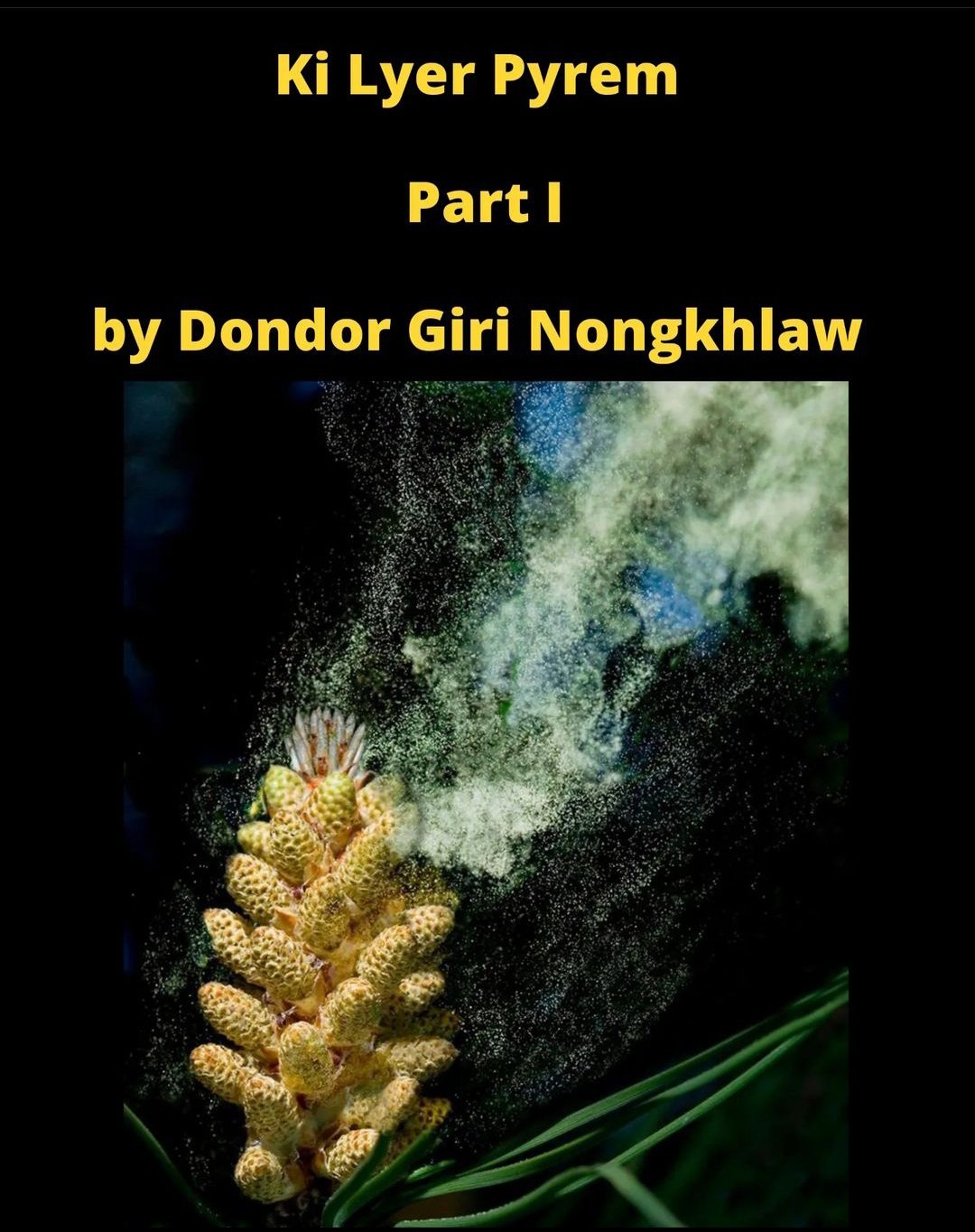
    "Ka 'erpyrhaw" causes pollen to fall from the flowers of trees and when the first rain falls, pollen covers everything in yellow. There are years when after " 'er pyrhaw" comes a cyclonic wind ('er kyllang) in March arrives where trees and houses are blown away and people and animals die. After this, hail falls in big sizes causing the destruction of agriculture. The weather becomes even more chilly because of the rain and wind. However there are years when "ka 'erpyrhaw" brings hot weather with water sources becoming less or drying up.

    It is always rewarding to read the books of Dr. Dondor Giri Nongkhlaw who is an erudite Geomorphologist. 🏞️⛰️🌲 These paragraphs are excerpts from his book Ka Meirisawkun, Ki Skid Jingim bad Ki Deiriti (2007).

    🟡 English translation by @speakyourroots