Category: History

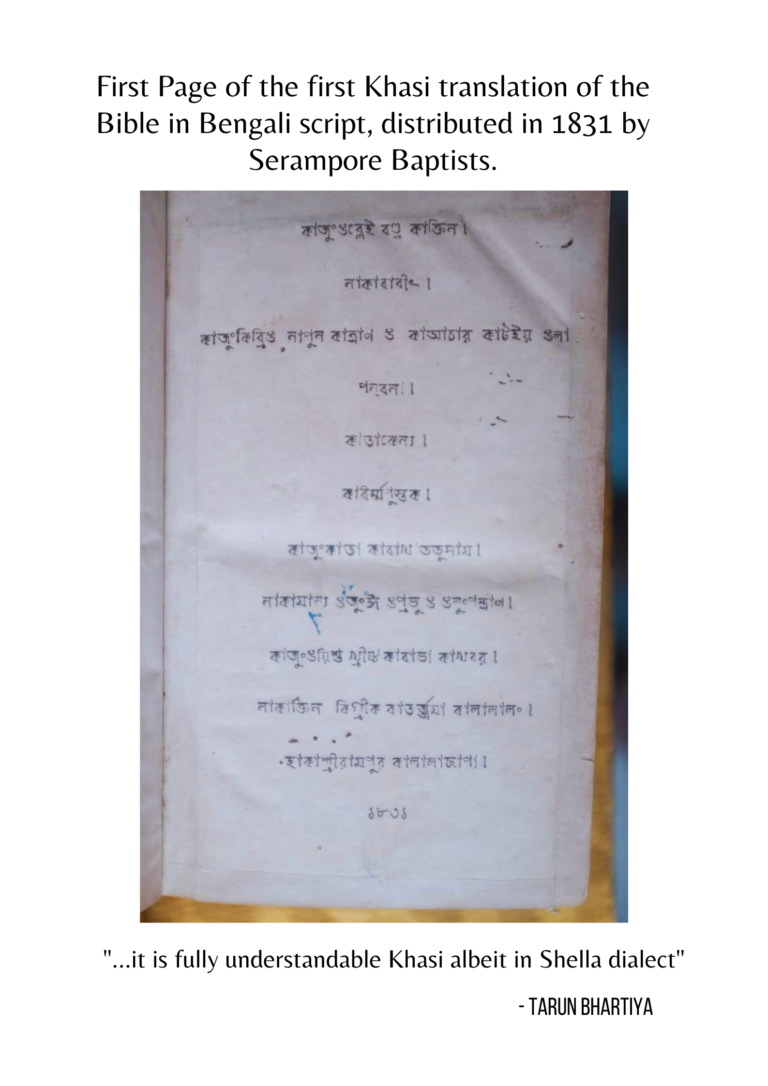
  • First Page of the first Khasi translation of the Bible in Bengali script, distributed in 1831 by Serampore Baptists.

    Thank you @tarunbhartiya for an informative and interesting contribution on the first Khasi translation of the Bible in the Bengali script! 🙏🙏 And what's more, there was a Khasi woman who helped William Carey in translating the Bible! 😃😃

    In @tarunbhartiya 's own words:

    "I so desperately want to know the name of the Khasi Lady – wife of the rajah/ chieftain who impressed Dr. William Carey with her intelligence and helped him translate the New Testament into Khasi. What was she doing in Calcutta/ Serampore in 1810s? How did she learn English? Was she literate (most probably yes)? Did William Carey talk to her about the Christian faith? Did she meet Krishna Pal who was planning to come to Pandua?"

    These and so many other questions arise when we read about the journey of the translations of the Bible into Khasi.

    You can read more in the following links:

    🟡https://theshillongtimes.com/2023/06/22/colonialism-and-mission/

    🟡https://www.placefortruth.org/blog/krishna-pal-the-first-baptist-convert-in-india

    🟡https://cherrapunjee.com/welsh-influence-in-cherrapunjee/

    🟡https://www.loc.gov/item/02014074/

    🟡https://books.google.co.in/books/about/Welsh_Missionaries_and_British_Imperiali.html?id=3JV6zQEACAAJ&redir_esc=y

    🟡https://books.google.co.in/books/about/The_History_of_the_Welsh_Calvinistic_Met.html?id=i6hGAQAAMAAJ&redir_esc=y

    🟡https://raiot.in/how-to-not-to-remember-thomas-jones/

    🟡https://raiot.in/was-thomas-jones-the-father-of-khasi-alphabet/

    🟡 Photographs are from the photographic project called "Unaddressed Picture Postcards from Khasi Jaintia Hills" by Tarun Bhartiya.

    https://indianexpress.com/article/lifestyle/art-and-culture/a-new-series-of-picture-postcards-explores-conversion-among-the-khasi-people-7575007/lite/

    #khasibible #khasitranslation #khasialphabet #williamcarey #thomasjones #khasichristian #khasihistory #speakyourroots #speakyourrootschallenge #talklocal

  • U Mar Phalyngki

    SOSO THAM WEEK 12th December – 18th December 2023

    Khublei Shibun @xdtnoahjupejackllthmanar na ka bynta ka poim ha ka English, ka jingthoh ha ka Pnar bad Khasi bad ïa ki dur kiba itynnat! 😄🙏

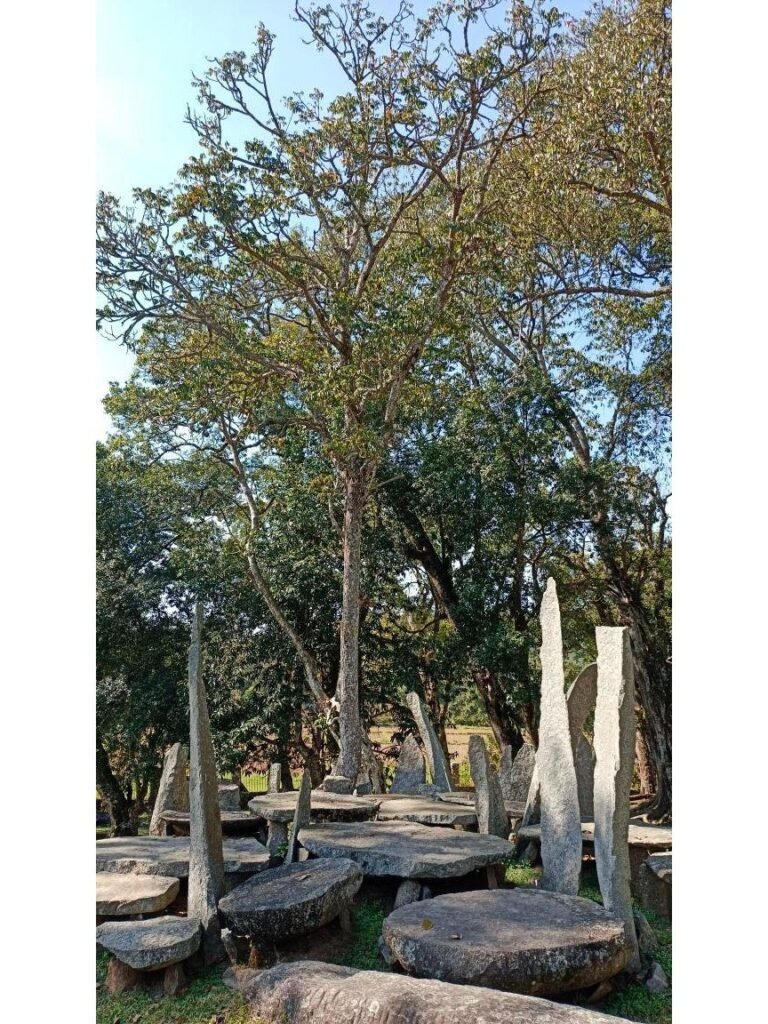
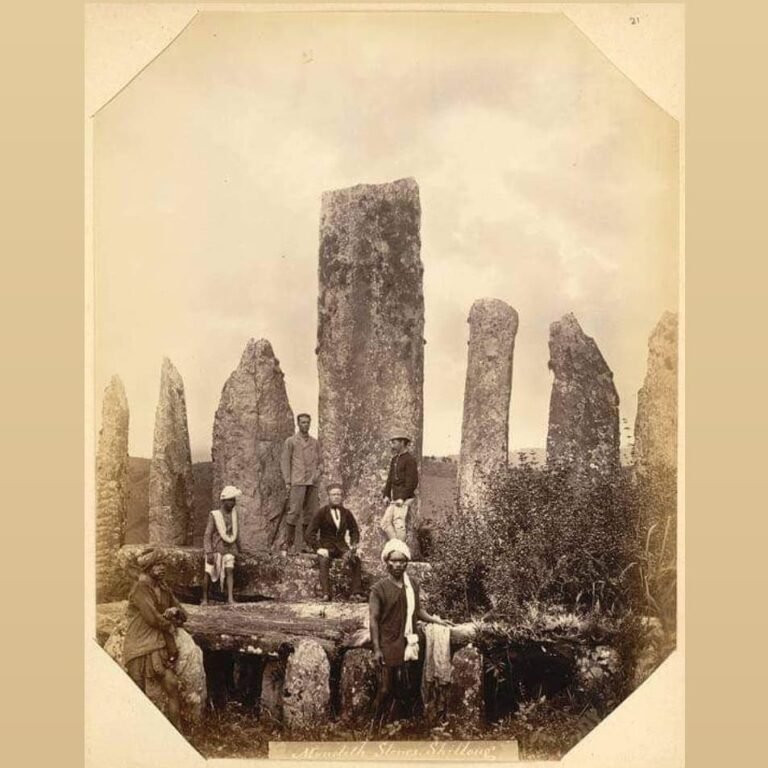
    Kane ka post ka dei shaphang u Mar Phalyngki uba dei uwei na ki rangbah shipai jong u Syiem Jaiñtia bad ruh shaphang ki mawbynna ha Nartiang kiba pawnam. Kat kum ka jingïathuhkhana U Mar Phalyngki u la pynïeng ïa u maw Mooi Iong Syiem uba 8 mitar bad uba dei ruh uwei na ki mawbynna ha ka ïew Nartiang uba jrong tam ha ka pyrthei.

    According to local legend, the tallest monolith in the cluster, Moo Iong Syiem which is eight metres long, was erected by U Mar Phalyngki. Phalyngki was a trusted lieutenant of a Jaintia king. He erected the monolith to commemorate his victory in battle. The Monoliths were erected approximately during 1500 AD. and 1835 AD. (Source: https://www.google.com/amp/s/timesofindia.indiatimes.com/city/shillong/nartiang-monoliths-in-meghalaya-are-tallest-in-the-world/amp_articleshow/64837454.cms)

    🟡 Khasi and Pnar write up by @xdtnoahjupejackllthmanar

    🟡 Photo credit @xdtnoahjupejackllthmanar

    #nartiang #mawbynnanartiang #nartiangmonoliths #marphalyngki #jaiñtiakingdom #jaiñtiakings #khasiculture #khasimonoliths #monolithculture #speakyourroots #speakyourrootschallenge #talklocal

  • U Tirot Sing and his contemporaries by Dr. Hamlet Bareh Ngapkynta

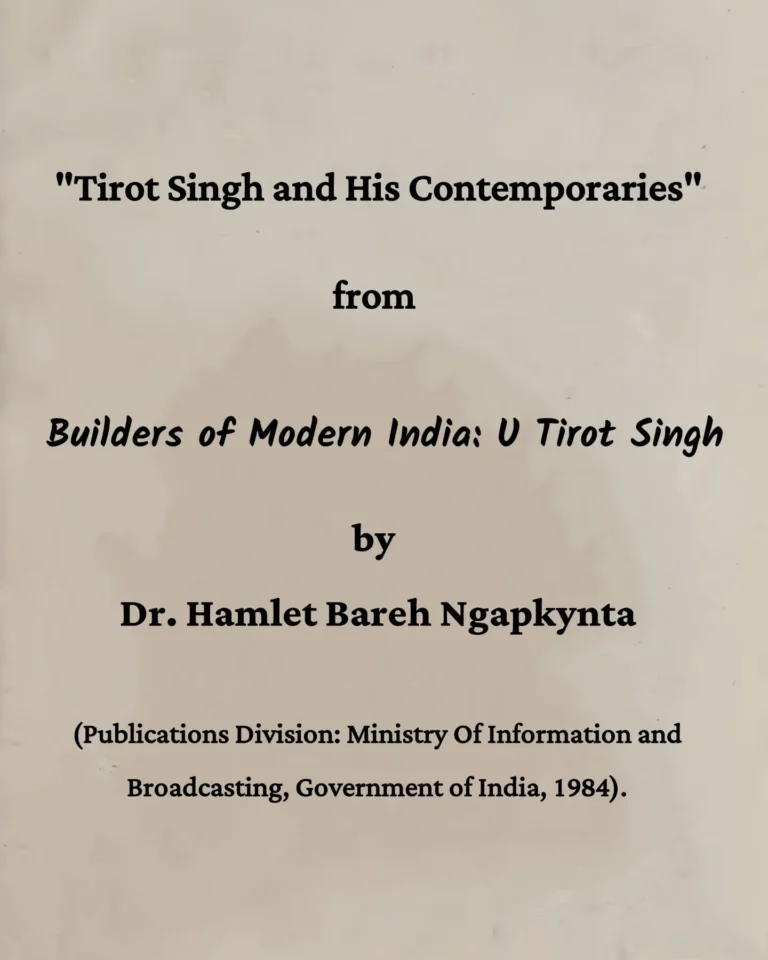
    Mynta ka sngi ka 17 tarik u Naitung kaba dei ka lyngkhuh sngi ïap jong u Syiem Tirot Sing ngin pule ïa ka lynnong "Tirot Singh and His Contemporaries" kaba la sot na ka kot 𝘉𝘶𝘪𝘭𝘥𝘦𝘳𝘴 𝘰𝘧 𝘔𝘰𝘥𝘦𝘳𝘯 𝘐𝘯𝘥𝘪𝘢: 𝘜 𝘛𝘪𝘳𝘰𝘵 𝘚𝘪𝘯𝘨𝘩 (1984) ba la thoh da i Dr. Hamlet Bareh Ngapkynta.

    Kane ka lynnong ka batai shaphang kiwei pat ki syiem kiba im ha kajuh ka por bad u Syiem Tirot Sing bad kumno ba don na ki kiba la ai jingïarap ïa u ha ka jingïaleh pyrshah ïa ka sorkar Phareng.

    Ka long kaba sngewtynnat bad sngewbynnud ruh ban tip shaphang ki hima jong ki Syiem Khasi-Jaiñtia ha kito ki por, ba ki pud jong ki, ki poi shaduh ka jylla Assam shatei bad shaduh ka ri Bangladesh shathie.

    .

    .

    .

    .

    .

    Today the 17th of July, which is Tirot Sing Day, we read the chapter "Tirot Singh and His Contemporaries" from the book 𝘉𝘶𝘪𝘭𝘥𝘦𝘳𝘴 𝘰𝘧 𝘔𝘰𝘥𝘦𝘳𝘯 𝘐𝘯𝘥𝘪𝘢: 𝘜 𝘛𝘪𝘳𝘰𝘵 𝘚𝘪𝘯𝘨𝘩 (1984) written by Dr Hamlet Bareh Ngapkynta.

    This chapter talks about the other kings who were living at the same time with u Syiem Tirot Sing and how they lent their help and support to him during the resistance against the British empire.

    It is interesting and also sad to know about the kingdoms of the Khasi-Jaiñtia kings in those days, which extended to the state of Assam in the north and the country of Bangladesh in the south.

  • Tala Mylliem

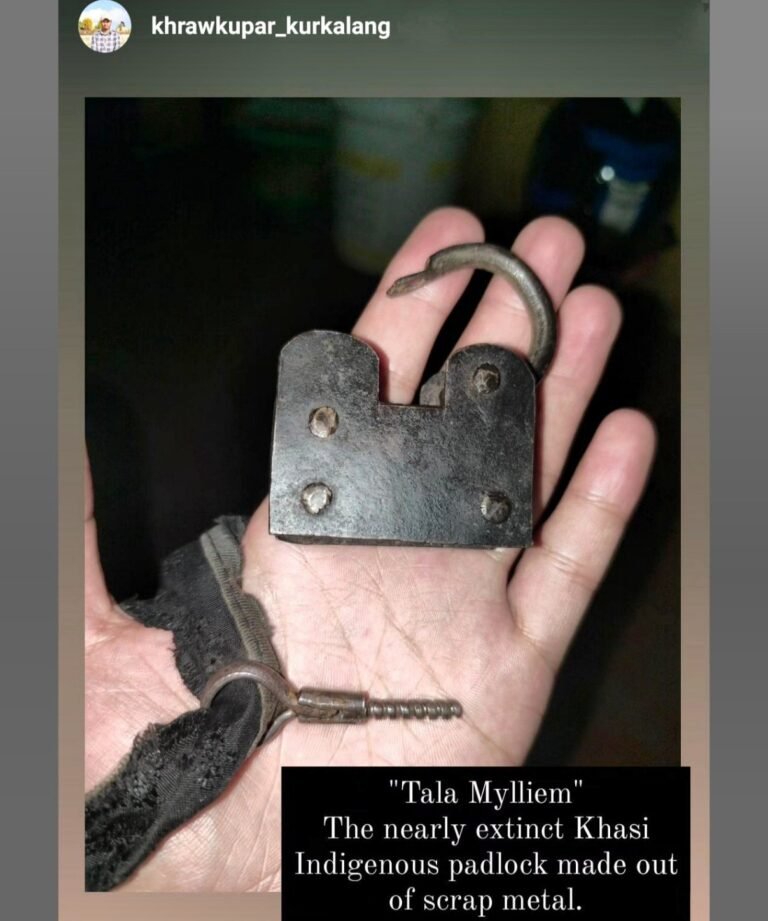
    Phi lah ju ïohi ne pyndonkam ïa ka "Tala Mylliem"? Kane ka tala ka dei ka tala kaba ju shna ha ri Khasi ha ka shnong Laitlyngkot, tangba mynta ym bun shuh kiba pyndonkam ïa ka. Ka Tala Mylliem ka pyni ïa ka jingstad bad jingtbit jong ki nongshna nar Khasi ha kaba pynwan dur ïa ka. Mynta kane ka tala ka la long kum ka jingbuh tyngkai ha ki ïing ki sem jong ngi. Shisha ka dei ka matti kaba kynsai jong ki longshuwa manshuwa jong ngi. ⛏️⚒️🗝️🔏

    Khublei Shibun @khrawkupar_kurkalang ba phi la phah ïa kane ka dur! 😄🙏

    "Ka Tala Mylliem" or the Mylliem Lock is an indigenous lock made from scrap metal. The lock with its particular look and coil-design key is testament to the skill and knowledge of Khasi ironsmiths. The lock which has its origins in the village of Laitlyngkot now adorns people's houses as a showpiece or a souvenir. This is another piece of the daily life of Khasis in the past which occupies a special position in our history. 🔏🗝️⛏️⚒️

  • Ki laitylli ki daw ba u Rev. Thomas Jones u jied ïa ki dak Roman na ka bynta ka alphabet Khasi

    In writing the Khasi language, Thomas Jones chose the Roman scripts for three important reasons:

    (a) The difficulty of learning a hundred or more difficult sounds and signs when compared to the 22 letters A B C D E G NG H I J K L M N O P R S T U W Y.

    (b) The Bengali scripts used by the Serampore Mission in their translation of the New Testament, and by Alexander Lish for his readers, had not proved successful. He stated "after years of labour and much expense, not only among the Khasis is able to read a page of the books he used, or to understand a paragraph of some of the more simple sayings in the English language".

    (c) The Khasis generally "had a superstitious terror of Bengali letters, firmly believing that if they tried to form a letter that they would be struck by blindness…or suffer a fatal illness. The above reasons quelled all the doubts and misgivings of his critics in India and in Wales. (Cf. KAS Souvenir 150: p. 12).

    Ka jingthoh jong u William Pryse, u mishoneri jong ka Welsh mission ha Sylhet, i kumba ka pashat jingmut sha kawei pat ka daw, balei sha u Thomas Jones u mon ïa ki dak Roman. Ong u Pryse:

    The Roman characters have been adopted in preference to the Bengali characters, not from a conviction of the superior utility of the former, but simply because they were found already in use amongst the natives.

    Kum ban shu pynbud ïa ki jingkren bad ki jingpuson shaphang ka ktien Khasi bad ki alphabet Khasi, kane ka dei ka sla ba la sot na ka kot U Thomas Jones bad Ka Pyrthei Saitsohpen ba la thoh da i Babu S. S. Majaw. Ka long kaba sngew myntoi ban ïoh ki jingtip kum kine. Khublei Shibun @carey_lynz ba phi la phah ïa kane ka dur! 🙏🙏😃

    As a follow up to our conversations and thoughts about the Khasi language and the Khasi alphabet, here is a page from the book U Thomas Jones bad Ka Pyrthei Saitsohpen by S. S. Majaw. It is interesting and beneficial to know about all this.

  • Musings on Thomas Jones Day by Naomi C. Nonglait, Ph.D.

    I remember my father told me once that he used to write in the Bengali Script. I never understood why he had to write in a script of another language. By then I was learning to read and write in my own Khasi language. It was only years later that I understood this change.

    Rev. William Carey and Alexander Lish had used the Bengali Script for the Khasi Language. It was one of the most challenging and colossal task of their time. However, Thomas Jones felt the need to change the Bengali Script to the Roman Script. It was with much thought that he realised that most of the Khasis could not understand even a paragraph of translation. Since this was the case, he started with the Roman script to create the sounds of the Khasi language which was much less complex as compared to the Bengali Script.

    We have to be reminded here that what Thomas Jones had done in the past did not go without harsh criticism. He was criticised from many quarters especially from the officer-in-charge of the East India Company. The Khasis were also apprehensive and not happy with the change since they were used to the Bengali Script. It can also be understood that the Khasis had a lot of trading with the Bengalis, so maybe knowing the Bengali language and script was advantageous to them. However, this did not deter Thomas Jones to give up on his dream. There were others such as Dr. Duff, Jacob Tomlin and William Lewin (Majaw 38) who wholeheartedly supported him. This brought up many questions to my mind. One of them being how much support would we give to change? If it was not because of Thomas Jones' vision, the spoken word would not have gained the permanence given by ink and paper. Not that I am undermining the oral tradition, but because of the lack of storytellers and the dying art of storytelling, I realize that without the alphabet, I would not have been able to go back, to remember again those stories that intrigued me as a child.

    Source:

    • U Thomas Jones Bad Ka Pyrthei Saitsobpen by S. S. Majaw (2011)

    Suggested Reading:

    • Anne Jones (1812-1845) Ka Missionary Kynthei Kaba Nyngkong Ha Ri Khasi Jaintia by Dr. B. Ps. Toi

    • Welsh Missionaries and British Imperialism: The Empire of Clouds in North-East India by Andrew J. May (2012)

    Khublei Shibun @carey_lynzba phi la phah ïa ki jingpuson bad ki jingpule sani jong phi shaphang ka histori jong ki dak thoh Khasi kiba la pynmih da u Rev. Thomas Jones. 😄🙏

    Thank you @carey_lynz for sending your thoughts and research on the history of the Khasi alphabet established by Rev. Thomas Jones. 😄🙏

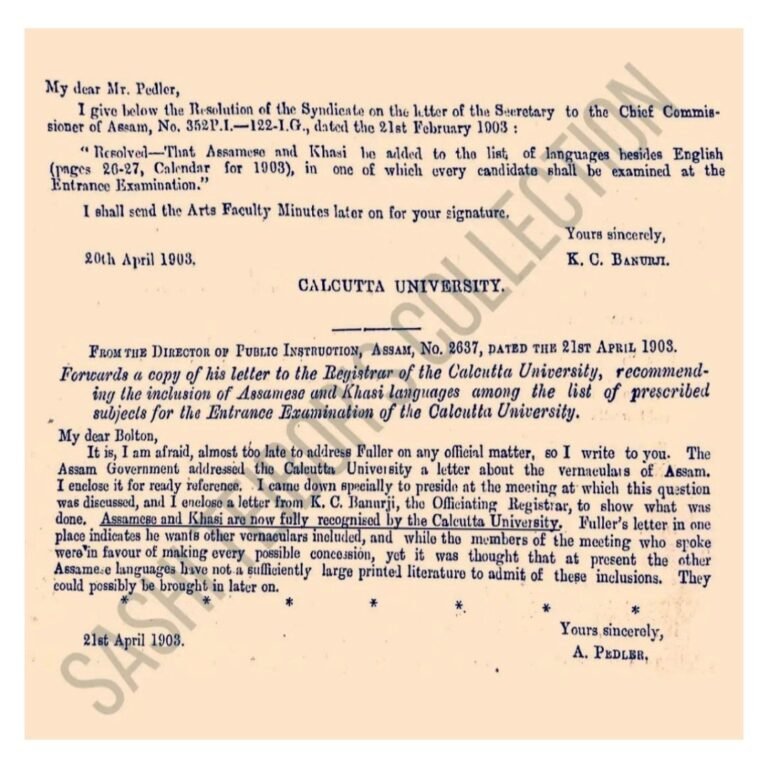
  • Khasi language accepted in Calcutta University

    In 1903, the Khasi language was accepted as one of the languages that could be used during entrance examinations in Calcutta University, West Bengal.

    Some information about Sir Pedler who is mentioned in the letter is here below (Source: https://en.m.wikisource.org/wiki/The_Indian_Biographical_Dictionary_(1915)/Pedler,_Sir_Alexander):

    Sir Alexander Pedler, F.R.S., C.I.E. (1901), Director of Public Instruction, Bengal (retired);

    Son of late John Standbury Pedler of Drilwich; Born in 1819;

    Education: City of London School and at the Royal College of Chemistry, London; Joined service, 1873; Meteorological Reporter to Bengal Government, 1889; Principal, Presidencv College, Calcutta, 1896; Director of Public Instruction, Bengal, 1899; Additional Member, Supreme Legislative Council, 1903; Vice-Chancellor, Calcutta University, 1904; retired, 1906. Address: 28, Stanhope Gardens, London.

    Khublei Shibun @historian_to_be for this contribution! 😀🙏 It is great to know that the Khasi language was acknowledged by the then British government as a language for entrance examinations.

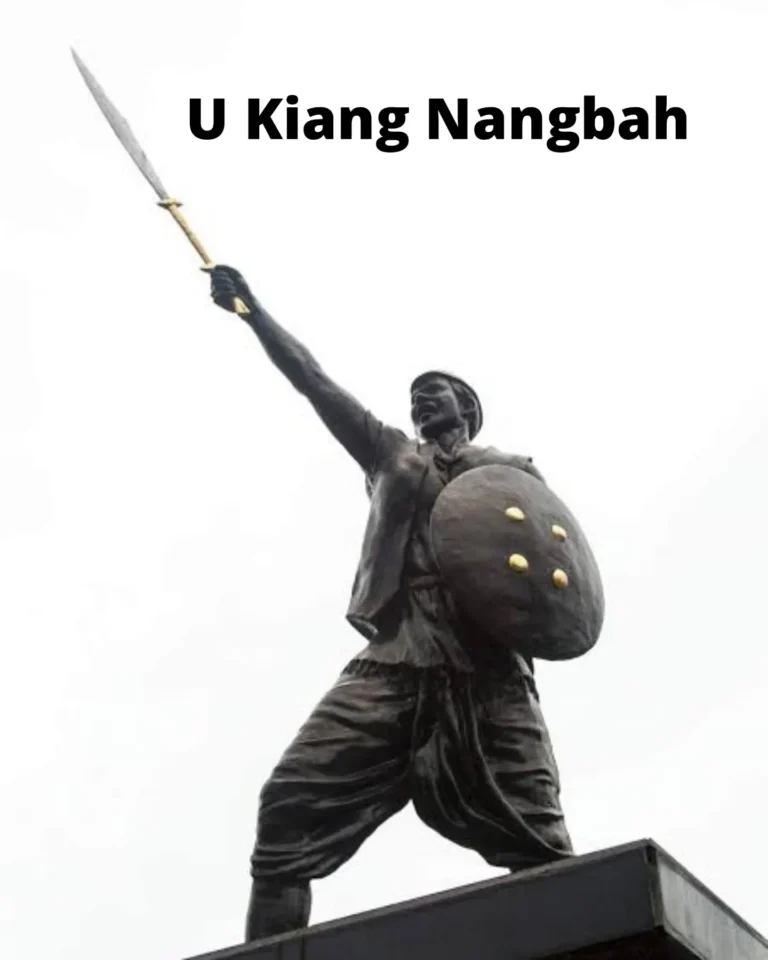
  • U Kiang Nangbah

    Kiang Nangbah Kiang Nangbah,

    Ya me da phrang dei mynsien dap chynrang,

    Ka yutran wa khia,

    kit mi neibynta ka ri,

    Tang wow im ka jaitbru,

    bynda mi da u radang ha u tylle pasi.

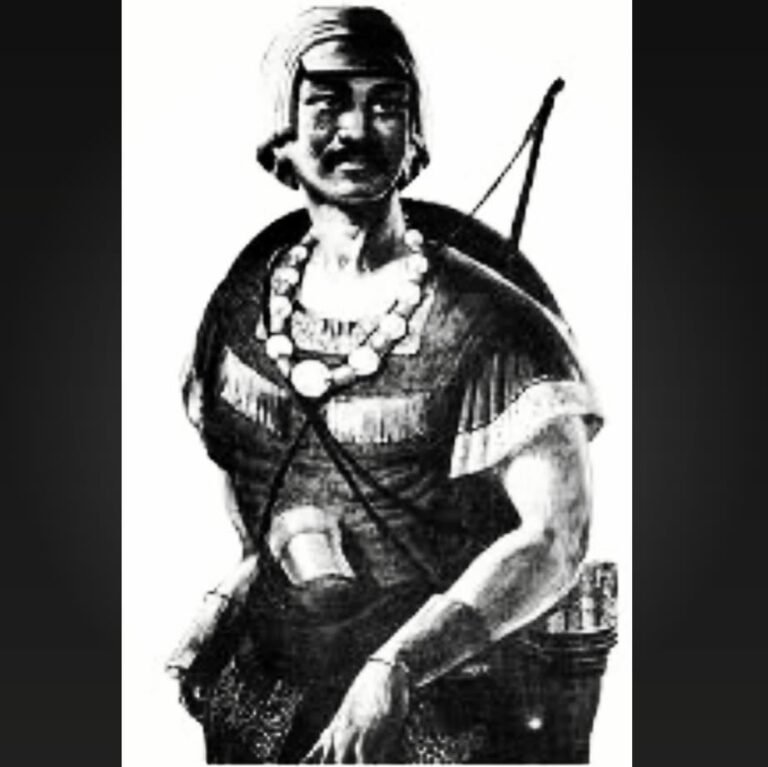
    Kiang Nangbah, the son of Ka Rimai Nangbah from the Soo Kpoh Clan, was an original settler of Jowai in a locality known as Tpep-pale. He fought a freedom battle against the mighty British force at a period almost coinciding with the 'First War of Independence' or the 'Indian Mutiny' or the "Sepoy Mutiny' of 1857.

    The Jaiñtia Revolt started in 1860 when the government introduced house tax on the people. It was U Kiang Nangbah who urged the people not to pay any tax to the government. It was because of this incident that Kiang Nangbah made up his mind to organise the Jaiñtia people against the British. Kiang Nangbah got the support of his work from all sections of the society.

    Kiang Nangbah rose to become one of the leaders of the resistance movement against the British. He organised military-style attacks on the British which were so successful as to threaten the colonial powers. Ultimately, he was captured by the British as a result of being betrayed by one of his own people. He was hanged to death by the British on 30th December 1862, in Jowai Town.

    His last words before he was hanged in the gallows were:

    "Lada khyr-uin i khmat o cha mihsngi,

    ka ri wa maia yong nga,

    hapoh chispah snem daw lait ko nei chah chakri:

    Lada khyr-uin wan i cha sepsngi,

    yanom bhor, kylla r'ta,

    Ka ri wa maia yong nga u chongbrō

    ko chirta".

    "If my Head turns to the east,

    my country will attain freedom within

    a hundred years,

    but if it turns westwards,

    we will remain slaves for eternity."

    U Kiang Nangbah was truly a man of courage who will continue to inspire our generation.

    Ha kane ka sngi, 30 tarik u Nohprah kaba dei ka lyngkhuh sngi ïap jong u Kiang Nangbah, ai ba ngin ïaid sha u snem thymmai da ka mynsiem kaba shlur, kaba dap da ka jingkyrmen, kaba lam lynti da ka jingshisha bad ka jingieit ïa ka jaitbynriew. 🏞️🌾

    Khublei Chibōn @warikasumer01 wa phah phi ya kini ki jingthoh wa kordor! 😄🙏

    🟡 Sources:
    – "The Legacy Of U Kiang Nangbah" by Mrs. Wa-i-sa Sumer.
    – "U Kiang Nangbah Bad Ka Jingialeh Ka Ri Jaiñtia naka bynta Ka Jinglaitluid" by (Late) S. Quotient Sumer.

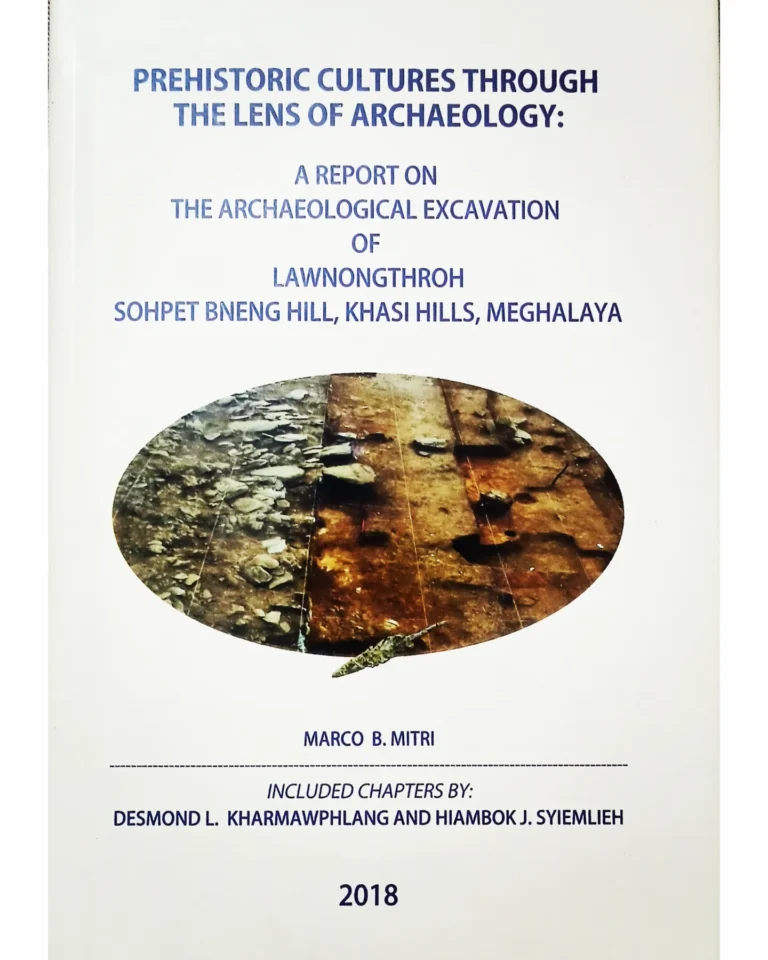
  • Prehistoric Cultures Through The Lens Of Archaeology: Marco B. Mitri (Excerpt)

    Chapter – 6 The Ethno-archaeology of Sohpet Bneng Hill

    While pursuing historical research with an archaeological approach, the contemporary traditional mode of life can contribute greatly in providing analogy about the ones in the past, since archaeological interpretation basically depends and ultimately rests on analogy. The significance of ethnology in archaeology can be understood from the remarks made by some archaeologists that archaeological reconstruction is an analogy with or without ethnological recourse In order to understand the material culture preserved in traditional practices, ethnoarchaeology? tries to study the possible correlation between the material culture of the people on one side and the unobservable social relations or spiritual life on the other. Thus the material data can be used to integrate knowledge to other non-material or intangible facets of the society which are reflected and embedded in tradition through an approach called folk archaeology! Archaeology can therefore contribute directly towards historical reconstruction when conventional historical sources are lacking or when other forms of preserved traditions require substantial support. By doing so, the mythical notion about the ancient ways of life, particularly the lifestyle of the pre-historic people is significantly reduced.

    Applying "Direct Historical Analogy" when there is temporal continuity between the archaeological culture and the ethnographic culture, the folk narrative of U Sohpet Bneng can become part and parcel of ethno archacological research, not as a partial and fragmentary record of the past, but as true elements that can be rescued from the clouding fantasy and helped to blend the two interacting modes of representing the past by using different accounts of the same events and objects.

    Inspired by the folk narrative, a systematic archaeological survey and exploration of the entire hill range around the areas close to Sohpet Bneng peak is conducted to gain empirical data from the area. During the course of exploration, which started in year 2003, the archaeological site of Lawnongthroh* which lies at the foot of the peak and along the ridge of Sohpet Bneng hill is discovered. Archaeological evidences of different cultural periods are observed at the site which stretched to more than a kilometer along the ridge.

    The site of Lawnongthroh is named after a village which is located in the northern slopes of Sohpet Bneng hill in the Ri-Bhoi district of Khasi hills, Meghalaya. On the ridge of the hill's northern slope that extends approximately 1.5 Kms in length and spread between 50-60 Meters in width, archaeological evidences like the Megalithic monuments, secondary burial Cist, cremation mound, Iron smelting area and wheel-made potsherds are found. Subsequent exploration of the ridge led to the discovery of 11 numbers of stone implements of Neolithic origin from the surface of a site which falls in one of the village's locality called Lum Mawbuh on the northern part of the village.

    According to informant the archaeological evidences recorded on the western slope of the ridge are associated with an ancient deserted settlement called, Mawbuh which lies a kilometer north of the present Lawnongthroh village. The source also added that it was the inhabitants of the Mawbuh village who were the first people to initiate religious ceremonies at the Lum Sohpet Breng peak. The ridge top of Lawnongthroh on the other hand, was an uninhabited area then and known to the inhabitants of ancient Mawbuh village by the name

    Synner, known for being an ancient route where the procession rested for a night before the ceremony at the apex of U Lum Sohpet Bneng.

    After the abandonment of the ancient Mawbuh settlement, there was a lull phase of human occupation on the hill till the appearance of the present village of Lawnongthroh which came into existence on the ridge only 30 years ago. These new occupants who formed the present village came in at different times from other nearby villages and also from distant places of Khasi hills to farm and cultivate on the ridge and its hill slopes. The reoccupation of the site after a long interval of abandonment is an important feature to help understand The settlement system on this hill and can also offer strong analogy on the pattern of human occupation of the area in archaeological past and an important pointer to the antiquity of settlement, giving the hill a unique character of being an area attraction. Archaeological findings from this area which are associated with different cultural periods of the past are clear evidence of human occupation pattern on the ridge and its surrounding slopes.

    Prehistoric Cultures Through The Lens Of Archaeology: A Report On The Archaeological Excavation Of Lawnongthroh, Sohpet Bneng, Khasi Hills, Meghalaya (2018) by Dr. Marco Babit Mitri is a wonderful treasure which documents the archaeological efforts in Lawnongthroh, Sohpet Bneng Hill.

    The book merges archaeology, geography, history and cultural studies to build a vivid understanding of life in the area. 📝⛏️⚒️📏📐📚

    The post shows excerpts from Chapter 6 which focusses on "The Ethnoarchaeology of Sohpet Bneng Hill" 🏞️🌄

    Dr. Mitri has lead an intensive research of the site and reading the book piques the imagination as one reads of Neolithic sites and stone artifacts in the Khasi and Jaiñtia Hills.

    Dr. Mitri is an Associate Professor at Union Christian College, Meghalaya. Dr. Mitri specialises in the fields of Archaeology and Prehistory.

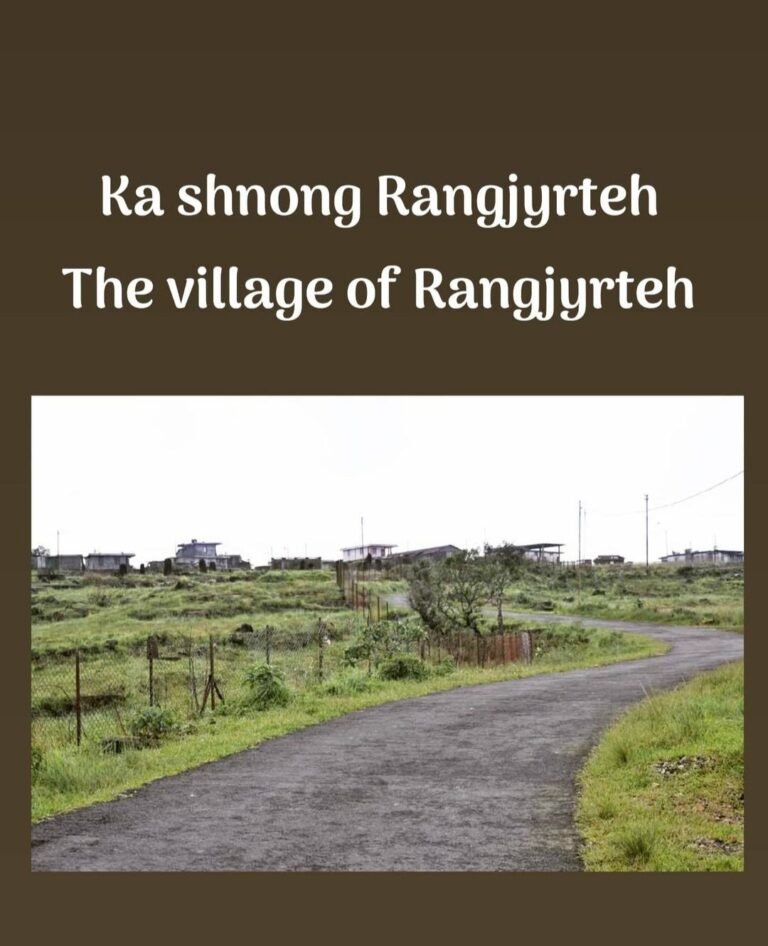
  • Ka shnong Rangjyrteh

    Ka shnong Rangjyrteh

    The village of Rangjyrteh

    In the bygone days, Rangiyrteh was a thriving village known for its mastery of iron smelting across the region, but now it is left abandoned in ruins and mostly only ever referred to in old Khasi folklores. Rangiyrteh is said to be the village where the woman named 'Ka Likai' hailed from. According to folklore, after a gruesome and devastating tragedy befell her, Ka Likai ran to the edge of a cliff and threw herself towards a waterfall to her death. The waterfall was then named 'The Fall of Ka Likai' or more popularly, the 'Nohkalikai Falls' According to oral tradition, Rangjyrteh was a prosperous place during that time and people lived mainly by the trade of iron smelting. The transaction of the iron products was between the local villagers and the people of Sylhet (now in Bangladesh). It is regarded as one of the oldest villages in the Khasi and Jaintia Hills and no one really knows when this village came into being but it has achieved its prominent place in Khasi imagination.

    (Taken from: https://www.google.com/amp/s/www.tripoto.com /trip/trip-to-rangiyrteh-lost-civilization -mawsawa-falls-dainthlen-falls-cherrapunjee -sohra-meghalaya-5f575ca82f851.amp)

    …just seven kilometers away from proper Sohra on the western side, lies an extinct ancient settlement, a place rarely appearing in Khasi literature but which has many historical and mythological events associated with significance and direct references to various aspects of Khasi culture and society. Believed to be the ancient industrial centre for iron smelting, people also adopted orange cultivation as a major activity. Located exactly opposite to Dainthlen Falls, this ancient settlement is known as 'Rangiyrteh' an indigenous name which currently falls within the jurisdiction of Laitduh village under Sohra Syiemship. But before the formation of Hima Sohra, Rangjyrteh was very much part and parcel of the then Hima Khathynriew Shnong (a conglomerate of several villages on the slope where the Umiam Mawphlang river flows). But as far as the historical aspects of 'Rangiyrteh' are concerned, it can be construed as the centre for forging iron which lasted till the 17th century. From the remains it shows that there was a generation of industrialized communities a long time ago in these hills. But the reason for the collapse of this indigenous ancient industry as was narrated by older people was primarily the incapability to compete with the products coming from then East Bengal under the British. Iron smelting was the main trade and activity of this place. Besides, the famous Nohkalikai Falls too has derived its name from the person of this hamlet (Rangiyrteh). Considering the plurality of history associated with 'Rangjyrteh', I wonder if it could ever be included in the list of heritage sites presented to UNESCO for possible funding. The factuality and merit of the place defines it and it deserves to be treated as a priority as far as preservation of evidence associated with our ancient socioeconomic system is concerned. The present and future generations should become aware of all these things. Therefore, when we have something as clear evidence connected with our past generation, we should attempt to explore and unearth the mysteries associated with our own origin..As far as Rangjyrteh is concerned, including the culture and activities that existed there long time ago, we should be proud of it as a community and this particular spot on this region belongs not only to a particular Hima or Raid or Village but to the entire Khasi community.

    (Taken from: https://theshillongtimes.com/2017/08/07 /rangiyrteh-a-forgotten-heritage-site-of-sohra/ (Written by Aristotle Lyngdoh) )

    It is a place with historical treasures and ethnic beauty that can still be witnessed today. Monoliths of different forms, tall and short and each having its own meaning, talk of a civilization's past. Under these monoliths are bronze or earthen pots with ashes of our ancestors; there are a few silver shells too. The place is characterized by some form of marking around each area surrounded by well-constructed rocks. The stone foundation used to cremate the dead and the place where they used to hold meetings or the 'dorbar' are visible too. There is also a belief that this village was once fortified with well-constructed walls made from iron and rocks. The people used a gateway called 'Ka Khyrdop' to go in and out of the village for trade or other purposes. There is also a belief that a battle between Rangiyrteh and a nearby village had taken place. The battle claimed the life of the Doloi or headman, and the place where he died is known as Ka Pom-Doloi. The monoliths on the spot are in remembrance of those who fought in that battle. It was in this village that the finest iron was made. We can still see rocks shaped like a basin where water was kept to cool the iron after melting. These irons were exported to Bangladesh, earlier known as Shilot. The people used to trek down to sell these irons, the pathways still noticeable from Rangiyrteh through Dainthlen, Mawpun and on to Nohkalikai Falls connecting Mawmluh village and finally to the plains of Bangladesh.

    (Taken from: https://thenortheasttoday.com/oped/the-lost -civilization/cid2550931.htm (Written by Shynna Lyngdoh Mawphlang) )

    Rangjyrteh is a village that many of us might not have heard of. There are many historical and folkloristic associations that the village holds. 🏞️🪨🌲
    If you know more please tell us!

    All photos are from https://www.google.com/amp/s/www.tripoto.com/trip/trip-to-rangjyrteh-lost-civilization-mawsawa-falls-dainthlen-falls-cherrapunjee-sohra-meghalaya-5f575ca82f851.amp