Category: History

  • An excerpt from”The History and Culture of the Khasi People”

    In this chapter entitled "Source of History" the author says that an effort has been made to write about the history of the Khasi people from the materials that they could gather, to "present a detailed account of both the political and cultural life from its earliest beginnings to the present day."

    Under the category of foreign accounts, the author says: Classical sources like the account of the Greek, Roman and Chinese starting from the 5th Century BC referring to Assam in general, indirectly allude to important socio-ecomomic and cultural conditions of the Khasi during the early period. Qazim's mention of fruits like citron, lime, lemon pineapple, orange, etc. produced from Assam in the medieval age refers to the cultivation of these fruits by the Khasi people who have grown them through generations till the present day.

    Mention of iron smelting, work in gold, silver and copper in Assam, in the early and mediaeval period refers to similar Khasi enterprises (of which we have evidence). On the proper basis of identification, we can make use of the foreign accounts and classical sources.

    References:

    1 Qazim was one of the earliest Muslim travellers to Assam.

    2 P. C. Choudhury, The History of the People of Assam to the 12th Century. A.D. and Ka Ryngi, Vol II, No. 1 and Vol II, No. 2.

    This is a great book you have to read! Thank you Miss @indariwarjri for the reminder! πŸ€—πŸ€—

  • Primary Education in the Khasi and Jaintia Hills: Its Socio-Cultural Roots and Early History (1993)

    Here is an excerpt from the Introduction of the book Primary Education in the Khasi and Jaintia Hills: Its Socio-Cultural Roots and Early History (1993) written by E. Weston Dkhar. Dkhar is a prolific author of several books focusing on Khasi folklore and history.

    E. Weston Dkhar says: "Documents and maps indicate that the Khasi territory once extended to the Brahmaputra to the North and the greater part of the Surma Valley to the South. Kamakhya hills, where the Kamakhya temple stands, was known to the Khasis as "U Lum ka Meikha" or "The Grand Aunt's Hillock' (to mark the boundary) and many of the towns in the Kamrup District, Nowgong & District and Sylhet District like Kiew-hati (modern spelling Gauhati or Guwahati) meaning, "to ride on the elephant" or "to begin the journey by riding on elephant": Bordwar, Padwa, Jaintiapur, Shati (Chuttack), Shella-bari (Sylhet) and others were once the principal towns of the Khasis or their chief trading centres. The Lake Shati where the town of Chuttack stands belonged to Ka Shati, the wife of U Khang of Mustoh village, the founder of that village sixteen generations from hence."

    The excerpt discusses the borders of Khasi territory that stretched from the Brahmaputra river in the north to the Surma Valley in the south. The Surma River is a major river in Bangladesh, part of the Surma-Meghna River System. It starts when the Barak River (as it is known in Manipur) from Northeast India, divides at the Bangladesh border into the Surma and the Kushiyara rivers.

    Nowgong District is what we know as Nagaon District. Sylhet district was established on 3rd January 1782, and until 1878 it was part of Bengal province. In that year, Sylhet was included in the newly created Assam Province, and it remained as part of Assam up to 1947.

    It is intriguing to know that Khasi territory was much larger than we know it today. We definitely need to find out more about this! If anyone knows more please feel free to tell us in the comments section πŸ˜ƒπŸ˜ƒ

    Additional source: Wikipedia

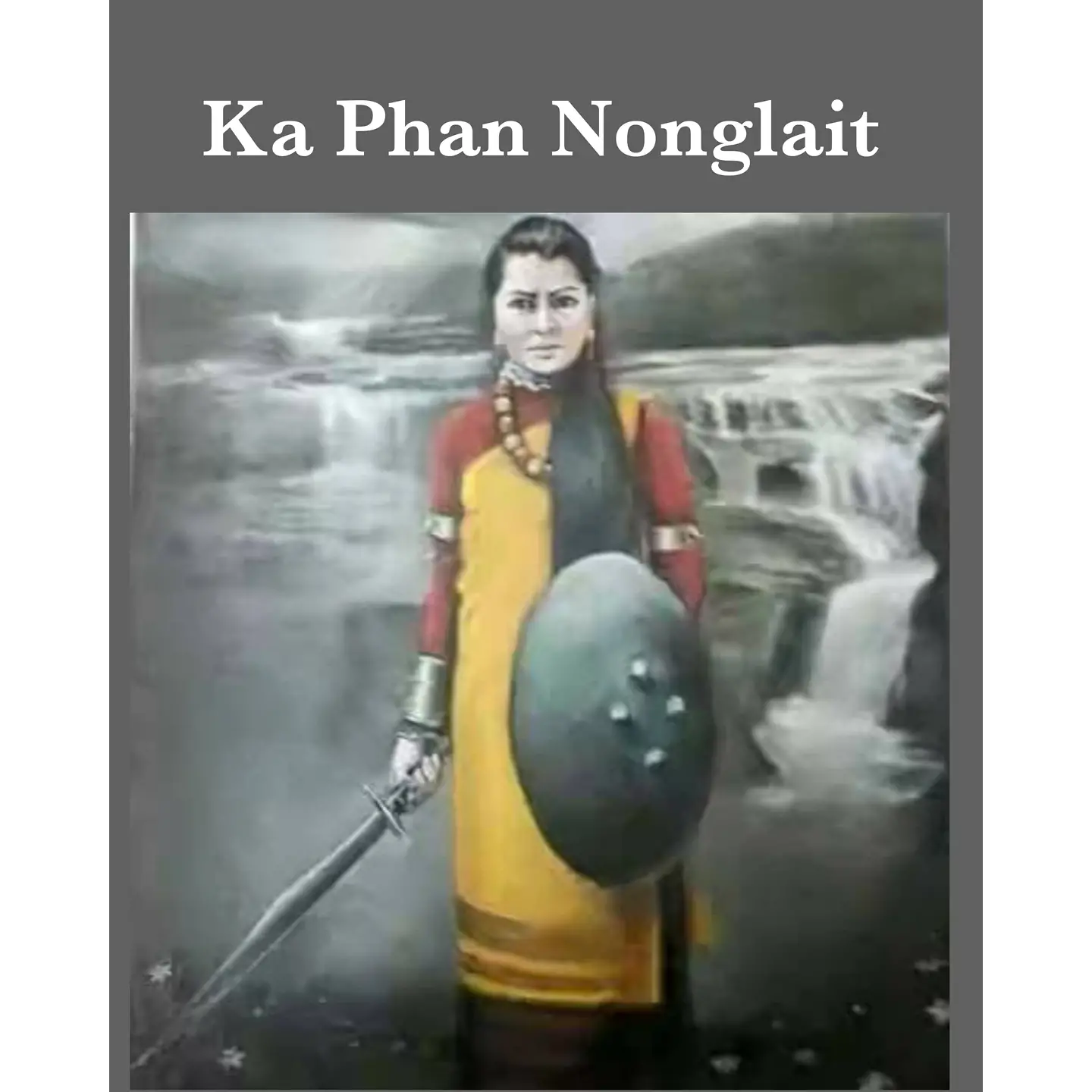
  • Ka Phan Nonglait by Tony Slong

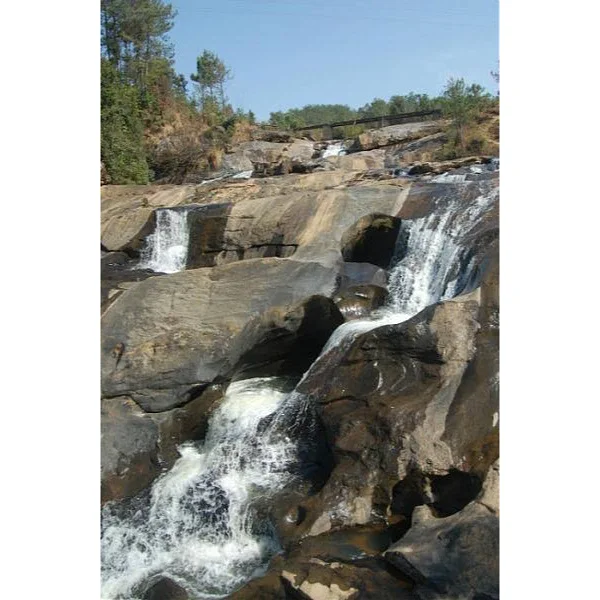
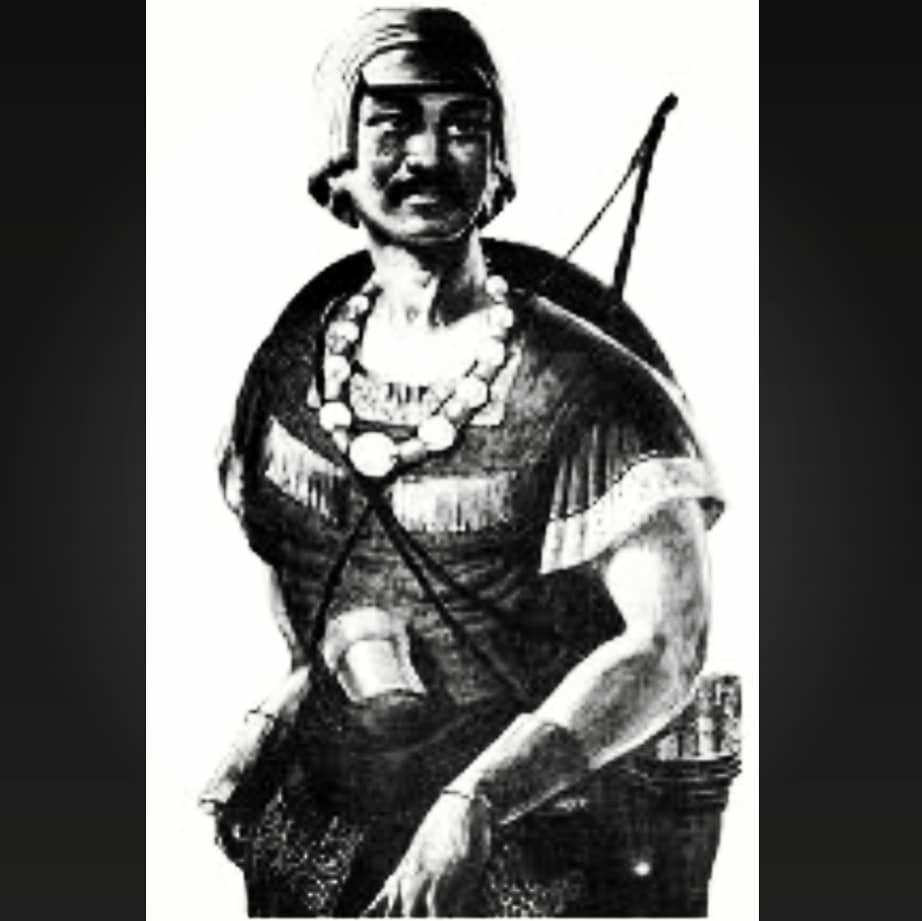
    Ka Phan Nonglait is one of the Khasi women freedom fighters and is considered one of the bravest women of that time. Most women were either raped, molested or ill-treated by the British soldiers. This made Ka Phan Nonglait and some women from Hima Khatsawphra to take matters into their own hands with the help of Mon Bhut. With his help Ka Phan Nonglait was able to trap the British soldiers by offering them alcohol. When they were inebriated, she took all the weapons of the soldiers and threw them into one of the rock holes in the Nongrmai falls (now known as Phan Nonglait Falls). Due to this act, she is remembered in the stories that have been retold for generations. Then U Mon Bhut along with other soldiers killed 32 British soldiers. This was in the year 1829.

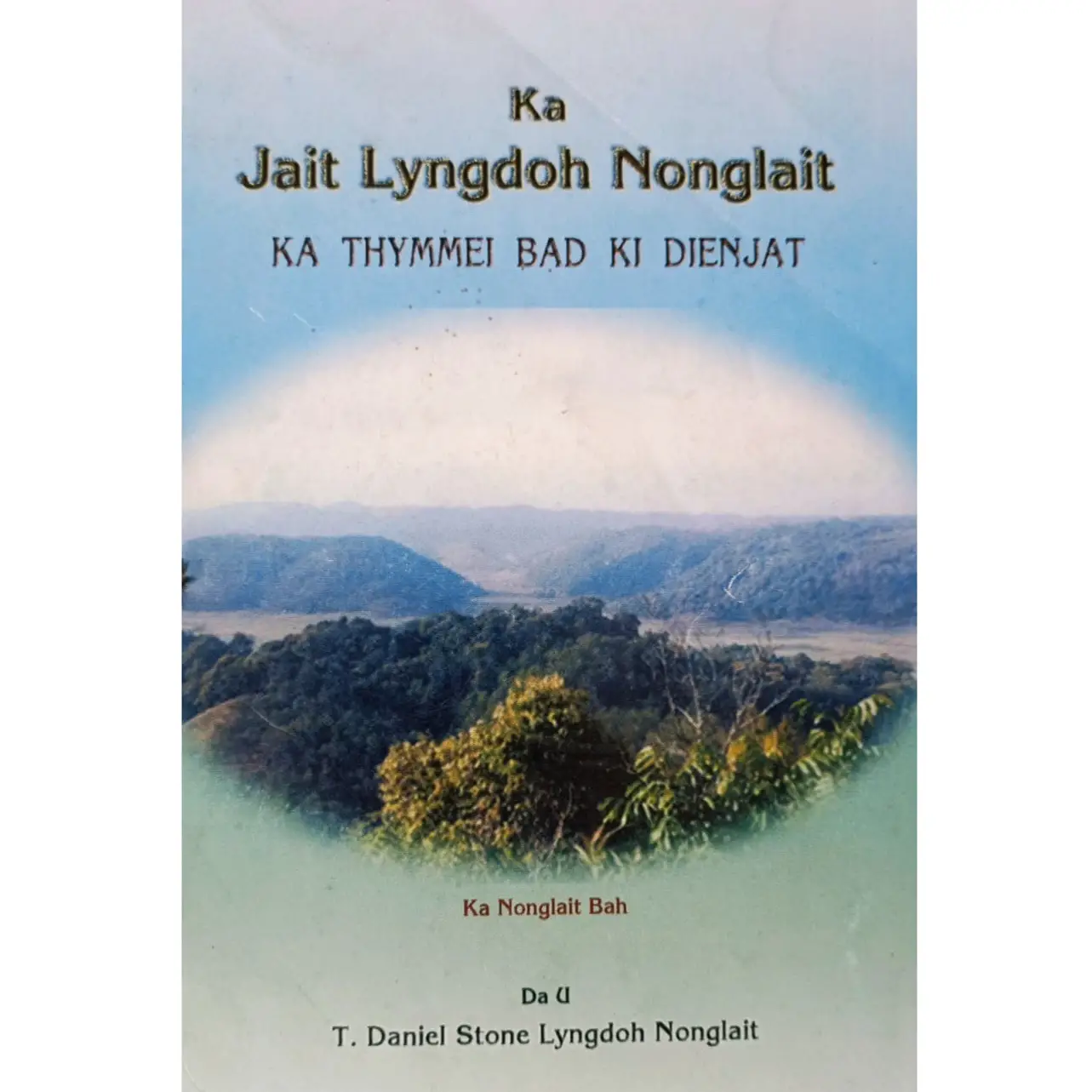
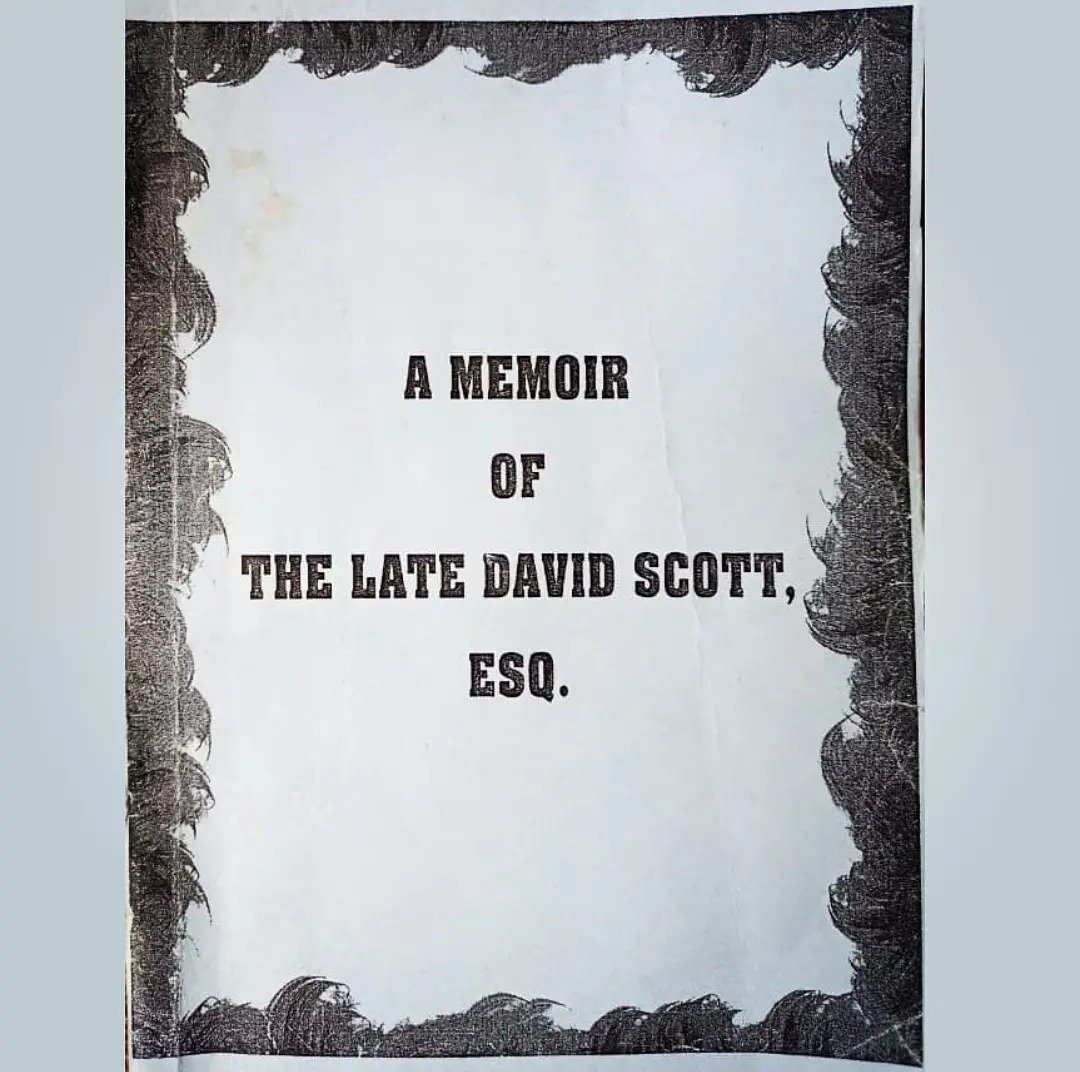
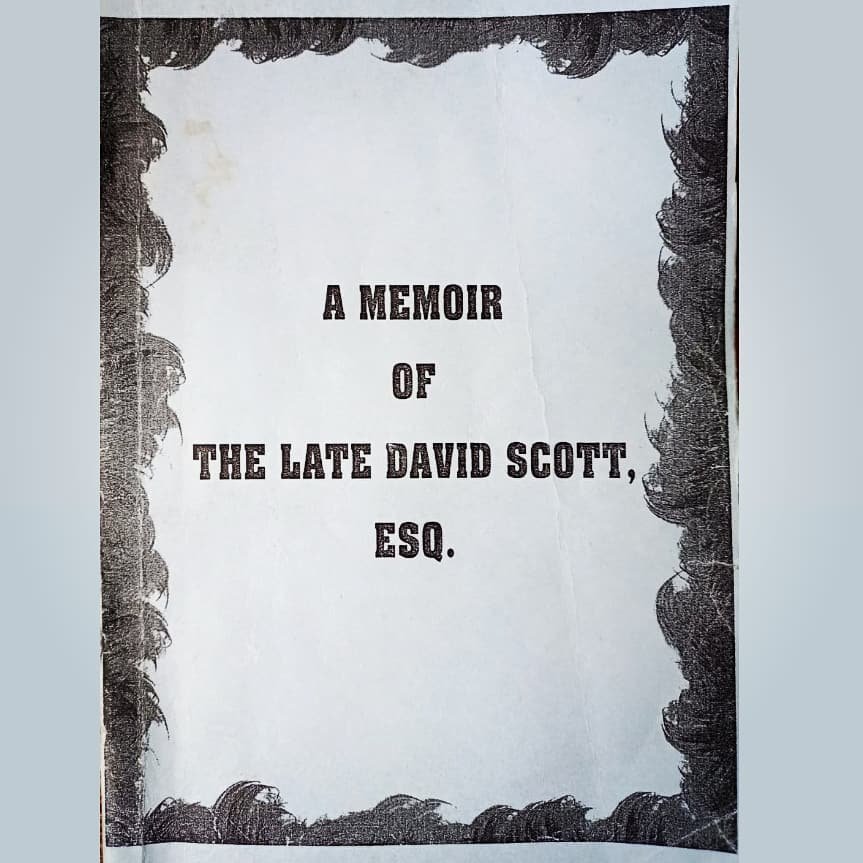
    In Ka Jait Nonglait: Ka Thymmei bad ki Dienjat written by T. Daniel Stone Lyngdoh Nonglait, the historical contexts of the Nonglait Clan has been given. Since ours is a society that relies on oral narratives, I have heard of the valour and bravery of ka Phan Nonglait. It has intrigued me to do further research upon this narrative. Yet, there is more to be unearthed. From the British perspective, the only record made was on U Mon Bhut who fought gallantly against the British. He was U Tirot Sing's most trusted general. The records about the Nongkhlaw incident were said to be the first spark that led to the war of the Khasis against the British. Among those killed, two British officers named Lieutenant Bedingfeld and Lieutenant Burlton were killed. In a letter to Lamb by David Scott, dated 10th April 1829, he mentioned that this fateful incident happened either on the 4th or 5th of April, 1829. This incident shook the Britishers and was recorded in the memoir of the Late David Scott, esq.

    On this Independence Day we remember Ka Phan Nonglait as the first Khasi woman freedom fighter. The achievements of Khasi women who fought against the British are often not recorded by history. Ka Phan Nonglait is remembered as one of those freedom fighters who have made a mark on Khasi history.

    This entry has been contributed by @carey_lynz Thank you so much! πŸ™πŸ™ Our gratitude also goes to @tonyslong πŸ˜ƒπŸ™

    🟑 Picture 1: Painting of Ka Phan Nonglait by @tonyslong

    🟑 Picture 2: http://wikimapia.org/21065891/Phan-Nonglait-Falls-Nongrmai

    🟑 Picture 3: Ka Jait Lyngdoh Nonglait: Ka Thymmei bad ki Dienjat written by T. Daniel Stone Lyndoh Nonglait.

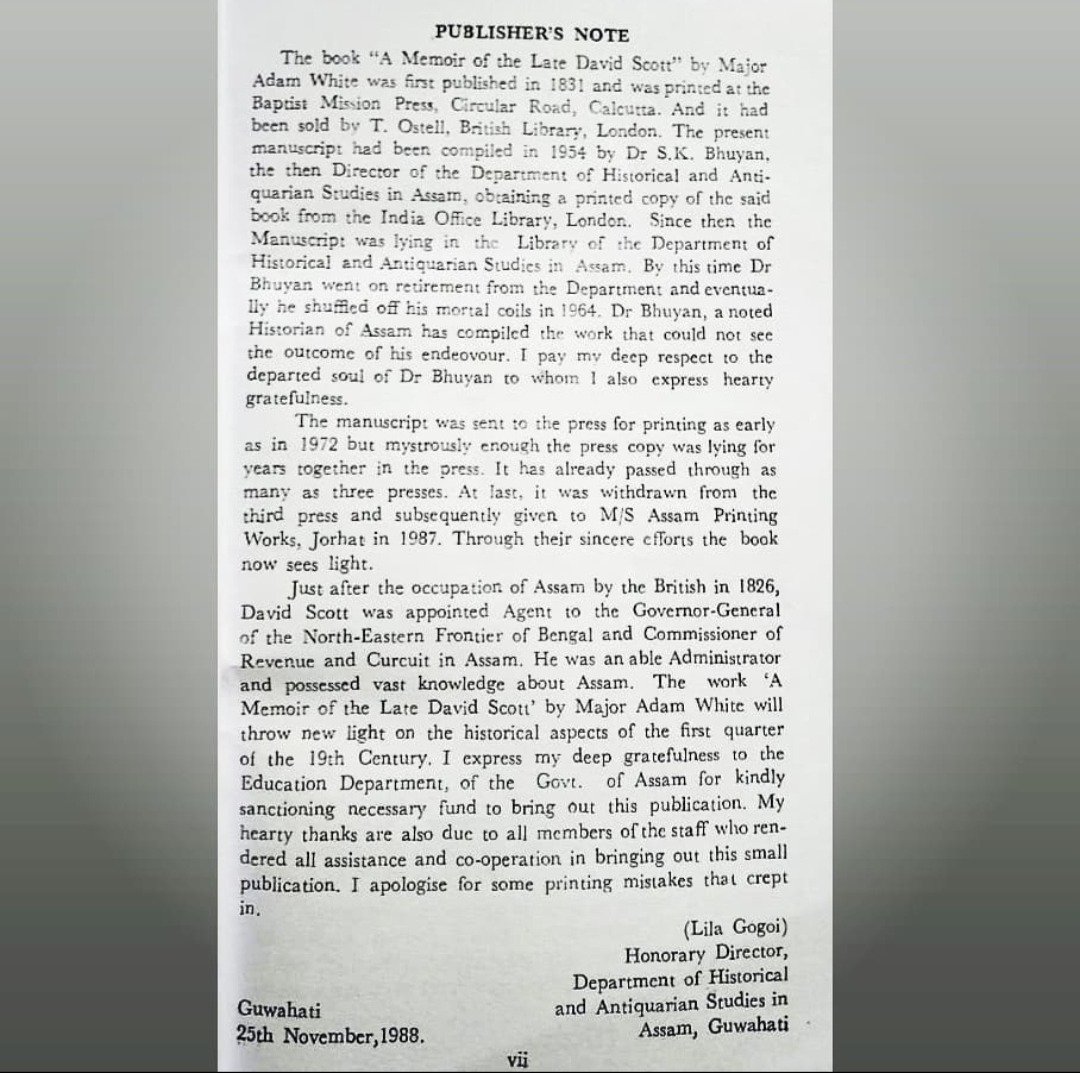
    🟑 Picture 4: A Memoir of the Late David Scott, Esq. written by Major Adam White (1831, 1st edition)

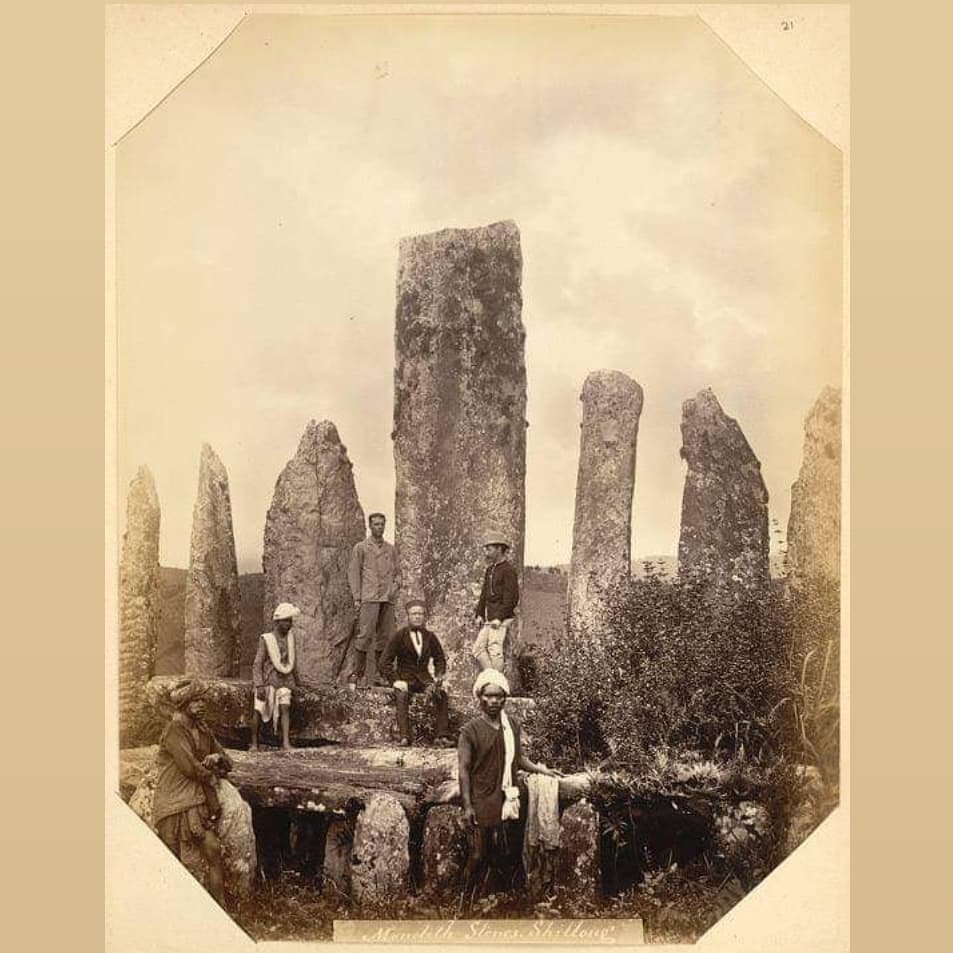
  • “Monolith Stones Shillong” as shown in Jean Baptiste Oscar Mallitte’s 1870s photograph

    Nathaniel Majaw says:

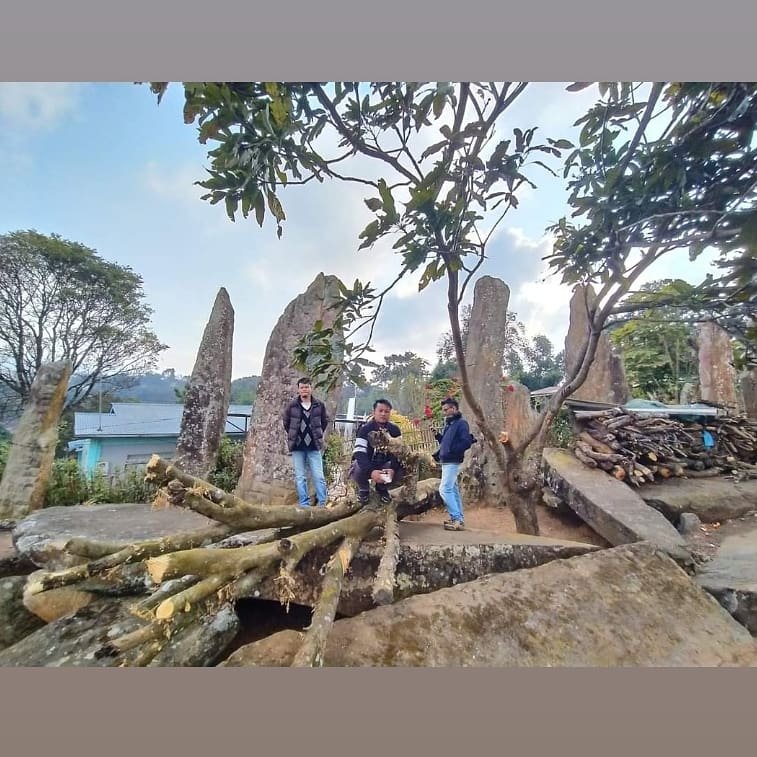
    We finally located the magnificent stones as shown in Jean Baptiste Oscar Mallitte's 1870s photo "Monolith Stones Shillong". These memorial stones are tucked away in a quaint property in the beautiful and peaceful Nongkseh Rim.

    The Khasi "Mawbynna" or monoliths/ megaliths are markers of history, culture, tradition and religion. Writers see language and literature emanate from them; indeed they are a repository of the past, present and future.

    Many monoliths and megaliths were destroyed in the great Assam earthquake of 12th June 1897. Thus, it is such a great joy to find these structures still standing after so many years.

    Congratulations to @nathanielmajaw and his team on finding these particular megaliths. πŸ‘‹πŸ‘‹πŸ‘‹ These pictures were posted on Twitter on the 4th of February 2021. Thank you for giving permission to post these pictures! πŸ™πŸ™πŸ™

  • A Glimpse of Tirot Sing: “A Memoir of the Late David Scott, Esq.” written by Major Adam White (1831)

    On the occasion of the death anniversary of U Tirot Sing, the 17th of July, here is "A Glimpse of History–U Tirot Sing Syiem" sent by @carey_lynz

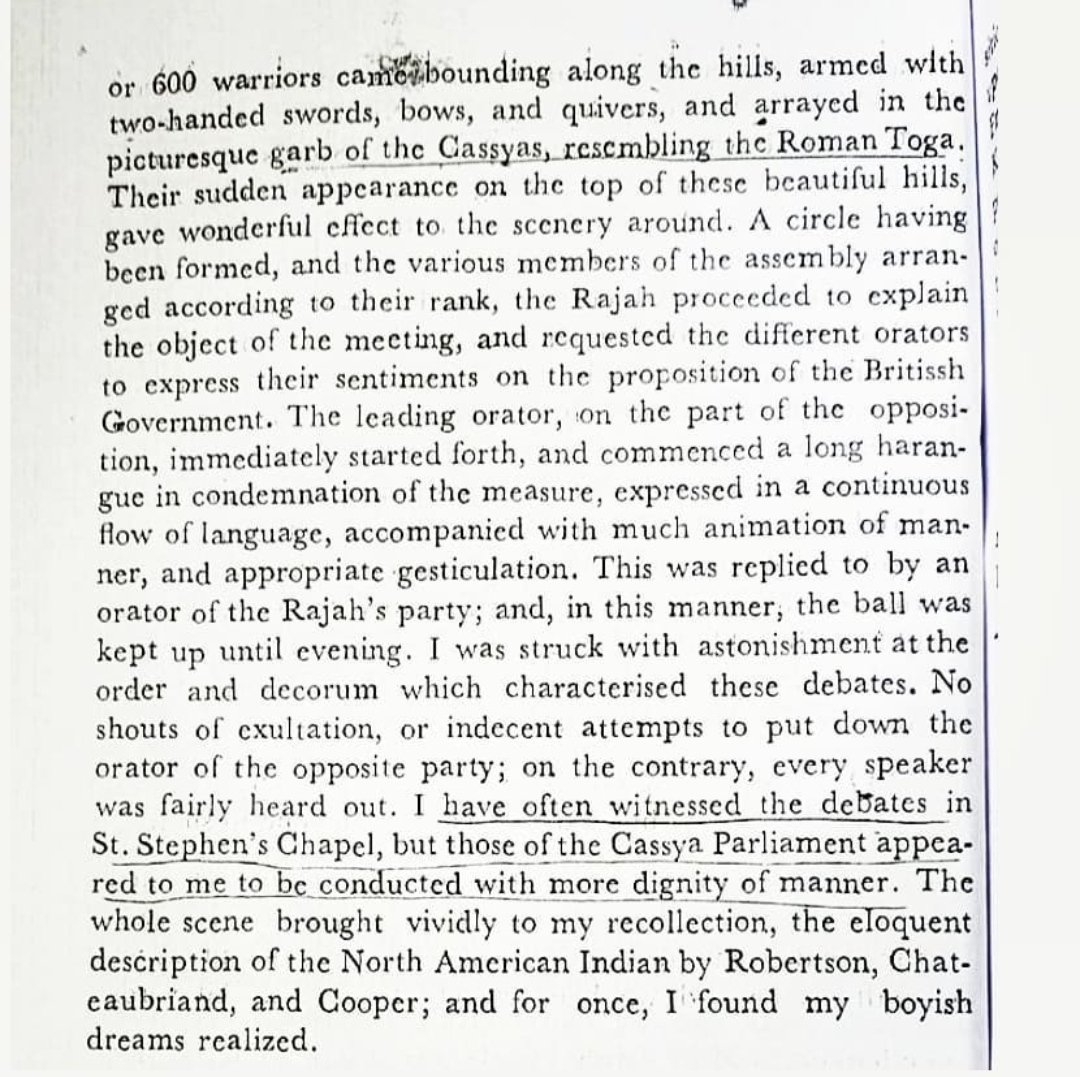
    In the book A Memoir of the Late David Scott, Esq., written by Major Adam White (1831, 1st edition), White narrates how David Scott took intense interest in the newly discovered region that is, the North East Frontier. White narrates how he had personally witnessed the "Cassya states" (Khasi States) and the beautiful hills which reminded him of the South of Scotland. At this time, the territory under Hima Nongkhlaw was not under British control. It so happened that Tirot Sing wanted to rent some areas in Assam from the Assamese Raja. David Scott said that he would be happy to oblige, if Tirot Sing would allow the British passage through his territory to go to Sylhet.

    This led Tirot Sing to call for an Assembly in order to discuss Scott's request. The British witnessed a very impressive meeting in Nongkhlaw. The Assembly sat in a circle according to their ranks. What struck the Britishers was the "order and decorum of the debators". There was respect for the opponent in the debate and the orator of each party was given a fair chance to speak. This continued for a long time. Growing impatient, David Scott sent a "dozen of bottles of rum" to the Assembly in the hope that the debate would end but the rum was returned.

    From these events, we come to know how the Khasis were a people who honoured each others' word and respected each others' opinion. Therefore, as we commemorate the life of U Tirot Sing Syiem, may we remember the value and power of our words like our forefathers before us. Lest we forget, let's remind ourselves of who we truly are.

    The above-mentioned events have been summarised from the book written by Major Adam White. The contributor, Dr. Naomi C. Nonglait is an Assistant Professor in the Department of English, St. Mary's College, Shillong.

    Picture 1: Google, Picture 2, 3 and 4 sent by @carey_lynz