Category: Research

  • Ki laitylli ki daw ba u Rev. Thomas Jones u jied ïa ki dak Roman na ka bynta ka alphabet Khasi

    In writing the Khasi language, Thomas Jones chose the Roman scripts for three important reasons:

    (a) The difficulty of learning a hundred or more difficult sounds and signs when compared to the 22 letters A B C D E G NG H I J K L M N O P R S T U W Y.

    (b) The Bengali scripts used by the Serampore Mission in their translation of the New Testament, and by Alexander Lish for his readers, had not proved successful. He stated "after years of labour and much expense, not only among the Khasis is able to read a page of the books he used, or to understand a paragraph of some of the more simple sayings in the English language".

    (c) The Khasis generally "had a superstitious terror of Bengali letters, firmly believing that if they tried to form a letter that they would be struck by blindness…or suffer a fatal illness. The above reasons quelled all the doubts and misgivings of his critics in India and in Wales. (Cf. KAS Souvenir 150: p. 12).

    Ka jingthoh jong u William Pryse, u mishoneri jong ka Welsh mission ha Sylhet, i kumba ka pashat jingmut sha kawei pat ka daw, balei sha u Thomas Jones u mon ïa ki dak Roman. Ong u Pryse:

    The Roman characters have been adopted in preference to the Bengali characters, not from a conviction of the superior utility of the former, but simply because they were found already in use amongst the natives.

    Kum ban shu pynbud ïa ki jingkren bad ki jingpuson shaphang ka ktien Khasi bad ki alphabet Khasi, kane ka dei ka sla ba la sot na ka kot U Thomas Jones bad Ka Pyrthei Saitsohpen ba la thoh da i Babu S. S. Majaw. Ka long kaba sngew myntoi ban ïoh ki jingtip kum kine. Khublei Shibun @carey_lynz ba phi la phah ïa kane ka dur! 🙏🙏😃

    As a follow up to our conversations and thoughts about the Khasi language and the Khasi alphabet, here is a page from the book U Thomas Jones bad Ka Pyrthei Saitsohpen by S. S. Majaw. It is interesting and beneficial to know about all this.

  • Musings on Thomas Jones Day by Naomi C. Nonglait, Ph.D.

    I remember my father told me once that he used to write in the Bengali Script. I never understood why he had to write in a script of another language. By then I was learning to read and write in my own Khasi language. It was only years later that I understood this change.

    Rev. William Carey and Alexander Lish had used the Bengali Script for the Khasi Language. It was one of the most challenging and colossal task of their time. However, Thomas Jones felt the need to change the Bengali Script to the Roman Script. It was with much thought that he realised that most of the Khasis could not understand even a paragraph of translation. Since this was the case, he started with the Roman script to create the sounds of the Khasi language which was much less complex as compared to the Bengali Script.

    We have to be reminded here that what Thomas Jones had done in the past did not go without harsh criticism. He was criticised from many quarters especially from the officer-in-charge of the East India Company. The Khasis were also apprehensive and not happy with the change since they were used to the Bengali Script. It can also be understood that the Khasis had a lot of trading with the Bengalis, so maybe knowing the Bengali language and script was advantageous to them. However, this did not deter Thomas Jones to give up on his dream. There were others such as Dr. Duff, Jacob Tomlin and William Lewin (Majaw 38) who wholeheartedly supported him. This brought up many questions to my mind. One of them being how much support would we give to change? If it was not because of Thomas Jones' vision, the spoken word would not have gained the permanence given by ink and paper. Not that I am undermining the oral tradition, but because of the lack of storytellers and the dying art of storytelling, I realize that without the alphabet, I would not have been able to go back, to remember again those stories that intrigued me as a child.

    Source:

    • U Thomas Jones Bad Ka Pyrthei Saitsobpen by S. S. Majaw (2011)

    Suggested Reading:

    • Anne Jones (1812-1845) Ka Missionary Kynthei Kaba Nyngkong Ha Ri Khasi Jaintia by Dr. B. Ps. Toi

    • Welsh Missionaries and British Imperialism: The Empire of Clouds in North-East India by Andrew J. May (2012)

    Khublei Shibun @carey_lynzba phi la phah ïa ki jingpuson bad ki jingpule sani jong phi shaphang ka histori jong ki dak thoh Khasi kiba la pynmih da u Rev. Thomas Jones. 😄🙏

    Thank you @carey_lynz for sending your thoughts and research on the history of the Khasi alphabet established by Rev. Thomas Jones. 😄🙏

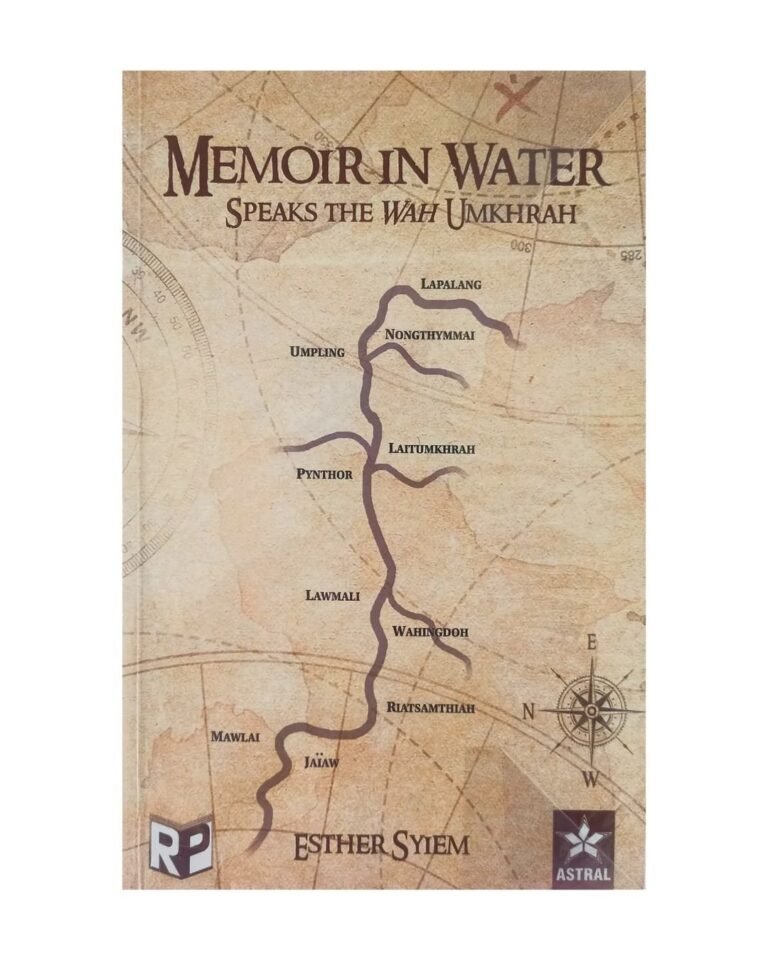
  • When Nature Remembers: A Study of Memoir in Water: Speaks the Wah Umkhrah by Esther Syiem (Excerpt)

    When Nature Remembers: A Study of Memoir in Water: Speaks the Wah Umkhrah

    by Esther Syiem

    -Dr. Daiarisa Rumnong

    In Memoir in Water: Speaks the Wah Umkhrah by Esther Syiem (2017), the human narrative impulse is transferred onto Wah Umkhrah or river Umkhrah. The river is personified, becoming alive with stories that reveal self, identity and experience. Syiem says

    I have been in close connection with the river because our house overlooks it. I would go to sleep listening to it, almost as if it were talking to me, asking me to take heed of it. I would also remember my father's stories and mother's stories too. They'd talk about it as if it were alive and human (Syiem, Esther. Personal Interview. 29 September 2020).

    The changes Wah Umkhrah has undergone have become a cultural metaphor for the Khasi community who are striving to preserve a sense of identity through the palimpsest of collective and cultural memory embedded in the oral tradition. In Memoir in Water: Speaks the Wah Umkhrah, the river is the narrative consciousness who takes on the stance of historiographer, chronicling human experience, meandering the struggles of life, sustained by the reality of the oral, the mythical and the supernatural. In due course, the river documents its own self-revelation refracting into the roles of spectator, mother, father, sister, brother, daughter and son. In the Foreword, Wah Umkhrah states its identity:

    I am the river Umkhrah, ka Wah Umkhrah, they call me here. I flow from east to west on the northern side of the Shillong valley. My sister Wah Umshyrpi in the south flows in the same direction. We meet somewhere beyond Sunapani Falls in the west and join together as Ka Wah Ro Ro (Syiem).

    Syiem uses the river to critique Khasi society which has undergone inevitable changes under the grasp of the coloniser and now under the grasp of modernisation and globalisation.

    The stories that Wah Umkhrah narrates mirror the frailty, hope and mystery of human life. In the story of Khrawbok, the guises of love are exposed by the river as it observes with human senses, the journey that love sometimes takes. The wife of Khrawbok represents the women who fall into marriage while young and inexperienced. Replaced by an older woman she is, to use the cliché, more sinned against than sinning, as the river offers commentary on the slow and aggravating departure of Khrawbok from his marriage, family and finally life. The narrative consciousness notices the nooks and crannies of cunning, desire, control, power, denial, holding up a script of truth that Khasi society would rather overlook. The river alternates between narrating the stories and addressing the reader, as if eliciting a response that it wants.

    Tell me now do you still believe that you're innocent, that you're without any blame?…When you were still wrapped in your unknowing you let me be…Even in death you paid homage to me…What's the ritual now? Dead bodies trussed up and dumped without ceremony; new born babies discarded on my banks; mutilations galore and queer things at night, always at night (Syiem 17).

    The story of Kyrmen Skhem merges the mythical, supernatural and real worlds, forcing the reader to realise the labyrinth of connections between the living creatures of this world. Kyrmen Skhem is an introvert who takes a water nymph for a wife. When Kyrmen Skhem finally tells his mother about his family, she is shocked but agrees to meet his wife and her grandchildren. It is in this meeting that tragedy strikes. Not knowing that she could not take out a broom in the presence of water nymphs, Kyrmen Skhem's mother takes one out and in a flash Kyrmen Skhem's wife vanishes. After some days Kyrmen Skhem's children arrive in the form of beautiful butterflies. Neither she nor Kyrmen Skhem knew that they would come as butterflies. As they alighted on rice grains that their grandmother was cleaning, she unknowingly struck them down with a synrei since they did not move when she shooed them away. Horror and disbelief engulf as Kyrmen Skhem returns to his watery home cradling his children.

    In one instant, the bond between man and nature, myth and the supernatural is severed once more. This event is a metaphor for the strained relationship between man and the environment, which most times ends with man destroying the delicate vulnerability of nature. It is only when nature is seen as an equal to man, that the convergence of identity, myth, memory, culture will bring about a sustaining relationship.

    The loss of an understanding and sympathy for nature in the present time may be regained by analysing the ecocritical relevance of Khasi oral tradition, culture and literature. Perhaps it will be beneficial to study this relevance through a balance of anthropocentricism and ecocentricism. In this way, discourse will be initiated on how the condition of nature reflects the well-being of its human caretakers and how it may also be a critique of human society.

    The current polluted state of Wah Umkhrah has evoked cultural metaphors and cultural narratives of a community trying to preserve a past, while grappling with the demands of the present. When asked if Wah Umkhrah is a source of identity for the Khasi community, Syiem says:

    Definitely for the older generation living in Shillong. During my generation when more young people had opportunities of study away from home, this source receded. Today I see it coming back to haunt the living realities of a lot of young people who don't seem to see it, however, as we saw it, but only as part of the larger ecosystem that needs to be regenerated (Syiem, Esther. Personal Interview. September 29, 2020).

    Thus, the present generation needs to see Wah Umkhrah as a living source of identity and memory. This is the "ecological consciousness" (Nayar 344) which Memoir in Water: Speaks the Wah Umkhrah seeks to evoke and provoke into being. Presenting the thoughts, emotions and memories of the river as a memoir, Syiem offers an alternative form of the collective and cultural memory as well as history of the Khasi community, thereby forging a sense of identity.

    It's World Environment Day, 5th June 2023!🌲🏞️

    Na ka bynta ban kynmaw ïa kane ka sngi, kine ki dei ki bynta ba la sot na ka artikl wad bniah ba la thoh da i Dr. Daiarisa Rumnong @daia.risa kaba kyrteng "When Nature Remembers: A Study of 𝘔𝘦𝘮𝘰𝘪𝘳 𝘪𝘯 𝘞𝘢𝘵𝘦𝘳: 𝘚𝘱𝘦𝘢𝘬𝘴 𝘵𝘩𝘦 𝘞𝘢𝘩 𝘜𝘮𝘬𝘩𝘳𝘢𝘩 by Esther Syiem". Ïa kane ka artikl wad bniah la pynmih ha ka Spectrum (Peer Reviewed Journal): An International Journal of Humanities and Social Sciences, December 2022., Vol. 10, ISSN 2319-6076.

    Ha ka 𝘔𝘦𝘮𝘰𝘪𝘳 𝘪𝘯 𝘞𝘢𝘵𝘦𝘳: 𝘚𝘱𝘦𝘢𝘬𝘴 𝘵𝘩𝘦 𝘞𝘢𝘩 𝘜𝘮𝘬𝘩𝘳𝘢𝘩 ka Wah Umkhrah ka kylla long kum ka briew kaba kren bad pyni ïa ki jingbakla u bynriew ha ka jingïadei jong u bad jong ka, kum ka bynta jong ka mariang. 🏞️

    For this day, these are excerpts from a research article written by Dr. Daiarisa Rumnong @daia.risa entitled "When Nature Remembers: A Study of 𝘔𝘦𝘮𝘰𝘪𝘳 𝘪𝘯 𝘞𝘢𝘵𝘦𝘳: 𝘚𝘱𝘦𝘢𝘬𝘴 𝘵𝘩𝘦 𝘞𝘢𝘩 𝘜𝘮𝘬𝘩𝘳𝘢𝘩 by Esther Syiem". This article has been published in Spectrum (Peer Reviewed Journal): An International Journal of Humanities and Social Sciences, December 2022., Vol. 10, ISSN 2319-6076.

    In 𝘔𝘦𝘮𝘰𝘪𝘳 𝘪𝘯 𝘞𝘢𝘵𝘦𝘳: 𝘚𝘱𝘦𝘢𝘬𝘴 𝘵𝘩𝘦 𝘞𝘢𝘩 𝘜𝘮𝘬𝘩𝘳𝘢𝘩 the river is personified as it speaks and shows mankind the mistakes committed against it in his relationship with it as a part of nature. 🏞️

    🟡 No part of this article may be reproduced in any form without the consent of the author. Proper citation should strictly be adhered to when quoting any part of this research. All material for this content has been researched by Daiarisa Rummong, PhD.

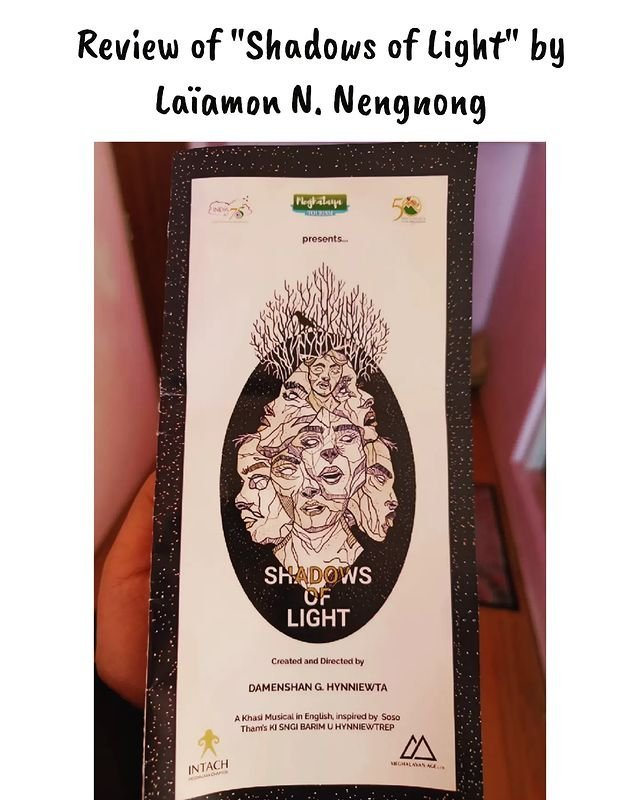
  • Review of “Shadows of light” by Laïamon N. Nengnong

    "Shadows of Light" directed and written by Damenshan Hynniewta is deftly and most intelligently created. The script, acting, music and arrangement of light and sound is unmatched. An interweaving of folklore into themes which emanate social and psychological realism, with every character standing out.

    Each theme is portrayed in nuanced and complex ways, staying true to the human condition that each legend and folktale is a mirror reflection of. The themes of love, motherhood, necromancy, in the stories of Ka Sohlyngngem, Ka Sngi bad U Bnai, U Sier Lapalang and others, showcase ingenuity of plot molding, so that the meaning is not one, but many.

    The theme of love is brought forth in the idea of forbidden love, the tenacity for beating all odds in spite of what is forbidden-the odds of family, rules of exogamous marriage in the Khasi society, and even to challenge death itself.

    Through the theme of parental love, the writer makes one re-examine the well accepted idea of unconditional love associated with it. At the same time, Hynniewta drives home the theme of purpose and fulfilment, the gendered biases and prejudice that society has on a "loose woman" from that of a man "who sows his seed everywhere" and is never made accountable for his misdeeds.

    All in all, "Shadows of Light" is a journey; one which makes the spectator reflect, contemplate, question, and even transform. It is the kind of musical that can capture the audience's attention and senses, in their entirety and I am excited for more works by Damenshan Hynniewta.

    Ka Peit Bniah ne ka Review jong ka sawangka "Shadows of Light" kaba la long ha ki tarik 13, 15 bad 17 u Kyllalyngkot 2022, ha ka Shillong International Centre for Performing Arts and Culture, SICPAC, Mawdiangdiang.

    Khublei Shibun @laia.naomi ba phi la phah ïa kane ka Peit Bniah kaba la pyrkhat sani bha! 😃🙏

    📸 @laia.naomi

  • “Ki Katto Katne Ba Iadei Bad Ka Indigenous Music” da i Ubahunlang Dkhar Tmar

    Ka Lamphrang

    Dang shen ka kynhun synrop ki ri ka pyrthei lane ka United Nations, lyngba ka tnad treikam Department of Economic and Social Affairs, kumjuh ruh ka UNESCO ki lah dep rai bad saindur ia ki mat treikam jong ki snem naduh 2022 haduh 2032 kum ki snem ban kynmmaw bad ban pynurlong ia ka jinglong ba kyrpang bad ba kynsai jong ka ktien-ka thylliej ki rit paid ("'Indigenous Community/Groups"), lane kata kaba ki khot ka ka ktien nongwei-nong-ar ka "International Decade of Indigenous Languages". Ka don ka daw kaba khraw sha lyndet balei bala shim bad buh kyrpang ban pynneh pynsah bad pynroi a ka ktien-ka thylliej ki rit paid, trai ri- trai muluk, ha kaba hangne ngan nym pashat jingmut ha kaba iadei bad kane, namar ka jingthmu jong kane ka jingthoh barit ka long ban a phylliew jingmut khyndiat bad pyrsad mynsiem a ka jinglong kyrpang ki 'Sur Tem Tynrai' lane kata kaba ki ju khot kyllum "Indigenous Music".

    Kiei kita ki Indigenous Community?

    Shwa ban kynthoh ha kaba iadei bad ka 'Indigenous Music' la sngewdei ban pynshai khyndiat shaphang ki 'Indigenous community'. Kine ki 'Indigenous Community' kidei kita ki rit paid trai muluk, trai ri-trai jaka ba ngi lah ban shem ia ki la kumno kumno ha ki 90 tylli ki ri ki pyrthei. Ki paid *'Indigenous Community' kat kum ka jingbuh jingkhein ka UN, mynta ki don kumba 370-500 million, kiba kren ha ki 7000 tylli ki ktien lajong, bad na kine ki 7000 tylli ki ktien, 2680 tylli mynta ki don ha ka jingma ba lah ban duhjaid noh shisyndon (on the brink of extinction). Kine ki 'Indigenous Community' ne ki rit-paid, kidei kita ki jaidbynriew lane kiba la ju tip ruh kum ki "ethnic group/community" kiba ha ka rukom im jong ki, la kumno kumno ki dang im ryngkat bad ka jingtyllun ka mariang.

    Hooid bun ruh naki kiba la kylla ka niam-ka rukom, ki ba la nang la stad, kiba im kat kum ka juk thymmai, wat hapdeng kine ki jingkylla bad jing pynbud rukom nongwei, bun hi na ki kiba dang bat hi ia ka riam-ka beit, ka bam-ka dih, ka rwai-ka tem, ka put-ka siaw, ka kren-ka khana kumta ter ter. Ngin shem ruh hangne ka ri India jong, la ka long ha ki jaka pdeng ka ri India kumjuh Ki ranab lum hajan rud duriaw Arabian Sea (Deccan Plateau, Western Ghats), Ki ranab lum Mangkashang (North, Central Himalyan Region) kumjuh ruh hangne ka kyndong ka ri North East India, Ki ranab lum Mangkashang (Eastern Himalayas) naduh Arunachal wat haduh Chittagong Hills (Bangladesh), Ngin shem shibun ki rit-paid 'Indigenous Community' kiba don laka jong ka tyllong, ka thymmei bad ka deiriti- kolshor tynrai, kiba ka sorkar phareng ka la sin- ka la jer kyllum kum kita ki "Tribals".

    Kaei ka Indigenous Music? (What is Indigenous Music?)

    Ka kyntien 'Indigenous Music' ka thew bad kdew ia ka rukom rwai tynrai ne 'original traditional music' ki rit paid 'Indigenous community', kiba shong kylleng satlak ka pyrthei. Teng teng ngi lah ban shem ba ia kine ki rukom tem-rukom rwai tynrai la ju sin, khot bad tip ruh da kiwei ki kyrteng kum ki ethnic music' *regional music' ne 'folk music'. Ymda lah than ban pyniapher ne pynkynriah kawei na kawei pat, khamtam lei hapdeng ka folk (traditional) bad indigenous music, namar ka jing iapher ka lah ban long tang ha kaba iadei bad ki tiar tem ba pyndonkam, ka rukom rwai, ne ka rukom kynnnoh, ud ne ringsur bad ki nongrim ne ktien jingrwai (lyrics). Tang kiba puson bad pule ia ka ' music' ki kham sngewthuh bha ia kane, bad ki lah ban ai ka jingpynshai jingpynsngewthuh ba pura ia ngi lang baroh. Shwa ba ngan phylliew ki jinmgmut ha kaba iadei bad kata kaba ki khot ka "Indigenous Music" la sngewdei hangne kat kum ka bor sngewthuh jong nga ban pashat jingmut khyndiat shaphang ki tyllong jingmut bad jingmaian-maiot a kyntien 'Music' kaba kynthup a ka put-ka tem, ka rwai-ka saw ba long kdup salonsar (ontology and epistemology of music).

    Ka jingkylli kaba kyrsoi ha ki jingmut jingpyrkhat bad kaba mih kalong, kaei ka music? Lane, ngi sngewthuh kumno hakaba iadei bad ka put-ka tem ka rwai-ka siaw, namar don ki jingsngewthuh ki ba long doh, tang najrong (senses) ki bym da jylliew, ba kut bad ba pynsgewbha tang shipor bad ki jingsngewthuh ki ba jylliew ki ba pyn myllung kiba shnongnia- shongkun (emotional, mental, philosophical). Ka jingsgewthuh shaphang kine ka lah ban iapher ne ia syriem, hapdeng kiba bun kiba ieid bad ki ba mad a kaka put-katem, ka rwai-ka siaw. Ha ka jingsngewthuh kaba rit jong nga, nga shem ba ka 'music' ba kadei kata ka kynja- ktien kynja-sur ba long maian, ba jylliew, basop bad ba suh thied bun ki jingmut. Ka 'music kadei kata kaba pyrsad mynsiem, ka jingkhih win ba janai bad kaba pynkhih jingmut-jingpyrkhat, pynkhih met-pynkhih phad naduh kiba rit haduh kiba heh bad kumjuh ruh ia ki tymmen- ki kro.

    Lada phi don ki skhor bad phi don ka por ban pynshongnia-pynshong jingmut, phin lap ba wat ka mei mariang salonsar ka don la ki sur ba shngiam bad ba sngur, ki aim ki wanrah la ki jong ki jingrwai ha ka dur ki jingrwai-jingpyrta ki sim-ki doh, ka jingkaweh ki dieng-ki siej kumta ter ter. Wat ki wah rit, wah heh ne wah duid ki don la ki sur ba har rukom, haba ka um ka phaloh bad tuid lyngba ki synrang maw, ki tharia, ki lum-ki them. Ban pynshai khyndiat ia ki jingsngew jong nga ha kaba iadei bad kata kaba ki khot ka 'nature's music', hangne ha rum nga shniah jingmut kumne:

    Ki sim bunjait ki ud-ki nam, ki rwai-ki siaw,

    Ka lyer ka beh hiw-hiw, haw-haw,

    Jingim ka hun, ka tngen, kam lyng-a,

    Namar ka mei mariang ka rwai sngewbha.

    Sha tbian ki pyntha, kumjuh ruh sha ki lum ba kynjang,

    Ha khrum ki khlaw rben. Shaduh ki sla duriaw ba iar.

    Don ki sur, batied, ba sawa, kum ki thied klongsnam,

    U Blei najrong u kyrkhu-kyrdoh, u pynkdup ia ngi da ka mei mariang

    Lada ngi puson bad pyrkhat jylliew gin shem bad sngewthuh ba ka 'music' kadei kata kaba kdup, ka ba sop- ba spain ia ngi, ia ka mariang bad ia ka haw-haw ki sahit bneng (universe) ruh. Ka 'music' kadei kata kaba, ha ka ktien nong wei-nong-ar, lah ban ong; 'music is the language of the universe', Ngin shem ia kane ka jingshisha ba wat ki stad saian khamtam na ka phang jong ka physical science ki lap bad ki kdew ba wat kita ki phngit 'atoms' ki don la ka jong ka 'frequency' haba ki shad tawiar hapoh ki dewlynnong (microscopic environment) jong kano kano ka met (matter). Ka haw-haw ki sahit bneng ne 'universe' ka tyllun katkum ki jingkhih-jingksar ba long ryntih (frequency) naduh kulong-kumah haduh ka khyllip ba mynta, ka don la ka jong ka sur-ka dur ba ka bud ryntih bin pa bin. U stad saian u ba khraw bad ba pawnam jong ka sobjek Physics, U Albert Einstein, u kynthoh kumne "Everything in life is a vibration", kaba mut ka jingim ba salonsar ka dap da ki jingkhihwin ba kyrpang, ba janai bad ba ryntih. Lehse kam long shuh kaba bakla ban ong hangne ba wat ka met jong ngi briew ki dap da kine ki jingkhihwin ki sur janai, ne ki sur ba jylliew bad ba kyrpang. Lada kam long kumta, balei pat ngi kyndeh haba ngi

    iohsngew ki sur tem-sur rwai?

    Kaei ka jingdonkam bad jingtreikam ka Music? (What is the function of Music?)

    Lada phi wad bad pule ia kano kano ka thup jingthoh shaphang ka 'music' (music encyclopedia), phin shem shibun ki rukom rwai-put tem ba la jer bad ai kyrteng, kumban shu ai nuksa khyndiat kita kiba ngi tip kyllum kum ka classical, jazz, pop, rock, hip-hop, blues, folk, R&B, Soul, Funk, Bee Bop, Rhumba, Samba, Bossa nova, Soukous, flamenco, gypsy kumta ter ter bad kumjuh ruh a kita kiba ngi khot ki traditional bad indigenous music ba bun rukom la ka dei ha ka rukom tem ne rwai. Ka music kadon bun ki jingmut-jingmyntoi, bad ka thew, ka kdew ia kiba bun ki phang jong ka jing im briew bad ka imlang sah lang baroh kawei. Na ka liang ki stad Anthropology, ki kdew ba ka kano kano ka bynta, la ka long ha ka lehniam-leh rukom, ka put-ka tem kumta ter ter kiba iadei bad ka deiriti-kolshor ki briew ki don ar jingmut, jingthmu ne ki jingtreikam, kiba ki Anthropologist ki khot 'Latent Functions' bad 'Manifest Functions', kum ban shu kren kyllum ki jingthmu-jingtreikam (Cultural-Social functions) ba paw bad ba buhrieh.

    Kano kano ka 'sur tem-sur rwai' (music) ki don la ki jong ki jingmyntoi bad jingktah (implications) la ka long ha ka imlang-sah lang bad kolshor (socio-cultural), ka synshar-khadar (political) Khaïi- pateng, iadie-iathied (economic) kumta ter ter. Nga tharai bun na ngi kiba ju sngap bad iohsngew ia ki sur jingrwai-sur tem na ri America jong ki snem 1960 kiba ngi ju khot ki 'protest songs' ki ba don ka bor wat ban pynkhyn niuhrieh ia ki bor sorkar, kine ki sur jing rwai ba ialap ia ka jingkylla, kiba kyrsiew thiah ia ki briew na ka jing shah teh mraw , kum ha Chile ha ki snem 1970 ha ba synshar donor da ki shipai Junta u Agusto Pinochet, hangne uwei na ki nogrwai ba pawnam u Victor lara uba la iap ha along ha ka kti ki shipai, u pynkhih ia ka dohnud bad mynsiem ia ki nong Chile da ki jingrwai ieid ri.

    Bun kylleng ka pyrthei ngin lap kumno ki sur jingrwai ki lah ban wanrah ka jingkylla ha ka synshar khadar bad ka imlang sah lang. Naduh hyndai-hynthai, u paidbynriew satlak ka pyrthei u pyndonkam ia ki sur tem-sur rwai na ka bynta jingthmu ba har rukom, kane ka shong eh ha ka jinglong-jingman ka imlang-sah lang, ka ioh-ka kot, ka synshar-khadar, ka niam-ka rukom ter ter. Ka 'music' ka don ka bor ban pynsngew-pynsaphriang ki jingmut-jingpyrkhat (communication), ka don ka bor ban kdup bad ban spain ia ka bor pyrkhat u/ka briew, ka music kadei shisha ka kynja um dawai ne wine kaba lah ban pynkylla ia ki jingmut jingpyrkhat u/ka briew, katkum ka jinglap jong ki stad saian ba iadei bad ka bor jabieng (neurology, brain-plasticity study), ki lap ba ka 'music' ka lah ban pynkylla ia ka rukom treikam ka jabieng, ka lah ban ngam shaduh ki tyllong ba jylliew bad ba kyndong jong ka jabieng. Ka 'music' kadei ruh ka 'therapy' lane ka dawai ba pyn janai ia ka janor, ka pynwandur ia ki rukom pyrkhat -puson (perception, thought pattern). Dei namar kane ka daw ki ju ong long kiba husiar, bishar bad aid da thew khnang ba kano kano kaba ngi bsa ia ka met bad ka bor jabieng ka lah ban pynbha ne pynsniew ia ngi, kumban shu kren lyngkot, kumba ngi bam ne snap, kumta ngin long ngi pyrkhat; " we are what we eat what we listen"

    Ka Indigenous music

    Ha kaba iadei bad kane ka mat kumba la kdew haneng, nga tharai bun na ngi kiba lah iohsngew ia bunjaid ki sur rwai-sur tem, kiba kynthup ruh a ka 'indigenous music'. Nga kynmmaw ha ki snem 1990 ha ki por ba nga dang pule, kadei ka sien ba nyngkong eh ba ngan ioh sngap ia kita ki 'indigenous music' kiba la pyllait bad die paitbah ha ki cassette tape da ka HMV company, dei lyngba kine ki cassette nga ioh ban sngap ia ki sur tem-sur rwai Flamenco na Spain, Celtic music na ri Bilat, Mali music na North Africa, Soukous na Congo Africa, Andean Music na dewbah South America, Gamelan music na Indonesia Java , Cajun music na Louisiana, Florida USA bad kiwei kiwei de. Kine ki sur tem-sur rwai ki pynktik ia ka jingmut jingpyrkhat, ki pyni iaka jing riewspah, jingstad u paidbyllien ka pyrthei ha ka liang ka ka put-ka tem, ka rwai ka siaw. Ka long shisha kaei kaei kaba pynsgewbha ban iohsngew ia ki sur rwai- sur tem ba har rukom kiba iadei bad ka jingim ka deiriti ne kolshor jong ki. Ki pyni ia kata kaba ki khot ka "cultural diversity".

    Haba kren kyllum ka 'indigenous music' kadei kata ka sur rwai-sur tem tynrai kaba don jing iadei bad ka kmen-ka sngewbha, ka iap- ka im, ka rep- ka riang, ka khein aiom-samoi, ka rynsan ban thaw bad iathuh khana, ba ka jinglong-jingman ba man ka sngi jong ka jingim ki riew rit paid *indigenous community' hapdeng ka jingkylla jong ka pyrthei bad ka jingiadei ba marjan jong ki bad ka mei mariang-mei-ri sawkun. Ha ka jingshisha, ka 'indigenous music' ne sur rwai-sur tem tynrai, ka don la ki jong ki jingthmu ba iadei katkum ka deiriti ne kolshor jong kano kano ka jaid bynriew 'ethnic group/community'. Ki sur rwai-sur tem tynrai ki don la ki jong ki rukom tem ne rwai wat ha ka rukom kynud ne ringsur haba iap, ne haba shong kurim, ha ka knia- ka khriam, ha ba ialeh sngewbha, ne haba don kano kano ka jingkylla ba sinew ne ba bha. Ka 'indigenous music' ne sur rwai- sur tem tynrai kadei shisha kata ka rynsan ha kaba kano kano ka jaid bynriew rit paid "indigenous community" ka kdup lang a baroh ha kaba iadei ban sam a ki khana-ki puriskam, bad ban bteng ia u sohpet ka jingialong kawei jong kano kano ka jaid bynriew.

    Ka 'Indigenous music' ka teh-ka khum bad ka kdup iaka mynsiem bad ia ka maian long briew- man briew jong ki rit paid (indigenous community), kadei kata ka kynjri ba bteng ia u ne ka briew sha ki thymmei, ka niam ka rukom, ki dustur bad ka jingim ba man ka sngi. Ngi kum ki Khasi gin shem ruh ha lade, wat kiba la kylla ka niam-ka rukom, shisien ba ngi iohsngew ba riew ka ksing-ka dhah, ka tangmuri, ka bisli katno ka mynsiem ka shlei-ka dap bad ka tied dik dik, long kumba ka tan a ngi sha u sai sohpet-sai jutang ba la seng, bad bala suit-la shor daki longshuwa-manshuwa, ha ka juh ka por ka wan ka jingsngew ieid ri ieid jaidbynriew ba pynlung mynsiem ba shit rhem.

    Ka "indigenous music" kadei kawei na ki mawbyrsiew jong kano kano ka jaid ka kynja, la ka long ha ki ja khlaw ba rben ka ri Congo Africa, ki lum bah Andes ha dew bah America, ki jaka ba kyndong ka ri Mongolia, ki jaka shaphang shatei ka ri America, ka ri Russia, Siberia kumta ter ter , ngin lap ba haduh mynta mynne dang don kita ki rit paid ( indigenous community) ha kaba phin iohsngew ia ki sur rwai-tem tynrai kiba pynsgew ha ngi ia ka jinglong-jingman, jingud-jingnam, jingkmen-jing sngewbha, ki khanatang-ki puriskam kiba teh ba khum, sop- spain ia ka deiriti-kolshor jong ki.

    Ka 'indigenous music' ka long kum u sai-sohpet ba bteng a ka deiriti-kolshor, ka mei mariang bad ia ka niam ka rukom. Lada ka mei-mariang ka jot ka pra, kumta ruh ka deiriti-kolshor bad ka niam ka rukom kan pharia kan sakma. Kumban shu kren kyllum, lada duh noh ka "natural diversity" kane ruh kan ktah ia ka "cultural diversity", kaba kynthup ka rwai-ka tem ki sur

    tynrai.

    Ha kaba kut la sngew dei ruh ia ngi shane ka ri Khasi-Jaintia, ba ngi donkam ban pynkhie im, sumar-sukher bad pynneh-pynsah a ka mei-mariang, ki riti-ki dustur, ka put-ka tem ka rwai- ka siaw. Ngi donkam ban sngewthuh haei ngi ieng, kaei ka nongrim jong ngi, shaei ngin jam, ngim lah ban shu ia beh kyrthep ia kaba dei jong kiwei , kum ki pukni iaknieh doh pyut ne ki ksew bna lat. Ngi donkam ban pdiang ia ka jingkylla ka por (social, economic, technological changes) bad khlem da klet pat ne leh jyndet a la ka jong. Kumba kynthoh uwei u nong Japan ba la paw pyrthei ha ka kam thain kriah- thain shang da ki siej, u ong kumne, ha kaba iadei kumno ban pdiang ia kaba thymmai bad khlem da ibein ne klet la ka nongrim tynrai; "Tradition is about innovation", ha i jingsngewthuh barit jong nga, kaba mut kumne, ngi dei ban pdiang ia kaba thymmai da ka jing long adkar bad thew nujor bin pa bin, ngim dei ban jynrat a ki thied ka thymmei la jong hynrei ngi donkam kumno ban pynwandur, oh-shrong tang ia ki tnad ne sla. Ha ka ktien nongwei " we need to keep our tradition with a careful dose of innovation, we must not remove the roots, but we can prune the leaves and branches".

    To U Blei un Kyrkhu Kyrdoh ia ngi baroh lang!

    Khublei Shibun.

    Ka long kaba sngewtynnad shibun ba na ngi kiba tip shaphang ka rwai ka siaw, ka tem ka put ki noh synñiang sha ka page da ki artikl kiba la pynwandur sani bha. ✍️📚

    Khublei Shibun @ubadtmar3 na ka bynta kane ka jingphylliew jingmut jong phi shaphang ka rwai ka tem tynrai. Bun na ki mat kiba phi la thir jingmut ki long kiba donkam bha! 😄🙏 🎶🎵

    I Ubahunlang Dkhar Tmar i dei i nongrwai, nongthaw jingrwai bad nongtem ba tbit. I don ha ka kynhun "Shalyntem" kaba dei ka kynhun cycling kaba shitrhem ha Shillong.

    I Bah Ubahunlang i trei i ktah kum u Assistant Professor ha ka Department of Geography, St. Mary's College, Shillong. Ka specialisation jong i ka dei ka Human Geography.

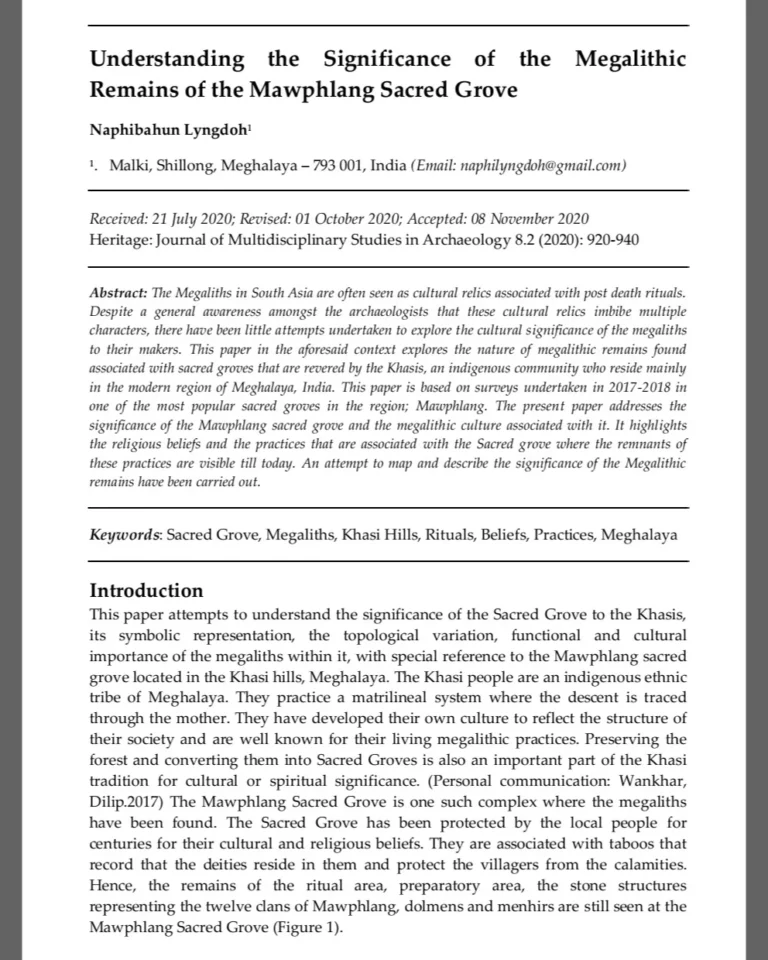
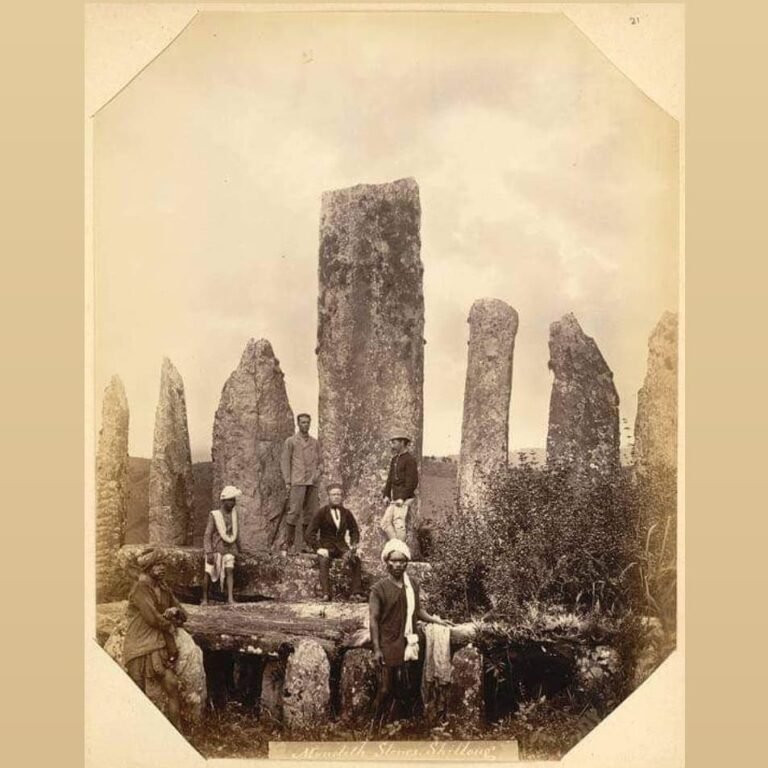
  • Understanding the Significance of the Megalithic Remains of the Mawphlang Sacred Grove by N. Lyngdoh

    The research article by @naphi_lyngdoh entitled:
    "Understanding the Significance of the Megalithic Remains of the Mawphlang Sacred Grove" has been published in Heritage: Journal of Multidisciplinary Studies in Archaeology 8.2 (2020): 920-940 📝⛏️⚒️📏

    🟡 Please click on the link below to read the research article

    http://www.heritageuniversityofkerala.com/CurrentIssue.aspx?VID=82

    🟡 No part of this article may be reproduced in any form without the consent of the author. If used for citing in research, proper acknowledgement and citation which is accepted should be adhered to. All material for this content has been researched by @naphi_lyngdoh

    The article is a wonderful and interesting read on the megalith culture of the world famous Mawphlang Sacred Grove. Congratulations on your hard work. We wish you more success in the future! 👏👏

    Ngi sngew kmen bad sngew sarong ba ki khun samla jong ngi ki la khih la ksar ban nang pynïar ïa ka jingtip shaphang ka histori bad ka jymbriew la jong 😄🙏

    Naphibahun Lyngdoh is continuing with her research and work. She has completed her Master's in Archaeology and Bachelor's in History. Naphibahun is an alumna of St. Mary's College, Shillong, Meghalaya.

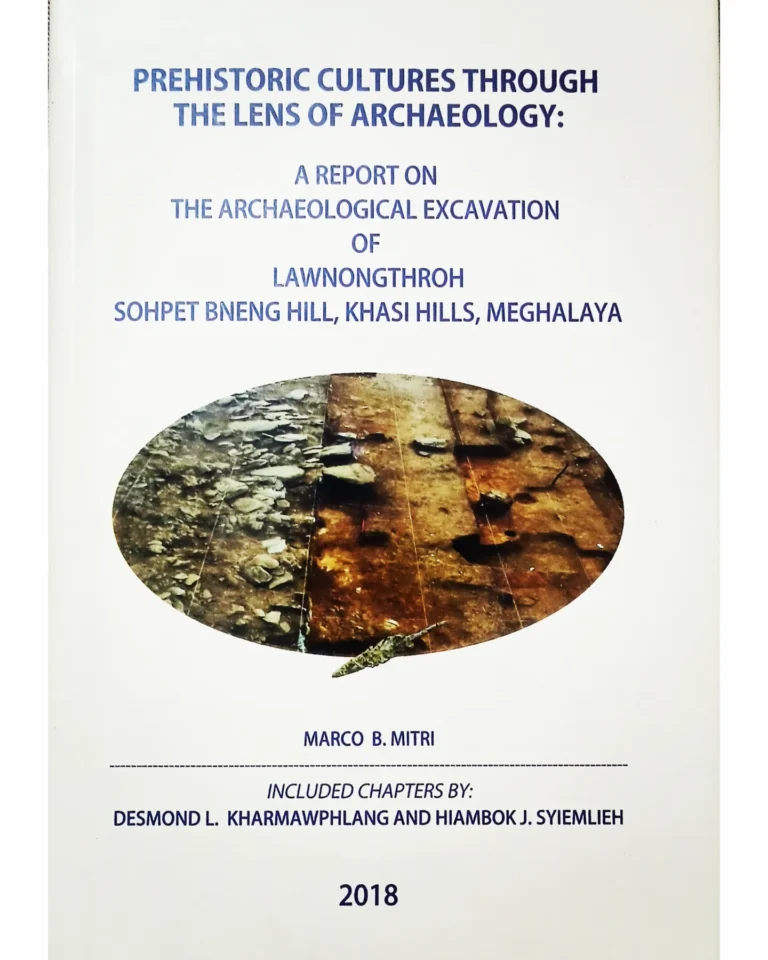
  • Prehistoric Cultures Through The Lens Of Archaeology: Marco B. Mitri (Excerpt)

    Chapter – 6 The Ethno-archaeology of Sohpet Bneng Hill

    While pursuing historical research with an archaeological approach, the contemporary traditional mode of life can contribute greatly in providing analogy about the ones in the past, since archaeological interpretation basically depends and ultimately rests on analogy. The significance of ethnology in archaeology can be understood from the remarks made by some archaeologists that archaeological reconstruction is an analogy with or without ethnological recourse In order to understand the material culture preserved in traditional practices, ethnoarchaeology? tries to study the possible correlation between the material culture of the people on one side and the unobservable social relations or spiritual life on the other. Thus the material data can be used to integrate knowledge to other non-material or intangible facets of the society which are reflected and embedded in tradition through an approach called folk archaeology! Archaeology can therefore contribute directly towards historical reconstruction when conventional historical sources are lacking or when other forms of preserved traditions require substantial support. By doing so, the mythical notion about the ancient ways of life, particularly the lifestyle of the pre-historic people is significantly reduced.

    Applying "Direct Historical Analogy" when there is temporal continuity between the archaeological culture and the ethnographic culture, the folk narrative of U Sohpet Bneng can become part and parcel of ethno archacological research, not as a partial and fragmentary record of the past, but as true elements that can be rescued from the clouding fantasy and helped to blend the two interacting modes of representing the past by using different accounts of the same events and objects.

    Inspired by the folk narrative, a systematic archaeological survey and exploration of the entire hill range around the areas close to Sohpet Bneng peak is conducted to gain empirical data from the area. During the course of exploration, which started in year 2003, the archaeological site of Lawnongthroh* which lies at the foot of the peak and along the ridge of Sohpet Bneng hill is discovered. Archaeological evidences of different cultural periods are observed at the site which stretched to more than a kilometer along the ridge.

    The site of Lawnongthroh is named after a village which is located in the northern slopes of Sohpet Bneng hill in the Ri-Bhoi district of Khasi hills, Meghalaya. On the ridge of the hill's northern slope that extends approximately 1.5 Kms in length and spread between 50-60 Meters in width, archaeological evidences like the Megalithic monuments, secondary burial Cist, cremation mound, Iron smelting area and wheel-made potsherds are found. Subsequent exploration of the ridge led to the discovery of 11 numbers of stone implements of Neolithic origin from the surface of a site which falls in one of the village's locality called Lum Mawbuh on the northern part of the village.

    According to informant the archaeological evidences recorded on the western slope of the ridge are associated with an ancient deserted settlement called, Mawbuh which lies a kilometer north of the present Lawnongthroh village. The source also added that it was the inhabitants of the Mawbuh village who were the first people to initiate religious ceremonies at the Lum Sohpet Breng peak. The ridge top of Lawnongthroh on the other hand, was an uninhabited area then and known to the inhabitants of ancient Mawbuh village by the name

    Synner, known for being an ancient route where the procession rested for a night before the ceremony at the apex of U Lum Sohpet Bneng.

    After the abandonment of the ancient Mawbuh settlement, there was a lull phase of human occupation on the hill till the appearance of the present village of Lawnongthroh which came into existence on the ridge only 30 years ago. These new occupants who formed the present village came in at different times from other nearby villages and also from distant places of Khasi hills to farm and cultivate on the ridge and its hill slopes. The reoccupation of the site after a long interval of abandonment is an important feature to help understand The settlement system on this hill and can also offer strong analogy on the pattern of human occupation of the area in archaeological past and an important pointer to the antiquity of settlement, giving the hill a unique character of being an area attraction. Archaeological findings from this area which are associated with different cultural periods of the past are clear evidence of human occupation pattern on the ridge and its surrounding slopes.

    Prehistoric Cultures Through The Lens Of Archaeology: A Report On The Archaeological Excavation Of Lawnongthroh, Sohpet Bneng, Khasi Hills, Meghalaya (2018) by Dr. Marco Babit Mitri is a wonderful treasure which documents the archaeological efforts in Lawnongthroh, Sohpet Bneng Hill.

    The book merges archaeology, geography, history and cultural studies to build a vivid understanding of life in the area. 📝⛏️⚒️📏📐📚

    The post shows excerpts from Chapter 6 which focusses on "The Ethnoarchaeology of Sohpet Bneng Hill" 🏞️🌄

    Dr. Mitri has lead an intensive research of the site and reading the book piques the imagination as one reads of Neolithic sites and stone artifacts in the Khasi and Jaiñtia Hills.

    Dr. Mitri is an Associate Professor at Union Christian College, Meghalaya. Dr. Mitri specialises in the fields of Archaeology and Prehistory.

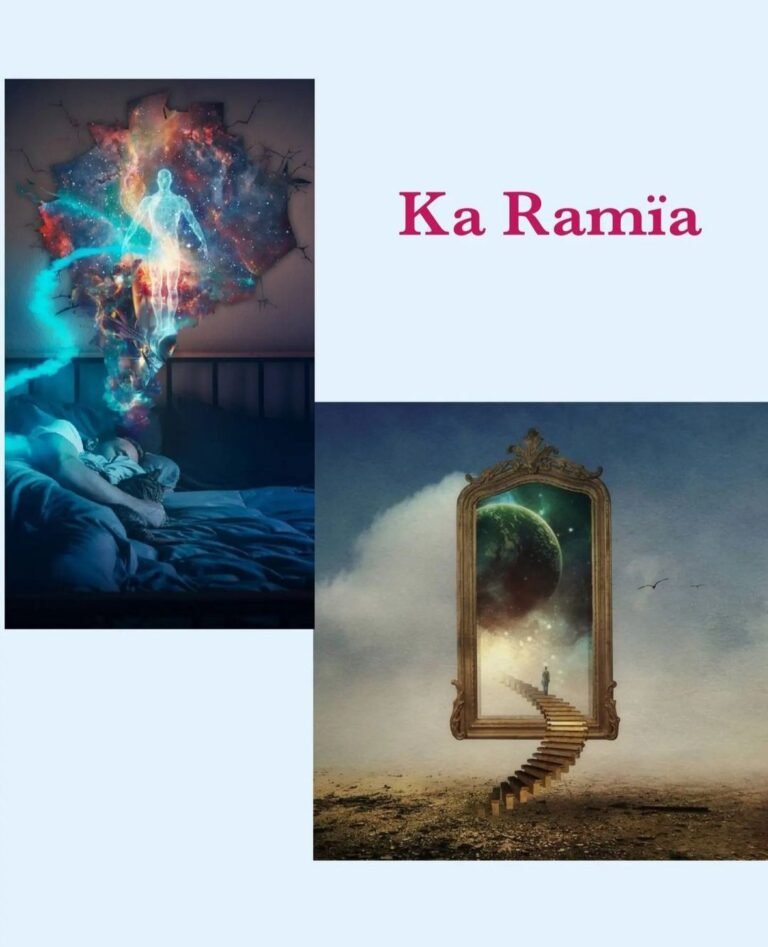
  • Ka Ramïa

    The Khasi word "Ka Ramia" may be described as a dream or a hallucination or an illusion.

    The following excerpts are from the Doctoral thesis entitled "Transformation, Tradition, and Lived Realities: Vernacular Belief Worlds of the Khasis of Northeastern India" written by Margaret Lyngdoh, University of Tartu.

    **No part of this thesis may be reproduced in any form without the consent of the author. Proper citation should be strictly adhered to when quoting any part of this research. All material for this content has been researched by Margaret Lyngdoh, Ph.D, University of Tartu.

    My research findings suggest that the "ramia" is a dream or vision world, which is inhabited by tigermen and women, ancestor spirits and the tiger deity. It is rather difficult to translate the implications of this term in a western context because the word "ramia" is also used by the Khasis to denote a kind of madness, when a person is not in his or her senses, or is not socially or personally aware of his or her surroundings. So, in the case of divine possession, for example, the person's spirit leaves the body, but the physical body remains and does its daily tasks. But if such a body, without its "rngiew", talks with someone else then the speaker does not make sense and is said to "kren ramia" (lit. 'talk ramia').

    In the Khasi context, a parallel reality is inhabited by the non–human entities and this may be comprehended only through movement into the dream/ vision state, the "ramia". Reality is not dualistically ordered or perceivable only to humans or to the dead. Reality is multiple, and variegated, dependent upon the beings who inhabit it and the purpose for which they inhabit it. The living environment is social and interactive with humans; moreover there exists a reciprocal, intentioned relationship. Human beings can apprehend alternate realities through the dreamworld ("ramia"), the world of the tigermen, the water realm of the spirit deities and the reality of the ancestors. For this to happen, for a human to access the alternate reality, a transformation is required. This is inclusive not only of the human–animal, but of the natural animal. I use the word human-animal, because in Khasi ontology, specially gifted individuals have the ability to transform into animals and deities.

    "Ka Ramïa" is an interesting and important concept of the Khasi worldview.

    Khublei Shibun @lieng_makaw for your research on this concept! 😄🙏

    What we need is to undertake in-depth research of Khasi culture and heritage in order to represent the community in the right light to the world. ✍️📚🏞️
    The importance of "searching and researching" cannot be stressed enough for all indigenous communities!

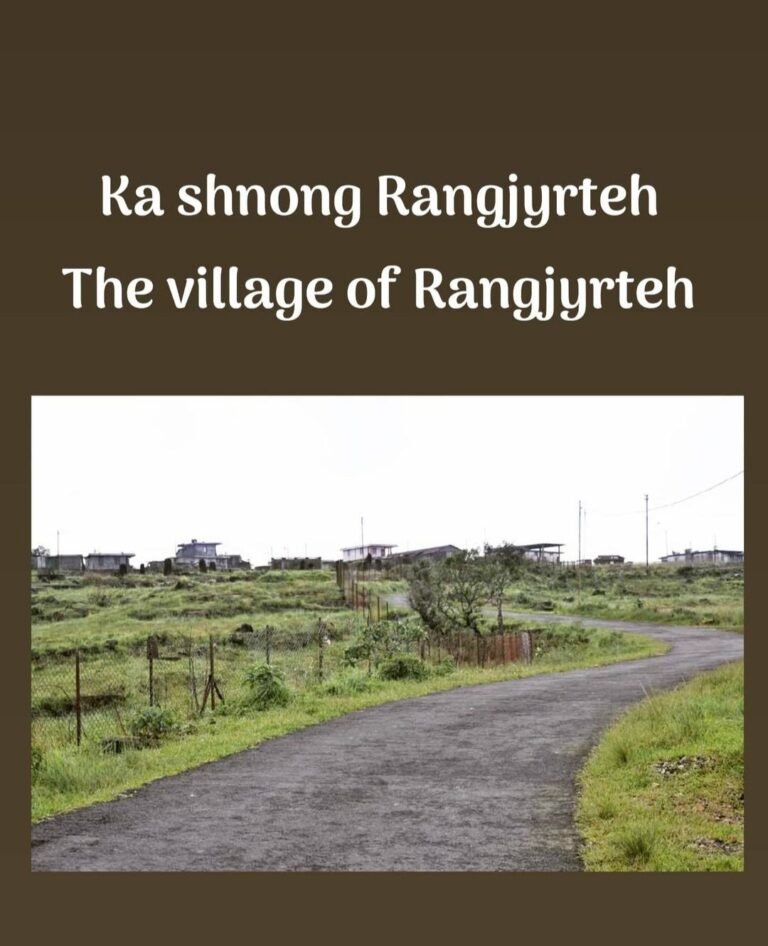
  • Ka shnong Rangjyrteh

    Ka shnong Rangjyrteh

    The village of Rangjyrteh

    In the bygone days, Rangiyrteh was a thriving village known for its mastery of iron smelting across the region, but now it is left abandoned in ruins and mostly only ever referred to in old Khasi folklores. Rangiyrteh is said to be the village where the woman named 'Ka Likai' hailed from. According to folklore, after a gruesome and devastating tragedy befell her, Ka Likai ran to the edge of a cliff and threw herself towards a waterfall to her death. The waterfall was then named 'The Fall of Ka Likai' or more popularly, the 'Nohkalikai Falls' According to oral tradition, Rangjyrteh was a prosperous place during that time and people lived mainly by the trade of iron smelting. The transaction of the iron products was between the local villagers and the people of Sylhet (now in Bangladesh). It is regarded as one of the oldest villages in the Khasi and Jaintia Hills and no one really knows when this village came into being but it has achieved its prominent place in Khasi imagination.

    (Taken from: https://www.google.com/amp/s/www.tripoto.com /trip/trip-to-rangiyrteh-lost-civilization -mawsawa-falls-dainthlen-falls-cherrapunjee -sohra-meghalaya-5f575ca82f851.amp)

    …just seven kilometers away from proper Sohra on the western side, lies an extinct ancient settlement, a place rarely appearing in Khasi literature but which has many historical and mythological events associated with significance and direct references to various aspects of Khasi culture and society. Believed to be the ancient industrial centre for iron smelting, people also adopted orange cultivation as a major activity. Located exactly opposite to Dainthlen Falls, this ancient settlement is known as 'Rangiyrteh' an indigenous name which currently falls within the jurisdiction of Laitduh village under Sohra Syiemship. But before the formation of Hima Sohra, Rangjyrteh was very much part and parcel of the then Hima Khathynriew Shnong (a conglomerate of several villages on the slope where the Umiam Mawphlang river flows). But as far as the historical aspects of 'Rangiyrteh' are concerned, it can be construed as the centre for forging iron which lasted till the 17th century. From the remains it shows that there was a generation of industrialized communities a long time ago in these hills. But the reason for the collapse of this indigenous ancient industry as was narrated by older people was primarily the incapability to compete with the products coming from then East Bengal under the British. Iron smelting was the main trade and activity of this place. Besides, the famous Nohkalikai Falls too has derived its name from the person of this hamlet (Rangiyrteh). Considering the plurality of history associated with 'Rangjyrteh', I wonder if it could ever be included in the list of heritage sites presented to UNESCO for possible funding. The factuality and merit of the place defines it and it deserves to be treated as a priority as far as preservation of evidence associated with our ancient socioeconomic system is concerned. The present and future generations should become aware of all these things. Therefore, when we have something as clear evidence connected with our past generation, we should attempt to explore and unearth the mysteries associated with our own origin..As far as Rangjyrteh is concerned, including the culture and activities that existed there long time ago, we should be proud of it as a community and this particular spot on this region belongs not only to a particular Hima or Raid or Village but to the entire Khasi community.

    (Taken from: https://theshillongtimes.com/2017/08/07 /rangiyrteh-a-forgotten-heritage-site-of-sohra/ (Written by Aristotle Lyngdoh) )

    It is a place with historical treasures and ethnic beauty that can still be witnessed today. Monoliths of different forms, tall and short and each having its own meaning, talk of a civilization's past. Under these monoliths are bronze or earthen pots with ashes of our ancestors; there are a few silver shells too. The place is characterized by some form of marking around each area surrounded by well-constructed rocks. The stone foundation used to cremate the dead and the place where they used to hold meetings or the 'dorbar' are visible too. There is also a belief that this village was once fortified with well-constructed walls made from iron and rocks. The people used a gateway called 'Ka Khyrdop' to go in and out of the village for trade or other purposes. There is also a belief that a battle between Rangiyrteh and a nearby village had taken place. The battle claimed the life of the Doloi or headman, and the place where he died is known as Ka Pom-Doloi. The monoliths on the spot are in remembrance of those who fought in that battle. It was in this village that the finest iron was made. We can still see rocks shaped like a basin where water was kept to cool the iron after melting. These irons were exported to Bangladesh, earlier known as Shilot. The people used to trek down to sell these irons, the pathways still noticeable from Rangiyrteh through Dainthlen, Mawpun and on to Nohkalikai Falls connecting Mawmluh village and finally to the plains of Bangladesh.

    (Taken from: https://thenortheasttoday.com/oped/the-lost -civilization/cid2550931.htm (Written by Shynna Lyngdoh Mawphlang) )

    Rangjyrteh is a village that many of us might not have heard of. There are many historical and folkloristic associations that the village holds. 🏞️🪨🌲
    If you know more please tell us!

    All photos are from https://www.google.com/amp/s/www.tripoto.com/trip/trip-to-rangjyrteh-lost-civilization-mawsawa-falls-dainthlen-falls-cherrapunjee-sohra-meghalaya-5f575ca82f851.amp

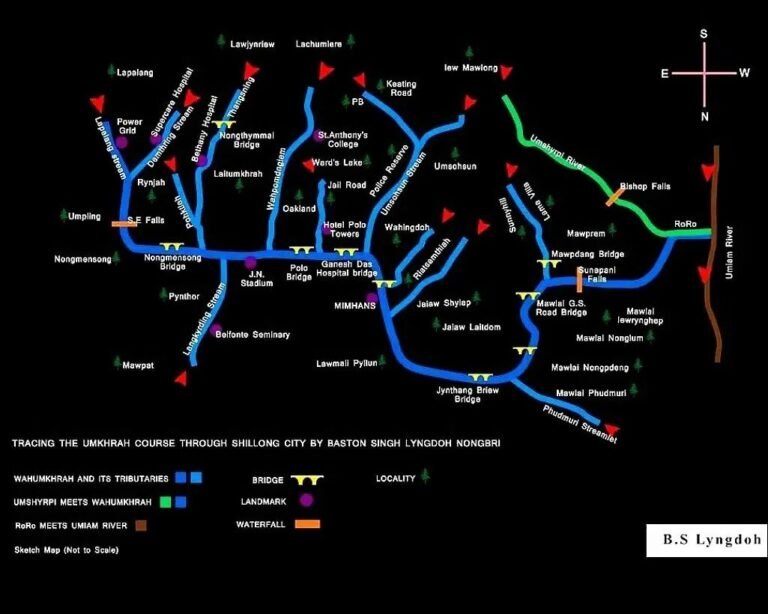
  • Tracing the course of Wah Umkhrah through Shillong city by Baston Singh Lyngdoh

    This map showing the course of Wah Umkhrah has been drawn by Baston Singh Lyngdoh as part of the creative research for the production "Ngan Hiar Sha Wah" (I'm Going Down to the River) by Lapdiang Syiem and team under REFUNCTION 2020-2021 awarded by Goethe Institut/Max Mueller Bhavan, New Delhi.

    No part of this work may be reproduced in any form without the permission of the author. All material for this content has been researched by Baston Singh Lyngdoh.

    The tributaries of Ka Wah Umkhrah as shown by Baston Singh Lyngdoh (from left in the map) in "Ngan Hiar Sha Wah" are as follows:

    Wah Lapalang

    Urkaliar

    S.E. Falls

    Wah Demthring

    Wah Pohktieh

    Wah Thangsning

    Wah Pomdngiem

    Ward's Lake

    Umsohsun

    Wahingdoh

    Wah Golflink

    Polo

    Wah Mawpdang

    Wah Kdait

    Wah Langkyrding

    Wah Phudmawri

    Wah Roro

    Ka Wah Umkhrah is mostly an eyesore to us but imagine what it could be like if it was pristine and clear, like in the days of our grandparents! 🌅🌅 Please zoom to take a clearer look at the tributaries of Ka Wah Umkhrah.

    Khublei Shibun Baston S. Lyngdoh, @lapdiangsyiem and team for your tremendous work with highlighting the importance of Ka Wah Umkhrah! 🙏🙏

    Umkhrah River is one of the major perennial rivers originating from the foothill of Shillong peak and flows across the Shillong city from Northeast to Northwest direction and passes through some heavily congested localities viz. Nongthymmai, Rynjah, Lapalang, Umpling, Umkaliar, Nongmynsong, Polo, Wahingdoh, Jaiaw, Mawlai and Mawpdang areas. On its way the river is joined by many streams/drains which pass through some localities viz Nongrah-Poktieh, part of Mawlynrei, Nongrim hills, Laitumkhrah, Lachumiere.The Umkhrah River joins with Umshyrpi River at the northwest direction of Shillong city to form the Wah Ro-Ro. The Wah Ro-Ro finally discharges itself into the Umiam River, which is the main source of water to Umiam reservoir. (From https://megspcb.gov.in)