Category: Unique Khasi Words

  • Mynsiem Jhur

    Phi lah ju ïohsngew ïa ka jingong "Mynsiem Jhur"? 😄❤️🫒 Ka dei ka mynsiem kaba kloi ban ai sha kiwei, lada ka long da ka tiar ne ban ai jingïarap ne ban sngewlem 😇

    Khublei Shibun Ma'am @meiithei na ka bynta ka jingïarap jong phi ban batai ïa kane 🙏🙏

    Khublei Shibun ruh ïa i @iohbor_kharmyndai @_hep10_ward____ @vi.vianney_nongrum_b bad ïa i @the_lostsoul_dreamer kiba la phah ïa ki jubab jong phi 😄🙏

    .

    .

    .

    A vegetable heart is a fitting metaphor for a giving heart, full of compassion and empathy for others. 🙏😇

    #mynsiemjhur #mynsiemsbun #vegetableheart #generousheart

    #khasiphrases #khasimetaphor #khasiwordsusage #khasilanguage #khasilanguageconservation

    #speakyourroots #speakyourrootschallenge

    #talklocal

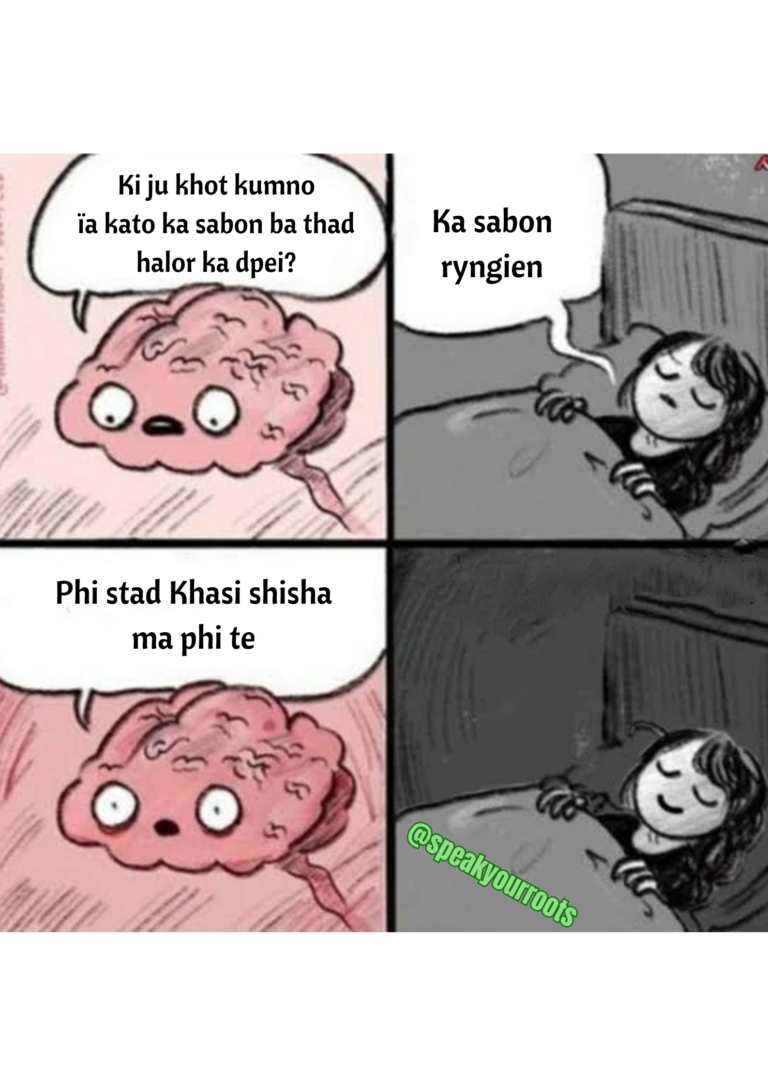
  • Ka Sabon Ryngien

    "Ani ka jingneh met kum ka sabon ryngien!" 🧼😄😁

    Ka sabon ryngien ka dei ka sabon ba ki thad ha ryngien ba kan eh bad ba kan kham soi lada sait jaiñ ne sait jingkhlieng.

    Ka ryngien ka dei ka rynsan kaba shna halor jong ka dpei bad hangne ki ju buh kum ïa ka mluh, ka khleiñ sniang, u ktung bad ka sabon de.

    #sabonryngien #ryngien #dpei #khasisimile #simile #funnysimile #khasilanguage #khasilanguageconservation #speakyourroots #speakyourrootschallenge #talklocal

  • Phylla-soi

    Ka ktien "Phylla-soi" ka dei ka adverb kaba thew ia kaei kaei ka bym ju kham jia kynrei, kum ka jingjia kaba kyrpang kaba pynwan ia ka jinglyngngoh.

    Kum haba ong: "Phi wan phylla-soi aiu ka tang kane mynta shisien!"

    Ka ktien "phylla" ka mut kaei kaei kaba khyllah, ka bym lah ngeit, kaba pher ne kaba lyngngoh. Ka ktien "soi" ka mut kaei kaei kaba neh slem, kaba shan slem ne kaba shah bha. Namarkata, ngi lah ban ong ba ka "phylla-soi" ka dei ka jingsngewlyngngoh kaba neh slem.

    The Khasi adverb "phylla-soi" refers to something which does not happen often, like a rare and uncommon event, causing surprise.

    For instance, one may use "phylla-soi" to express their surprise when a relative or a friend who never comes to visit, visits out of the blue.

    The Khasi word "phylla" means something that is wonderful, strange, different or surprising. The Khasi word "soi" means something that lasts for a long time. So one may say that "phylla-soi" is wonder or surprise that is long-lasting.

    Sngewtynnat bha kata ka ktien "phylla-soi" 😃😃

    🟡 Source: Ka Dienshonhi: The Khasi Encyclopaedic Dictionary

    🟡 English translation and collation by @speakyourroots

  • Ka kyntien Khasi “Kai”/ The Khasi word “Kai” by Janice Pariat

    In Khasi, the adverb "kai" suggests a mood that has no English equivalent and yet is very much a part of the lexicon of Khasi identity. "Kai" possesses a sense of pleasurable purposelessness, suffixed to a whole host of activities – "Ïaid kai" (to ramble, to stroll in the manner of a flaneur); "shong kai" (to sit around), "peit kai" (to just look), "leit kai" (to go on a leisurely outing) and so on.

    Perhaps "hanging out" or "chilling" best approaches the feeling contained in the word -although both these terms indicate an attitude that involves some premeditation or conscious choice and somehow do not quite capture the relaxed, joyful spontaneity of the easy-going "kai" with its wonderful connotations of having the freedom to roam, to look, to relax – "for free" – in a world that is not bound by the demands of time.

    Come, ïaid kai with me.

    Inspired by Janet Hujon; Tales of Darkness & Light

    Ka kyntien Khasi "kai" ka dei ka kyntien kaba ngi ju pyndonkam man la ka por tangba ngim ju poi pyrkhat ban batai bha ïa ka 😀

    Khublei Shibun @janicepariat ïa ka jingpuson jong phi kaba sngewtynnat bad kaba sngew kordor! ❤️❤️ Ki don ki kyntien ki bym lah ban pynkylla shisha ïa ka jingmut jong ki sha kawei pat ka ktien.

    📸 @janicepariat

  • Phnieng bad Phnieng Tyngam

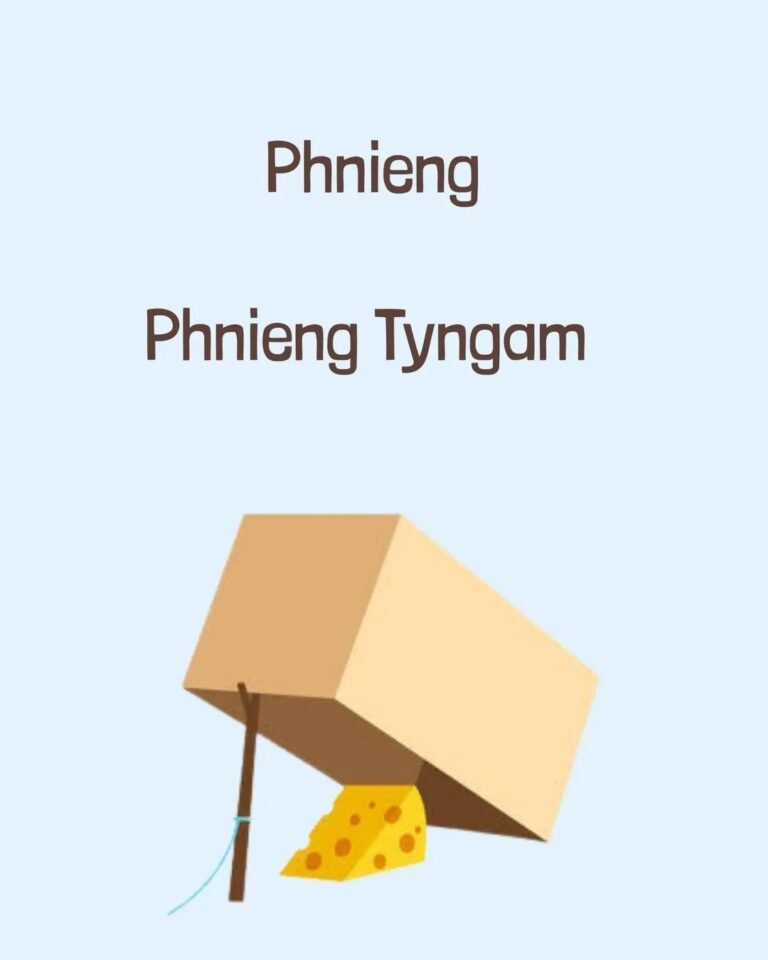
    Phnieng

    "Phnieng" ka mut ban pynkhun ïa u dieng jingriam kum ka jingpynap lypa ban pynngat ïa ki sim ne ki mrad kiba wan tur sha ka. Shuh shuh ka ktien "phnieng" ka mut kaba ïapyneh ne ïathaiñ.

    The Khasi word "Phnieng" means the bending of a branch used as part of a trap to lure birds or animals that come near it. The word "phnieng" also implies resistance or a tedious interweaving causing a struggle.

    Phnieng tyngngam

    "Phnieng tyngam" ka thew ïa kaba pynap jingriam. Lehse ka don ka jingmut ha ka ktien "tyngam" de namar ka tyngam ka dei kawei na ki artylli ki shyieng ngab. Namar kata lada ong "phnieng tyngam" ngi mutdur ïa ka phnieng kaba la ang hieb kum ka tyngam ne ka shyntur.

    "Phnieng tyngam" means to set a trap. Perhaps there is added significance in the word "tyngam" because it means any one of the jaw bones. Thus, when one says "phnieng tyngam", one imagines a trap that is wide open like a gaping mouth.

    Bun na ngi tharai ngi mut ba ka don tang ka ktien "Jingriam" tipma ynda lah pule bha lap ïa ka ktien "Phnieng" bad "Phnieng Tyngam" 🪤🐁

    Many of us might not have heard of the word "Phnieng" or "Phnieng Tyngam" 🪤🐁

    🟡 English translation by @speakyourroots

  • Ka Khulpi/ Secret

    "Ka khulpi" ka dei ka jingshisha ba la buhrieh; ka dei kaei-kaei ka bym lah ban iohi. I Rev. Dr. Ïarington Kharkongor ha ka Dienshonhi jong i, i ai ïa ka ktien phareng "secret" hadien ka jingbatai ïa ka ktien "khulpi".

    Ka don ka jingong kaba ong: "Kren da thew ha la ka khulpi". Kane ka mut ban kren da kaba sumar ha khmat ki briew, ne haba duwai ha u Blei, ban antad bad ban thew ïa la ka ktien ha ka tarajur ka mynsiem bad ka dohnud, shuwa ban pynmih ïa ka shabar.

    Tharai ngi lah ban pyndonkam da kane ka kyntien ïa ka ktien "secret". Phi pyrkhat kumno?

    Ka khulpi is a truth that is hidden; it is something that cannot be seen. Rev. Dr. Ïarington Kharkongor in his dictionary adds the English word "secret" after the Khasi explanation of khulpi.

    There is also a Khasi phrase which says: Kren da thew ha la ka khulpi which means to speak with care and caution in front of people, or when in prayer to God, to assess and measure words in the scales of the soul and heart, before speaking the words.

    So perhaps we may use the word "khulpi" for the "secret". What do you think?

    Bun ki jingbatai ïa ka kyntien "secret" ki batai kum kaba buhrieh ne ka bym ïohi. Ka don pat ka jingkwah ban ïoh tang da kawei hi ka kyntien ban pynkylla sha ka Khasi. 🏞️🆎

    Ka kyntien "khulpi" ka sngew shongkhia shuh shuh ynda la pyrkhat shaphang ka jingong "Kren da thew ha la ka khulpi" ⚖️💌

    🟡 English translation by @speakyourroots

  • Ka Puramit

    "Ka Puramit" ka dei ka jingpynlong ïa ki jingïasyllok barieh ne haba pynlong ka jingïashem kyrpang.

    Ïa ka ktien "Puramit" la ju pyndonkam bad ka ktien "sneng". Namar kata ka "sneng puramit" ka dei ka jingïakren ïapyni kaba kyrpang hi bad ha bym don mano mano ba ïohsngew.

    The Khasi word "Puramit" means to hold secret consultations or to meet privately for a particular purpose. The word "Puramit" also implies to be in league with each other for a purpose.

    "Puramit" when used with the word "Sneng", that is, "sneng puramit" means to render special counsel and advice privately where no one can hear.

    Ki don ki por ba haba dang pule kot, ngi lap ki ktien kibym ju kham ïohsngew. Ka ktien "Puramit" ka dei kawei na kita. 👥🗣️

    The Khasi word "Puramit" is a word that is not so common nowadays in colloquial conversation. 🗣️👥

    🟡 Translated by @speakyourroots

  • U ‘Suidnia

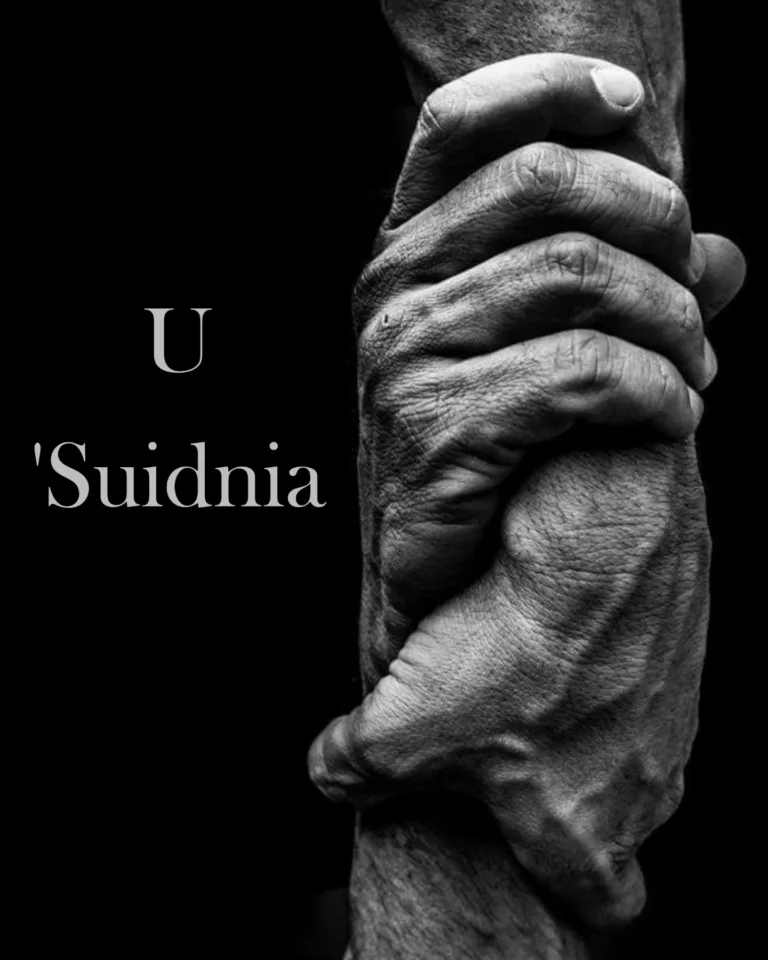
    U 'Suidnia u dei u Kñi rangbah jong kano kano ka kur uba leit nyngkong eh sha ka Mawbah (maw buh shyieng jong kano kano ka kur) bad uba sumar sukher ïa kiba haïing hasem, ki para ki pyrsa kiba la ïap.

    U Sib Charan Roy, u pyndonkam da ka ktien "U 'Saidnia" bad u ong ba u 'Saidnia u dei u Kñi nyngkong, uba dei u khun ka Ïawbei. U ïoh ïa ka nam "'Saidnia" ba u dei uba nang ban ïasaid, uba donbor bad don hok ban ïasaid hakhmat U Blei bad ka Hukum na ka bynta la ka kur ka jait. Kane ka jingbatai jong u Sib Charan Roy, ka pyni ba man la ka kur ka don la u jong u jong U 'Saidnia. Kaba donkam ban tip ka long ba u Sib Charan Roy u khlem pynshai lada u " 'Saidnia" u dei uba dang im ne uba la bam kwai ha dwar u Blei.

    Hynrei u Homiwell Lyngdoh pat u da ong shai ba ïa u Kñi nyngkong jong kano kano ka kur ka jait, ynda u la ïap na kane ka pyrthei, ki khot ïa u, "U 'Suidnia". Ka niam ka rukom ki Khasi ka kham ïadei bad ka jingbatai jong u Homiwell Lyngdoh. Ym ju ïohsngew ba ïa u kñi ba dang im, ba dang korbar ïa ka kam kur ban khot "U 'Suidnia". Pynban ki ju khot u Kñi-rangbah. Nalor kata katba tip, ym ju don "Suidnia" palat na uwei, katba ki kñi pat ki bun.

    "U 'Suidnia is the spirit of the first grand maternal uncle of a clan whose remains are the first to be kept in "Mawbah", which is a megalithic chamber tomb or dolmen of a clan. "U 'Suidnia watches over his relatives, nephews and nieces who have passed away.

    Sib Charan Roy uses the word "U 'Saidnia" saying that "U 'Saidnia" is the spirit of the first grand maternal uncle of a clan, who is the son of "Ka Ïawbei". "U 'Saidnia possesses the ability to intercede, has authority and also possesses the right to intercede with God and the divine commandment on behalf of his clan. This explanation by Roy shows that each clan has its own "U 'Saidnia". What should be noted is that Roy does not clarify whether "U 'Saidnia" has passed away or not, or as Khasis say "to eat betel nut at the door of God".

    However, Homiwell Lyngdoh says clearly that when the first grand maternal uncle of a clan has passed away, he comes to be known as "U' Suidnia". The indigenous faith of the Khasis is more in tune with the explication of Homiwell Lyngdoh. It is not usually heard that a living

    maternal uncle who is in charge of the clan's affairs be called "U 'Suidnia". Instead they are called "Kñi rangbah" or the head maternal uncle. Besides this, as is known, there can be only one man who receives the title of "U 'Suidnia" while maternal uncles are many.

    "Ka Ïawbei", "U Thawlang" bad "U 'Suidnia" ki dei lai ngut ki longshuwa manshuwa jong ki kur kiba bun na ngi ngim tip ki dei mano. Kine ki ai ha ngi ïa ka jingtip shaphang ka kur ka jait bad ka jinghiarpateng kaba ngi kum ki Khasi ngi kheiñ kordor bha. 👪🧑‍🤝‍🧑👬

    "Ka Ïawbei", "U Thawlang" and "U 'Suidnia" are three ancestors of clans, of whom many of us are unable to trace in our family trees. These individuals give us significant knowledge of our clans and lineage, which Khasis hold as critically valuable. 👪🧑‍🤝‍🧑👬

    🟡 Sources: Rev. Ïarington Kharkongor and Philomena Kharakor RNDM
    🟡 Collated and translated by @speakyourroots

  • Dapkynthei and Dapshynrang

    Ki kyntien "Dapkynthei" bad "Dapshynrang" ki mut haba biang bad pura ka jinglong kynthei ne shynrang.

    Ngi lah ban bynrap shuh shuh da kaba ong ba ki kyntien "Dapkynthei" bad "Dapshynrang" ki thew ïa ka jinglong bad ka maiñ kynthei ne shynrang kaba dappura ha ka jingkoit jingkhiah, ka jingitynnad, ka jingshongkun bad met bad mynsiem.

    Ka dei ka jinglong jingman kynthei ne shynrang kaba pynpaw shynna ïa ka hok, ka bor bad ka jingstad jong ka kynthei ne u shynrang.

    The words "Dapkynthei" and "Dapshynrang" mean the full and ideal essence of being a woman or a man respectively.

    It may be added that the words "Dapkynthei" and "Dapshynrang" refer to an entirety of charismatic presence in health, in beauty and in the dignity of heart and mind. It is a state of embodying the essence of woman or man, in integrity, strength and wisdom.

    The Khasi words "Dapkynthei" and "Dapshynrang" build an image of a woman and a man both in physical, as well as emotional and mental terms. They imply the roles of woman and man in a distinct way, pointing to their well-being in Khasi society. ♀️♂️

    🟡 Khasi and English explication by @speakyourroots

  • Syntiew Khmut

    Ha i syntiew khmut

    don ki sma ba har rukom,

    don ki sngew ba har rukom.

    La shoh ka sngi kyrang

    ne la pashat u slap kynriang.

    La ha ka rkhie sahuh

    ne la ha ka ïam pangnud,

    i dei i syntiew khmut

    iba bun ki kam ban phuh!

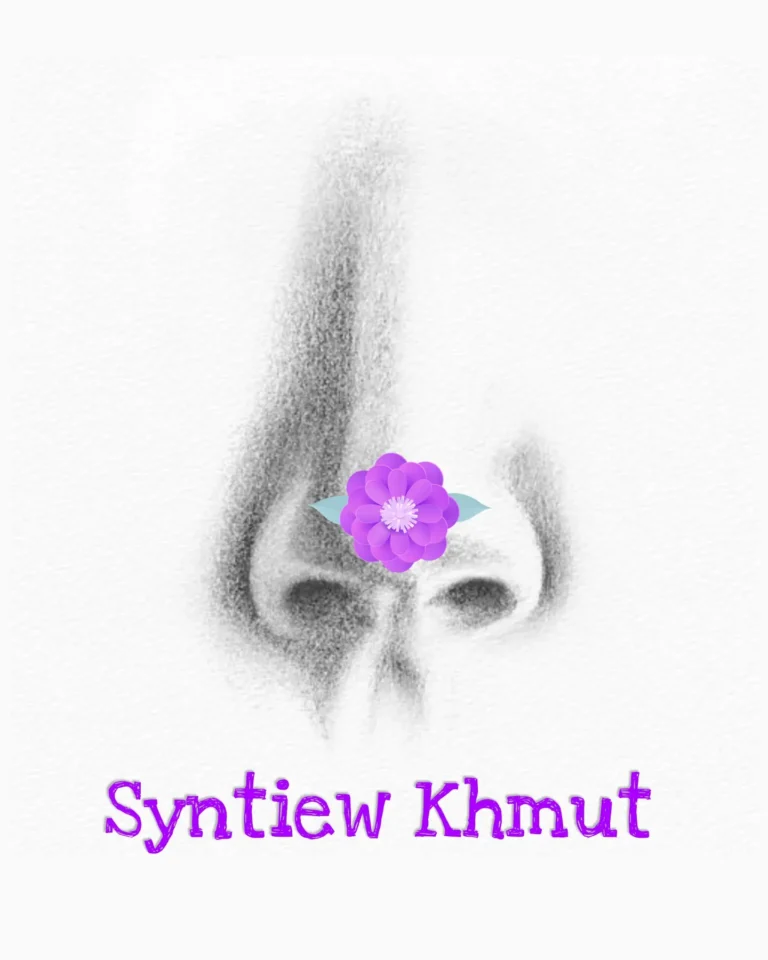
    Ha ka Khasi ïa ka tduh jong ka khmut, ngi khot "Syntiew khmut".

    In Khasi, the tip of the nose is called "Syntiew khmut" or literally "the flower of the nose".

    Don ba kylli balei ki ong "syntiew khmut" mo? 😄😂

    Khublei Shibun @__scorpio__girl @sonitakhongwir
    @uneikin_wanlam bad @badamarboh ba phi la ai ïa ka jubab 😄🙏🙏