Blog

  • Thied Syad Yei Saja

    I oŋ "Thied syad yei saja" toh i kûntien pharchi wajōh sñau bha i na ki waheh, khamtam na ka Bei u Pa, hawa sneiñ wa krō ki ya ki khon. I mut yoŋ katai ka pharchi man i kamni ne, "Hawa leh iwon-iwon i wûm yahap wei rukom im, i wûm yōsuk ka yuŋ ka sem, i wûm bha, i wa bōh yei manbru ha i eh i khor, i wa datip chua, ne i wa yæ u wanrah yei ma hadien habōd".

    Kani ka kûntien, "Thied syad yei saja" hei sñauthōh yoŋ ŋa lailaŋ ko kam ka kûntein pharchi wa oŋ "Pan yei k'yoh, yoh dei hiaw" i wa mut hawa pan kwah, tæ daw wiar wei wa kwah. I jōh hi wa ka kûntien, "Thied syad yei saja" natlor wa da tip yei syad dor yoŋ i eh ne i saja wa yaŋ, katte leh chlur biej beit, khlem da pûrkhat chua u thied.

    Ban sngewthuh shuh shuh, Nga kwah ban batai da khasi, Haba Ong "Thied syad yei saja" ka mut ba "thied rem ïa ki jingjynjar". Balei ki rem ne syad, namar lah bun palat kita ki jingkynjar.

    Ka jingong "Thied syad yei saja" ka dei ka jingong Pnar kaba la pynkylla sha ka Khasi kum "Thied rem ïa ka saja" (ne ka jingjynjar). Kane ka jingong ka dei ka pharshi kaba mut kumne: Haba leh ïa kano kano ka bym sngew ïahap bad ka rukom im, ka bym sngewtynnat ha ïing ha sem, kaba pynpoi sha ka jingeh bad jingshitom, kaba la tip shuwa ba ka lah ban wanrah ïa ka jingma hadien habud.

    Ka "Thied rem ïa ka saja" ka long kum ka pharshi "Pan ïa ka jyrhoh, ïoh da ka sahiaw". Ka dei kumjuh ka jingmut ha kaba ka jingpankwah ka pynsohsat shisha ïa ngi. Ngi thied rem ïa ka jingjynjar nalor ba la tip ba kan eh ïa ngi ban shah ïa ka, tangba ka la ap lypa. Ngi long shlur beij khlem da pyrkhat ne thew ïa ka erïong erngit kaba la ap ïa ngi.

    The Pnar phrase "Thied syad yei saja" literally means "to buy expensive trouble". This phrase describes a situation where we do something that fits wrongly with our way of life, knowing that our family values go against it, knowing that it will lead to hardship and suffering in the future, but we readily do it.

    This is related to the word "pankwah" which is a combination of two words "pan" meaning ask and "kwah" meaning want. So we deliberately ask and want something that will bring pain and trouble. "Thied syad yei saja" implies a foolish courage that backfires. What the phrase may also be suggesting is a kind of self-sabotage that some of us may have experienced.

    The Pnar phrase "Thied syad yei saja" is loaded with deep meaning. It speaks of the complexity of human nature, riddled with strength and weakness. 💙❤️

    Khublei Chibōn @xdtnoahjupejackllthmanar for helping with this 😄🙏

    🟡 Khasi translation and English explication by @speakyourroots

  • Hun hala ka bor da i Mebatei L. Khongsti

    Hun hala ka bor

    Ha pyrthei ba beh ïa shibun ki rong,

    Nga hun da i black and white,

    Ha ka juk pynstyle sñiuh bun rukom,

    Nga hun ban shu sad sha side.

    Ha ka juk ba beh ki bam bang restaurant,

    Nga hun da i jadoh ha basa,

    Ha ka juk ba ki ïa beh sha KFC,

    Nga hun da i dohmasi syrwa.

    Ha ka juk ba ki beh sha ki juti Adidas,

    Nga hun da i sneaker ba tad,

    Ha ka juk ba ki beh sha ki jaiñ branded,

    Nga hun da i second hand ban wad.

    Hun hala i jingkotbor,

    Wat prong sha kaba shu kot jubor,

    Pynleit jingmut ïa iwei pa iwei i mawjam ba rit sha ka thong,

    Badno badno ïalade wat ju nujor.

    "Hun ha la ka bor" is an original Khasi poem by @mebatei_l_khongsti ✍️✍️

    Teng teng ha ka jinglong briew ngi pyrshang ban kner ïa kaba ngim donkam. Ha kane ka rukom ngi ïaid lait noh na ka jingsyndong bad jingsan kaba kongsan ïa ka malade. 💆❤️

    This poem expresses a yearning to be content with what we have. In our rush to flow with the times, we may lose sight of what is essential to the nurturing and growth of our self. ❤️💆

  • Wan ïalam samla sha ïing

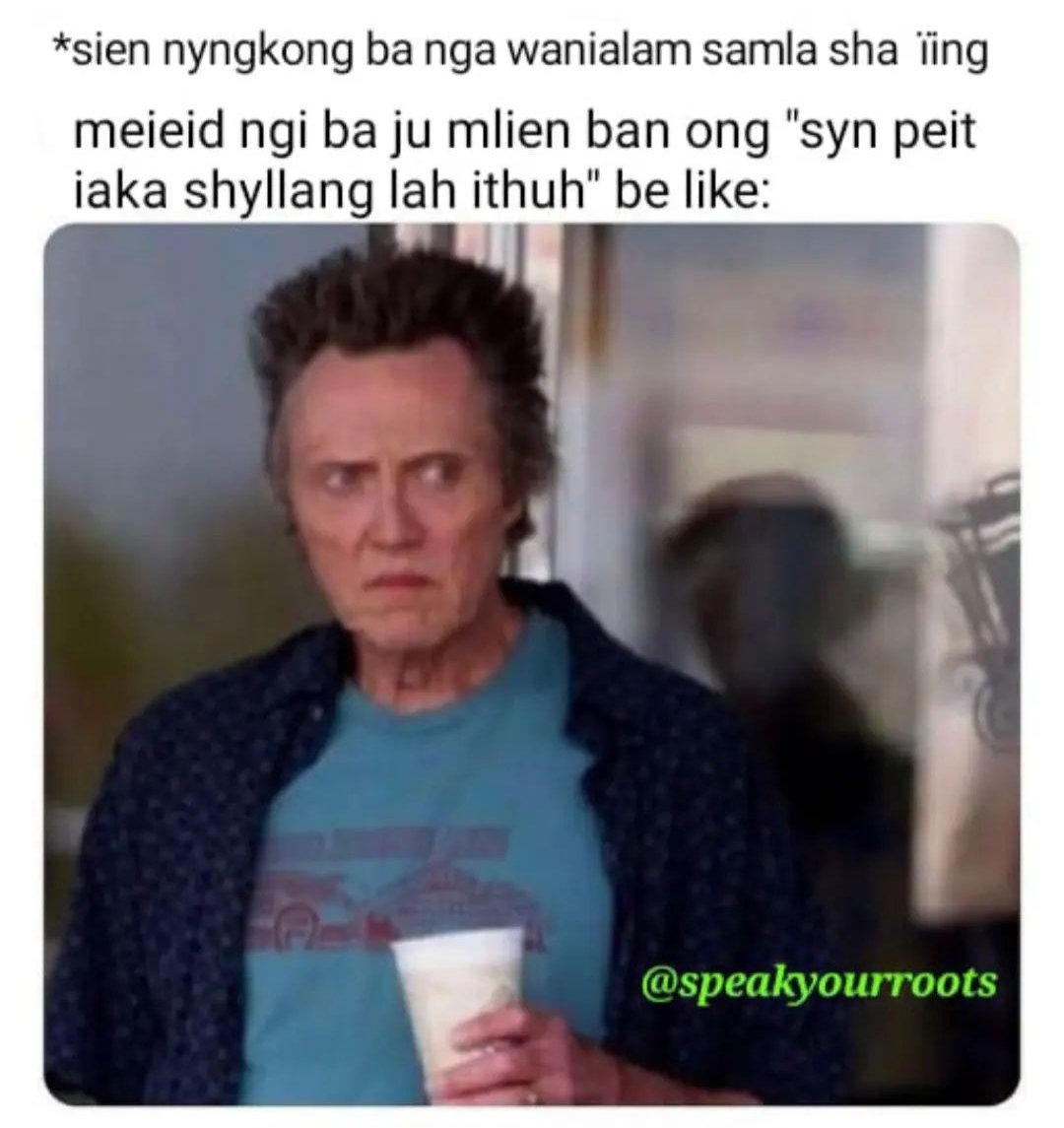
    Bun na ngi haba ïa kren bad ki Meiieit, Paieit ne ki tymmen ha ïing, ngin kut beit ha ka "Shisha seh?!" 😄 Kaba ong i Meiieit ne Paieit te lah dei beit 🧑‍🦳🧑‍🦳 Ki khana bad ki jingong jong kiba heh ki long kiba kordor bad katba ngi nang lah ban kynmaw, katta kan nang bha.

    Most of the sayings or phrases we know are spoken to us by our family or friends. Those spoken by our grandparents are especially important because they were a generation untouched by globalisation. 🏞️🌾

  • U Salah Chet Sngat

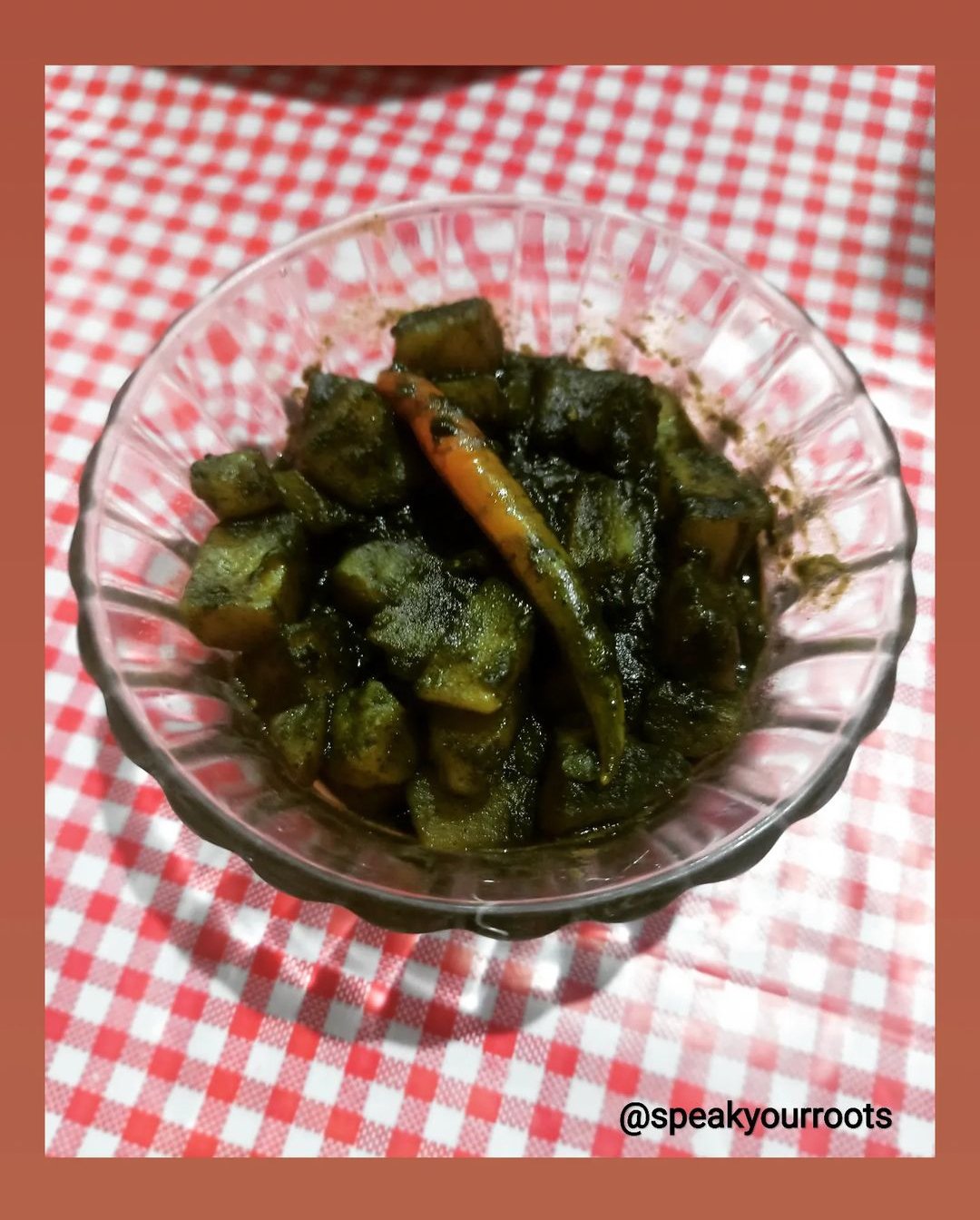
    "U Salah Chet Sngat" u dei ka rukom shet phan jong ki Pnar. U dei u phan/ sohlah uba shet sboh da kaba kylla bad u neiïong 🥔🥔 Khlem u phan te ym lah mutdur ban bam ja mo! 😄😄

    "U Salah Chet Sngat" is a Pnar recipe of potato cooked with black sesame seeds 🥔🥔 Potato is a major staple next to rice for the Khasi and Pnar communities.

    @foodie_northeast Please tell us more about this recipe. There is a secret ingredient to this too which I don't want to mention 😄😂

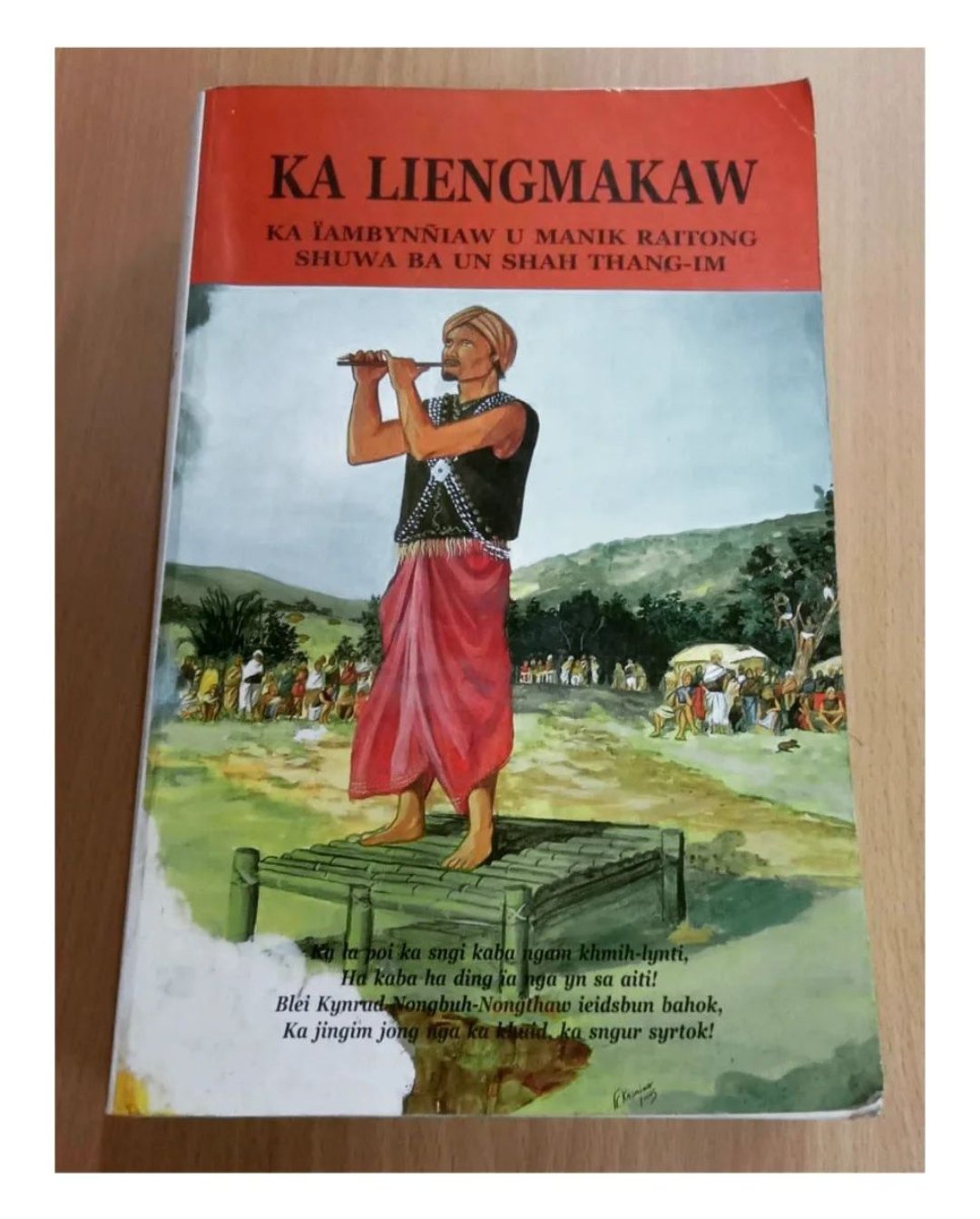
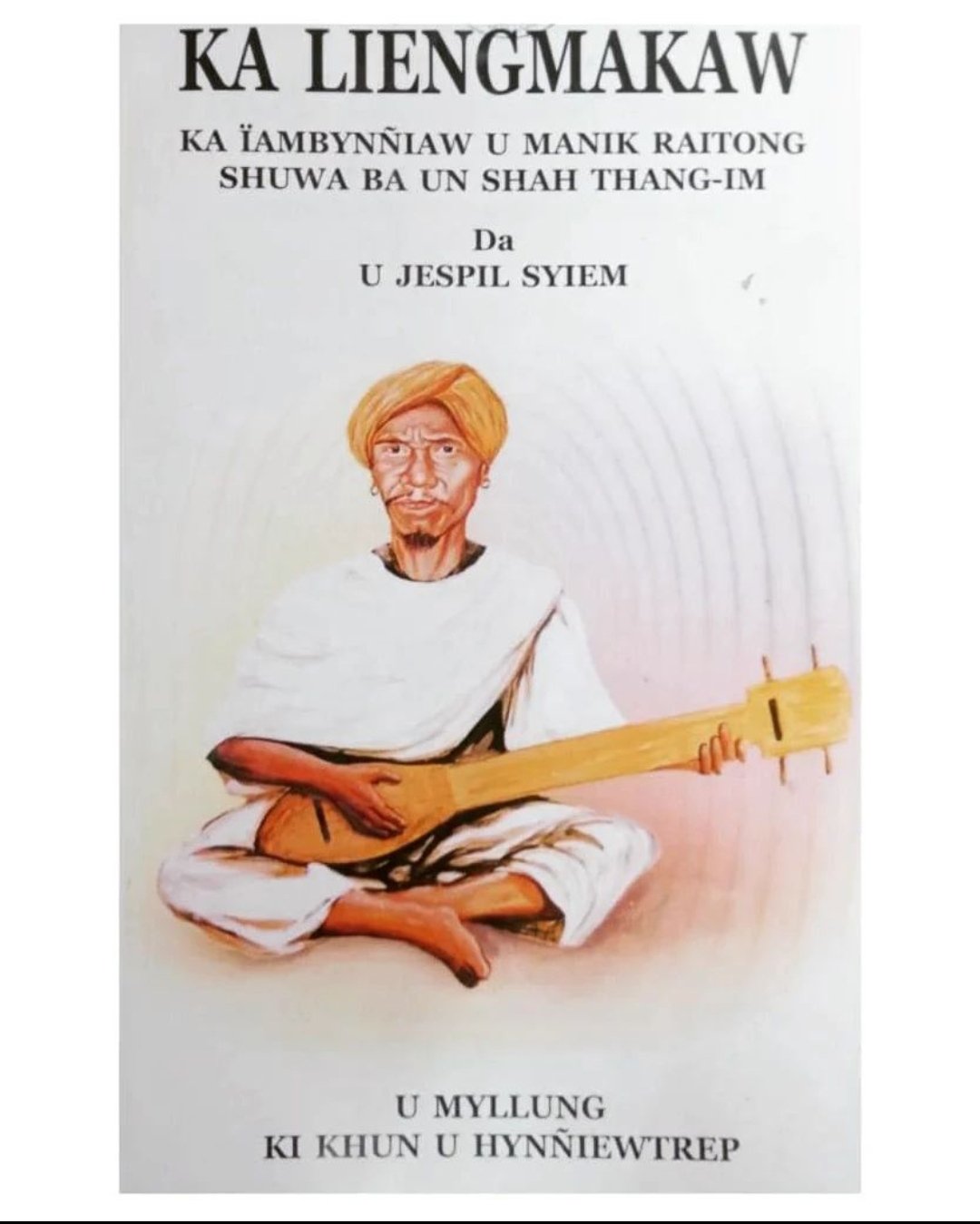
  • Ka Liengmakaw da Jespil Syiem

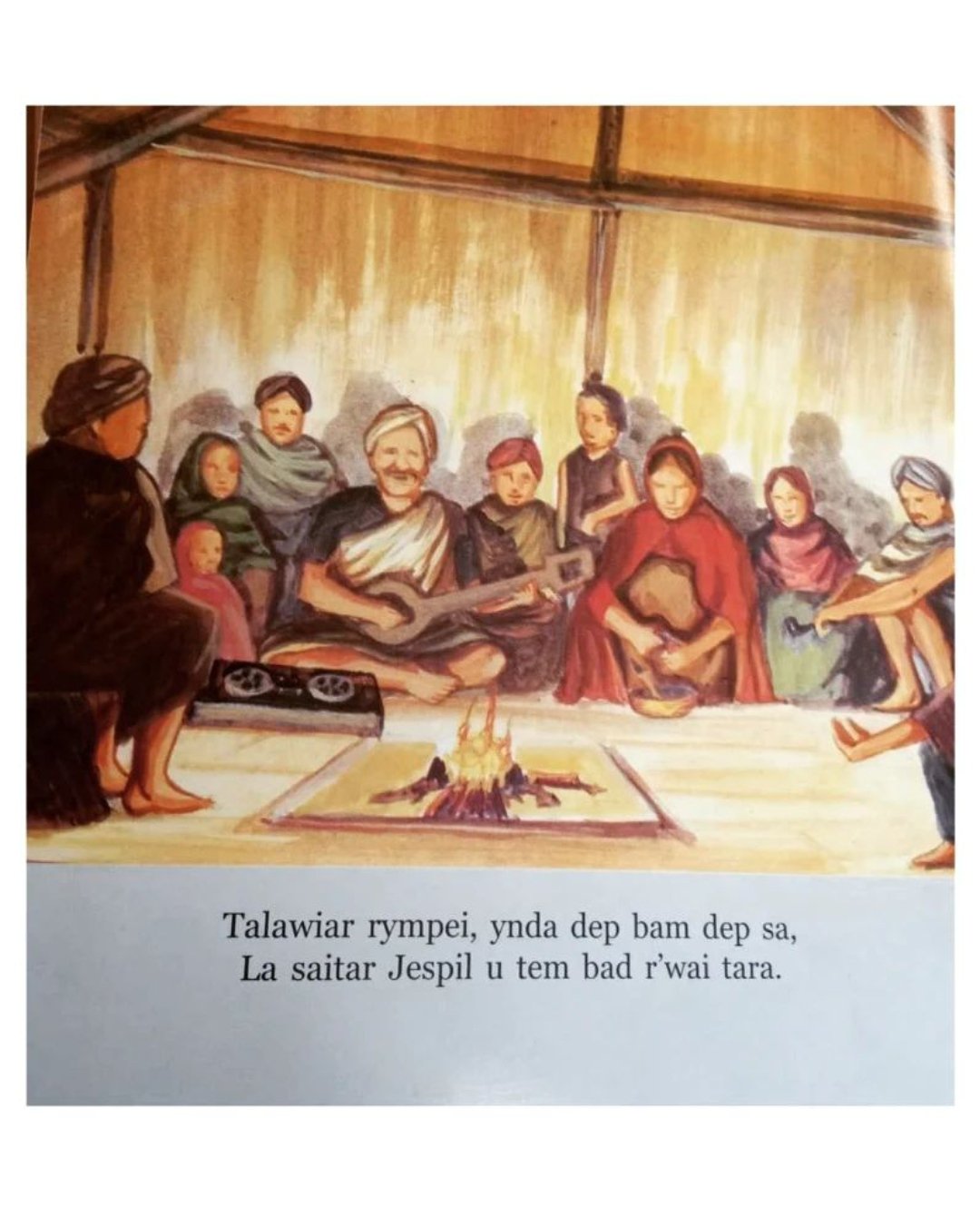
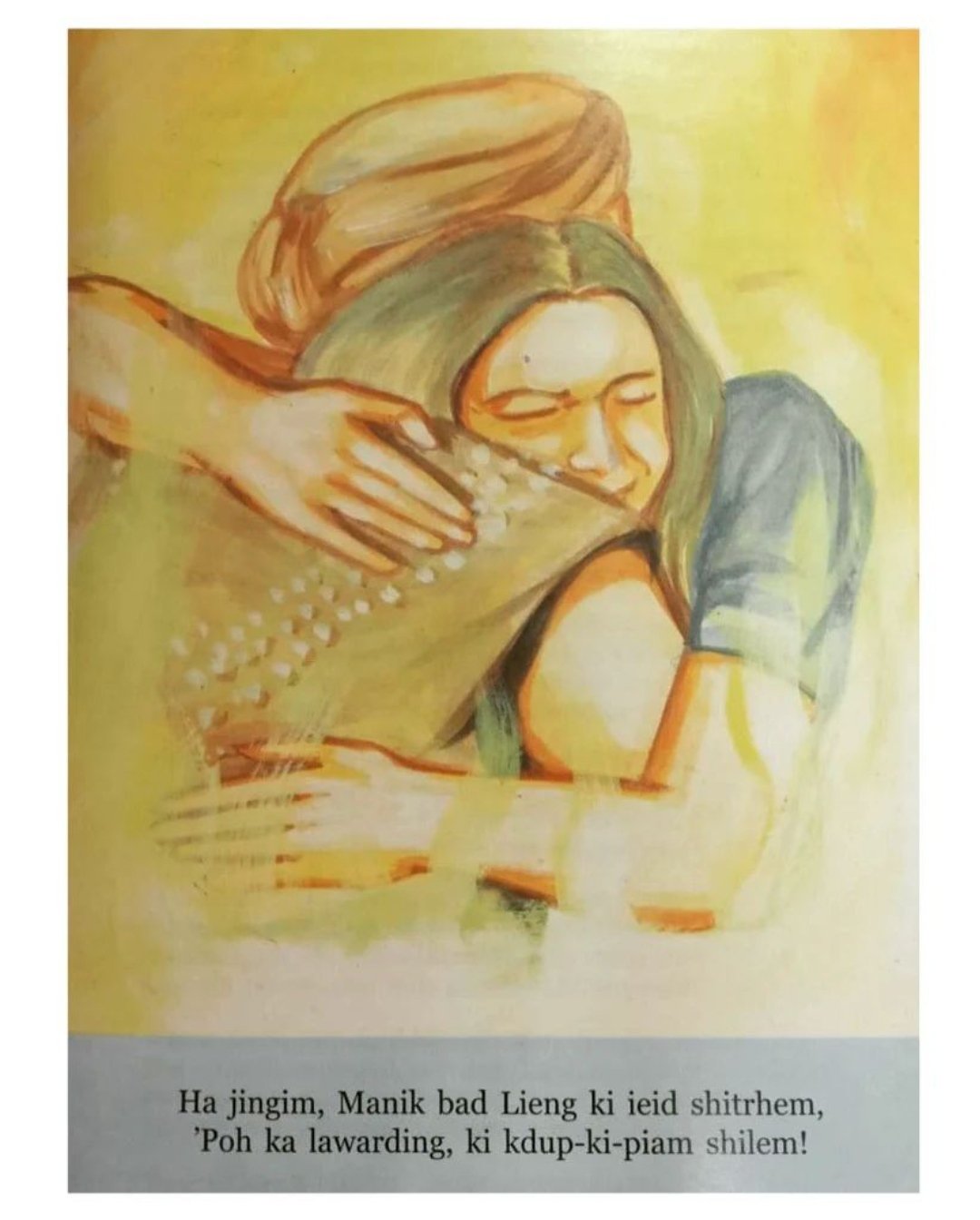
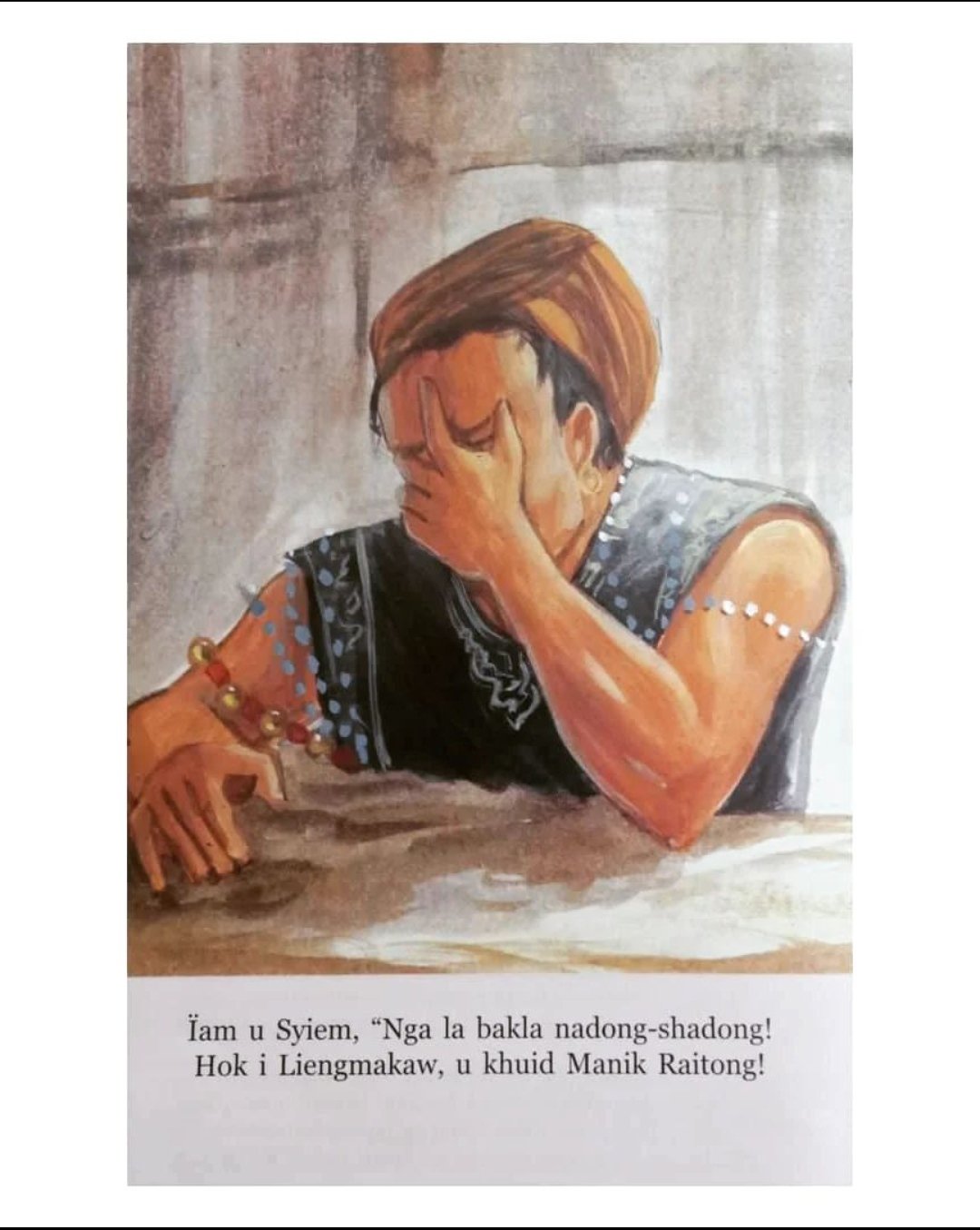
    There was once an orphaned youth U Manik by name who had no living relative in the world. He was nicknamed U Manik Raitong, meaning the lonely one, absolutely bereft of all family support. So overcome was he with the loss that had struck him early in his young life, that he roamed the village like one mad. At night, however, he would put away his sackcloth and ashes, eat, bathe and dress himself up in ceremonial garb. Then he would take up his flute, and play the most compelling dirges on it. Unknown to him, U Syiem's wife who had often heard him, became completely magnetised by the tunes that he played on his flute. In the event of U Syiem having to leave her to attend to matters of state in nearby regions, she was left all alone and was therefore lonely. Besides she had only just been married to U Syiem. One night she felt compelled to come to Manik's hut, but was denied entry. She broke open the door in order to be able to hear him better. However much he tried to send her away she refused.

    It was thus that she came to him every night and as a result she became pregnant. However, never once did she disclose her identity to him. When U Syiem returned after long months of being away he found that Ka Lieng Makaw, his wife, had given birth to a son who was now a few months old. He was naturally angry when he found that his wife refused to disclose the identity of the father. He summoned his people and commanded all the men folk to assemble before him. Each was ordered to bring a bunch of bananas with him. On the assigned day he ordered each one of them to offer a banana to the baby boy in order to prove the boy's paternity. However, the baby boy refused each man's offer.

    Then, when U Syiem inquired if any man had been left out, general mention was made of U Manik Raitong. It was a known fact that U Manik Raitong lived a life that was no better than a dog's. U Syiem took no chances, however, and had him come to court with a bunch of bananas. When the baby boy was offered the fruit he reached for it as if familiar with U Manik Raitong. The father having been identified, it was now the turn of the people to be shocked. U Syiem's anger knew no bounds and he ordered that U Manik Raitong be beaten to death as a criminal. U Manik Raitong, however, pleaded before the king to be allowed to choose death by burning.

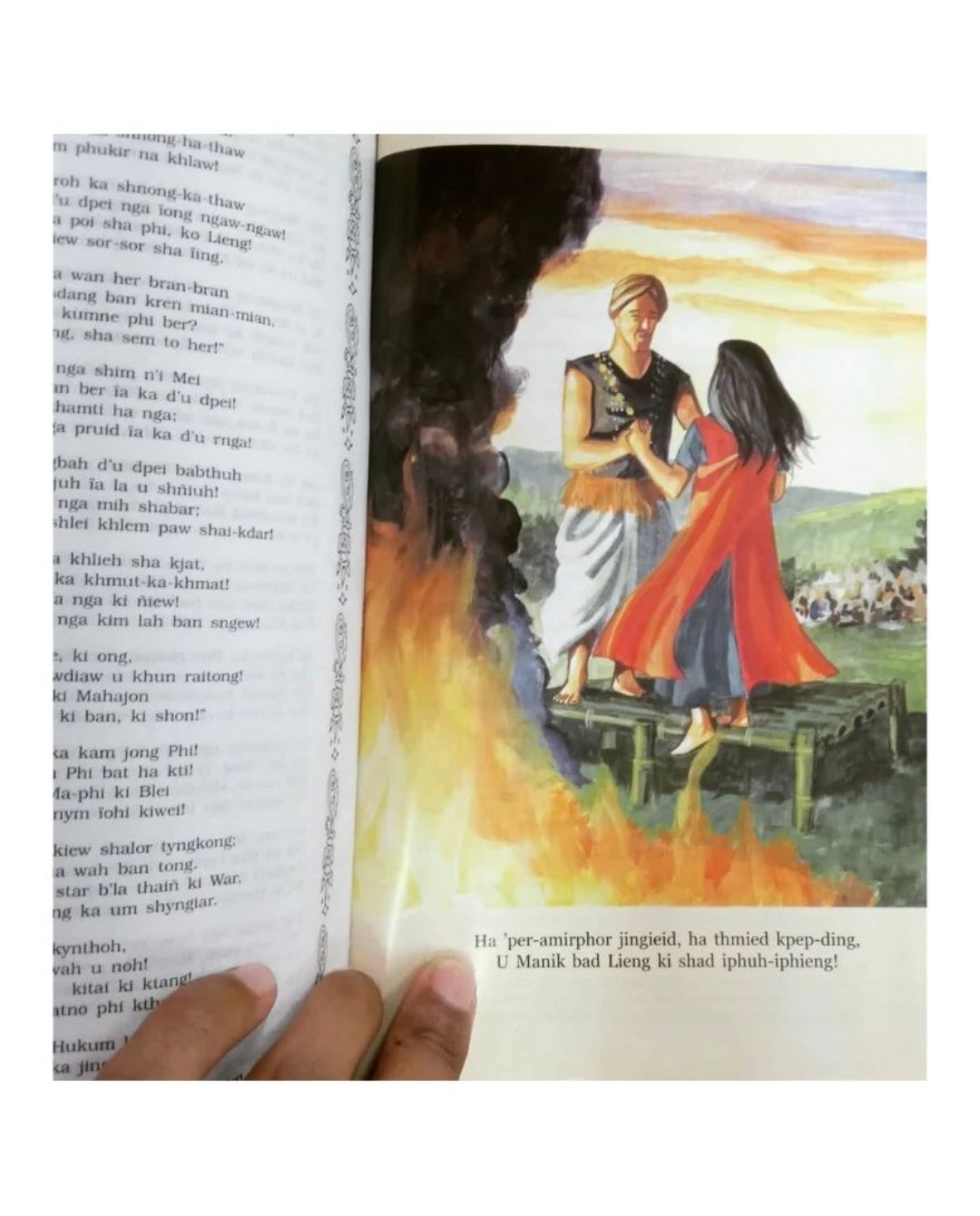
    On the assigned day U Manik Raitong dressed in all his finery, made his way backwards to the funeral pyre, all the while playing on his flute. The people had already set the pyre alight. When he reached it he walked round three times but before jumping into the burning pyre, he stuck his flute upside down into the ground. The queen too who was indeed agitated beyond control and who had also dressed up as U Manik Raitong had done, watched every development from her room. But when she saw U Manik Raitong jump into the funeral pyre she rushed after him in order to join him in death. The funeral pyre was transformed into a gushing spring of water which exists even to this day, and if one were to visit Raitong one would discover that in the place where the flute had been planted upside down there grows a cluster of bamboos, whose leaves point downwards.

    Khublei Shibun Daohi Manar @xdtnoahjupejackllthmanar ba phi phah ïa kine ki dur jong kane ka kot 😄🙏

    U Daohi u ong: Ka kot Ka Lieng Makaw: Ka Ïam bynñiaw u Manik Raitong Shuwa Ba Un Shah Thang-Im ka dei ka jinglum lang jong ki jingrwai phawar kiba la rwai da i Bah Jespil Syiem. Kaba donkam ban tip ka long ba i Bah Syiem i khlem thoh ïa kine ki phawar, hynrei la lum lang hangne bad pynmih da ka Seng Kyrsei, jong ka Hima Raid UMden-Nongtluh, Ri Bhoi. Ïa kane ka kot la lah ban pynmih da ka jingimsngi bad jingduriap jong ka Vendrame Missiological Institute, Sacred Heart Theological College ka ba don ha Mawlai, Meghalaya.

    Kane ka kot ka batai bniah bha shaphang ka jingïam bynñiaw jong u Manik Raitong shuwa ba un shah thang-im bad ïa kane ngi lah ban sngewthuh lyngba ka jingpynwandur jong ki phawar. La thoh ïa kane ka kot ha ka rukom jong ki phawar. Ïa kine ki phawar la pynwandur da i Bah Syiem bad haba ngi pule ïa ki, nga sngew ki don ka bor ban pynmutdur ne pynpyrkhat ïa ka jinglong-jingman jong kata ka jingïam bynñiaw u bapli u Manik Raitong. Kaba myllung shuh shuh ka dei ka jingdon jong ki dur, kiba la pynwan katkum ki lynnong phawar.

    Daohi says: The book Ka Lieng Makaw — Ka Ïambynñiaw u Manik Raitong Shuwa Ba Un Shah Thang-im is a compilation of "phawar" sung by Jespil Syiem published by Seng Kyrsei, jong ka Hima Raid Umden-Nongtluh, Ri Bhoi. It is important to note that the phawar in the book have not been written by Mr. Syiem, as he has only sung and performed them. The book has also been released through the efforts of Vendrame Missiological Institute, Sacred Heart Theological College ka ba don ha Mawlai, Meghalaya.

    The book contains elaborate details of the sorrow and pain of "U Manik Raitong" before his burning and this is brought to us through the compositions of the "phawar". The story of "U Manik Raitong" and "Ka Lieng Makaw" is delivered through the singing of the "phawar". They have been composed in such a way as to express the despairing cries of "U Manik Raitong". What makes it even more evocative are the pictures that have been drawn according to the chapters of the "phawar".

    The English translation of the story is taken from "U Manik Raitong, Icon of Love and Creativity: An Appraisal" in the book The Oral Discourse in Khasi Folk Narrative by Dr. Esther Syiem.
  • Ym don pyrthei shuh, Ym long briew shuh

    Ka jingong "Ym don pyrthei shuh" ka pynpaw ïa ka jingsngew kaba lah poi shaba palat u pud. Kane ka jingong ka thew ban pynsngew ïa kaba lah long "katta katta" ne "shibun". Kum haba ngi ong "Nga lah thait palat, ym sngew don pyrthei shuh."

    Kane ka rukom ong ka ïa syriem bad "ym long briew shuh" kaba mut ba kano kano ka kam kaba ngi leh ka la pynlong ba ngim lah shah shuh da ka bor briew, namar ka lah shon palat ym tang ïa ka bor met hynrei ïa ka bor pyrkhat ruh.

    The Khasi phrase "ym don pyrthei shuh" is literally translated as "there is no more world". But a literal translation such as this does not really explain what the phrase means.

    The phrase expresses a feeling or an emotion that has reached beyond a bearable limit. It aims at articulating a feeling that something has become too much to bear. As if "there is no more world" or to use the sense of the phrase in a sentence: "I have no more strength (or consciousness) to bear this".

    This phrase is similar in meaning to "ym long briew shuh" which also expresses the unbearable nature of something, to the extent that one does not have the physical strength nor the mental strength anymore to endure it.

    Haba ngi ong "Ani ngam sngew don pyrthei shuh!", kam long kaba suk ban pynkylla sha kiwei pat ki ktien. Ki jingong "ym don pyrthei shuh" bad "ym long briew shuh" ki long kum kita. Kine ki pyni ïa ka jingïar bad jingsngewtynnat jong ka ktien Khasi. 🅰️🆎🅱️

    Khublei Shibun @janicepariat ba phi la kren shaphang kane bad ba phi la pynsngew ruh ïa ka jingïar jong ka ktien Khasi 😄❤️🙏

    There are some words or phrases which escape being translated at all because they express a feeling that perhaps contains a particular worldview of a community. That's the beauty of language, it can never really be fully translated.

    🟡 Khasi and English explication by @speakyourroots

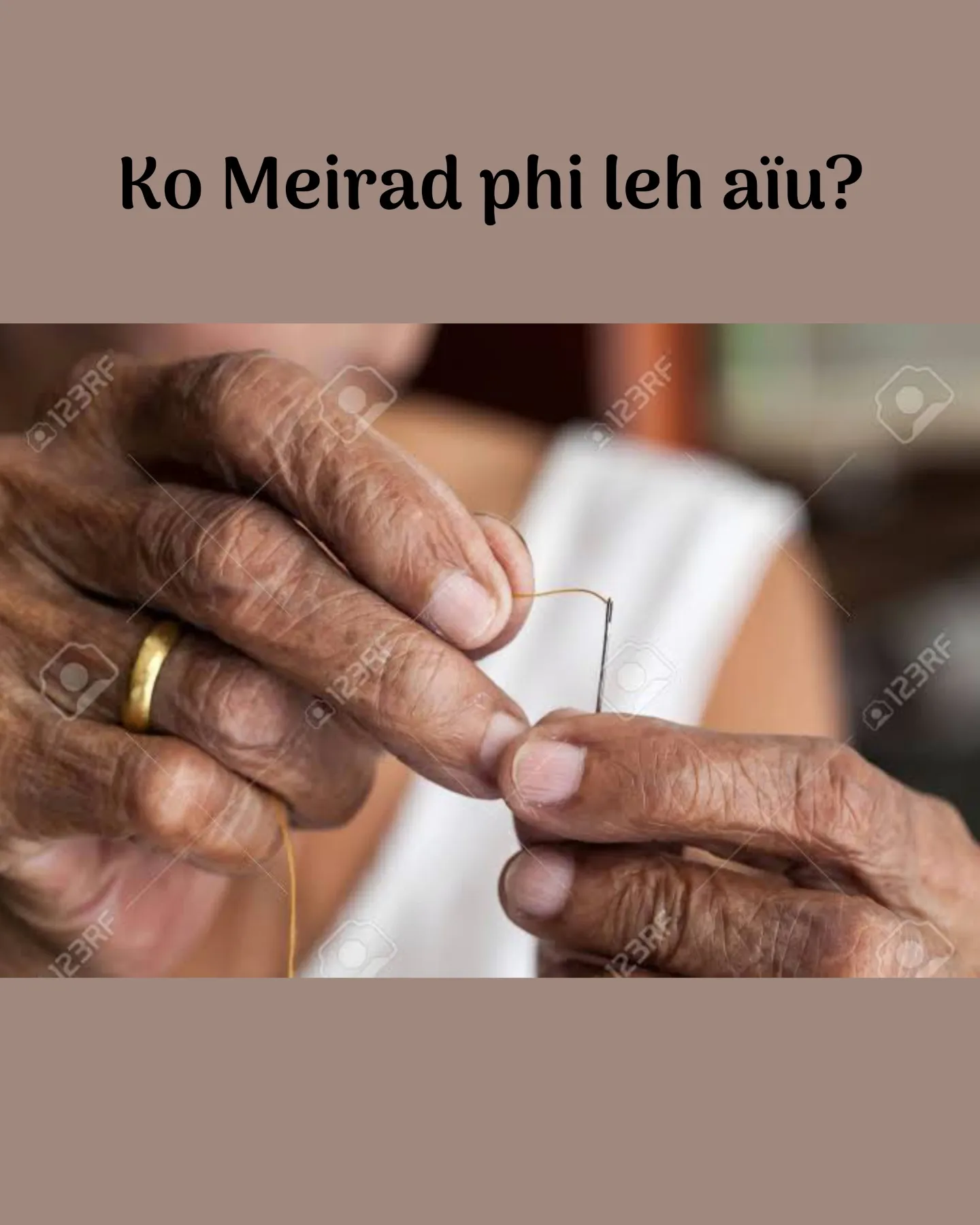
  • Ko Meirad phi leh aïu?

    Ko Meirad, phi leh aïu?

    Nga wad thyrnia…

    Ban leh aïu thyrnia?

    Ban suh ka pla…

    Ban leh aïu ka pla?

    Ban thep pisa…

    Ban leh aïu pisa?

    Ban thied khanshi…

    Ban leh aïu khanshi?

    Ban khap shñiuh ïa phi!

    Oh granny, what are you doing?

    I'm searching for a needle…

    What do you need the needle for?

    To stitch a bag…

    What do you need the bag for?

    To keep money in it…

    What do you need the money for?

    To buy scissors…

    What do you need the scissors for?

    To cut you hair!

    "Ko Meirad phi leh aïu?…" ka dei sa kawei ka jingïalehkai kaba ngi shait ïalehkai. 😄😄 Don ki por ba ngi shait ai da ki jubab kiba komik ruh 😂🤡 I dei ito iba dei Meirad em iba beh ïa kiwei ha kaba kut? 🤔

    Khublei Shibun @sandrahynniewta ba phi la pynkynmaw ïa kane 🙏

    This is another childhood game that most of us played when we were children. I've said this before and I'll say it again: We don't hear kids playing these games anymore 😢😢

    🟡 English translation by @speakyourroots

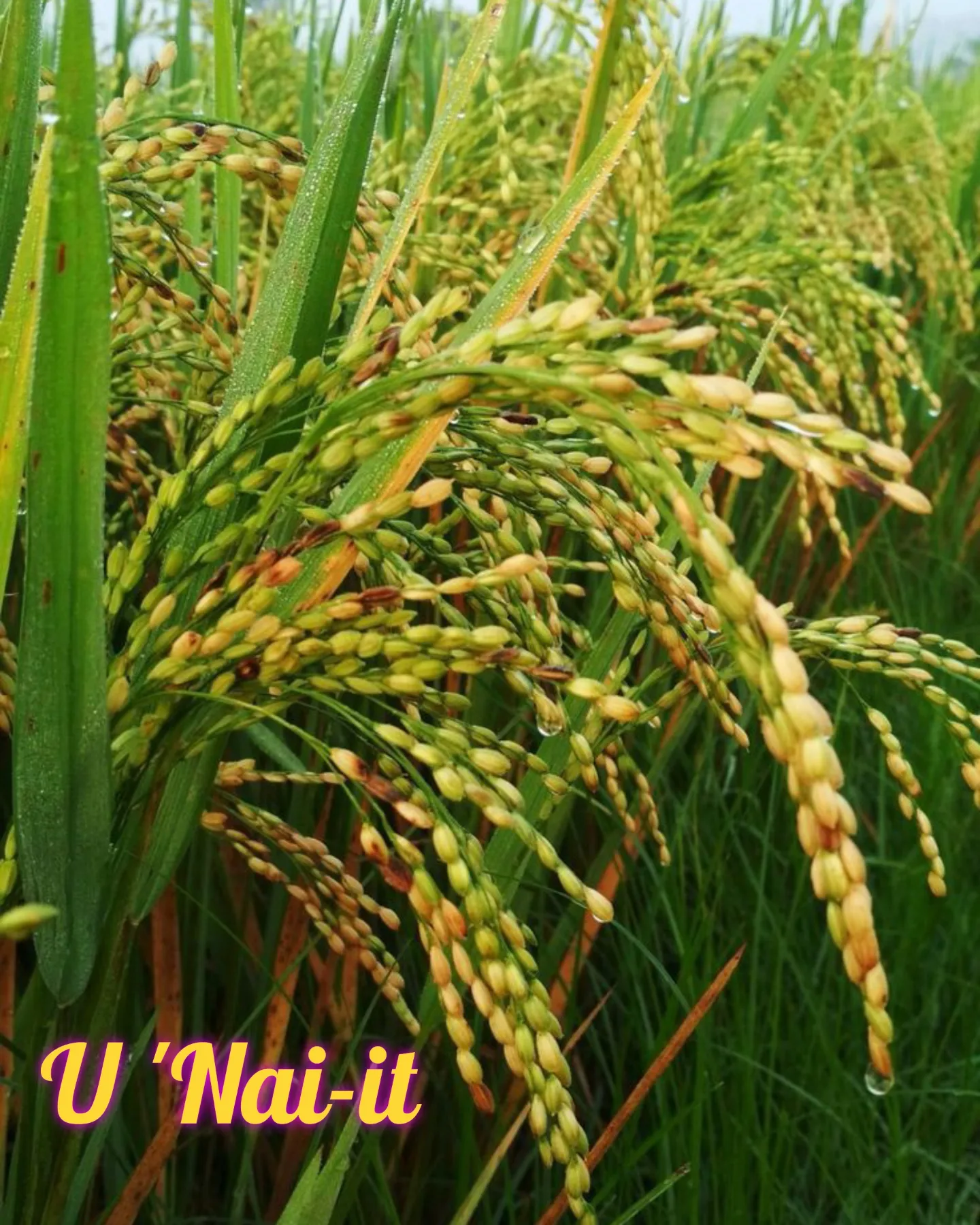
  • U ‘Nai-it

    U ’Nai-it u dei u bnai uba shiphew jong ka snem, u dei u bnai uba ar jong ka Synrai. U bnai ba nyngkong jong ka Synrai u dei u 'Nailar. U 'Nai-it u don saw taïew lane arphew phra sngi.

    Une u bnai u wan long kyrteng na ka jingpah u kbeit bad kiwei pat ki jait sim kiba her ha suiñ bneng. Ha une u bnai haba u kbeit u swait ha suiñ bneng ban kem sim ne kem khnai u ju pah ‘it it-it it’.

    U long u bnai ba ki sim laiphew jait ki sngewtynnat ban her suwari ha suiñ bneng ban kem khnai ne khñiang. Baroh ki jait khñiang, ki dkhiew bad kiwei pat ki kynja ba im ki sngewtynnat ban paw pyrthei ha une u bnai. Ki ïa mih na la ki jong ki jong ki trep ban ïalehkai bad rynsied sngewbha ha sla khyndew namar ka bneng ka la rang itynnat bad u kba u la sdang saw doh.

    "U 'Nai-it" is the tenth month of the year and it is the second month of Autumn. The first month of Autumn is " 'Nailar" (which roughly corresponds with September). "U 'Nai-it" has four weeks or twenty-eight days.

    This month gets its name from from the chirping of a bird called "u kbeit" (which the Khasi dictionary calls "a kind of hawk") and other kinds of birds. During this month "u kbeit" while hunting smaller birds and rats makes an "it it-it it" sound.

    Different types of birds go around flying everywhere during this month to hunt rats and insects. Many kinds of insects, ants and others like to emerge during this time. Animals and insects enjoy this time of the year as the weather is warm and sunny and paddy also begins to redden.

    It is interesting that the Khasi calendar has 13 months of 28 days (except in a leap year). The calculation of the months corresponds to the phases of the moon.

    Source: Rev. Dr. Ïarington Kharkongngor

    English translation by @speakyourroots

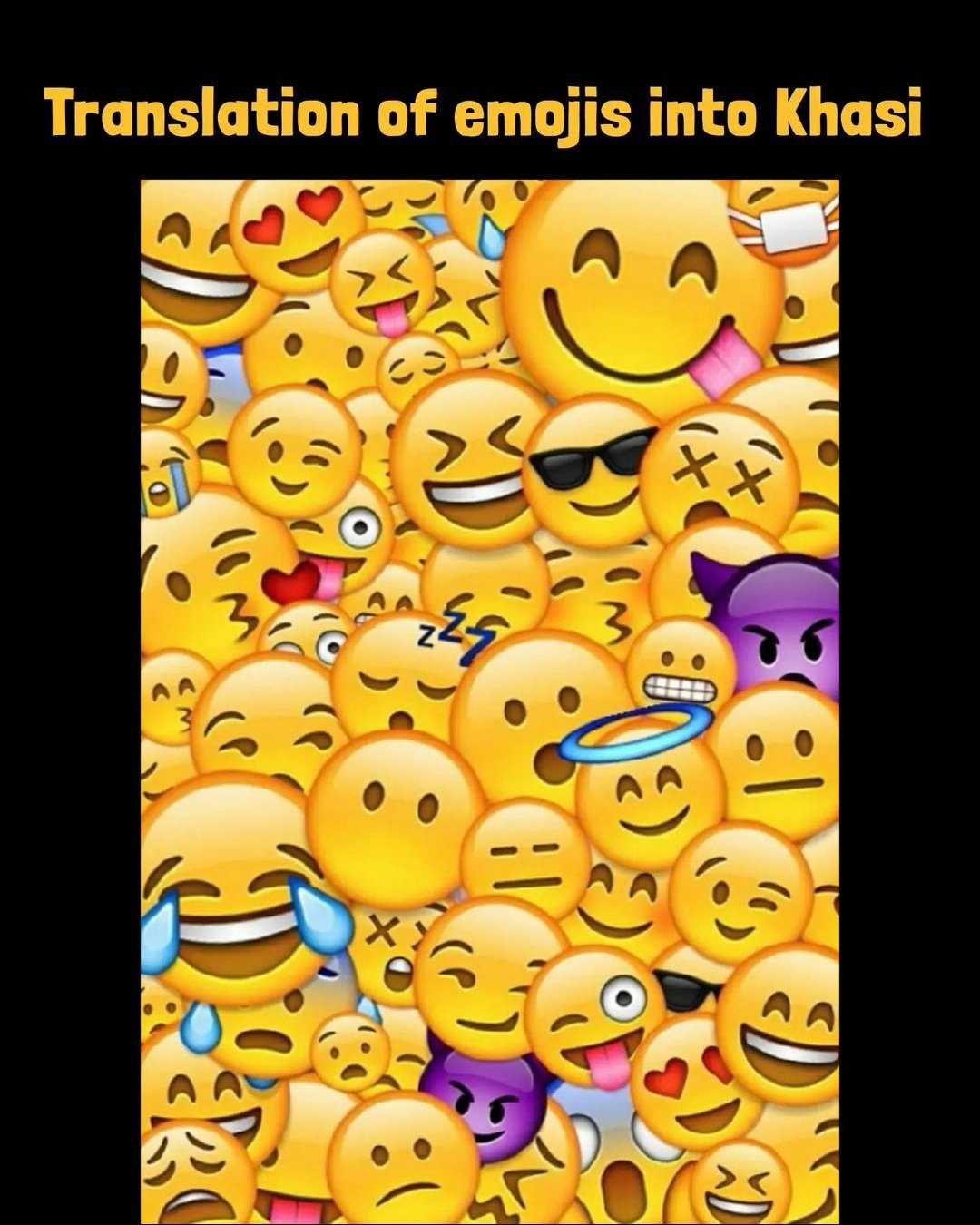
  • Translation of emojis into Khasi

    🤣 Rkhie ha ban da mih ummat/ Rkhie ïapler ïapang

    🤫 Khana lorni bym long ïathuh, tangba lah dep ïathuh

    🥺 Shri ïam bad ka pyneh shyntur ba nym khih

    🤏 Shi sohphit

    👊 Ai shi bok

    🤦‍♂️Dum ka buit ka stad

    🐷 Dohkhlieh/ Khliehsniang

    🥶 Sngew kjam ba slap bad phria ha ka por tlang

    🥵 Haba lah sat ba bam sohmynken bep

    🪵 Sngi thohdieng

    ⚡️Leilieh Sohra

    🪳 Ñiangkalaw ha kamra shetja Meiieit

    Kane ka long ka jingpyrshang ban pynkylla (ban ïoh rkhie ruh) ïa ki emoji sha ka Khasi 🤓🏞️

    Mynta ha ka pyrthei "emoji" ngi lah shu pyndonkam seh tang da kine haba ïa kren ha phone 😂😂 Ki lah long kum ki bynta ka met bad ka ktien ki bym lah khlem da iehnoh shuh.

    🟡 Shisha, ngin pynkylla kumno ïa ka ktien "emoji" sha ka Khasi?

    🟡 Sngewbha ai shuh ki jingpynkylla sha ka Khasi ïa ki emoji ha ki comments 😄

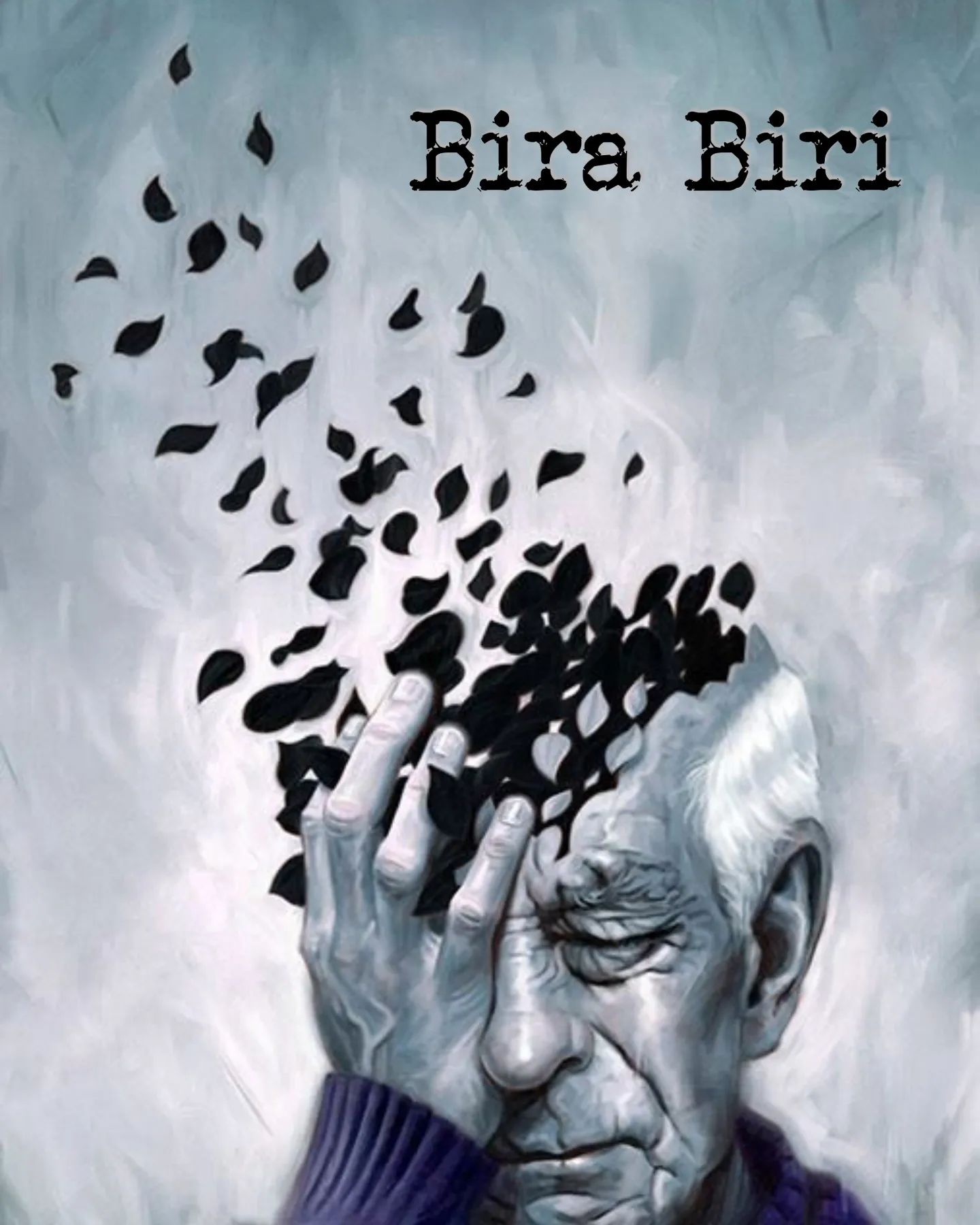
  • “Bira-biri”

    Ki kyntien "Bira-biri" ki mut ba lamwir jingmut, ba lyngngoh, ba kulmar, ne ba lynrum lynram.

    The Khasi adjective "Bira-biri" elaborates on a state of confusion, of feeling perplexed, of chaos and disorder.

    Ki don ki kyntien kiba ngim ju kham pyndonkam kum ki kyntien "Bira-biri" 🤓🤓
    Phi lah ju pyndonkam ïa kane?

    🟡 Art by Robert Carter
    🟡 English translation by @speakyourroots