Blog

  • Khleiñ la thang, jwat la bam

    @laia.naomi says:

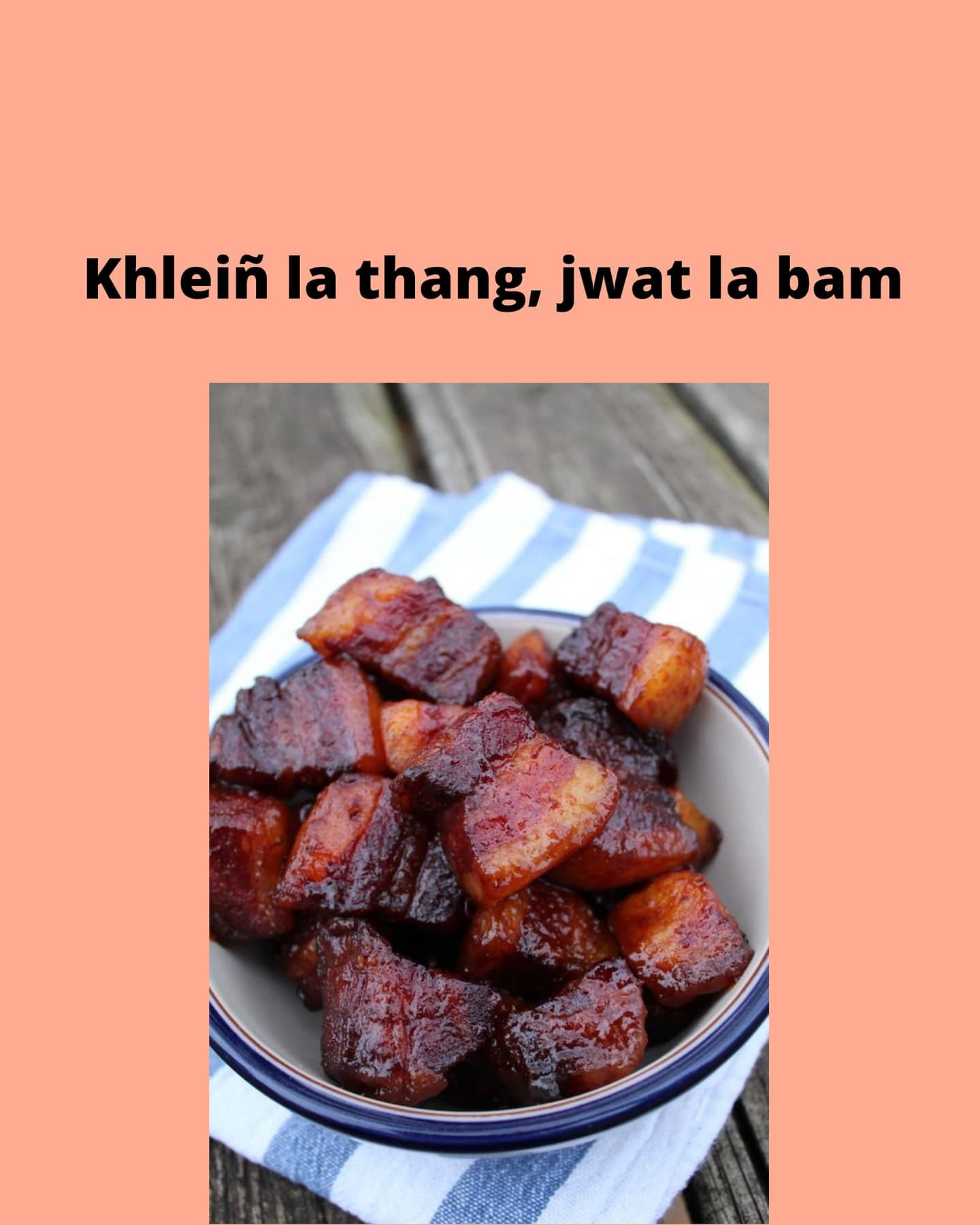
    " 'Khleiñ la thang, jwat la bam' literally translates to the delicious looking droops of fat when a piece of meat is smoked in a traditional fire but which is instead tough and difficult to break when eaten. The phrase is used to describe a person who is a sweet talker; someone rather too sweet to be genuine. My Dad introduced this phrase to me with the explanation 'when you have to work together with them you find that they are the exact opposite of what they actually portrayed themselves to be.' "

    "Khleiñ la thang, jwat la bam" is a translation of the moral of a story from Aesop's Fables, translated by Khasi Poet Laureate Soso Tham.

    When the meat looks beautiful but the beauty lies so deep you can't sink your teeth into it 😂😂😂 Thank you @laia.naomi for sending this! 🤭🤭
  • Mynsiem Jong i Mei

    @dr.taniavaid says:

    "Mynsiem jong i Mei" meaning Mother's soul/spirit… A phrase I have been using a lot since I became mommy! Feels most right when expressed in Khasi.

  • Bam ja mo

    @venelizapariat says:

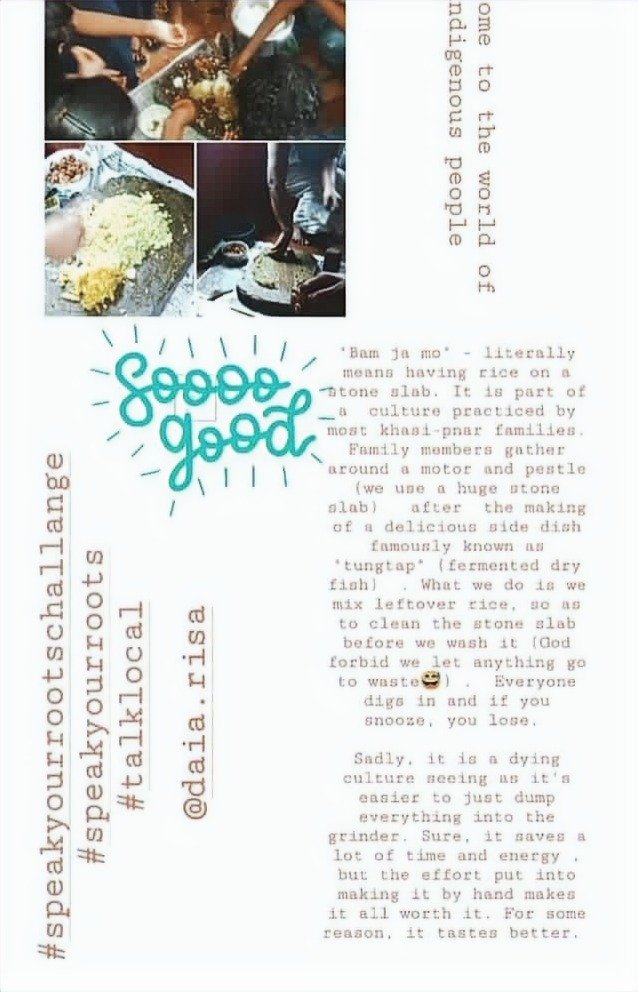
    "Bam ja mo" literally means having rice on a stone slab. It is part of a culture practised by most Khasi-Pnar families. Family members gather around a mortar and pestle (we use a huge stone slab) after the making of a delicious side dish famously known as "tungtap" (fermented dry fish). What we do is we mix leftover rice, so as to clean the stone slab before we wash it (God forbid we let anything go to waste!). Everyone digs in and if you snooze, you lose. Sadly, it is a dying culture seeing as it is easier to just dump everything into the grinder. Sure, it saves a lot of time and energy but the effort put into making it by hand makes it all worth it. For some reason, it tastes better!

  • U hati u dang sha khlaw

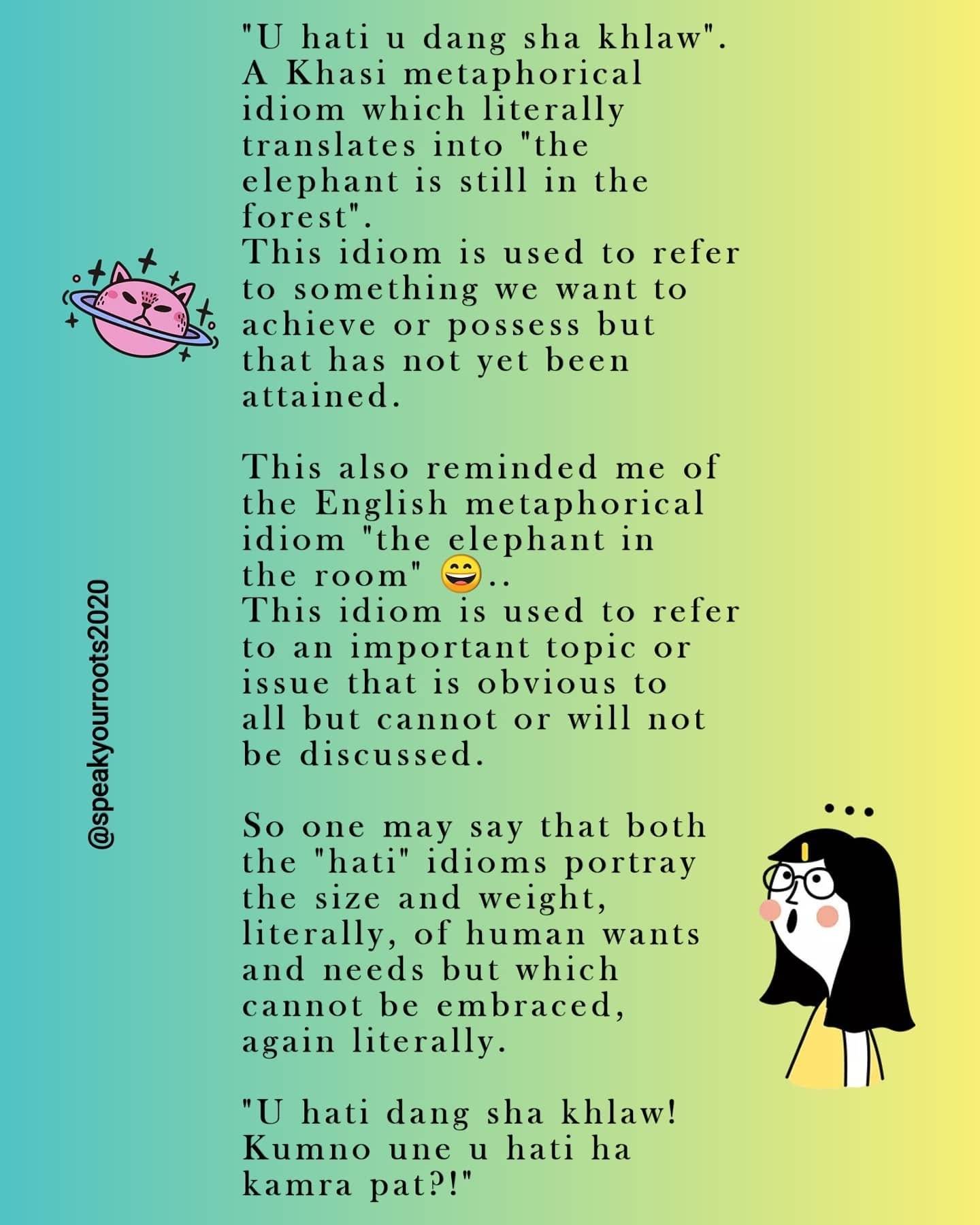
    "U hati u dang sha khlaw" is a khasi metaphorical idiom which literally translates into "The elephant is still in the forest". This idiom is used to refer to something we want to achieve or possess but that has not yet been attained. This also reminded me of the English metaphorical idiom "The elephant in the room". This idiom is used to refer to an important topic or issue that is obvious to all but cannot or will not be discussed.

    So, one may say that both the ‘hati’ idioms portray the size and weight literally, of human wants and needs but which cannot be embraced, again literally.

    “U hati dang sha khlaw! Kumno une u hati ha kamra pat?!”

  • Thlah Khmat and Symphuit Thri

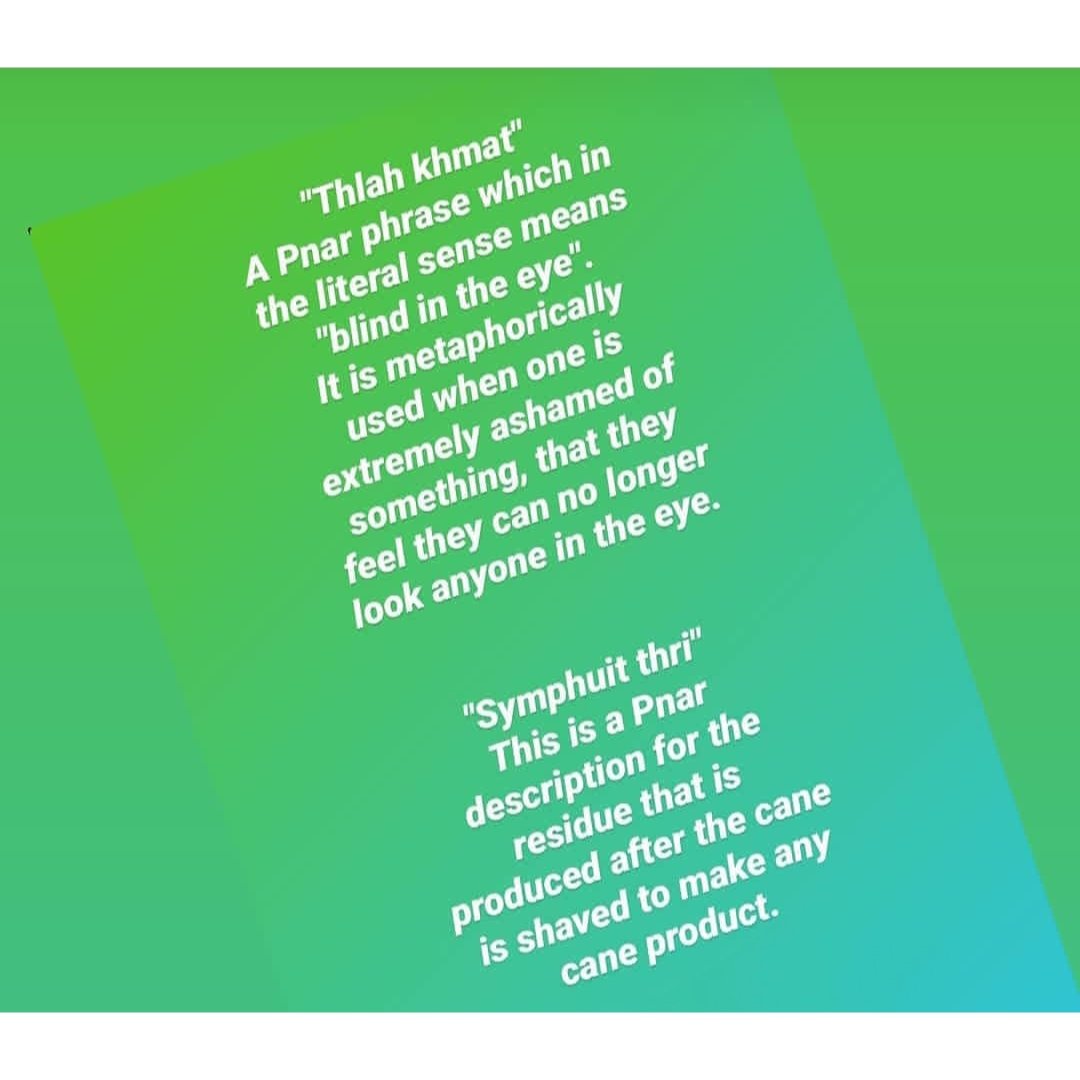
    Thlah Khmat is Pnar phrase which in the literal sense means "blind in the eye". It is metaphorically used when one is extremely ashamed of something, that they feel they can no longer look anyone in the eye.

    Symphuit Thri is a Pnar description for the residue that is produced after the cane is shaved to make any cane product.

    Two Pnar (Jaiñtia) words "Thlah khmat" and "symphuit thri" sent by @anumanda 😄😄😄 Thank you for this contribution!

  • Khangkhmat

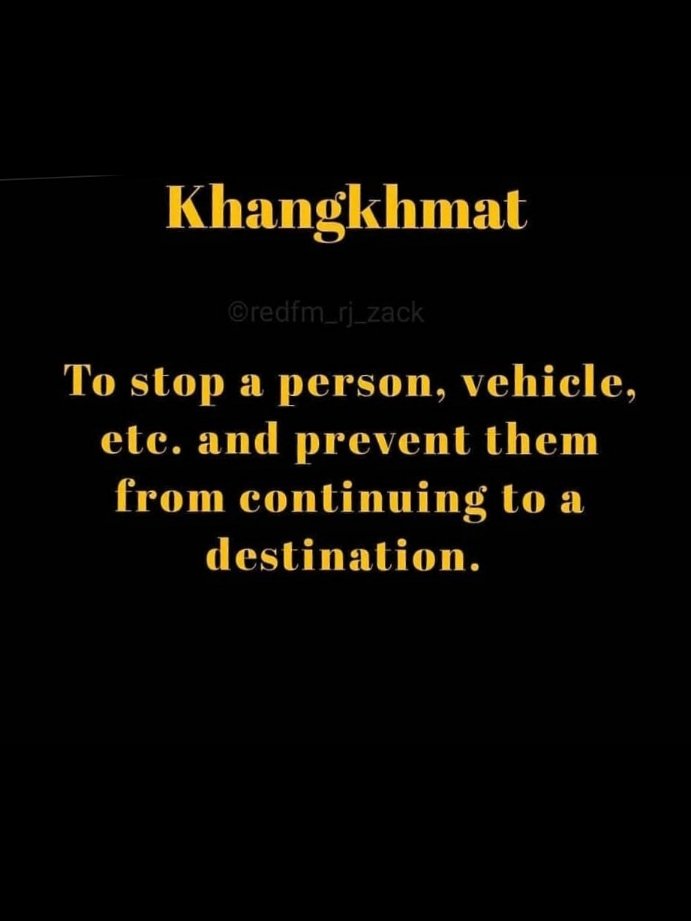
    "Khangkhmat" meaning to stop a person, vehicle, etc. and prevent them from continuing to a destination.

    Sent by @redfm_rjzack

  • Kyoh Mynthi

    @indariwarjri says:

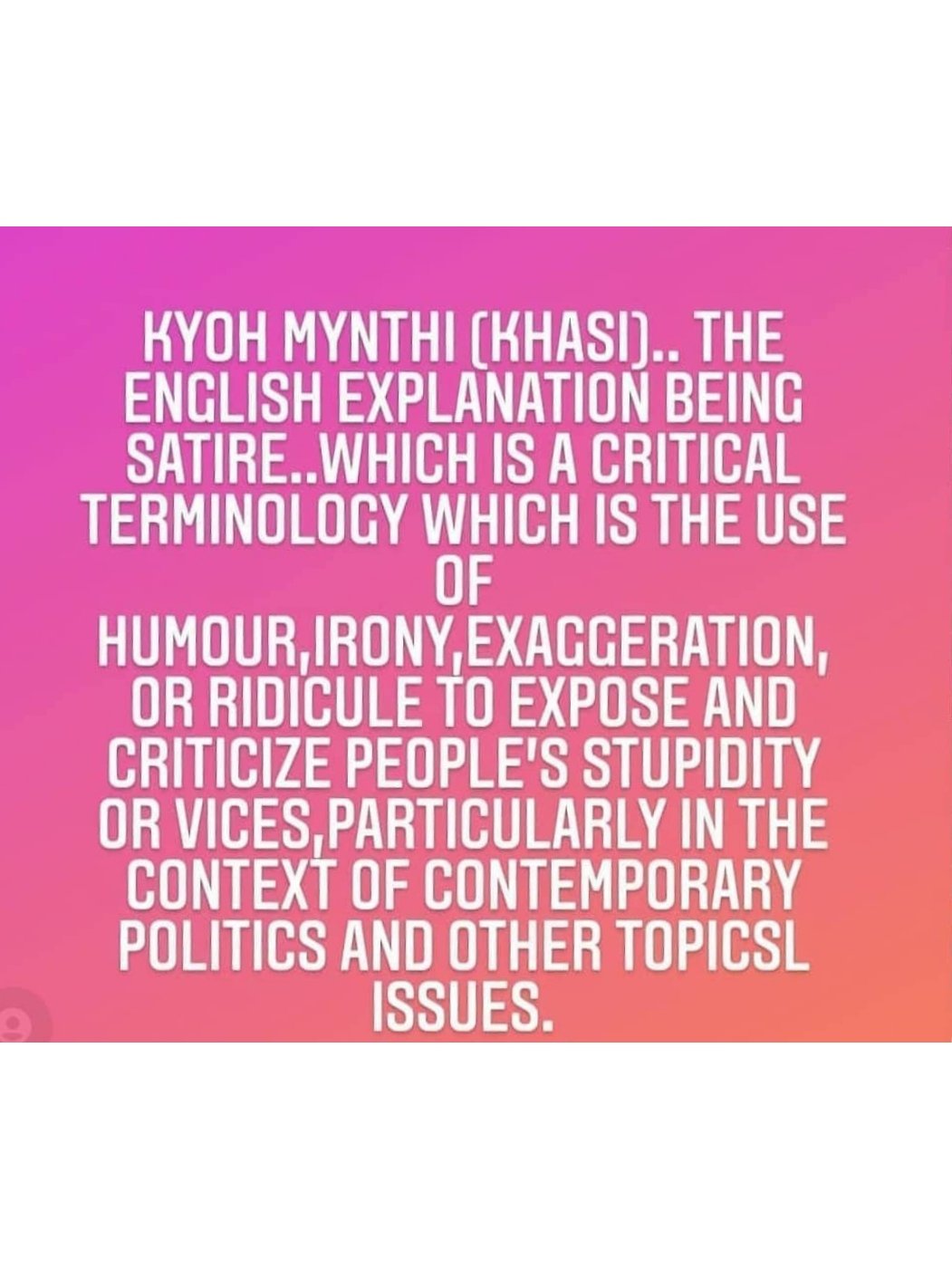
    In English, "kyoh mynthi" would be explained as being satire, which is a critical terminology used for humour, irony, exaggeration, or ridicule to expose and criticise people’s stupidity, or vices, particularly in the context of contemporary politics and other topical issues.

  • Shyrkhei

    @laurette_dkhar says:

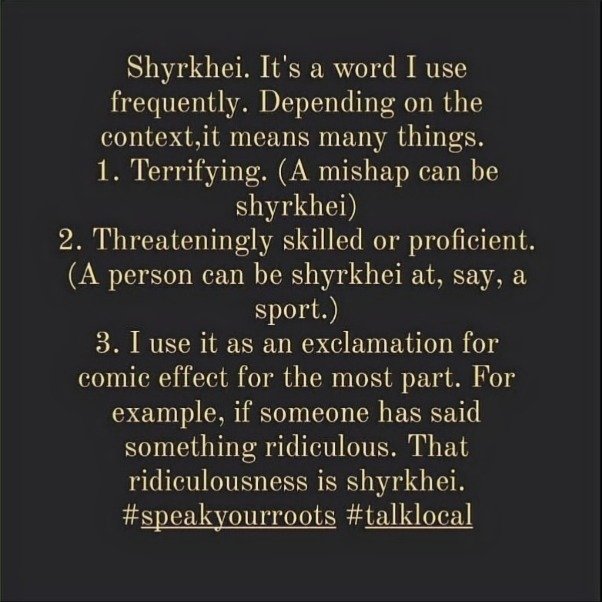
    It's a word I use frequently. Depending on the context, it means many things.

    1. Terrifying. (A mishap can be shyrkhei)

    2. Threateningly skilled or proficient. (A person can be shyrkhei at, say, a sport.)

    3. I use it as an exclamation for comic effect for the most part. For example, if someone has said something ridiculous. That ridiculousness is shyrkhei.

  • Ani!

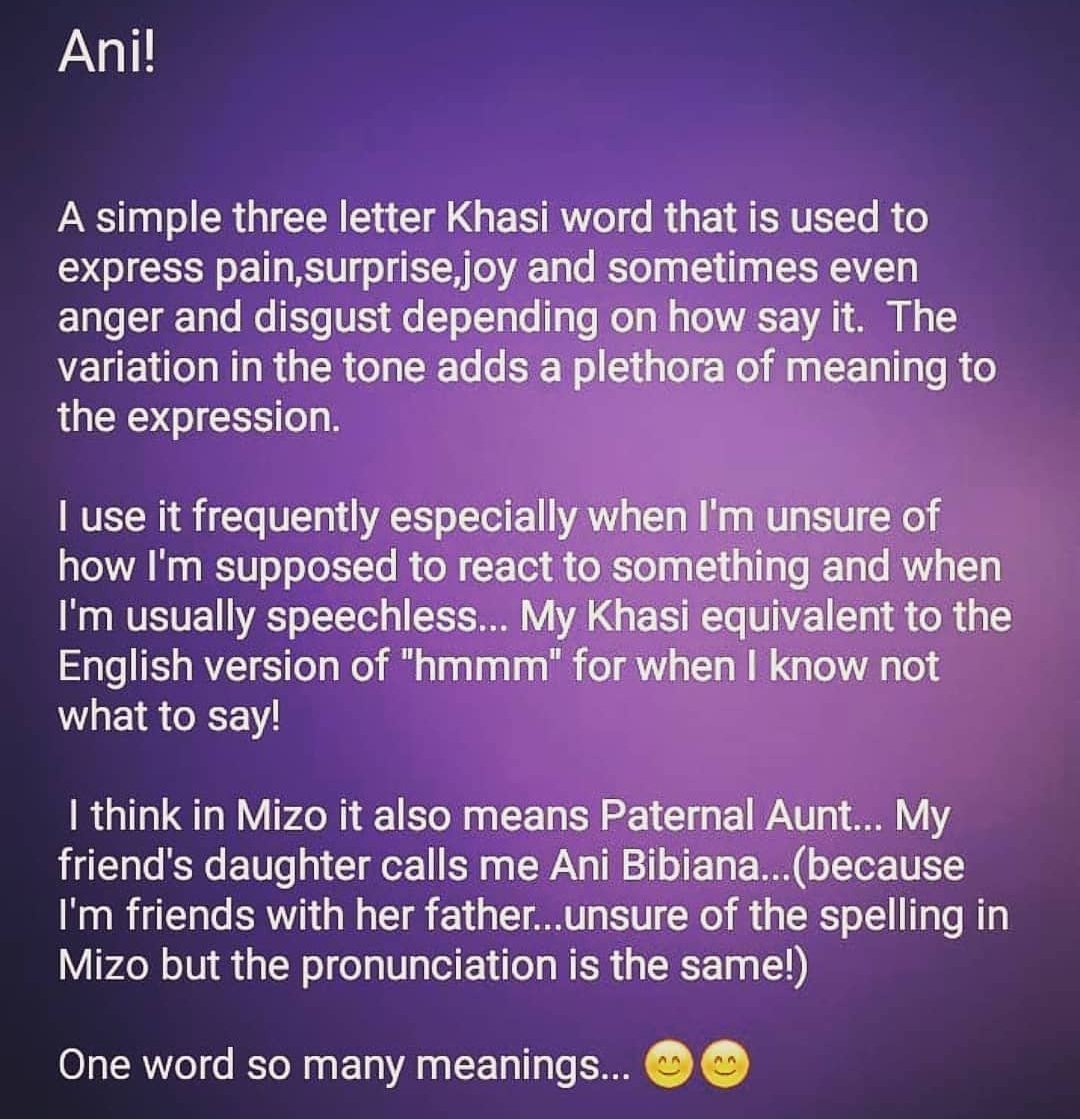
    A simple three letter Khasi word that is used to express pain, surprise, joy and sometimes even anger and disgust depending on how it is said. The variation in the tone adds a plethora of meaning to the expression, I use it frequently especially when I am unsure of how I am supposed to react to something and when I am usually speechless. My Khasi equivalent to the English version of “hmmm” for when I do not know what to say. I think in Mizo it also means paternal aunt. My friend’s daughter calls me Ani Bibiana (because I am friends with her father). Unsure of the spelling in Mizo, but the pronunciation is the same. One word, so many meanings.

    Ani!" sent by @bibianaryntathiang 😳😨😰😱😫😓😖 Ani! Thank you for sending this! 😂😂

    Bibiana Ryntathiang is an Assistant Professor in the Department of English, St Mary's College, Shillong, Meghalaya.

  • Maw-San by Careen Joplin Langstieh

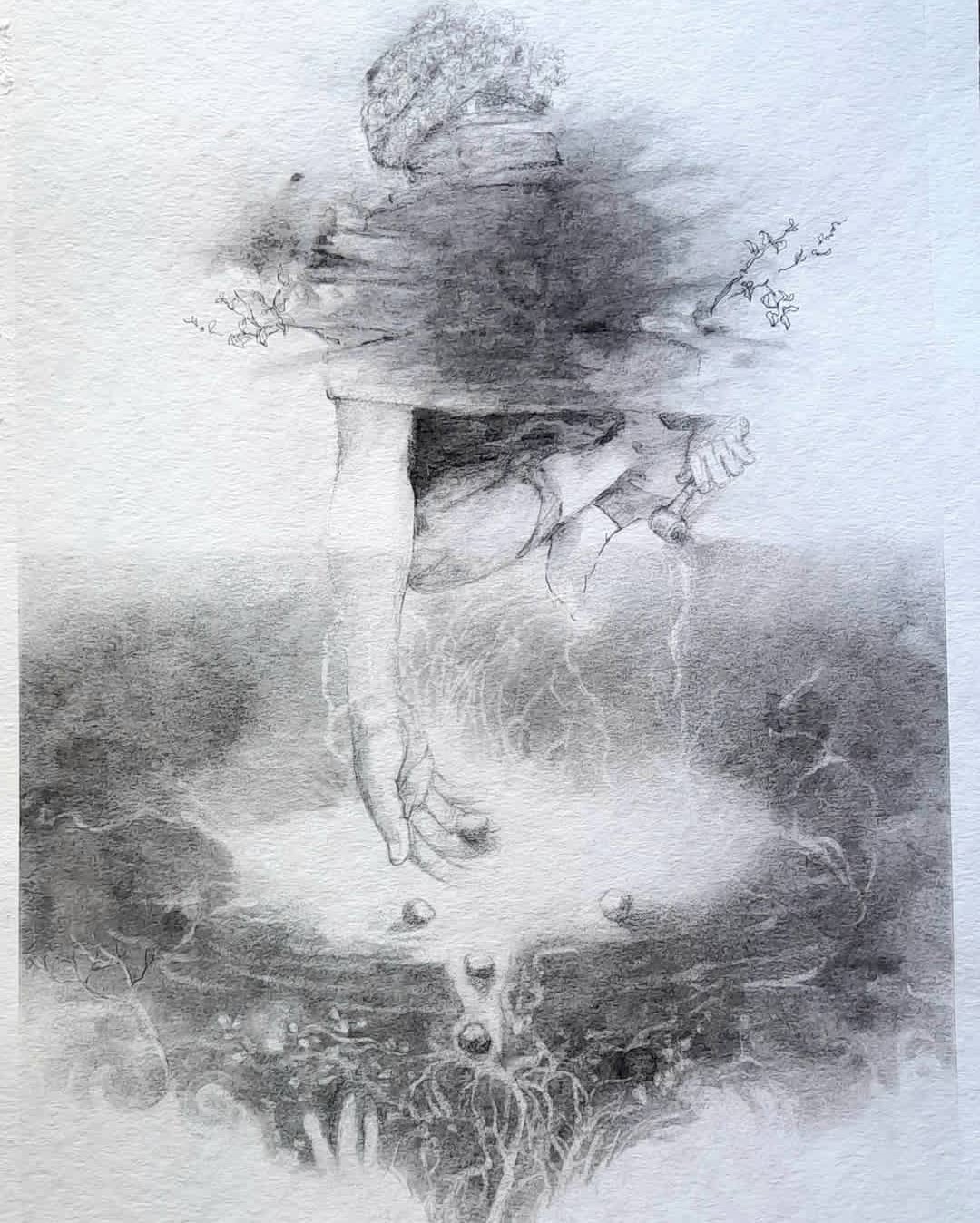
    "A game of five stones"

    This charcoal art piece by @careenjoplinlangstieh is named after an indigenous game called "Maw-san".

    Do you remember playing this game?

    Khublei Shibun Kong @careenjoplinlangstieh for sending this beautiful piece!