Tag: garo

  • United Nations Declaration on the Rights of Indigenous Peoples (UNDRIP) (Khasi translation)

    Sngewbha ñion ha ka link hapoh ba phin lah ban pule ïa KA DULIR UNITED NATIONS HALOR KA HOK KI TRAI MULUK-TRAI JAKA

    https://grassrootshillong.org/publications/

    Ïa ka United Nations Declaration on the Rights of Indigenous Peoples (UNDRIP), ngi dei ban tip bad ban pule bniah bha ïa ka. ✍️🤓

    Khublei Shibun Kong @joypathaw ba phi la phah ïa kane ka jingpynkylla sha ka Khasi lyngba ka sengbhalang @grassrootshillong . Ngi ai khublei bad kitbok kitrwiang ïa ki kam jong phi bad jong ka seng. 👏👏👏

    The United Nations Declaration on the Rights of Indigenous Peoples (UNDRIP) is a legally non-binding resolution passed by the United Nations in 2007. It delineates and defines the individual and collective rights of Indigenous peoples, including their ownership rights to cultural and ceremonial expression, identity, language, employment, health, education, and other issues. Their ownership also extends to the protection of their intellectual and cultural property. The Declaration "emphasizes the rights of Indigenous peoples to maintain and strengthen their own institutions, cultures and traditions, and to pursue their development in keeping with their own needs and aspirations." It "prohibits discrimination against indigenous peoples," and it "promotes their full and effective participation in all matters that concern them and their right to remain distinct and to pursue their own visions of economic and social development".

    The goal of the declaration is to encourage countries to work alongside indigenous peoples to solve global issues, such as development, multicultural democracy, and decentralization.

    On Thursday, September 13, 2007, the United Nations voted by a vast majority of 144 in favor (4 against, 11 abstained) of the Declaration.

    Source: https://en.m.wikipedia.org/wiki/Declaration_on_the_Rights_of_Indigenous_Peoples
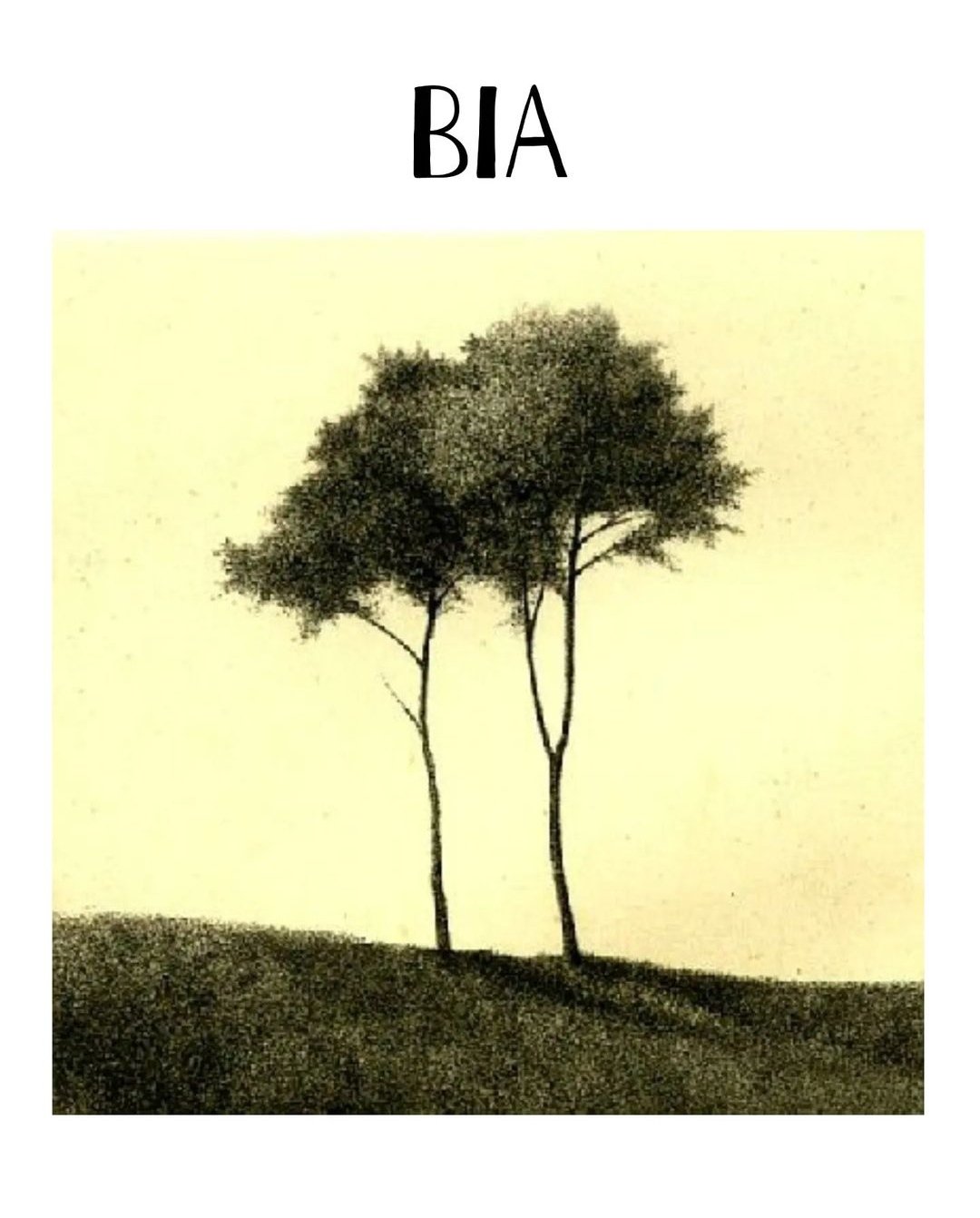
  • Bia

    Bia [adverb] The formal union of a man and a woman, typically recognized by law, by which they become husband and wife, a marriage

    This meaning of the word "bia" has been taken from the Pnar-English Dictionary by Sajeki Passah (2013).

    Bia [noun] marriage; wedding. -verb. bia ka•a to marry; to wed;

    This meaning of the word "bia" has been taken from the Garo-English Dictionary by P. R. Marak (2010).

    Khublei Chiboon @micromotives for quite an interesting observation! 😄👍

    Who would have thought that a word in the Pnar and Garo languages would be the same and have the same meaning too.

    Sngew kmen ba lah nang bun na ngi kiba pule ïa ki dictionary ne ki dienshonhi, ki ban ai bun ki jingtip ïa ngi. 👏👏

  • “Ka Ktien Khasi Jong Ngi” da Labianglang Diengdoh

    Ha sla pyrthei la kha ia nga,

    Nga san longbriew, nga im pura;

    Ryngkat jingieid i mei i pa,

    Ha la ka ktien ba ngan kren bha.

    Ym tang ban kren kumta la biang,

    Hynrei ban thoh te ba ngan nang;

    Kumta jingstad sawdong ka phriang,

    A-B, ka jinghikai ka sdang.

    Ka ktien khasi shisha ba iar,

    Ha ri khynriam bad ha ri pnar;

    'Sohra'- Ka ieng 'tien salonsar,

    Ban ia biang lang, ban ym kulmar.

    U Thomas Jones na ri sepngi,

    U la wanlam dak thoh khasi;

    ia jait bynriew ban lam lynti,

    Ban ym sah dum bynriew khasi.

    I'u la tip haduh kine ki sngi,

    Kum u kpa ki dak thoh khasi:

    Khlem don ma u ba prat lynti,

    Ngi lah sah dum ha la ka ri.

    Ki longshuwa da buit ba iar,

    Lyngba jingeh ki khih ki ksar;

    Ban roi ban iar ka thoh ka tar,

    Ban ym sah bieit, sah dum jynjar.

    Rai-eh Rai-dam, hei! ka bym kai,

    Kam dei ka mutdur pyrkhat rngai;

    Kat ban sawar ka ktien shongsbai,

    La ha ka kren khana ne rwai.

    Maitang! haram kam dei ho phi,

    la longshuwa baieid jong ngi;

    Burom shi junom bhor Ia ki,

    Shikit-iapar kam long na ngi.

    Kumne Ia la ka ktien ngin ieid,

    Ngin kren ngin thoh te khlem jingriej;

    Nangne pateng kan khih kan smiej,

    Sha jngai kan phet ka dum ka bieit.

    -Labianglang Diengdoh

    Original poem: "Ka Ktien Khasi Jong Ngi" written by @_i_g_d_r_e_a_m_e_r_

    Thank you for sending this entry! 🎉🎉

    Speaking, reading and writing in our indigenous language may be described as a persistent and consistent act of resistance to forces that may endanger it.