Tag: khasifood

  • Haba leit khawai

    Da lah sah shabar ri lei lei, wow ka jingphohsniew รฏa ki syrwa dohsรฑiang bad tyrso, tungrymbai, doh masi kylla… ๐Ÿ˜‹๐Ÿ˜‹๐Ÿคค๐Ÿคค Da dei lei da ki jingtah Pnar ne Bhoi ruh jingbang ๐Ÿ˜„๐Ÿ˜„

    Mynta ban khawai bad ban shet da ka bam Khasi donkam da ki nongshet kiba lah shemphang bha ban shet ki jingbam la jong ๐Ÿ˜ƒ

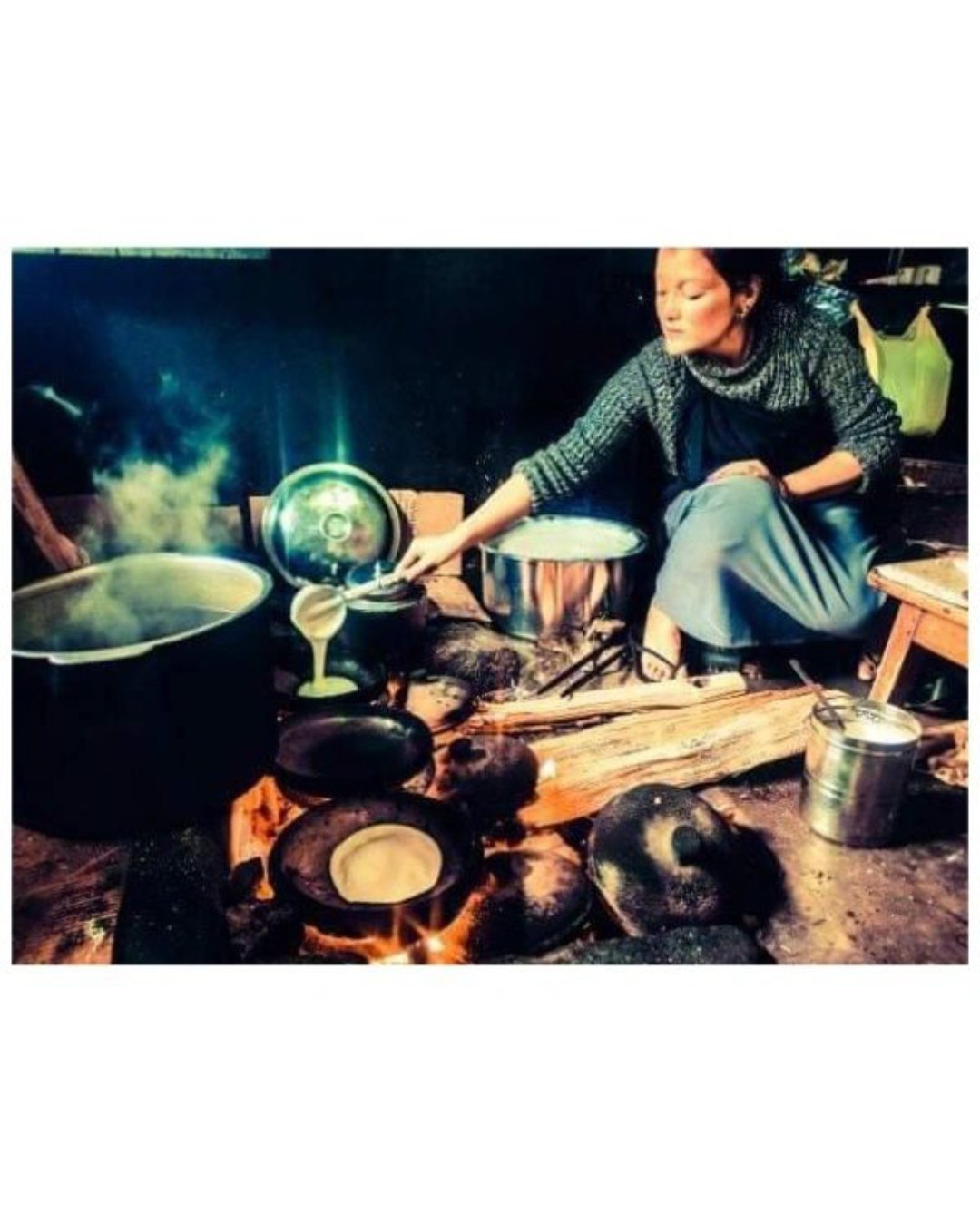
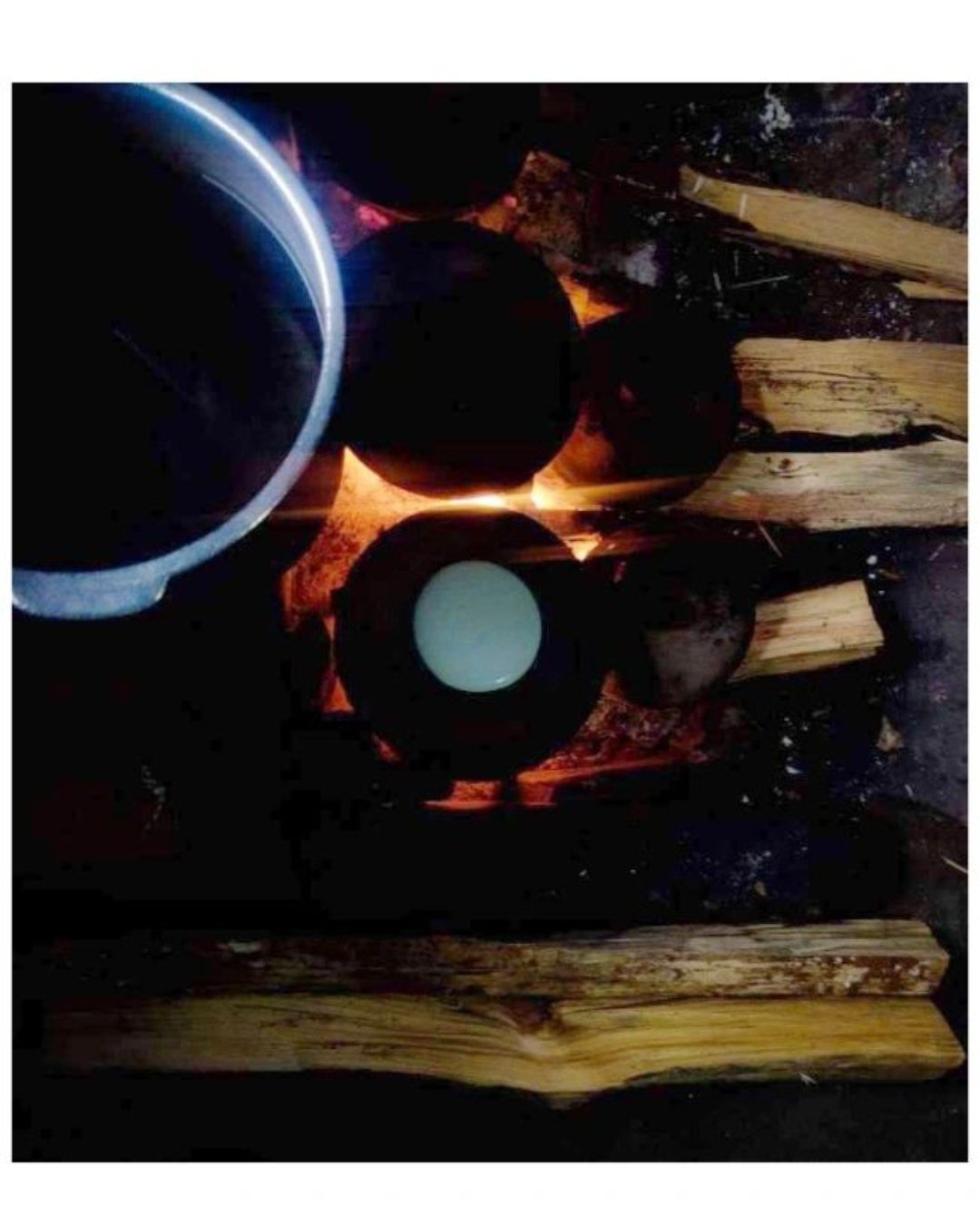
  • The making of “putharo”

    Kine ki dur ki dei ha ka dukan ja ba kyrteng "Putharo Palace" ha So Mer, West Jaiรฑtia Hills District. โ˜•๐Ÿš

    Khublei Shibun @kronosynchronicity ba phi phah รฏa kine ki dur! ๐Ÿ™๐Ÿ˜„
    Ki pynkynmaw รฏa ngi รฏa ka sha saw bad u putharo, bad sa รฏa ka dohjem ne dohkhleh ruh ๐Ÿ˜‹๐Ÿ˜‹

    These pictures are of a dukan ja (food stall) called "Putharo Palace" in So Mer, West Jaiรฑtia Hills District. โ˜•๐Ÿš

    Thank you @kronosynchronicity for sending the pictures! ๐Ÿ˜„๐Ÿ™
    They remind us of the aroma of red tea with putharo (flat steamed rice cake) with pork innards or shredded mixed pork ๐Ÿ˜‹๐Ÿ˜‹

    Photo credit: @kronosynchronicity

  • U sohmarit im

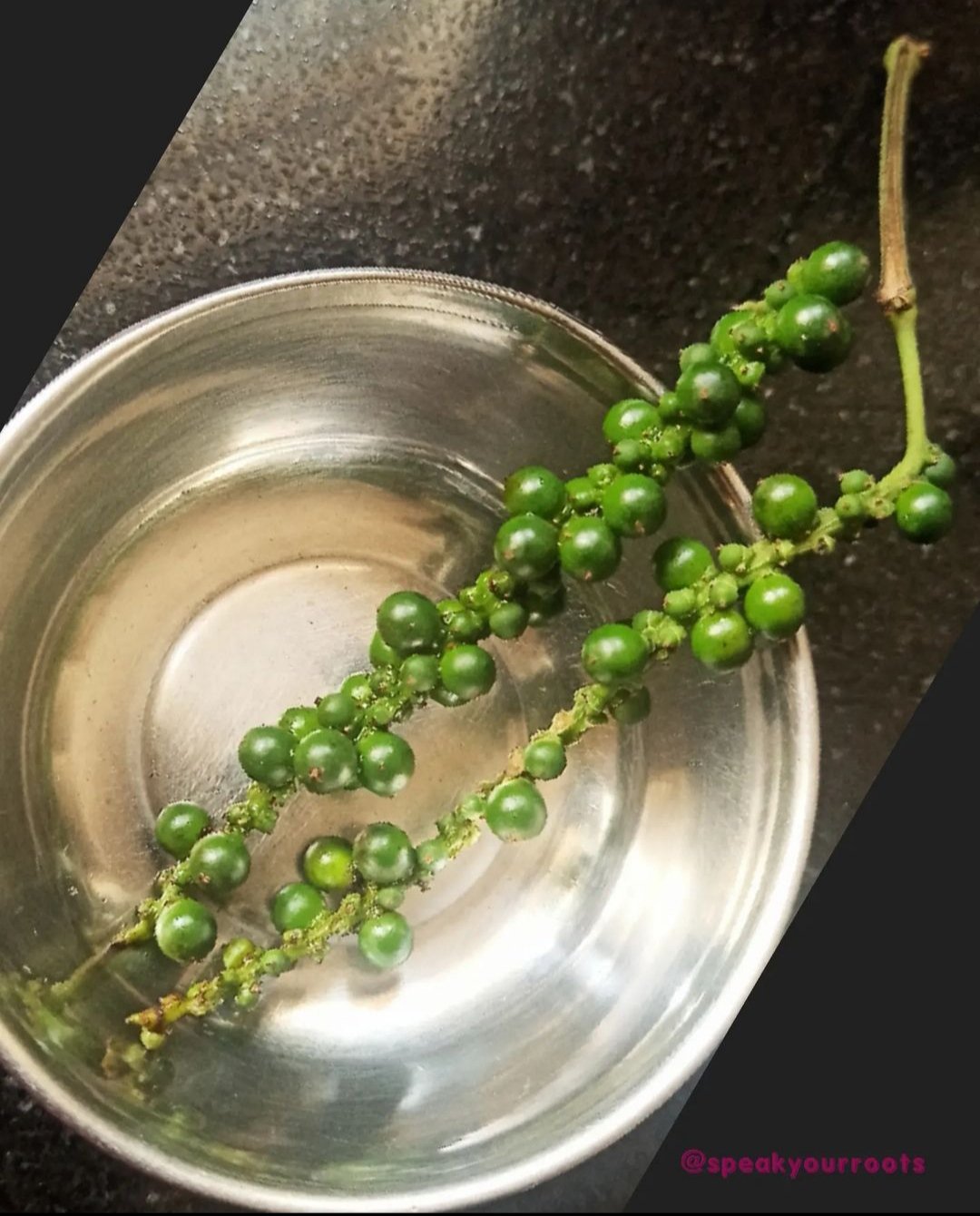
    What we call "u sohmarit im" in Khasi or green peppercorns are a spicy addition to our "ja bad jyntah" (rice and curry). The aromatic crunch is a great "sidekick" (pun intended ๐Ÿ˜„๐Ÿ˜‚) for lunch or dinner! The bunch in the picture is almost finished! ๐Ÿ˜‹

  • Red tea, rice and ktung thang

    Lehse, kham niar napdeng jong ngi,

    Ban iohmad ia i jakhluid, sha saw,

    soh mynken khnai war bad 'tung thang

    dang step phyrngap ha

    skum trep ha nongkyndong kynjai.

    Khublei Kha.

    Khublei paralok.

    Khublei Mei Ramew.

    -Paia B. Dohling

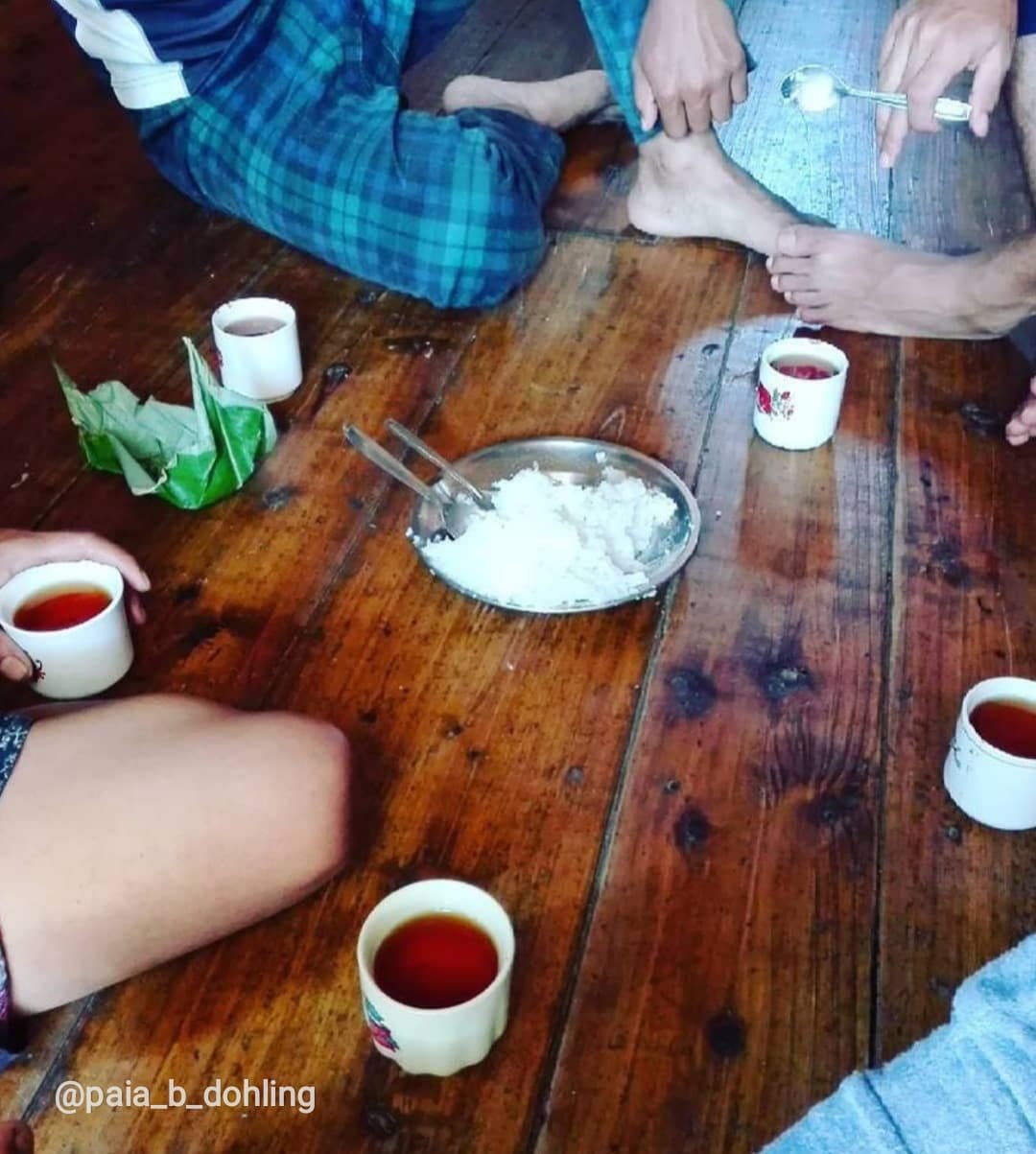
    The taste and flavour of red tea with rice and ktung thang (roasted dry fish) ๐Ÿ˜€๐Ÿ˜€ โค๏ธ๐ŸคŽ๐ŸŒฑ๐ŸŒฑ The typical Khasi breakfast mostly comprises of tea with plain rice ๐ŸŒพ๐ŸŒพ

    Khublei Shibun @paia_b_dohling for tagging us in this picture! Love the wooden floor holding the breakfast we all know!

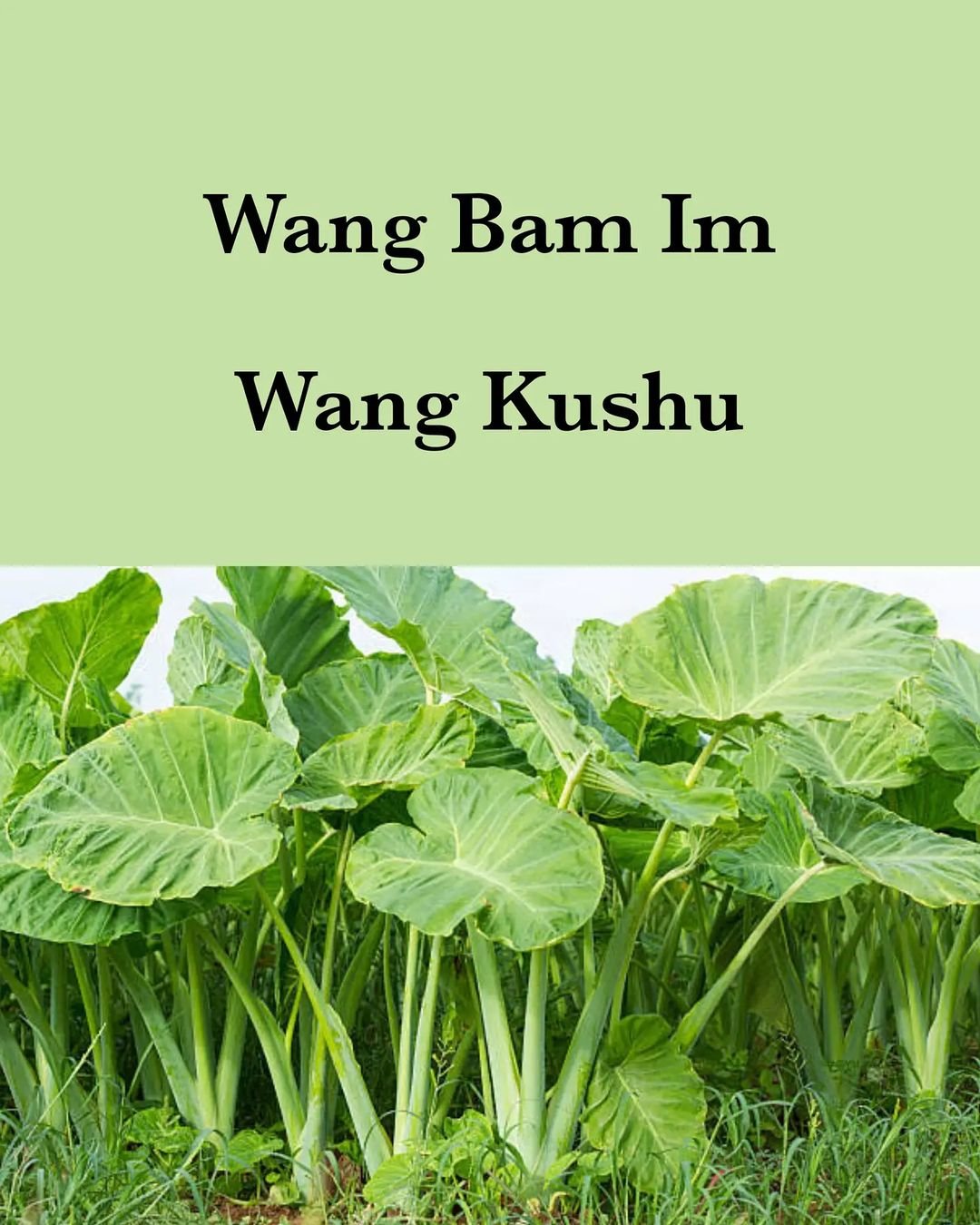
  • Wang Bam Im and Wang Kushu

    Wang bam im

    Kine ki kyntien ki thew รฏa ki briew kiba jemnud than eh haduh ba kiwei pat ki shim kabu รฏa ki namar ba kim kheiรฑ briew shuh รฏa ki. Kine ki jait briew ki รฏa syriem รฏa ka jait wang kaba lada shet ruh long bad lada bam im ruh kam buid satia. Kiwei pat ki wang hap ban da shet shuwa ban bam bad lada bakla shet ruh ki pynbuid รฏa ka shyntur baroh kawei.

    This phrase symbolically refers to people who are too gentle and gullible to the point that people take advantage of them and completely disregard them. People with these qualities are likened to a type of "wang" plant called "Wang bam im" which can easily be cooked or eaten raw too, without causing any itching in the throat. In general, "wang" has to be cooked properly so that it does not cause any itching. On the other hand, there are other kinds of "wang" which even after being cooked properly still cause an itchy throat.

    Wang kushu

    Kine ki kyntien ki thew รฏa ki briew ki bym ju hun, kiba thut biej wat รฏa i daw barit eh ruh. Kine ki jait briew ki รฏa syriem รฏa ka jait wang khlaw kaba buid hi lada shet makna katno katno ruh.

    This phrase symbolically refers to people who are never content or satisfied; who become irritated or annoyed with the slightest reason. People with these qualities are likened to a wild variety of the "wang" plant called "wang kushu" which causes an itch in the throat even if it is cooked well. Thus, just like the plant, no matter how much anyone does, what they do is not going to be enough.

    From what we have read, "Ka Wang" may be categorised as Taro stems which are the young leaf stalks of the Taro plant. The Taro stems in the pictures are similar to what we call in Khasi as "ka wangpanai". The plant known for its starchy tuber has much to offer in its edible shoots, stems and leaves. The stems are typically from the young, new-growth leaves. Among the Southeast Asian cultures, the young, as-yet unrolled leaves and stems are cooked in vegetable dishes or soups.

    Taro stems are fibrous, so they are peeled prior to cooking. The tough outer layer is removed to reveal a more tender stalk within. Just like the leaves and corms, the stems contain an irritant called calcium oxalate, which can cause itchiness and swelling in the mouth and throat. Cooking the stems can remove the effect.

    If there any ethno-botanists please tell us more! ๐ŸŒฟ๐ŸŒฟ

  • Jaralud bad dohsniang

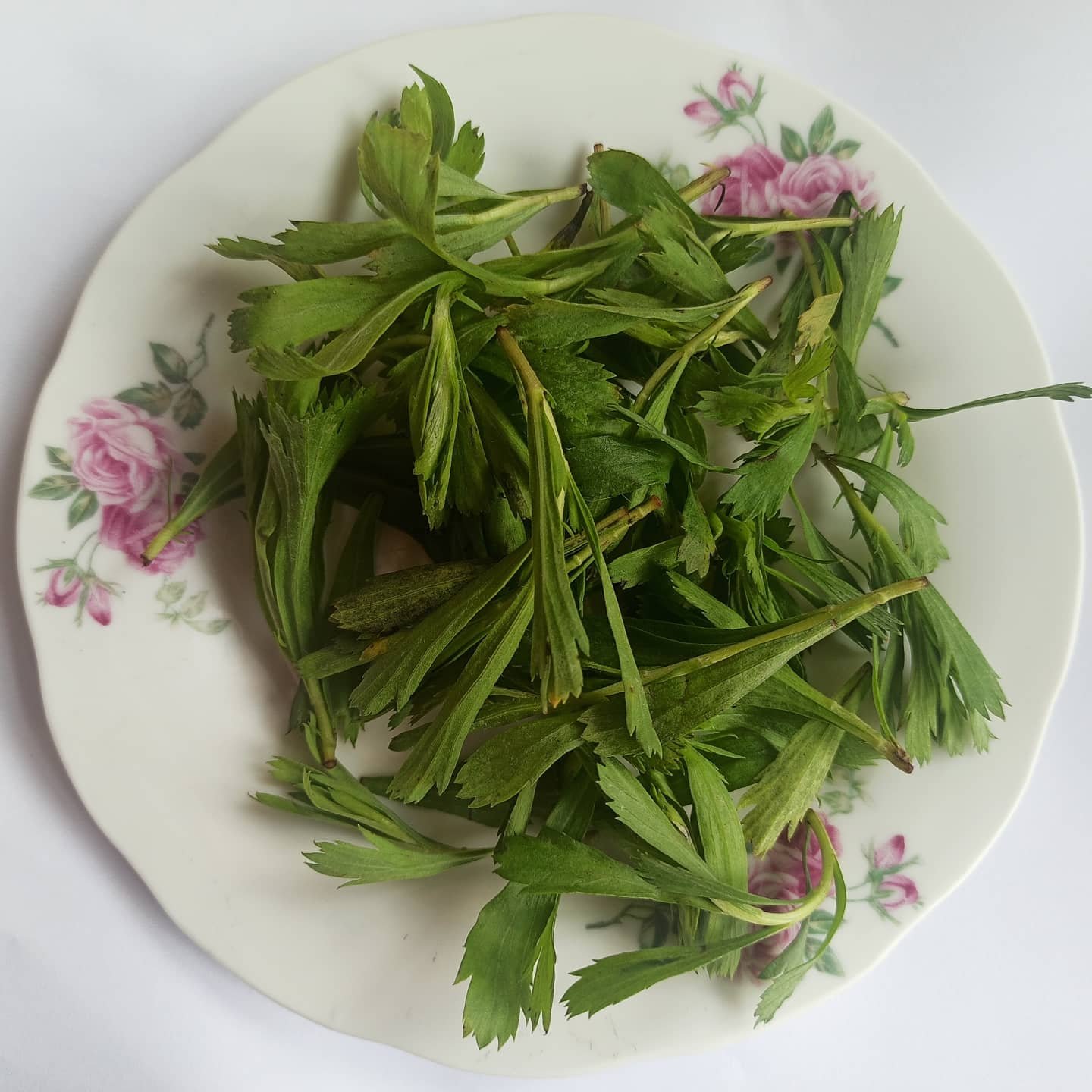
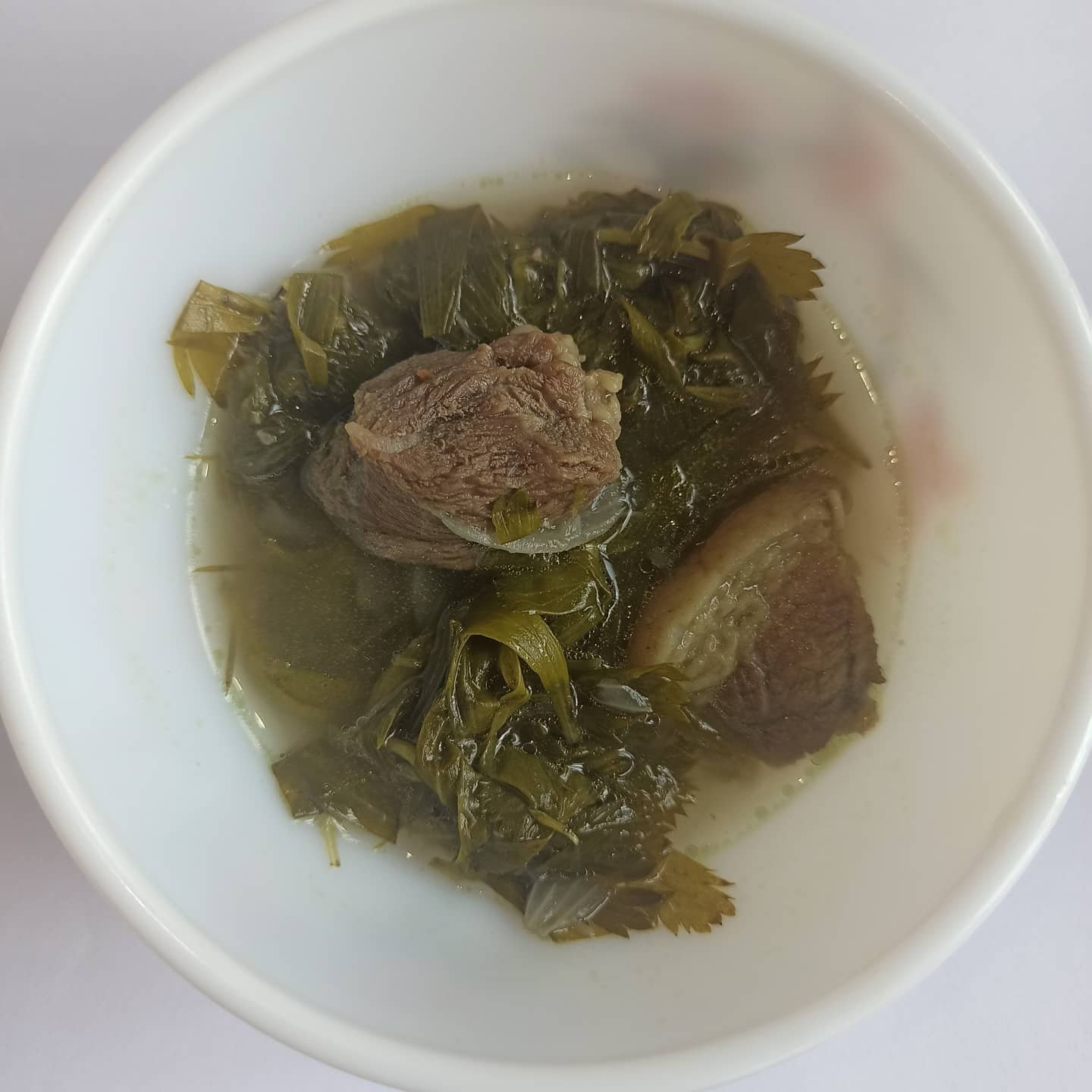
    "Jaralud" (Khasi)/ "Yaralud" (Pnar) cooked with "dohsniang" (pork) is a Pnar dish but it is also eaten by Khasis. "Jaralud" is a low lying shrub that grows in pine forests. It grows in the summer season and is a refreshing addition to the summer diet. "Jaralud" also has a distinctive smell and flavour that some might not find appealing. But for those who love it, we say thank you for the chlorophyll! ๐Ÿ˜‹๐Ÿ˜‹๐Ÿ˜‹

  • Dried fish chutney

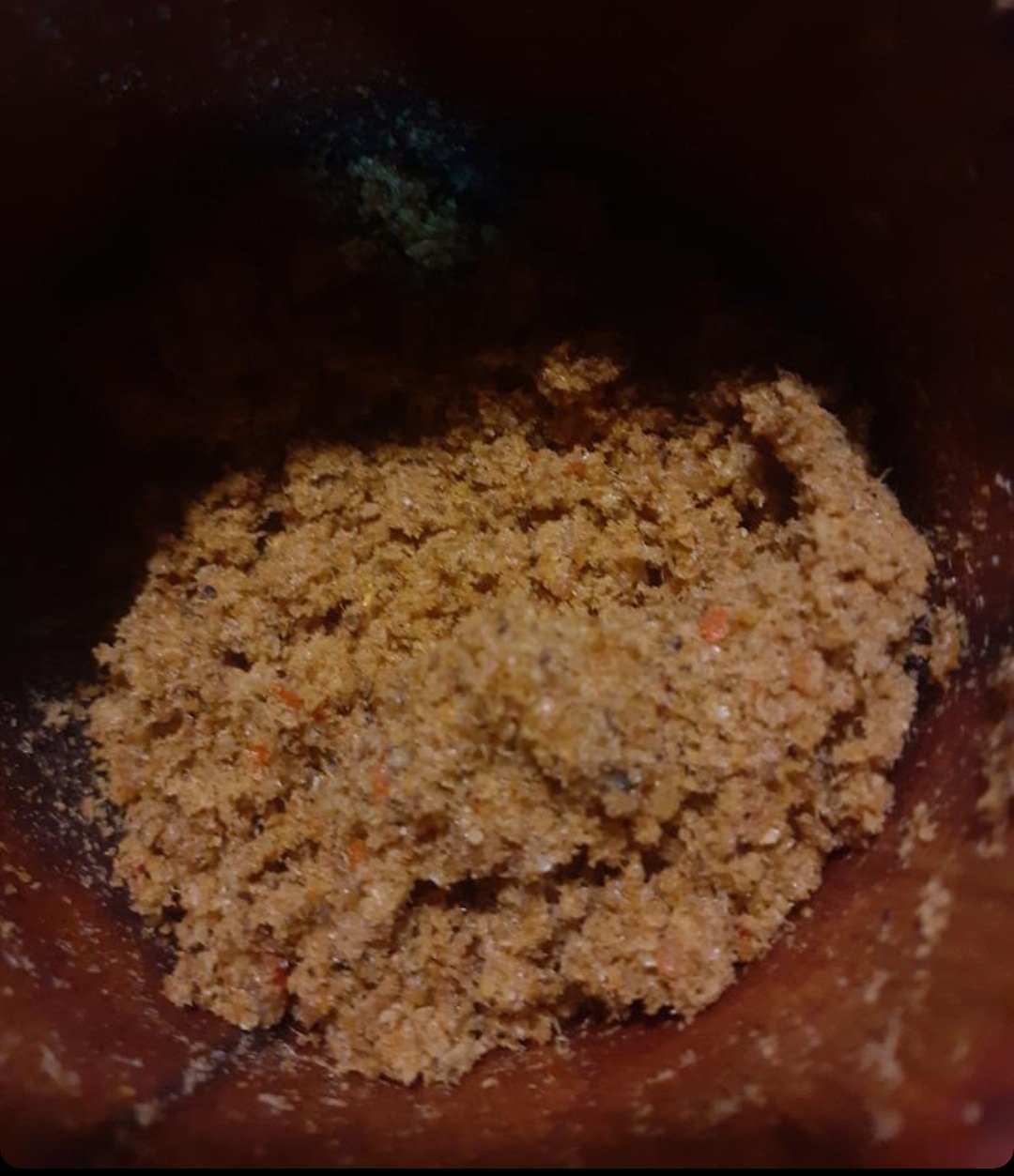
    Dried fish chutney from @bada_boombam ๐Ÿคฉ๐Ÿคฉ๐Ÿคฉ Thank you for a picture of this mouth-watering chutney! ๐Ÿ˜‹๐Ÿ˜‹๐Ÿ˜‹

    She says: My favourite ktung chutney. It's a marriage of ktung Bombay, dried bird's eye chillies, ginger and szechuan pepper. The trick to that perfect taste lies in how much ginger you add.