Tag: khasiliteratureintranslation

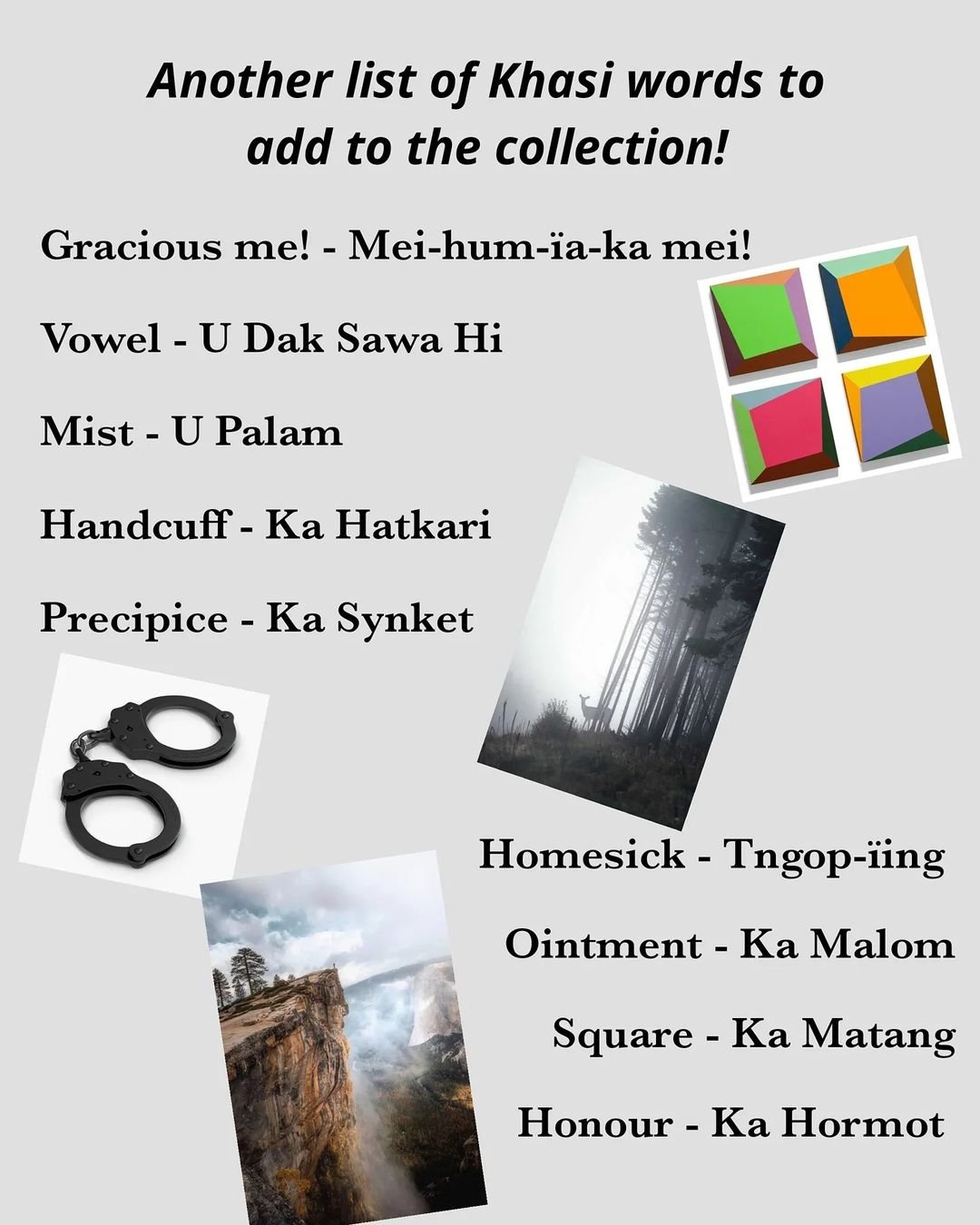
  • Another list of Khasi words to add to the collection!

    Gracious me! – Mei-hum-їa-ka mei!

    Vowel – U Dak Sawa Hi

    Mist – U Palam

    Handcuff – Ka Hatkari

    Precipice – Ka Synket

    Homesick – Tngop-їing

    Ointment – Ka Malom

    Square – Ka Matang

    Honour – Ka Hormot

    Here is another list of Khasi words to start using! 😃🤓🗣️🗣️

    🟡 Source: Ka Dienshonhi: The Khasi Encyclopaedic Dictionary by Rev. Dr. Ïarington Kharkongor

  • Ka Sohlyngngem bad u Rynñiaw

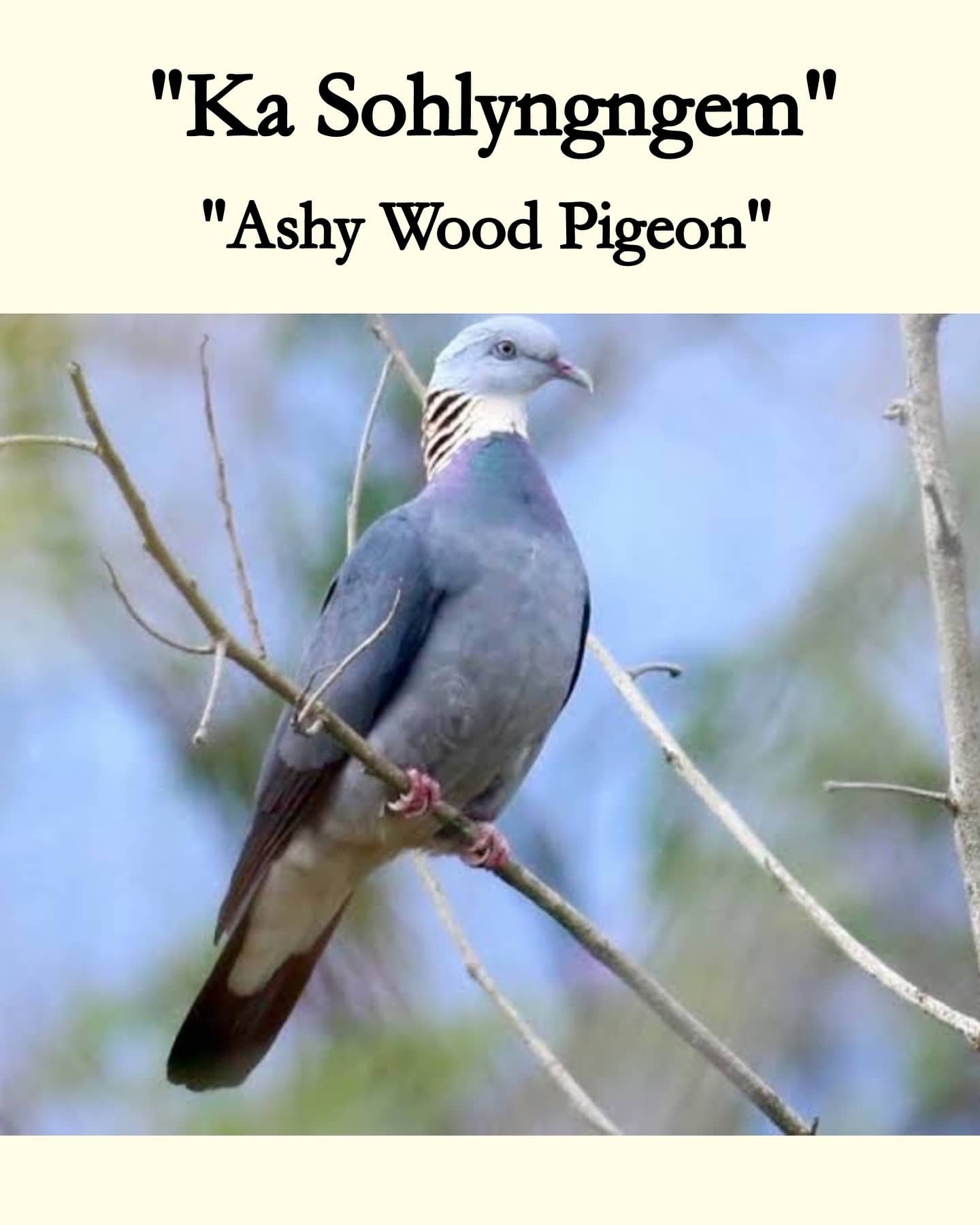
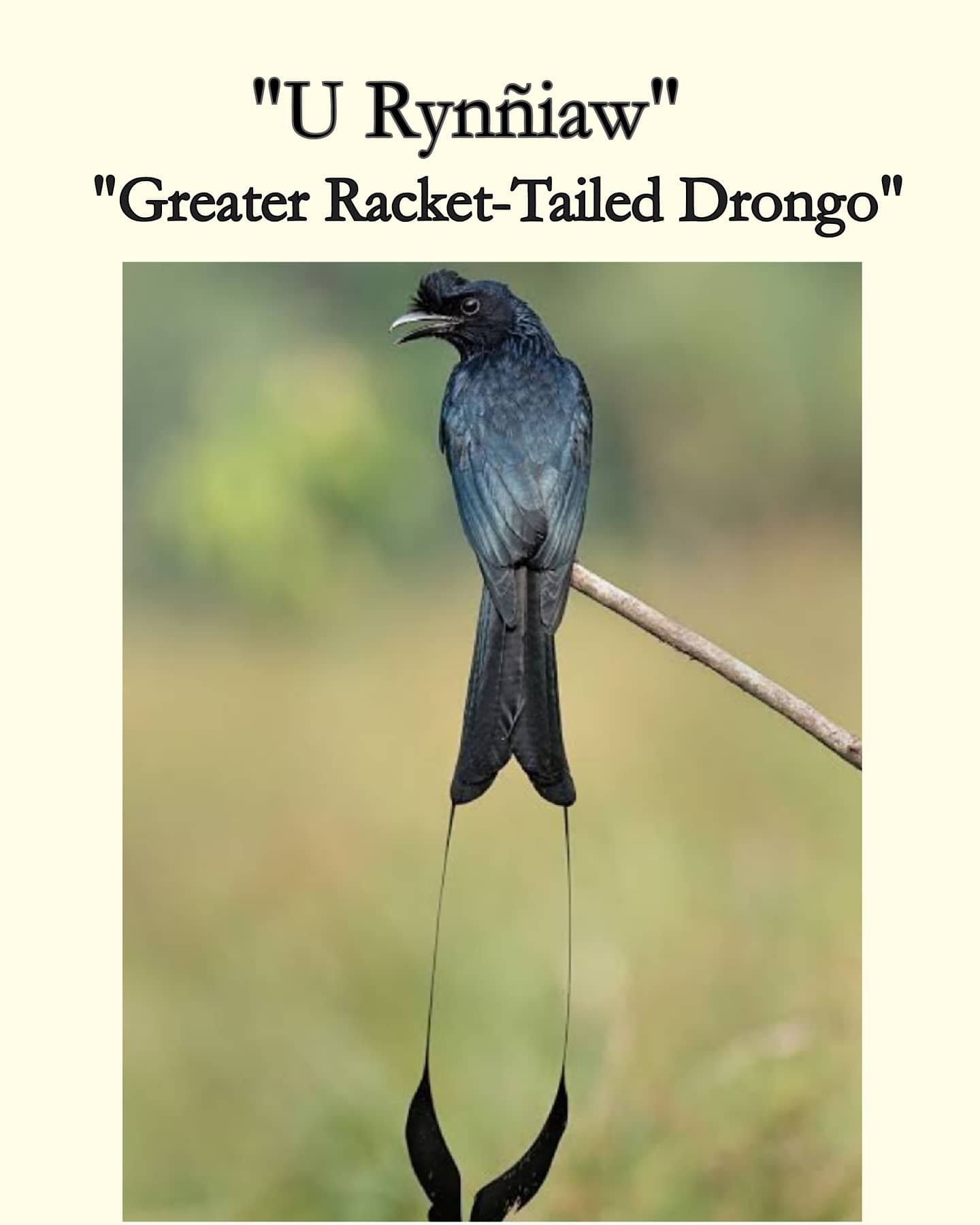
    Ka Sohlyngngem and U Rynñiaw were deeply in love with each other and would meet in the shade of tress in the forest. Ka Sohlyngngem was a beautiful bird who belonged to a poor but hard working family. U Rynñiaw, on the other hand, was the son of a well-privileged family and the "King of the Kingdom of Shade'' (Tales of Darkness and Light by Janet Hujon). The parents of Ka Sohlyngngem did not wish that she marry U Rynñiaw because of the difference in wealth between the families. As the sorrowful end of the story goes when Ka Sohlyngngem tells him, U Rynñiaw is distraught but not wanting to cause pain to her parents, decides to say goodbye and leaves Ka Sohlyngngem. Till today the cries of Ka Sohlyngngem are heard singing of her lost love.

    "Ka Sohlyngngem" da Primrose Gatphoh

    1. Ka Sohlyngngem ka thei bhabriew.

    Ki ong naduh hyndai;

    U sim Rynñiaw ka ri dymmiew,-

    Iap mat-u 'rang kynsai.

    2. Jar-Jar ka trei ka khun ki briew,

    Ba duk ba bylla sngi;

    Ka nang ban thaiñ ban suh syntiew,

    Kam nang ki 'tien lorni.

    3. U sim Rynñiaw, u khun binong,

    Ïa ka bunsien u ruwai :
    Hajan jong u ka brai ban shong;
    Ka sngap, -ka ioh thiah thai.

    4. Ar ngut ki ïaid sha lum sha wah,

    Ki shong hapoh dymmiew;
    Harud ki um sangam dait thah,
    Sha bym ïohsngew ki briew.

    5. Ka 'lei-lapmat ka wiat samrkhie,

    Ki khun mariang bha dur :
    Ha pdeng duriaw jingieit ki kie,
    Ki Paro-blei shi jur.

    6. Ki 'tien-sai-iong, ki 'tien-sai-saw,
    Ar ngut ki teh jutang:

    Ym don u syiem, ym don i mraw,

    Ban sngap ban ap jutang.

    7. Ki kmie ki kpa ka Sohlyngngem,

    Kim mon pynhiar synjat:

    Jingieit jong ka- -ka dom, ka rhem,

    Ka iam, ka khuslai sat.

    8. "Ko Khun" ki ong "Yn lei phin kwah

    Ioh un lehbeiñ lehkhoh

    Namar ma u u khun riewspah,

    Ma phi ka khun ba poh!"

    9. "Hu-hu ka ud ka pait dohnud,

    Namar u Syiem Rynñiaw :

    Ka phet kylleng ka wad ka bud,

    "Hu-hu Hu-hu' ka piaw.

    10. "Ko Ieit,' ka ong, '"dohnud ka pang :

    Eiei, ngam nang pyrkhat:

    I mei i pa, iap-iap ki khang,

    Bad phi ban shong ryngkat.

    11. "Jingieit jong phi ia nga la biang,

    Bad phi nga hun nga suk:

    Im-im ia phi ki ring 'sai syiang:

    Ki mon para ba duk."

    12. "Oh kumta pleng | Nga ruh ngam kwah

    Ynnai, – pynsngewsih lei !

    Hynrei, ko Ieit, ia nga to shah,

    Ngan doh khadduh-Khublei!"

    13. Kumta u piam, u doh, u dait;
    Junom ka iai kynmaw :
    Te, slem u-bat, um lah pyllait;
    Ki ummat ksiar ki jaw.

    14. Te soit u siang la ki sner diar;
    Shapoh lawbah u ruwai :

    "La pait, la pait ka Khuri Ksiar,

    La wai, ko Tiew-Pathai !"

    15. Ka Sohlyngngem ka shoh bieit ngaiñ,

    Shano kan ïashem pat !
    Mano ban sop, mano ban spaiñ:
    Badno kan shong ryngkat !

    16 "Hu-hu!" ka iam, "Hu-hu!" ka ud,

    "Hu-hu!" ka win ka khlaw :

    "Hu-hu!" "Hu-hu!" ka khot pangnud,

    'Hu-hu,! ko Syiem Rynñiaw !'

    17. Ka ngiah ka ruwai, ka shad, ka kmen,
    Ka keiñ ka put ka tem :
    Ha 'Iaw sangam ka shong rieh tngen :
    Ka ud, -ka pang shadem!

    18. Ka Thei-Iap-Saw ka khuslai sat,
    Ha thwei sangam ka miet ;
    La khap ka khmat, ka dem pyrkhat,-
    Ka Khuri Ksiar Jingieit !

    "Ka Sohlyngngem bad u Rynñiaw" is a story marked by love, sorrow, loss and absence. 🖤🤍🖤🤍

    🟡 As stated in Tales of Darkness and Light (2018) by Janet Hujon, Ka Sohlyngngem is the Ashy Wood Pigeon and U Rynñiaw is the Greater Racket-Tailed Drongo.

    🟡 The Khasi poem "Ka Sohlyngngem" is written by Primrose Gatphoh in his book Sawdong Ka Lyngwiar Dpei (1977).

    🟡 Pictures 2 and 3: Google
  • Ko Pyrthei Shongbasa da i Vianney B. Nongrum

    Ko pyrthei shongbasa,

    ngam bynnud iapha.

    Ki riewshetkylla, ki

    riewharam, ki riew khwan

    lalot suda, nga lah i

    ngiah shisha.

    Sa tang ka jingpihuiñ,

    sa tang ka jingbishni,

    shisha la dap da ka jingijli.

    Mynsiem isynei,

    mynsiem ia tiplem,

    lah tyllep khlem

    jingsngewrem.

    Ah, ko jingim ioh pha ong

    ba nga bynnud ia ka pyrthei;

    Em hynrei nga puson ia

    kaei ba nga pynsepei.

    Ban ngan da ioh ban kheit

    ia kiei kiei ba nga lah duh;

    ngan Jin da kmen da jingsahuh.

    -Vianney B. Nongrum

    Original Khasi poem "Ko Pyrthei Shongbasa" by @vi.vianney_nongrum_b 😄😄😄 Thank you for this thought provoking poem!

    The poem talks about the world as a temporary home. How betrayal, ingratitude and selfishness has marred human existence. Compassion and conscience have disappeared. She says to life that she thinks about what is lost; if only she could get them back how happy she would be.

  • U Sier Lapalang by Janice Pariat

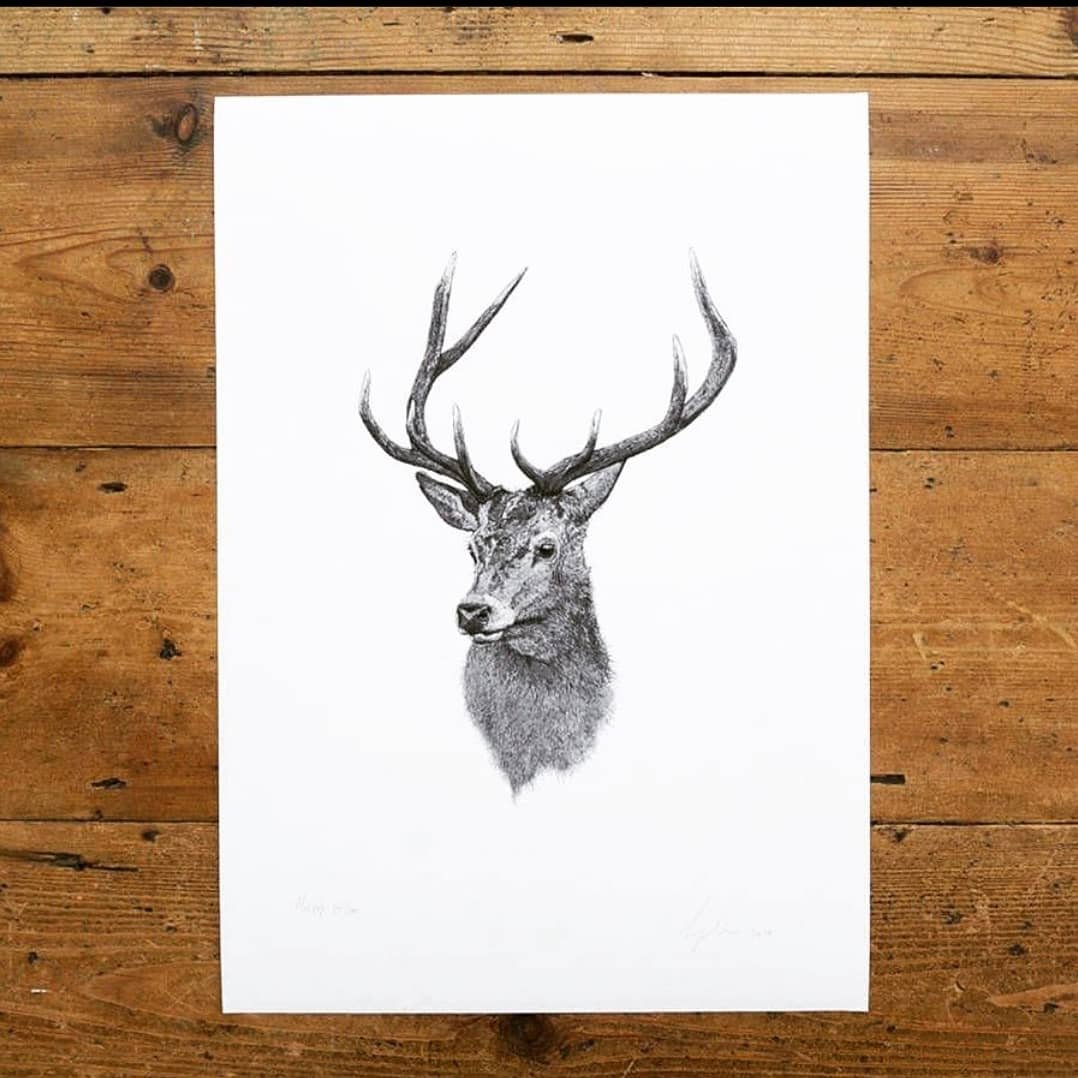
    Shall I tell you the story of Sier Lapalang? As with every folktale, there are many versions. My nanny's would be brief – "the young stag didn't listen to his mother and see what happened to him?" While others are infinitely more detailed.

    At the foothills of Ri Khasi lived Sier Lapalang, noblest animal of his race, pride of his mother's heart. He grew up protected, loved, his every whim indulged, until one day he began to grow weary of the plains, and his mother's constant counsel. He wished to explore the hills, and find there his favourite delicacies. Despite all warning, of hunters and fierce warriors, Sier Lapalang left.

    At first, all went well. He wandered deep into the strange country, relishing the cool climate, the floral treats, until one day he stood in all his glory on the slope of Shyllong Peak, at the heart of Ri Khasi.

    His dallying caught the attention of cowherds grazing their cattle nearby. A stag, a stag! they called. Soon a hunt commenced, and though Sier Lapalang was swift and strong and fled from hill to hill, there were too many hunters in pursuit. He began to tire, and slowed and stopped; then an arrow-or a thousand-pierced his chest. He was strung up, amidst triumphant cries, and taken homewards with much rejoicing.

    The story could end here, but it doesn't.

    The mother, ill with worry, leaves her home for the land of her enemies, roaming the hills, looking for her son, until she comes upon the hunting party, cheering their kill. She recognises her Sier Lapalang. And begins a lamentation so sorrowful that the world falls silent. Women swoon from the pain, men bow their heads in anguish. Not a hand is raised against her, not an arrow shot in her direction.

    The crowd of hunters stare mutely. They'd never heard such protestations of devotion and love. Their own manner of mourning for their dead was now without meaning. It is said, from her, the Khasis learned how to grieve.

    A profound and poignant retelling of the Khasi folktale "U Sier Lapalang" from poet and novelist @janicepariat ! Thank you so much Ma'am for your entry and for your interest in the page! 🙏🙏🙏

    Janice Pariat is an Indian poet and writer. She was born in Assam and grew up in Shillong, Meghalya. "Boats on Land" (Random House India, 2012) her debut collection of short stories, won the 2013 Sahitya Akademi Young Writer Award for the English language and the 2013 Crossword Book Award for fiction. Pariat is the first writer from Meghalaya to receive an award from the Sahitya Akademi for a work in English.

    Picture credit: @brillustrations

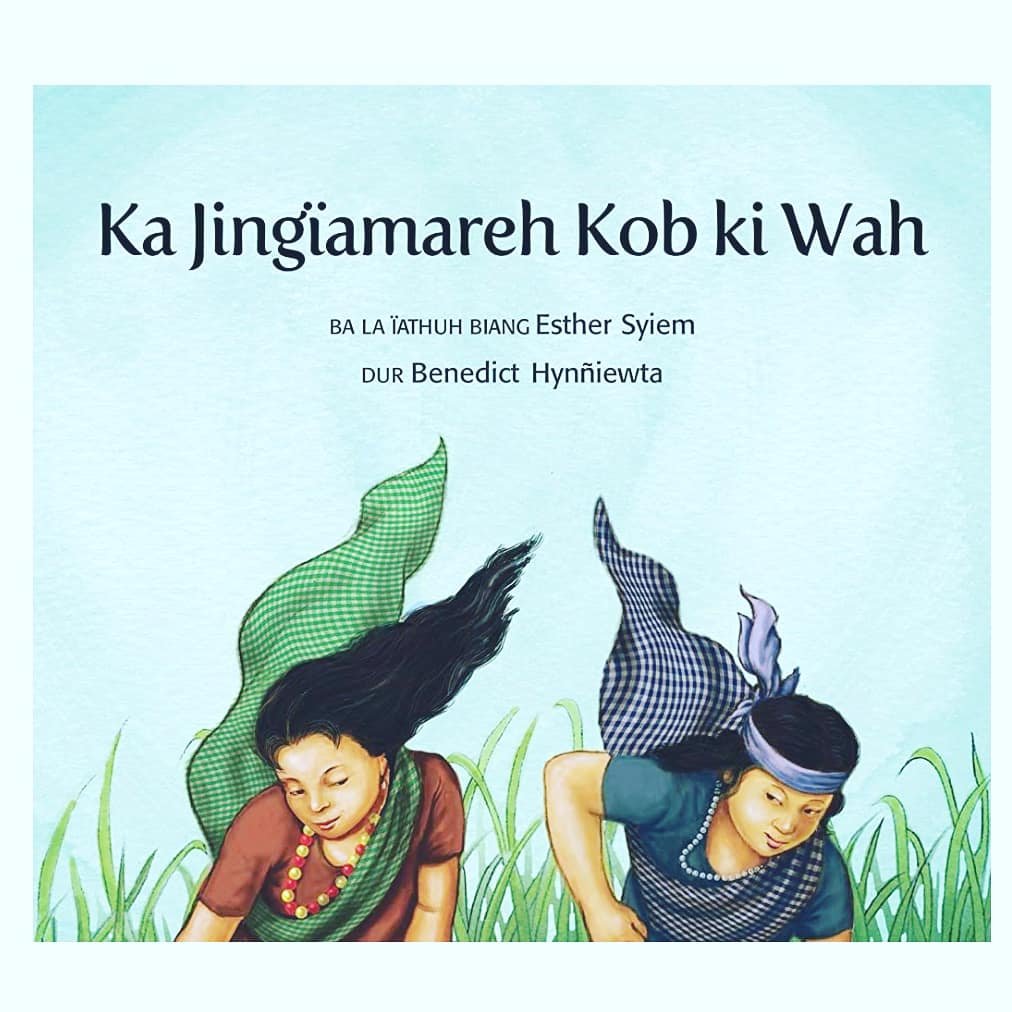
  • Ka Jingïamareh Kob ki Wah da Esther Syiem

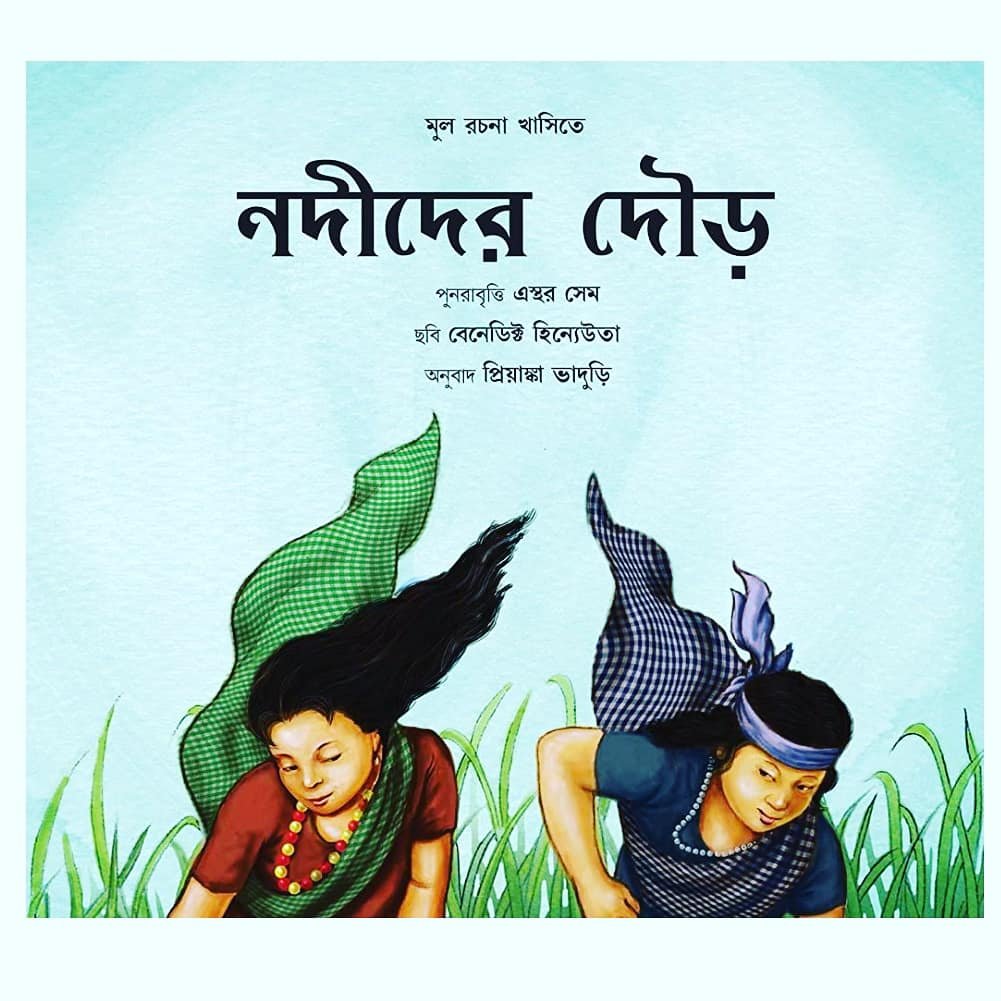
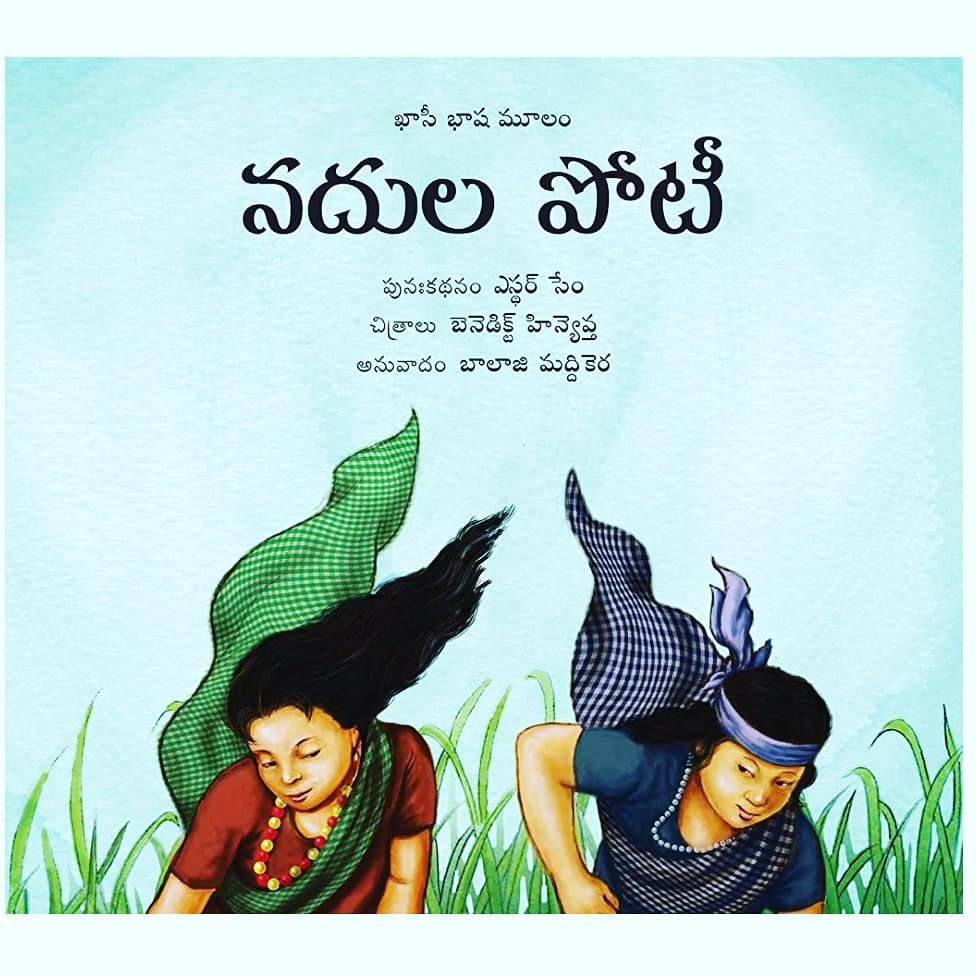
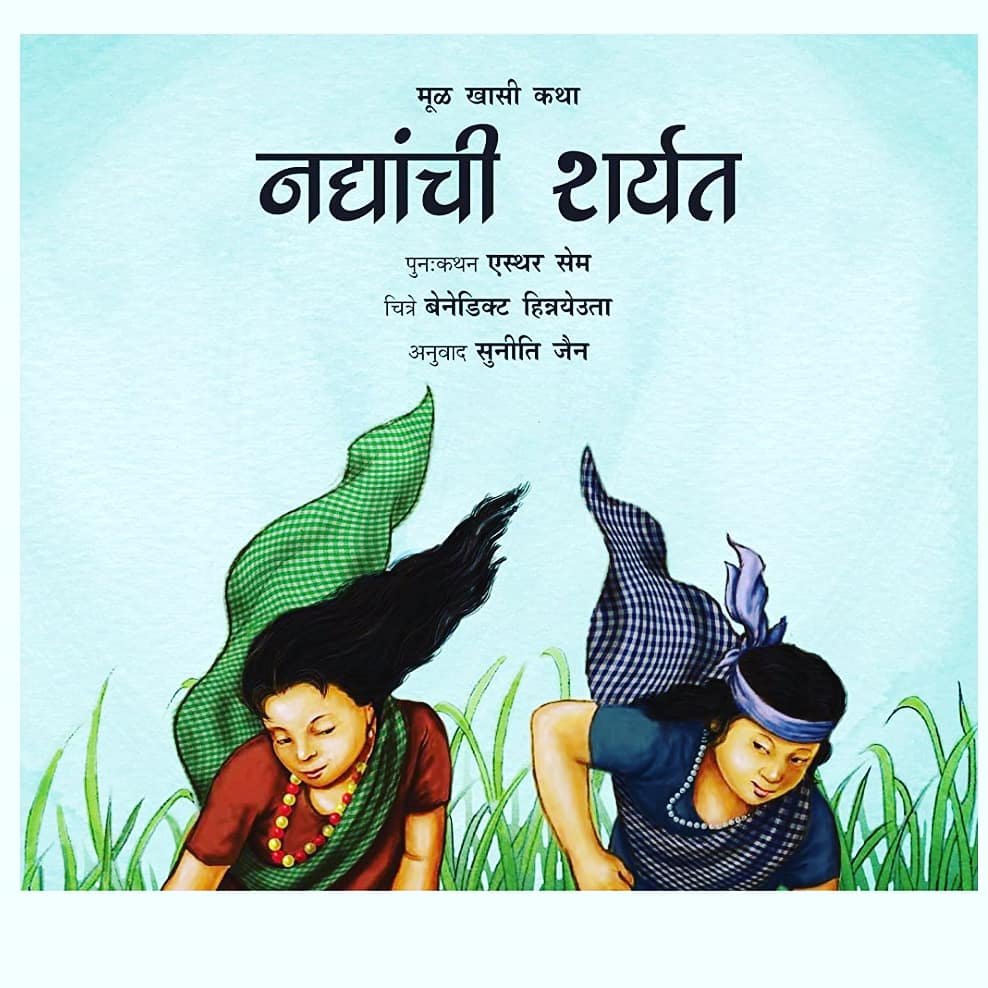
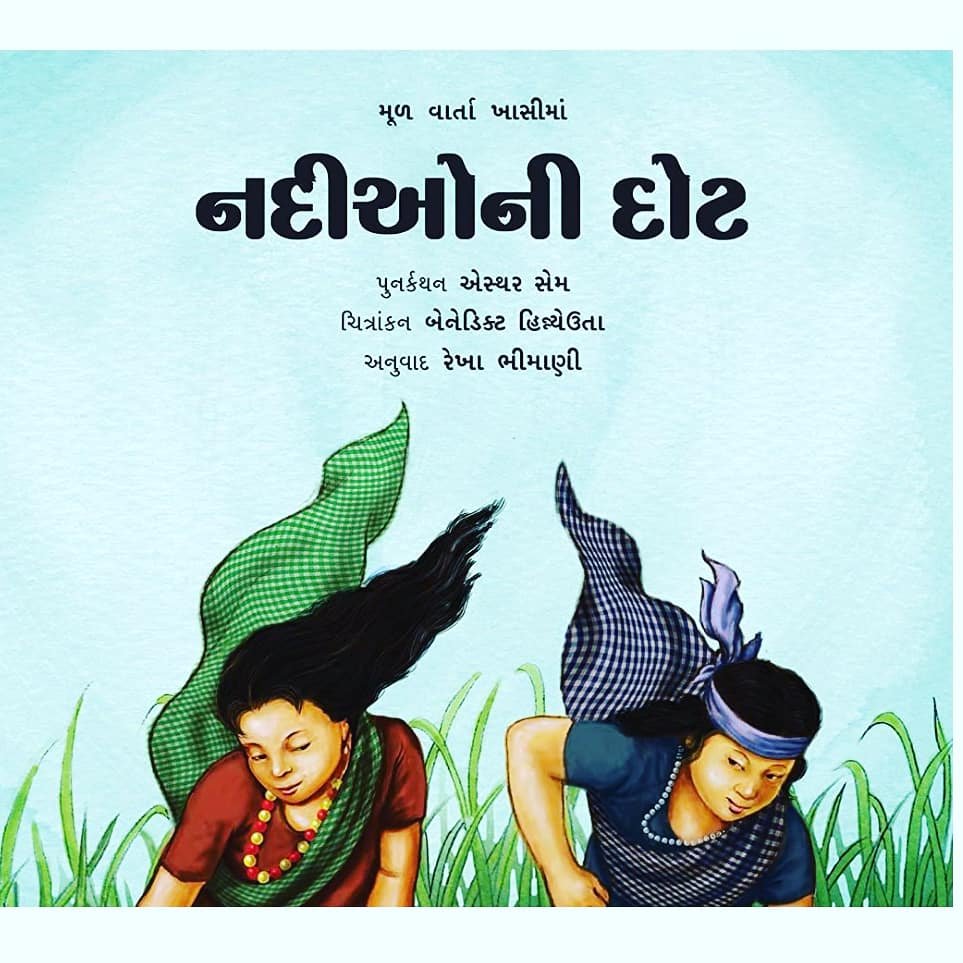
    Ka Jingïamareh Kob ki Wah , ba la ïathuh da Esther Syiem, Dur: Benedict Hynñiewta

    Ka Ïew bad ka Ngot ki ju sngewtynnad ban ïalehkai ha u lum hajrong. Ha kawel ka sngi, ka Ïew kaba kham shlur, ka la peit ïa ka jingshat ka sngi ha ki them shajngai bah bad ka la khot ïa ka Ngot, ka para kaba ju sngewtynnad ban shong mutdur, pyrkhat marwei, sha ka jingïakob mareh. Ha ka shi khyllipmat ka Ïew ka la kylla sha ka wah kaba kynthih ïa ki lum ki wah ban poi kloi shathie. Ka Ngot kam banse shuh ban bud lang… Mano ban jop?

    La ïathuh ïa kane ka khana pateng da ka nongthoh bad u artis, kiba ïoh mynsiem na ka mariang kaba dap da kiei kiei kiba jyrngam bad ba itynnad ha Meghalaya. Kane ka khana ka sngewban bang ïathuh ïa ki jnit ki jnat jong ka jingïamareh kob, katba ki jingdro pat ki tbeh sha kata ka jingïamareh na ki lum sha ki them.

    Ka Jingïamareh Kob ki Wah sien shon banygngkong eh ha ka ktien Khasi ïa kum kane ka kot dur.

    Ka nongthoh, Esther Syiem, ka hikai English Literature ha ka skulbah North-Eastern Hill University, Shillong. La palat shiphew snem eiei ba kane ka nongthoh ka la pyrshang ban wad bad plait bha ïa ki khana pynriewspah jaitbynriew jong ki Khasi. Ka dei ka nongthoh kaba thoh lang ha ka Khasi bad ka Phareng, ka nongthoh poitri kaba pawnam. Ka la pynmih ar tylli ki kitab poitri, ka drama Khasi, ka kot shaphang kine ki khana bad kiwei de ki ese.

    U Benedict Hynñiewta u dei u artis uba la pass na Visva Bharati University, Santiniketan, West Bengal. Ïa ki dur jong u, la lah pyni ha ki exhibition ha Ri India baroh kawei. U sngewtynnad ban put bisli bad u don bynta ruh bad ka folk fusion music group.

    .

    .

    .

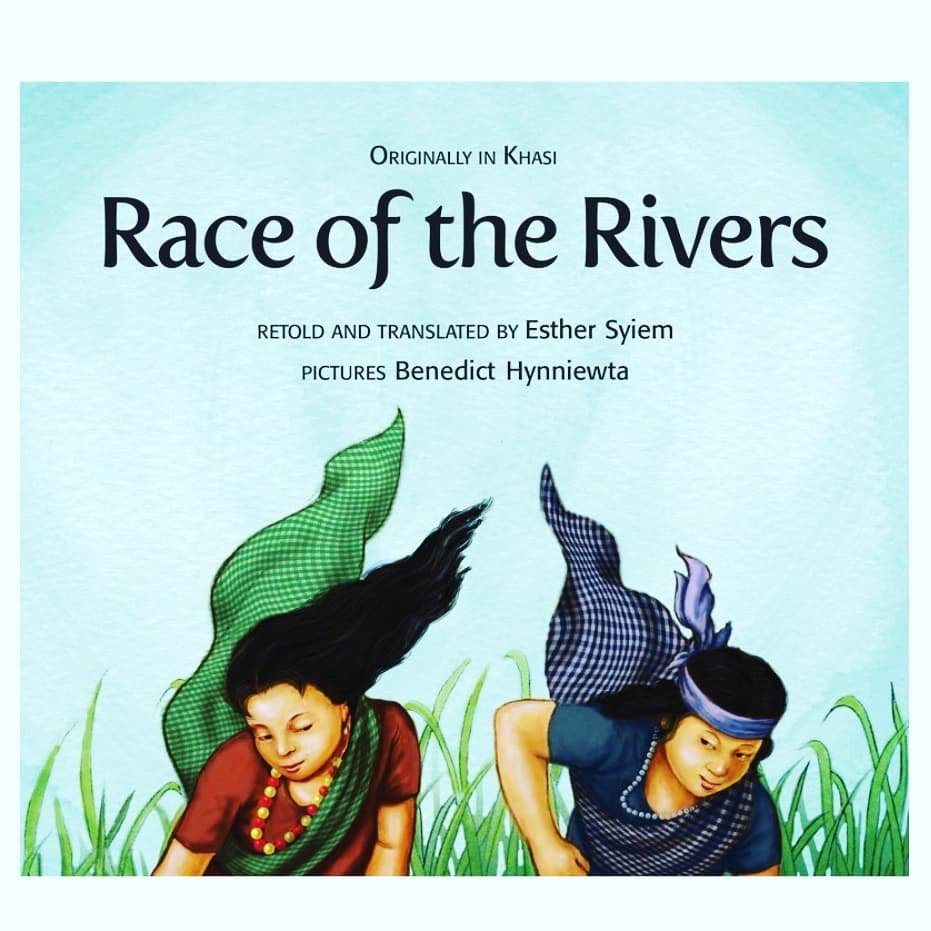
    Originally in Khasi Race of the Rivers, Retold and Translated by Esther Syiem, Pictures: Benedict Hynniewta

    Ka Ïew and Ka Ngot love to play on the hilltop. One day, the adventurous Ka Ïew looks at the sun shining down on the distant, sun drenched plains and challenges her quiet sister to a race. In a flash Ka Ïew becomes a river, ready to rush downhill, and Ka Ngot has no choice but to join her… Who will reach first?

    This well known Khasi folktale is brought to life by a writer and an artist, both intimately connected to and inspired by Meghalaya's varied, lush landscape. The evocative text delights in detail, while luminous illustrations flow alongside, taking the reader on a mood-filled journey from the hills to the plains.

    Race of the Rivers has also been published by Tulika in Khasi, in which it was originally written. It is the first ever picture book for children in that language.

    Writer Esther Syiem teaches English Literature at the North Eastern Hill University, Shillong. She has been involved in the study of Khasi folk literature for more than a decade now. A bilingual writer and established poet, some of her publications include two collections of poetry, Oral Scriptings and Of Wit and Wisdom of Follies and Frailties, and a play in Khasi, Ka Nam.

    Artist Benedict Hynniewta is an alumnus of Visva Bharati University, Santiniketan, West Bengal. Benedict's art has been displayed in exhibitions across India. Currently, he teaches painting in North-Eastern Hill University, Shillong. He loves to play the bamboo flute and is also part of a folk fusion music group.

    Ka Jingïamareh Kob ki Wah the Khasi folktale of the rivers Umngot and Umiew, retold and translated into English by Dr. Esther Syiem and illustrated by @benedictskhemlang

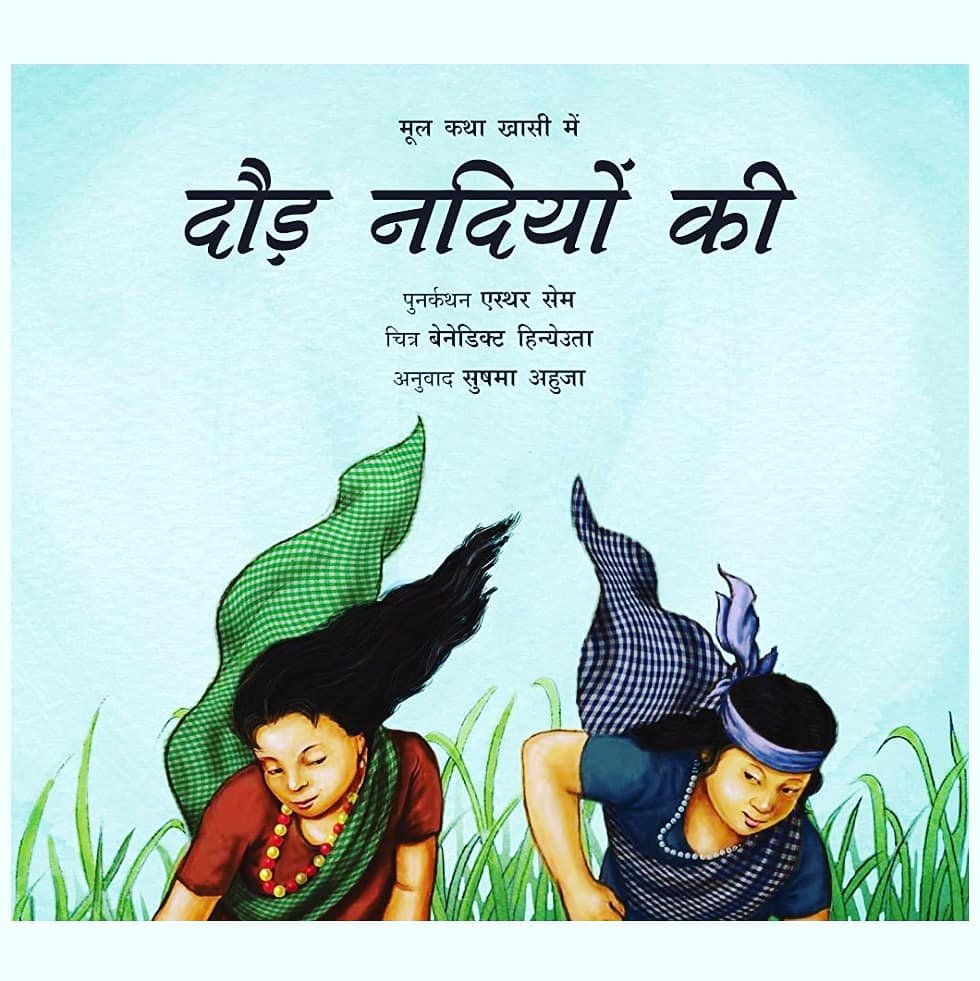
    This book has been translated into different Indian languages including Hindi, Bengali, Tamil, Gujarati and Marathi. It is a perfect book for children! 🌻🌻🌻

    Both Dr. Esther Syiem and Benedict Skhemlang Hynñiewta teach in North-Eastern Hill University, Shillong, Meghalaya.

    The book is available at tulikabooks.com and amazon.in

  • “Mawbynna” by Esther Syiem

    You appear

    to have withstood

    time’s duress

    as you watch

    over a world

    of plastic clutter.

    Your sense of time

    is forbidding,

    but you keep intact

    our self respect.

    You have shut yourself

    in an aura

    that is yours alone.

    Your changelessness

    in flux

    is the only surety

    against the inquisition

    that assails you.

    You are the keeper

    of our past.

    Vertical guardians

    overseeing horizontal quiet –

    wayside offerings,

    arrested in a moment,

    away from passing history.

    Your commodity

    is your soul

    held still, in the

    imbroglio of time,

    as you provide

    shelter and rest

    for wayfarers,

    drawn by your etchings

    in their souls.

    This poem appears in Oral Scriptings: Poems by Esther Syiem (2005) published by Writers Workshop, Kolkata. Dr. Esther Syiem is a Professor in the Department of English, North-Eastern Hill University, Shillong.