Tag: meghalaya

  • Ki Puriskam ne ki Khanatang?

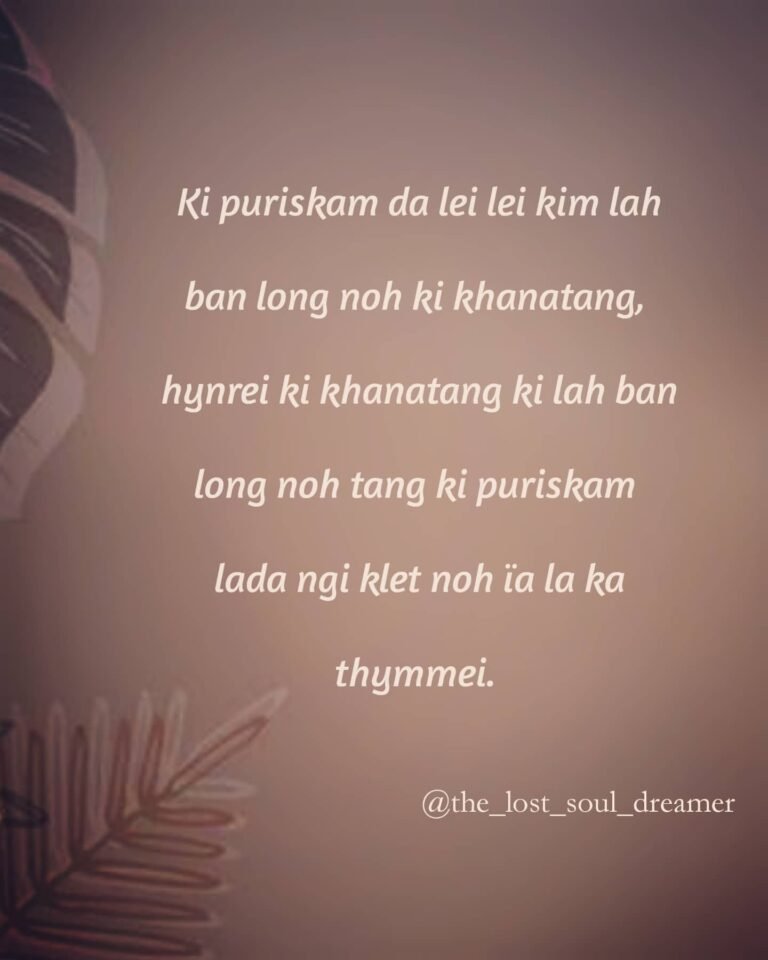
    Ki Puriskam da lei lei kim lah ban long noh ki

    Khanatang, hynrei ki Khanatang Ki lah ban long noh

    tang ki Puriskam lada ngi klet noh ia la ka thymmei.

    A fable will never be able to take on

    the character of a myth,

    but a myth may be reduced to only a fable

    if we forget the source of our being.

    Ki Puriskam ne ki Khanatang? A fable or a folktale? Maybe both have something to teach us 💚💚💚💚 Thank you @__khatduh__03 ! Thank you @the_lost_soul_dreamer for these words of wisdom! ✨✨✨

    A myth, a folktale, a legend or a fable all have important lessons to teach us.

  • U Slap

    U slap haba u hap ha sla khyndew u hap syngngeit bad hap lynsher. Ha ki jaka bym don phlang ne kino kino ki jynthung, u slap u don ka bor kaba khlaiñ ban ksam bad pynmong ïa ka khyndew. Mar ïa slap ki symboh khyndew ne shyiap ki shah kynting kumba Iai haduh san inshi na sla khyndew shalor bad shah bret sharud na ka jaka ba kine ki symboh ki don mynshuwa. La ïoh jingkheiñ da ki riewstad ba u lapbah u lah ban pynkynriah jaka ïa ki symboh khyndew symboh shyiap haduh shispah ton ha ka shi akar ha ka shikynta.

    When rain falls on the earth it falls in a forceful beating or grinding motion. In a place with no grass or plants, rain has the strong power to punch through and pound the soil. The instant it rains, soil or sand are thrown up about three to five inches from the ground and then they fall on a different place from where they were. Scientists have discovered that heavy rain can move 100 tons of soil from one acre in one hour.

    Haba u slap u hap halor ka khyndew bym don jynthung ki symboh khyndew symboh shyiap bani bin bin ki set noh ïa ki thliew ki syar (pores) jong ka syrtap khyndew syrtap maw. Ka umslap ba bun ka tuid noh wut tang nalor sla khyndew bad tang khyndiat eh ka ngam shapoh ñiamra. Ïa kane ka jingtuid umslap nalor ki jaka bym don ne duna jynthung la khot "ka tuid wut" (run off) katba ïa ka jingtuid umslap ha sla khyndew ha baroh ki jaka ba don khlaw ne bym don khlaw la khot "ka tuid lor" (overland flow).

    Kane ka tuid wut bad tuid lor jong ka umslap ki long ki bor bashyrkhei ban khrud bad pynkhoi ïa ka sla khyndew.

    When rain falls on a place that is empty of plants, the fine soil or sand that is moved by the rain covers and blocks the pores of the earth and of rocks. Most of the rain water flows quickly over the ground and only a little seeps through into the earth. This flow of rain water in a place where there is less or no vegetation is called run off, while the rain water that flows in a forested area or a non-forested area is called overland flow.

    Run off and overland flow of rain water are dangerous forces which scrub and erode the top soil.

    U slap bad ka rukom hap jong u…Sngewtynnat ban pule ïa kane ka jingthoh ha ka kot i Dr. Dondor Giri Nongkhlaw. 🌦️🌧️

    Rain and the way it falls…It is always a good idea to read books written by Dr. Dondor Giri Nongkhlaw. 🌦️🌧️

    Dr. Dondor Giri Nongkhlaw is a Geomorphologist who has written several Khasi books focussing on the elements of the environment and their bond with Khasi life and culture.

    🟡 English translation by @speakyourroots

  • Ka shnong Rangjyrteh

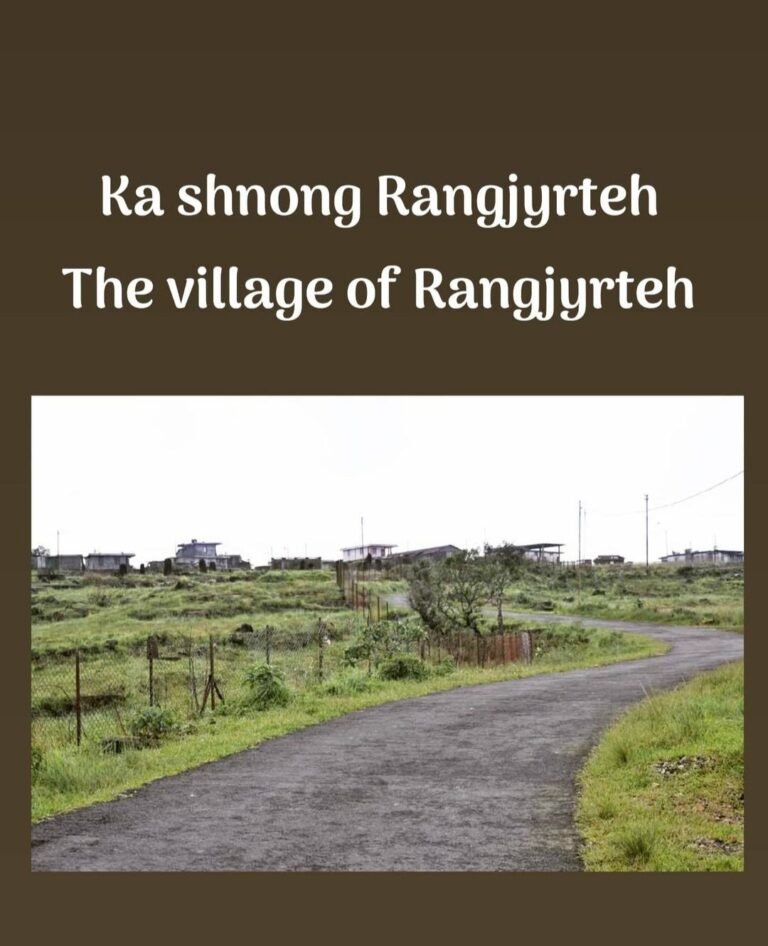
    Ka shnong Rangjyrteh

    The village of Rangjyrteh

    In the bygone days, Rangiyrteh was a thriving village known for its mastery of iron smelting across the region, but now it is left abandoned in ruins and mostly only ever referred to in old Khasi folklores. Rangiyrteh is said to be the village where the woman named 'Ka Likai' hailed from. According to folklore, after a gruesome and devastating tragedy befell her, Ka Likai ran to the edge of a cliff and threw herself towards a waterfall to her death. The waterfall was then named 'The Fall of Ka Likai' or more popularly, the 'Nohkalikai Falls' According to oral tradition, Rangjyrteh was a prosperous place during that time and people lived mainly by the trade of iron smelting. The transaction of the iron products was between the local villagers and the people of Sylhet (now in Bangladesh). It is regarded as one of the oldest villages in the Khasi and Jaintia Hills and no one really knows when this village came into being but it has achieved its prominent place in Khasi imagination.

    (Taken from: https://www.google.com/amp/s/www.tripoto.com /trip/trip-to-rangiyrteh-lost-civilization -mawsawa-falls-dainthlen-falls-cherrapunjee -sohra-meghalaya-5f575ca82f851.amp)

    …just seven kilometers away from proper Sohra on the western side, lies an extinct ancient settlement, a place rarely appearing in Khasi literature but which has many historical and mythological events associated with significance and direct references to various aspects of Khasi culture and society. Believed to be the ancient industrial centre for iron smelting, people also adopted orange cultivation as a major activity. Located exactly opposite to Dainthlen Falls, this ancient settlement is known as 'Rangiyrteh' an indigenous name which currently falls within the jurisdiction of Laitduh village under Sohra Syiemship. But before the formation of Hima Sohra, Rangjyrteh was very much part and parcel of the then Hima Khathynriew Shnong (a conglomerate of several villages on the slope where the Umiam Mawphlang river flows). But as far as the historical aspects of 'Rangiyrteh' are concerned, it can be construed as the centre for forging iron which lasted till the 17th century. From the remains it shows that there was a generation of industrialized communities a long time ago in these hills. But the reason for the collapse of this indigenous ancient industry as was narrated by older people was primarily the incapability to compete with the products coming from then East Bengal under the British. Iron smelting was the main trade and activity of this place. Besides, the famous Nohkalikai Falls too has derived its name from the person of this hamlet (Rangiyrteh). Considering the plurality of history associated with 'Rangjyrteh', I wonder if it could ever be included in the list of heritage sites presented to UNESCO for possible funding. The factuality and merit of the place defines it and it deserves to be treated as a priority as far as preservation of evidence associated with our ancient socioeconomic system is concerned. The present and future generations should become aware of all these things. Therefore, when we have something as clear evidence connected with our past generation, we should attempt to explore and unearth the mysteries associated with our own origin..As far as Rangjyrteh is concerned, including the culture and activities that existed there long time ago, we should be proud of it as a community and this particular spot on this region belongs not only to a particular Hima or Raid or Village but to the entire Khasi community.

    (Taken from: https://theshillongtimes.com/2017/08/07 /rangiyrteh-a-forgotten-heritage-site-of-sohra/ (Written by Aristotle Lyngdoh) )

    It is a place with historical treasures and ethnic beauty that can still be witnessed today. Monoliths of different forms, tall and short and each having its own meaning, talk of a civilization's past. Under these monoliths are bronze or earthen pots with ashes of our ancestors; there are a few silver shells too. The place is characterized by some form of marking around each area surrounded by well-constructed rocks. The stone foundation used to cremate the dead and the place where they used to hold meetings or the 'dorbar' are visible too. There is also a belief that this village was once fortified with well-constructed walls made from iron and rocks. The people used a gateway called 'Ka Khyrdop' to go in and out of the village for trade or other purposes. There is also a belief that a battle between Rangiyrteh and a nearby village had taken place. The battle claimed the life of the Doloi or headman, and the place where he died is known as Ka Pom-Doloi. The monoliths on the spot are in remembrance of those who fought in that battle. It was in this village that the finest iron was made. We can still see rocks shaped like a basin where water was kept to cool the iron after melting. These irons were exported to Bangladesh, earlier known as Shilot. The people used to trek down to sell these irons, the pathways still noticeable from Rangiyrteh through Dainthlen, Mawpun and on to Nohkalikai Falls connecting Mawmluh village and finally to the plains of Bangladesh.

    (Taken from: https://thenortheasttoday.com/oped/the-lost -civilization/cid2550931.htm (Written by Shynna Lyngdoh Mawphlang) )

    Rangjyrteh is a village that many of us might not have heard of. There are many historical and folkloristic associations that the village holds. 🏞️🪨🌲
    If you know more please tell us!

    All photos are from https://www.google.com/amp/s/www.tripoto.com/trip/trip-to-rangjyrteh-lost-civilization-mawsawa-falls-dainthlen-falls-cherrapunjee-sohra-meghalaya-5f575ca82f851.amp

  • Red tea in Laitlum

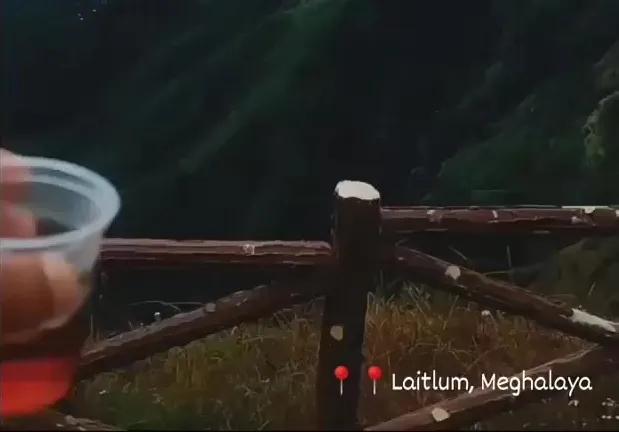
    Wow! This is so captivating 🤩🤩 and that cup of red tea is the perfect accompaniment to the view! 🌲🏞️🌄 The location is Laitlum, Meghalaya.

    Khublei Shibun @dapp_theguyfromthehills sa ïa kawei ka post kaba itynnat! 🙏🙏

  • Ka Rangkylliaw

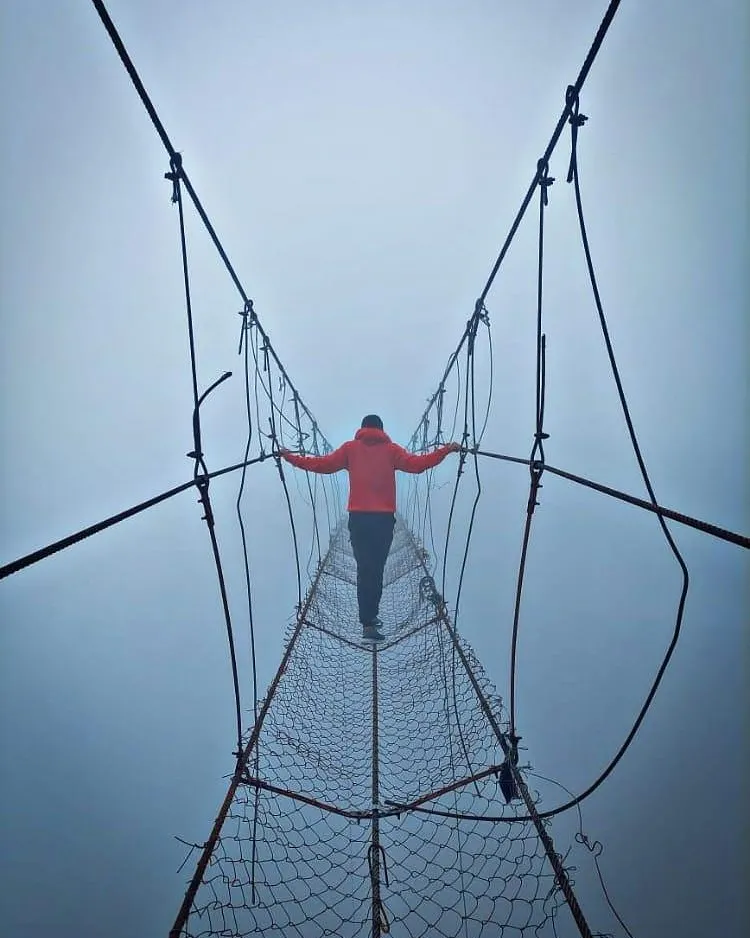
    Look at this beautiful moment when the mist transforms what we see and know 🤩🤩🤩💚💚💚 Thank you @dapp_theguyfromthehills for sending another series of enchanting pictures!

    He says: "Ïa kane ka jaka ki ong Rangkylliaw. Ka hap ha ka shnong Mawrah bad ïa kane ka jingkieng la shna da ki nong Mawrah. Ka Mawrah ka don ha ka Khatarshnong–Laitkroh Block, East Khasi Hills District, Meghalaya."

    This place is called Rangkylliaw. It falls in the village of Mawrah and the bridge has been built by the people of Mawrah. Mawrah village is located in Khatarshnong-Laitkroh Block, East Khasi Hills District, Meghalaya. Mawrah is situated 8 km away from Khatarshnong-Laitkroh and 32 km away from Shillong.

  • Nongwar village

    These pictures of Nongwar village have been sent by @dapp_theguyfromthehills 😀😀😀🌄🌄 Thank you for sending your beautiful pictures!

    Before we travel the world, let's travel our own homeland!

    @dapp_theguyfromthehills says "Nongwar is situated 18 kilometres from the Sub-district headquarter of Shella Bholaganj. The village has a population of 750 people and about 301 houses. Nongwar is surrounded by hills on three sides. The hills of Mawsynram and Nongtrai and the plains of Bangladesh can clearly be seen from the village."

  • Janor

    The Khasi word "Janor" means the mind and its reasoning power. In colloquial conversation it may refer to the brain. The actual word for brain is "Jabieng".

    Covid times conversation: a guy was frustrated trying to explain vaccination and said: "Uuuuu, ka janor ba kot tang shi peris! Ba lah ong ruh sa katno ban ong biang, ban iada ialade, ka iada ia kiwei ruh!”

    Rough translation: "Uuuuu, a brain that has the depth of a saucer! I've said that it will protect you and it will protect others too!”

    "Janor" sent by @longnamkharpuri 😂😂😂 The "Janor" is inside the "Maloi" and so is the "Jabieng". Thank you for bringing this up in the "Maloi" comments! 💀💀💀

    Loving the analogy between the mind and the saucer! 🤣🤣

  • Thomas Jones Day

    Reverend Thomas Jones kum kpa ki dak thoh khasi,

    Dak a, b, k, d ba ngi nang dei ba

    phi hikai ïa ngi.

    -Daohi Manar

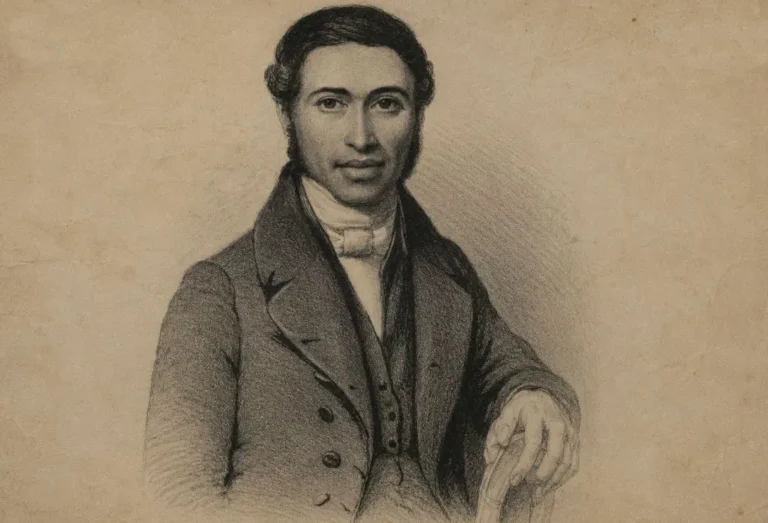
    The 22nd of June, the day that marks the arrival of Thomas Jones in Sohra is commemorated as Thomas Jones Day in Meghalaya. Thank you @xdtnoahjupejackllthmanar for sending this!

    Thomas Jones was a Welsh Christian missionary, who worked among the Khasi people of Meghalaya and Assam in India and of Bangladesh. He recorded the Khasi language in Roman script and the inscription on his gravestone calls him "The founding father of the Khasi Alphabet and literature".

  • Layers of History: Essays on the Khasi-Jaintias by David R. Syiemlieh

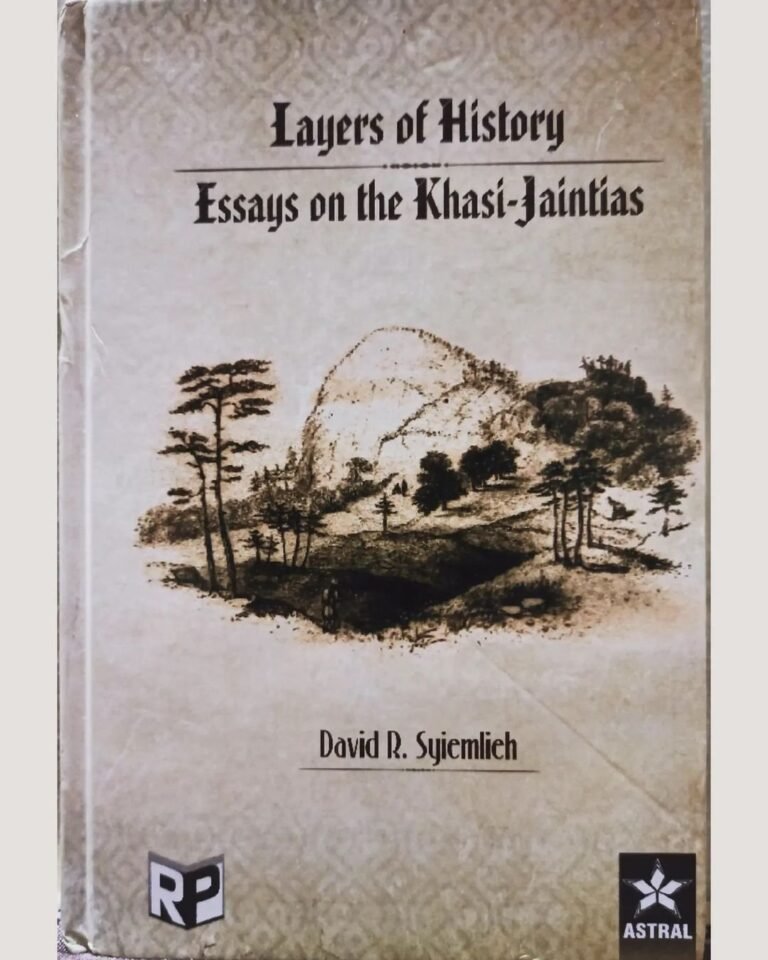
    Layers of History: Essays on the Khasis-Jaiñtias (2015) by David R. Syiemlieh.

    David R. Syiemlieh is a retired Professor of History from North-Eastern Hill University, Shillong, Meghalaya. He has also served as the Chairman of the Union Public Service Commission of India.

    The seventeen essays in this collection relate to the Khasi-Jaiñtias of Meghalaya in North-East India and cover a time span from their pre-colonial past, through the colonial era and into more contemporary times.

    The book is published by Regency Publications and is available on amazon.in

  • Phok

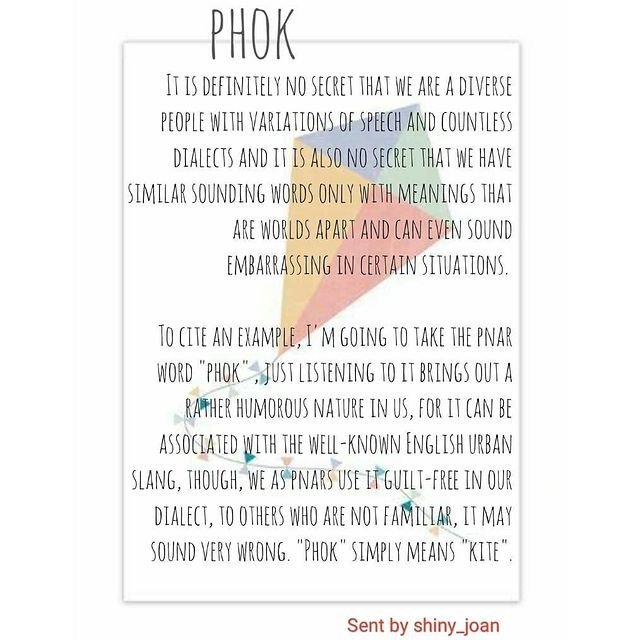
    It is definitely no secret that we are a diverse people with variations of speech and countless dialects and it is also no secret that we have similar sounding words only with meanings that are worlds apart and can even sound embarrassing in certain situations. To cite an example, I’m going to take the pnar word "Phok". Just listening to it brings out a rather humorous nature in us, for it can be associated with the well-known English urban slang, though, we as Pnars use it guilt-free in our dialect, to others who are not familiar, it may sound very wrong. '"Phok" simply means "kite”.

    The word "Phok" in the Pnar language means "Kite". Thank you @shiny_joan for sending this! 😄😄