Tag: talklocal

  • Lehraiñ uba peit ïa uba eit!

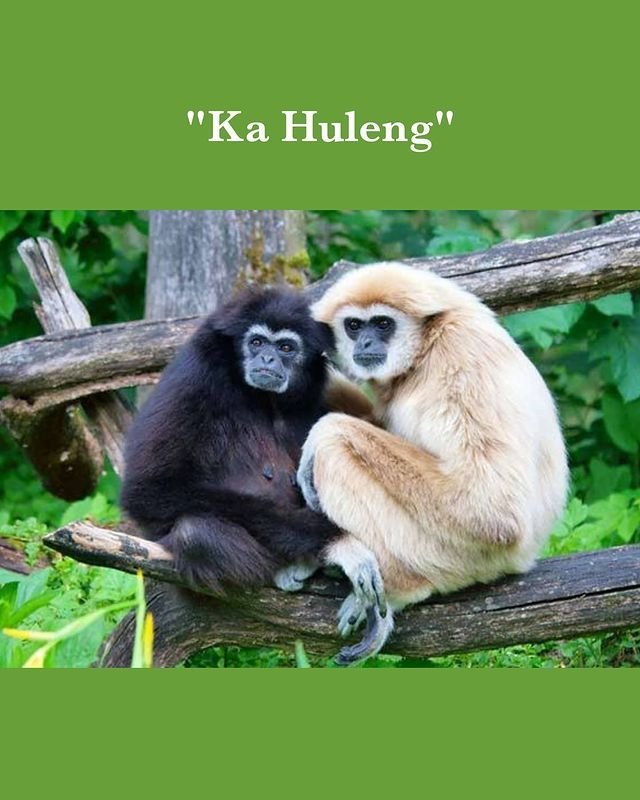
    Kane ka jingong ka thew ïa kano kano ka kam kabym i dei satia ban leh, kaba sngew lehraiñ, kaba i jli ban peit ne kaba lah palat ïa u pud. Ka lah ban long ruh ha ki khep ba la kren ïa ki ktien ki bym dei.

    Ïa ki nongpeit ne nongsngap kane ka wanrah ïa ka jingjahburom ne ka jingbudnam ïa uta u briew. Tangba une u briew u leh beit khlem ka jingsngew mynraiñ na ka bynta ïalade bad kam don ka jingsyier ha ka jingïatiplem jong u ruh.

    This Khasi phrase literally translates into the shame and embarrassment felt by the onlooker instead of the one defecating, when he sees this happening 😅😅😆😆

    Symbolically, the phrase describes the shame, embarrassment or disgust that arises in onlookers, from something wrong that should not be done, from something that crosses a limit or upon hearing inappropriate words that should not be said.

    This situation brings dishonour or questions the integrity of a person. However, the person committing the act is least bothered and feels no prick of his conscience.

    "Lehraiñ uba peit ïa uba eit" is an apt Khasi equivalent to those face palm moments that will not end!! 😆😆😂😂

    This is one of those phrases that defy translation, whose sense will only be understood if expressed in the indigenous language 🤌🤌🤌

    Sngew met da ka ktien la jong hi! 😄😄

    🟡 Khasi and English explication by @speakyourroots

  • Ka Um Bad Ki Deiriti haka Meirisawkun, Part 2

    Ki kyntien na Ka Um Bad Ki Deiriti ha ka Meirisawkun (2008) ba thoh da i Dr. Dondor Giri Nongkhlaw.

    Words from Ka Um Bad Ki Deiriti ha ka Meirisawkun (Water and Culture In The Environment) (2008) by Dr. Dondor Giri Nongkhlaw.

    Desert – Ri Shriaw

    Condensation – Saiñ umtli

    Chlorophyll – Bseng jyrngam

    Water table – Thar shong um

    Run off – Tuid wut

    Watershed – Domphiahslap

    Precipitation – Hap brum

    Here is the second list of unique words from the book Ka Um Bad Ki Deiriti ha ka Meirisawkun by Dr. Dondor Giri Nongkhlaw. 🌊🌊🌀🌀

    Dr. Dondor Giri Nongkhlaw is a Geomorphologist who has written several Khasi books focussing on the elements of the environment and their bond with Khasi life and culture.

  • “Ka Um Bad Ki Deiriti ha ka Meirisawkun” by Dr. Dondor Giri Nongkhlaw (2008)

    Ki kyntien na Ka Um Bad Ki Deiriti ha ka Meirisawkun (2008) ba thoh da i Dr. Dondor Giri Nongkhlaw.

    Words from Ka Um Bad Ki Deiriti ha ka Meirisawkun (Water and Culture On The Environment) (2008) by Dr. Dondor Giri Nongkhlaw.

    Water molecule – Dana um

    Glacier – Ïor mluh

    Delta – Pyrwah

    River system – Phriang wah

    River basin – Phriang diang um

    Distributary – Pnat wah

    Waves – Dew

    Tides – Atphyllung

    Currents – Khriang

    These are some really interesting and unique words from the book Ka Um Bad Ki Deiriti ha ka Meirisawkun by Dr. Dondor Giri Nongkhlaw. 🌊🌊🌀🌀

    Dr. Dondor Giri Nongkhlaw is a Geomorphologist who has written several Khasi books focussing on the elements of the environment and their bond with Khasi life and culture.

  • Different colours in Khasi Part II

    Rong umshit ja – Dusty pink (literally the colour of water from boiled red rice)

    Rong lir – Indigo

    Rong ding – Flame red

    Rong pukir – Saffron

    Rong muka- Muga silk yellow/ gold

    Rong eit masi – Cow dung green/ Olive green

    Rong khangai pylleng- Egg yolk yellow/ Egg yolk orange

    Rong shynrai- Turmeric orange

    Here is another set of "rong" colours in Khasi 💜🤎💚💛🤍🧡❤️ Most of them are described using food ingredients.

    The ladies will be familiar with these with the different colours in their "nara" and "dhara" 😃😃

  • Langwarku Sang Khyndew

    Langwarku Sang Khyndew

    (Ka Langbyrkaw ne Ka Langwarku)

    Ïa ka "Langbyrkaw"/ "Langwarku" ju ïohsngew ïa ka ba ka pah wat la ka long kaba kham ñiar ban ïohi ha ki lawbah lawsan. Kane ka sim kam ju kham hiar sha khyndew.

    Ïa ki briew kiba juh ban shong bad pynlut por ha la marwei bad kiba salia ban ïashem ïakynduh ïa kiwei la ju sin ka "langwarku sang khyndew".

    The "Langbyrkaw" or the Blue Throated Barbet is heard in deep forests even though it is difficult to be sighted. This bird never sets foot on the ground.

    If there are individuals who like to be alone and to spend time by themselves, not wanting or liking to meet other people, they are nicknamed "langwarku sang khyndew".

    Kane ka dei ka "Langbyrkaw" ne "Langwarku" 😄😄

    In English it is called the Yellow-footed Green Pigeon. This is corroborated by H. O. Mawrie in his book "The Khasi Milieu" (1981).

    The Yellow-footed Green Pigeon has a bright coloration and possesses yellow legs and an orange-yellow neck. It can be identified by its gray-colored strip present on each shoulder. Both males and females look similar to each other. This bird is not really vocal, but it gives cooing whistles on occasion. (Source: https://kidadl.com/animal-facts/yellow-footed-green-pigeon-facts)

    Photo credit: https://ebird.org/species/yefpig1

    Khublei Shibun @longnamkharpuri ba phi la ïarap ban ïoh ïa ka dur bad ïa ka jingtip kaba dei 🙏🙏 Khublei Shibun @duwaki9 ïa phi ruh 😄

  • Ki Lyer Pyrem, Part I

    Ka 'Erpyrhaw

    "Ka 'Erpyrhaw" ka dei ka lyer khlaiñ kaba beh nyngkong jong ka snem. Kane ka lyer ka neh ha ka jingkhlaiñ bad jingjur tang haduh ar ne lai sngi, ka beh jur mynsngi bad teng teng mynmiet ruh. Ka lyer pyrhaw ka long ka lyer kaba pyrsad bad pynkyan syntiew khamtam ïa ki diengsoh kiba pynmih soh ha ki por lyiur. Ka suiñbneng ha ki sngi ba bud ka long jur lyer bad khriat. Ka lyer pyrhaw ka long ruh ka lyer kaba pynrkhiang lut ïa ki ñuit bad stong ha ki jaka rep bun. Ka erpyrhaw ka wan rah ruh ïa ka leilieh, pyrthat bad slap ba nyngkong jong ka snem. Kane ka lyer ka wan ha ka taïew khadduh jong u bnai Rymphang ne taïew nyngkong jong u Lber.

    Ka 'erpyrhaw ka kynther bad pynhap lut ïa ki pui pui (pollen) jong ki syntiew na ki diengmet bad diengjem bad ynda la hap u slap nyngkong, kine ki pui pui ki satah bad pynstem ïa ka Iynti khlaw lynti shnong. Ju don u snem ba hadien ka lyer pyrhaw wan sa ka jingbeh 'erkyllang kaba jur ha u 'nai Lber ha kaba ki dieng, ki ïing ki shah rat bad ki briew ki mrad ruh ki mynsaw bad ïap da ka jingjur than ka beh Iyer. Hadien jong kane wan sa u slap ba ju hap phria kiba heh bad kane ka pynjulor shibun ïa ki jynthung. Ka suiñbneng, lada jur lyer bad slap kumne ka long khriat bad daitthah. Hynrei ha ki snem ba bud, hooid, ju don ka jingbeh ka 'erpyhaw tangba ka suiñbneng ka shit bad khluit bad ka umbam umdih ne tyllong um ki duna lane tyrkhong.

    "Ka 'erpyrhaw" is a strong wind which blows at the beginning of the year, in the last week of February or the first week of March. It brings lightning, thunder and the first rain of the year. The intensity of this wind lasts for about two or three days and is stronger during the afternoon and sometimes at night too. "Ka 'erpyrhaw" causes the blossoming of fruit trees whose fruit will arrive in the summer. The weather is windy and also cold at times, with this wind drying weeds and grass in the places where they follow "bun" agriculture.

    "Ka 'erpyrhaw" causes pollen to fall from the flowers of trees and when the first rain falls, pollen covers everything in yellow. There are years when after " 'er pyrhaw" comes a cyclonic wind ('er kyllang) in March arrives where trees and houses are blown away and people and animals die. After this, hail falls in big sizes causing the destruction of agriculture. The weather becomes even more chilly because of the rain and wind. However there are years when "ka 'erpyrhaw" brings hot weather with water sources becoming less or drying up.

    It is always rewarding to read the books of Dr. Dondor Giri Nongkhlaw who is an erudite Geomorphologist. 🏞️⛰️🌲 These paragraphs are excerpts from his book Ka Meirisawkun, Ki Skid Jingim bad Ki Deiriti (2007).

    🟡 English translation by @speakyourroots

  • Ki “myn”

    Ka ktien "myn-arïa" ka dei ka adverb kaba mut katto katne por mynshuwa.

    The word "myn-aria" is an adverb which means some time ago.

    Ka ktien "mynrati" ruh ka dei ka adverb kaba mut ha ka por ba leit noh ne ha ka mynnor.

    The word "mynrati" is an adverb which means time that has passed or an age that has gone by.

    Ka ktien "mynnymwei" ka dei sa kawei pat ka adverb kaba mut shisnem mynshuwa.

    The adverb "mynnymwei" means last year or a year ago.

    Ka ktien "mynsaw-ïa" ka dei ka adverb kaba mut naduh myn saw sngi.

    The adverb "mynsaw-ïa" means four days ago.

    When the Khasi prefix "myn" is used, it usually indicates time that has gone by.

    🟡Art by Lorraine Roy

    🟡 English translation by @speakyourroots

  • Ehrang

    Ka ktien "ehrang" ka don ar jingmut. Ha kawei ka liang ka mut u ne ka briew kiba ïeng pyneh satar ha ki khep wat lada kane ka wanrah ïa ka jingma bad ka jingshitom. Ha kawei pat ka liang la ju pyndonkam ruh da ka ktien "ehrang" ïa kito kiba don ka mon kaba jwat bad ki bym jem khnap, wat haba ki mad ïa ki jingeh bad jingkordit.

    The word "ehrang" has two meanings. On one hand, it describes a person who stands firm even if this brings destructive consequences. On the other hand, the word "ehrang" is also used to describe someone who has a firm resolve and a determined will, even when facing difficult and harrowing experiences.

    Ehrang" is another Khasi word that needs a proper definition in order to understand its whole meaning.

    Khublei Shibun @meiithei for helping to define this word! 😄🙏

    Khasi explication and English translation by @speakyourroots

  • Mano Ba Synshar Ïa Ka Sem/ Who Rules the Roost? by Esther Syiem

    Mano ba Synshar ïa ka Sem? – I

    Nga sngew ki ong

    ba 'iar kynthei mynta te

    ki synshar ïa ka sem;

    tad ynda,

    ryngkhat nga ïohi

    katai dyngngur ka kraid,

    marwei la jem khnap,

    ka jyrhiah, kyrjiaw khmat;

    na ka daw jong uta

    uba syngkhor poh thynriew

    wat ha sahit ka sngi;

    ki wieh bla kynshew-pynlang

    u la knieh lut kynthet,

    ban tynsat ha tyrsim

    b'un khawai hi marwei

    ne shalai pat shawei

    da ki adong thaw-tuh

    bad ki kanun thaw siar

    ki jong u hi.

    Nga sngew ruh ki ong

    ban nujor mynta

    ïa ki thei bad ki rang

    te ade

    kham dap bor hi ki thei;

    hynrei,

    don ruh samoi

    ba ki rang pat ade

    kham don buit pat ma ki;

    bad thei ki shah sloit

    la hok ïoh kynti

    la rukom hiar pateng.

    Nga sngew pat mynta:

    ynda syrtap ka byrthit

    hapoh sem,

    khun syiar ba dang

    jiap-jiap jem-sner,

    shu kynjoh kynsan

    sha ka rwai khroh

    kha pylleng.

    U ryngkuh bun 'iar kmie pat,

    la thapñiang u kynthlep

    la ka mastieh, ka sur khroh

    u ïaluh tang 'iarlud

    ba hap iehnoh jyndat,

    ka kraid sohriew hadem

    ban rwai pylleng kok kok.

    Ka 'iar kmie bla long kiaw pat

    bym banse ban shimti,

    sang kynih pynsawa.

    La thlim kylla lieng lut ka pyrthei

    bad sem syiar ka khynñiuh,

    'iar kynthei na thynriew

    ka her sha kyrdan

    ban kynih kum ryngkuh.

    Mano ba Synshar ïa ka Sem? – II

    Nga sngew

    ki thei ba kynih

    ki synshar ïa ka sem;

    ki mastieh ha kyrdan

    ki pynphuh la ki sner.

    Nga sngew ruh ba ong

    ba lyngkrang lut ki rang

    shyrtong ruh ki jlop

    bad thnat ruh ki kheiñ

    ba tangon raibi aïu re

    ba wanrah khlam kum kane,

    ka khlam ka daw lum ne

    ka khlam ka daw ïing?

    Nga sngew ruh

    ba 'iarkhun ha jyrsieh

    ki la liat,

    jiap-jiap ki ïa pah,

    wad lamwir, jingsyaid

    thapñiang ka kmie;

    para khunrit ki ïa kdup,

    bad ïa ri hi hangto

    iwei ïa iwei.

    Sa kawei ruh la sngew:

    ynda kynih 'iar kynthei

    ka pyrthei te la wai.

    Ne kumno re kumto?

    Ym banse ka kynih

    ba ryngkuh knieh thynriew

    u leh klep ka jutang

    bad sngi ka la dum

    bad kyrduh la ban?

    – Esther Syiem

    Ïa ka "Mano ba Synshar ia ka Sem?", ka myllung ka la pynshong ha ka jingong :"Wei ba la kynih ka syiar kynthei, ka pyrthei ka lah jan wai." Ki don bun jait ki rukom ong ia kane ka jingong.

    "Who Rules the Roost?" is based on a Khasi saying which can be translated as: "When the hen starts to crow, then the end of the world is near".

    Who Rules the Roost?

    I've heard it said

    that women in our society

    rule the roost;

    until I saw her

    bent and shuffling

    sniffling steadily

    after the one

    still roosting

    in the afternoon;

    her can of worms

    snatched out of sight,

    tucked somewhere safe

    for secret access,

    for himself alone

    or passed off

    on his own terms.

    I've heard it said too

    that our women are more equal than

    our men; but there've been

    occasions more than one when our

    men are more equal,

    and our women

    lose claim

    even upon themselves.

    I've also heard it said

    that when the roost is breached

    and the coop is smirched

    then chickens shall lay eggs

    even when still clothed in soft

    yellow down.

    Cuckolding roosters will spike up

    for the strutting and the crooning

    and the sparring for the hens,

    and the sparring with the hens,

    who've left off the scratching and

    the squawking

    for the Portentous Crowing

    of a hen-kind.

    – Esther Syiem

    "Mano ba Synshar ïa ka Sem?" or "Who Rules the Roost?" by Esther Syiem is a thought provoking poem based on a saying that many might say is paradoxical and contradictory in a matrilineal community. The poem gives us something to think about on Women's Day.

    Esther Syiem says: "La thoh ïa ka poim halor ka jingshah ban beiñ jong ki kynthei. La mih ruh na ka jingïakynduh jong nga bad kawei ka longkmie kaba la shah knieh lut la ki jingdon jingem jong ka ha u tnga jong ka."

    "The poem was written on the victimisation and oppression of women. It emerged out of my meeting with a woman whose wealth and valuables had been taken away by her husband."

    Khublei Shibun @meiithei na ka bynta kane ka jingnoh synñiang jong phi sha ka page 😄🙏

    Dr. Esther Syiem is a Professor in the Department of English, North-Eastern Hill University, Shillong.

  • U Bnai Lber by Careen J. Langstieh

    "U Bnai Lber'" (The month of March) by artist Careen Joplin Langstieh presents the visages of three Khasi women, who are at different points in their lives as daughters, wives and mothers. Poised above "mawbynna" as if forming a bedrock of support for them as bearers of precious heritage, their thoughts, emotions and experiences join and entwine as veins of smoke, leaves and blood which return back to "mawbynna and meiramew".

    @careenjoplinlangstieh says:

    " 'U Bnai Lber' was executed in early March 2022 at Dimapur. Three women portraits in a dreamy state, reminiscing of home, huddled together, sharing one's own position and endless conversations about how life affects their work. Identity, responsibility and the resolve to establish their own mark no matter where life's journey takes them."

    Khublei Shibun @careenjoplinlangstieh for generously allowing the page to post another one of your paintings! 🙏🙏😄😄