Tag: talklocal

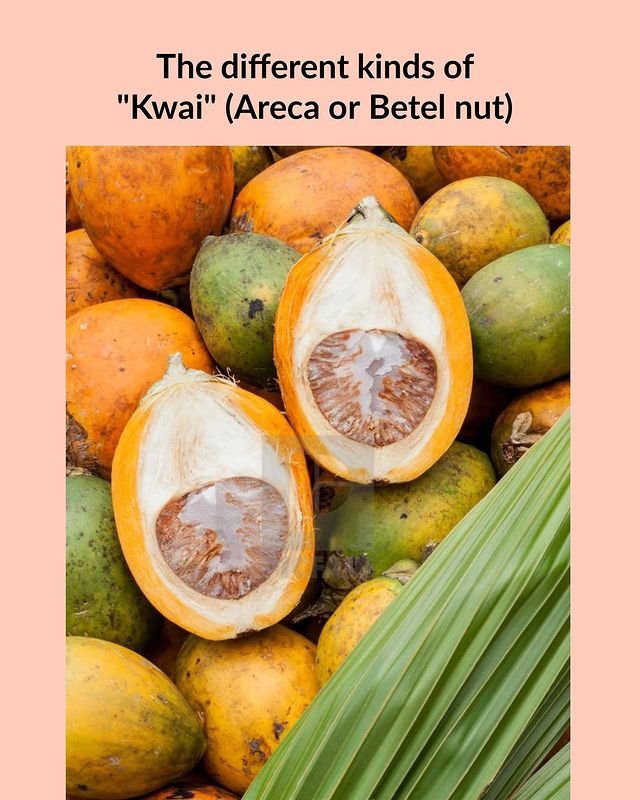
  • The different kinds of “Kwai” (Areca or Betel nut)

    " 'Wáikaa" is kwai that is still on the branches of the tree.

    " 'Wáinat" is kwai that has been plucked from the tree but it has not yet been removed from the bunch.

    " 'Wáiphiah" is kwai that has been cut into two or four pieces and that is to be divided and distributed. This kwai is also given to the bridegroom and his relatives by the bride's uncle on the wedding day. The two parties meet at a designated spot before the wedding as the bridegroom is on the way to the ceremony. This giving of kwai is symbolic of the welcome given to the bridegroom.

    " 'Wáikhaw" or " 'wái-im" is kwai that is the new batch of nuts that still have the outer skin intact. This kwai is eaten in the winter.

    " 'Wáiskop" is kwai that has been soaked and immersed in water for some time so that it is preserved, with the outer skin becoming fibrous. This kwai is eaten in the summer.

    " 'Wáikhud" is kwai that has been peeled and cleaned.

    " 'Wáidong" is kwai that has been folded and rolled with betel leaf.

    " 'Wáidung" is kwai and betel leaf that has been ground especially for old people.

    " 'Wailing" contains two kwai (kwai synrap or twins) nuts in one covering.

    Our beloved "Kwai" 😄❤️ what would we do without you? A staple in all Khasi homes, it is a family member who cannot be forgotten 😀 Immortalised in Khasi folklore, it is an iconic part of Khasi life, culture and community.

    Picture: Google (The kwai in the picture is 'Wái-im)

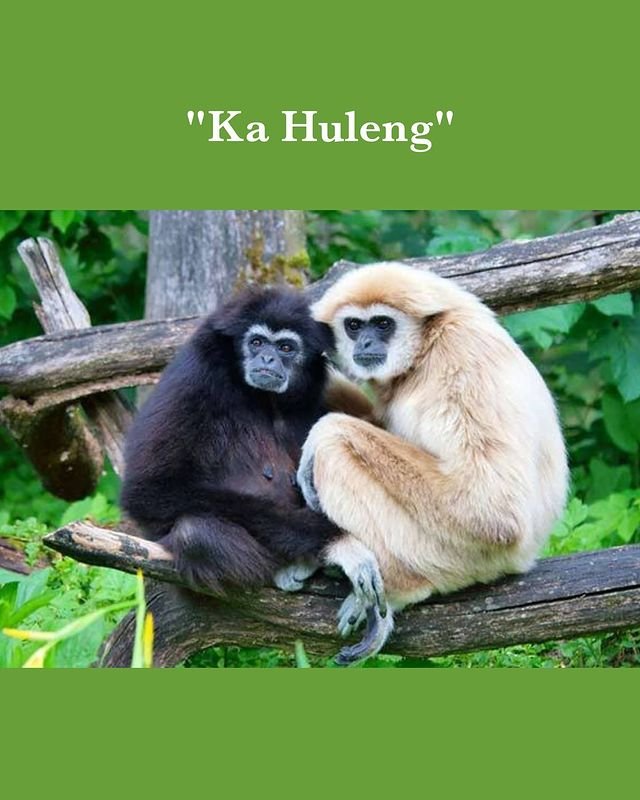
  • Ka Huleng

    The village of Phlangwanbroi which is located in Mawsynram, Tehsil, of East Khasi Hills District, Meghalaya is home to the Western Hoolock Gibbon or what we call "Ka Huleng" in Khasi. Hoolocks are three primate species of genus Hoolock in the Gibbon family, Hylobatidae, native to eastern Bangladesh, Northeast India, Myanmar, and Southwest China. Hoolock gibbons are India's lone ape species. They are both rare and endangered, found only in the forests of Northeast India.

    Phlangwanbroi, four neighbouring villages and an adjoining community forest make up the Khasi native state of Hima Malai Sohmat, one of 25 traditionally ruled Khasi enclaves in Meghalaya that are formally recognised by the Indian Constitution. The 40-sq-km community forest of Hima Malai Sohmat has been home to western hoolock gibbons since "time immemorial", villagers say. The males are black with white brows, while the females have a copper-brown fur, which is darker at the chest and neck. White rings around their eyes and mouths give their faces a mask-like appearance.

    With long and slender arms, hoolock gibbons are swift creatures, swinging from tree to tree at speeds upto 55 km/hr, covering upto six meters in just one swing! Hoolocks are famous for their emotive call that echoes across the forest which is used to attract mates. In Phlangwanbroi, the morning starts with the melodious series of whoops, hoots and tones of "Ka Huleng" that rise in a crescendo. The residents refer to it as "jingrwai huleng" – the hoolock gibbon's song. There is a local saying that as long as you hear the gibbon's song, you are within the boundary of Hima Malai Sohmat.

    "Ka Huleng" or the Western Hoolock Gibbon is found in the village of Phlangwanbroi, Mawsynram, Tehsil in East Khasi Hills District. This is the only ape species in India and we are extremely lucky to have it in our state. 😃😃

    Sources:

    https://www.google.co.in/amp/s/amp.scroll.in/article 926439in-meghalaya-tribal-communities-join-hands-to-ensure-that-the-hoolock-gibbons-song-stays-alive

    https://en.m.wikipedia.org/wiki/Hoolock_gibbon

    https://www.wwfindia.org/about_wwf/priority_species/lesser_known_species/hoolock_gibbons_/

  • Ki Kyrteng Sin Part I/ Khasi Nicknames Part I

    The Khasis have a practice of giving nicknames and besides the usual Bahduh, Theiheh, Kongdeng, Bahrit, which denote a specific position among siblings based on age, there are other kinds of nicknames that are given because of a context related to the person concerned. Here are some:

    Ka Smaw (ba ïong, ba jaing/ being dark and dirty)

    U Satlew (ba heh bad khlaiñ/ big built and strong)

    U Ren (ba bun ka shang/ always going out)

    U Dum (as in lyndum/ bald)

    Ka Taiñtabul (for timetable)

    U Koted (like the air horn of Bedford buses)

    U Buit (rit, buittuh, shu shyit briew beit/ small, wiry, likes to pinch others)

    U Tamuiñ (saw ki khmat bad ka ïambait/ red eyes and a cry baby)

    U Lo (pronounced like the word Law)

    Ka Bon

    U Been Loons

    U Sahep Laitkor

    Ka Samap (raikhoh/ stang shñiuh/ skinny, limp hair)

    U Bring

    Ka Rai (namar ba bang Krai/ because she likes millet)

    Bah Ling Saphu (a girl's nickname because she was scared of a beggar with this name)

    U Ro

    Ka Thre (named after a woman obsessed with cleanliness)

    U Lui

    U Jon Snai (named after a man who stole roosters to make them fight)

    Shnuit

    Ïong (dark complexion)

    'Ngaid (sngaid/ fat)

    Bung

    Lew Lew (from Pyllew/ big eyes)

    Pit Pit (namar ba sympit/ small eyes)

    Mem Syndem (ba syndem/ flat nose)

    Dem (ba syndem/ flat nose)

    "Ki Kyrteng Sin" or Khasi nicknames

    Don't we love our nicknames?! 😄😄😄😂😂😂 Here are some Khasi nicknames contributed by @indariwarjri @carey_lynz @bibianaryntathiang. Thank you for sending them! 😄

    Some have a context and some don't, but please do enjoy them and come up with your own interpretation!

    Please tell us about your funny nicknames! 🤡🤡😎🤓😎🤠🤠

  • Ka Ïing Tynriew

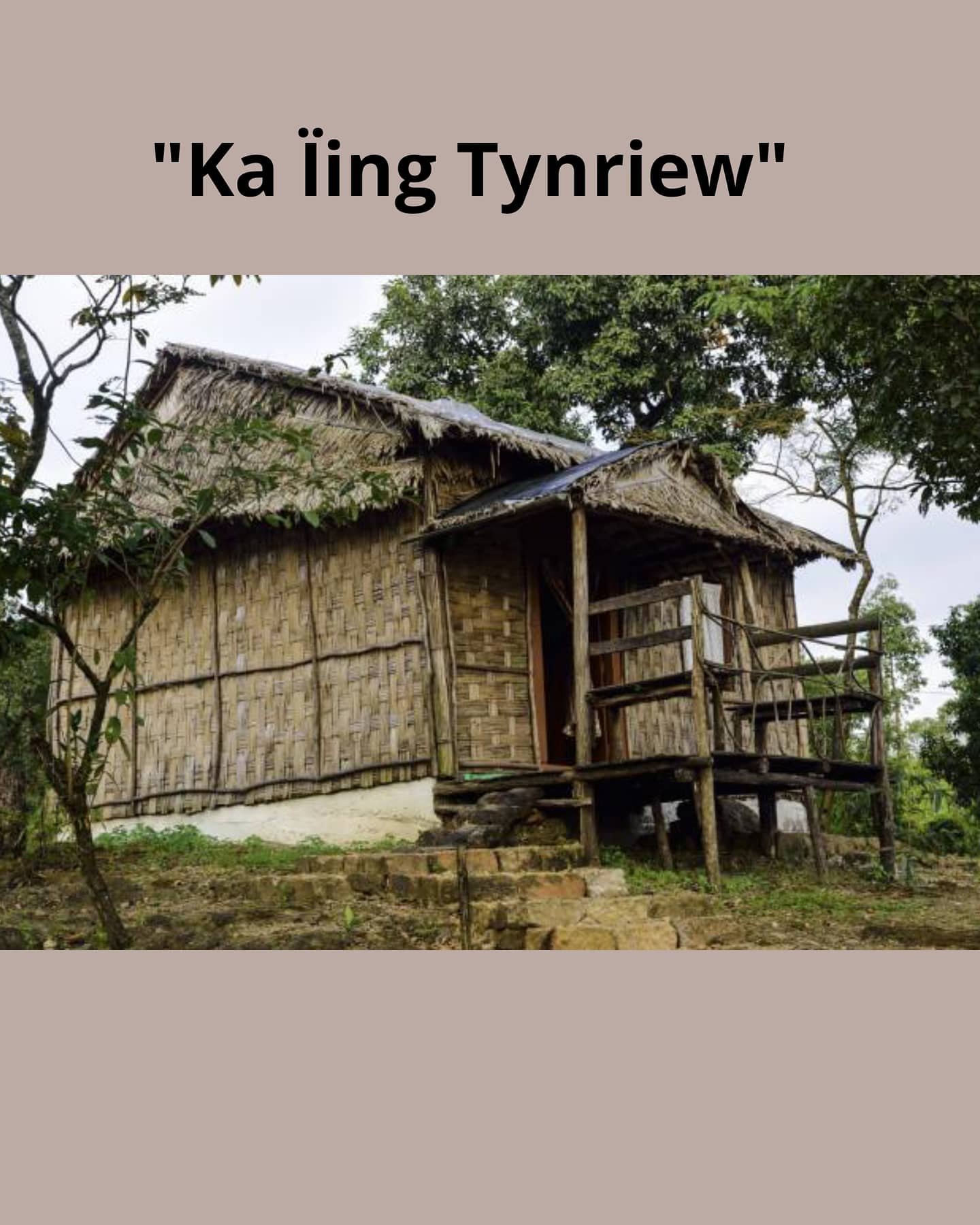
    "Ka Ïing Tynriew" is the traditional thatched house of the Khasis and is made from the leaves of the Tynriew plant. The house in the first slide is an actual house which has a roof made from "sla tynriew".

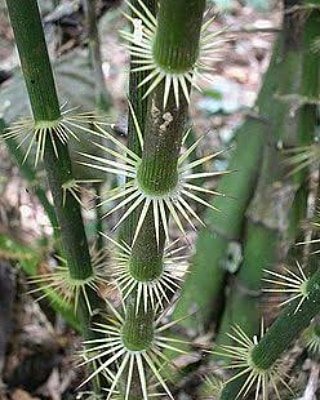
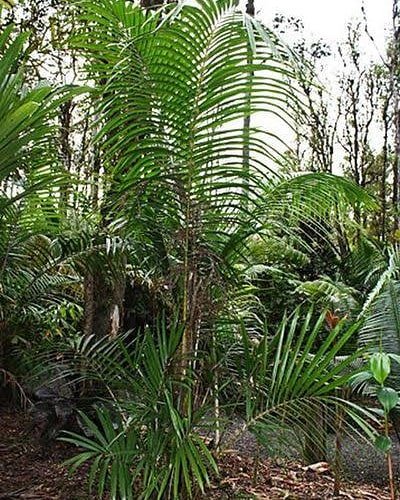
    There is a difference between the "Tynriew leaf" and the "Dieng Tlai" leaf. The Tynriew is a kind of bamboo plant with thorns or spikes and fruits too which are inedible. The Dieng Tlai is a kind of palm tree with one type growing in the War areas and another type in other areas. The Dieng Tlai leaf can be used to thatch roofs just like the Tynriew leaf. The Tynriew is changed once a year. The scientific name of Tynriew is Calamus Erectus and of Ding Tlai is Caryota Urens.

    We express our gratitude to @click.and.vibe and @dappura_chyne for contributing to the write up! 🙏🙏

    Picture 1: @dappura_chyne

    Picture 2 and 3: Google

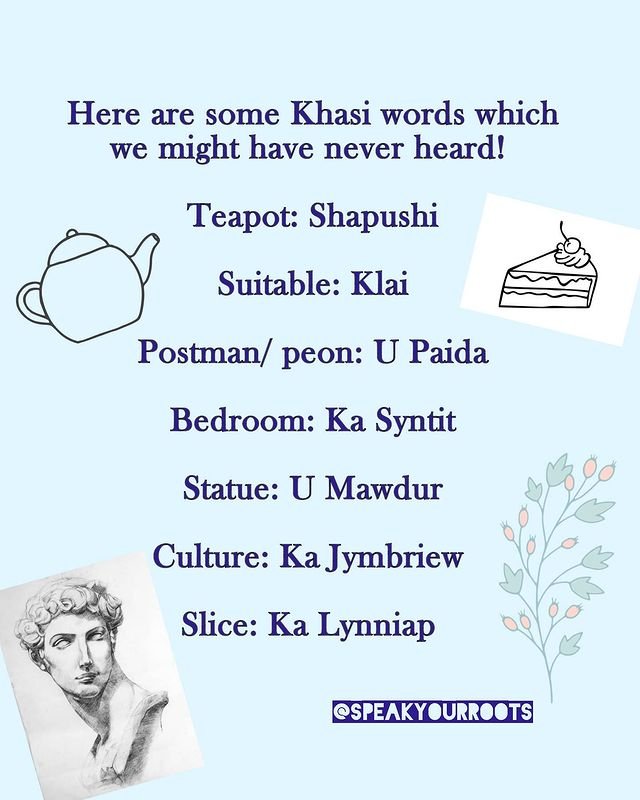
  • Some Khasi words which we might have never heard!

    Teapot: Shapushi

    Suitable: Klai

    Postman/ peon: U Paida

    Bedroom: Ka Syntit

    Statue: U Mawdur

    Culture: Ka Jymbriew

    Slice: Ka Lynniap

    Look at these words! Many of us will not know of them at all! 😲😮

    The Khasi language has a wealth of words which are no more in use today. We should make it a point to find out more words like these and use them in daily life! 🌄🏞️🌲🌤️

    Source: Ka Dienshonhi: The Khasi Encyclopaedic Dictionary by Rev. Dr. Ïarington Kharkongor

  • Ring ‘sai phla

    Ka jingong "Ring 'sai phla" ka thew ïa ka jingïakylli markhmat haduh ban da shem ïa ka jingshisha. Kaba "ring 'sai phla" ka dei kaba pynskhem ïa ka jingïathuh da kaba pyni ïa u sakhi u ban long kum u ksiang.

    The Khasi phrase "Ring 'sai phla" means to meticulously ask a thread of questions in order to arrive at the truth. The phrase implies a direct confrontation and interrogation with the aim of extracting the truth. Furthermore, the answers to the questions are corroborated by witnesses who represent the roles of a judge or a mediator.

    When truth is the most valued of possessions 💡🔦🖊️📃🔍

    "Ring 'sai phla" is a Khasi phrase describing a detailed process of questioning to know the truth.

  • Khasi Waterlore by Margaret Lyngdoh

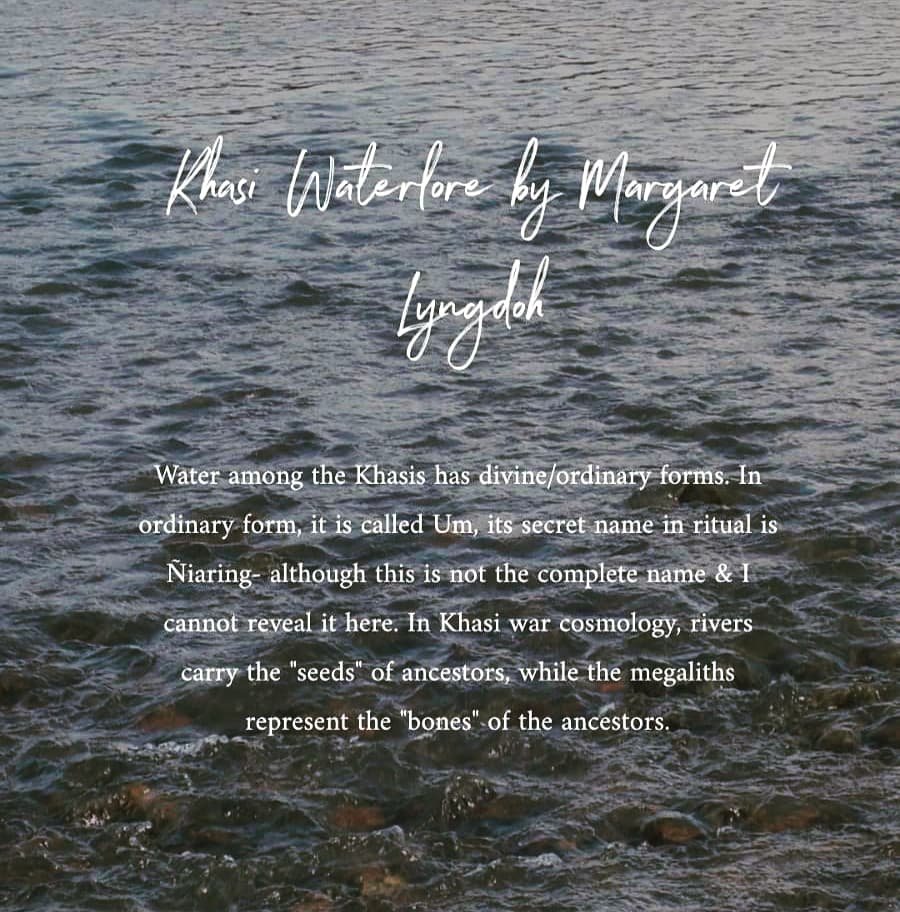
    Water among the Khasis has divine/ordinary forms. In ordinary form, it is called Um, its secret name in ritual is Ñiaring- although this is not the complete name & I cannot reveal it here. In Khasi war cosmology, rivers carry the "seeds" of ancestors, while the megaliths represent the "bones" of the ancestors

    Ha ki Khasi, ka um ka don ka jingkyntang kaba na u Blei bad ka don ruh ka jinglong kum kiwei kiwei ki jingthaw ha ka pyrthei. La khot ïa ka, ka "um" bad la khot ruh ïa ka ha ki jingleh niam kum ka 'Ñiaring”. Ha ki Khasi, ïa ka jingbatai shaphang ka jingpynlong ïa ka pyrthei la ngeit ba ki wah ki dei ki symbai jong ki longshuwa bad ki mawbynna ki dei ki shyieng jong ki longshuwa.

    Among the Nongtrai, Lyngngam, & Muliang Khasi, the divine form of water is Ñiangriang. Among Khynriam Khasi, U Sangriang Um is said to be the father of Thlen. But in northern Khasi hills, in Jhare name magic, water is Ñiaring. The following narrative is recorded from deceased hare practitioner Marcus Lapang.

    "In the olden days, the true name of water was Ñiaring. The older sister of air, Ñiaring was confined to one place by the supreme being. In her place of confinement, her sorrowful cries could be heard.

    The Council of the Supreme Being was convened and there it was decided that Ñiaring should be freed to flow into all the earth. So the Riew Ramhah, or Pantia, appointed by the gods began to clear the earth thereby making channels for Ñiaring to flow into the world. They were created solely for this task. Neither human, nor spirit, the supreme being never made any other use of them and we don't know where they are today. The Khasi lands as we know them today are so hilly & uneven because Ñiaring had to be allowed to flow out into the world. After she was freed, Ñiaring tied a Jutang or a covenant, whereby she agreed to help mankind in any way that she could and she could go where she was needed in Khasi lands.

    Ñiaring made the promise that she would cleanse and purify from illnesses, that may be caused by beings whom she contains & nurtures. In return, mankind agreed not to be cruel or violate her. Water came before Lukhmi, the spirit of paddy (rice grain). When Ñiaring became free, the sounds of her sorrow turned into music & joy as she flowed over the rocks & mountains, which then became her musical instruments. Every water body is the road, the pathway of the Ryngkew (guardian deity of a place in nature) and Basa (the deity of water). We see the water flowing by, but we never see it return. But it returns & it goes back. Ñiaring has 30 kinds of entities, including fish, which live inside her and she offered to cleanse any human being afflicted by any of the entities who live inside her.

    The Puri, or water nymph/ spirit is one of the entities belonging to Ñiaring. Ñiaring also harbours inside her, evil spirits, & other non-human entities (ki ksuid ki khrei). This is the reason why Jhare magical practioners, using Ñiaring to heal illness caught from water. It is necessary to sacrifice to Ñiaring, a female white chicken, or white she-goat in times of necessity. But this sacrifice should never be performed continuously, but only when the Jhare practitioner tells you to do so.

    "Khasi Waterlore" by Dr. Margaret Lyngdoh @lieng_makaw. Thank you so much for sending an in-depth and insightful entry! 🙏🙏😃😃

    This entry is contributed by Dr. Margaret Lyngdoh, University of Tartu. Design and layout has been done by Talilula @thelazyscribbler

    Khasi translation by @speakyourroots

    No part of this material may be reproduced in any form without the consent of the author. All material for this content has been collected through primary fieldwork.
  • Ka Mieng

    "Ka Mieng" ka dei ka kynja jingput ba la thaw na ki lyngkhot siej, kaba shu kbum ha ka shyntur bad kaba pynmih sur kat kum ka jingkyan mynsiem. 🎶🎵

    "Ka Mieng" is a unique traditional Khasi muscial instrument which is made from shreds of bamboo. It is placed between the lips and the sound is made when the musician strums it against his lips. They pucker the lips into different shapes to evoke different sounds. 🎶🎵

    "Ka Mieng" is also a sonnet which is a poem of fourteen lines.

    Khublei Shibun @apkyrment_adm for the picture of "Ka Mieng" and @lapdiangsyiem too for your help! 🙏🙏

  • Tura nga!

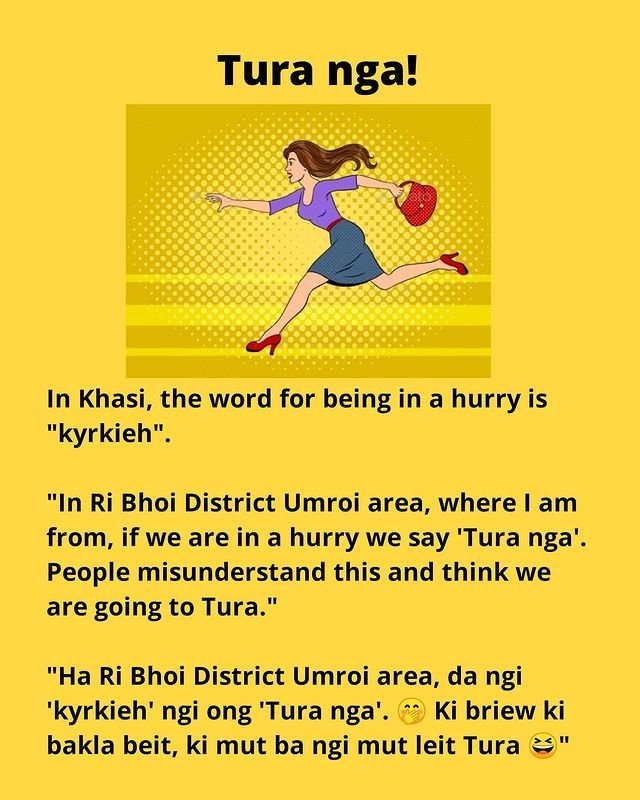
    In Khasi, the word for being in a hurry is "kyrkieh".

    "In Ri Bhoi District Umroi area, where I am from, if we are in a hurry we say 'Tura nga'.

    People misunderstand this and think we are going to Tura."

    "Ha Ri Bhoi District Umroi area, da ngi 'kyrkieh' ngi ong 'Tura nga'. Ki briew ki bakla beit, ki mut ba ngi mut leit Tura.

    "Tura nga" sent by @adele__miss_dreamy 🏃🏃🏃 for when you are in a big hurry!!

    There are so many dialects present among the Khasi people. This is one from Ri Bhoi District. 😀 In this instance, people think it means "Tura" in the Garo hills. Thank you @adele__miss_dreamy for sending this!

  • Ka pah chyrpang

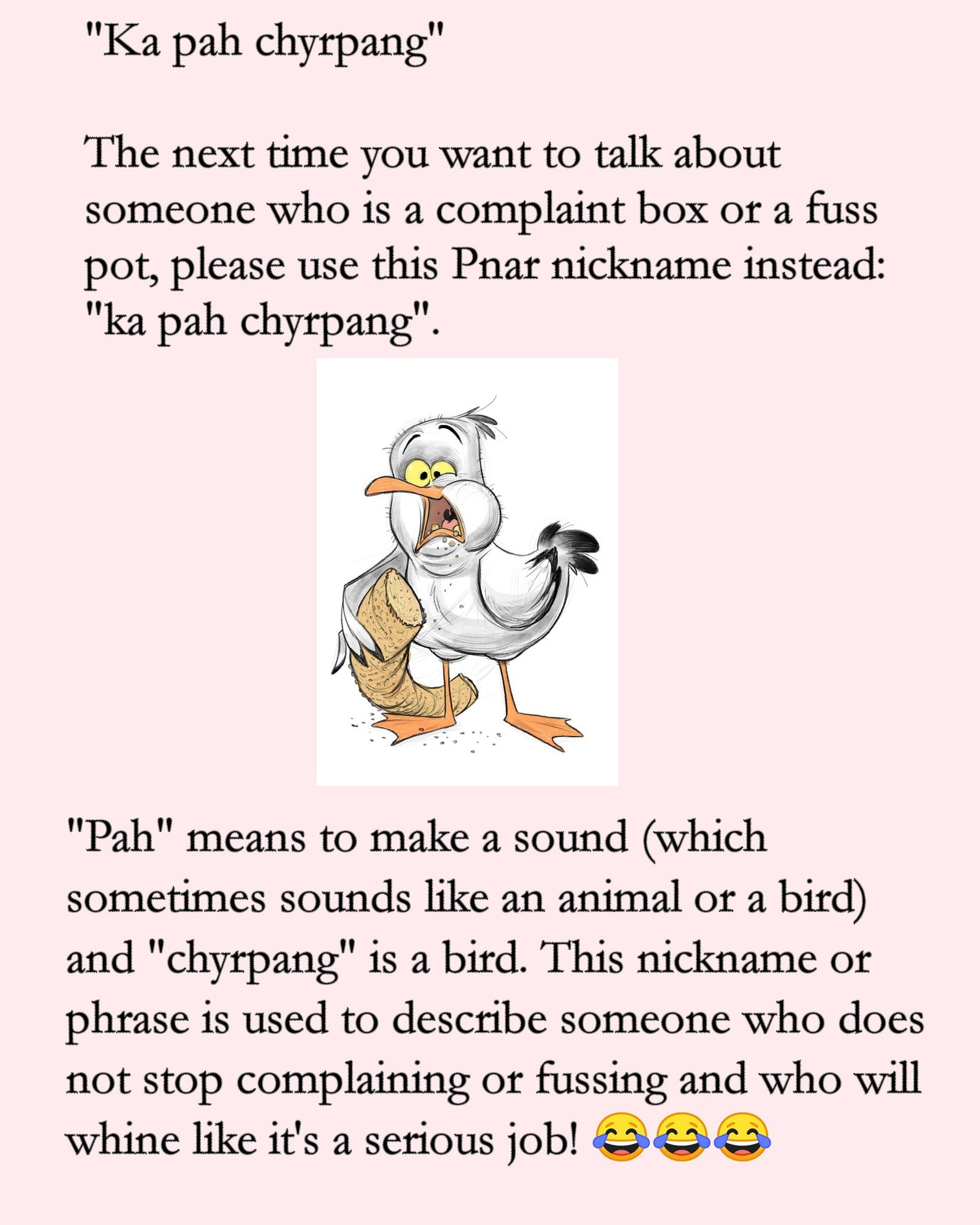
    The next time you want to talk about someone who is a complaint box or a fuss pot, please use this Pnar nickname instead: "ka pah chyrpang".

    "Pah" means to make a sound (which sometimes sounds like an animal or a bird) and "chyrpang" is a bird. This nickname or phrase is used to describe someone who does not stop complaining or fussing and who will whine like it's a serious job!

    Once again @laloorisa has sent another Pnar nickname: "Ka pah chyrpang" 😅😅😂😂

    This phrase is used to describe someone who annoys us by their constant complaining! Thank you @laloorisa for these witty and humourous nicknames 🤡🤡