Category: Food

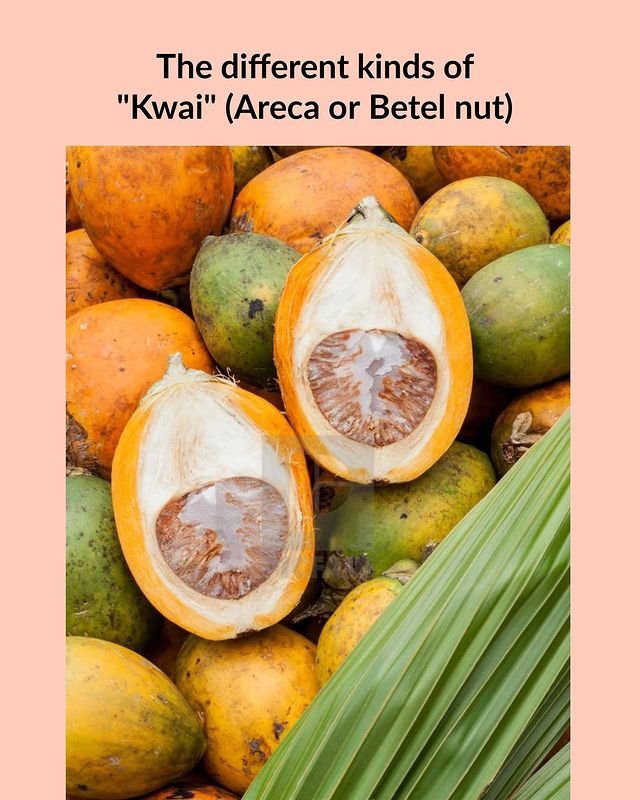
  • The different kinds of “Kwai” (Areca or Betel nut)

    " 'Wáikaa" is kwai that is still on the branches of the tree.

    " 'Wáinat" is kwai that has been plucked from the tree but it has not yet been removed from the bunch.

    " 'Wáiphiah" is kwai that has been cut into two or four pieces and that is to be divided and distributed. This kwai is also given to the bridegroom and his relatives by the bride's uncle on the wedding day. The two parties meet at a designated spot before the wedding as the bridegroom is on the way to the ceremony. This giving of kwai is symbolic of the welcome given to the bridegroom.

    " 'Wáikhaw" or " 'wái-im" is kwai that is the new batch of nuts that still have the outer skin intact. This kwai is eaten in the winter.

    " 'Wáiskop" is kwai that has been soaked and immersed in water for some time so that it is preserved, with the outer skin becoming fibrous. This kwai is eaten in the summer.

    " 'Wáikhud" is kwai that has been peeled and cleaned.

    " 'Wáidong" is kwai that has been folded and rolled with betel leaf.

    " 'Wáidung" is kwai and betel leaf that has been ground especially for old people.

    " 'Wailing" contains two kwai (kwai synrap or twins) nuts in one covering.

    Our beloved "Kwai" 😄❤️ what would we do without you? A staple in all Khasi homes, it is a family member who cannot be forgotten 😀 Immortalised in Khasi folklore, it is an iconic part of Khasi life, culture and community.

    Picture: Google (The kwai in the picture is 'Wái-im)
  • Jaralud bad dohsniang

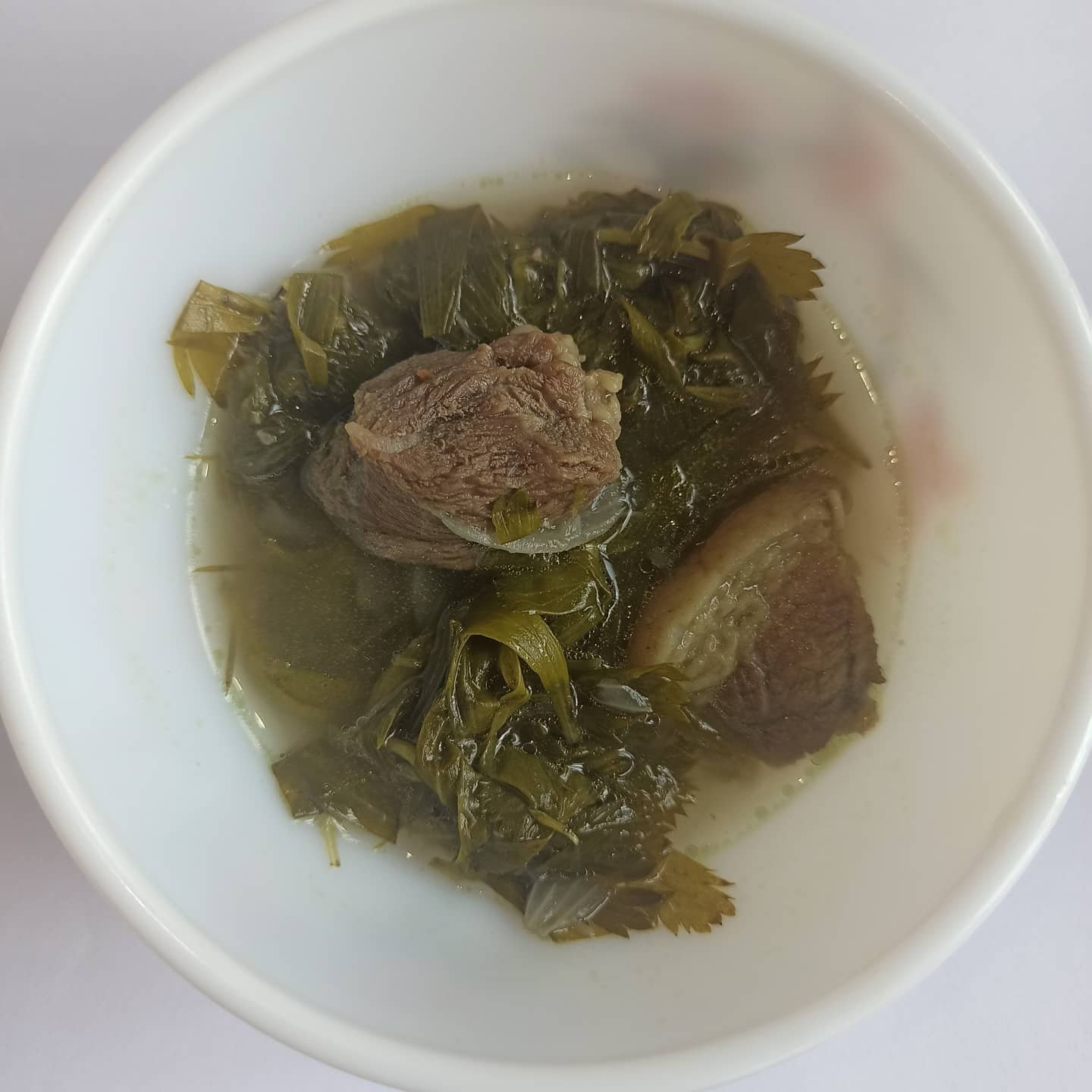
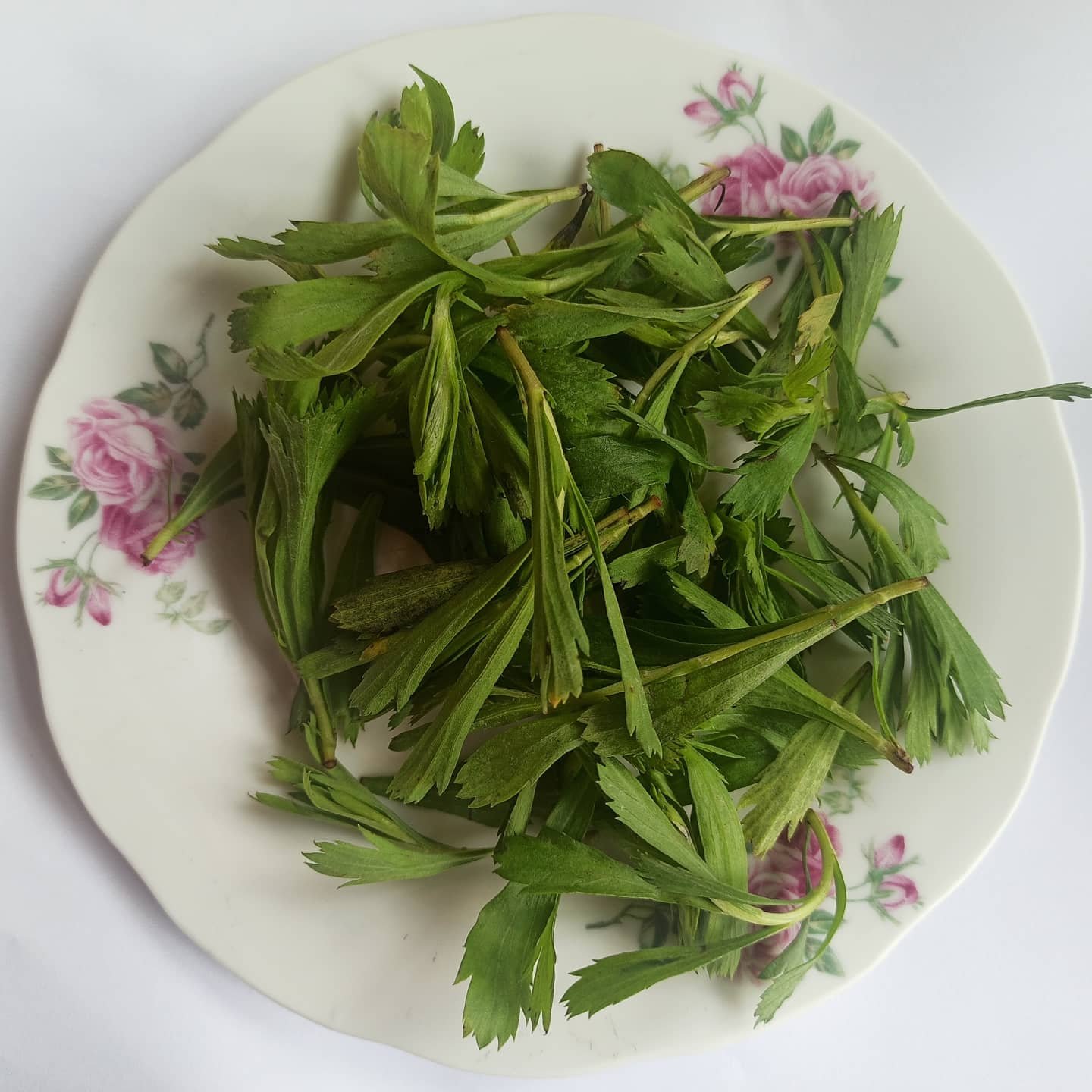
    "Jaralud" (Khasi)/ "Yaralud" (Pnar) cooked with "dohsniang" (pork) is a Pnar dish but it is also eaten by Khasis. "Jaralud" is a low lying shrub that grows in pine forests. It grows in the summer season and is a refreshing addition to the summer diet. "Jaralud" also has a distinctive smell and flavour that some might not find appealing. But for those who love it, we say thank you for the chlorophyll! 😋😋😋

  • U Jangew

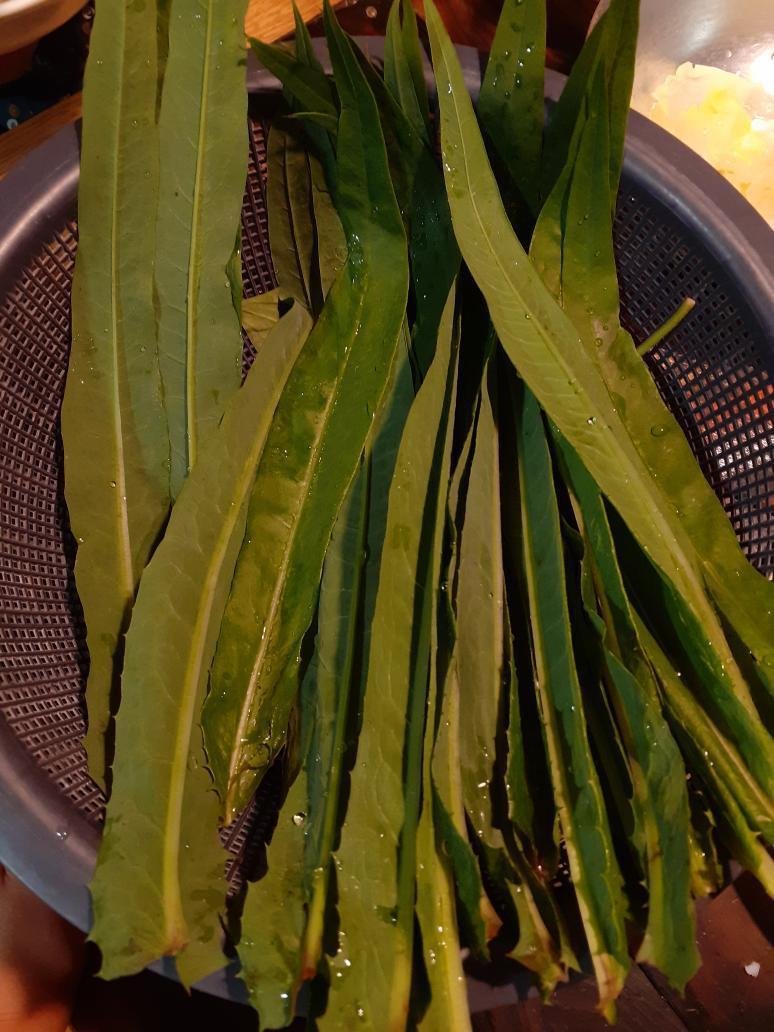
    "U Jangew" sent by @bada_boombam

    She says: "U Jangew is a local wild herb that has been made famous by the mourning song of the mother of U Sier Lapalang (the folktale of the stag who is killed). It is slightly bitter but peppery in taste.

    I am pretty sure it has a lot of health benefits, some that I know are detoxification and Blood pressure and Diabetes controller. Sadly, we mostly see it as 'ñiut' (weeds/ wild plants) forgetting that this unseeming plant can benefit us so much.

    Ours just grows randomly in our yard and we pick them when we want to eat them. Both lockdowns have taught our family to treasure such plants as they become our only source of fresh herbs/ vegetables for our salad."

    Thank you @bada_boombam for this entry! 🌱🌱

  • Phan bad Tungtap

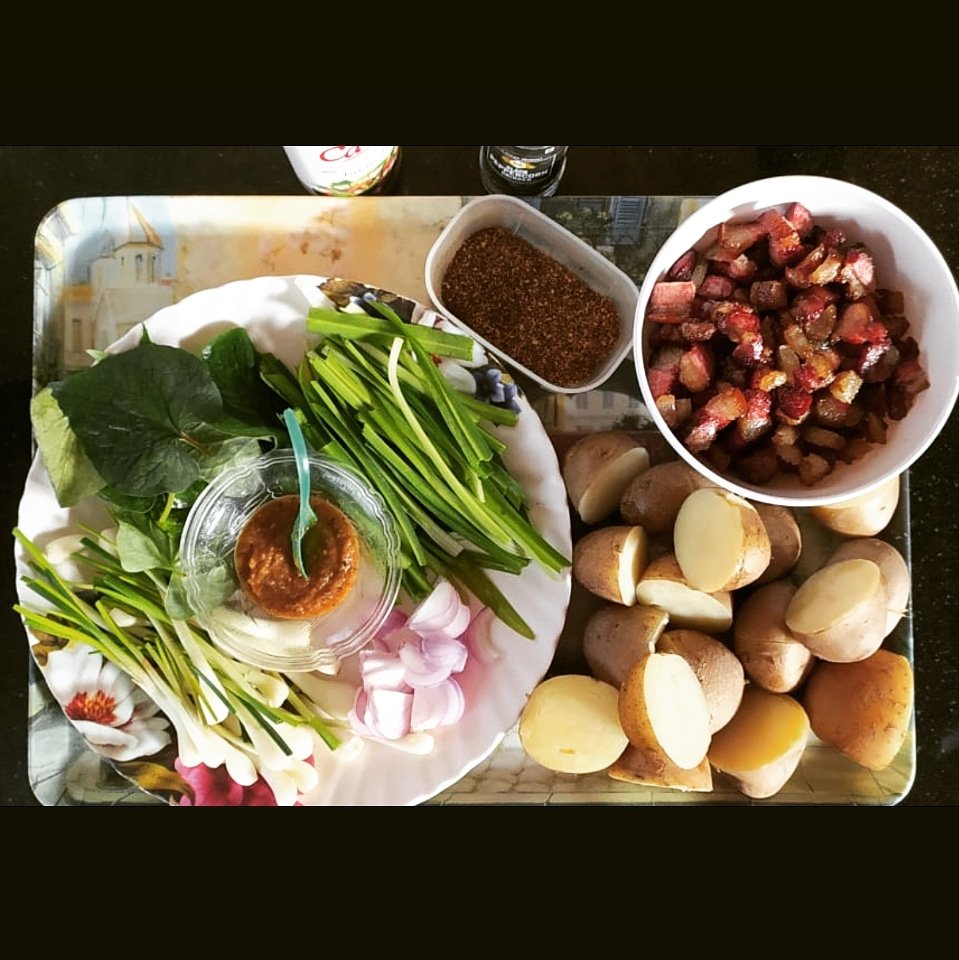
    The "Phan bad Tungtap" snack of the Khasis and Pnars is eaten heartily especially in the summer season 😋😋😋

    The items in the picture include: Boiled potatoes, the bowl in the centre contains tungtap (fermented dry fish chutney), chopped smoked pork on the side, in the rectangular bowl there is ground jaïur (an indigenous variety of Schezwan pepper) and the greens include jyllang, ja-ut and jamyrdoh, accompanied by the omnipresent onion 😄😄

  • Ktung shira, sla rynsun and nei lieh

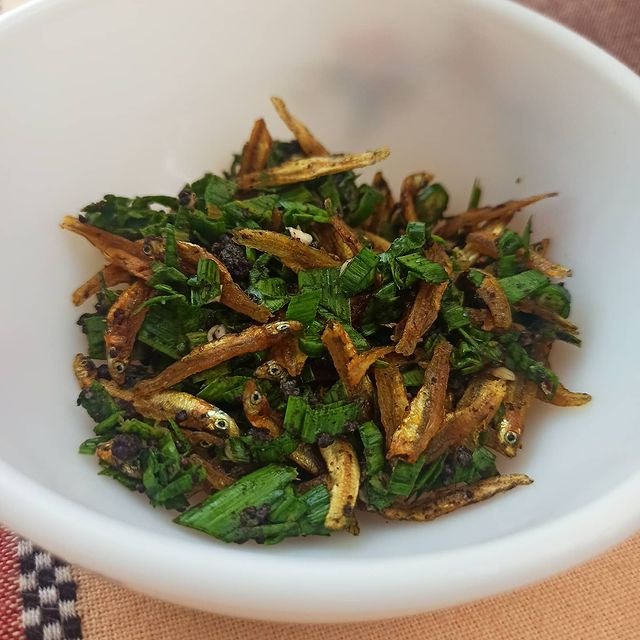
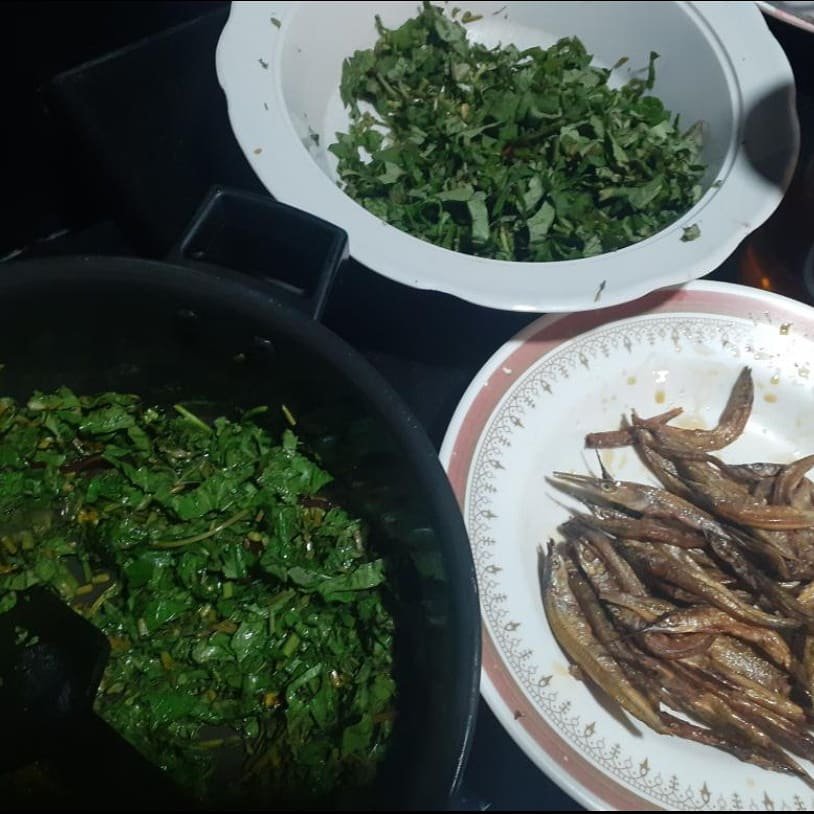
    Fried "ktung shira" (dried fish) mixed with "sla rynsun" (garlic leaves), "nei lieh" (white sesame seeds/ white til), chilli and salt.

    This side dish of the humble ktung shira, sla rynsun and nei lieh contains three distinct flavours which go oh so well together! 😋😋😋 It is a great addition to lunch or dinner. 🍴🍴

    Does anyone know the exact English name for our Khasi "nei lieh" and "nei iong"? Because sesame and til are actually bigger varieties of seeds 🤔🤔 Perhaps "nei lieh" and "nei iong" are a more indigenous variety?

  • Ktung and Jaraiñ

    This post is about "Ktung and Jaraiñ" 😋😋 Thank you @bada_boombam for sending this delicious reminder! 😀😀

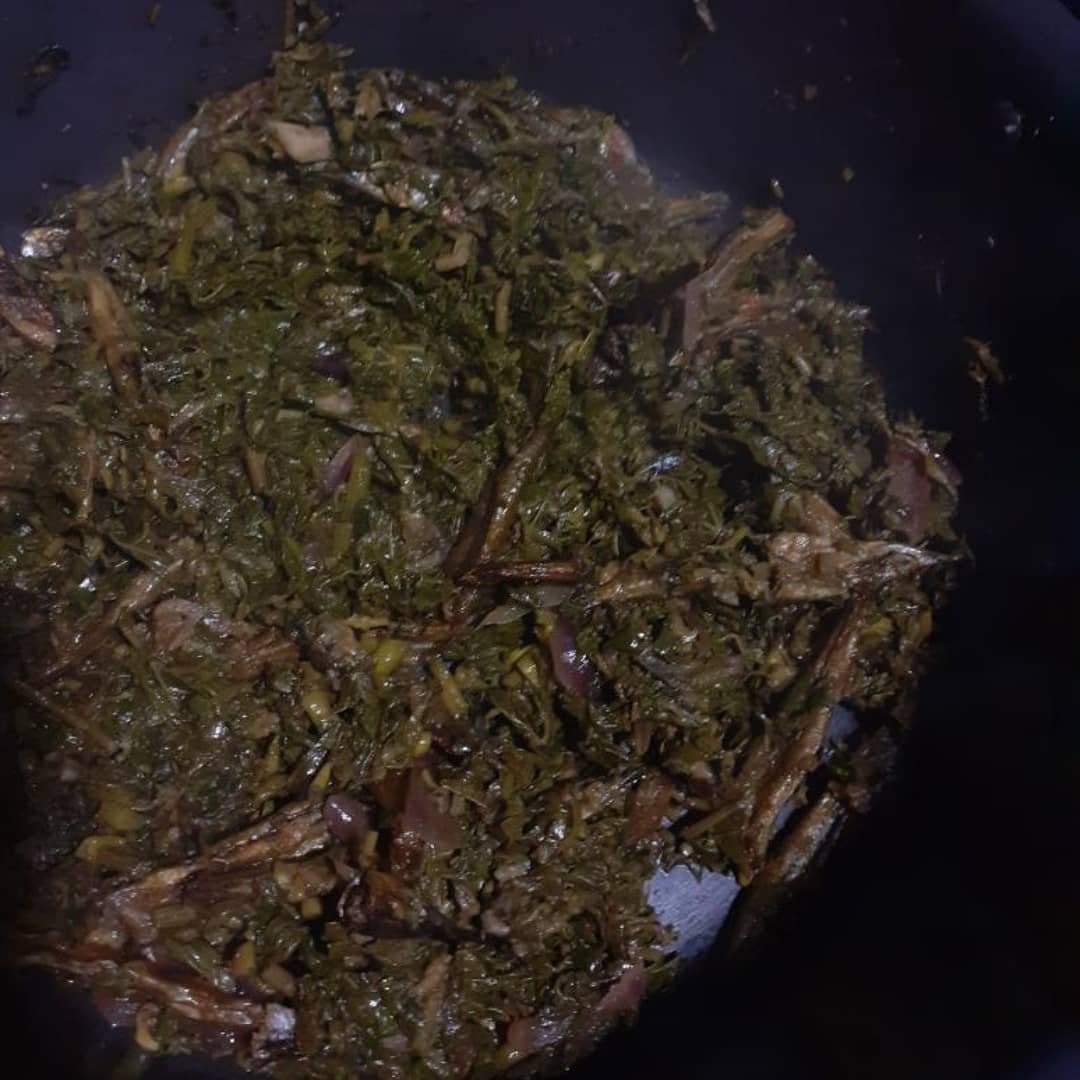
    She says: Jaraiñ and ktung is a dish loved by many, the Umami flavour of the dried fish and the sour and lightly bitter taste (you can barely sense it) of the jaraiñ just makes this dish that comfort lockdown food. It can be had as a side dish or even as "jingtah" (as curry eaten with rice). I think the Bhois cook it in bamboo which further adds to flavour because of the smokiness.

  • Dried fish chutney

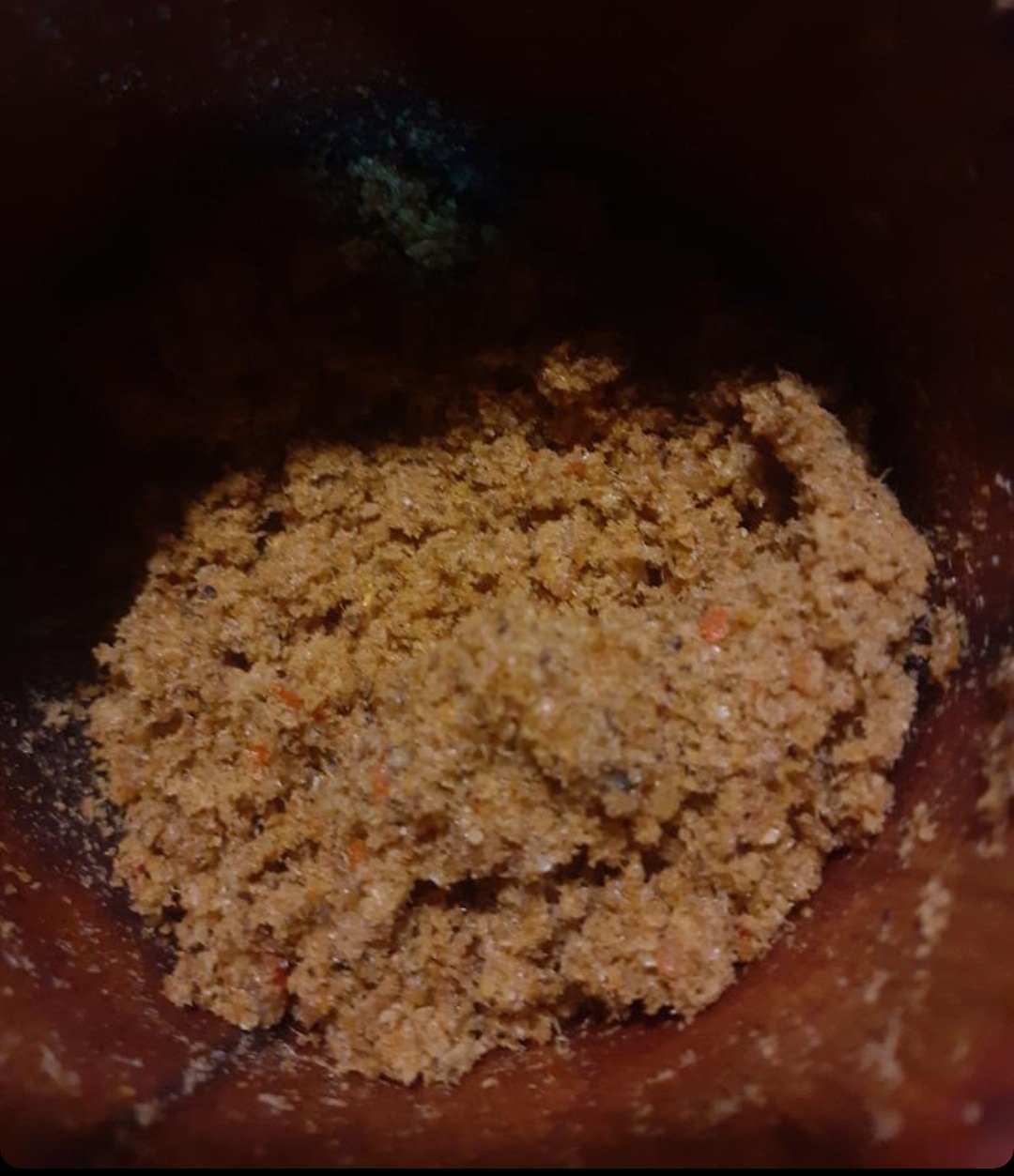
    Dried fish chutney from @bada_boombam 🤩🤩🤩 Thank you for a picture of this mouth-watering chutney! 😋😋😋

    She says: My favourite ktung chutney. It's a marriage of ktung Bombay, dried bird's eye chillies, ginger and szechuan pepper. The trick to that perfect taste lies in how much ginger you add.

  • Ktung mluh bad u sohsaw dieng

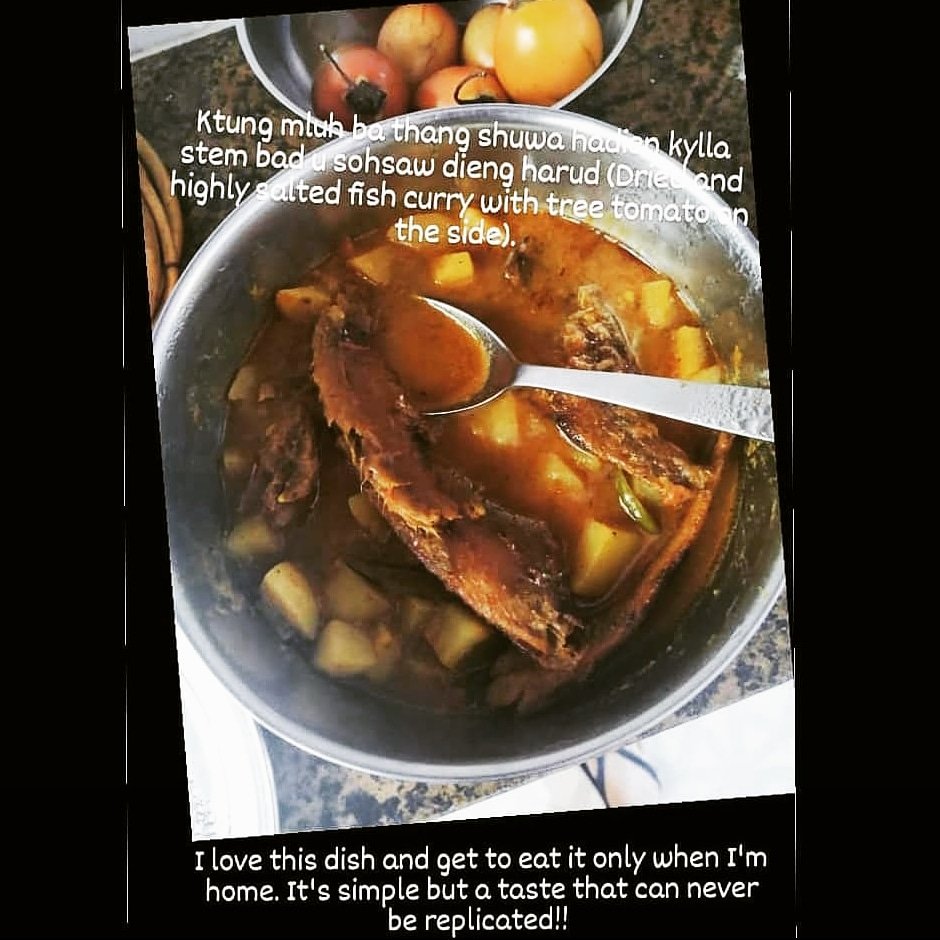
    Ktung mluh ba thang shuwa hadien kylla stem bad u sohsaw dieng harud (Dried and highly salted fish curry with tree tomato the side).

    I love this dish and get to eat it only when I'm home. It's simple but a taste that can never be replicated!!

    ​​

    "Ktung mluh bad u sohsaw dieng" 😋😋😋 yum yum! Thank you @lapdiangsyiem for sending this!

  • U ñiang ryndia

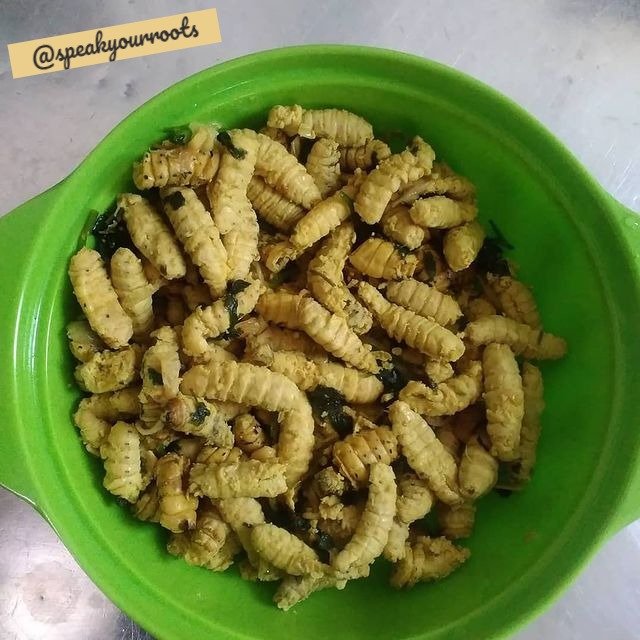
    "U ñiang ryndia" or the mulberry worm is a Jaiñtia delicacy that many might cringe to see. But for those who have the taste buds for it, u ñiang ryndia conjures a distinctive native feel.

    As a simple meal it can be boiled and then mixed with onion, ginger and salt.

    It can also be made into a more elaborate curry with onion, garlic, neiiong/ naiiong (black sesame/ black til), turmeric and then garnished with garlic leaves and coriander.

    U ñiang ryndia is available in the summer months!

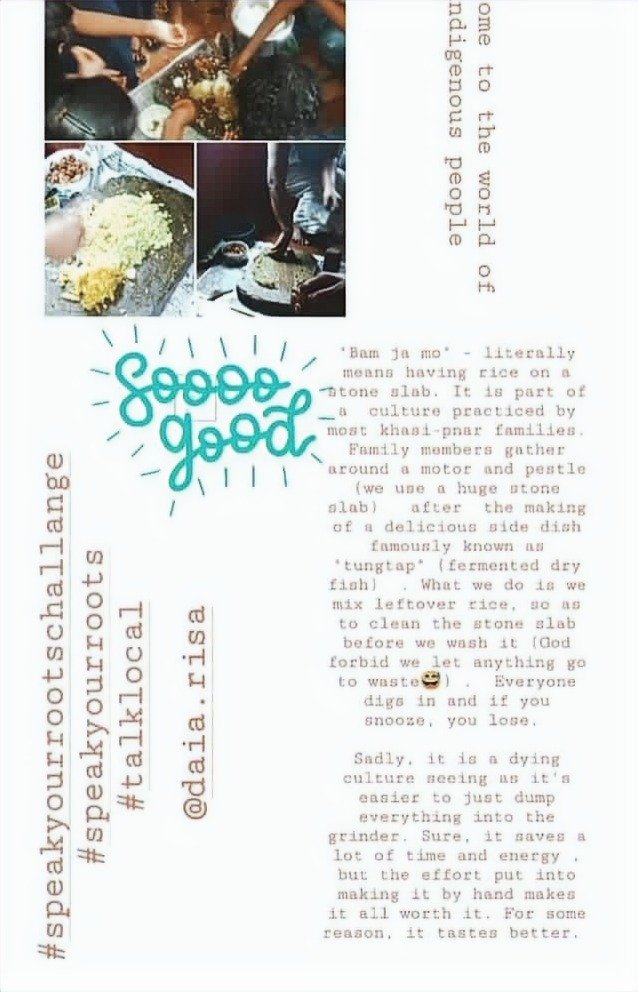
  • Bam ja mo

    @venelizapariat says:

    "Bam ja mo" literally means having rice on a stone slab. It is part of a culture practised by most Khasi-Pnar families. Family members gather around a mortar and pestle (we use a huge stone slab) after the making of a delicious side dish famously known as "tungtap" (fermented dry fish). What we do is we mix leftover rice, so as to clean the stone slab before we wash it (God forbid we let anything go to waste!). Everyone digs in and if you snooze, you lose. Sadly, it is a dying culture seeing as it is easier to just dump everything into the grinder. Sure, it saves a lot of time and energy but the effort put into making it by hand makes it all worth it. For some reason, it tastes better!