Category: Food

  • The making of “putharo”

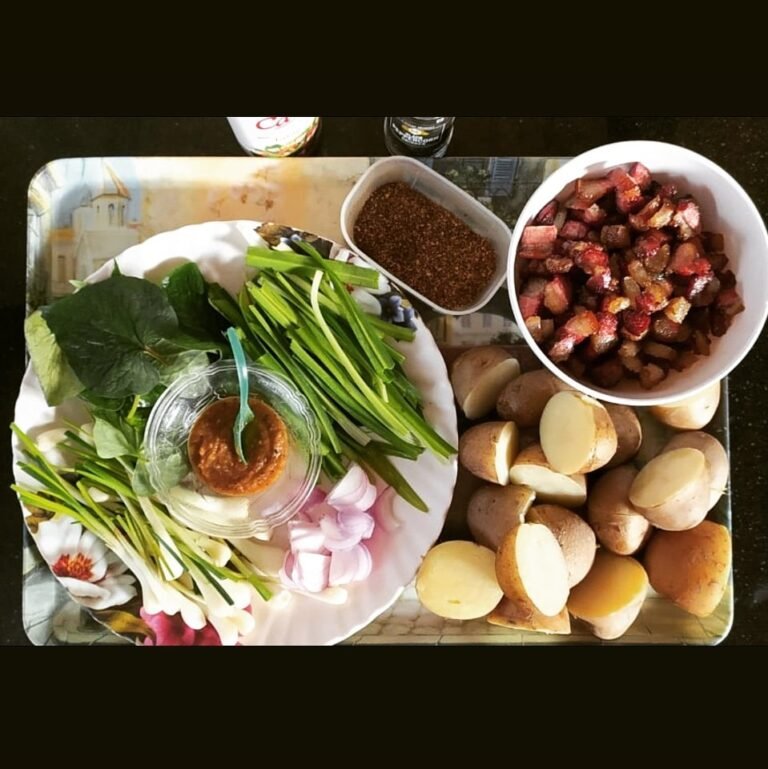
    Kine ki dur ki dei ha ka dukan ja ba kyrteng "Putharo Palace" ha So Mer, West JaiΓ±tia Hills District. β˜•πŸš

    Khublei Shibun @kronosynchronicity ba phi phah Γ―a kine ki dur! πŸ™πŸ˜„
    Ki pynkynmaw Γ―a ngi Γ―a ka sha saw bad u putharo, bad sa Γ―a ka dohjem ne dohkhleh ruh πŸ˜‹πŸ˜‹

    These pictures are of a dukan ja (food stall) called "Putharo Palace" in So Mer, West JaiΓ±tia Hills District. β˜•πŸš

    Thank you @kronosynchronicity for sending the pictures! πŸ˜„πŸ™
    They remind us of the aroma of red tea with putharo (flat steamed rice cake) with pork innards or shredded mixed pork πŸ˜‹πŸ˜‹

    Photo credit: @kronosynchronicity

  • U sohmarit im

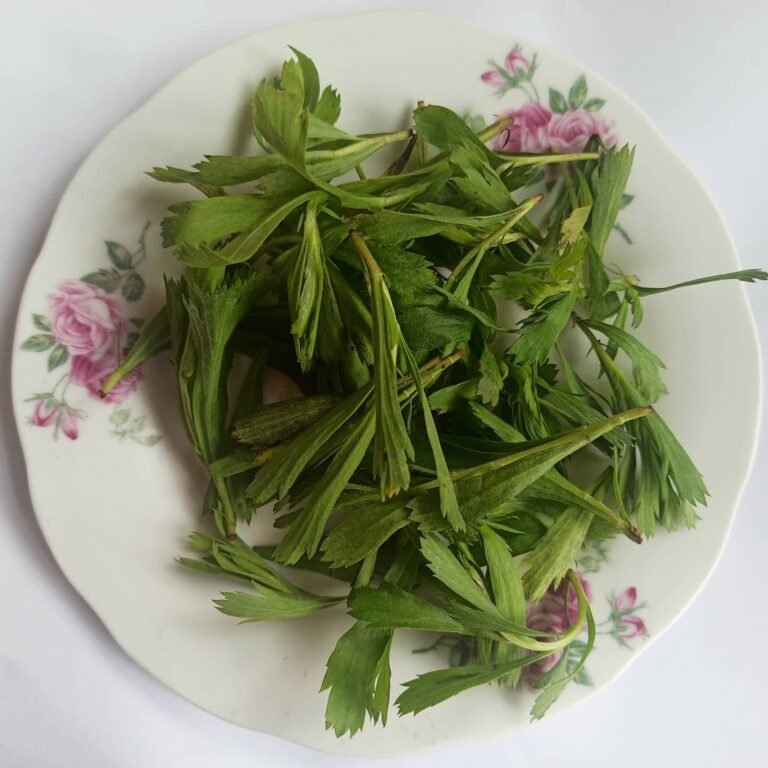
    What we call "u sohmarit im" in Khasi or green peppercorns are a spicy addition to our "ja bad jyntah" (rice and curry). The aromatic crunch is a great "sidekick" (pun intended πŸ˜„πŸ˜‚) for lunch or dinner! The bunch in the picture is almost finished! πŸ˜‹

  • Radish salad

    Radish and radish leaves are a scrumptious salad in any Khasi or Pnar household which are usually eaten in winter. The salad in the picture is of radish, radish leaves and perilla seeds. You can also add onion and some lemon to the mix! πŸ₯—πŸ₯™

    U muli bad u sla muli ki dei ki jhur im kiba ju bam ha ki Γ―ing Khasi-Pnar bad ju bam Γ―a ki ha ka por tlang. Ka jingkhleh ha ka dur ka dei kaba la khleh Γ―a u muli, u sla muli bad u neilieh. Phi lah ban ai u piat bad u sohjew ruh kat kum ka jingbang jong phi! πŸ₯™πŸ₯—

  • Ka Chru Tyngkem bad Dohkha

    "Ka chru tyngkem bad dohkha" or "Elephant foot yam with fish curry" is a Bhoi delicacy which really looks inviting! 🀀🀀 This particular yam is called Chru Tyngkem in the Bhoi dialect or Elephant Foot Yam in English.

    The ingredients include elephant foot yam, ginger garlic paste, lots of chillie, turmeric, salt, ktung tyndong (dried fish found only in Ri Bhoi households) or tungtap (fermented fish) and fish.

    Khublei Shibun @khasifoodlover for this! πŸ™

  • Red tea, rice and ktung thang

    Lehse, kham niar napdeng jong ngi,

    Ban iohmad ia i jakhluid, sha saw,

    soh mynken khnai war bad 'tung thang

    dang step phyrngap ha

    skum trep ha nongkyndong kynjai.

    Khublei Kha.

    Khublei paralok.

    Khublei Mei Ramew.

    -Paia B. Dohling

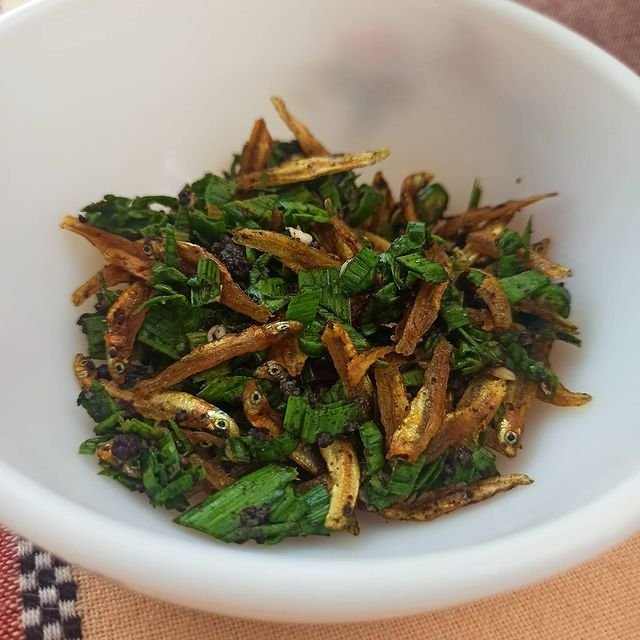
    The taste and flavour of red tea with rice and ktung thang (roasted dry fish) πŸ˜€πŸ˜€ ❀️🀎🌱🌱 The typical Khasi breakfast mostly comprises of tea with plain rice 🌾🌾

    Khublei Shibun @paia_b_dohling for tagging us in this picture! Love the wooden floor holding the breakfast we all know!

  • Wang Bam Im and Wang Kushu

    Wang bam im

    Kine ki kyntien ki thew Γ―a ki briew kiba jemnud than eh haduh ba kiwei pat ki shim kabu Γ―a ki namar ba kim kheiΓ± briew shuh Γ―a ki. Kine ki jait briew ki Γ―a syriem Γ―a ka jait wang kaba lada shet ruh long bad lada bam im ruh kam buid satia. Kiwei pat ki wang hap ban da shet shuwa ban bam bad lada bakla shet ruh ki pynbuid Γ―a ka shyntur baroh kawei.

    This phrase symbolically refers to people who are too gentle and gullible to the point that people take advantage of them and completely disregard them. People with these qualities are likened to a type of "wang" plant called "Wang bam im" which can easily be cooked or eaten raw too, without causing any itching in the throat. In general, "wang" has to be cooked properly so that it does not cause any itching. On the other hand, there are other kinds of "wang" which even after being cooked properly still cause an itchy throat.

    Wang kushu

    Kine ki kyntien ki thew Γ―a ki briew ki bym ju hun, kiba thut biej wat Γ―a i daw barit eh ruh. Kine ki jait briew ki Γ―a syriem Γ―a ka jait wang khlaw kaba buid hi lada shet makna katno katno ruh.

    This phrase symbolically refers to people who are never content or satisfied; who become irritated or annoyed with the slightest reason. People with these qualities are likened to a wild variety of the "wang" plant called "wang kushu" which causes an itch in the throat even if it is cooked well. Thus, just like the plant, no matter how much anyone does, what they do is not going to be enough.

    From what we have read, "Ka Wang" may be categorised as Taro stems which are the young leaf stalks of the Taro plant. The Taro stems in the pictures are similar to what we call in Khasi as "ka wangpanai". The plant known for its starchy tuber has much to offer in its edible shoots, stems and leaves. The stems are typically from the young, new-growth leaves. Among the Southeast Asian cultures, the young, as-yet unrolled leaves and stems are cooked in vegetable dishes or soups.

    Taro stems are fibrous, so they are peeled prior to cooking. The tough outer layer is removed to reveal a more tender stalk within. Just like the leaves and corms, the stems contain an irritant called calcium oxalate, which can cause itchiness and swelling in the mouth and throat. Cooking the stems can remove the effect.

    If there any ethno-botanists please tell us more! 🌿🌿

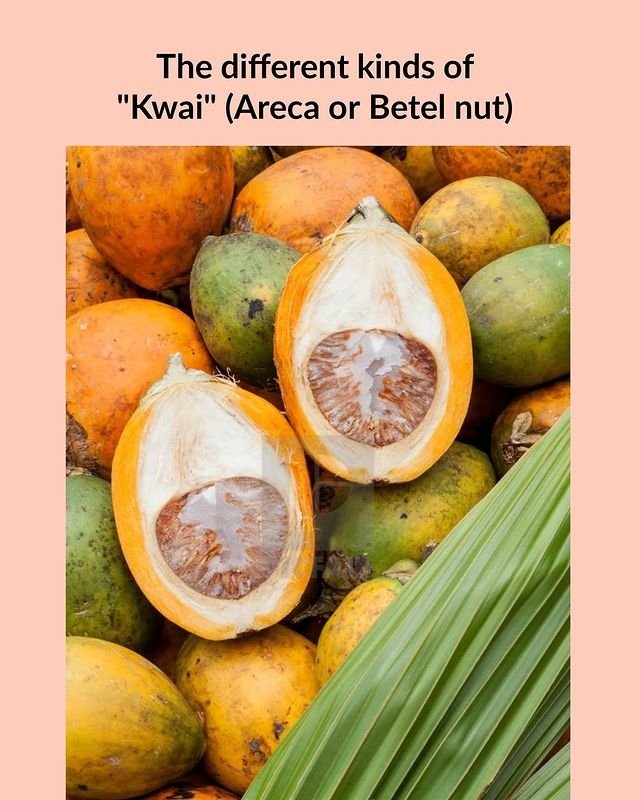
  • U ‘Wai Laper (U Waisoh Laper)

    U WΓ‘i Laper is a different and smaller species of kwai or areca nut. The tree of this kwai does not grow as tall as the regular kwai. Growing in the summer season, its cover is thin and it is quite tasty even though it can be hard and tough to chew. This smaller species of Kwai grows in the War Khasi and War Jaintia areas. Please tell us more if you know about U WΓ‘i Laper!

    "U WΓ‘i Laper" is a miniature version of the regular Khasi kwai (Betel nut) which people say is quite tasty πŸ˜€πŸ˜€

    Thank you @nongkyndong_lens for sending this entry! πŸ™

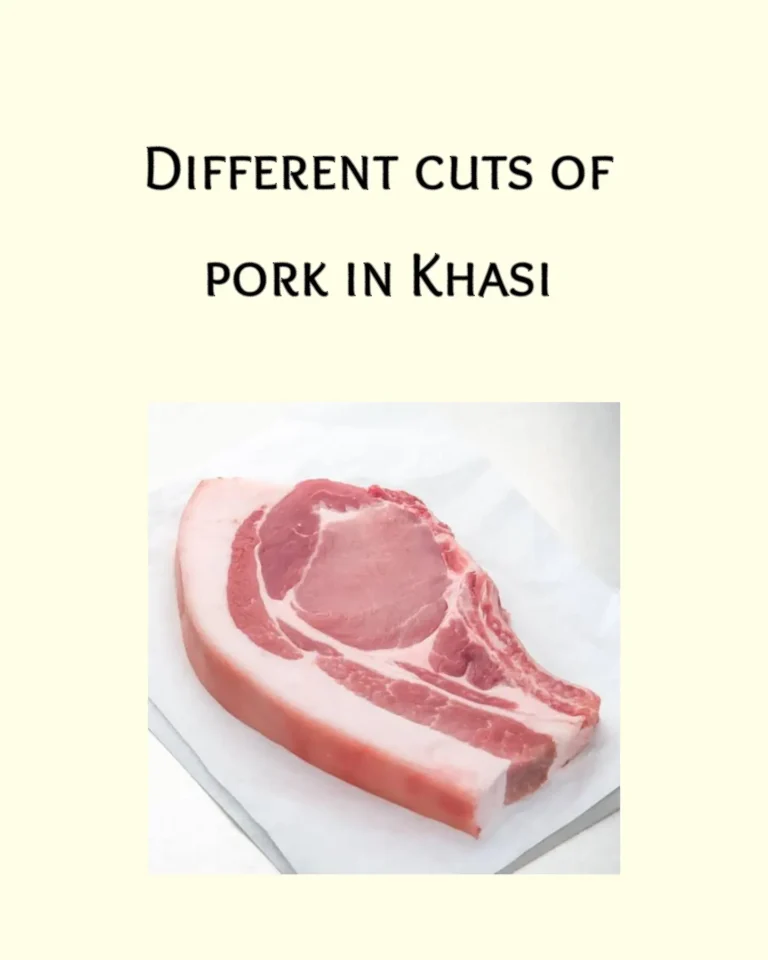
  • Different cuts of Pork in Khasi

    Doh Tdong – Ham/ Leg

    Doh Krung – Ribs

    Doh Ryndang – Pork Butt and Pork Shoulder

    Doh Kjat – Trotters

    Doh Khlieh – Head

    Jabieng – Brain

    Thied jabieng – Spinal Cord

    Doh Jem – Liver, intestines and doh saw dkhot

    Doh sawdkhot – Liver, kidney, spleen, heart

    'Nierbah – Stomach or Large intestine?

    'Nier Dong – Small intestine?

    'Nier Pyllon – Small intestine?

    Doh Snam – Blood sausage

    Don't we love our dohsniang? Pork constitutes a significant part of the Khasi diet from the head to the trotters πŸ˜…πŸ˜‚πŸ·πŸ·

    Dohjem and dohsnam are mouth-watering delicacies that are well-known!

    Please let us know about the large and small intestines. We've kept question marks against them. πŸ˜„

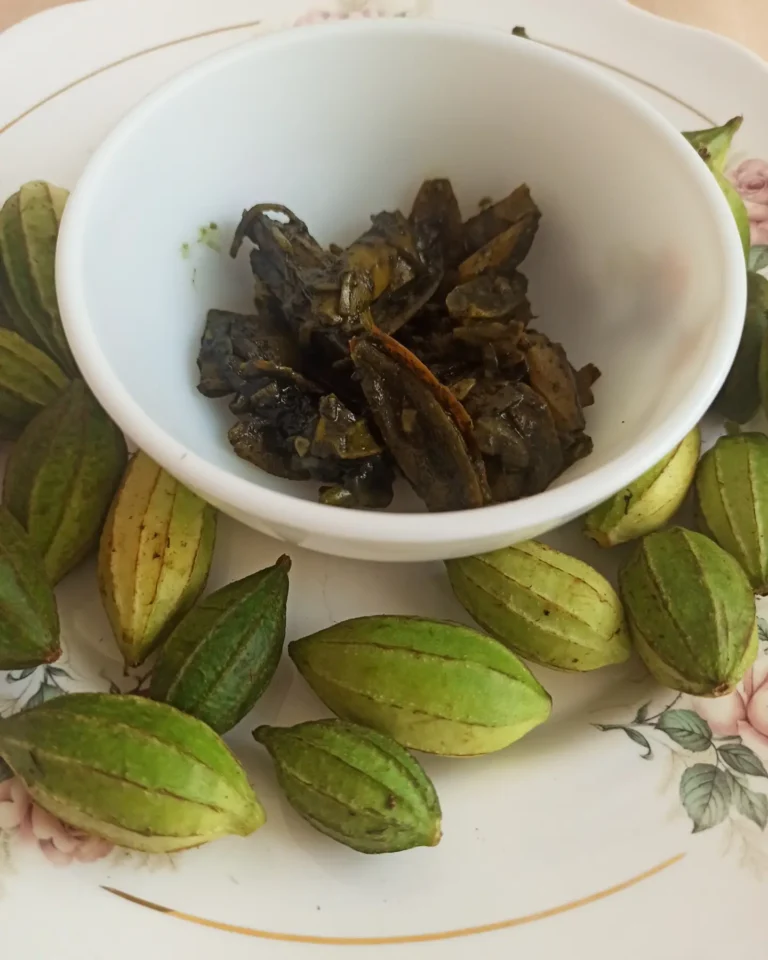
  • U Sawathang

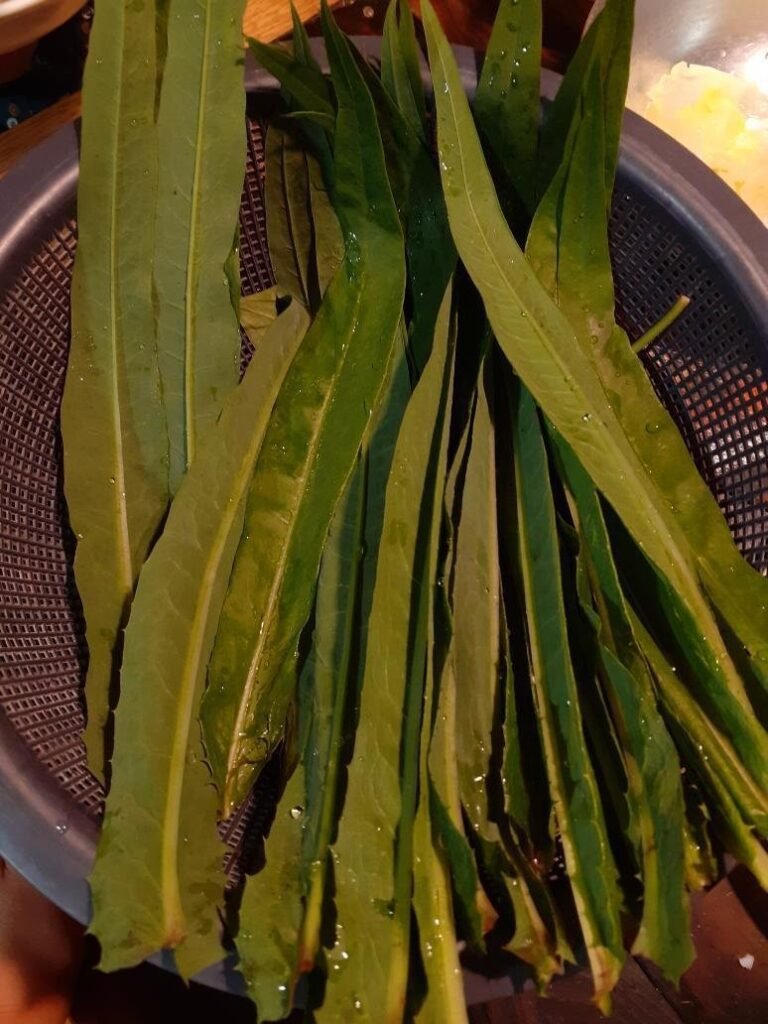
    "U Sawathang" is a Pnar vegetable that has now become common and is widely eaten among the Khasis too. It is so bitter that you have to throw away the first batch of water that is used to boil it. It's like a mini Karela/ Bitter Gourd with a 100 times more punch!

    Wow ka jingkthang, phin shu kyrngah ngang ngang! πŸ˜‚πŸ˜…

    It is cooked with black sesame seed on its own. Sometimes pork is added to it or it is also cooked with tungrymbai (fermented soya bean).

    If there are any ethno-botanists who can tell us the scientific name or the English name of "U Sawathang" it will be great! πŸ˜ƒ

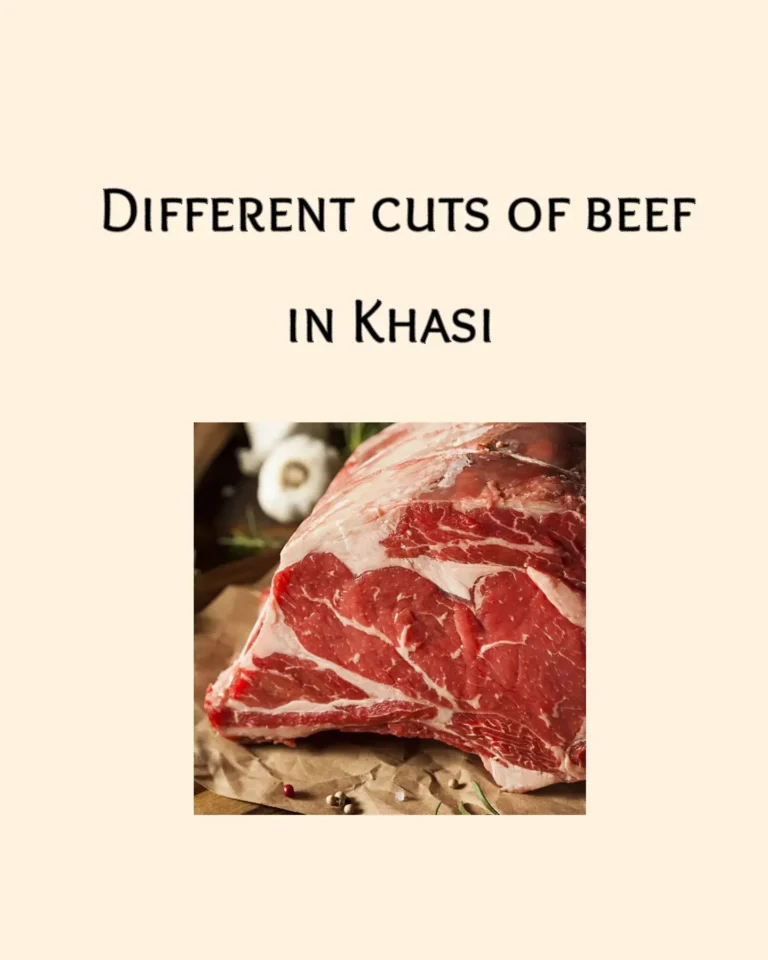
  • Different Cuts of Beef in Khasi

    Khmat Lbong – Thigh

    Tdong rben – Rump

    Tdong stang – Sirloin/ T-bone

    Syntai – Hump

    Lamjew – Chuck

    Shyieng sohkhia- Brisket

    Bung – Leg/ Calf

    Tdong kaweh – Oxtail

    Shyieng krung – Ribs

    Pyllon – Round

    Thylliej masi – Tongue

    Khlieh masi – Head

    Dohnud – Liver

    Doh klong – Heart

    Khyllai – Kidney

    Dohlab – Spleen

    Doh tawel /doh khu – Tripe

    Nier khyndai syrtap – Part of the intestine with nine layers

    Beef or "Doh masi" constitutes an important part of the Khasi diet πŸ₯©πŸ₯© There are stews, soups and curries which are oh so yum! Here are the different cuts of beef in Khasi πŸ˜ƒπŸ˜ƒ

    Ban kham tip, kham suk ka leit ïew da lah lait lashai 😁😁