Blog

  • Excerpt from the Introduction of “Ki Khanatang bad U Sier Lapalang” by Primrose Gatphoh (1937)

    U Primrose Gatphoh u ong:

    "Ki Puriskam, ki Purinam, ki Parom bad ki Khanatang ki don sawdong kane ka ri jong ngi, ha ki trep bad ki skum, sawdong ka lyngwiar dpei ba syaid bad ba rhem jong u khun Khasi Pnar baroh. Hynrei ka long kaba eh shibun ban lum ban lang, bad ban tai ban peh bha ïa ki shuwa ban pynsah ïa ki ha ka thoh ka tar kum ki mar kynti ka ri.

    Kam long ka kam kaba suk ban lum na kaba shu ïohsngew ka shkor, bad kaba shu kem na ka hamsaïan shaphang kiei kiei kiba ngi ju ïohsngew bad ïa kren barabor hapdeng jong ngi, kum ïa ki khlawait, ki thma, ki kut, ki kharai bad ka jingngeit ki briew ïa ki ryngkew ki basa kiba don sawdong ki lum bad ki wah jong ngi…

    Ngim lah ban ieit ïa la ka ri khlem da tip ïa ki Khanatang ki longshuwa jong ngi. Ban bud dien bad ban wad ïa ka kpait ka rukom pyrkhat hyndai, ka long ka jingsdang kaba shi kyrdan sha ka jingieit ri kaba shisha. La ki nongthoh bad ki nongïathuh ki ïapher, hynrei ki thymmei bad ki jingthmu na kiba ki la mih ki long kijuh."

    "Fairytales, fables, folktales and myths are all around our hills, in huts and homes, around the warm and fiery hearth of Khasi and Pnar families. But it is arduous to collect, to select, to sift and sieve through these stories before they are preserved in the written form as valuable heritage. It is not an easy job to gather from what is heard by the ears, and to grasp from unclear accounts that are heard from here and there, about what we usually hear and talk about among ourselves, about brave warriors, warfare and the belief in forest guardians who are present in our hills and rivers…

    We cannot love our community without knowing the myths and folktales of our ancestors. To follow and to search for the tracks of the old ways of thinking, is to begin at the first step towards a true and real love for community. Even though writers and story tellers are different, but the source and the aspirations from which they arise are the same."

    Bunsien ngim ju kham pule ïa ki "Shi Kyntien" jong ki nongthoh kaba ki ai ha kaba sdang jong ki kot jong ki. Kane ka dei na ka kot jong u Primrose Gatphoh. ✒️📖 Ki dei ki ktien kiba ai jingtip, jinghikai bad ki pynsngew ruh ïa ka jingsngew kitkhlieh na ka bynta ka ri la jong. 🏞️🌧️

    Often we do not read the introductions or the forewords given by writers at the beginning of their books. This introduction is from the book of Primrose Gatphoh. ✒️📖 These are words which give knowledge and teaching. They also reflect a sense of responsibility for the community 🌧️🏞️

    🟡 English translation by @speakyourroots
  • To “G” or not to “🥚”

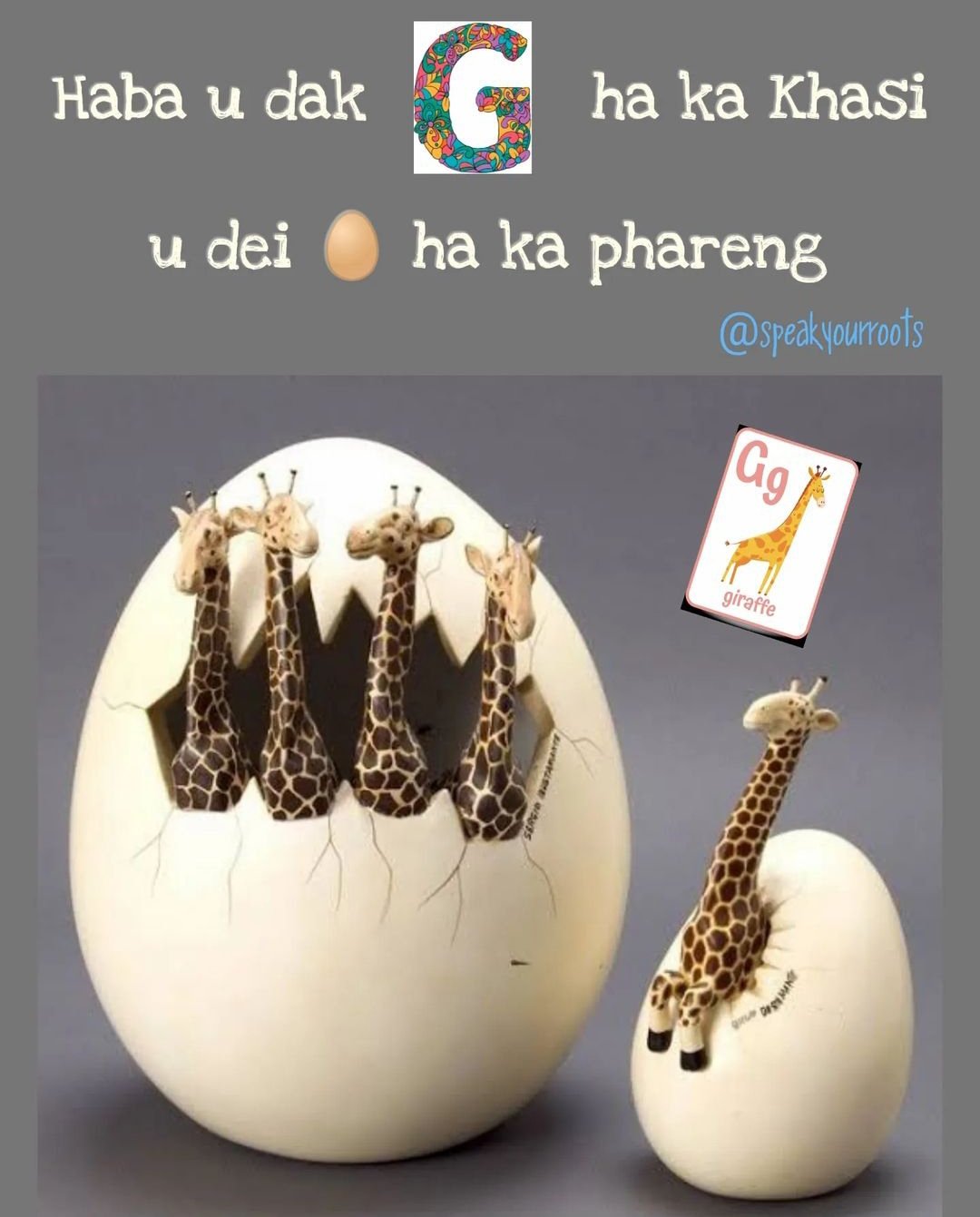
    😁😂🤡 To "G" or not to "🥚"

  • Jakhom

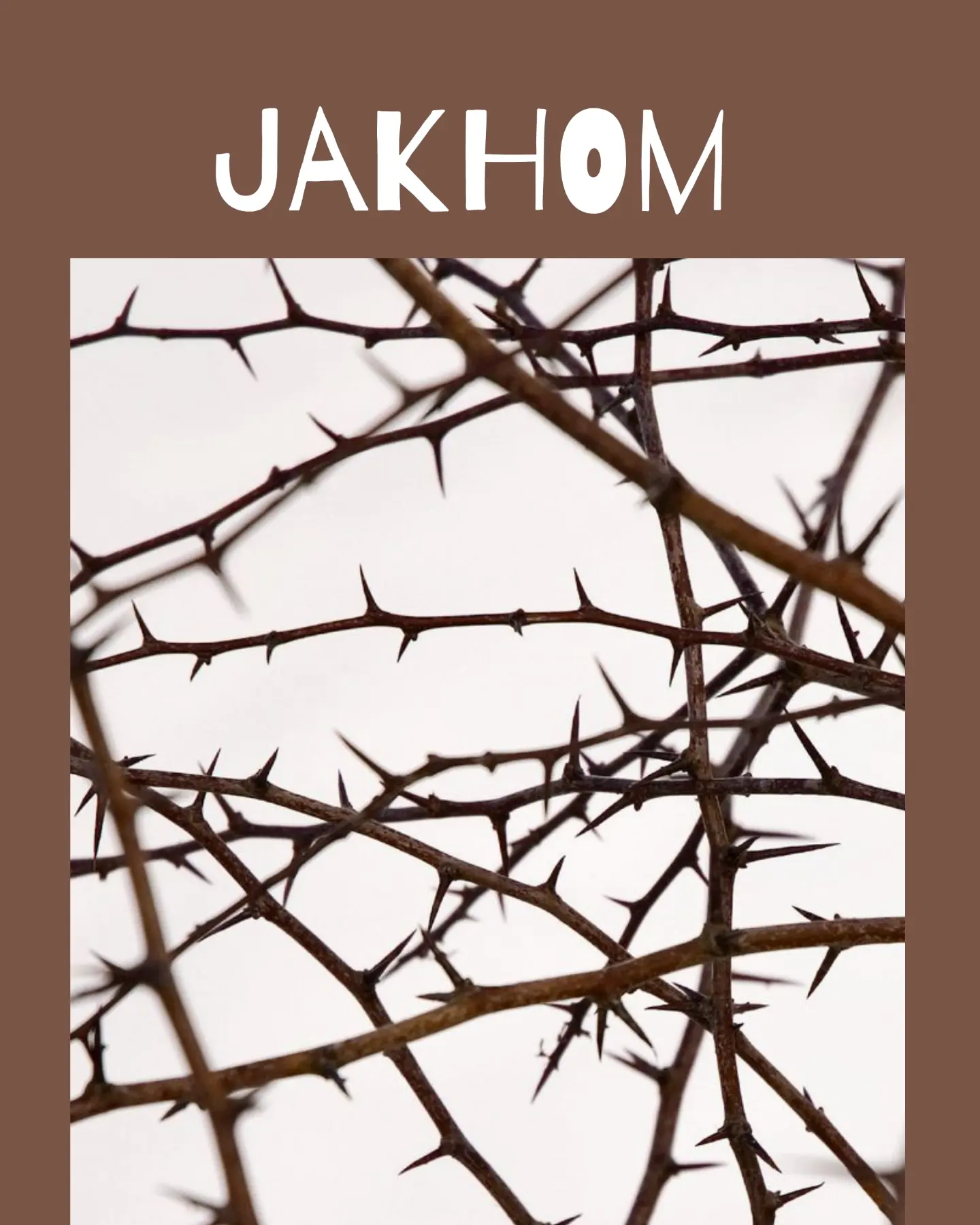
    Ka ktien "Jakhom" ka mut haba mad ïa ka sohsat, ka shitom ne ka mynsaw ha ka jingim u briew. Kum haba ong "Jakhom haba la wan ka 'er kyllang bad u slap."

    The Khasi word "Jakhom" means to experience difficulty and suffering, to be in trouble or to be wounded. When used in a sentence "It is jakhom when a cyclone hits accompanied with rain."

    Katba ngi nang kren, nang pule bad nang thoh ha ka ktien la jong, ngi nang lap bun ki kyntien kiba ngi lah ban pyndonkam ha ka jaka jong kiwei. Ka kyntien "Jakhom" ka long kawei na kum kita ki kyntien. 🗣️✒️📖

    The more we speak, read and write in our own indigenous languages, we will find more and more words that we can use instead of others. The Khasi word "Jakhom" is one such word. 🗣️✒️📖

    Hap kiar mo lok na ka jakhom! Tangba lada ka wan ruh, ngin nang khlaiñ bad met bad mynsiem! 💪💪

    🟡 English translation by @speakyourroots
  • Shape shifters by Mario Pathaw

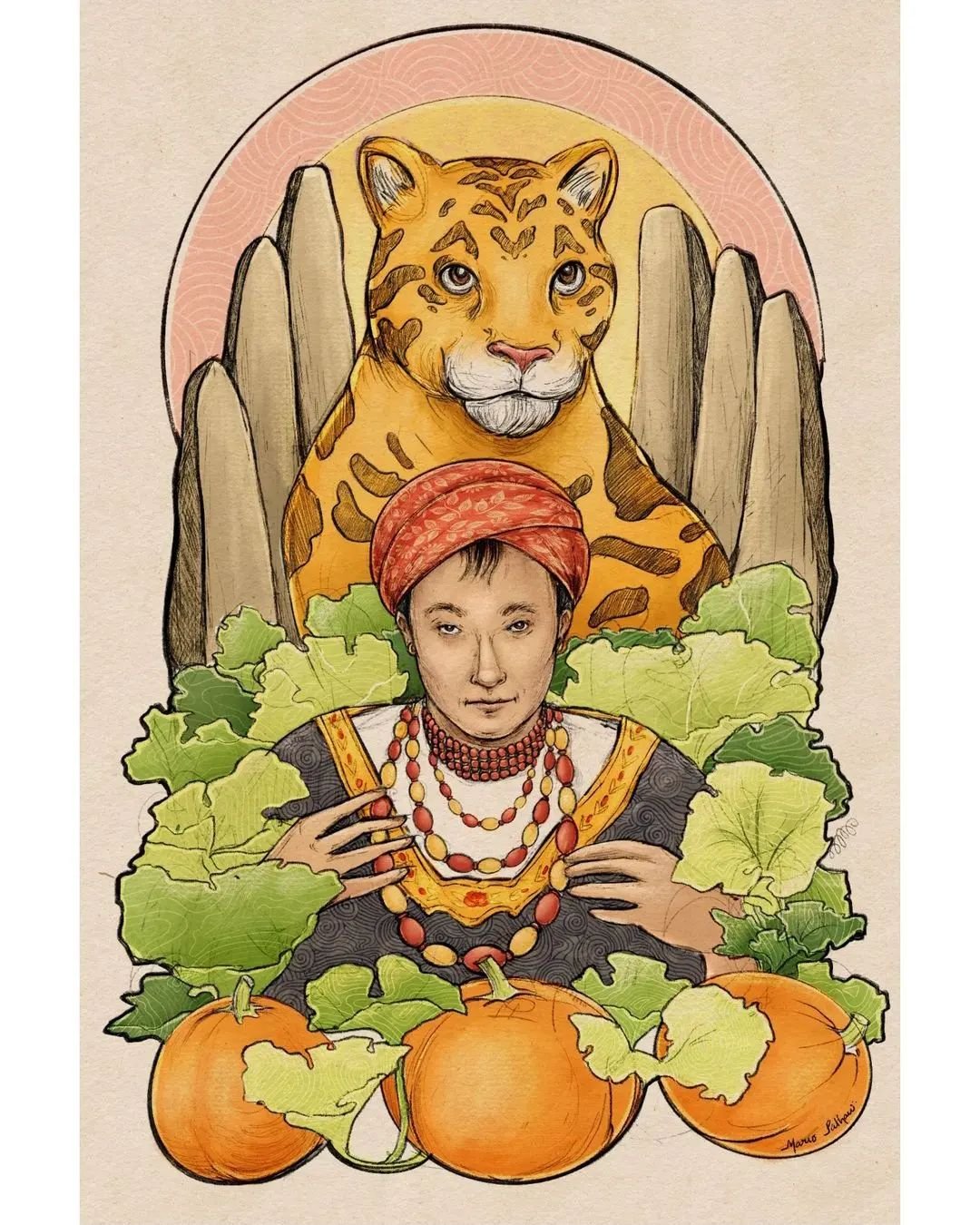
    Mario says: "Shape shifters are popular figures in myths and folktales around the world. In Japan and China, foxes assume human form to bedevil the unwary. In Brazil, the river dolphin Boto can turn into a boy and many Native American cultures have stories of "skin-walkers”. In Ireland, there is a myth which talks about the man wolves of Ossory."

    "This concept is also very popular in the Khasi tribe and there are tales and myths about the shape shifters of my clan, The Pathaw clan. According to the tales passed down from my great grandmother, the men of the Pathaw clan leave their bodies in a seemingly lifeless state while their spirits travel and roam around as the "Khla" (Tigers/ Leopards). The Khasi tribe describes a brave warrior as "U Khla Wait" (attributing to the fighting spirit of the Khla) and my mother describes our Pathaw men as warriors and protectors of the family."

    🐯…….🐯…….🐯

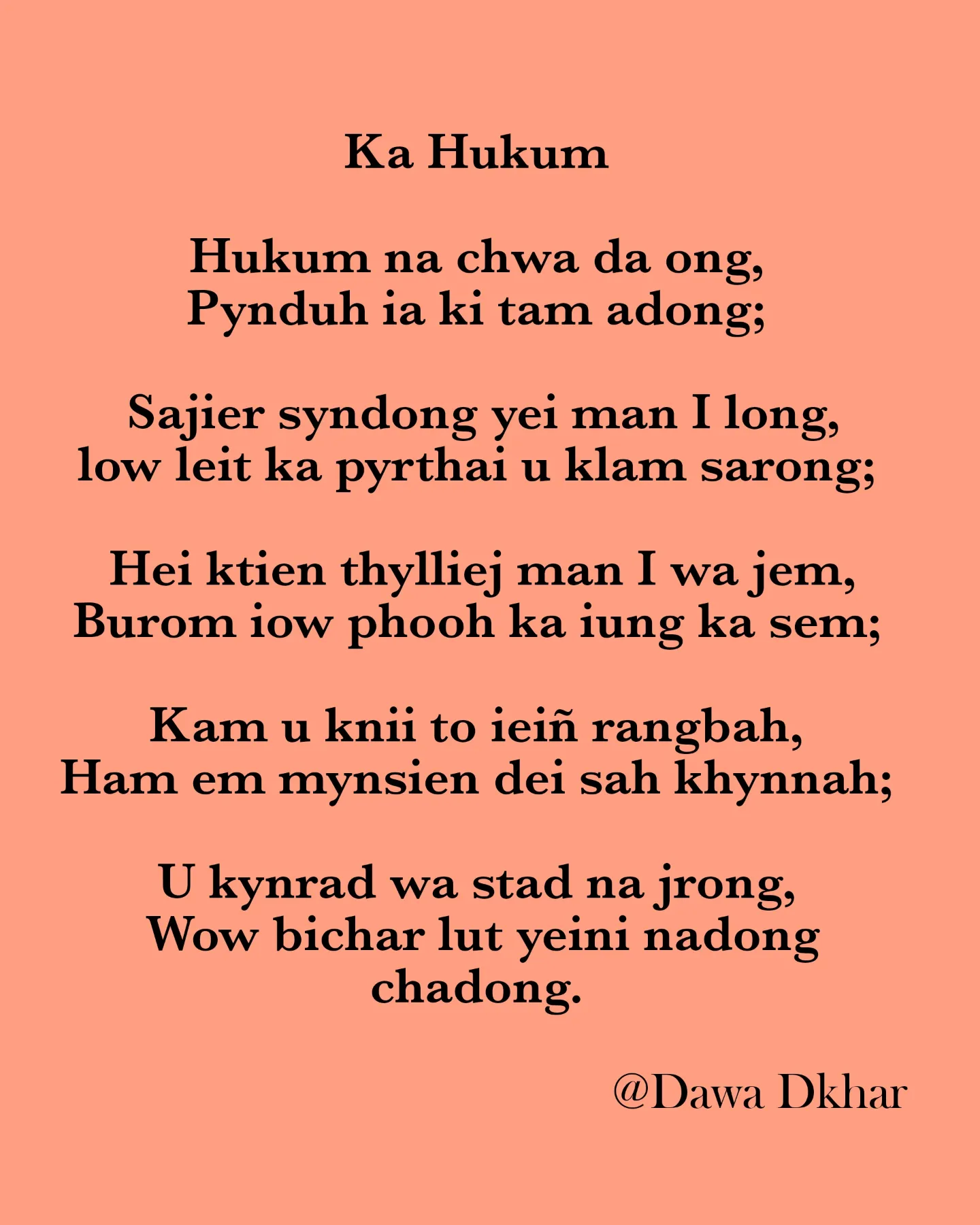
  • “Ka Hukum” da i Dawa Dkhar

    Ka Hukum

    Hukum na chwa da ong,

    Pynduh ia ki tam adong;

    Sajier syndong yei man i long,

    Iow leit ka pyrthai u klam sarong;

    Hei ktien thylliej man i wa jem,

    Burom iow phooh ka iung ka sem;

    Kam u knii to ieiñ rangbah,

    Ham em mynsien dei sah khynnah;

    U kynrad wa stad na jrong,

    Wow bichar lut yeini nadong chadong.

    Ka Hukum

    Hukum na shuwa ka la ong,

    Pynduh ïa ki tam adong;

    Sumar syndong ïa la ka long ka man,

    Ban lait ka pyrthei ban kren sarong;

    Ha ka ktien ka thylliej long kiba jem,

    Ban phuh ka burom ha ïing ha sem;

    Kum u kñi to ïeng rangbah,

    Wat don ka mynsiem kaba dang sah khynnah;

    U Kynrad ba stad na jrong,

    Un bishar lut ïa kane nadong shadong.

    An original Pnar poem entitled "Ka Hukum" by @dawadkhar ✒️📖 Khublei Chiboon wa phah phi ya ka jingthoh yong phi kawa sñiaw toh wa ki por katni 😄🙏

    Kane ka poitri ka don ha ka, ka jingïasyriem bad "Ki Jingsneng Tymmen" ha ka rukom thoh bad ka rukom hikai jong ka.

    🟡 Khasi translation by @speakyourroots

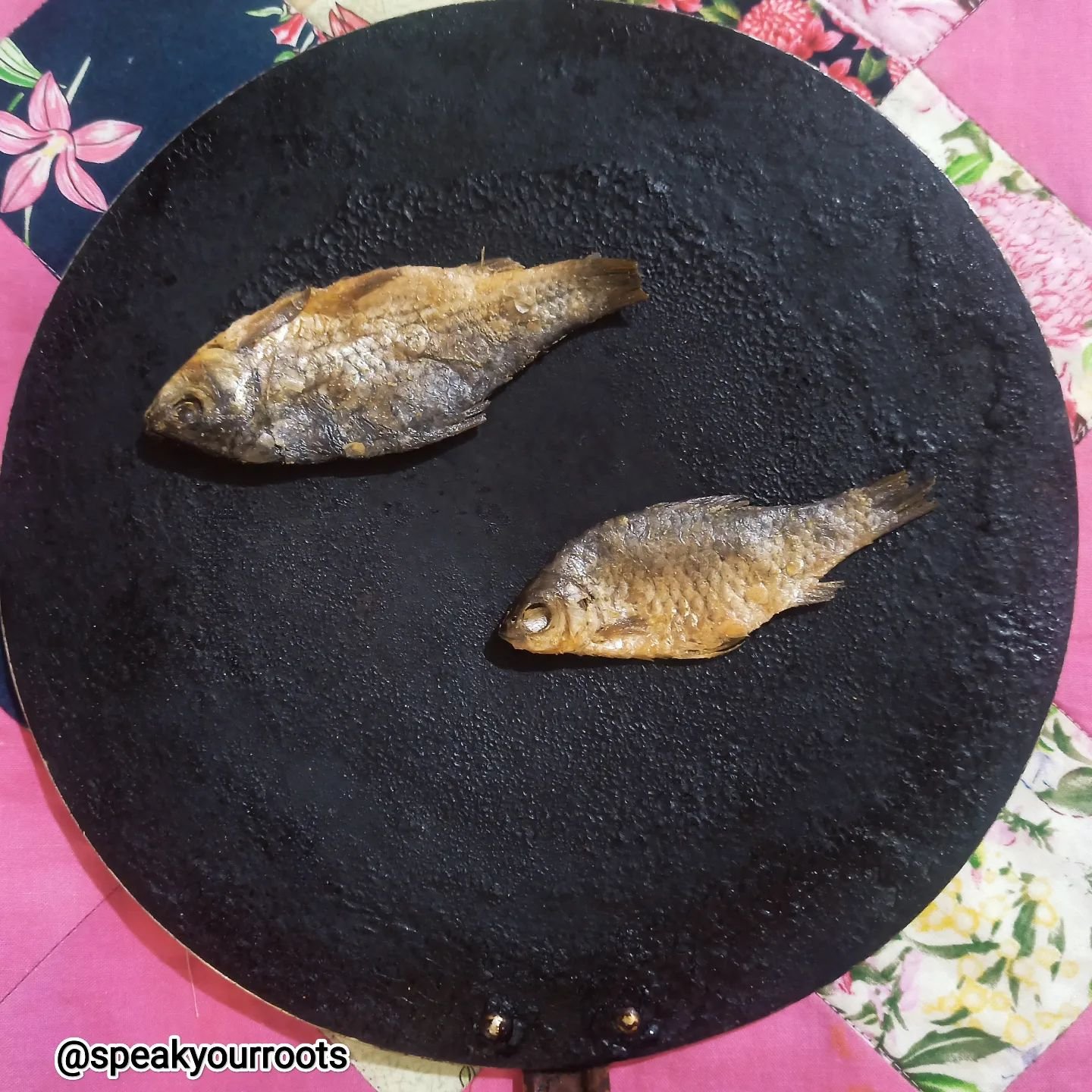
  • Tungtap (Fermented fish)

    “Tungtap" or fermented dry fish is an ingredient in many indigenous recipes or chutneys of Northeast India 🐟🐟

    It is preferably ground on stone with onion, chilli, turmeric and "jaїur", a native kind of szechuan pepper. Some also prefer making the chutney with "jyllang" or garlic chives.

    "Tungtap" can be added to any other dish that includes tomato, bamboo shoot or even bitter gourd. 😄😋

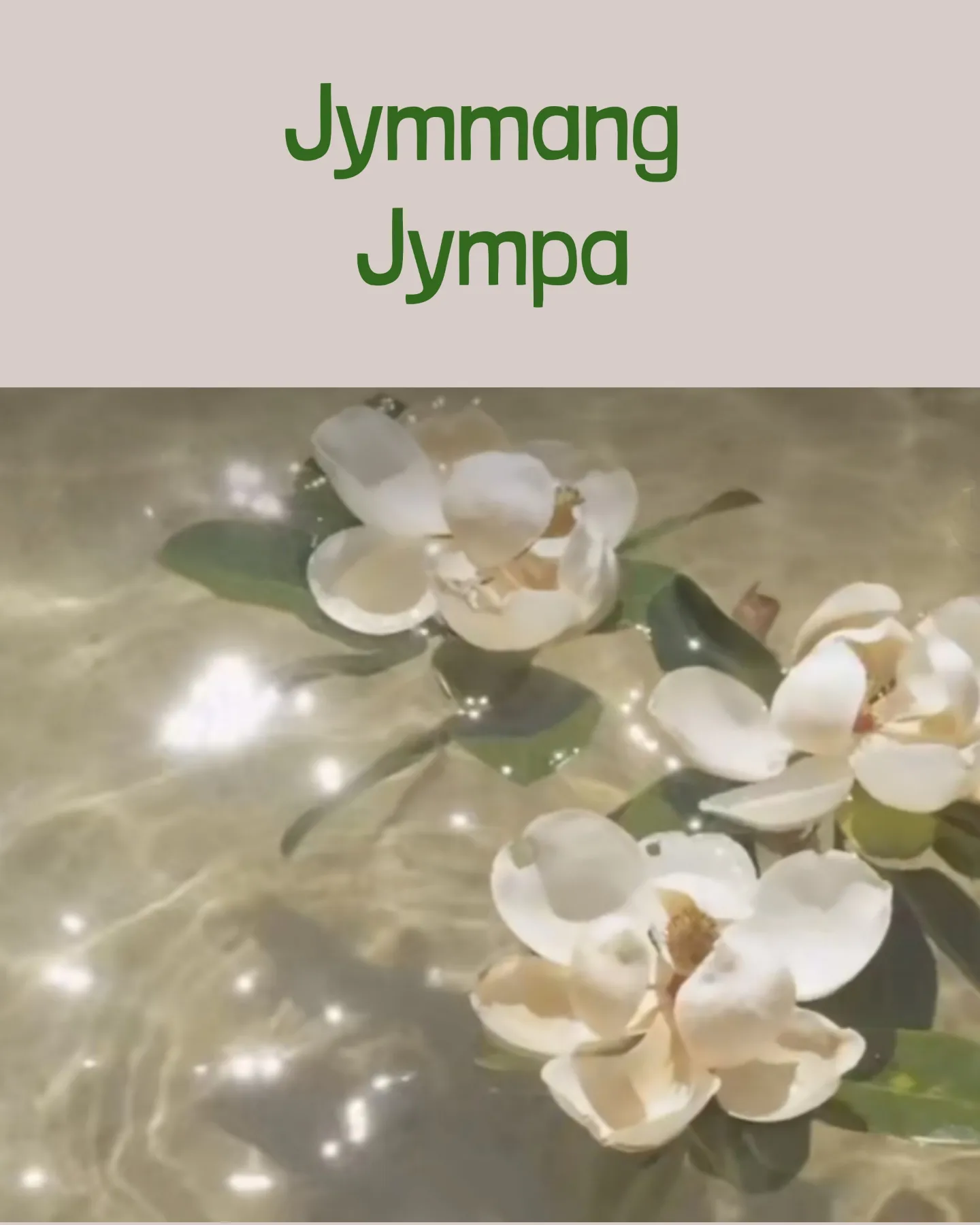
  • Jymmang, Jympa

    U Jymmang, u bnai uba san jong ka snem, u dei u bnai pyrem. Kumba long kiwei pat ki bnai, u Jymmang u don saw taïew lane arphew phra sngi pura.

    Baroh ar ki ktien "Jympa" bad "Jymmang" ki ïa ïaid ryngkat ryngkat. Ka ktien "jym" ka long ka ktien tynrai. "Pa" bad "Mang" ki long ki ktien bynrap. "Pa" ka mut "per" ne "jngi" halor um bad "mang" ka thew ïa ka "rmiang shyntur" jong ka wah. Namar kata, ka ktien 'Jympa" ka mut kaba per ne jngi halor um katba ka ktien "Jymmang" ka thew ïa ka jingsdang ka um ne ka wah.

    Ha u Ïaiong u slap u la sdang ban hap. U shu hap teng teng tang ban ai um ïa ka khyndew bad ïa ki jynthung. Ka khyndew ha kawei pat ka liang, ban pynum ïalade, ka kjit lut ïa ka um slap baroh kaba hap ha une u bnai. Ki wah bad ki duid ruh haba ki ïoh slap teng-teng ki la sang ban tngen naba la tyrkhong eh baroh shi aiom tlang.

    Ha u Jymmang u slap u la sdang ban ther bad ki wah ruh ki la sdang ban nang kiew. Ki khynnah ap masi bad ki nongrep kumjuh ki sngewtynnat eh ban sum bad "jympa" ha une u bnai namar la "jymmang" ka um. Baroh ar ki ktien "jympa" bad "jymmang" ki thew ïa ka um tangba ki ïapher ha ka rukom jingpyndonkam.

    "Jymmang" or May, the fifth month of the year is a spring month. As the other months, May has four weeks or twenty eight days.

    Both words "Jympa" and "'Jymmang" go hand in hand. The word "jym" is a root word. "Pa" and "mang" are the supplementary words. "Pa" means to float or swim in water and "mang" refers to the mouth of a river. Thus, the word "Jympa" means to float or swim in water, while the word "Jymmang" refers to the beginning of a mass of water or a river.

    In April the rain begins to fall. It arrives intermittently so as to provide water for the earth and plants. The earth, to water and replenish itself, takes in all the rain water in this month. Rivers and streams who have received rainfall are rejuvenated since the dry months of the winter season.

    In May the rain begins to fall heavily with river levels rising. Cow herders and farmers enjoy to bathe and swim or float in water because of the increase in water level. Both words "Jympa" and "Jymmang" refer to water with the only difference being the way they are used.

    The Khasi names for the month of May have multiple meanings 🌦️⛅🌤️🌱🌿
    A knowledge of the seasons and what they entail is important for broadening our understanding of culture and practice. 😃🏞️🌄

    🟡 Source: Rev. Dr. Ïarington Kharkongor
    🟡 English translation by @speakyourroots
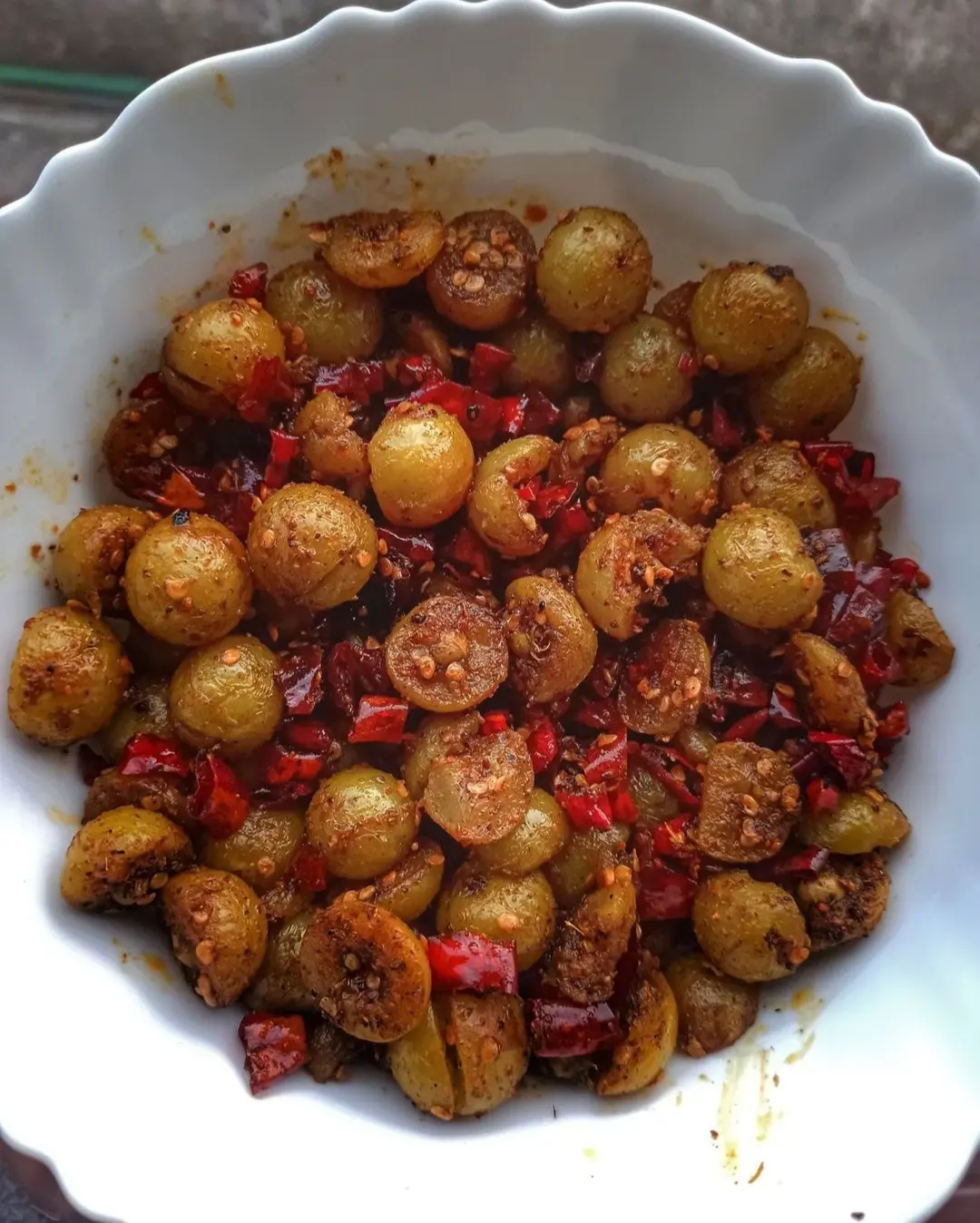
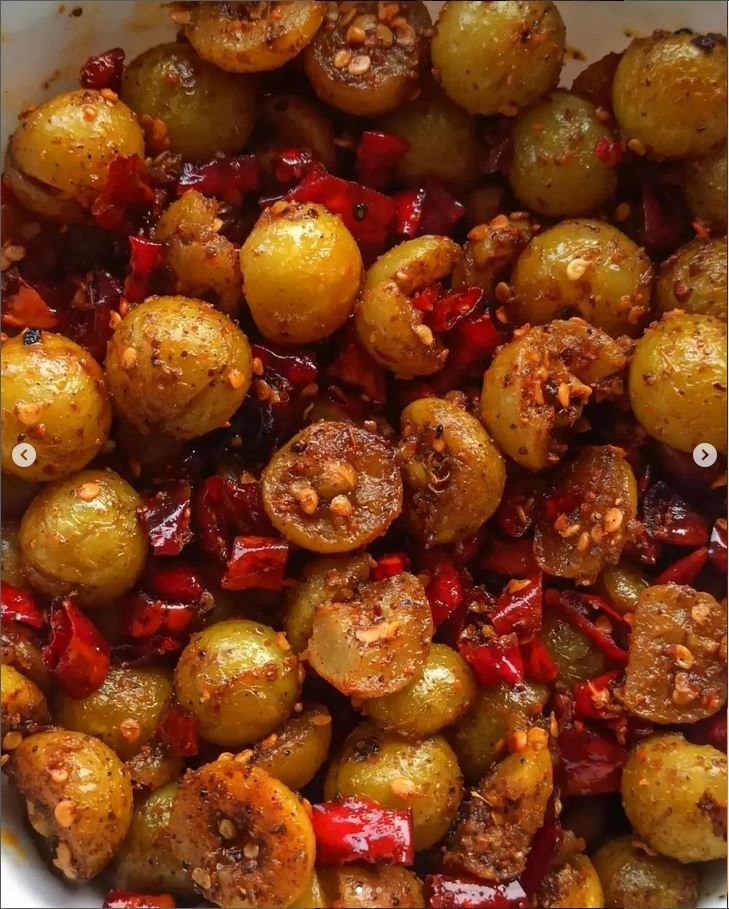
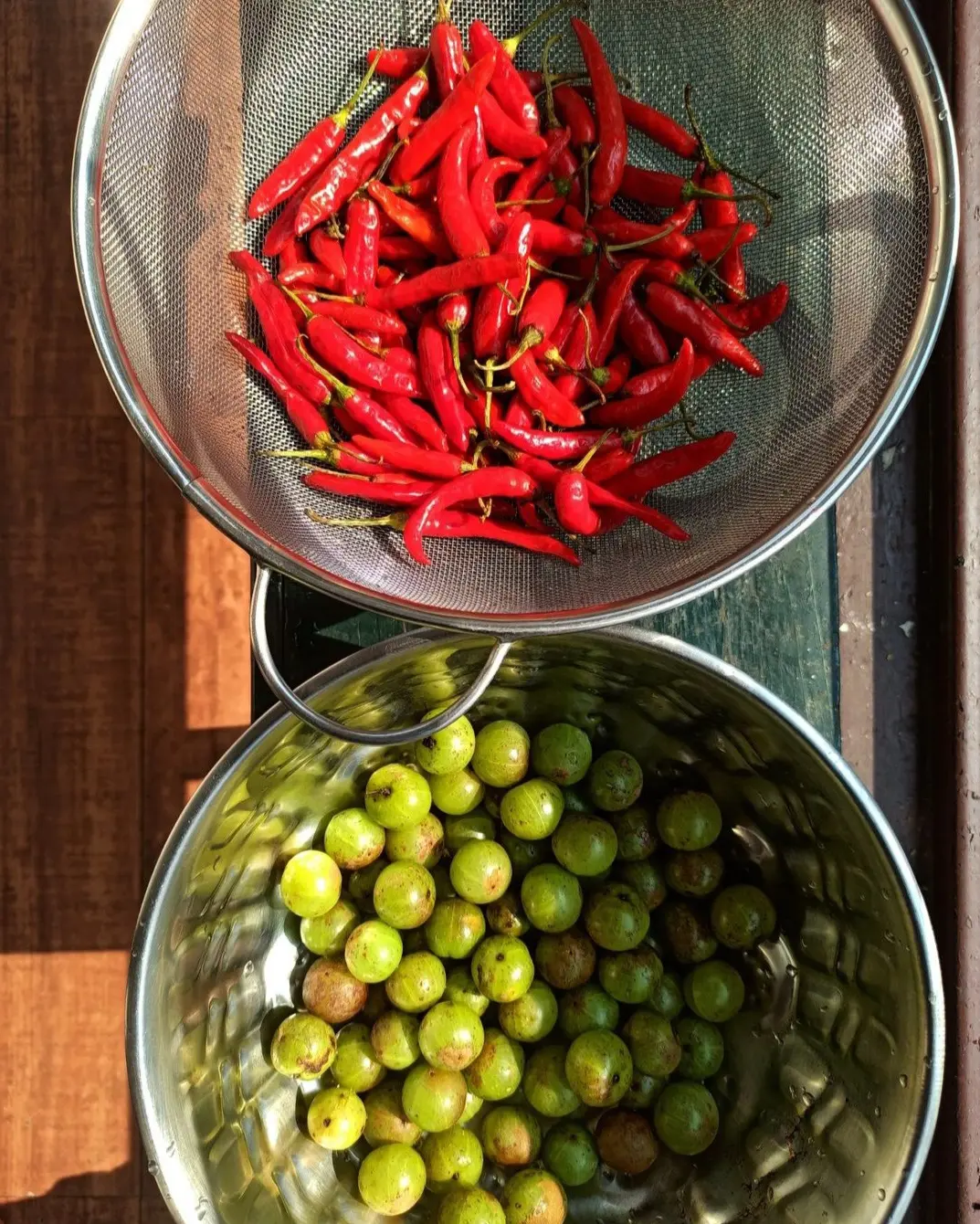
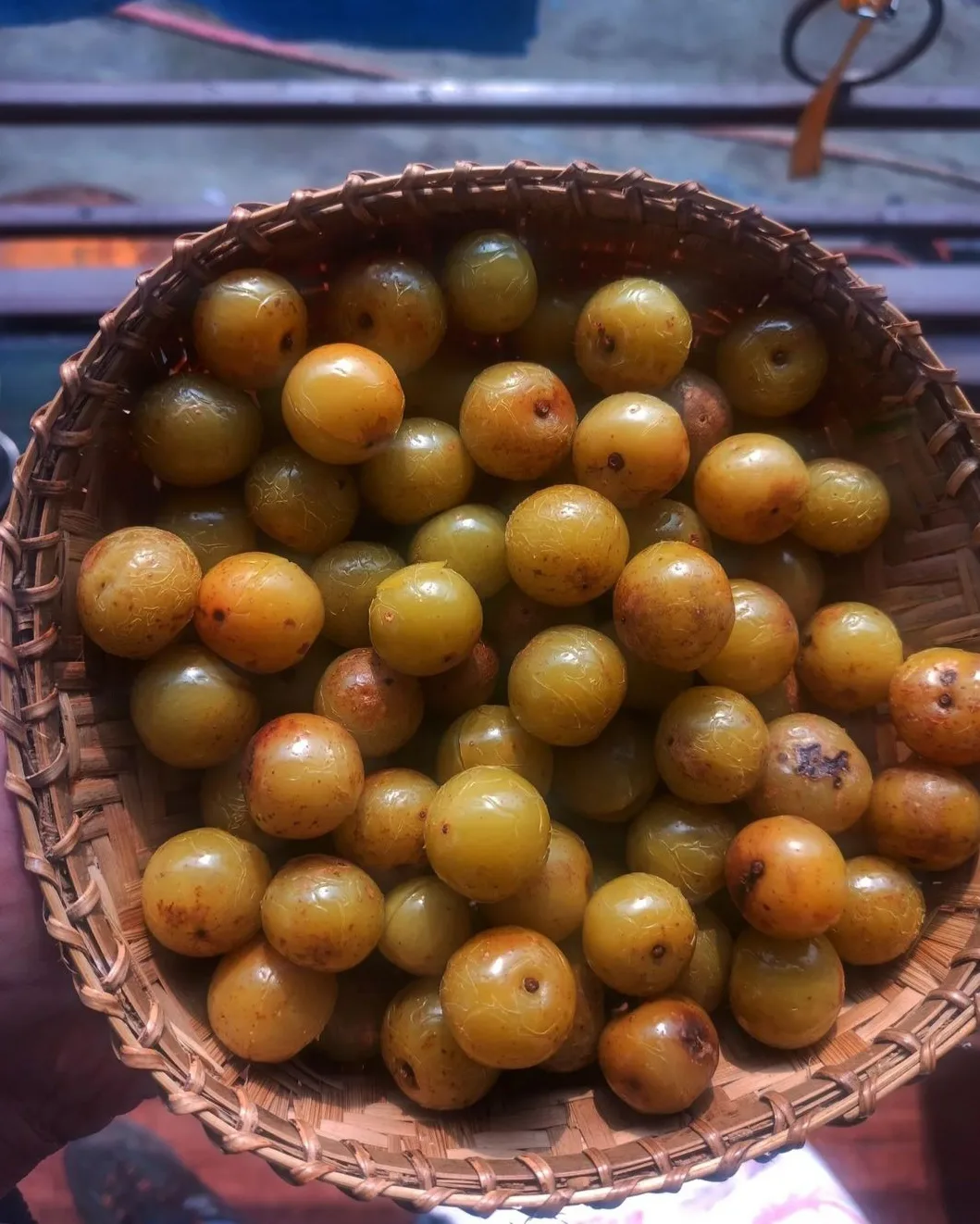
  • U ashar soh mylleng/ Gooseberry pickle

    U ashar soh mylleng or gooseberry pickle cooked by @kamra_shetja_khasi 🫕🫕

    This looks so good, mynta ba lah shit lei 😋😋

    Khublei Shibun @kamra_shetja_khasi for allowing us to post your pictures! 😄😃🙏🙏 Congratulations on your beautiful page with so many indigenous Khasi recipes!

  • Ki jingpuson ha ka janmiet Jymmang

    Ka jingïap ka wan ha bun ki rukom. Ma nga, ma phi bad baroh ngi lah duh ïa ki baieit bathoiñ jong ngi. Ïa kata ngim lah ban pynkylla.

    Ka don sa kawei ka jait jingïap kaba ap shrip, na lyndet u mawsiang. Ka jingïap jong ka ktien ka thylliej bad ka riti ka dustur. Da lei lei ruh kine kim dei ban jah ne hiar ha ka jinglong kongsan.

    Baroh ngi kwah ban bat ban ksoh ïa ka jinglong jingman kaba kynsai kaba long tang ka jong ngi hi. Ngi kwah ruh ban ïoh ïa ka jingsngewthuh kaba shai ba ngi dei trai dei bynta jong ka thymmei kaba kumno.

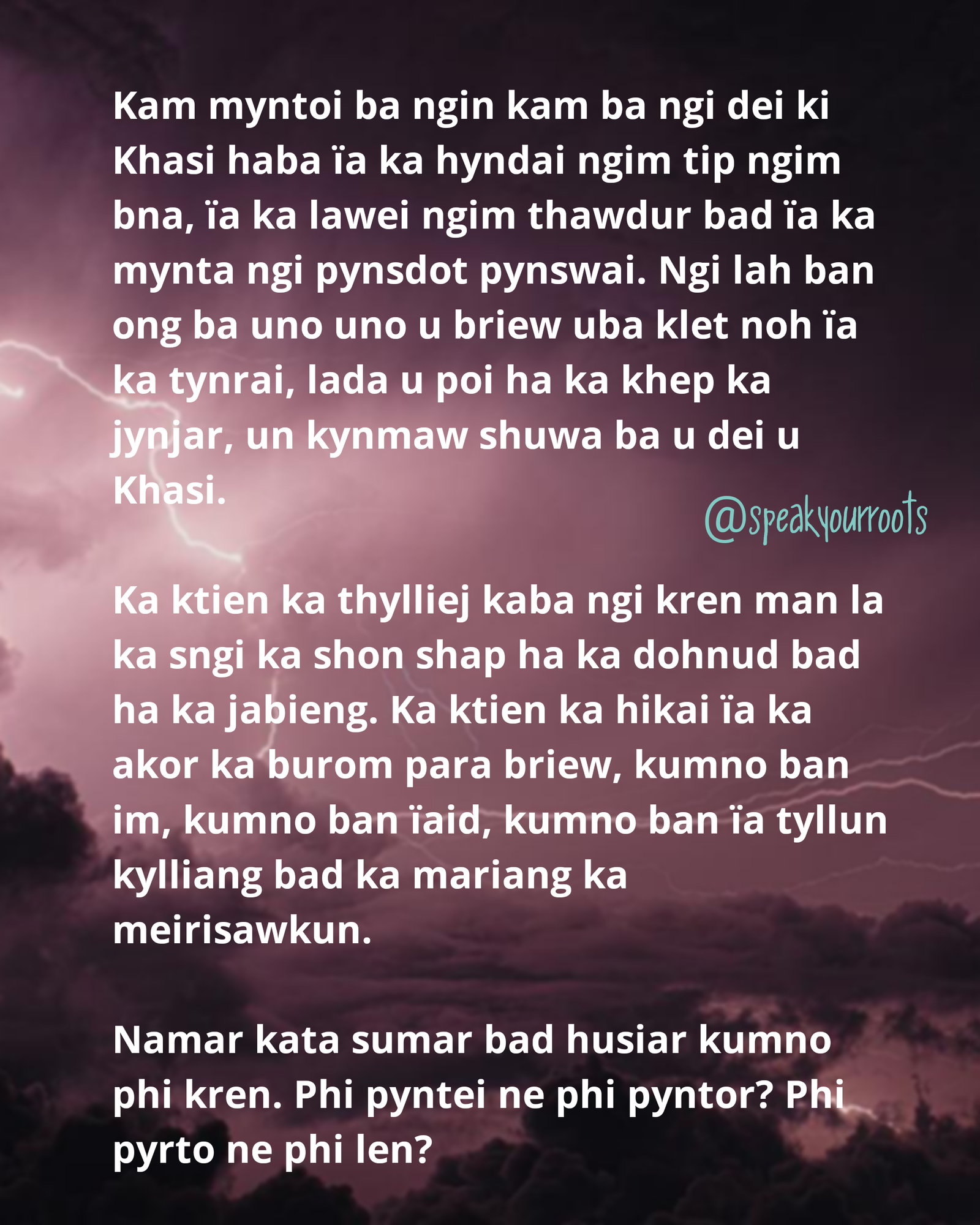
    Kam myntoi ba ngin kam ba ngi dei ki Khasi haba ïa ka hyndai ngim tip ngim bna, ïa ka lawei ngim thawdur bad ïa ka mynta ngi pynsdot pynswai. Ngi lah ban ong ba uno uno u briew uba klet noh ïa ka tynrai, lada u poi ha ka khep ka jynjar, un kynmaw shuwa ba u dei u Khasi.

    Ka ktien ka thylliej kaba ngi kren man la ka sngi ka shon shap ha ka dohnud bad ha ka jabieng. Ka ktien ka hikai ïa ka akor ka burom para briew, kumno ban im, kumno ban ïaid, kumno ban ïa tyllun kylliang bad ka mariang ka meirisawkun.

    Namar kata sumar bad husiar kumno phi kren. Phi pyntei ne phi pyntor? Phi pyrto ne phi len?

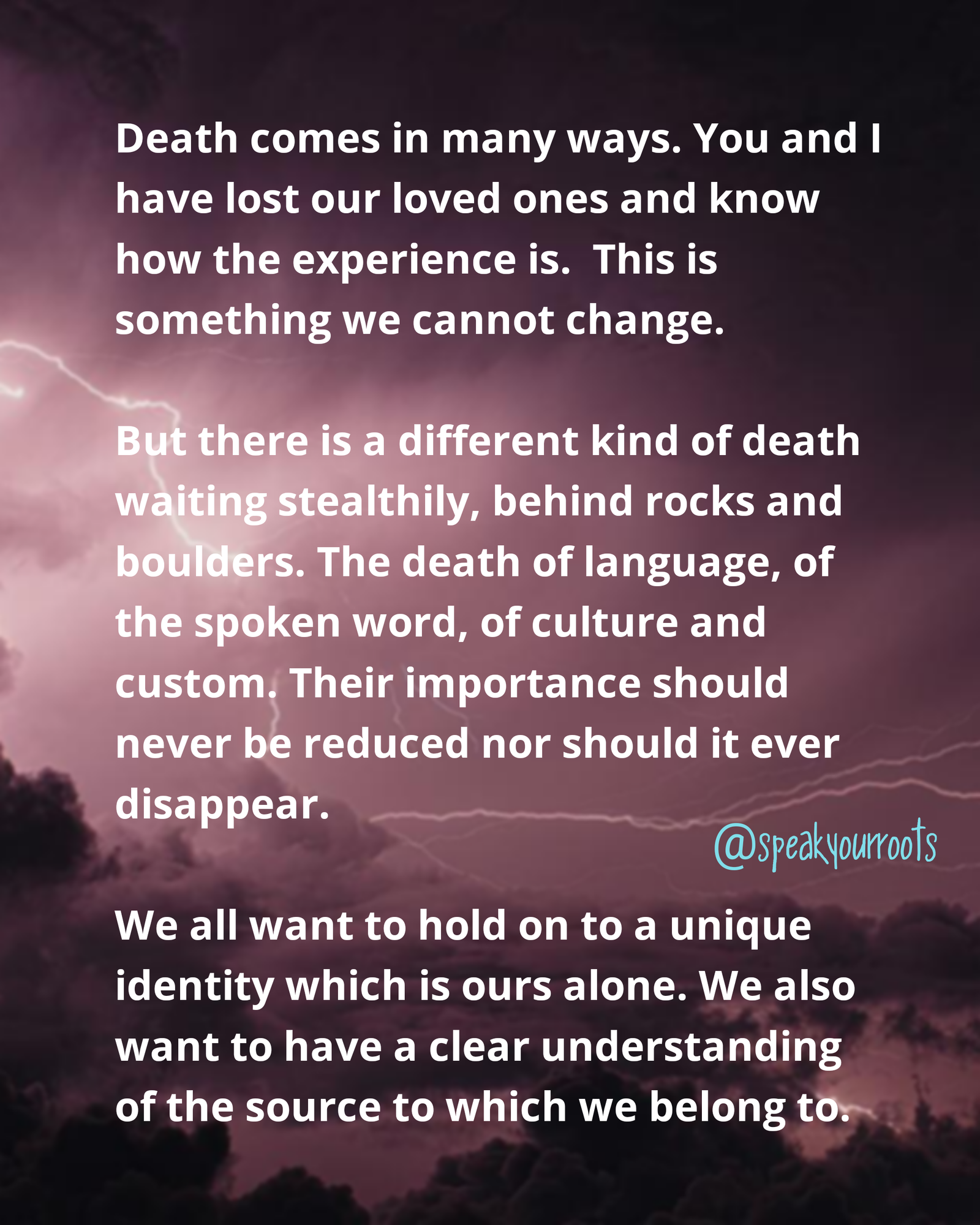
    Death comes in many ways. You and I have lost our loved ones and know how the experience is. This is something we cannot change.

    But there is a different kind of death waiting stealthily, behind rocks and boulders. The death of language, of the spoken word, of culture and custom. Their importance should never be reduced nor should it ever disappear.

    We all want to hold on to a unique identity which is ours alone. We also want to have a clear understanding of the source to which we belong to.

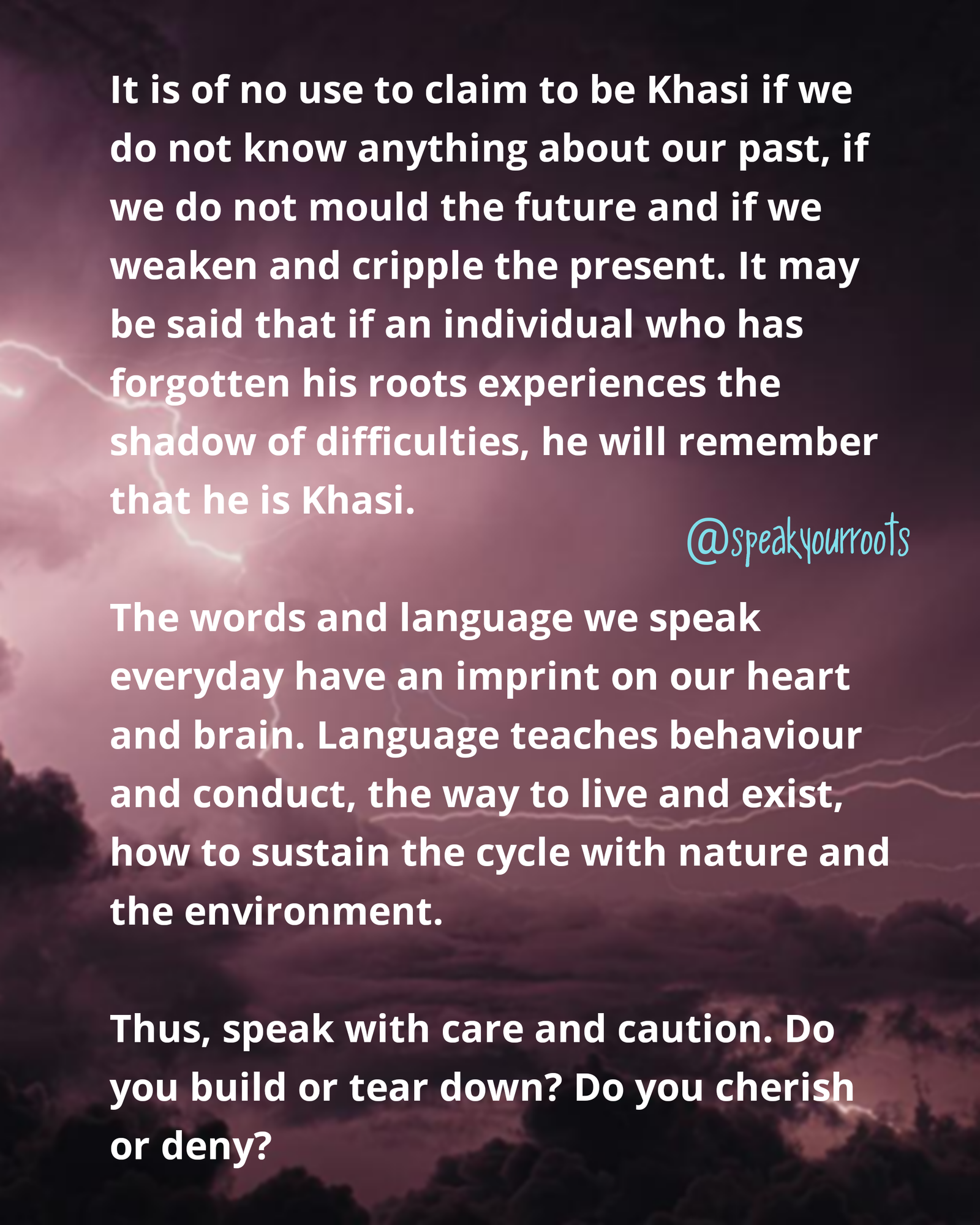
    It is of no use to claim to be Khasi if we do not know anything about our past, if we do not mould the future and if we weaken and cripple the present. It may be said that if an individual who has forgotten his roots experiences the shadow of difficulties, he will remember that he is Khasi.

    The words and language we speak everyday have an imprint on our heart and brain. Language teaches behaviour and conduct, the way to live and exist, how to sustain the cycle with nature and the environment.

    Thus, speak with care and caution. Do you build or tear down? Do you cherish or deny?

    Ki jingpuson ha ka janmiet Jymmang. 💭💭🗣️

    Some thoughts to muse upon on a May evening. 🗣️💭💭

    🟡 Written in Khasi and English by @speakyourroots

  • Janai-Jaton

    Janai: Babeit ne babit bha, ka thew ïa ka jinglong kaba thikna bad kaba paka bha.

    Jaton: Ïa ka ktien jaton la pyndonkam lang bad ka ktien janai. Haba ong Janai-Jaton, ka mut khnang khnang lane wat pep, kum haba ong "sngewbha wan janai-jaton".

    Janai: What is wholesome, bearing clarity and goodness. Consequently this refers to the quality of being certain, satisfactory and the best.

    Jaton: The word "jaton" is used with the word "janai". When we say "Janai-Jaton" it means without fail, implying the certainty with which something needs to happen or to be done. For example, when it is said "Please come janai-jaton", it means that the person has to come, with no excuses for not showing up.

    "Janai-jaton" is a Khasi "ktien kynnoh", two similar meaning words that form a phrase, containing a two-fold significance. 🔡💭

    🟡 English translation by @speakyourroots