Blog

  • Ka Latai

    "Ka latai" ka dei ka tiar kyllaiñ ksai kot kudi ne ka shaka kyllaiñ ksai.

    The Khasi word "Ka latai" is the roller or the spool on which the kite string or thread is rolled.

    Katno ka jingshongshit haba pynher kot kudi! 🪁🪁😄😄 Her lang u dohnud katba nang her ka kot kudi 🪁

    Those sunny days with those steady winds for kite flying 🌬️🌬️🌤️🌤️

    🟡 English translation by @speakyourroots

  • Prehistoric Cultures Through The Lens Of Archaeology: Marco B. Mitri (Excerpt)

    Chapter – 6 The Ethno-archaeology of Sohpet Bneng Hill

    While pursuing historical research with an archaeological approach, the contemporary traditional mode of life can contribute greatly in providing analogy about the ones in the past, since archaeological interpretation basically depends and ultimately rests on analogy. The significance of ethnology in archaeology can be understood from the remarks made by some archaeologists that archaeological reconstruction is an analogy with or without ethnological recourse In order to understand the material culture preserved in traditional practices, ethnoarchaeology? tries to study the possible correlation between the material culture of the people on one side and the unobservable social relations or spiritual life on the other. Thus the material data can be used to integrate knowledge to other non-material or intangible facets of the society which are reflected and embedded in tradition through an approach called folk archaeology! Archaeology can therefore contribute directly towards historical reconstruction when conventional historical sources are lacking or when other forms of preserved traditions require substantial support. By doing so, the mythical notion about the ancient ways of life, particularly the lifestyle of the pre-historic people is significantly reduced.

    Applying "Direct Historical Analogy" when there is temporal continuity between the archaeological culture and the ethnographic culture, the folk narrative of U Sohpet Bneng can become part and parcel of ethno archacological research, not as a partial and fragmentary record of the past, but as true elements that can be rescued from the clouding fantasy and helped to blend the two interacting modes of representing the past by using different accounts of the same events and objects.

    Inspired by the folk narrative, a systematic archaeological survey and exploration of the entire hill range around the areas close to Sohpet Bneng peak is conducted to gain empirical data from the area. During the course of exploration, which started in year 2003, the archaeological site of Lawnongthroh* which lies at the foot of the peak and along the ridge of Sohpet Bneng hill is discovered. Archaeological evidences of different cultural periods are observed at the site which stretched to more than a kilometer along the ridge.

    The site of Lawnongthroh is named after a village which is located in the northern slopes of Sohpet Bneng hill in the Ri-Bhoi district of Khasi hills, Meghalaya. On the ridge of the hill's northern slope that extends approximately 1.5 Kms in length and spread between 50-60 Meters in width, archaeological evidences like the Megalithic monuments, secondary burial Cist, cremation mound, Iron smelting area and wheel-made potsherds are found. Subsequent exploration of the ridge led to the discovery of 11 numbers of stone implements of Neolithic origin from the surface of a site which falls in one of the village's locality called Lum Mawbuh on the northern part of the village.

    According to informant the archaeological evidences recorded on the western slope of the ridge are associated with an ancient deserted settlement called, Mawbuh which lies a kilometer north of the present Lawnongthroh village. The source also added that it was the inhabitants of the Mawbuh village who were the first people to initiate religious ceremonies at the Lum Sohpet Breng peak. The ridge top of Lawnongthroh on the other hand, was an uninhabited area then and known to the inhabitants of ancient Mawbuh village by the name

    Synner, known for being an ancient route where the procession rested for a night before the ceremony at the apex of U Lum Sohpet Bneng.

    After the abandonment of the ancient Mawbuh settlement, there was a lull phase of human occupation on the hill till the appearance of the present village of Lawnongthroh which came into existence on the ridge only 30 years ago. These new occupants who formed the present village came in at different times from other nearby villages and also from distant places of Khasi hills to farm and cultivate on the ridge and its hill slopes. The reoccupation of the site after a long interval of abandonment is an important feature to help understand The settlement system on this hill and can also offer strong analogy on the pattern of human occupation of the area in archaeological past and an important pointer to the antiquity of settlement, giving the hill a unique character of being an area attraction. Archaeological findings from this area which are associated with different cultural periods of the past are clear evidence of human occupation pattern on the ridge and its surrounding slopes.

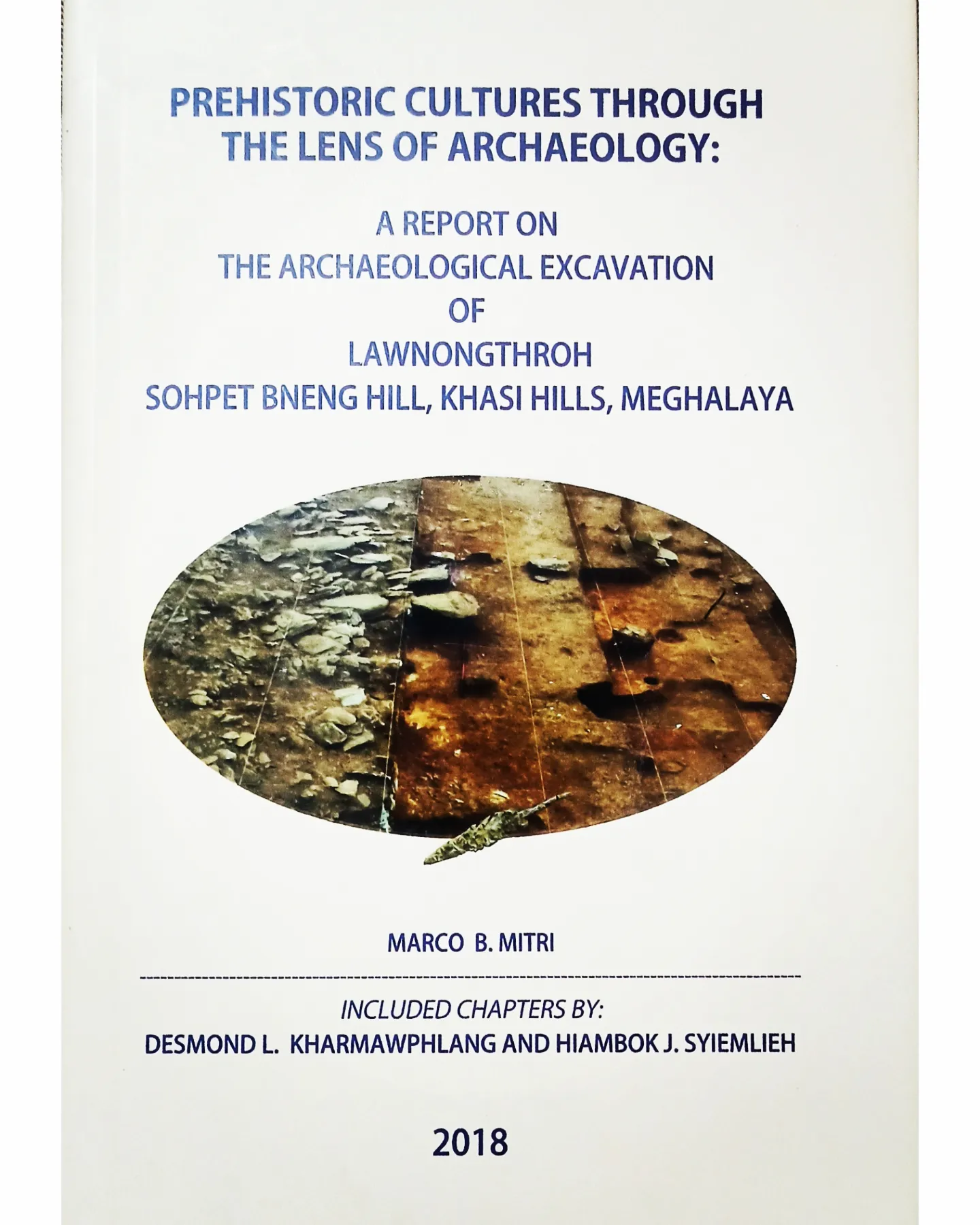
    Prehistoric Cultures Through The Lens Of Archaeology: A Report On The Archaeological Excavation Of Lawnongthroh, Sohpet Bneng, Khasi Hills, Meghalaya (2018) by Dr. Marco Babit Mitri is a wonderful treasure which documents the archaeological efforts in Lawnongthroh, Sohpet Bneng Hill.

    The book merges archaeology, geography, history and cultural studies to build a vivid understanding of life in the area. 📝⛏️⚒️📏📐📚

    The post shows excerpts from Chapter 6 which focusses on "The Ethnoarchaeology of Sohpet Bneng Hill" 🏞️🌄

    Dr. Mitri has lead an intensive research of the site and reading the book piques the imagination as one reads of Neolithic sites and stone artifacts in the Khasi and Jaiñtia Hills.

    Dr. Mitri is an Associate Professor at Union Christian College, Meghalaya. Dr. Mitri specialises in the fields of Archaeology and Prehistory.

  • Ka Batsha

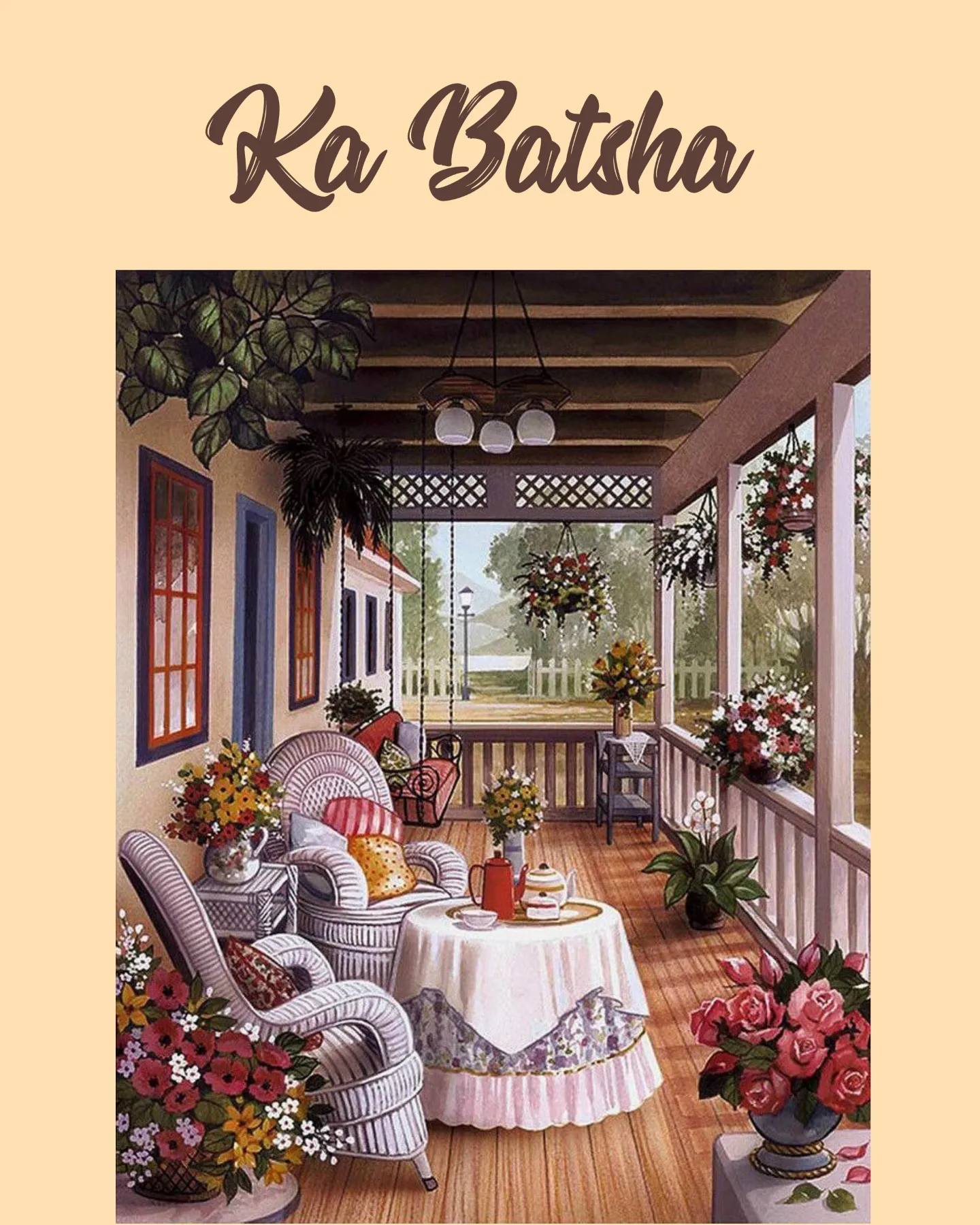
    Ka "Batsha" ka dei ka baranda ha ka ïing Khasi. Ka "Batsha" ka long ka bynta kaba ha khmat jong ka ïing, kaba la tap tnum, kaba long shabar bad kaba ïasoh lang bad ka ïing.

    "Ka Batsha" is the veranda of a Khasi house. It forms the front part of the house, which is roofed and open to the outside, and connected to the house.

    The Khasi word "Batsha" may definitely be preferred over "Baranda" which feels like a derivative of the English word Veranda/ Verandah. Tharai bun na ngi ngin nym ïa tip ïa ka ktien "Batsha" 😄🍃🌬️

    🟡 Source: Rev. Dr. Ïarington Kharkongor
    🟡 English translation by @speakyourroots

  • Ut-shi-ut

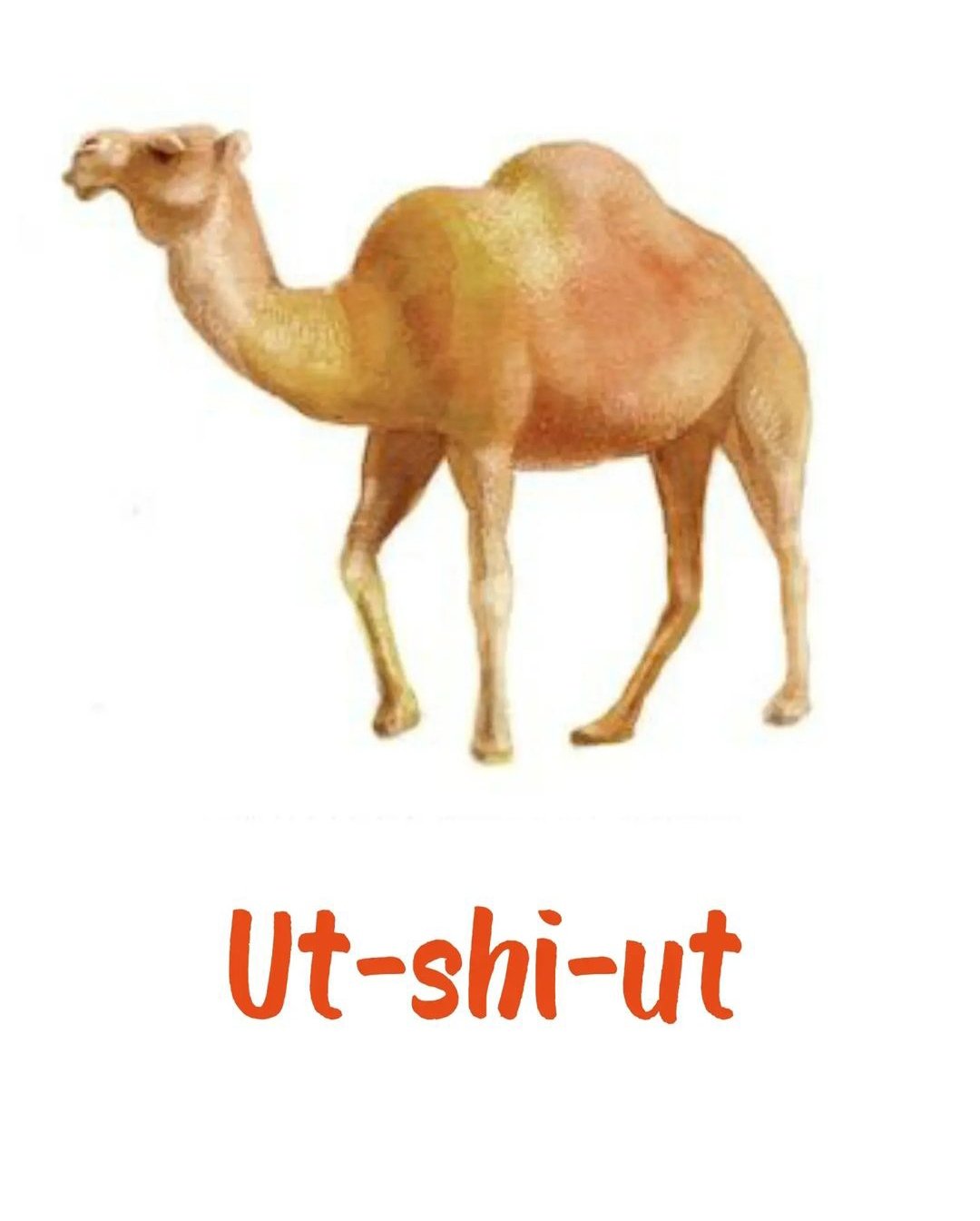
    "Ut-shi-ut" ka mut haba suki jai ne haba ïai buh teng. Ha ka senten ngin ong, "U trei ut-shi-ut ïa ka kam khlem dep shuh".

    "Ut-shi-ut" is an adverb which means someone who is slow and sluggish in doing things or someone who procrastinates.

    "Ut" also means "camel" in Khasi, so "ut-shi-ut" may be a reference to the rhythm and measured pace at which a camel walks.

    Khasi adverbs are witty and visually descriptive, along with an emphasis on the aural quality of words. 🗣️👌

    🟡 English translation by @speakyourroots

  • Ka Wad Bniah/ Research

    Ngi dei ban shlur ïalade ban bad pynshlur ïa kiwei ruh ban wad bniah (research) halor ka jaitbynriew Khasi la jong.

    Ka jymbriew Khasi jong ngi ka la nang kylla katba nang ïaid ki por. Namar kata ka long kaba donkam ba ngin tohkit bad wad bha, lada ka long tang ba ngi pule da ki kot ruh, khnang ba ka jingtip ka jingsngewthuh ïa ka jaitbynriew bad ka ri la jong kan nang ïar bad nang jylliew.

    Ka jingkyrpad ba lada ki don na phi kiba lah dep ka jingwad bniah (research) ne kiba dang leh ruh, lada ka long, sngewbha ban pashat bad phah lem ïa ki jingshem jong phi ha ka page!

    Kan long ka jingmyntoi ïa kiba bun na ngi!

  • Ñiangkalaw

    Kane ka dei ka jingjia kaba shisha ha kaba arngut ki muktiar ki la sdang leit trei biang hadien ka khlam Covid-19.

    Ki la rung ha kawei ka dukan sha. Iwei na ki i la pan da ka sha ïa ki baroh arngut. Ita iba pan namar ba im kwah ban dih na ki pela kot, i la ong "Ei Kong! Ai sha ïa ngi, tangba ai ha ka pela pleit, ka bym sma ñiangkalaw mo!"

    Lada don ki paralok ba nang ban kren ban khana, ban biria birai katno ka jingsngewtynnat, ka jingsngew phuhmut phuhmat 😃😂

    Khublei Shibun @nisha_daphi ïa ki khana ñiangkalaw ki bym ju jlep! 🪳🪳🤡🤡😂😂

    Ym sngew kwah ban pynkylla sha ka ktien phareng ïa ka post namar kan nym sngewbang kumba sngewbang ha ka ktien la jong!

  • Bia

    Bia [adverb] The formal union of a man and a woman, typically recognized by law, by which they become husband and wife, a marriage

    This meaning of the word "bia" has been taken from the Pnar-English Dictionary by Sajeki Passah (2013).

    Bia [noun] marriage; wedding. -verb. bia ka•a to marry; to wed;

    This meaning of the word "bia" has been taken from the Garo-English Dictionary by P. R. Marak (2010).

    Khublei Chiboon @micromotives for quite an interesting observation! 😄👍

    Who would have thought that a word in the Pnar and Garo languages would be the same and have the same meaning too.

    Sngew kmen ba lah nang bun na ngi kiba pule ïa ki dictionary ne ki dienshonhi, ki ban ai bun ki jingtip ïa ngi. 👏👏

  • ‘Ñiangbamkot

    Phi lah ju pyrkhat ne em ïa ka kyntien " 'ñiangbamkot"?

    Ka dei ka kyntien kaba la pynkylla beit shisur shidur na ka kyntien phareng "bookworm" kaba thew ïa ki briew kiba khlaiñ bad sngewtynnat ban pule kot. Shuh shuh, kane ka jingpynkylla ka dei ruh ka jingbatai ïa ka kam ne ka jingbam jong ki "silverfish".

    Have you ever thought of the Khasi word "'ñiangbamkot"?

    The word is a literal translation of the English word "bookworm" which refers to a person who has a passion for reading. What's more is the translation emphasises the function of silverfish which is to eat paper. In Khasi" 'ñiang" is a shortened form of "khñiang" which means insect, "bam" means to eat and "kot" means paper.

    It may be said that " 'ñiangbamkot" is a recent translation because Khasis arise from an oral tradition which would not have given importance to being a "ñiangbamkot" 😅📖🐛

    Dedicated to all you worthy ñiangbamkotsss! 😁😂

  • Phlanduman and Thlandaman

    "Phlanduman" ka dei ka kyntien Khasi kaba mut kaba kren ban ïalam bakla ïa ka jingmut da kaba kren kumne kumtai. Ka thew ruh ïa kaba shukor ne thok da ka rukom kaba leh mynleh hok.

    "Thlandaman" toh i kyntien Pnar i wa mut ha wa klam tyngkleiñ yow pynsñiawthooh bakla ya i yïumut wa sakhiat. Jooh ong i pyn thlandaman hawa thok næ chukor da iwa pynyoo kam iwa sakhiat.

    Both "Phlanduman" (Khasi) and "Thlandaman" (Pnar) mean to talk in a roundabout way so as to deliberately make a person misunderstand something or to deliberately divert the person's train of thought. The words refer to the act of lying or deceiving so as to make something appear true.

    "Phlanduman" ( Khasi) and "Thlandaman" (Pnar) are such interesting words 🤓🤓
    They both testify to the dichotomy between appearance and reality, a dichotomy that marks human life, but which is not easily perceived.

    English, Khasi and Pnar expilcation by @speakyourroots

  • Kshaid, Ticha, Dare

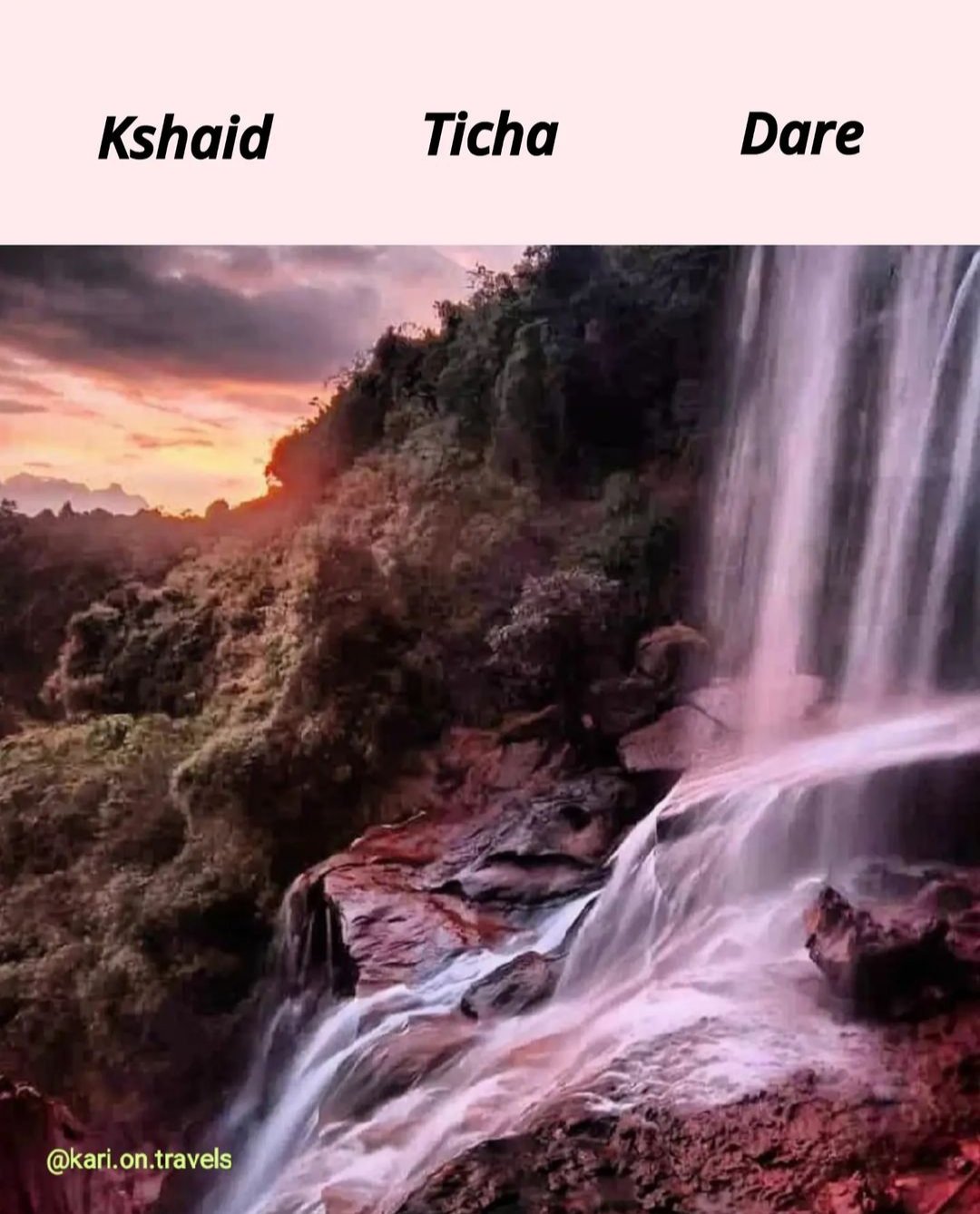
    Waterfall

    Indigenous words for the English word "waterfall"

    In Khasi a waterfall is called "Kshaid"

    In Pnar a waterfall is called "Ticha"

    In Garo a waterfall is called "Dare" (pronounced as "Daare")

    The word that most of us will not have heard of is the Pnar word "Ticha" for waterfall 😄 Khublei Chiboon Anvil R. Laloo for telling us about this word! 😄🙏

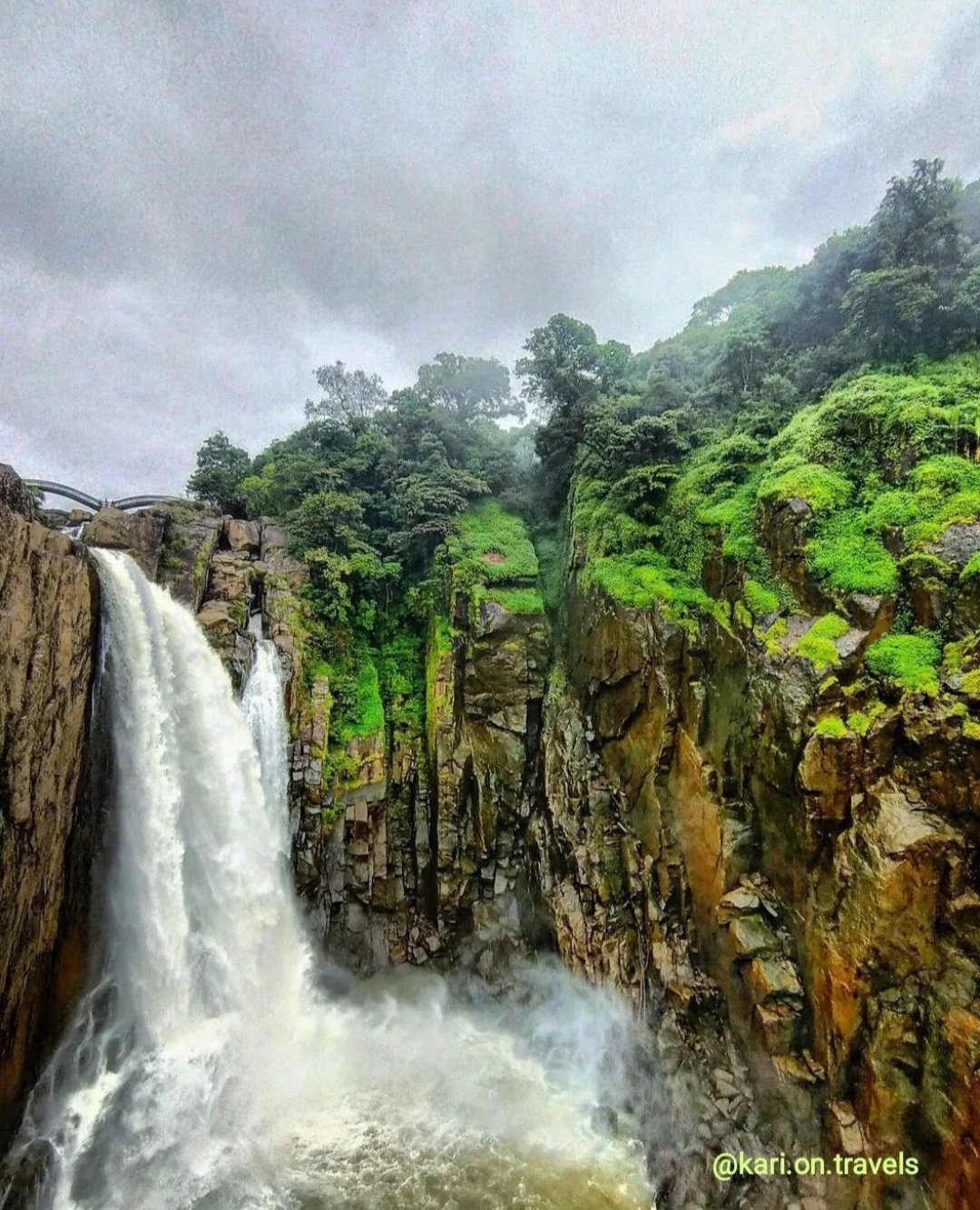
    Khublei Shibun @kari.on.travels for your pictures! 🙏🙏 Congratulations on your page!

    1st picture: Prut falls is located in Laitlyndop, Sohra. This waterfall emerges from Urwan river formed by the inflowing stream from Khliehshnong Laitlyndop, Umkrem and Madan Umkrem. The Urwan river flows to Mawsiang and reaches upto Shyngoid under Sohra Syiemship. (Source: https://theshillongtimes.com/2021/09/27/sohra-adds-new-waterfall-to-its-list-of-tourist-spots/)

    2nd picture: Weinia Falls is one of the falls located on the Namlang River which, along with the Kynshi river encircles the Nongkhnum River Island – the second largest river island in Asia after the magnificent Majuli. The falls lies on the northern periphery of the river island, about 13km from Nongstoiñ town, the district headquarters of West Khasi Hills. (Source: https://youtu.be/EPIl4nOFz8w by @kari.on.travels )