Blog

  • Wei La Saw Bha Ka Bneng…

    "Wei la saw bha ka bneng sepngi jan miet phin sa ioh jingrang lashai."

    (La shim na "The Khasis" by P. R. T. Gurdon, 1907)

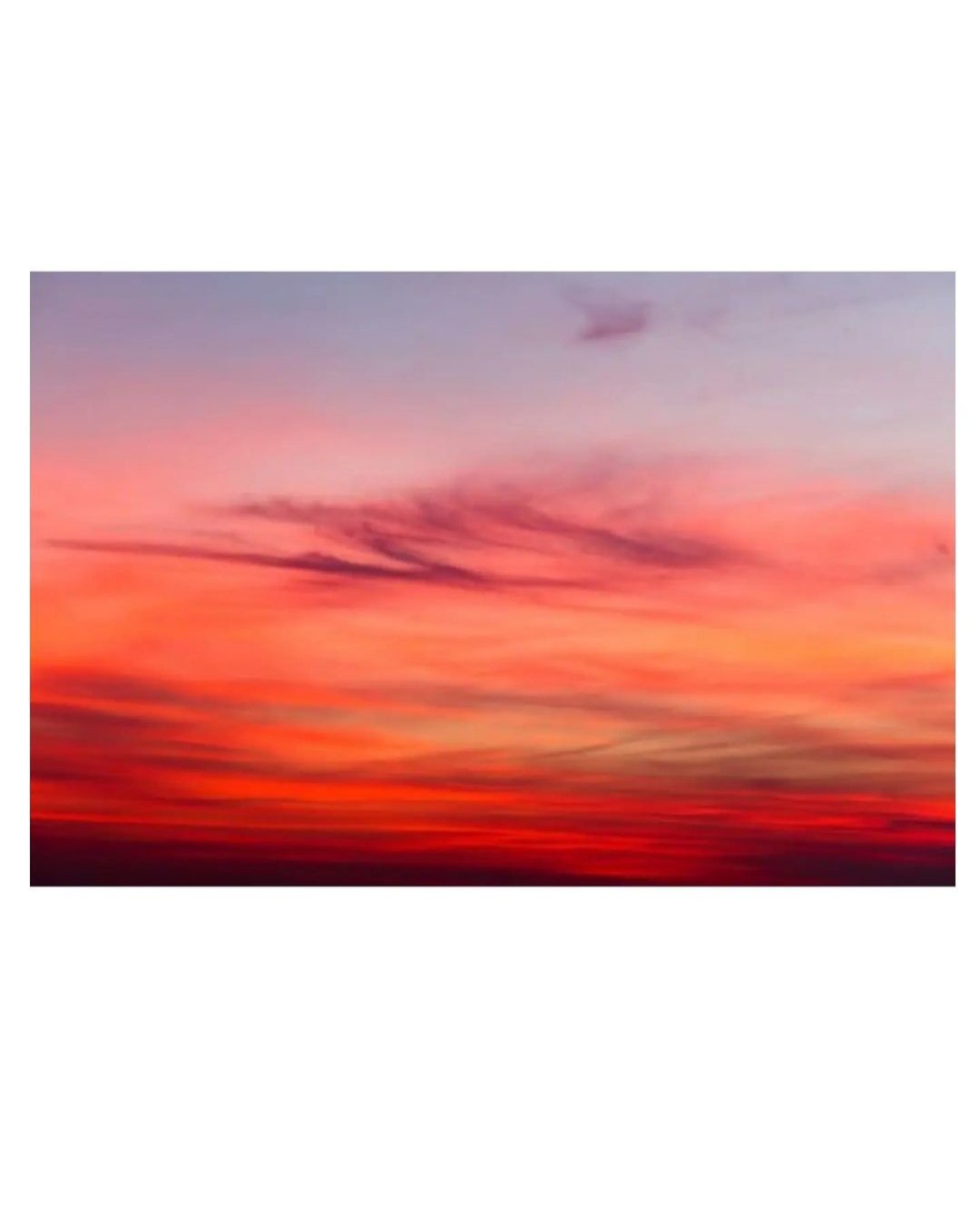
    Ha ka jingpeit bniah bad jingkhmih jong ka, nga shem ba katei ka jingong ka jia long shisha. Ka jingshem ka jong nga ka long ba ha ka janmiet jong ka 12 tarik U Kyllalyngkot 2022, nga ïoh peit bniah bha ïa ka bneng kaba paw rong saw kumba 5 minute eiei bad ha ka sngi kaba bud, kata ha ka 13 tarik nga shem ba ka sngi ka rang bad shai kdar bha bad kumjuh ruh ka don ïa ka sngi tlang kaba jem bha.

    "A red sky in the west in the evening is the sign of fine weather tomorrow."

    (Taken from "The Khasis" by P. R. T. Gurdon, 1907)

    In my brief observation, I observed that the Khasi saying found in Gurdon's The Khasis is certifiable. It is quite rare to hear these sayings nowadays but when I revisited Gurdon's book on the Khasis I decided to note this saying down and conduct a brief observation. On the evening of 12th January 2022, I observed that the evening sky at sunset was red in shade for approximately 5 minutes or less and then on the following day, 13th January 2022, I found that we were blessed with a dazzling and bright day. Moreover it had that soft winter sun and an amalgamation of both warm and chilly breeze.

    "Wei la saw bha ka bneng sepngi janmiet phin sa ïoh jingrang lashai" 🌄☀️🌲
    Khublei Shibun @_.adegram._ for sending this observation! 🙏😄

    🟡 English translation by @_.adegram._

  • Ka Ramïa

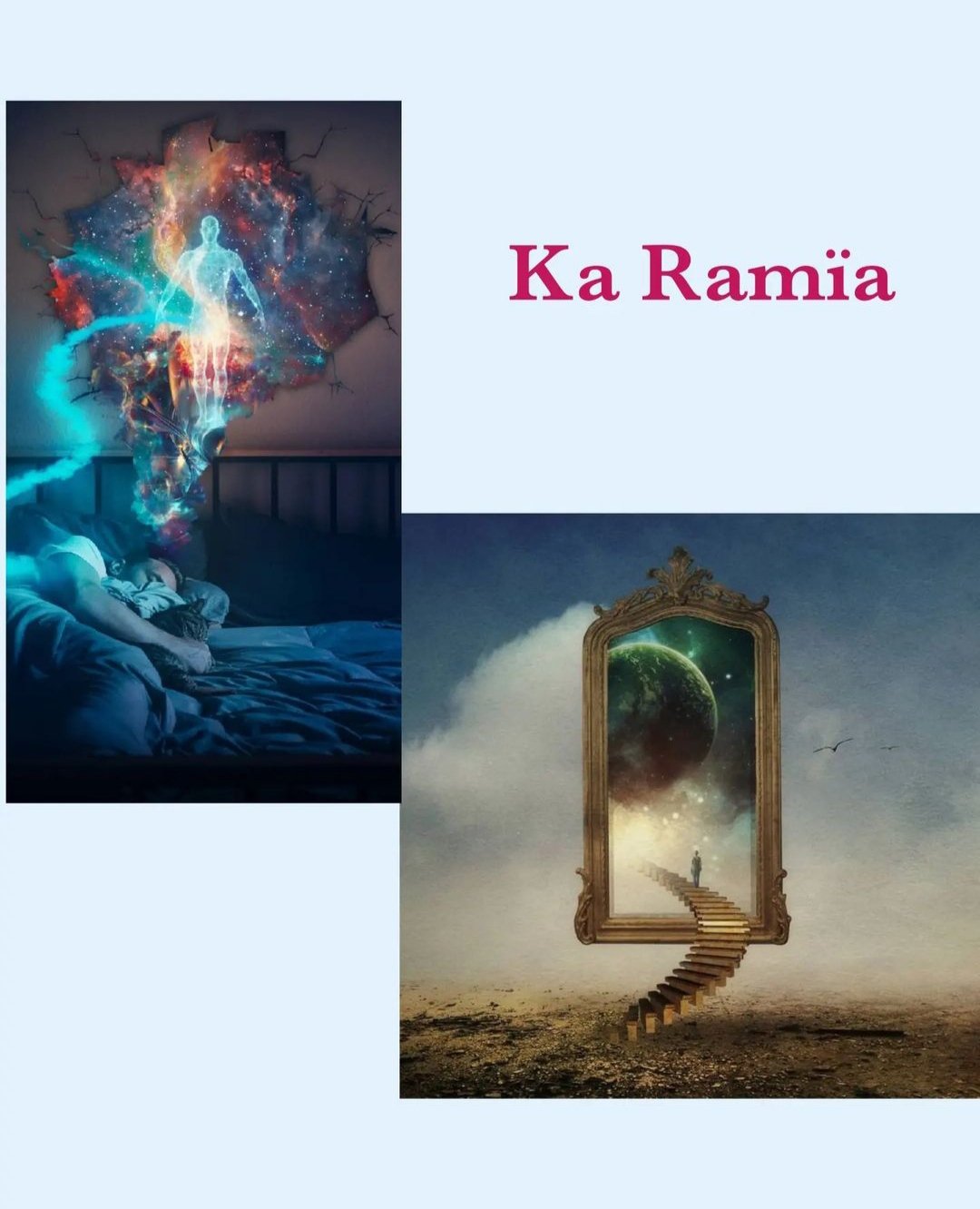
    The Khasi word "Ka Ramia" may be described as a dream or a hallucination or an illusion.

    The following excerpts are from the Doctoral thesis entitled "Transformation, Tradition, and Lived Realities: Vernacular Belief Worlds of the Khasis of Northeastern India" written by Margaret Lyngdoh, University of Tartu.

    **No part of this thesis may be reproduced in any form without the consent of the author. Proper citation should be strictly adhered to when quoting any part of this research. All material for this content has been researched by Margaret Lyngdoh, Ph.D, University of Tartu.

    My research findings suggest that the "ramia" is a dream or vision world, which is inhabited by tigermen and women, ancestor spirits and the tiger deity. It is rather difficult to translate the implications of this term in a western context because the word "ramia" is also used by the Khasis to denote a kind of madness, when a person is not in his or her senses, or is not socially or personally aware of his or her surroundings. So, in the case of divine possession, for example, the person's spirit leaves the body, but the physical body remains and does its daily tasks. But if such a body, without its "rngiew", talks with someone else then the speaker does not make sense and is said to "kren ramia" (lit. 'talk ramia').

    In the Khasi context, a parallel reality is inhabited by the non–human entities and this may be comprehended only through movement into the dream/ vision state, the "ramia". Reality is not dualistically ordered or perceivable only to humans or to the dead. Reality is multiple, and variegated, dependent upon the beings who inhabit it and the purpose for which they inhabit it. The living environment is social and interactive with humans; moreover there exists a reciprocal, intentioned relationship. Human beings can apprehend alternate realities through the dreamworld ("ramia"), the world of the tigermen, the water realm of the spirit deities and the reality of the ancestors. For this to happen, for a human to access the alternate reality, a transformation is required. This is inclusive not only of the human–animal, but of the natural animal. I use the word human-animal, because in Khasi ontology, specially gifted individuals have the ability to transform into animals and deities.

    "Ka Ramïa" is an interesting and important concept of the Khasi worldview.

    Khublei Shibun @lieng_makaw for your research on this concept! 😄🙏

    What we need is to undertake in-depth research of Khasi culture and heritage in order to represent the community in the right light to the world. ✍️📚🏞️
    The importance of "searching and researching" cannot be stressed enough for all indigenous communities!

  • Different Ways of Saying “Thank You” in the Khasi Language

    Ki rukom ong "Khublei Shibun" ba pher ha ka ktien Khasi

    Ka ktien "Khublei" ka thew ïa ka jingsngewnguh bad ka jingkyrkhu. Ka ktien "khu" ka wan na ka ktien "kyrkhu" bad ka ktien "blei", na ka ktien "Blei", kata ka mut, U Blei un kyrkhu ïa phi. Ka ktien "Shibun" ka mut kaba bun bad ka ktien "Khublei Shibun" ka thew ïa ka jingsngewnguh kaba shikatdei ne katta katta.

    The word "Khublei" refers to a feeling of gratitude and is also an expression of a blessing. The word "khu" comes from the word "kyrkhu" which means to bless and "Blei" which means God. So "Khublei" means God bless you. The word "Shibun" means many and in the phrase "Khublei Shibun" it refers to an immense feeling of gratitude.

    "Khublei Shikatnor" and "Khublei Shikhohtyndaw"

    Kane ka rukom ong Khublei Shibun la shim na ka "Shatwaidong" jong ka kot Ka Kolshor Khasi Kumba Paw ha ka Literashor Khasi (2006) kaba la thoh da i Dr. (Sr.) Philomena Kharkakor RNDM.

    This way of saying Khublei Shibun is taken from the Introduction to the book Ka Kolshor Khasi Kumba Paw ha ka Literashor Khasi (2006) written by Dr. (Sr.) Philomena Kharkakor RNDM.

    Ha baroh artylli ki rukom ong ka don ka jingsngewnguh kaba jylliew bad kaba shikatdei haduh katta katta.

    In both instances, the words express a deep and immense sense of gratitude and thankfulness.

    There are two ways of saying "Khublei Shibun" that are different from the usual way of saying the phrase.
    Khublei Shibun @_.adegram._ and @redfm_rjzack for bringing up these two new ways of saying "Khublei Shibun" 😄🙏

  • Some Pnar Phrases

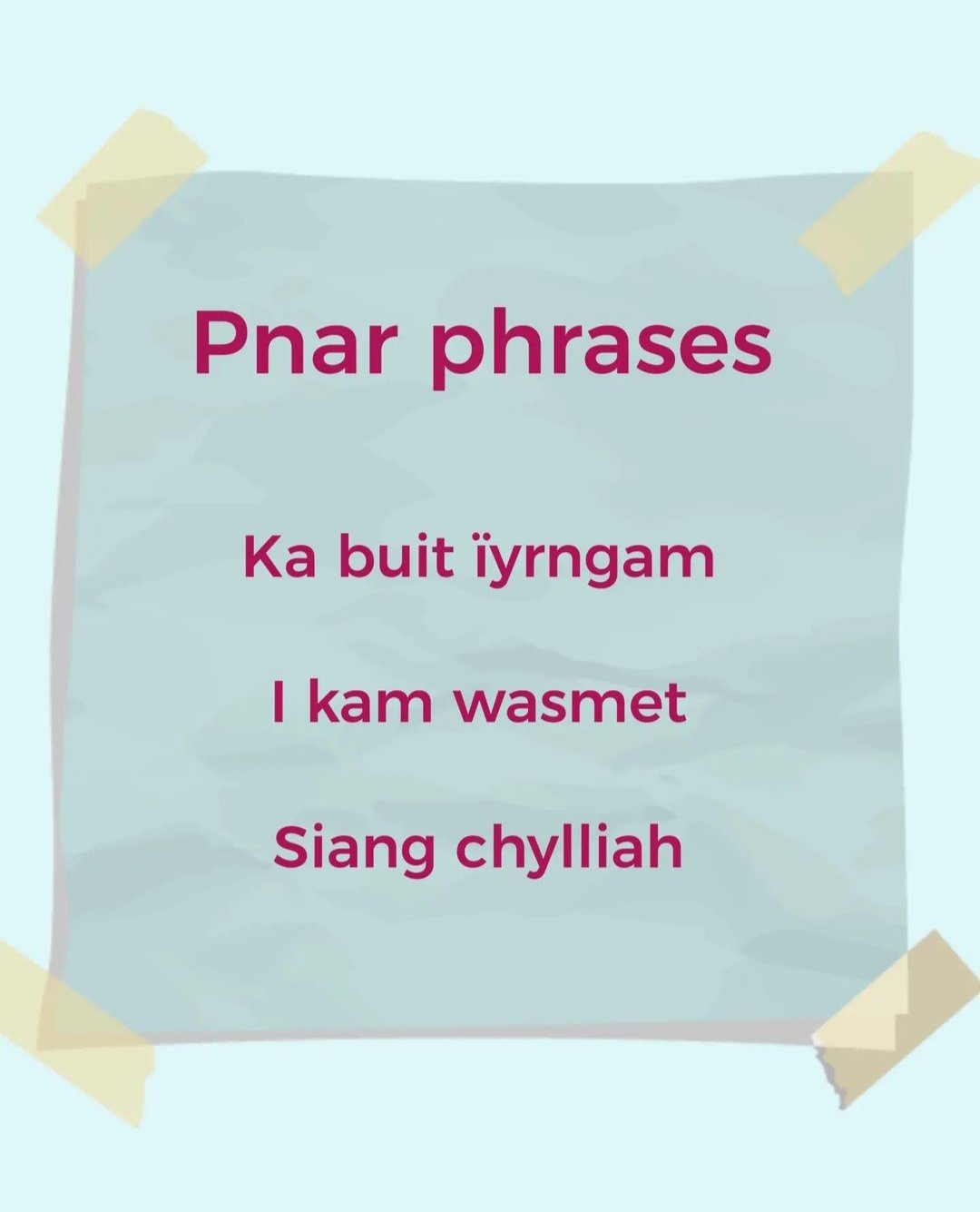
    Pnar phrases

    "Ka buit ïyrngam"

    "Ka buit ïyrngam" is a cunning idea that a person thinks of.

    "I kam wasmet"

    "I kam wasmet" is a good cause that will help and benefit people and bring a promising future.

    "Sing chylliah"

    "Siang chylliah" is to breathe one's last breath.

    The books of (L) Mrs. P. P. Pasleiñ are a precious find! 😃 Here are some Pnar phrases from her book The Depth of Thwai Syiem (2001) 🍃🌱

  • U Duma Kyllaiñ

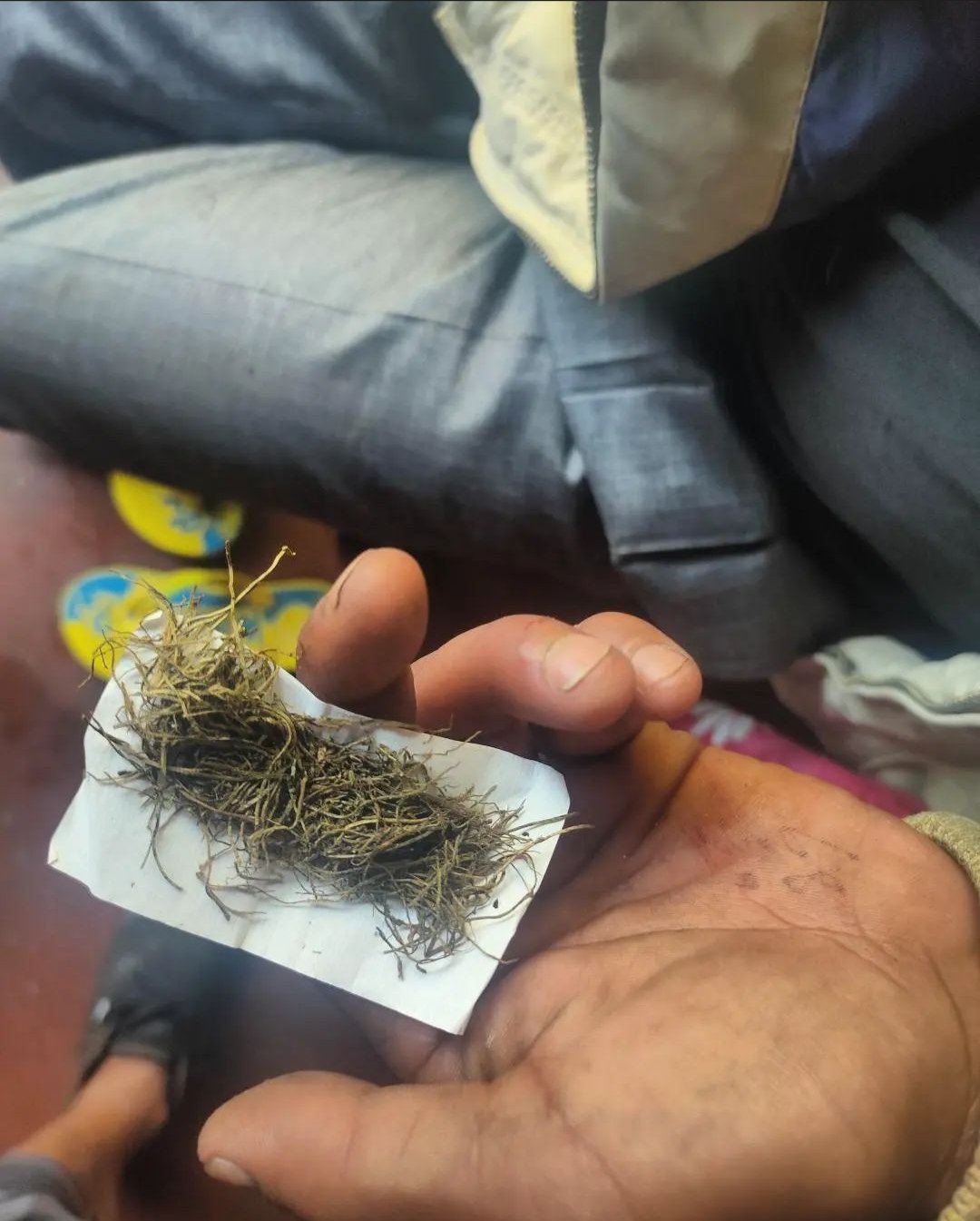
    "U Duma Kyllaiñ" or rolled tobacco which is the Khasi rolled cigarette can still be seen in use. 😄😄 This picture was taken by @kronosynchronicity in Nongstoiñ.

    Khublei Shibun @kronosynchronicity for sending this! 🙏🙏

  • U sohmarit im

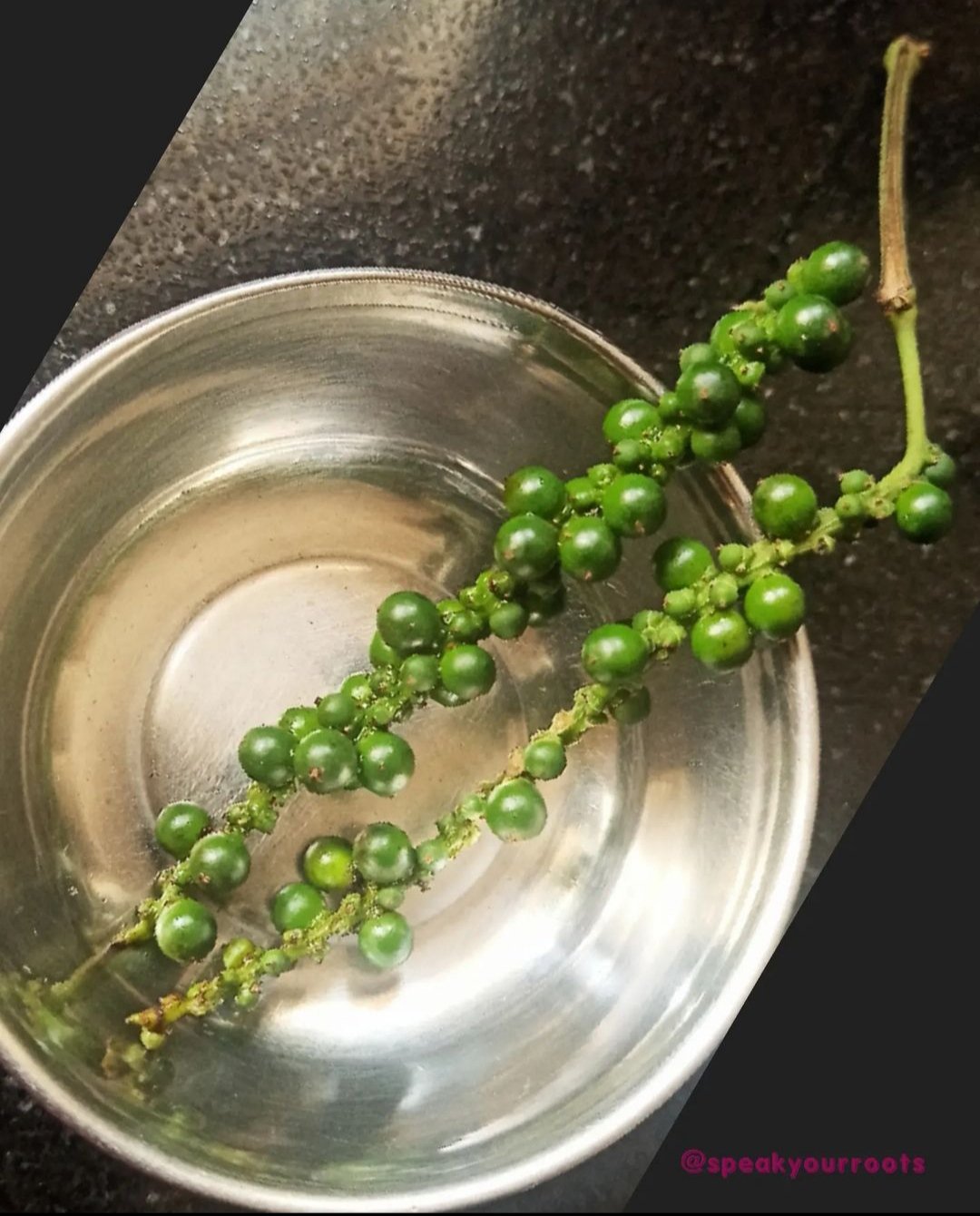
    What we call "u sohmarit im" in Khasi or green peppercorns are a spicy addition to our "ja bad jyntah" (rice and curry). The aromatic crunch is a great "sidekick" (pun intended 😄😂) for lunch or dinner! The bunch in the picture is almost finished! 😋

  • “Lai rukloo-rukloo” from the Tuber dialect

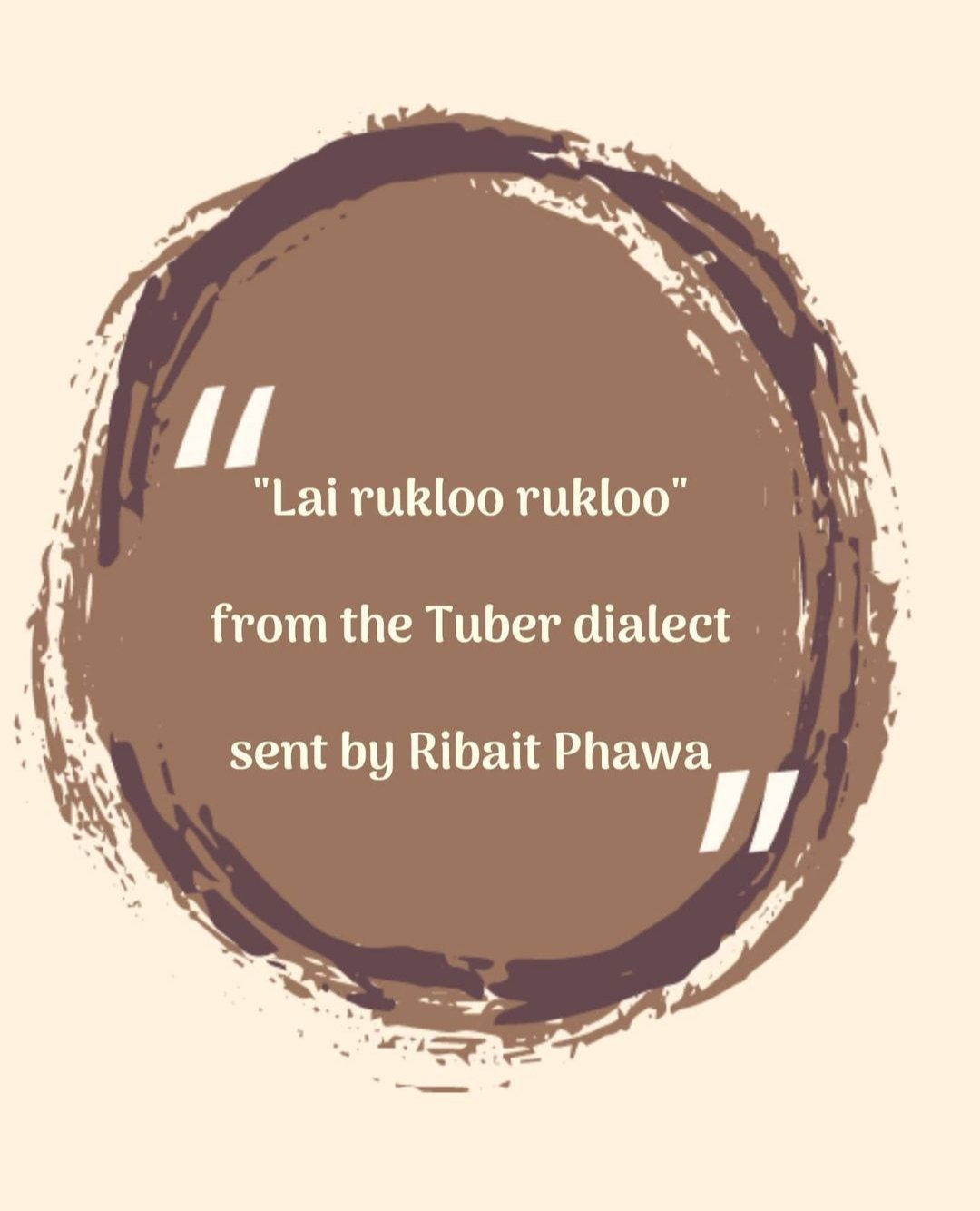
    "Lai rukloo rukloo" from the Tuber dialect sent by Ribait Phawa

    Kawei ka kyntien nga kwah ban bynrap ha kaba ki ju kren ha ki por mynshwa bad ïa mynta tang ki riewtymmen ki kham pyndonkam ïa kane ka kyntien ha ka dialect Tuber.

    "Lai rukloo-rukloo" ka mut ban leit kloi-kloi sha ka kam ba lah phah, la haka leit shim ki tum ki tam ne ban leit thied jingthied. Ne kino kino ki jingphah kiba kham san ki phah da ka jingkyrkieh.

    "Lai rukloo-rukloo" is a phrase in the Tuber dialect that was used before and which is now used mostly by the elderly.

    The phrase means to do a task with a sense of hurry and urgency, whether if it is to take something or to buy something. It is also used when the elderly send us on an urgent errand.

    "Lai rukloo-rukloo" is a phrase from the Tuber dialect which means to do something quickly. Khublei Shibun @b.a.i.t_phawa_ for sending this! 😃🙏

  • “Ki Mawbah”

    "KI MAWBAH"

    AN EXCERPT FROM KI DIENJAT JONG KI LONGSHUWA" FROM THE CHAPTER

    KI MAWBYNNA, KI MAWNIAM BAD KI KOR

    WRITTEN BY REV. FR. J. BACCHIARELLO, S.D.B.1974.

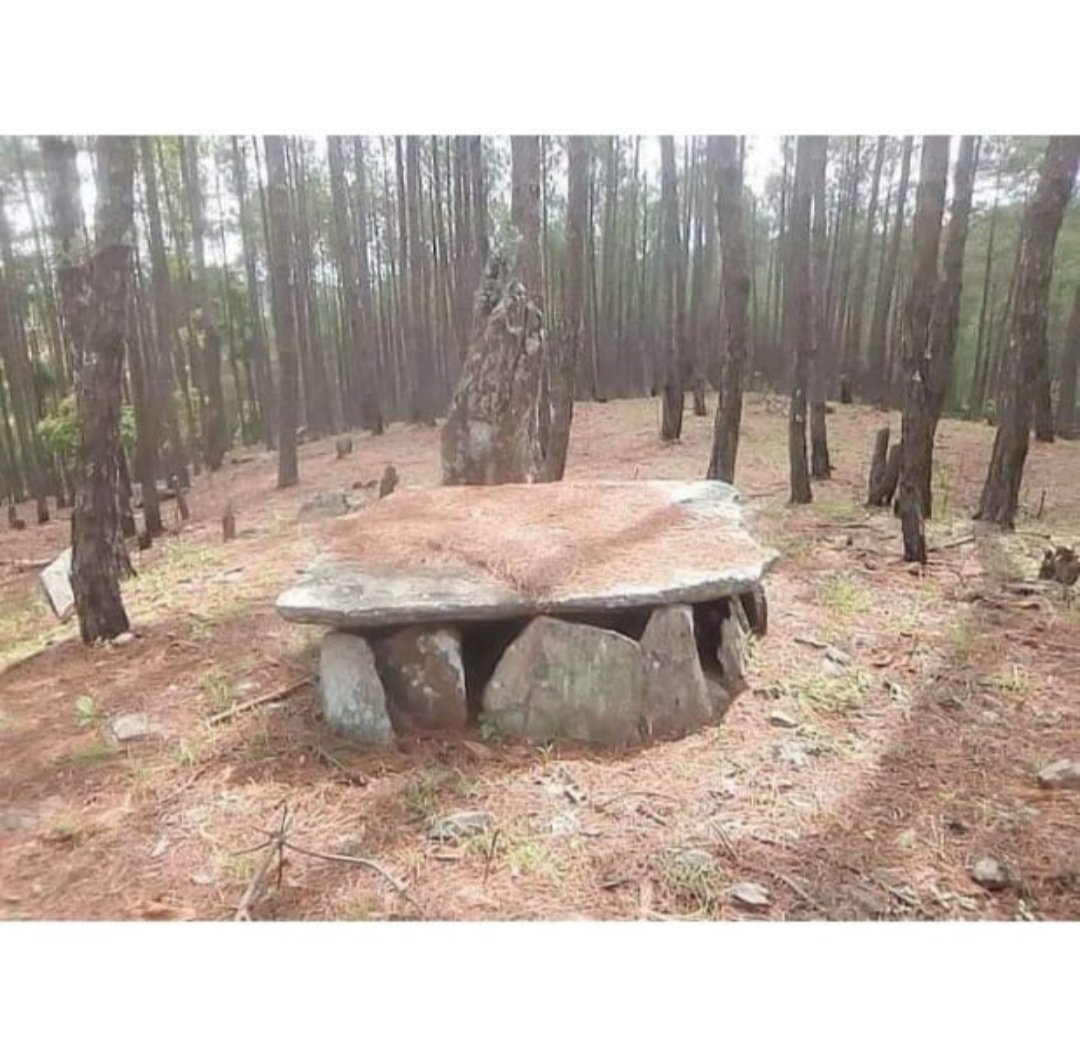
    Ki mawbah ki long ki mawthep shyieng jong ka kur, shisien lano, haba kata ka kur ka sngewdonbor. Ka jingheh jong u mawbah ka long kat kum ka jingheh jong ka kur. La ker kut baroh sawdong da ki maw, bad la tap na jrong da uwei u mawlyngknep ba la shah pynbiang sbak. Ïa ki mawbah ym ju don ba nud leh dusmon, namar ki Khasi ki burom bha ïa ki nongïap. Nalor kata ki tieng artat ïa ka snaïap ne ïa ki 'suidïap ba ki ju khot.

    "Mawbah" are stones that are erected as bone chambers of a clan, when the clan deems it suitable or possible to do so. The size of "Mawbah" is decided according to the size of the clan. Smaller stones form a surrounding circle which are then covered by a bigger flat stone called "u mawlyngknep", which is properly fitted as a cover. No one vandalises "Mawbah" because Khasis respect their dead and also because of the belief in spirits and ghosts.

    "Ki Mawbah" serve a significant purpose in Khasi belief 🙏🕯️ Khublei Shibun @sooki65 for sending this excerpt! 😄

    Photo credit: @sooki65
    Location: Nartiang

    English translation by @speakyourroots

  • Laitlyngkot dialect

    Some words in the Laitlyngkot dialect contributed by @mebatei I khongsti given in the order of Lailyngkot – Standard Khasi – English.

    Ma ï – Mangi – Us

    Bileh – Balei – Why

    Ynñioh – Ynnai – No need

    Jyrwoi/Khynning – Kynjing – Disgusting

    Mieh – Wad – Search

    Lyntun – Tyllun – Roll

    Diei – Dei – Correct/ Right

    Bliei – Blei – God

    Kynthiei – Kynthei – Girl/ Woman

    Syir – Syiar – Hen

    Sning – Sniang – Pig

    Pding – Pdiang – Accept

    Sohlah – Phan – Potato

    Bitlun/ Pitlun – Patlun – Pants

    Bam jia – Bamja – To eat rice

    Dih shia – Dih sha – To drink tea

    Here are some words according to the Laitlyngkot dialect contributed by @mebatei_l_khongsti Khublei Shibun! 😀🙏

  • Ki Bynta u Dpei or The Parts of Ash

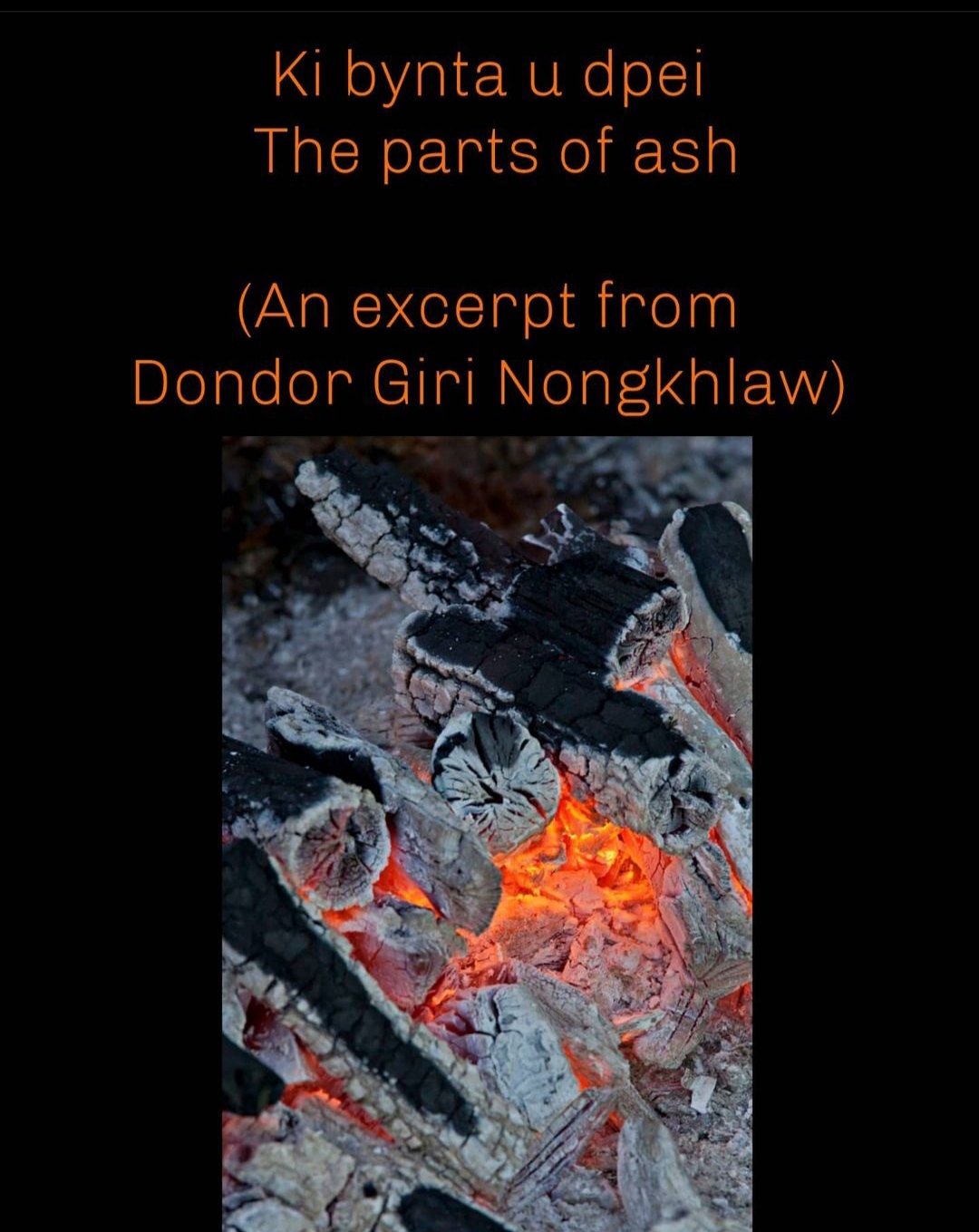
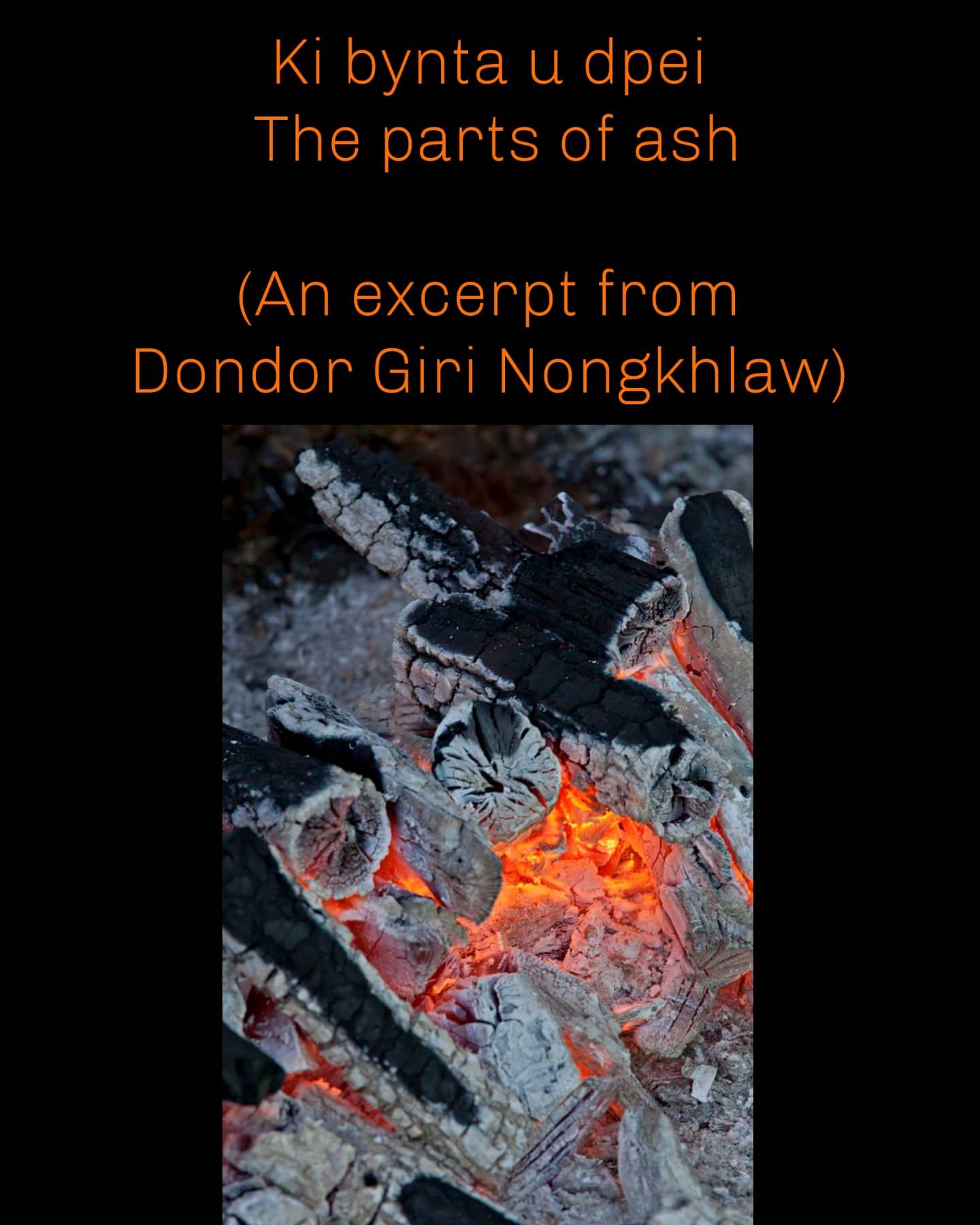
    Ki Bynta u Dpei or The Parts of Ash (An excerpt from Dondor Giri Nongkhlaw)

    Katkum ba la ïoh lum na ki jaka kyndong ka ri, ki riewhyndai ki batai ba u dpei u don lai bynta bad u kynthup ïa kine – u symphuh, u peisieh bad ka khar ne ka bisi.

    According to what has been collected from different parts of the Khasi Hills, our forefathers assert that there are three parts to ash and these are: "u symphuh", "u peisieh" and "ka khar" or ka bisi".

    1. U Symphuh

    U symphuh u long u bynta ba nalor bad ba sting tam jong u dpei. Une u long rong lieh tdem phup phup. Ki rnga diengjem ki long kiba kham pynmih bun ki symphuh. Ïa u symphuh lah ban ithuh bha ynda la lip ka ding bad u snoh ha ki rnga. Tang shu don lyer malu mala, u khih, u per bad shah rong wut. Ha Khadarshnong la khot u symphuh katba ha Nongkrem la khot u phongrai.

    "U symphuh" is the topmost part of ash and it is also the lightest part of ash. "U symphuh" is smokish white in colour with a powdery and puffy texture. The charcoal of soft wood is what makes "u symphuh" and it is seen when the fire has died out and it clings to the charcoal. If there is a slight breeze it moves, floats and is carried away. In Khadarshnong they call this "u symphuh" and in Nongkrem they call it "u phongrai".

    2. U Peisieh

    Harum jong u symphuh don sa u dpei bani ba la khot u peisieh, uba mut ba la jyrsieh da u dpei paka ha ka jaka thang ding. Une u peisieh u kham bun bad kham khia ban ïa kino kino ki jingmih haba thang ding bad u kham ïaid ïew ha ka rep.

    Below "u symphuh" is a very fine ash called "u peisieh" which is the real actual ash from the fire. "Peisieh" is more in amount and heavier than any of the residue when wood is burnt. It is used more in agriculture.

    3. Ka Khar ne Ka Bisi

    Ka khar ne ka bisi dei u dpei ba shuiñ khyndew ba don ha trai duh jong u peisieh. Ka jingdon ka khar (carbonate of potash) ka leit long na ka jingshah jar ki kynja khleiñ ne umphniang ba la pynmih na ki dieng ha ka por ing. Їa kane ka jingkhleh khleiñ ne kynja umphniang u dpei ba shuiñ khyndew la khot ka khar ne ka bisi. Їa ka nongbah ba nyngkong bad ba la rim jong ka hima Shillong hyndai la ïoh kyrteng na u dpei ka Bisi, ïa kaba ki nong Mylliem ki khot ka Bisei.

    "Ka Khar" or "Ka Bisi" is ash that touches the ground and appears at the bottom of "u peisieh". "Ka Khar" is a carbonate of potash and it is there as a result of the oil or fat that is secreted as the wood burns. This mix of oil or fat in the ground ash is called "ka khar" or "ka bisi". The name of the first and the oldest town in Hima Shillong has been derived from ash, that is, "Bisi" or as the people of Mylliem call it "Ka Bisei".

    This is another interesting excerpt related to fire from Dr. Dondor Giri Nongkhlaw. Who knew we had names in Khasi for the different parts of ash! 🔥🔥

    Dr. Dondor Giri Nongkhlaw is a Geomorphologist who has written several books in Khasi which discuss the elements of the environment and their strong bond with Khasi life and culture.