Blog

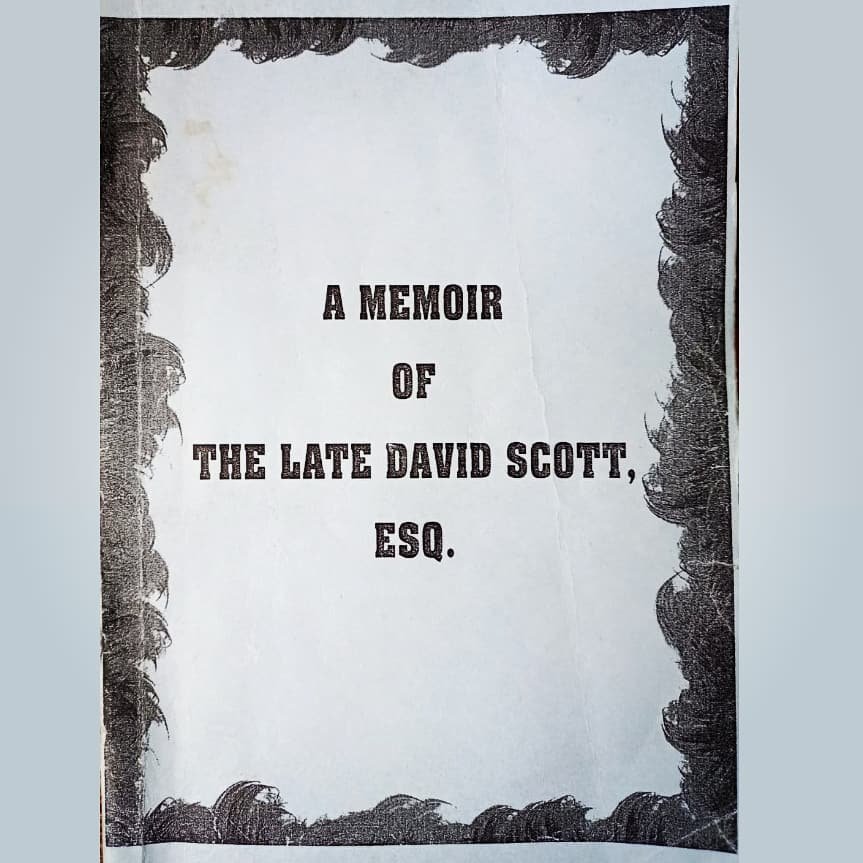
  • A Glimpse of Tirot Sing: “A Memoir of the Late David Scott, Esq.” written by Major Adam White (1831)

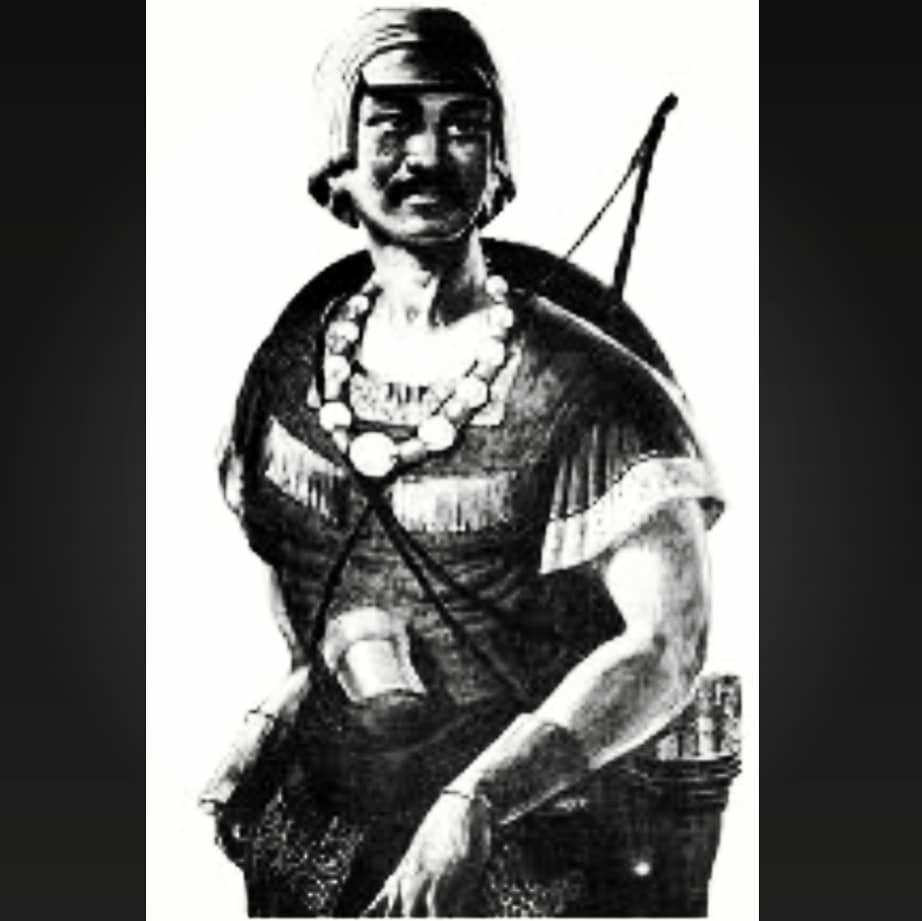
    On the occasion of the death anniversary of U Tirot Sing, the 17th of July, here is "A Glimpse of History–U Tirot Sing Syiem" sent by @carey_lynz

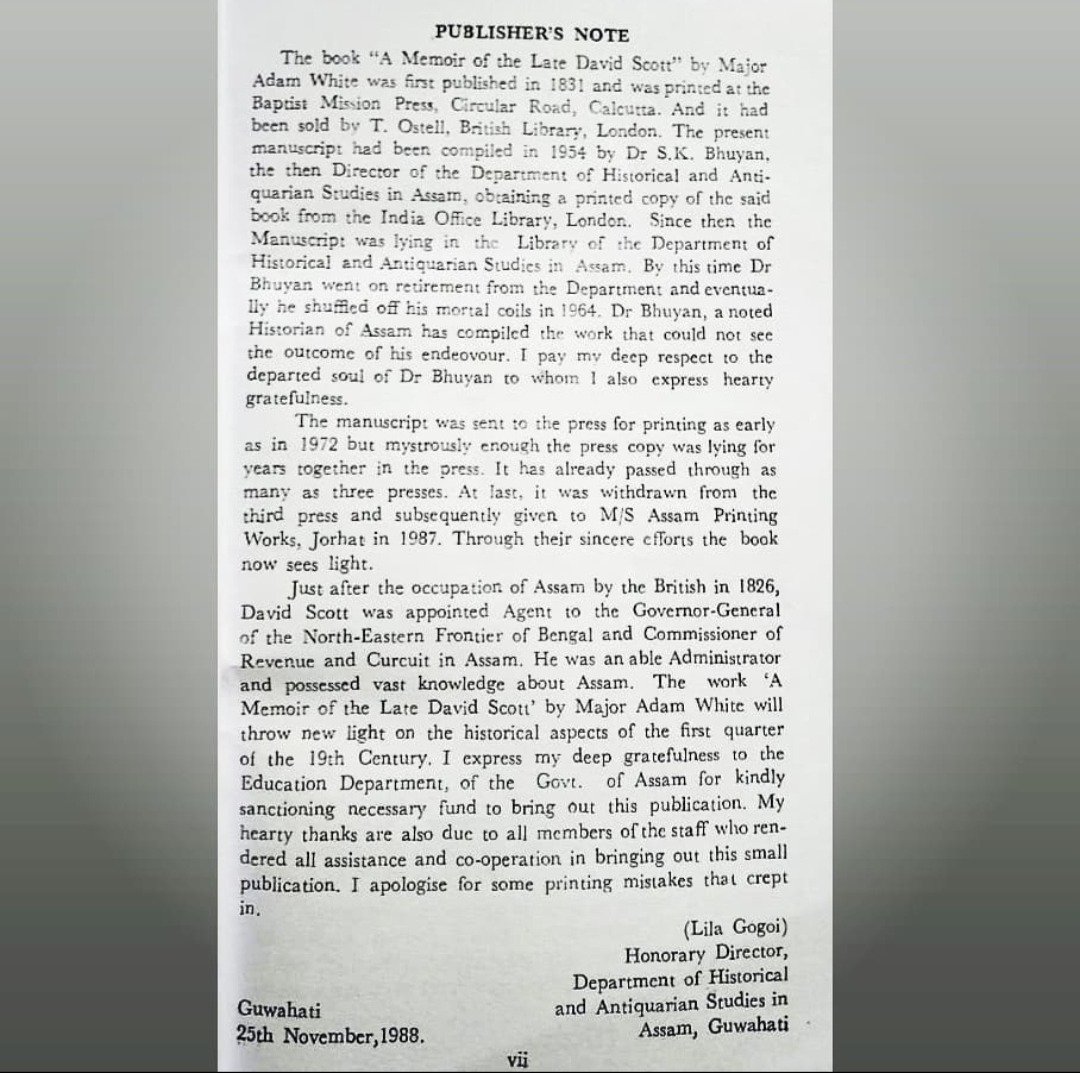
    In the book A Memoir of the Late David Scott, Esq., written by Major Adam White (1831, 1st edition), White narrates how David Scott took intense interest in the newly discovered region that is, the North East Frontier. White narrates how he had personally witnessed the "Cassya states" (Khasi States) and the beautiful hills which reminded him of the South of Scotland. At this time, the territory under Hima Nongkhlaw was not under British control. It so happened that Tirot Sing wanted to rent some areas in Assam from the Assamese Raja. David Scott said that he would be happy to oblige, if Tirot Sing would allow the British passage through his territory to go to Sylhet.

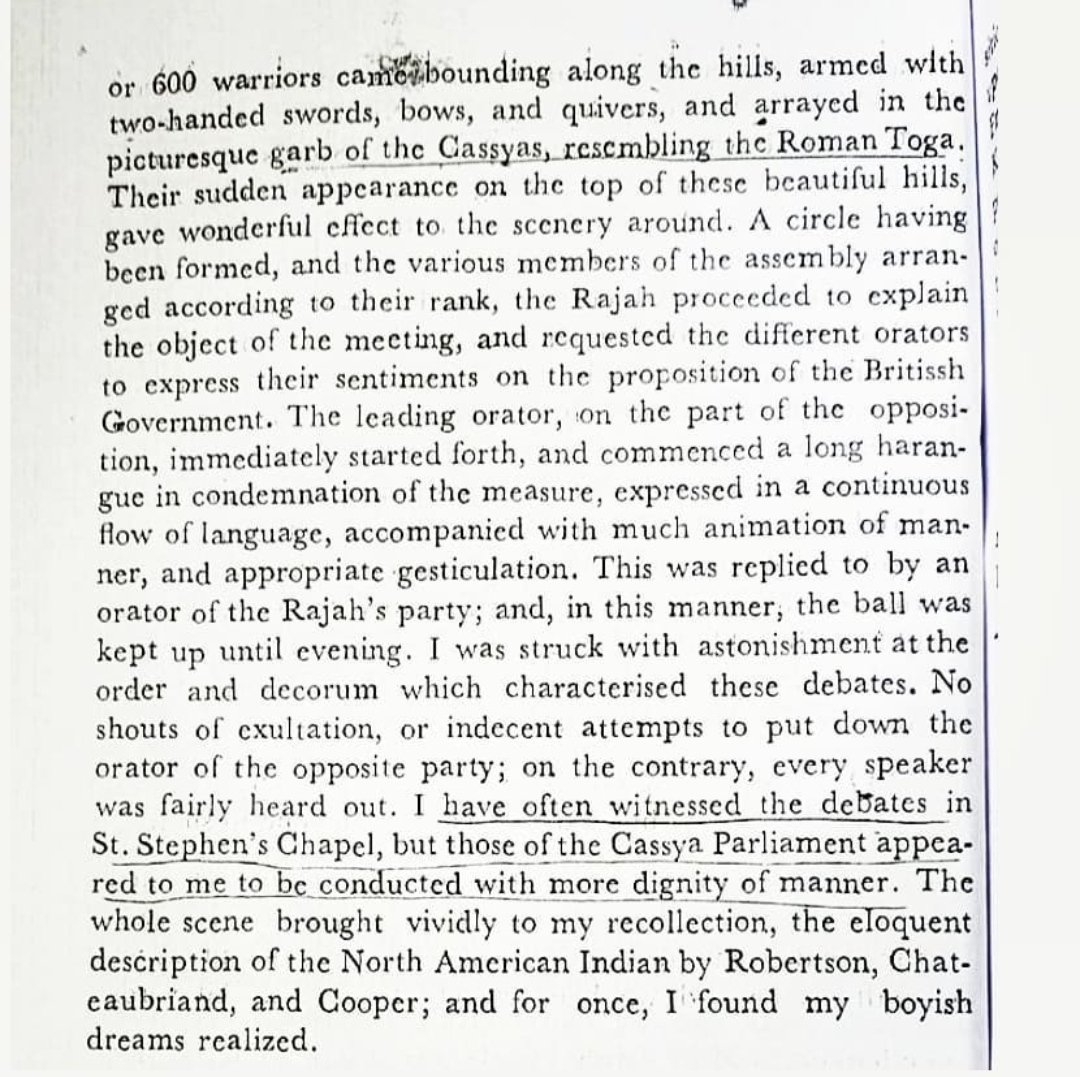
    This led Tirot Sing to call for an Assembly in order to discuss Scott's request. The British witnessed a very impressive meeting in Nongkhlaw. The Assembly sat in a circle according to their ranks. What struck the Britishers was the "order and decorum of the debators". There was respect for the opponent in the debate and the orator of each party was given a fair chance to speak. This continued for a long time. Growing impatient, David Scott sent a "dozen of bottles of rum" to the Assembly in the hope that the debate would end but the rum was returned.

    From these events, we come to know how the Khasis were a people who honoured each others' word and respected each others' opinion. Therefore, as we commemorate the life of U Tirot Sing Syiem, may we remember the value and power of our words like our forefathers before us. Lest we forget, let's remind ourselves of who we truly are.

    The above-mentioned events have been summarised from the book written by Major Adam White. The contributor, Dr. Naomi C. Nonglait is an Assistant Professor in the Department of English, St. Mary's College, Shillong.

    Picture 1: Google, Picture 2, 3 and 4 sent by @carey_lynz
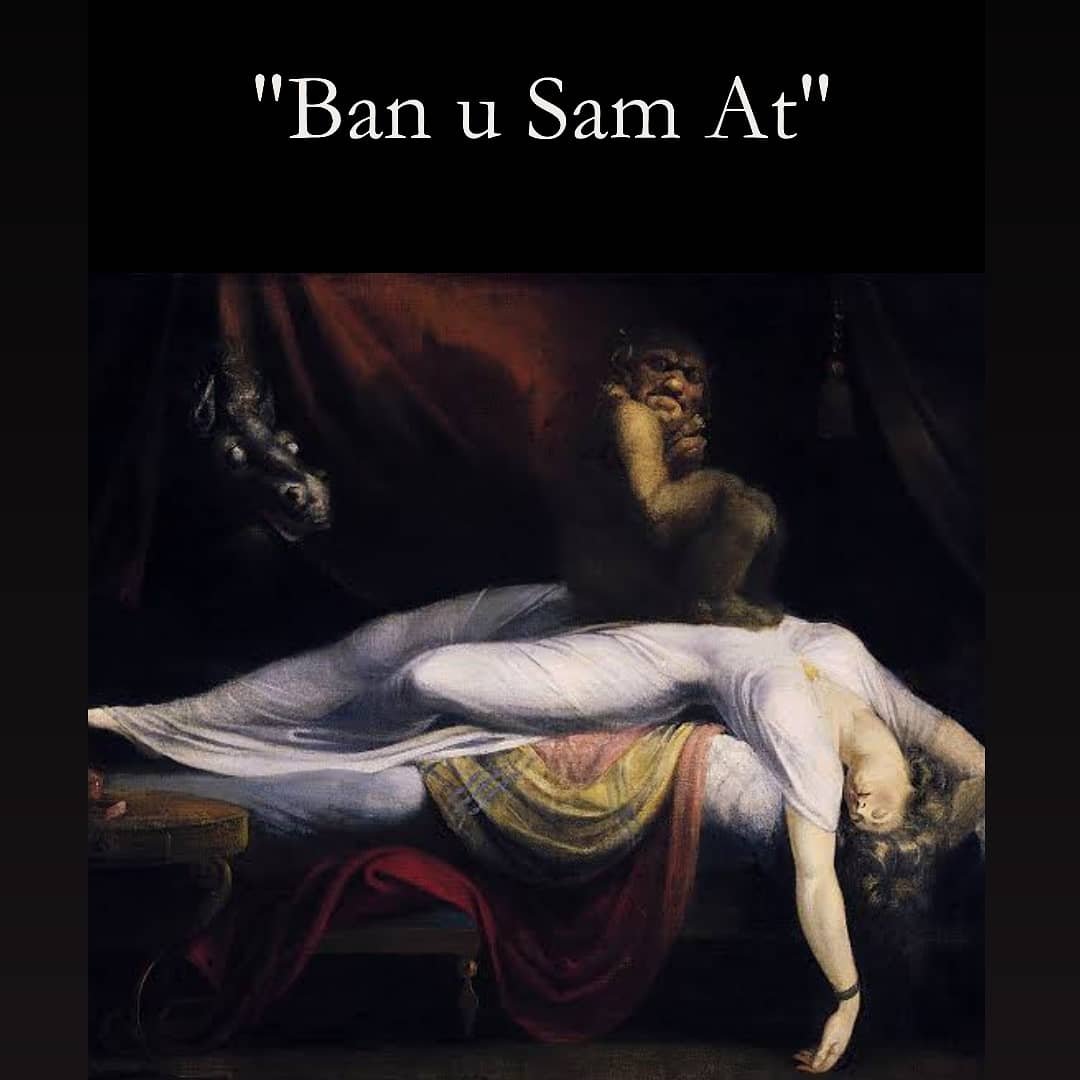
  • Ban u Sam At

    The Khasi phrase "Ban U Sam At" is translated as being held down or pressed on by "U Sam At". According to what is said, "U Sam At" is an imp who causes a person to become immobile even though they have woken up from sleep. The motive of the imp is only to render a person helpless but not to kill them.

    This is something most of us have experienced. We wake up and try to move but we can't. Our mind is conscious but our body is still in a state of sleep! This is described as sleep paralysis: a temporary inability to move or speak when falling asleep or upon waking.

    Thank you @evandanoradkhar for bringing this up! 👍

    "Ban U Sam At" is a phenomenon which happens to most of us 😅😅 It can be terrifying and even claustrophobic at times. And among the Khasis we have given it a name! 😳😳😨😨

    Picture: Wikipedia

  • Literature and education among the Khasis: Excerpt from E. Weston Dkhar

    The following are two excerpts from the introduction of the book Primary Education in the Khasi and Jaiñtia Hills: Its Socio-Cultural Roots and Early History (1993) written by E. Weston Dkhar and published by Sevenhut S. Enterprise, Shillong.

    Regarding the education of the people we have but one traditional version explaining why the ancient Khasis failed to possess a written literature. According to tradition, the Khasis had a book or literature. While crossing the river to meet God for instruction in certain rites and duties, the man of the Plains or U Dkhar (as the Khasis generally call him), tied the book on the crown of his head, while the Khasis swallowed it to preserve it in his belly and that was the simple reason why he did not have a written literature. This version has close resemblance and similarity to the traditional version of the Tribes of Rwong and Lisu inhabiting the North-Eastern part of Indo-Burma, adjacent to the Red Chinese, who had long been isolated from the rest of the world by mountain barriers and thick forests. In explaining why they failed to possess a written literature, they too relate that long ago they had had in possession a book written on cow-hide; but it was eaten up by a hungry dog while an old man, the custodian, was drying it in the sun: and that explains why they failed to have any literature at all.

    Some writers assume that this entire absence of literature clearly suggest a long period of isolation from more civilized races. The statement in all probability holds little truth: for, the Khasis since time immemorial had intermingled with other civilized races of India either through commercial activities or political contacts. The absence is absolutely due to the fact that the Khasis believed wholeheartedly that it was just the same thing for him to have the book in his belly as in his hand. Moreover, our forefathers had a peculiar belief that "We Khasis are a special people: others must read to understand, while we have an infallible guidance from within.'' They went also to the extent that “We Khasis need no education, as we have 'Swallowed' all knowledge.”

    The Khasis had for a long long time acquainted themselves with the knowledge of many different branches of arts and sciences. with the handicap of not knowing about the art of writing and reading they yet marvellously advanced in the science of astronomy, medicine and metallurgy. Regarding astronomy, the Khasis of yore created a number of interesting stories about the stars and heavenly bodies like the sun and the moon. The story of the Sun and Moon and their subjugation to periodical eclipse, is one of the most interesting. Naming of some stars was also attempted at, for example, U Lur Mangkara – Pole Star, U Lur Step – Morning star, U Lurdihduma – Comet, U Lur Ruhsyiar – The Great Bear, Ka Lynti Phan – Milky Way, U Lur Tynriew – Little Bear etc. Sometimes they forecast the weather with the help of some stars as their barometer. In the field of medicine they discovered many wild herbs and natural substances which cured many kind of diseases. Besides, they knew the art of weaving and spinning, and the art of erecting monuments, monoliths, memorial stones and cromlechs.

    Since time immemorial the Khasis were highly advanced in monographic literature. One can witness the monographic pictures on the rock at Dainthlen Falls where the Khasis are believed to have killed a huge demoniac python long time ago which had created a great havoc in the history of the Khasi race. At the Durbar (Assembly) at Synrang Jyrteh, believed to be the meeting place of, many nations and nationalities, it was decided to cut the python into pieces and each one would eat his allotted share of the python's flesh so that the creature instantly died according to an oracle. To celebrate the victory they carved on the rock pictures of that grand occasion, which remains intact even today.

    Continuing with the story of how the Khasis lost their script, here are excerpts from the introduction of the book Primary Education in the Khasi and Jaiñtia Hills: Its Socio-Cultural Roots and Early History (1993) written by E. Weston Dkhar and published by Sevenhut S. Enterprise, Shillong.

    The excerpts discusses the significance of the story of the lost script and the innate knowledge and wisdom of the Khasis, with monographic pictures appearing on the rock at Daiñ Thlen Falls, Sohra.

    E. Weston Dkhar is a prolific author of several books focussing on Khasi folklore and history.

  • U Sier Lapalang by Janice Pariat

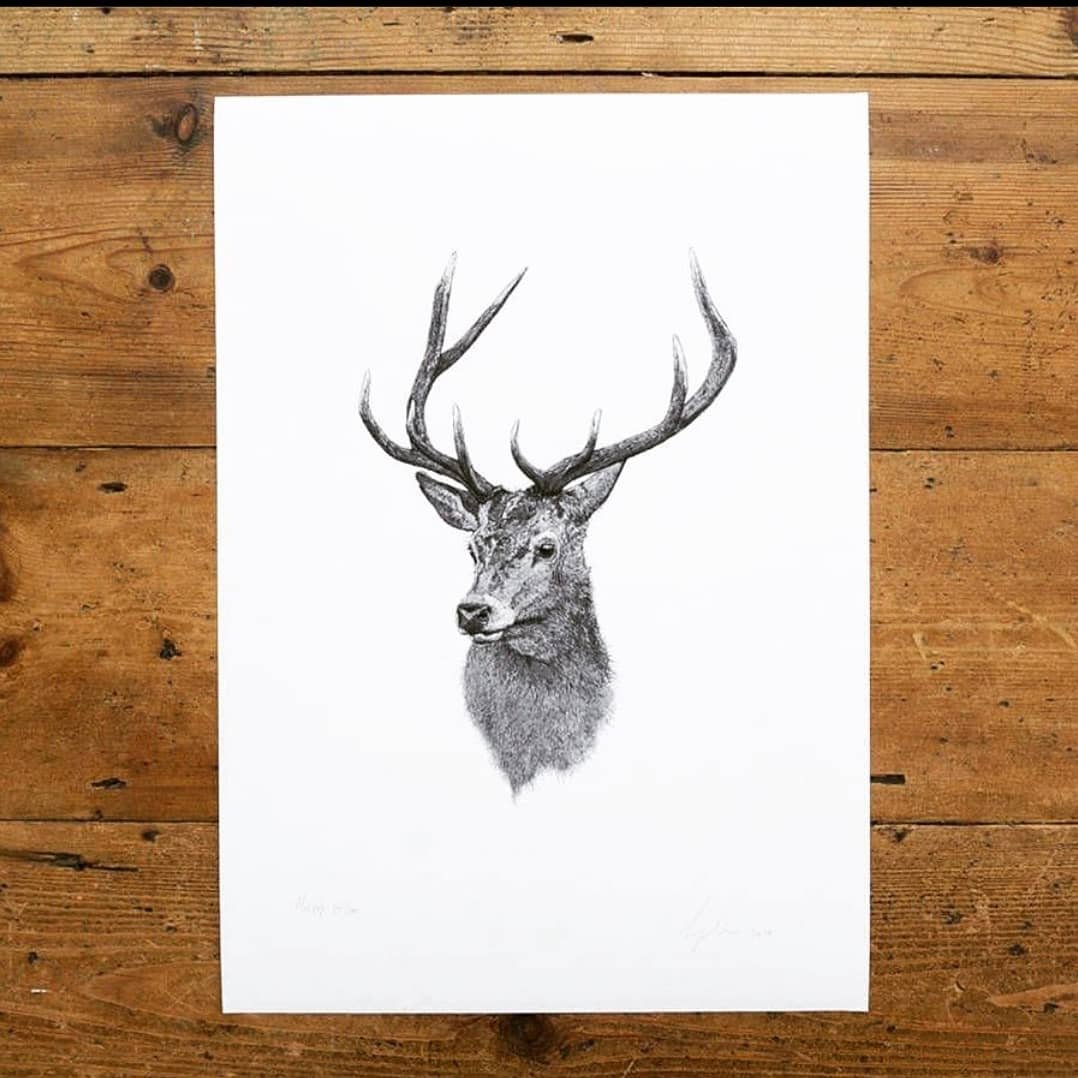
    Shall I tell you the story of Sier Lapalang? As with every folktale, there are many versions. My nanny's would be brief – "the young stag didn't listen to his mother and see what happened to him?" While others are infinitely more detailed.

    At the foothills of Ri Khasi lived Sier Lapalang, noblest animal of his race, pride of his mother's heart. He grew up protected, loved, his every whim indulged, until one day he began to grow weary of the plains, and his mother's constant counsel. He wished to explore the hills, and find there his favourite delicacies. Despite all warning, of hunters and fierce warriors, Sier Lapalang left.

    At first, all went well. He wandered deep into the strange country, relishing the cool climate, the floral treats, until one day he stood in all his glory on the slope of Shyllong Peak, at the heart of Ri Khasi.

    His dallying caught the attention of cowherds grazing their cattle nearby. A stag, a stag! they called. Soon a hunt commenced, and though Sier Lapalang was swift and strong and fled from hill to hill, there were too many hunters in pursuit. He began to tire, and slowed and stopped; then an arrow-or a thousand-pierced his chest. He was strung up, amidst triumphant cries, and taken homewards with much rejoicing.

    The story could end here, but it doesn't.

    The mother, ill with worry, leaves her home for the land of her enemies, roaming the hills, looking for her son, until she comes upon the hunting party, cheering their kill. She recognises her Sier Lapalang. And begins a lamentation so sorrowful that the world falls silent. Women swoon from the pain, men bow their heads in anguish. Not a hand is raised against her, not an arrow shot in her direction.

    The crowd of hunters stare mutely. They'd never heard such protestations of devotion and love. Their own manner of mourning for their dead was now without meaning. It is said, from her, the Khasis learned how to grieve.

    A profound and poignant retelling of the Khasi folktale "U Sier Lapalang" from poet and novelist @janicepariat ! Thank you so much Ma'am for your entry and for your interest in the page! 🙏🙏🙏

    Janice Pariat is an Indian poet and writer. She was born in Assam and grew up in Shillong, Meghalya. "Boats on Land" (Random House India, 2012) her debut collection of short stories, won the 2013 Sahitya Akademi Young Writer Award for the English language and the 2013 Crossword Book Award for fiction. Pariat is the first writer from Meghalaya to receive an award from the Sahitya Akademi for a work in English.

    Picture credit: @brillustrations

  • Phriang jarut ka miaw

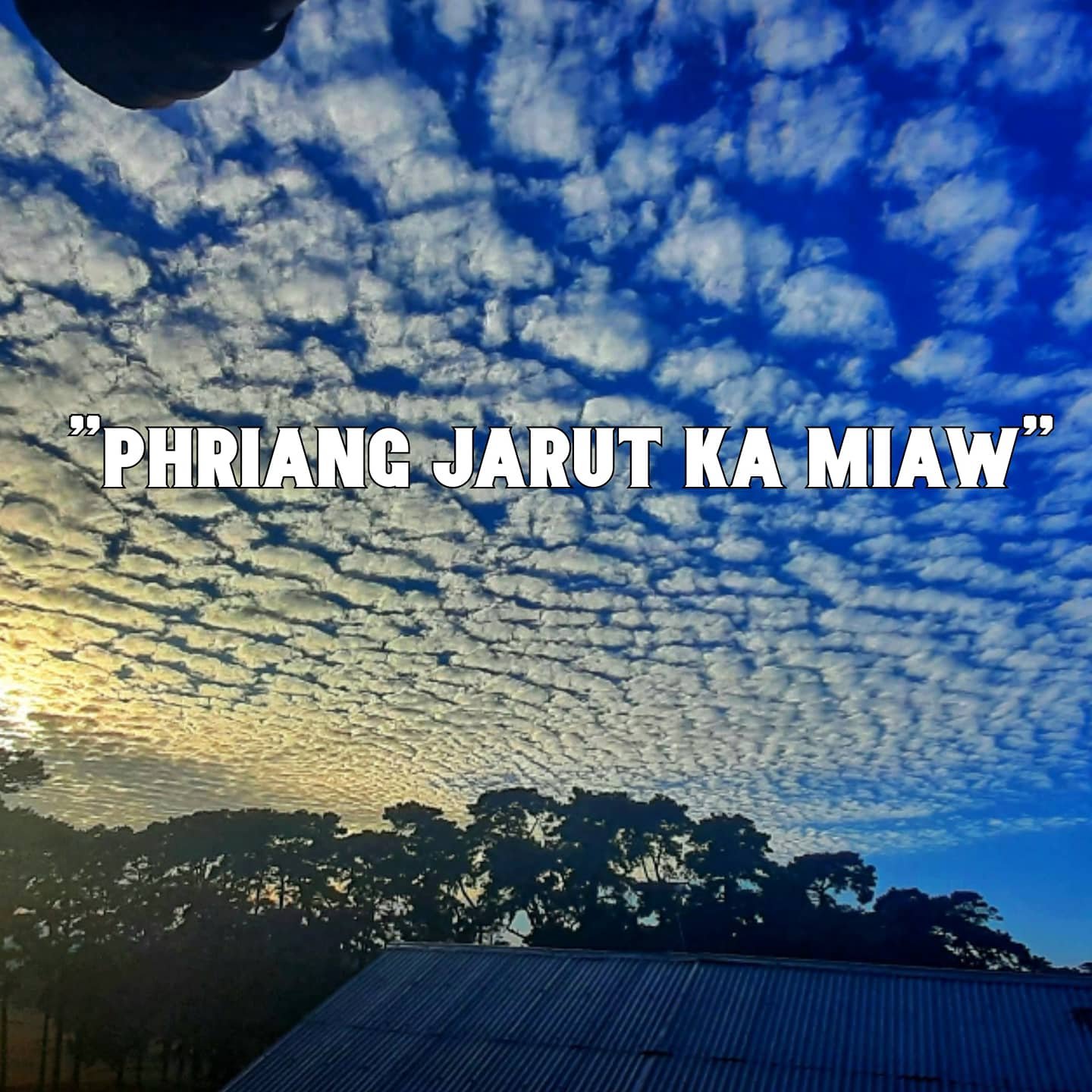
    Ka jingong "Phriang jarut ka miaw" ka thew ïa ka rukom shong jong ki lyoh ha ka suiñbneng kaba ong ha ka ktien English kum ki altocumulus clouds. Ka "jarut" ka dei ka ja kaba la pyndonkam ban ïa khleh lang bad u thiat ban shet kiad. Ka dur jong kine ki lyoh ka long thik kum ka jarut kaba la pynphriang da ka miaw.

    Ki lyoh altocumulus ki dei ki lyoh kiba rit kiba shong syrtap ha pdeng jong ka suiñbneng, ha ka dur jong ki pyllon ria ria. Ki don bunjait ki lyoh altocumulusbad ki la ban wan ha bun ki dur. Kine ki lyoh ki dei kiba khleh lang u thah bad ka um.

    The Khasi phrase "Phriang jarut ka miaw" is made to refer to a particular cloud formation called altocumulus clouds. "Phriang" means to scatter or spread, "jarut" is boiled rice that is mixed with yeast to make alcohol and "miaw" means cat. The appearance of Altocumulus clouds is perhaps similar to tufts of rice scattered by a cat's paws. It is definitely a creative way of describing a natural phenomenon!

    Moreover, altocumulus clouds are small mid-level layers or patches of clouds, called cloudlets, which commonly exist in the shape of rounded clumps. There are many varieties of altocumulus, however, meaning they can appear in a range of shapes. Altocumulus are made up of a mix of ice and water, giving them a slightly more ethereal appearance than the big and fluffy lower level cumulus.

    "Phriang Jarut ka Miaw" sent by @a_pocketful_of_plums Thank you for this beautiful cloudful entry! ⛅☁️🌥️

    This is a Khasi phrase which refers to the formation of Altocumulus clouds. 😃😃 These clouds appear as a collection of cloudlets spread across the sky. Don't they look as if a cat has scratched and scattered them? So beautiful! 🤩🤩

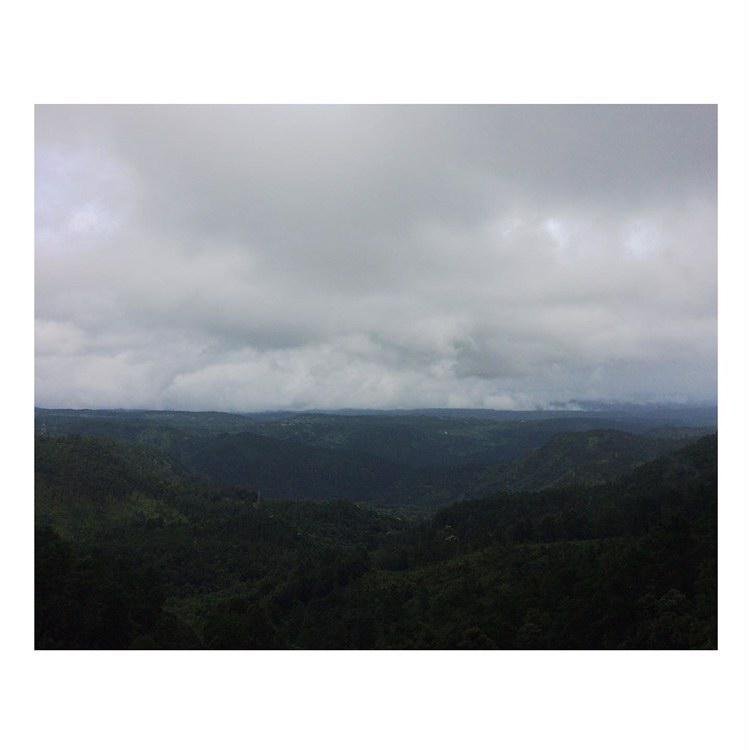
    Picture credit: @a_pocketful_of_plums

    Khasi and English explication by @speakyourroots

  • Nga Kynmaw/ I Remember

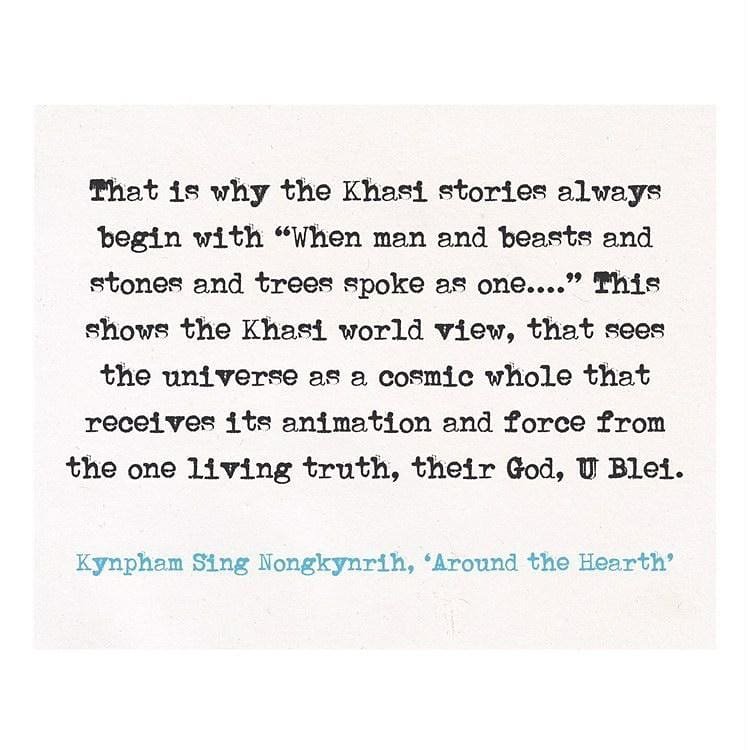
    That is why the Khasi stories always begin with "When man and beasts and stones and trees spoke as one…." This shows the Khasi world view, that sees the universe as a cosmic whole that receives its animation and force from the one living truth, their God, U Blei.

    Around the Hearth, Kynpham Sing Nongkynrih

    They say that long before the written word arrived in the mystical hill state of Meghalaya in Northeast India, an ancestor lost the manuscript that contained the religious and philosophical scripts of the Khasis as dictated by God. Descending from the great summit after meeting God, the ancestor came across a raging and turbulent river. He clenched the manuscript between his teeth as he tried to swim, but being from the hills, he was not adroit at swimming such torrid waters. He bobbled midstream and the manuscript was reduced to mush, which he swallowed. He managed somehow to return home empty-handed, and recounted his plight to his clansmen, assuring them that he could still recite God's word to them. The clans convened a council of members where the ancestor instructed them on the laws and teachings of God. It was from here, they say again, that the Khasi traditions of storytelling originated. Bah Kynpham Sing Nongkynrih's Around the Hearth: Khasi Legends brings alive the history and traditions of Khasi storytelling. The Khasis developed a script only as recently as 1842, thanks to Welsh missionary Thomas Jones. Their language and tradition of oral storytelling, though, has survived for centuries among a people of soft yet strong disposition who believe supremely in the symbiotic relationship between nature and man. Who live in the shelter of clouds above pine trees, lush green mountains, and share songs and poetry warmly around the fires of their hearth.

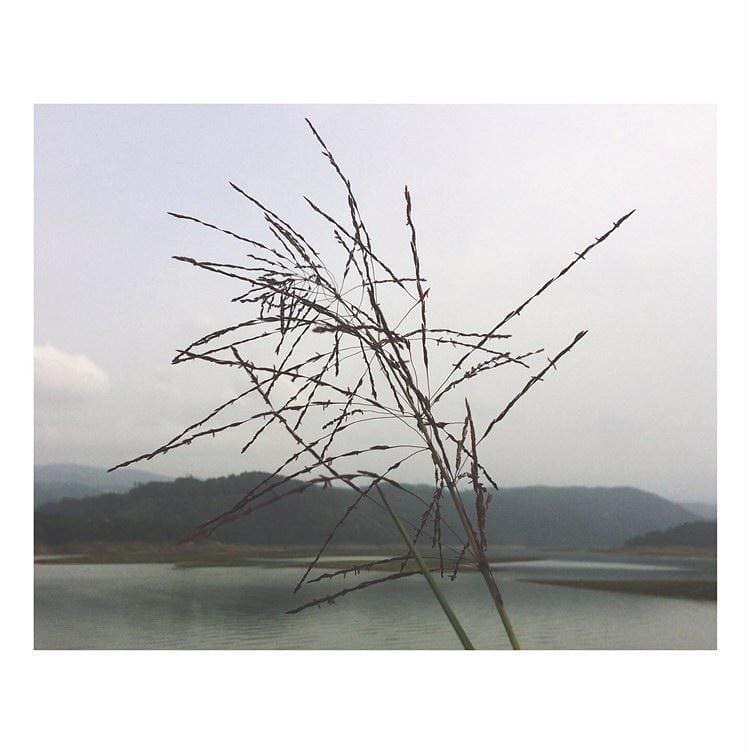
    "Nga Kynmaw/ I Remember" sent by Randeep Baruah @rondeview_ 💭🗯️💬Thank you Sir for this valuable reminder on the oral tradition of the Khasis! 🙏🙏

    Taking his inspiration from Around the Hearth: Khasi Legends (Folktales of India)(2007) written by Kynpham Sing Nongkynrih, Randeep talks about the story of the lost of script of the Khasis that he recounts from Nongkynrih's book. It is a story that cements the power of story-telling and the art and truth contained in the oral tradition. May the words we speak echo the spirit of our forefathers, who with a wisdom of the ages laid down the roots of our intrinsic bond with nature.

    Randeep Baruah is a writer and communications designer.

    Picture credit: @rondeview_

  • “Jaiñkyrshah” (Khasi) or “Kyrchah” (Pnar)

    Levanylla says:

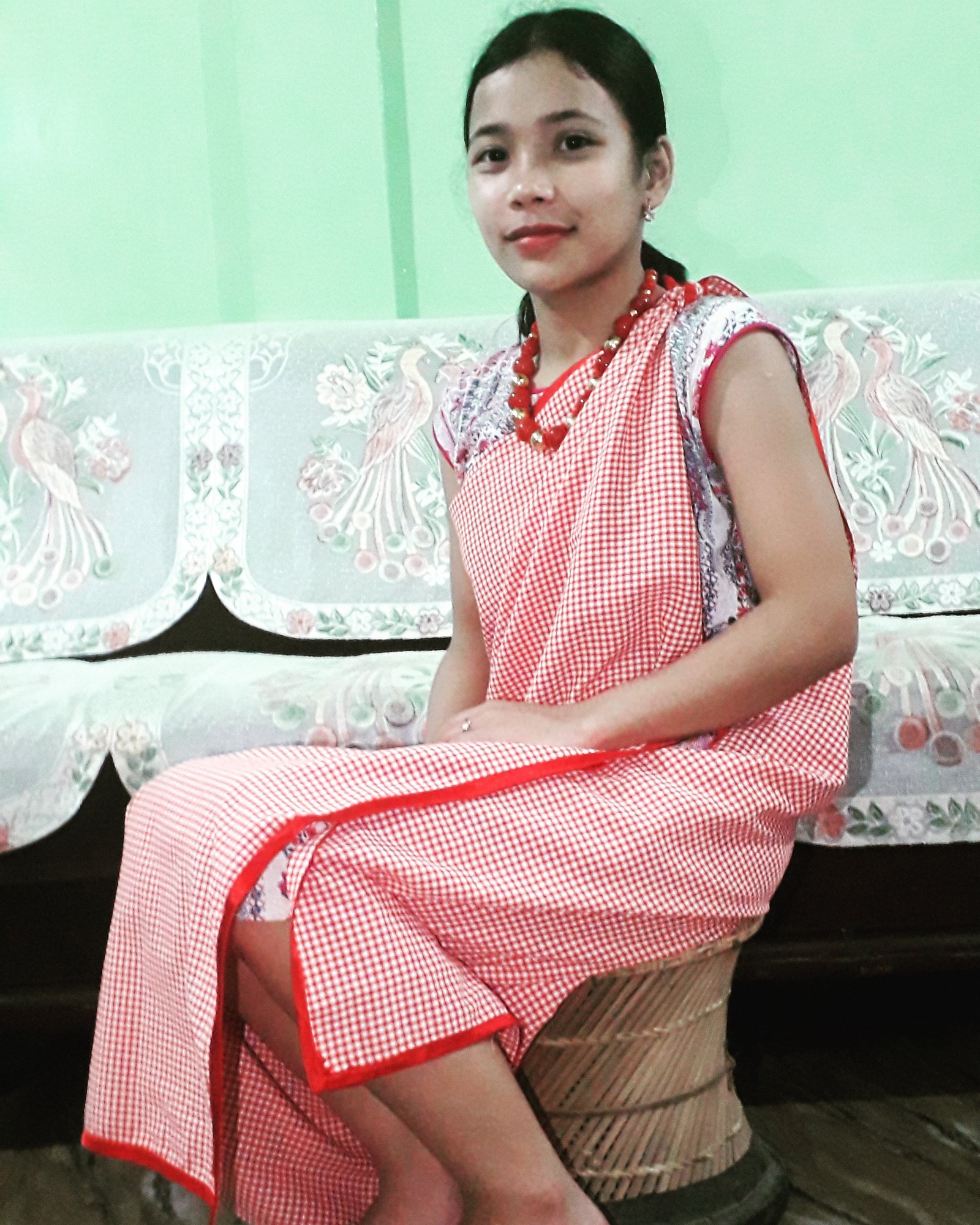
    "Jaiñkyrshah" in Khasi or "Kyrchah" in Pnar is a piece of clothing that is worn by Khasi and Pnar women. It is a chequered piece of cotton cloth that comes in different colours. It is tied at two ends and worn by slinging over the shoulder. The "Jaiñkyrshah" or "Kyrchah" is daily wear that appears to be simple yet it holds great significance. Besides being a practical apron for women, it emanates charm and dignity and voices a respect for one's culture and identity."

    "Jaiñkyrshah" (Khasi) or "Kyrchah" (Pnar) sent by @levanylladkhar 🧡🧡🧡😄😄 Thank you for this entry!

    The "Jaiñkyrshah" or "Kyrchah" is a distinctive piece of indigenous clothing that should be valued. It is special because women of all ages can wear it and always look good in it. 🥰🥰🥰

  • “Pa Baieid” da Sambynta kharbuki

    Ko pa ba ieid ko pa ba thiang

    kumno iaphi ngan siew kylliang

    naduh ba mih sha ka pyrthei

    nga dang iohi tang ia i mei

    Balei pa nanga phi jah

    nga duh iaphi na dang khynnah

    ynda mynta iaphi nga wad

    hynrei satang jing jaw ummat

    Ka jingieid na phi nga duh

    namar nga tip ngam lah shem shuh

    mynta nga sah tang bad i mei

    nga im khlem maphi ha pyrthei

    Ko pa phi lah mo ban wan phai

    to peit i mei i tlot i swai

    i trei shitom ah i bapli

    tang na kadaw bym don maphi

    Ha rngai ki jingphohsniew phi don

    mangi arngut mynsiem ngi shon

    I mei bapli bunsien i ong

    tip shuh kein khun kumno gin long

    Ko pa baieid to wan seh pa

    hangne iaphi nga iai pyrta

    hato kopa phi sngew ianga

    balei kumne kein ka wan jia

    Nga peit ki lok kyrhai ba bun

    ha shadem u kpa ki iohthiah hun

    nga pat hangne bad i mei

    i pa la khlad noh na pyrthei

    -Sambynta kharbuki

    Original Khasi poem "Pa Baieid" written by @samsan_yt 💟💟💟 Thank you for sending this personal and touching poem! 🥺🥺🥺

    The poem speaks about the value of a father. Sambynta longs to see his father and wishes he could be with his mother and him. Suffering and trials are known to us all but it is perhaps sharpened more painfully for those without a father. Thank you for having the courage to share this poem! 👏👏👏

  • Thad kba u chrieh

    Esra says:

    This is an old narration of the Bhois which literally translates to "the monkey is drying his paddy".

    It is used to describe a natural phenomenon wherein the sunbeams diverge through the clouds and fall focally on the hilltop; while the remaining areas are without sunshine and dark. This is when old people say, the monkey is drying his harvested paddy on that hilltop during this time.

    "Thad kba u Chrieh" 🐵🐵🌾🌾 sent by @esra_syiem 😃😃 This is a Bhoi saying which is translated into the monkey is drying his paddy. As explained by Esra, this saying owes its origin to the natural phenomenon of the sun's rays hitting a specific area of a hilltop while other parts remain dark.

    Thank you for another interesting entry! And as Esra says it's #justabhoithing 😄😄

  • U Symphut/ U Suid Tynjang

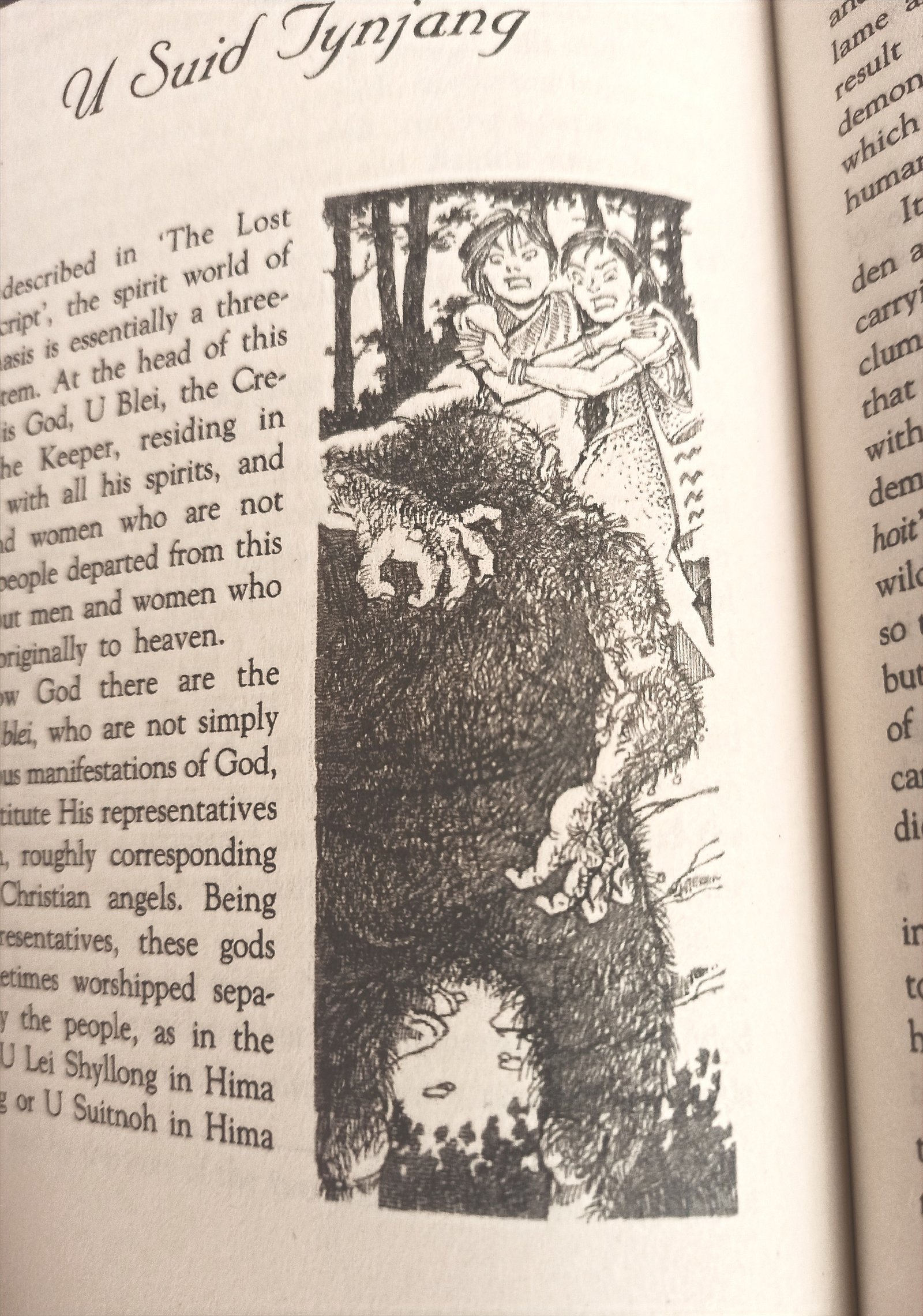
    U Symphut (Pnar) and U Suid Tynjang (Khasi) is an apparition/ ghost who captures an individual, carries him to places far and wide leaving him at the top of a cliff, or a tree, by the side of a river or a stream and even to a completely new and foreign land.

    Daohi Manar says:

    "I am not sure whether 'Symphut' is a ghost or an animal, but one thing I am sure about is that 'Symphut' never harms or injures its victims. During our childhood, incidents of someone being carried by the 'Symphut' occurred quite frequently with men usually being the victims! According to Khasi-Jaiñtia myth, 'Symphut' is a phantom or a ghost who snatches or captures an individual and carries him to places. The person who is in a daze is unaware of what is happening to him. He will come back to his senses only when an apparition wills it and departs or at times when the man is confronted or touched by another person. He then wakes up from this trance, not feeling hungry or in pain or even loses his sense of fear, realising his plight while still clueless of what happened to him and how he reached there. 'Symphut' supposedly never harms his victims and thus there is no tragic end to the story."

    What is said about "U Symphut" or "U Suid Tynjang" is that it is an imp who lives in a deep forest. His appearance is horrifying as his body is covered in sores. Thus, his skin is marked by scabs which torment him with an undying itch. This itch can be relieved by the scratching of a human hand. "Symphut" lures his victims by imitating the human call "Kaw hoit" for those travellers who are lost and exhausted. In this way he captures them and if they do not comply, they are tickled to death or left on the edge of a gorge or in a tree to die.

    "U Symphut" (Pnar) or "U Suid Tynjang" (Khasi) sent by Daohi Manar @xdtnoahjupejackllthmanar 👻👻👻 Thank you for this entry! 😅😅

    Picture and reference: Around the Hearth: Khasi Legends (Folktales of India) (2007) by Kynpham Sing Nongkynrih.