Tag: indigenouslanguages

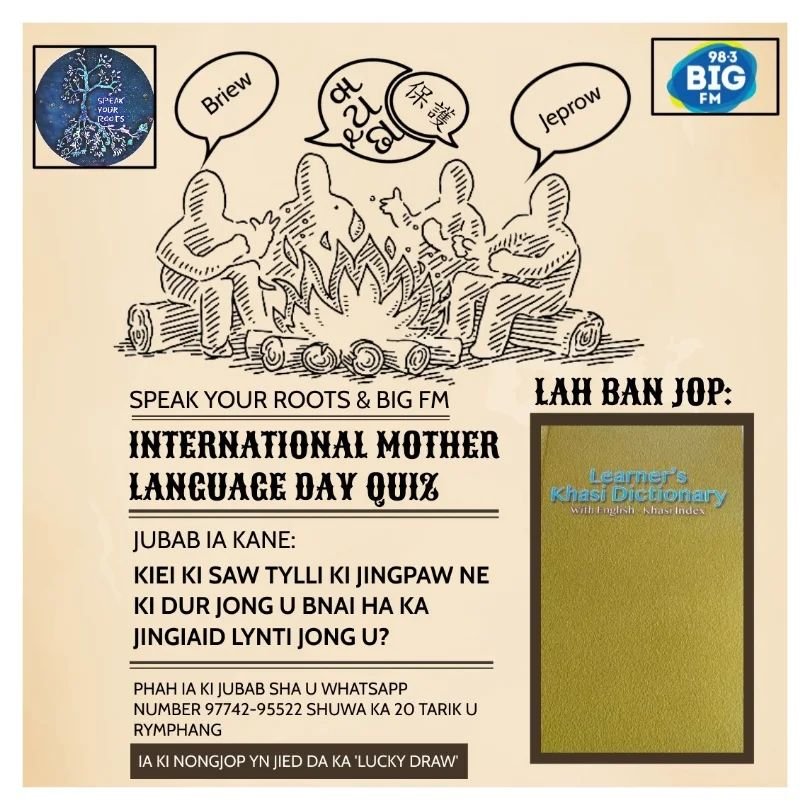
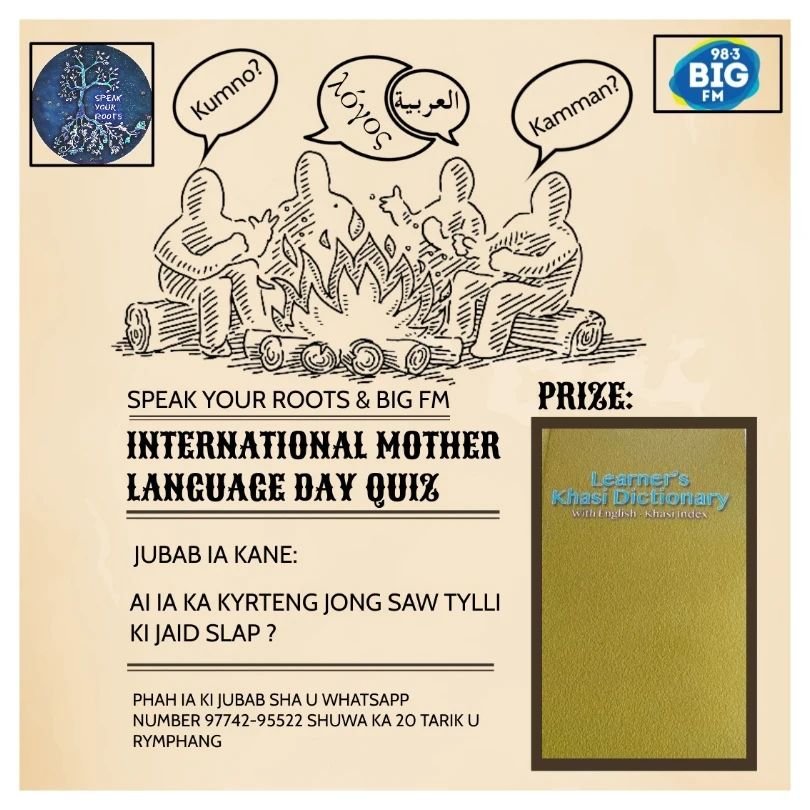
  • International Mother Language Day Quiz 2

    Kum shi bynta jong ka jingrakhe ïa ka International Mother Language Day, ka Big FM Radio bad ka Speak Your Roots ki wallam ha phi ïa ka International Mother Language Day Quiz! 🗣️🗣️🗣️

    Phah ïa ka jubab jong katei ka jingkylli ba phin jop ïa ka Learner's Khasi Dictionary kaba la pynmih da ka Don Bosco Publications. Wat nym duh ïa kane ka lad ban ïoh ïa kane ka kot kaba kordor!

    Kane ka dei ka jingkylli kaba ar!

    Kin don 4 tylli ki jingkylli ha kane taïew haduh ka 21 tarik u Rymphang!

    As part of the celebration of International Mother Language Day, Big FM Radio and Speak Your Roots bring to you the International Mother Language Day Quiz! 🗯️🗯️🗣️🗣️

    Send your answers to the question to the phone number given in order to win the Learner's Khasi Dictionary published by Don Bosco Publications. Don't miss the chance of winning this well-researched and valuable book!

    This is the second question!

    There will be 4 questions this week leading up to the 21st of February!

  • International Mother Language Day Quiz 1

    Kum shi bynta jong ka jingrakhe ïa ka International Mother Language Day, ka Big FM Radio bad ka Speak Your Roots ki wallam ha phi ïa ka International Mother Language Day Quiz! 🗣️🗣️🗣️

    Phah ïa ka jubab jong katei ka jingkylli ba phin jop ïa ka Learner's Khasi Dictionary kaba la pynmih da ka Don Bosco Publications. Wat nym duh ïa kane ka lad ban ïoh ïa kane ka kot kaba kordor!

    Kin don 4 tylli ki jingkylli ha kane taïew haduh ka 21 tarik u Rymphang!

    As part of the celebration of International Mother Language Day, Big FM Radio and Speak Your Roots bring to you the International Mother Language Day Quiz! 🗯️🗯️🗣️🗣️

    Send your answers to the question to the phone number given in order to win the Learner's Khasi Dictionary published by Don Bosco Publications. Don't miss the chance of winning this well-researched and valuable book!

    There will be 4 questions this week leading up to the 21st of February!

  • Namar ba ka dohnud u briew…

    "Namar ba ka dohnud u briew ka dei ka jaka kaba rit eh ha kaba ka jingsngew jong u ka shong; pynban, dei na kata ka jaka ba ka bor kaba synshar ïa ka jingim jong u kaba man ka sngi ka wan mih, bad ba kane ka bor ka pynproh ïa ka jabieng jong u haduh katta katta ba u lah ban ïohi ïa kiei kiei kiba phylla kiba don ha lyndet ka jingïohi ki khmat jong u…"

    – La shim na U Don Putit Bad U Khlieh Ka Khnap Masi (1978) ba la thoh da u Dewi Singh Khongdup

    "Because the heart of man is such a small space where his emotions dwell; yet it is from this space that the power and energy that rules over his life everyday emerges, and it is this power and energy which sharpens his brain, to the extent that he is able to see incredible and wonderful things which lie beyond the vision of his eyes…"

    -Translated from U Don Putit Bad U Khlieh Ka Khnap Masi (1978) written by Dewi Singh Khongdup

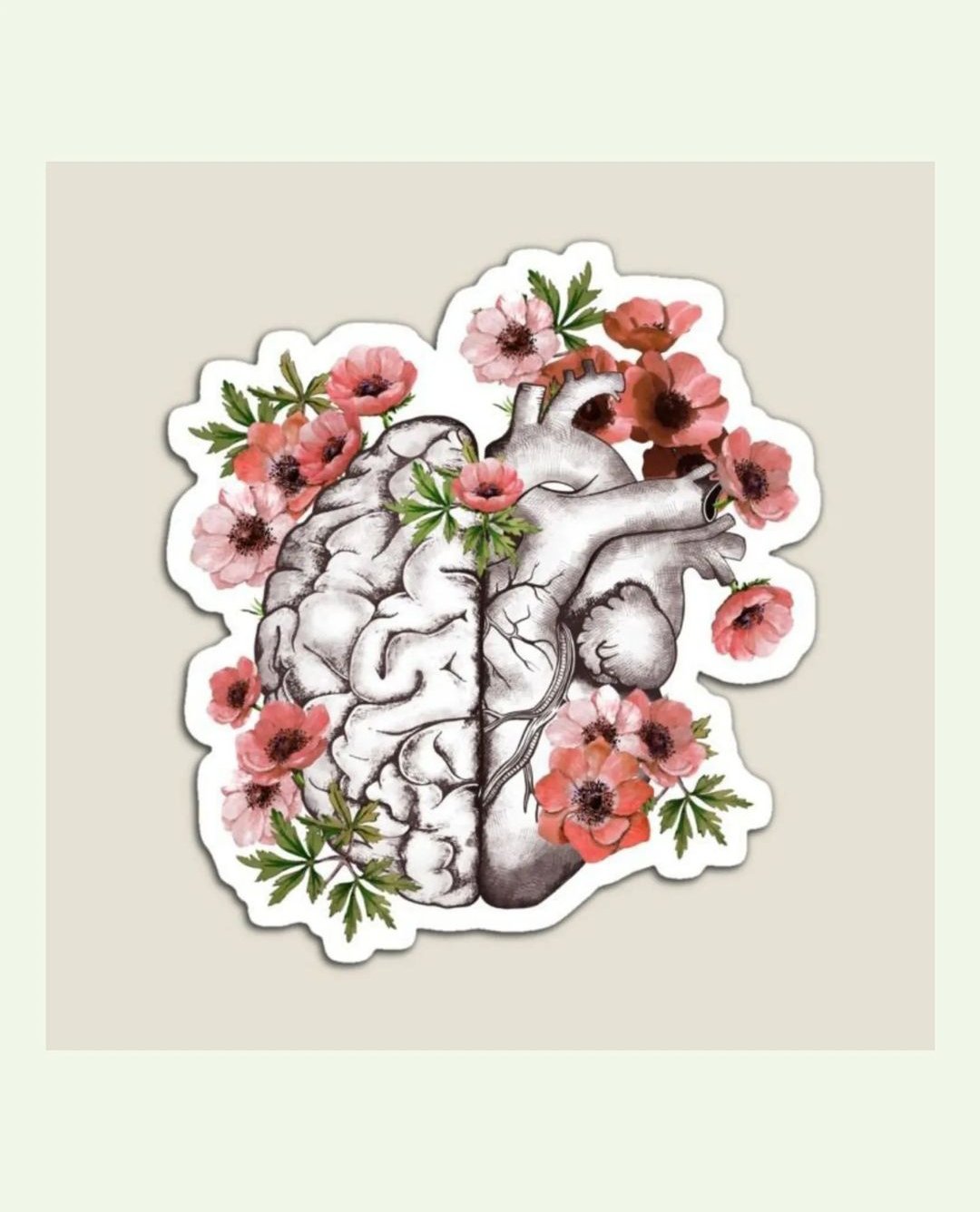
    The heart and the mind, "ka dohnud bad ka jabieng" as the passage says energise our existence. ❤️🧠

    The series of books on the character of U Don Putit by Dewi Singh Khongdup are entertaining and humourous and also contain valuable lessons for human life.

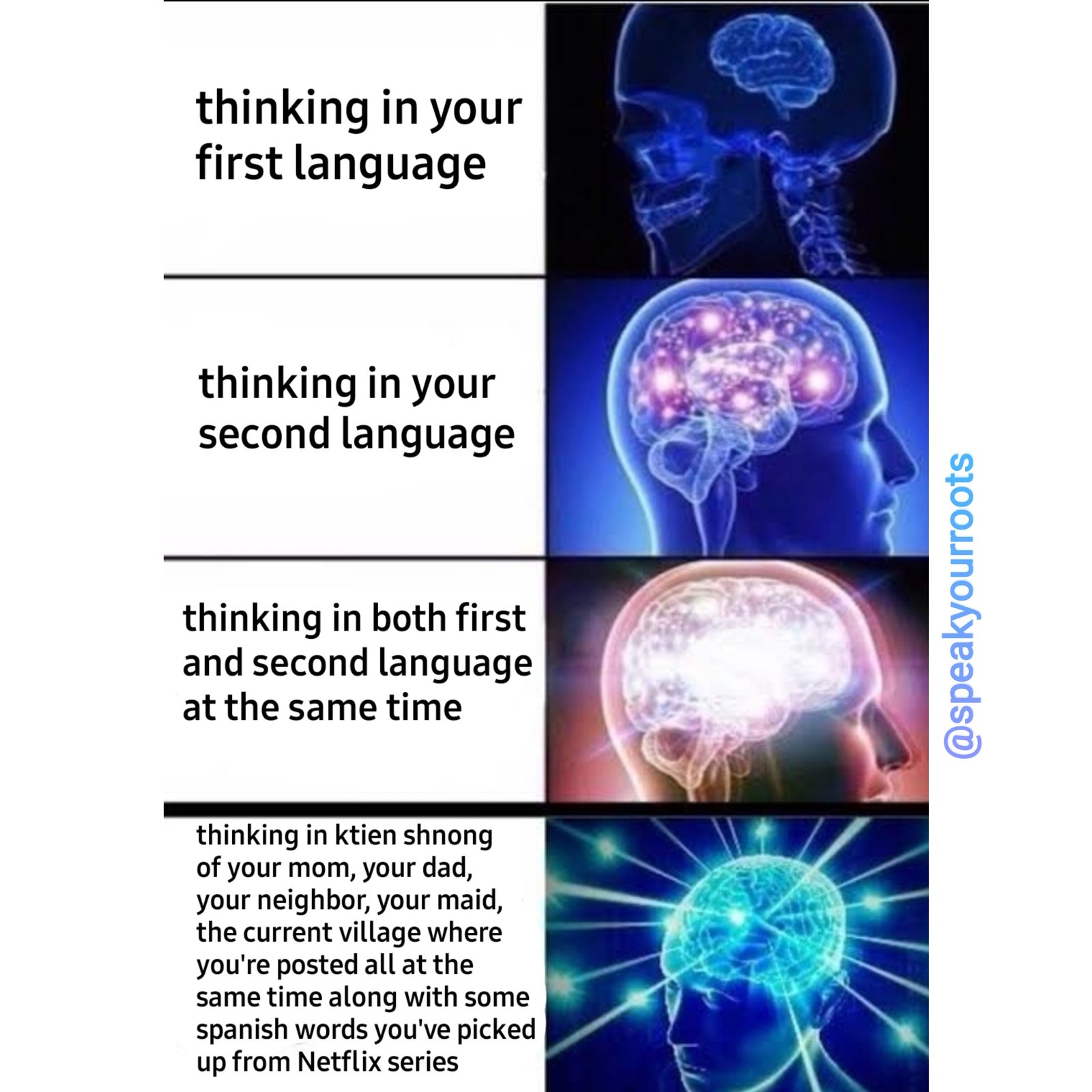
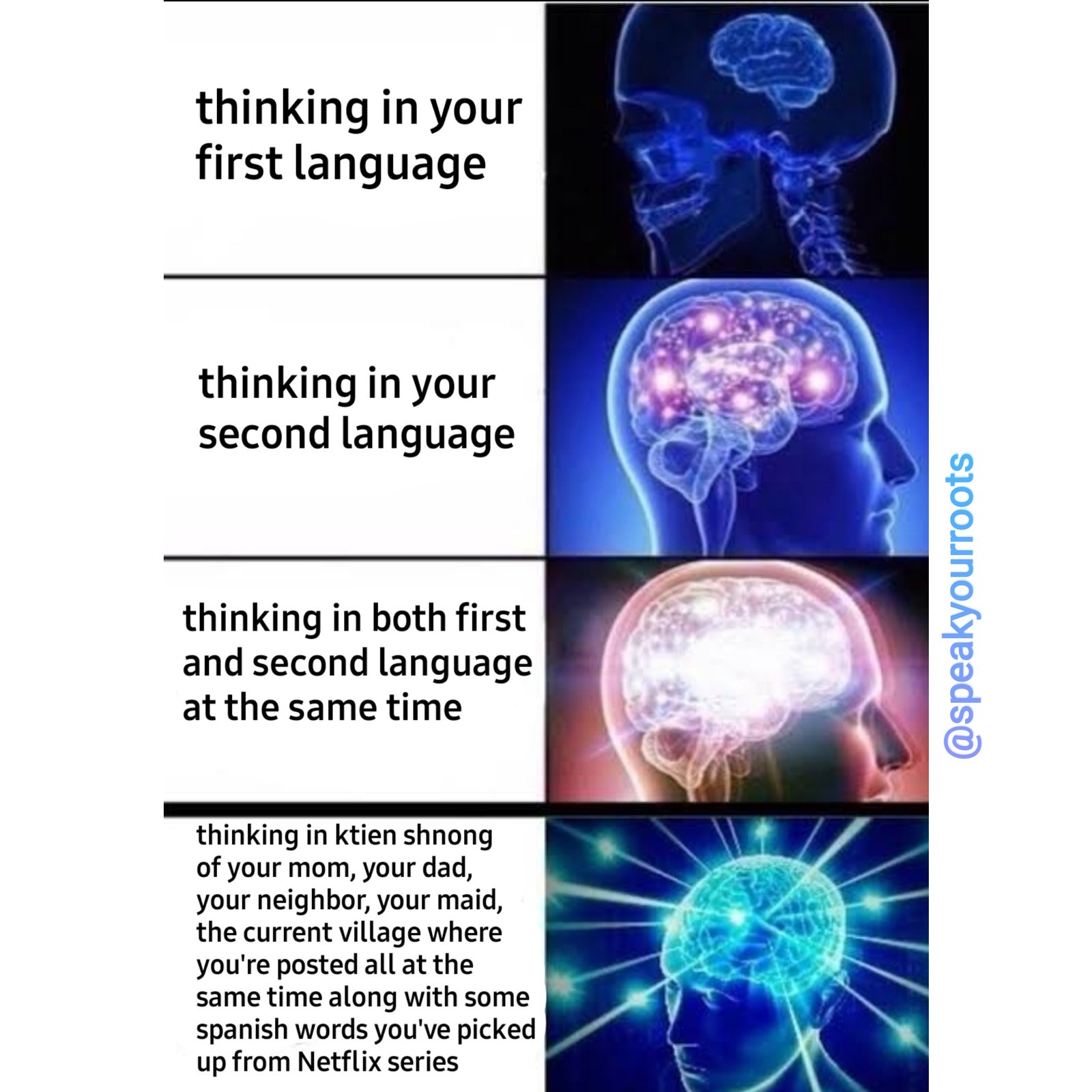
  • First language, second language…

    When language is life and everything in between! 😄😂🧡🏞️

    May indigenous languages thrive
    May indigenous languages be revived
    May indigenous languages empower us!

  • New Khasi words

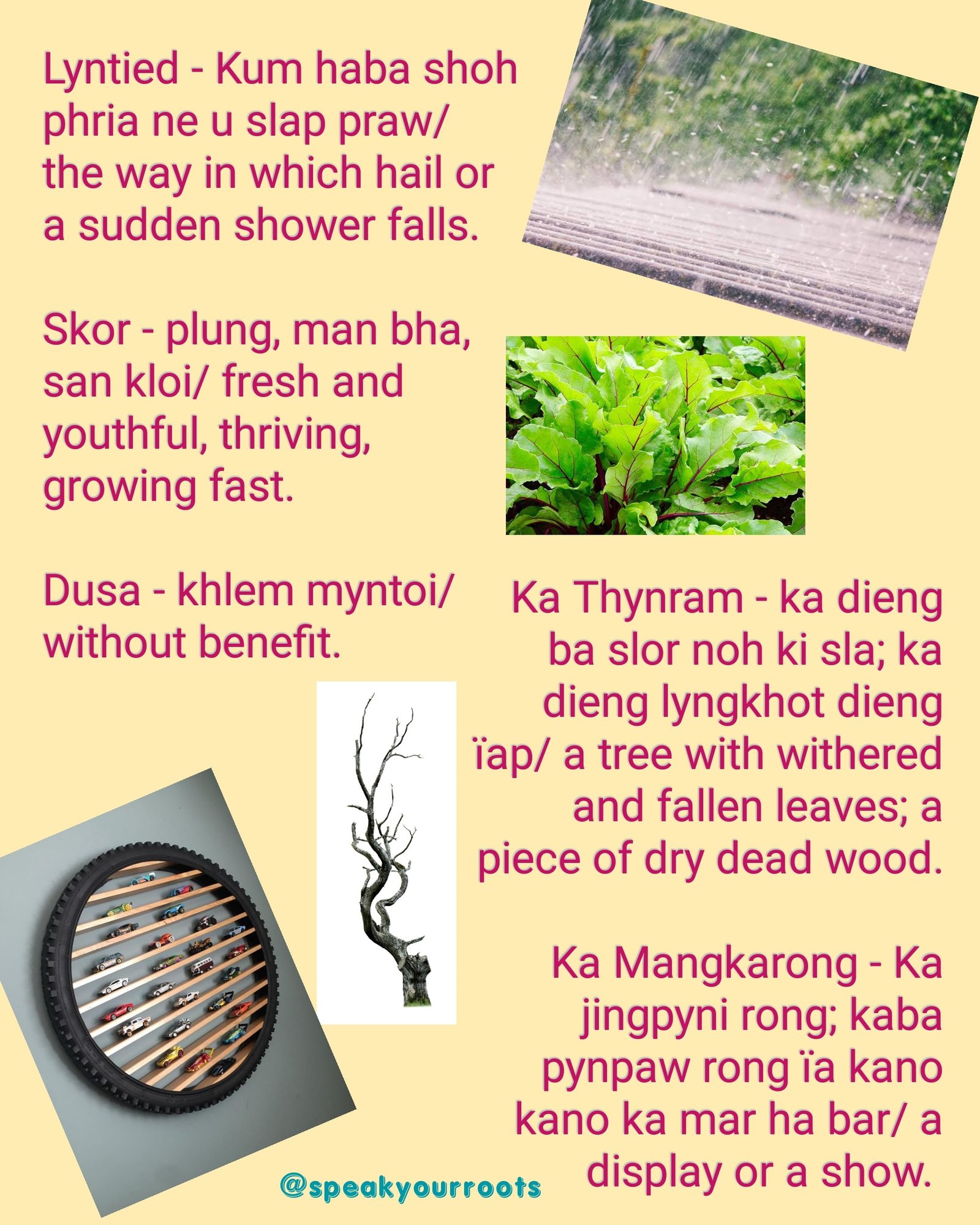
    Lyntied – Kum haba shoh phria ne u slap praw/ the way in which hail or

    a sudden shower falls.

    Skor – Plung, man bha, san kloi/ fresh and youthful, thriving, growing fast.

    Dusa – Khlem myntoi/ without benefit.

    Ka Thynram – Ka dieng ba slor noh ki sla; ka dieng lyngkhot dieng ïap/ a tree with withered and fallen leaves; a piece of dry dead wood.

    Ka Mangkarong – Ka jingpyni rong; kaba pynpaw rong ïa kano kano ka mar habar/ a display or a show.

    Some new Khasi words for the coming year! 🗯️💭🗣️

    Let's try something… please make sentences with these words in the comments section! 😀

    🟡 English translation by @speakyourroots

  • Ka Sotti Juk

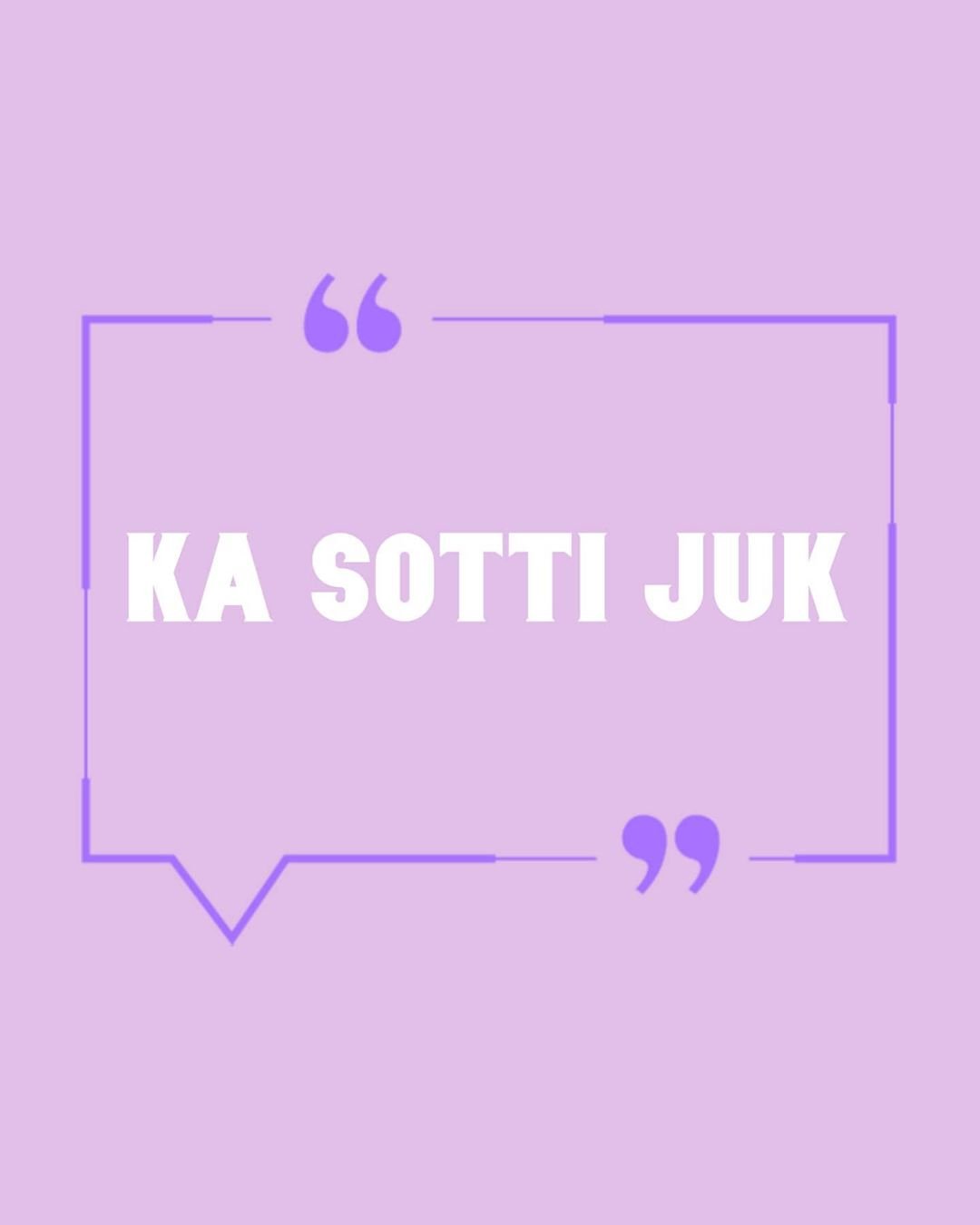
    Ka Sotti Juk ka dei ka juk kaba dang khuid dang sngur naduh ka saiñpyrkhat, ka rukom im la ka long naduh na la ïing la sem, ha shnong ha thaw, ki kam shnong ne saiñhima sima, haduh ka die ka thied, ka khaïi ka pateng. Ha kaba ka ktien ka ïeng rasong bad ka hooid ka neh ka hooid, ka em ka neh ka em. Wat ha uno ma uno u pud ka jingïakajia ne bym sngewthuh jingmut ka dang beit ban ïa kren tang da ka ktien ka thylliej khlem da kiew ïinglieh ïingsaw. Ka juk ha kaba U Kpa, U Kñi ki don la ka bor ka iktiar bad ki khun ki tieng burom la ki kmie ki kpa. Ka Juk kaba ka kmie ka long ka dohnud ka ïing bad U Kpa ka tyrpeng ka ïing, la kum ka tnum kaba kdup bad u rishot uba kyrshan.

    "Ka Sotti Juk" is an age where honesty, truth and integrity prevails whether in ways of thinking, ways of life at home, in village or town, administrative or political activities and in trade and commerce. The power of the spoken word stands strong, where yes remains yes and no remains no. In a quarrel or misunderstanding, the spoken word is enough to resolve any contention or problem, without going to the extent of having to seek legal remedy. An age when the wisdom of the father and the maternal uncle have their strength and foresight and children love and respect their parents. An age where the mother symbolises the heart of the home and the father is the shoulder who holds responsibilities, like a roof who embraces all and a pillar who supports all.

    Ka Sotti juk ka dei ka juk mynshwa hyndai ha ka por ba ki briew ki dang long shida bha; shu kren da ka ktien lah skhem lut ki kam ki jam bad wat ka kam thied jaka ruh ki shu ong da ka ktien lah biang ym donkam sakhi haduh katta ka jingiashaniah bad jinglong shisur.

    Ka Sotti Juk ka dei ka juk jong ki khathynriew trep khathynriew skum. Ka juk ha kaba u Blei u dang ia iaid bad kren markhmat bad u briew.

    Ka Sotti Juk ka mut ka juk jong ka jingsngur, jingshida mynsiem. Ka juk kaba hun ïa kaei kaba u Blei u la buh la thaw. Ka juk ka bym don jinglushia eiei ia ki jingdon jingem jong ka mariang.

    Ka Sotti Juk ka dei ka por ba dang hok ka pyrthei…ka por ba u briew bad ka mariang ki dang kren kajuh ka ktien…ym tip ka bishni ne ka pihuiñ…ka lorni ka lorhap..ki im sngi thop ha la i kam lajong bad janmiet sawdong ka lyngwiar dpei ha ryngkat ka saw ksai ban sneng ban kraw.

    Ka Sotti Juk ka dei ka juk ba dang hok dang shida ha baroh ki liang la ha ka ktien ka thylliej, ka akor ka burom, ka riam ka beit, ka ïaid ka ïeng, ka trei ka ktah. Baroh da ki jinglehhok suda khlem ka jingthok jinglamler, ka bamsap bamklop.

    Nga shu iohsngew ha bun ki jingïathuhkhana ïa kane ka kyntien bad bunsien nga ïohsngew kumne , "ka sotti juk haba u briew bad u mrad ki dang kren kawei ka kyntien" nuksa ka Ïew Luri-Lura. Ha ka jingsngewthuh jong nga ka mut ka juk ha kaba ngi dang don ka jingsngewthuh iwei ïa iwei khlem da donkam ban pynsngewthuh lane kum ban ong noh ngi dang don kata ka jingïatiplem iwei ïa iwei bad ym pat don kata ka jingbishni ne jingpihuiñ kum ba ngi ïohi byllai ha kane ka juk kaba ngi im mynta . Namar ka jingbishni ka dei kawei ka daw ba tynrai kaba wanrah ïa ka jingïashun iwei ïa iwei. Kum ban pynkut kamut ka dei ka juk kaba lait naka jingbishni pihuiñ iwei ïa iwei.

    Ka Sotti Juk ka mut ka por mynshwa ha kaba ki briew ki dang im shi sur shi dur bad ba ym ju don kano kano ka jingïakajia. Ki brew ki im suk im saiñ. Wat la ki duk ne riew spah kim kwah rhah ïa kano kano ka bym dei jong ki. Ki shong ki sah bad ki trei ki ktah tang hala u pud u sam. Kim don kata kw mynsiem bishni pihuiñ iwei ïa iwei.

    "Ka Sotti Juk" is a Khasi phrase we have heard from our parents and grandparents. Here are some explanations of the phrase from our followers! 😃😃

    Khublei Shibun @redfm_rjzack@amy_grace_7@kevin_nelson_17@ms_sngewbhalang@the_lost_soul_dreamer@zephyra_lavenza@evarylda022@gen_amane@_bala_kshr_06 for sending in your understanding of the phrase 🙏🙏 💜💜 They have made this post all the more richer!

    🟡 English translation by @speakyourroots

  • “Naiwieng” by Badondor Diengdoh

    Naiwieng

    Ka jngum thylli U Naiwieng

    nalor suiñbneng

    ka pyrshang ban kjit noh ïa ka

    kyrteng jong phi napoh

    shadem jong nga.

    Ka lah mo ban ban leh kumta-

    lehse ka bishni ne?

    Haba hangne nga lah ngam

    naduh ryndang

    shaduh shiteng sla khyndew,

    ban poi sha kliar slakjat

    ka mynsiem jong phi.

    Teng teng haba nga per

    harud ka um,

    bad par hapoh ki syrngiew maw

    kum ka tyngab ba shah dung

    da u ñiuhkseh, ban leit phai noh

    sha la skum bad ka jingkletnoh;

    bad 'la u ksaiñ ha shyntur-

    nga khie biang pat ryngkat

    bad ki jingkynmaw.

    Sngew tieng haba wat ka um

    ka kjit ïa ki jingmut thwei.

    Sngew par ñiangkhriat

    haba teng teng wat u rnga u

    sah ïong, u sah bthi-

    tangba ka kamra ka syaid

    bad ka rhem tang da ka um.

    Sngew thylli

    ban dei u briew,

    ban dei u mrad,

    ban dei u jingthaw

    uba long kum u maw

    hapoh krem;

    ban shah pruid dak

    hapdeng bad hapoh ka dum-

    wat la tang hapoh san

    ne shiphew kam,

    ka syaid bad ba shai

    ka pynsmiej ia nga.

    Ban klet noh te ka suk,

    lada don ki jingpynbyrngia:

    ka ding ka phalang ïa ka

    lawei kaba khlem urlong;

    ka mat bam duh shi syndon-

    teng teng ka ding ka

    hap ban bam,

    khnang ba kan ïai

    im harud ka um.

    Ban klet noh ruh ka jynjar,

    lada ka jingkynjah jong ka miet

    ka lynñiar lyngba ki khlur

    kiba phi ju kdew bad pyni ïa nga

    ha ki por ba dang dei u briew

    uba dap tang da ka jingkmen suda.

    – Badondor Diengdoh

    Mynta ka taïew ngi kynmaw ïa ka lyngkhuh sngi ïap jong u myllung ba radbah ka ri Khasi u Soso Tham ha ka 18 tarik u Nohprah 1940, da kaba ngin post ïa ki poitri ba lah noh synniang da ki paralok followers jong ngi. ✒️📃✏️

    Ai ba ka jingshem mynsiem, ka jingshemphang bad ka jingieit ri jong u myllung Soso Tham, kan long ruh ka jingïohkynti jong ngi ka ban pynkhlaiñ ïa ngi kum ka jaitbynriew. 🌄🏞️

    This week we commemorate the death anniversary of Khasi Poet Laureate U Soso Tham, on the 18th of December 1940, by posting poetry that has been generously contributed by our dearest followers. ✏️📃✒️

    May the inspiration, conviction, wisdom and love for the Khasi land and people of the poet U Soso Tham be our inheritance that strengthens us as a community. 🌄🏞️

    Today we have an original Khasi poem entitled " 'Naiwieng" by Badondor Diengdoh @a_pocketful_of_plums
    Khublei Shibun for sending your beautiful poem! 😄😄

    @a_pocketful_of_plums says: "A great poem will reel you into its world and capture your imagination…Poetry needs to be read and absorbed. Most poems need to be read many times. A finished poem is always half finished. It only becomes complete with the interpretation of the reader…Ultimately, I hope to write poetry for the individual, for identity and for the community…"
  • Talking to your Meiieid

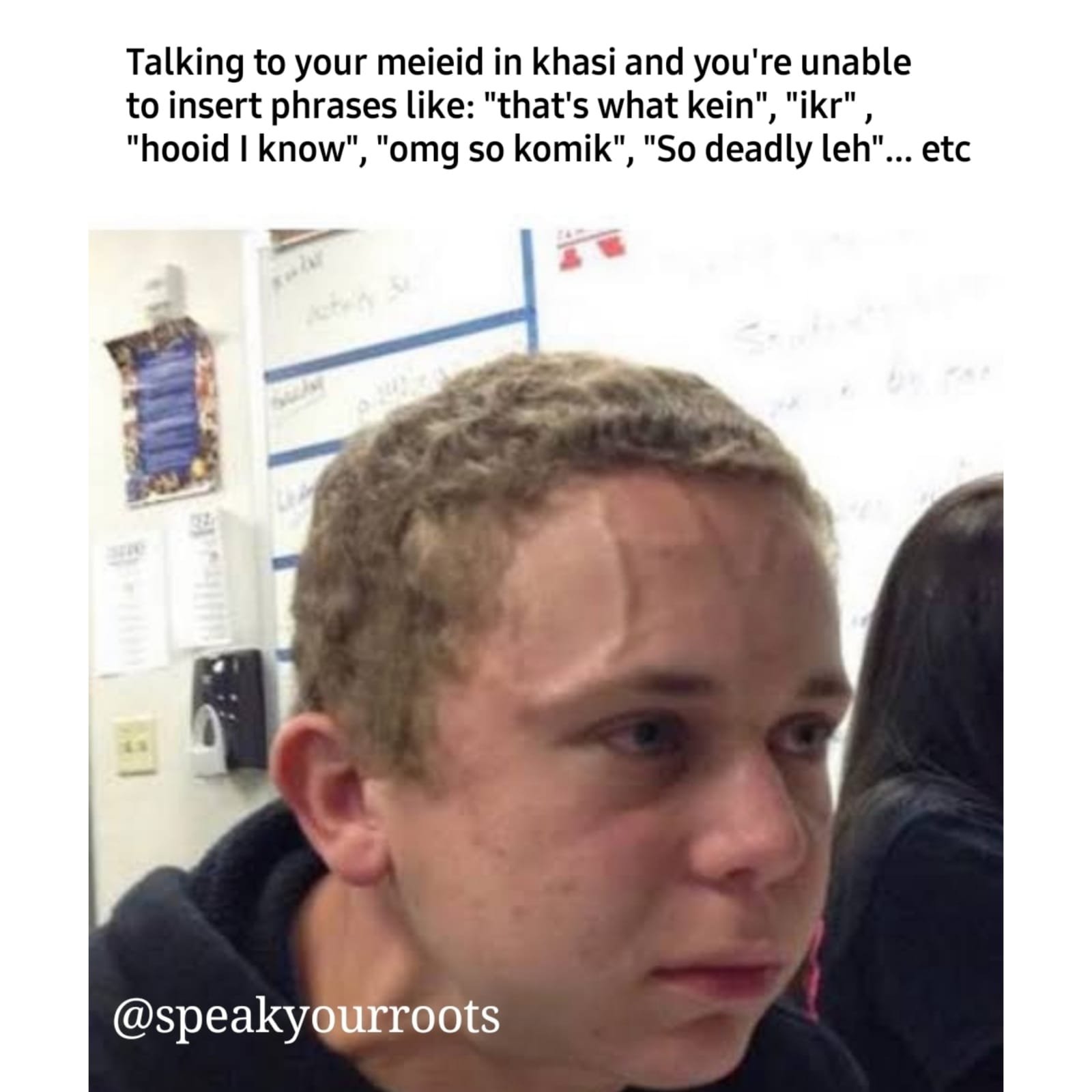
    We can all agree that especially in Shillong, because of the urban and cosmopolitan set up, our Khasi is mixed with English to the point that we have a "fruit blend Khasi" that our elders cannot relate to.

    That is why it's good to sit and chat with our grandparents or any relative from the older generation so that we converse in our pure indigenous languages. This way our thought process and worldview also moulds itself to the shape and folds of an indigenous perspective.

  • Another list of Khasi words

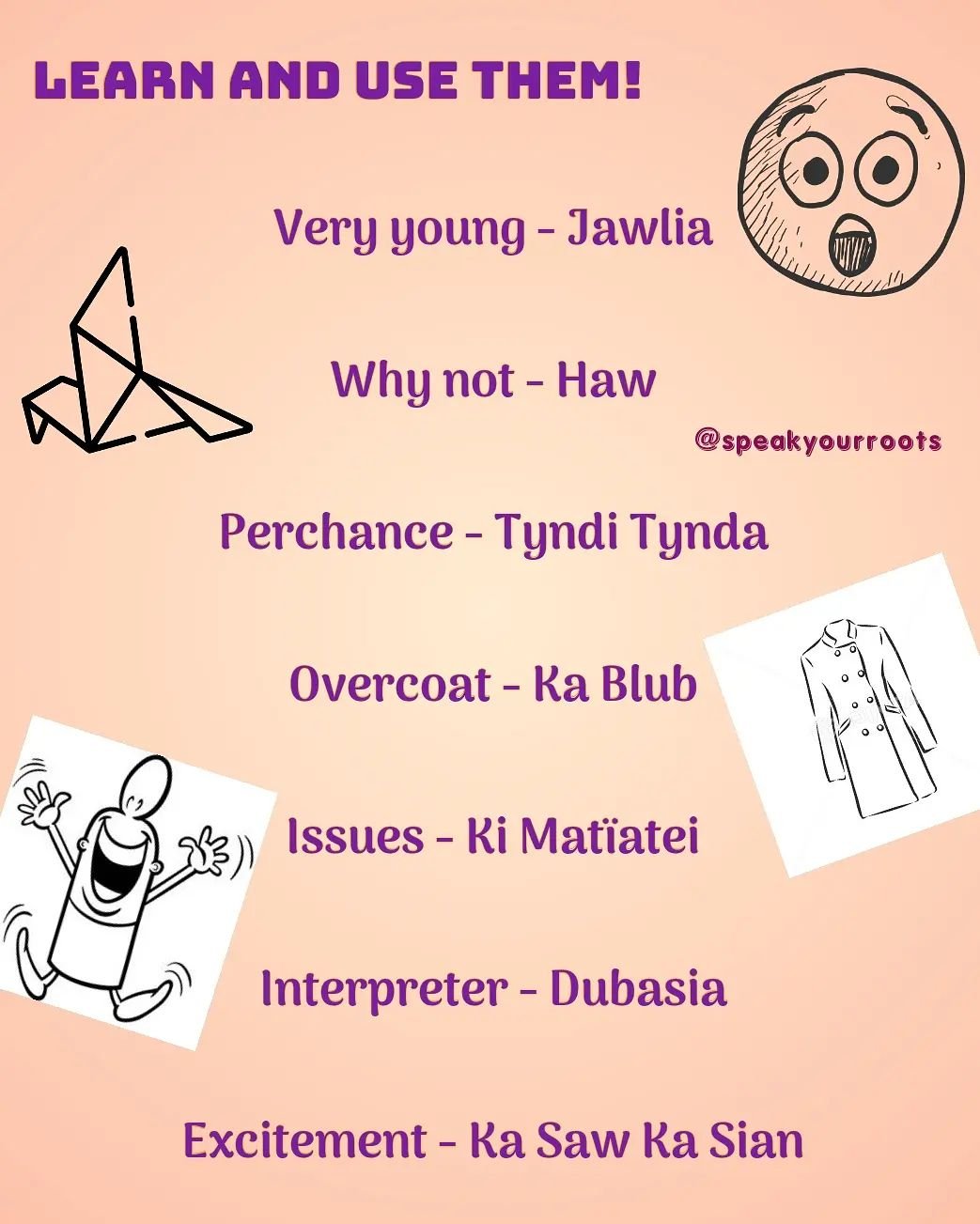
    Very young – Jawlia

    Why not – Haw

    Perchance – Tyndi Tynda

    Overcoat – Ka Blub

    Issues – Ki Matiïatei

    Interpreter – Dubasia

    Excitement – Ka Saw Ka Sian

    Another list of Khasi words that we can start using again so they become part of everyday speech 😀😀

    🟡 Source – Ka Dienshonhi: The Khasi Encyclopaedic Dictionary by Rev. Dr. Ïarington Kharkongor

  • Kut ka speed

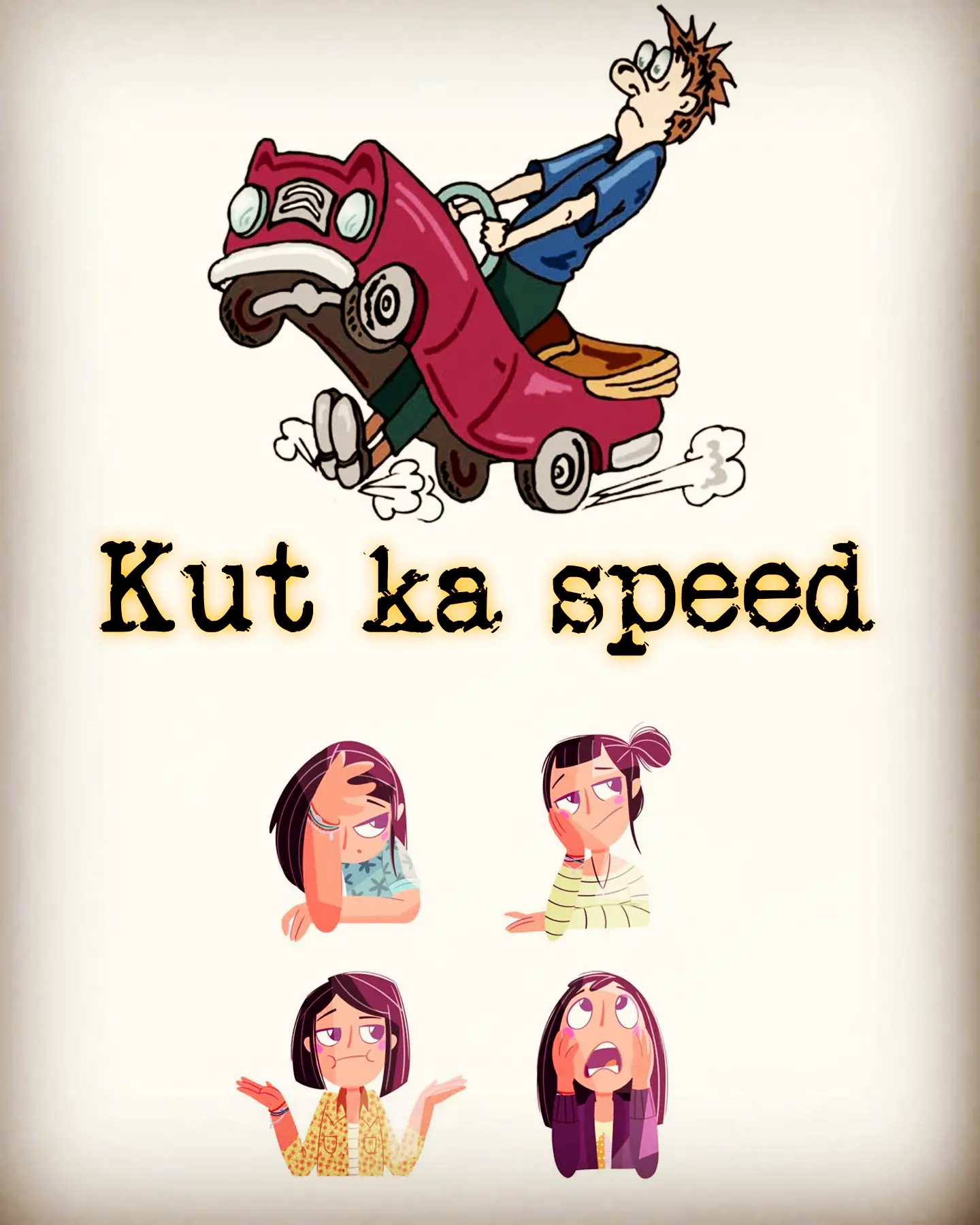
    "Kut ka speed" is a humorous phrase which is a combination of Khasi and English. "Kut" in Khasi means an end or a stop to something.

    So "kut ka speed" means the end of something that was looked forward to, like the cancellation of a picnic or the abrupt end to something which had promise like a failure in business. The use of the English word "speed" in the phrase emphasises the end or the stop to an action or event which was deemed to have momentum (in the literal and symbolic sense) but which met with an untimely end. The phrase also has the power of a warning, so as to caution someone, in case what they are doing will end up incomplete or as a failure.

    An example of the phrase in a sentence: "Ka bha ba phi mih kloi. Da mih kham sngi tang ka dheng kali ruh lah kut ka speed."

    This sentence can be translated as "You should leave early, otherwise the traffic will be kut ka speed". The phrase sounds unsuitable when the sentence is translated into English. It does not possess the same punch because it is meant to be a sentence in Khalish and not English. Further, the exact sense of the sentence is lost when we try to translate it.

    "Kut ka speed" is an interesting example of "Khalish", that is the combination of English and Khasi. The merging of indigenous languages with English is happening around the world and shows the development and evolution of language. This is present mainly in urban areas where people use English daily in their communication with others.

    Khalish in particular leads to funny phrases and jokes which have a distinct ring and flavour to them which is both indigenous as well as global. Though there will be many critiques, this phenomenon is here to stay and seems inevitable in the evolution of language.

    When you were planning to have that jadoh but when you reach the Kong says there's no more jadoh! Huuu…kut ka speed! 😂😂😂

    "Kut ka speed" is the Khalish equivalent of a buzz kill 😖 Don't deny it, especially the Shillongites 😅 Khalish has become a way of how we speak 😜

    Please comment with sentences having "kut ka speed" 😂😂