Tag: khasilanguage

  • Talking to your Meiieid

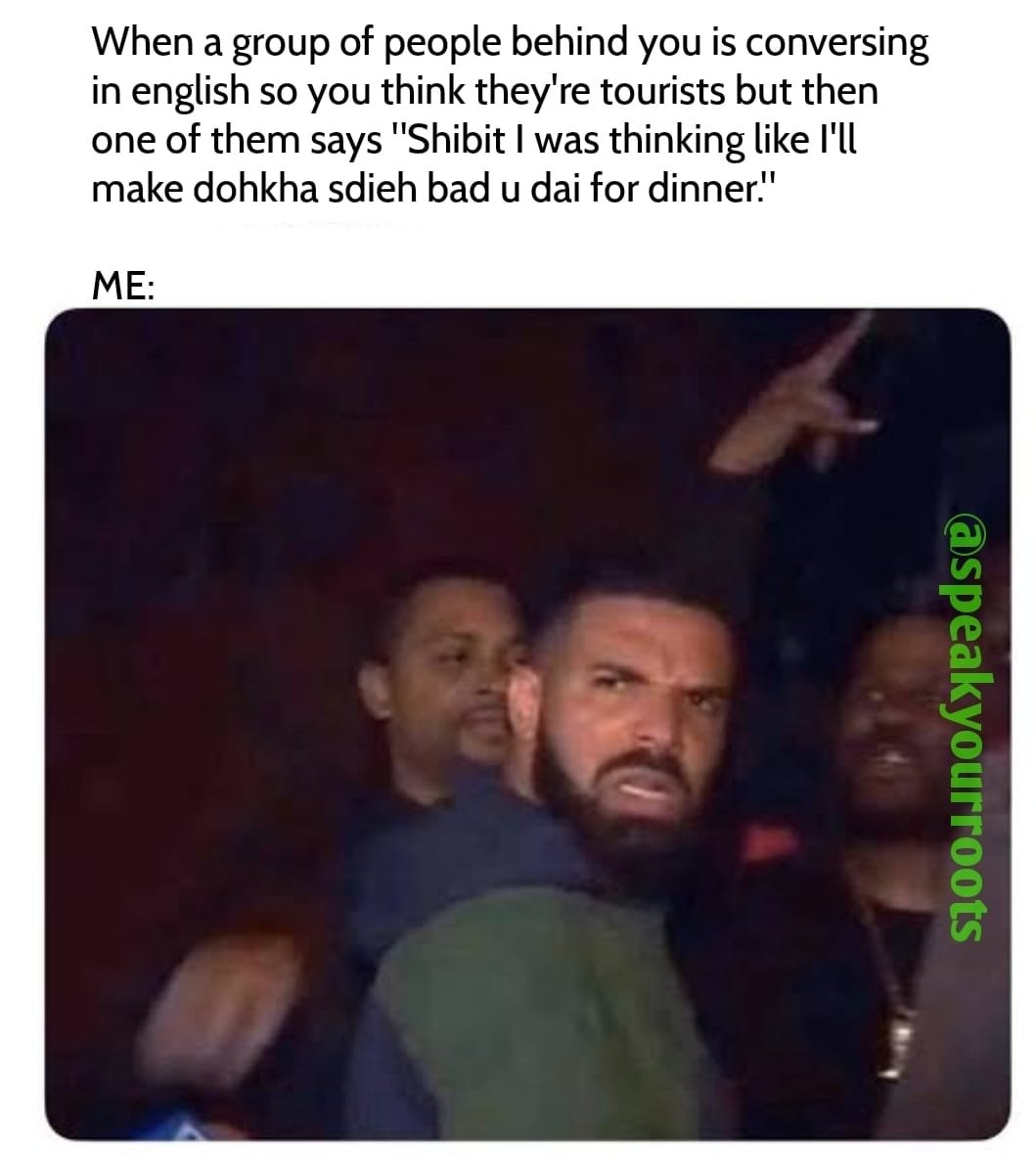
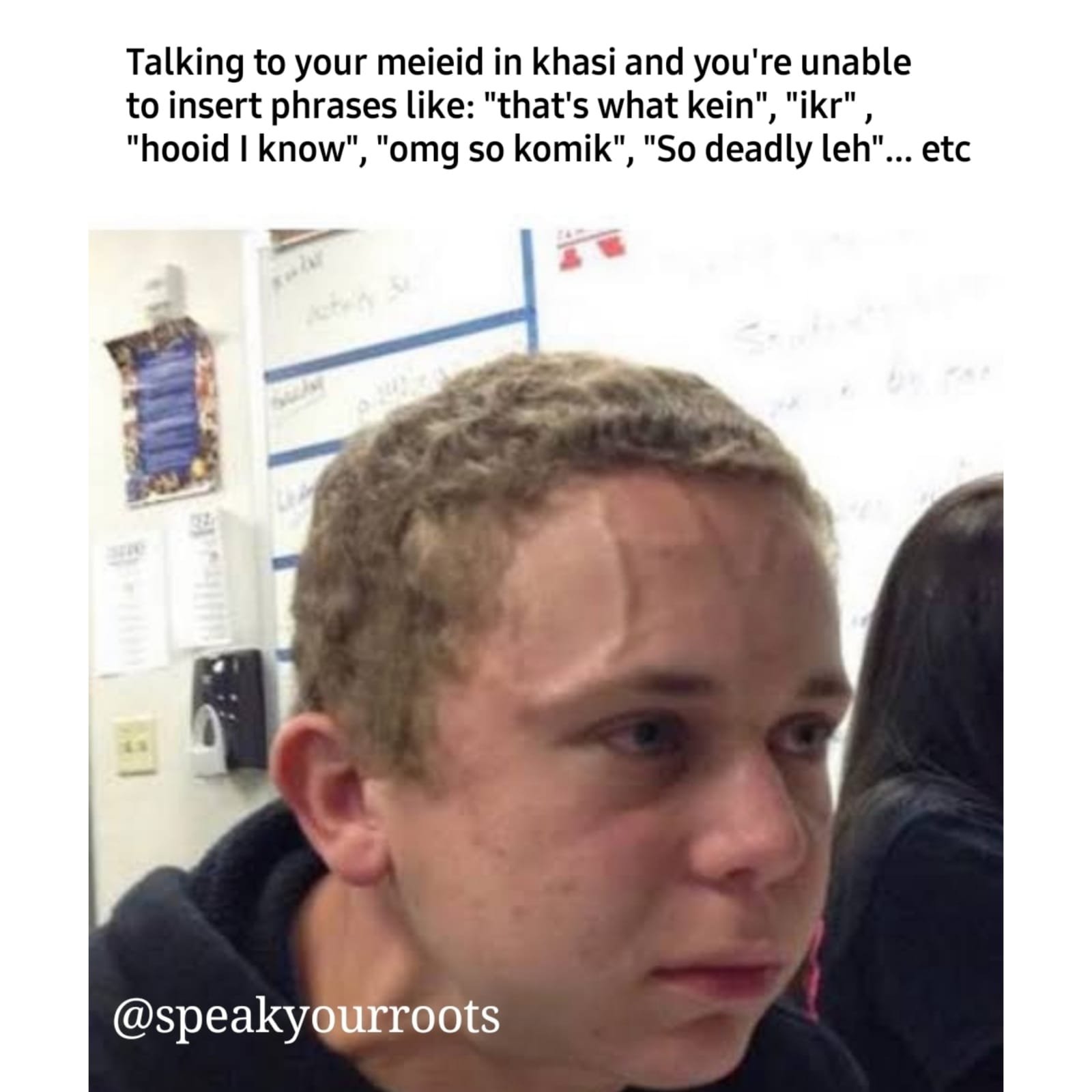
    We can all agree that especially in Shillong, because of the urban and cosmopolitan set up, our Khasi is mixed with English to the point that we have a "fruit blend Khasi" that our elders cannot relate to.

    That is why it's good to sit and chat with our grandparents or any relative from the older generation so that we converse in our pure indigenous languages. This way our thought process and worldview also moulds itself to the shape and folds of an indigenous perspective.

  • Um Pachu

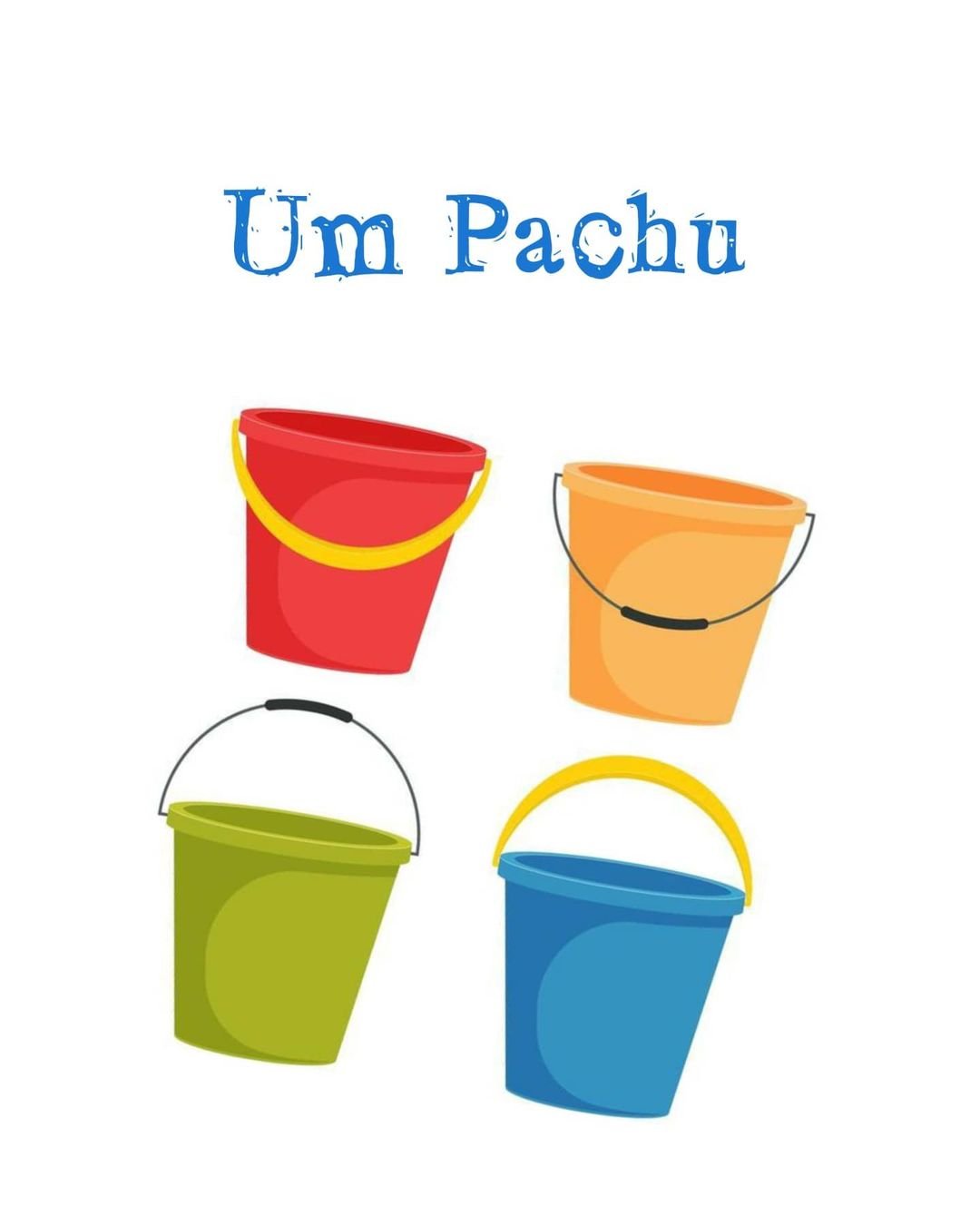
    Ka "Um Pachu" ka dei ka ktien Pnar kaba mut ka um khriat kaba la mang lypa tang kat ban pynsyaid ïa ka um khluit haba sum.

    "Um pachu" is a Phar phrase which describes the cold water which is used for mixing with hot water for a bath. This phrase is unique because it describes the use and functionality of a particular kind of water.

    Ka "um pachu" is just one example of many Pnar as well as Khasi phrases which describe the utility of water. 🌀🌀 Please give us a Pnar sentence with the words "um pachu" or "pachu" in it! 😀

    🟡 English translation by @speakyourroots

  • Ka ktien kaba tam

    "Ka ktien kaba tam" ka dei ka jingong kaba ngi ju ïohsngew na ka por sha ka por. Ngi lah ban batai ba kane ka thew ïa ka jingshai, ka jingkordor, ka jingbha, ka jingdonburom bad ka jingshongkhia jong ka rukom kren jong no jong no. Kine ki kyntien namar ki long kiba la mih na ka jingbha ki kham kordor ban ïa kano kano ka jingai ne ka kam.

    Namar ba ki Khasi ki kheiñ kynsai ïa ka ktien, ka ktien kaba kren ka long kaba donkam bha. Ym lah ban don ka jjngbymsuidñiew ne jingkhlemakor haba kren ïa kaei kaei. Kawei pa kawei ka kyntien ka dei ban long kaba shongsbai bad shongnia da ka jingmut bad ka jingshisha.

    Ha kawei pat ka liang, ka ktien ruh ka donkam ïa ka jingsngewthuh. Lada u nongsngap um sngewthuh ïa u nongkren kata ka long ka jinglehnohei. Ka bor jong ka ktien kan neh tang lada u nongsngap u pyrkhat bad sngewthuh ïa ka. Ha kane ka rukom u nongsngap u ban sa long u nongkren ïa ki pateng ki ban nang wan, u bat ïa ka bynta kaba kyrpang.

    "Ka ktien kaba tam" is a phrase that refers to the clarity, value, goodness, honour and dignity in the way a person speaks. Because of the quality of these words they are held to be more valuable than any gift or deed.

    As Khasis hold the spoken word in high esteem, anything that is spoken is deemed as important. There should be no carelessness or indifference when speaking to others. Each word is worth its weight in gold, possessing a depth of meaning and truth.

    On the other hand, the spoken word requires understanding. If the listener does not understand the speaker then it is useless. The power of the spoken word will endure if the listener thinks about and understands what is being said. In this way, the listener who will be a speaker to future generations, also plays an important role.

    Here is an attempt to explain the Khasi phrase "Ka ktien kaba tam" 🗣️🗣️Sometimes words are stronger than any action or gesture and this is why Khasis emphasise on the intrinsic value of the spoken word. 🌈💫

    Please feel free to add more in the comments!

    🟡 Khasi and English explication by @speakyourroots
  • Khasi words with their English equivalents

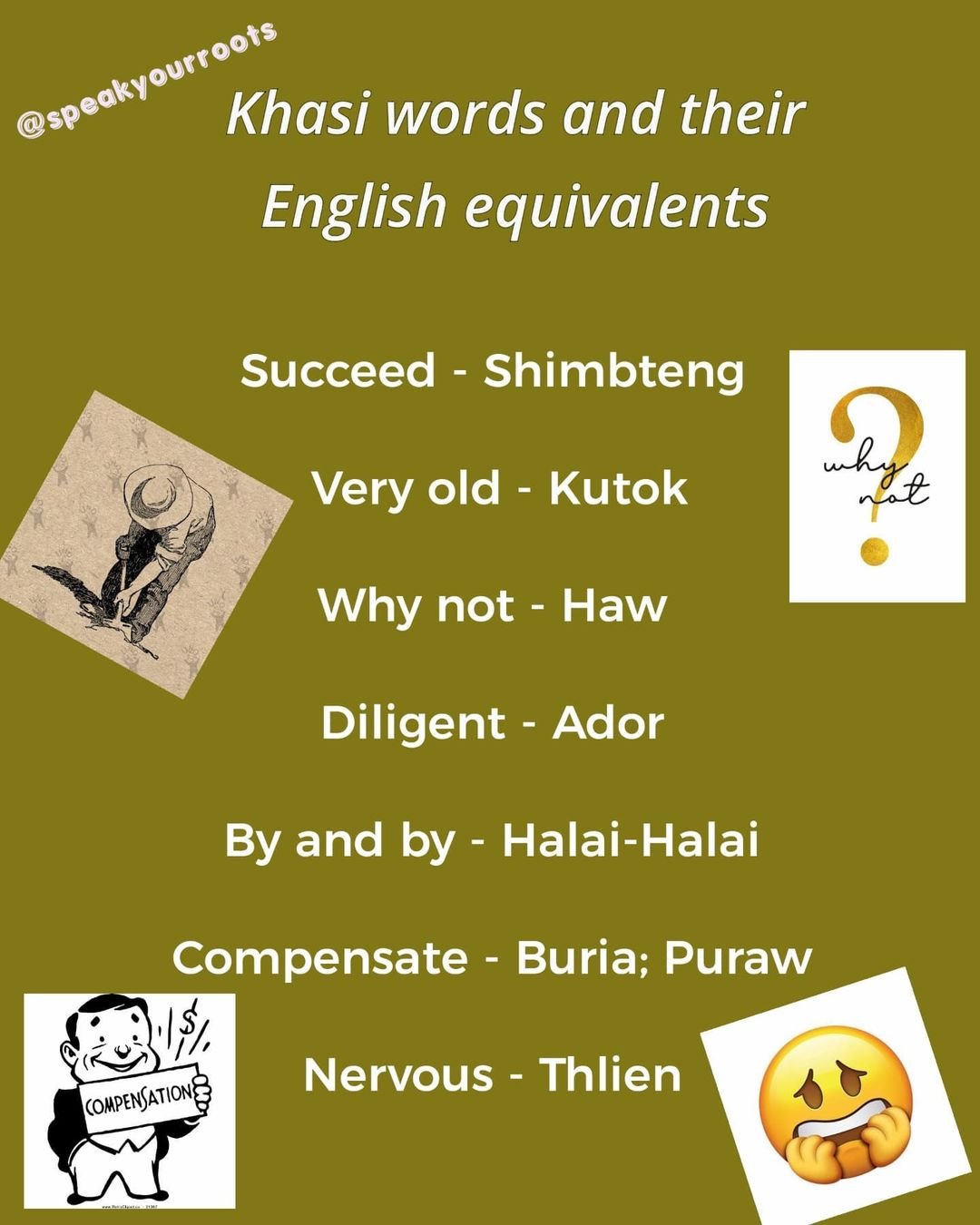
    Succeed – Shimbteng

    Very old -Kutok

    Why not – Haw

    Diligent – Ador

    By and by – Halai-Halai

    Compensate – Buria; Puraw

    Nervous – Thlien

    Here is another list of Khasi words with their English equivalents 🤓🤓

    #habaimkaktienimkajaitbynriew

    A people are alive when their language is alive!

  • Ki ‘Sai Tynrai

    Here is another segment from "Ki 'Sai Tynrai", a collaboration of @speakyourroots and #bigfm98.3 😀😀

    Khublei Shibun #bigfm98.3 for a great and effective video about the Khasi New Year and the Khasi calculation of months! 😄🙏

  • Ki Rukom Kren Ba Pher/Different Ways of Speaking, Part II

    "Kren padan" ka dei kaba kren pakhang ktien ba kiwei kin ym ïoh kren/ to speak in a way that obstructs others from getting a chance to speak.

    "Kren 'nam ksiar 'tien ksiar" ka dei haba kren ïa ka jingbha ban da ïa ka hok ka burom ha ka pyrthei/ to speak for the good of others or about goodness, for the protection of rights, dignity and honour in the world (or in human life).

    "Kren Ikhit" ka dei kaba kren kumba ïathuh bniah ïa ki skid ne sker ki bym larkam/ to speak or relay in detail about all sorts and kinds of things but in a useless way.

    "Kren saidlah" ka dei kaba kren said ban pynïeng la ka nia ne dáw wat la lah shah pyndem ha ka jingïatainia/ to speak in order to support one's argument or reason even though the argument or reason has been weakened or criticised in a debate.

    Sa shi hud ki rukom kren ha ka Khasi 😀🗣️

    This is Part Il of the different ways of speaking in Khasi. May the words we speak empower us and those who listen to us! 💫💫

    🟡 English translation by @speakyourroots

  • Khalish

    Kane ka thew ïa ngi baroh 🤭🤭😂😂😅😅

    Bun na ngi, ngi khleh lang ïa ka ktien Khasi bad ka ktien phareng haba ïa kren ne ngi shu ïa kren beit tang da ka phareng suda ruh.

    Kaei kaba ngi dei ban sngew ka long ba ngi dei ban pyrshang ban kren tang da ka ktien lajong lada ngi don para ma ngi. Ngin lap ba kin don bun ki ktien kiba ngim tip ha ka Khasi. Ngin lap ruh ïa ka jingshongkhia, ka bor bad ka jingïar kaba don ha ka ktien la jong haba ngi kren ïa ka.

    Kito kiba sah sha jngai na la ri, ki lap ba katno kata jingkwah ban kren da ka ktien la jong. Bad ba da lah ïoh ban kren, ki da sngew hun shisha! Ka ktien ka pynjan ïa ngi sha ki lyer, ki lum ki wah, ki dieng ki siej bad ka pynskhem ruh ïa ki thied tynrai bad ki nongrim longbriew manbriew jong ngi! 💚🙏

  • Leh Piat

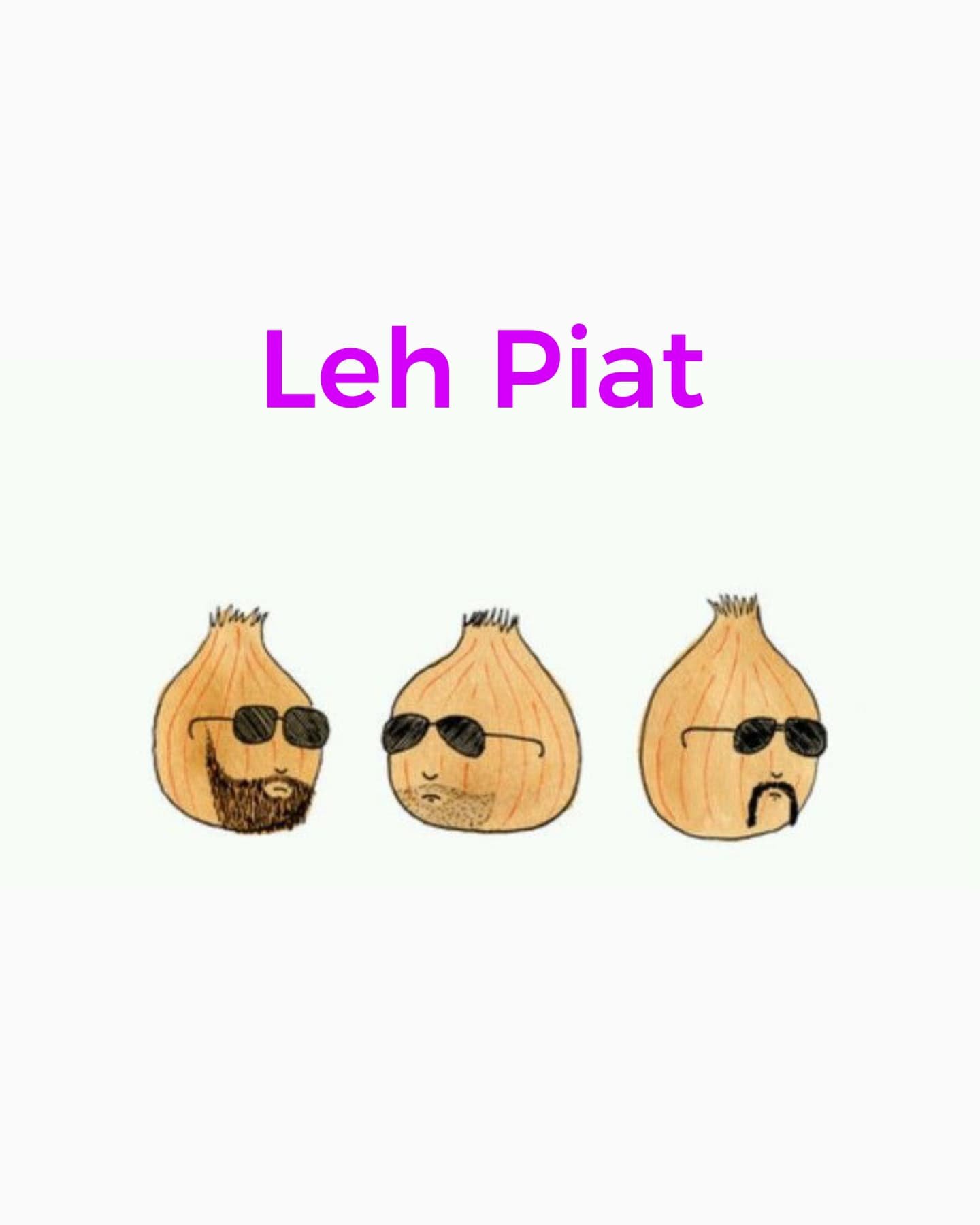
    The Khasi colloquialism/ phrase "leh piat" or sometimes "ba piat bha" is used to describe a person who may be seen as a jack of all trades. He or she seems to be seen everywhere, meeting and conversing with people. Thus, the phrase is a way of describing the popularity of a person.

    An onion is one of the most important ingredients in Khasi recipes. Therefore the metaphor of an onion implies that a "piat" person is usually popular and is invited to (or attends) functions and events.

    The persons who are described as being "piat" or "leh piat" may also be extroverts, they are talkative, outspoken or opinionated, having a large circle of acquaintances.

    According to Ka Dienshonhi: The Khasi Encyclopaedic Dictionary the word "piat" can also be used as an adverb which means: Da kaba mut skhem ne ka jingkut jingmut shaphang kaei kaei, kum "nga shong piat ban pule, ban bam, ban trei bad kiwei-kiwei".

    This means that the word "piat" can be used to descibe the firm determination (or decision) of a person to do anything.

    The phrases "Leh Piat" or "Ba Piat Bha" are amusing, sarcastic and definitely interesting 😄😂 Whoever coined this phrase is a master of wit! 🌰🌰

    Khublei Shibun @_.natalie_kharkongor._ ba phi phah ïa kane! 🙏🙏😀

    🟡 Expanded by @speakyourroots

  • Ki Rukom Kren Ba Pher/ Different Ways of Speaking, Part 1

    "Kren bhoh" ka dei kaba kren ha ka rukom kumba kren khroh ïano ïano bym kwah kren/ to speak so as to coax someone who does not want to talk.

    "Kren jyrwit jyrwat" ka dei kaba kren kyllaiñ khlem pynshai/ to speak in circles or to beat around the bush without any effort at being clear.

    "Kren lyngkut" ka dei ka jingkren ka bym bunktien hynrei kaba eh bad kaba ngam shaduh shyieng/ to speak using less words but they are harsh words whose effect sinks deep into the bones.

    "Kren phrak" ka dei kaba kren khlem buhrieh ne tyngkai; kaba kren laitluid bad shai/ to speak without hiding anything or without reserve; to speak freely and clearly.

    "Kren saidda" ka dei kaba kren ban ïada ïalade lane ïa kiwei pat/ to speak in order to protect oneself or to protect others.

    The power of the spoken word 🗣️🗣️🗣️ There are an array of words to describe different ways of speaking in the Khasi language. Here are a few of them 😄

    🟡 English translation by @speakyourroots

  • Launch of “Ki ‘Sai Tynrai”

    We are happy to announce the launch of "Ki 'Sai Tynrai", a collaboration of Speak Your Roots with Big FM 98.3! 😀😀 Here is a video that will also be aired on Big FM 98.3! So be sure to check out your radio! 📻🗣️

    Khublei Shibun Big FM 98.3 for giving a new face to Speak Your Roots with this great way of presenting Khasi indigenous knowledge to our audience 😄🙏🥳