Tag: khasilanguage

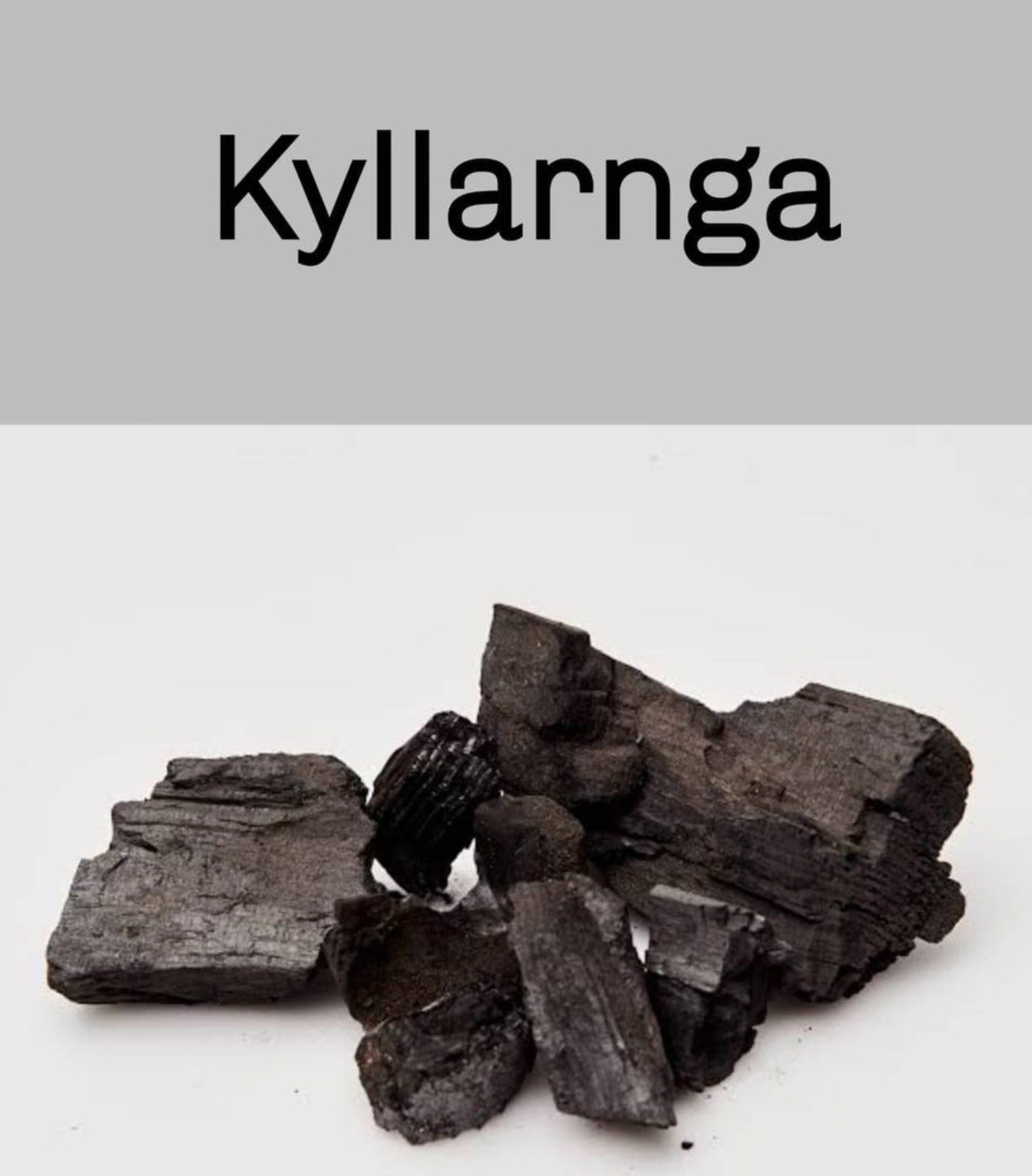
  • Kyllarnga

    Ka ktien "kyllarnga" ka mut kaei kaei kaba la duh noh ïa ka jinglong tynrai.

    Kane ka lah ban dei ka jingduh noh ïa ka jinglong kaba pynlong ïa kiei kiei kumba ki long, ka jingduh ïa ka jinglong ne ka bynta kaba donkam eh, ne ka jingduh ïa ka jingshisha ha kiei kiei baroh.

    The word "kyllarnga" refers to something that has lost its origin or source or essence. This loss may be the loss of the quality that defines the nature of things as they are, the loss of the quality or the part which is of critical importance, or the loss of truth in all things.

    "Rnga" is the Khasi word for charcoal and here it is coupled with the word "kylla" which means change. Thus "kyllarnga" denotes a difficult change which leads to an irrevocable loss. 😢🚫❌

    🟡 English translation by @speakyourroots

  • Legal Terms in Khasi

    Lawyer – Muktiar

    Lawsuit – Ka Mokotduma

    Deed – Ka Dulir Khyndew

    Gift deed – Ka Jingaisngewbha/ Ka Dulir Jingaisngewbha

    Lease deed – Ka Dulir Ai Wai

    Fine – Ka Jarimana/ Ka Daiñkuna

    Judge – Nongbishar

    Magistrate – Majistor

    Court house- Ka Ïingkashari/ Ka Ïingbishar

    Witness – Nongsakhi

    Boundary description – Pud Sawdong

    Court appearance – Hajir

    Signature – Jingsoi

    Judgement/ Order – Ka Jingbishar/ Ka Rai

    Bailor – Bahjamin

    Divorce – Pyllait San Shyieng

    Maintenance – Bai Bam

    Defamation – Ka Jingpynbudnam

    Plaintiff / Petitioner – Nongmudui

    Defendant/ Respondent- Nongshahmudui

    Offence/ Illegal act – Ka Kam Be-aiñ

    Tax/ Royalty – Musur

    Cross-examine – Swar

    Petition – Dorkhad

    Mortgage – Ka Bynda

    Many of us might not know the correct legal terms in Khasi. 📃🖋️ So here they are!

    Khublei Shibun @nisha_daphi for sharing your legal know-how! 😀🙏

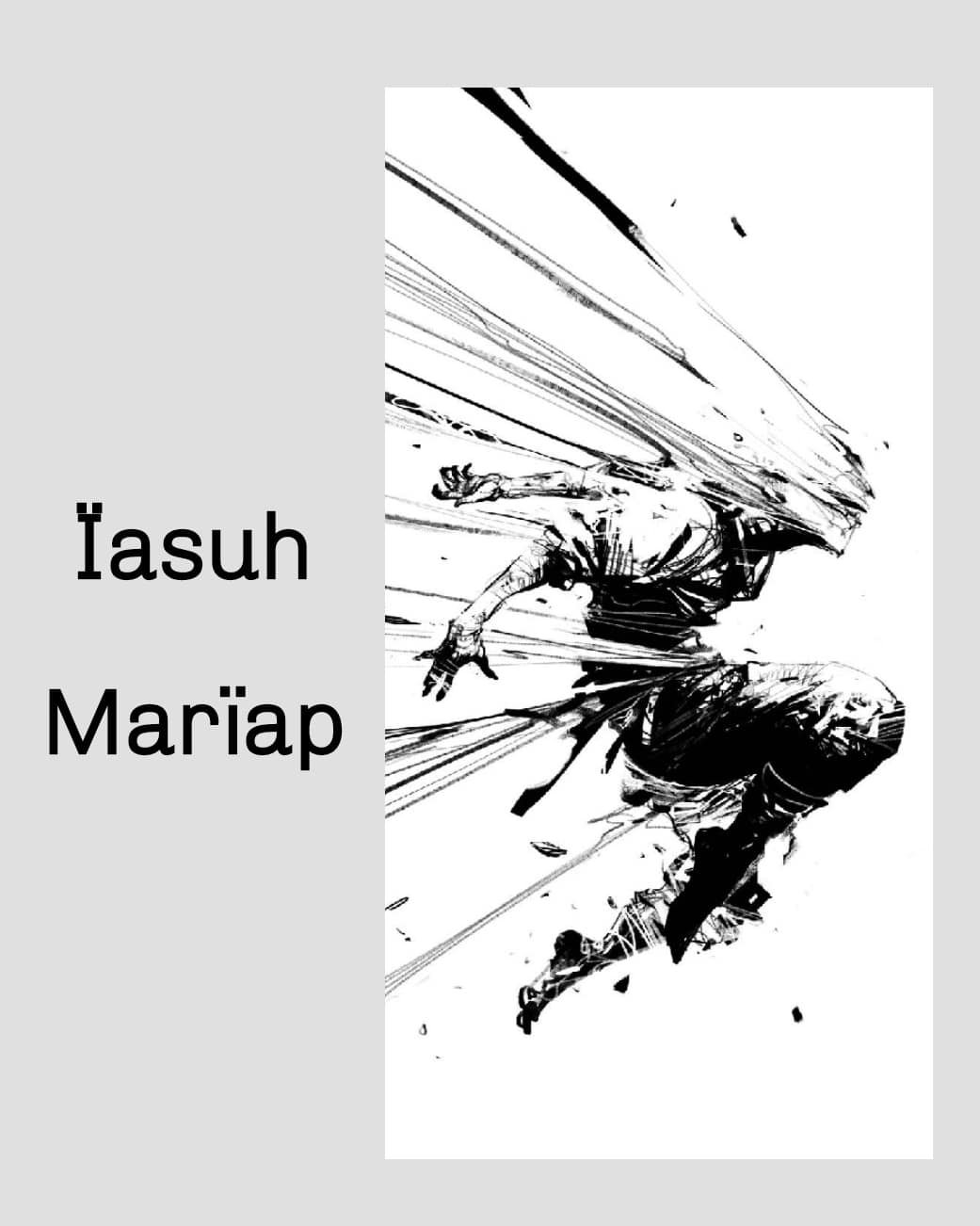
  • Ïasuh Marïap

    Ka jingong "Ïasuh marïap" ka mut kaba rai kut ïa la ka jingim da kaba pynmih lut ïa la ka bor ha kano kano ka thong ne jingpyrshang khatduh artat.

    Shuh shuh, lah ban batai ba ka dei ka jingïaleh kheiñduh ïalade bad kata ka jingïaleh ka dei kaba khatduh ïawai artat.

    The phrase "Ïasuh marïap" refers to an irreversible decision that is taken with regards to oneself, where there is an absolute and complete expending of power or energy in any competition, challenge or endeavour.

    This competition, challenge or endeavour may be the last or final one in the life of this particular individual. The phrase "do or die" may partially describe this situation.

    The Khasi phrase "Ïasuh Marïap" reflects the grit and determination that we need in our lives. ⚡⚡⚡

    🟡 English translation by @speakyourroots

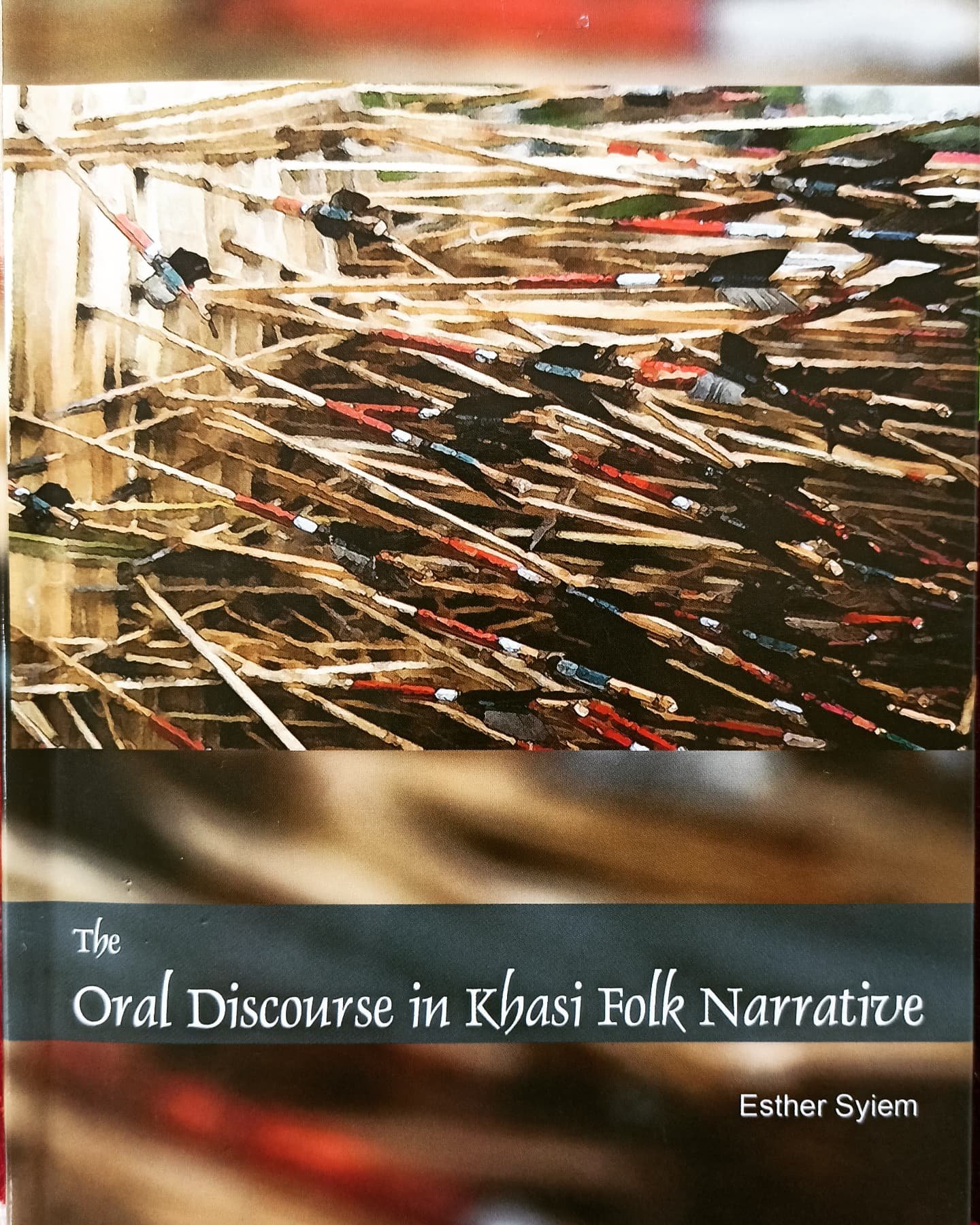
  • The Oral Discourse in Khasi Folk Narrative by Esther Syiem

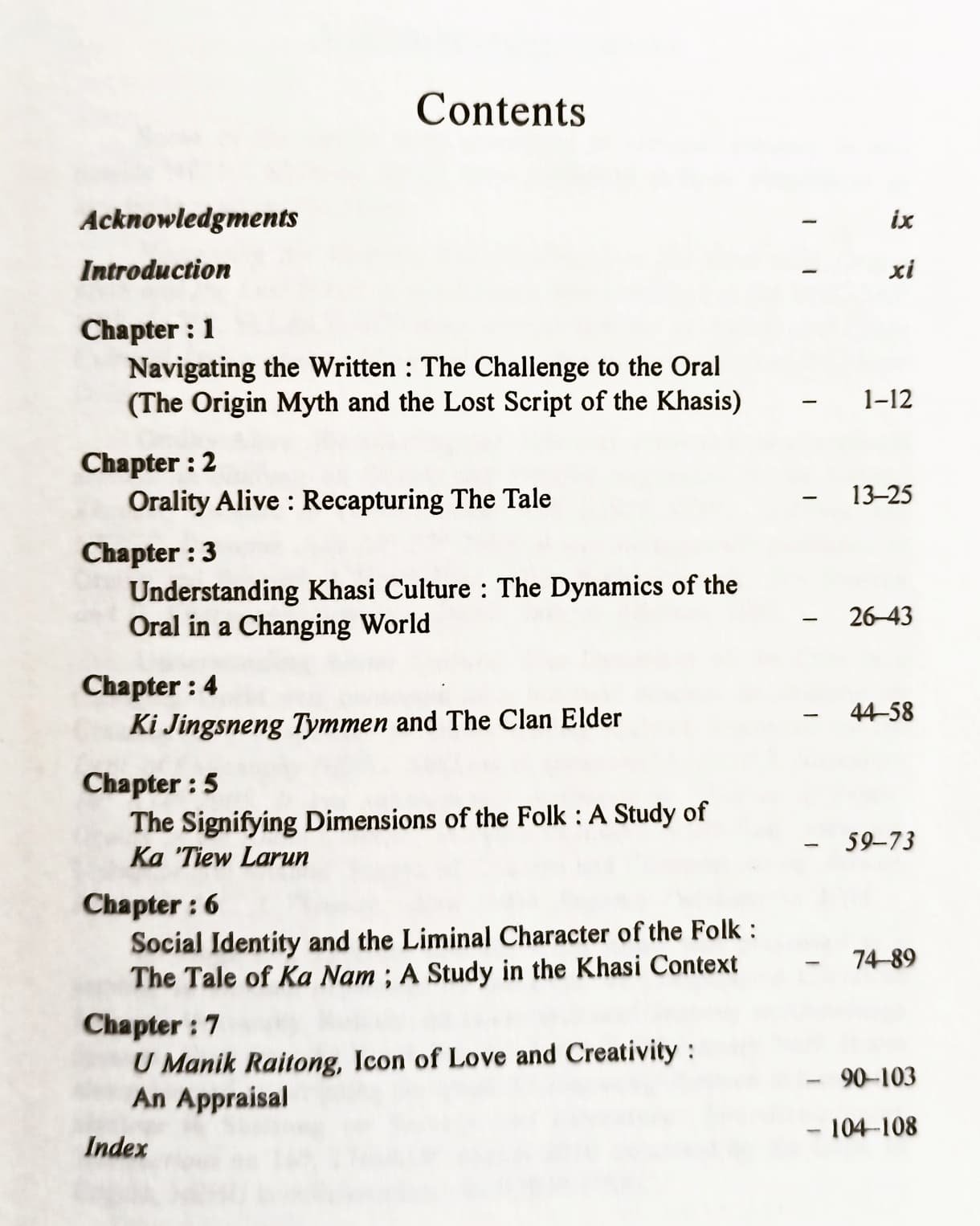
    The Oral Discourse in Khasi Folk Narrative by Dr. Esther Syiem @meiithei (2011) offers analysis and insight into Khasi orality. The book discusses the Khasi world view, showing how the oral tradition thrived in the past and how it is still a powerful presence among the Khasi community in the twenty-first century.

    This book will especially be beneficial for researchers and anyone wanting to know and understand the Khasi oral tradition in an in-depth way.

  • Different kinds of quantity or measurement in Khasi

    "Shi-bdi" ka dei arphew tylli (20) ka diengïap ne diengthang/ twenty pieces of firewood.

    "Shi-bhar" ka dei laiphew ar tylli (32) u soh ha bhar rit lane hynriew phew saw tylli (64) u soh ha bhar heh. Kane ka dei ka rukom ñiew soh/ this is a method of counting fruits which contains thirty-two or sixty-four fruits according to a small or big "bhar".

    "Shi-biah" lane "shi khongpong" ka dei shi song u sla tympew kaba kynthup haduh hynriewphew tylli (60) ki sla khamtam ki sla kiba heh ban die ha ïew/ sixty leaves of the betel leaf especially the bigger leaves to be sold in the market.

    "Shi-khongshi" ka dei shi song kaba kynthup arphew tylli (20) u sla tympew/ a pack of twenty leaves of betel leaf.

    "Shi-kaa" ka dei shi nat u kwai/ a bunch of betel nut.

    "Shi-kti" ka dei shiphew tylli (10) u kwai/ ten pieces of betel nut.

    "Shi-kani" ka dei shi byrni kaba kynthup sawspah tylli (400) u kwai/ one sack which contains four hundred betel nuts.

    "Shi-káw" ka dei ka tylli kaba kynthup 1280. La ju pyndonkam ïa kane ka ktien bad ki jingteh, ki sbái, ki sohmynken bad kiwei kiwei/ a number which contains 1280. This number is used in terms of referring to things that are tied in a bundle.

    "Shi-klah" ka dei shi rynïeng ka kti/ a full arm's length.

    "Shi-kot" ka dei arpruh ne u dieng thew uba kot arpruh/ 36 inches or a measuring stick of 36 inches. (Shi pruh is 18 inches)

    "Shi-dista" ka dei arphew sla (20) ka kot sada/ twenty sheets of paper.

    "Shi-dorjon" ka dei khatar tylli (12)/ containing a dozen.

    "Shi-hali" ka dei saw tylli (4)/ containing four.

    "Shi-jhap" ka kynthup ïa kaba khathynriew ngut (16) ba dei tang ïa ki khun ba la kha lane shi ryngkap ki khnam/ sixteen children or sixteen arrows in a quiver.

    Khasis have many units of quantity and measurement that have been used for the purpose of trade, commerce and business 🧮⚖️

    🟡 English translation by @speakyourroots
  • Thoh shun ki blei

    "Thoh shun ki blei" ka dei ka shun ba la thoh da ki blei. Kane ka jingong kaba sngewtynnad ka thew ïa kito ki briew kiba don ïa ka bok ka nusib ban long 'riewkhraw, 'riewspah ne riewpawnam.

    Ïa ka jingthoh shun ngi lah ban shim kum ka jingpruid lynti lypa ïa ka jingim jong u ne ka briew bad ka jingshem bha shem miat jong ki kaba la mang da ki blei.

    The phrase "Thoh shun ki blei" literally means lime paste that has been marked or traced by the gods. This phrase symbolically refers to an individual who possesses the good fortune, of becoming great, wealthy, famous or well-known.

    The marked lime paste is a metaphor for being marked for good fortune in life, which can be interpreted as a predestination of the gods.

    In Khasi culture, lime paste figures prominently as an aid for protection from forces of evil.

    "Thoh shun ki blei" is to be blessed with that extra something that no man can take away!

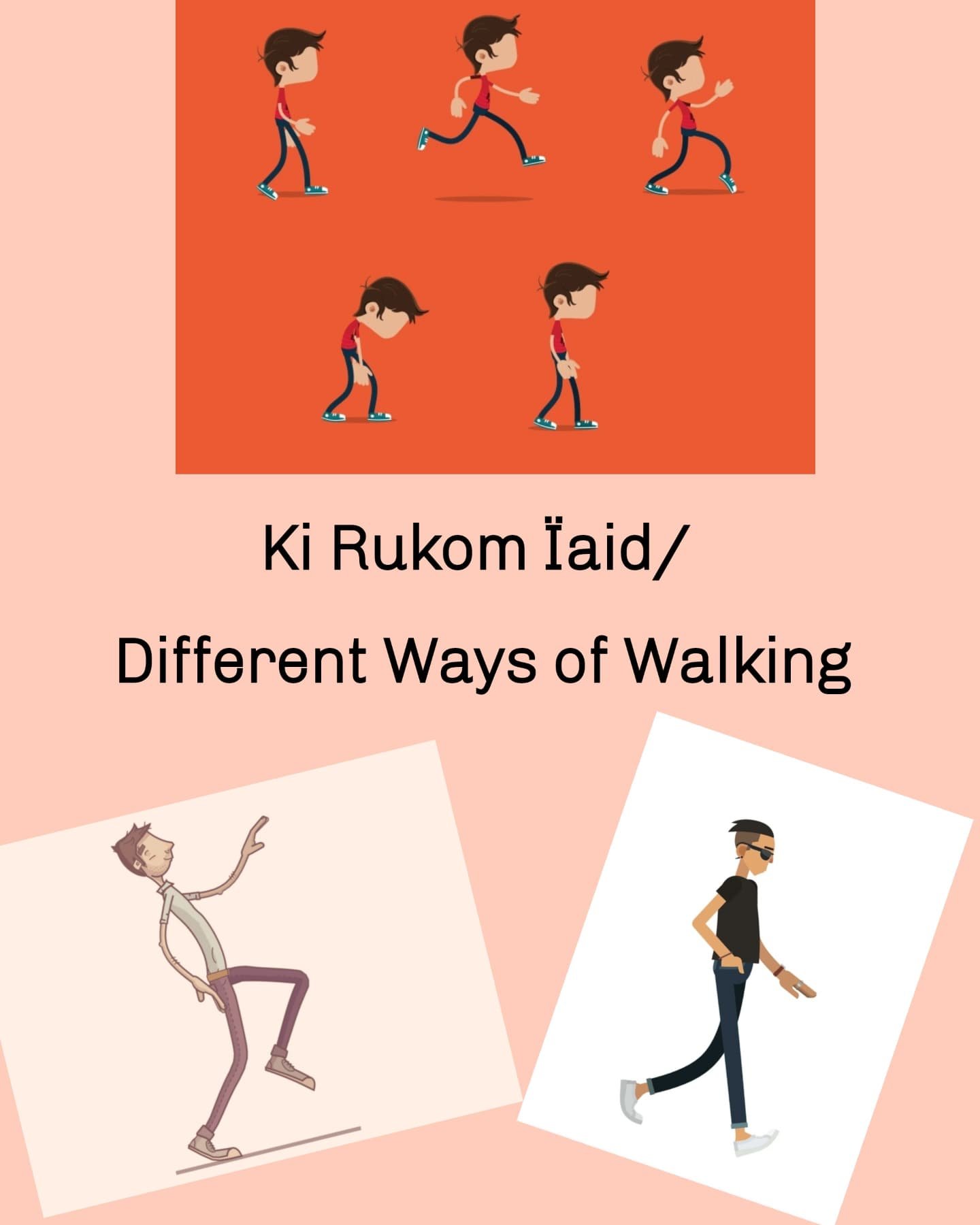
  • Ki Rukom Ïaid /Different Ways of Walking

    Ïaid-khning-khning ka dei haba ïaid kynjing lem bad ki khohwah kiba rit i kum ban kheiñ noh/ to walk tip toe with legs that are so thin they look like they will break.

    Ïaid-khrup-khrup ka dei kaba ïaid kyrdem da ki juti halor ka madan/ to walk with thumping stomps.

    Ïaid-kjik-kjik ka dei haba ïaid ba pynsting ïa ka met, i kumba ym i kwah pyndei khyndew ïa la ki kjat / to walk while trying to lighten the weight of the body, appearing not to want the feet to touch the ground.

    Ïaid kniah-kniah ka dei haba ïaid bhabriew, i kumba ym i kwah ïakren briew shuh/ the walk of someone who feels so beautiful or handsome that they don't seem to want to talk to anyone anymore.

    Ïaid-knip-knip ka dei haba ïaid dkoh i kumba shon maw rit iba nep ha ki pohjat/ to walk with a limp as if there is a small stone poking the foot.

    Ïaid rynthew ka dei haba ïaid khlem da klum ne syndong ïa la ki jaiñ kiba noh/ to walk carelessly without gathering one's clothes around one's body.

    Ïaid shutïew ka dei haba ïaid suki than eh bad ïaid khlem rah ki kjat / to walk in an extremely slow manner without lifting the feet.

    Ïaid pawang ka dei haba ïaid kyreit bad pawang la ki kti haba ïaid, i kumba ym suitñiew briew/ to walk pompously not seeming to be bothered about other people.

    Here's a collection of different kinds of walks 🚶🏃🕺💃😂😂 There are still so many more but these are all we can "walk" with right now..phew! 😅

    Phi mynjur ne em ba tang na ka rukom ïaid lah ithuh ïa ki jinglong jong ngi? Can others guess how we are just by the way we walk? 😄🤔

    🟡 Source: Rev. Dr. Ïarington Kharkongor

    🟡 English translation by @speakyourroots

  • Another list of Khasi words

    Very young – Jawlia

    Why not – Haw

    Perchance – Tyndi Tynda

    Overcoat – Ka Blub

    Issues – Ki Matiïatei

    Interpreter – Dubasia

    Excitement – Ka Saw Ka Sian

    Another list of Khasi words that we can start using again so they become part of everyday speech 😀😀

    🟡 Source – Ka Dienshonhi: The Khasi Encyclopaedic Dictionary by Rev. Dr. Ïarington Kharkongor

  • Kut ka speed

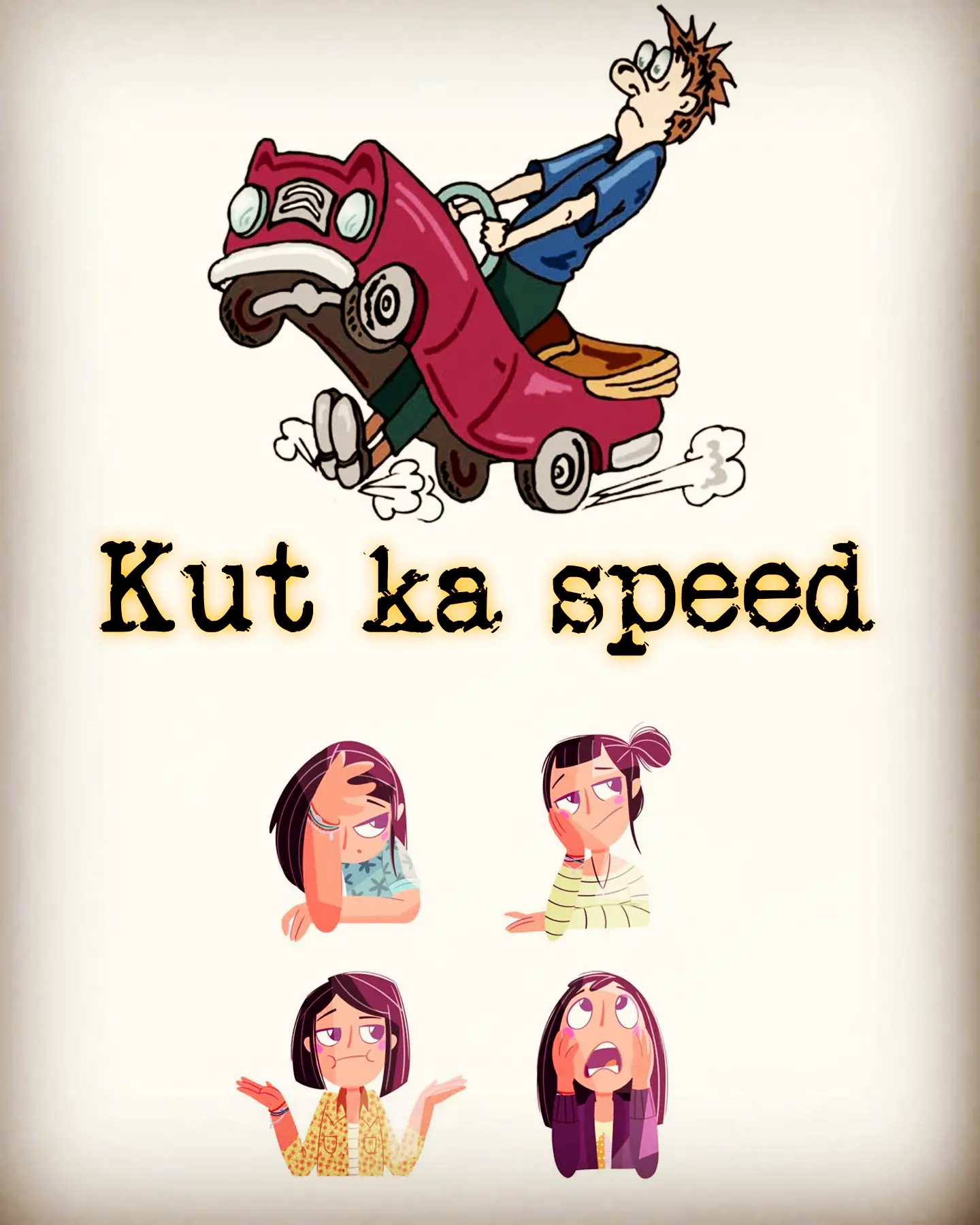
    "Kut ka speed" is a humorous phrase which is a combination of Khasi and English. "Kut" in Khasi means an end or a stop to something.

    So "kut ka speed" means the end of something that was looked forward to, like the cancellation of a picnic or the abrupt end to something which had promise like a failure in business. The use of the English word "speed" in the phrase emphasises the end or the stop to an action or event which was deemed to have momentum (in the literal and symbolic sense) but which met with an untimely end. The phrase also has the power of a warning, so as to caution someone, in case what they are doing will end up incomplete or as a failure.

    An example of the phrase in a sentence: "Ka bha ba phi mih kloi. Da mih kham sngi tang ka dheng kali ruh lah kut ka speed."

    This sentence can be translated as "You should leave early, otherwise the traffic will be kut ka speed". The phrase sounds unsuitable when the sentence is translated into English. It does not possess the same punch because it is meant to be a sentence in Khalish and not English. Further, the exact sense of the sentence is lost when we try to translate it.

    "Kut ka speed" is an interesting example of "Khalish", that is the combination of English and Khasi. The merging of indigenous languages with English is happening around the world and shows the development and evolution of language. This is present mainly in urban areas where people use English daily in their communication with others.

    Khalish in particular leads to funny phrases and jokes which have a distinct ring and flavour to them which is both indigenous as well as global. Though there will be many critiques, this phenomenon is here to stay and seems inevitable in the evolution of language.

    When you were planning to have that jadoh but when you reach the Kong says there's no more jadoh! Huuu…kut ka speed! 😂😂😂

    "Kut ka speed" is the Khalish equivalent of a buzz kill 😖 Don't deny it, especially the Shillongites 😅 Khalish has become a way of how we speak 😜

    Please comment with sentences having "kut ka speed" 😂😂

  • Some food for thought

    Knowing our own mother tongue is not merely being able to read and write in our mother tongue, but also understanding the knowledge, wisdom and truth that it contains.

    Ngi pule Khasi tang ha skul bad ïa bun na ngi ka kut noh tang hangta. Ha ka jingshisha, ngi dei ban pule ïa ki kot Khasi khamtam eh da ngi lah heh, namar ngin kham sngewthuh shai bad jylliew ïa kiei kiei haba ngi la san ka jingmut jingpyrkhat. Ngi dei ban kheiñkor nyngkong eh ïa ka ktien la jong shuwa. Ka shong ha ki kmie ki kpa ruh ban pynshlur ïa ki khun ban shim khia bad ban don ka jingsngew kitkhlieh na ka bynta ka ktien la jong.

    So how many Khasi books do you own?

    Some food for thought…💭🗯️💬